
This Historic Wisconsin Restaurant Has Served Everyone From Frank Sinatra To JFK
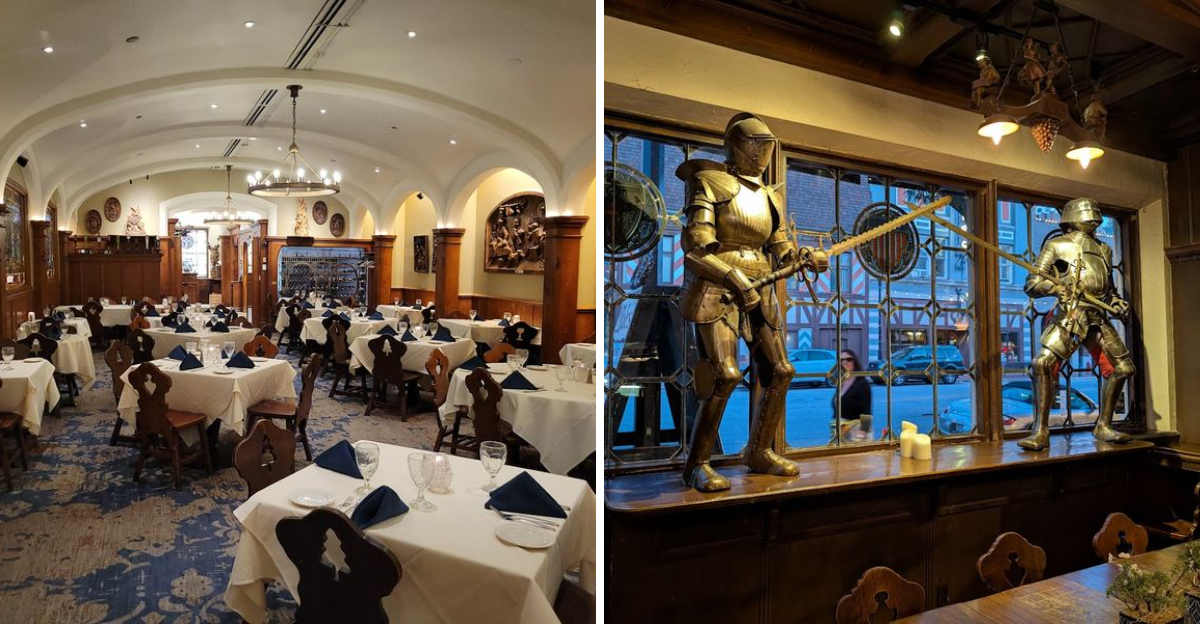
Dining history feels a lot more exciting when presidents, musicians, actors, and generations of locals have all shared the same room. One Milwaukee restaurant turns dinner into a trip through Wisconsin’s past, complete with carved wood, old photographs, hearty German plates, and stories waiting around every corner.
The menu leans proudly into schnitzel, sausages, sauerbraten, and rich comfort food built for serious appetites. Even the walls feel famous.
Celebrity visits have become part of the lore, but the real reason people return is much simpler. Tradition still tastes good here.
A meal can feel elegant, nostalgic, and wonderfully filling all at once, making this landmark the kind of place that refuses to fade quietly.
Mader’s Has Been A Milwaukee Landmark Since 1902
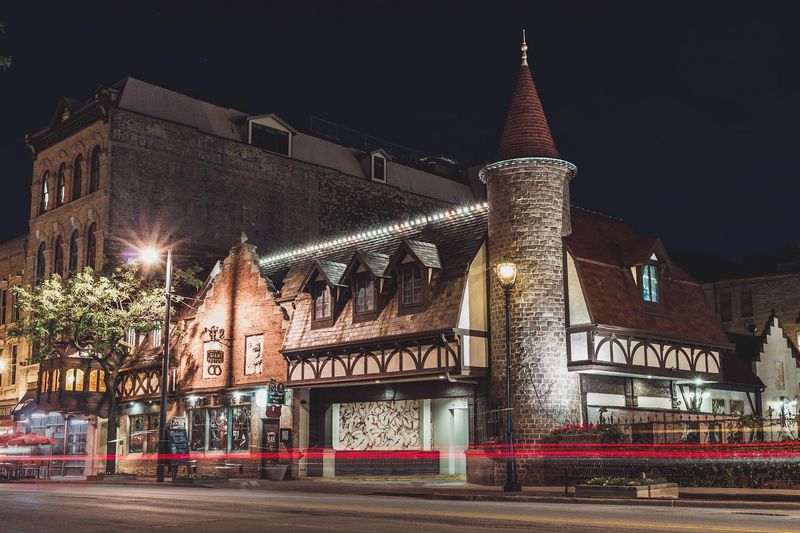
Opening its doors when Theodore Roosevelt occupied the White House, Mader’s has witnessed Milwaukee transform through twelve decades. The restaurant survived Prohibition, two World Wars, and countless economic shifts while maintaining its commitment to hearty German cooking.
Families have celebrated weddings, anniversaries, and graduations here across four generations.
Located at 1041 N Doctor M.L.K. Jr Dr, Milwaukee, WI 53203, the building itself tells stories through every timber and tile.
Original woodwork still graces the dining areas, and stained glass windows cast colorful patterns across tables during afternoon service. The longevity speaks to something deeper than just survival, it reflects a dedication to quality that modern restaurants struggle to replicate.
Few establishments anywhere can claim such continuous operation under family guidance. That consistency creates trust with diners who know exactly what awaits them, whether visiting for the first time or the fiftieth.
Charles Mader Built The Restaurant After Coming From Bavaria
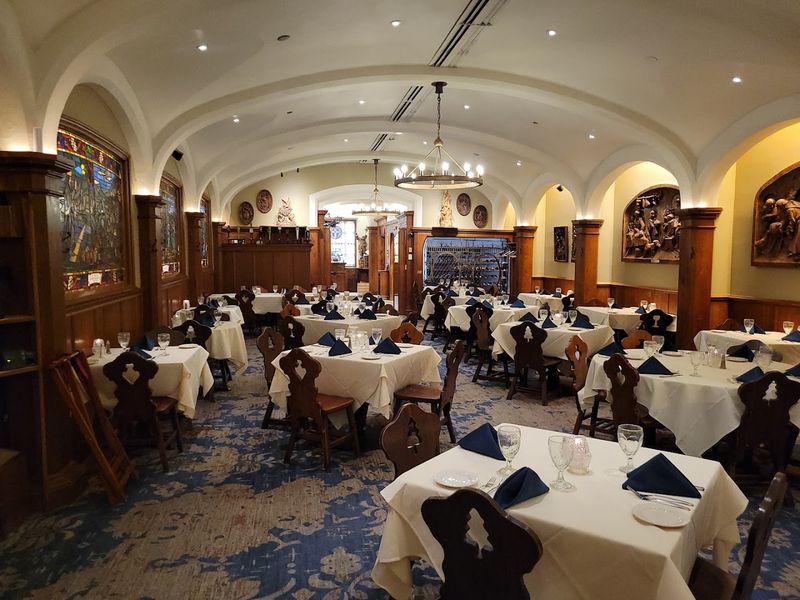
Bavaria sent Charles Mader to America carrying recipes, ambition, and an understanding of how food connects people to their heritage. He recognized Milwaukee’s large German population needed a place that felt like home, somewhere the flavors and atmosphere transported them back across the Atlantic.
His vision went beyond simply serving meals, he wanted to recreate the warmth of Bavarian gathering spaces.
The immigrant experience shaped everything about how Mader approached his restaurant. He insisted on authenticity in ingredients, preparation methods, and presentation, refusing shortcuts that might compromise the genuine taste of his homeland.
Staff learned traditional service styles, and the dining room reflected the cozy yet grand feeling of European establishments.
Charles built more than a business; he constructed a cultural bridge. His legacy continues because he understood that restaurants preserve memories and traditions as much as they satisfy hunger.
The Dining Room Feels Like Old World Europe In Wisconsin
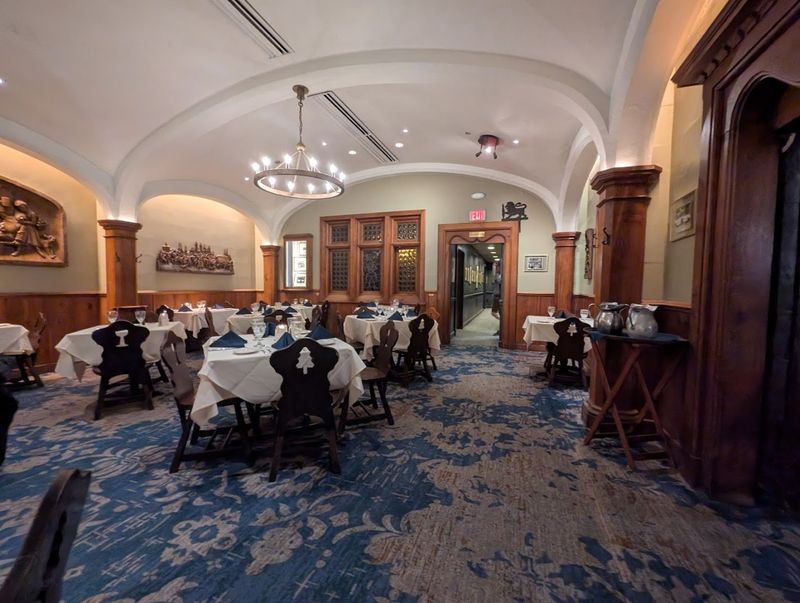
Stepping inside Mader’s triggers an immediate sensory shift, as though crossing an invisible border into another continent. Dark wood paneling rises toward ceilings adorned with intricate carvings, while stained glass filters natural light into jewel-toned beams.
The space manages to feel both intimate and grand, with nooks for quiet conversations and larger areas for celebrations.
Authentic German decorative elements fill every corner without tipping into theme-park territory. Waitstaff wear traditional attire that complements rather than costumes the experience, moving through rooms with practiced efficiency.
The atmosphere strikes a balance between formal and welcoming, making guests feel they should sit up straight while simultaneously relaxing into their chairs.
Many modern restaurants chase trends, but Mader’s proves that timeless design holds its own appeal. The dining room hasn’t needed reinvention because the original concept was executed so thoroughly and thoughtfully from the beginning.
Famous Guests Helped Turn Mader’s Into A Milwaukee Legend
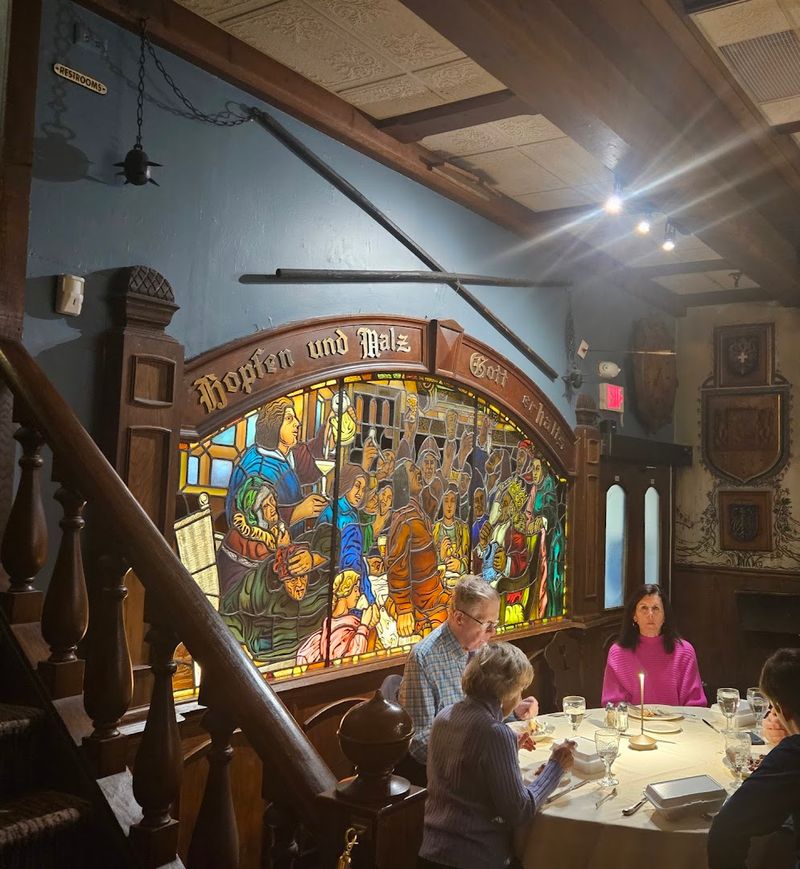
Celebrity sightings became part of Mader’s identity long before social media made such moments currency. Politicians, entertainers, and athletes discovered the restaurant through word of mouth, drawn by reports of exceptional food and discreet service.
The staff learned early that famous guests appreciated being treated like regular customers, allowed to enjoy their meals without excessive fuss.
Photographs lining the walls document decades of notable visitors, creating an informal hall of fame that adds character to every meal. These images aren’t displayed with boastful pride but rather as gentle reminders of the restaurant’s place in Milwaukee’s cultural fabric.
Servers share stories when asked, recounting encounters with grace and humor.
The famous names elevated Mader’s profile, but the restaurant earned those visits through consistent excellence. Stars returned not for publicity but because the schnitzel was that good, the atmosphere that genuine, and the experience that memorable each single time.
JFK And Frank Sinatra Are Part Of The Restaurant’s Star-Studded Story
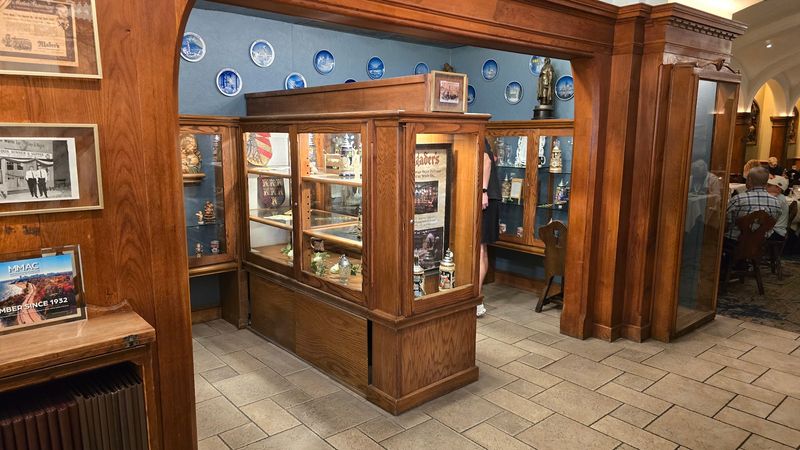
President John F. Kennedy and Frank Sinatra represent perhaps the most glamorous era in Mader’s celebrity guestbook.
Kennedy’s visit brought Secret Service agents and heightened excitement, yet the restaurant maintained its composure and delivered the same quality service extended to every patron. Sinatra, known for his exacting standards and appreciation for authentic cuisine, reportedly praised the restaurant’s commitment to traditional preparation.
These two icons symbolize different facets of American culture, political power and entertainment royalty, yet both found something worth experiencing at 1041 N Doctor M.L.K. Jr Dr. Their visits validated what locals already knew: Mader’s operated at a level worthy of the country’s most discerning diners.
The stories surrounding these visits have grown into legend, passed down through staff generations.
While other restaurants might plaster such connections across marketing materials, Mader’s lets the history speak quietly. The quality that attracted presidents and crooners still defines every plate leaving the kitchen today.
German Classics Keep The Menu Rooted In Tradition
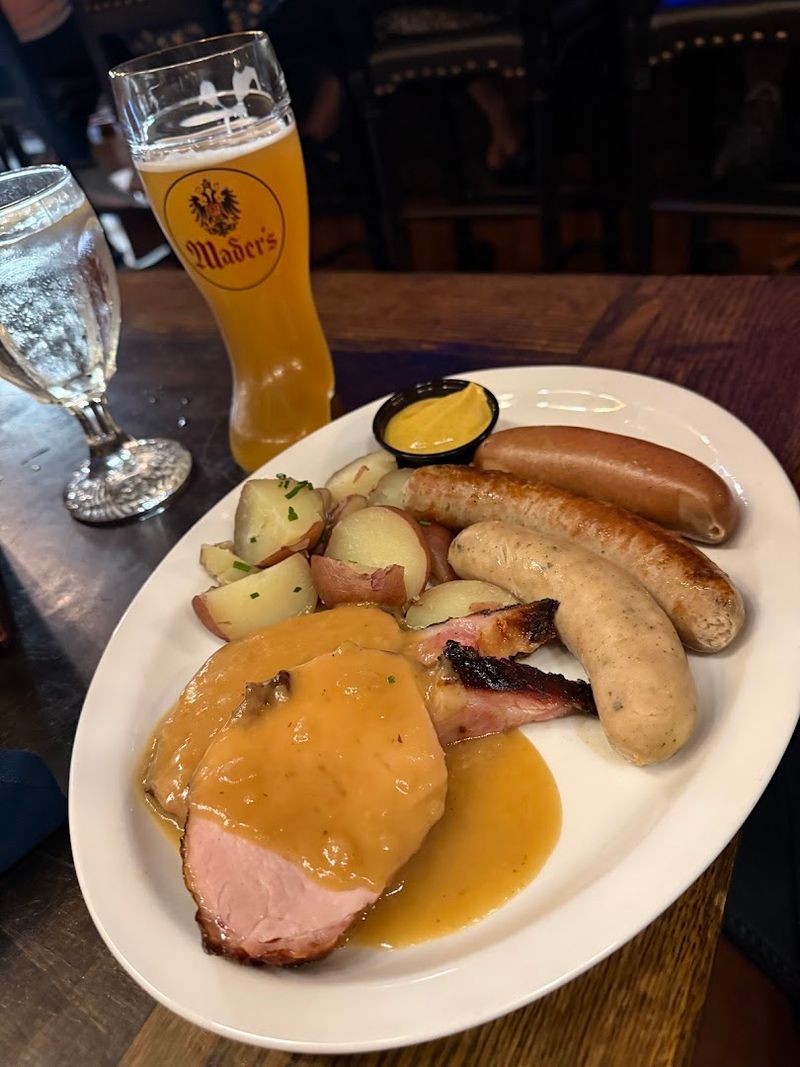
Mader’s menu reads like a textbook of German culinary tradition, featuring dishes that have sustained the culture for centuries. Rather than chasing culinary trends or fusion experiments, the kitchen focuses on perfecting recipes that have proven their worth across generations.
Each item represents hours of preparation, from marinades that develop flavor over days to techniques requiring patient attention.
The commitment to authenticity means sourcing specific ingredients and refusing substitutions that might save money but compromise taste. Spices arrive from trusted suppliers, meats meet exacting standards, and vegetables get prepared using methods that maximize their contribution to each dish.
This dedication costs more in time and resources, but the results justify every extra effort.
Diners seeking adventure through novelty might look elsewhere, but those wanting to experience German cuisine done properly find exactly what they need. The menu proves that tradition, when executed with skill and care, never becomes boring or outdated.
Wiener Schnitzel Remains One Of The Restaurant’s Signature Dishes
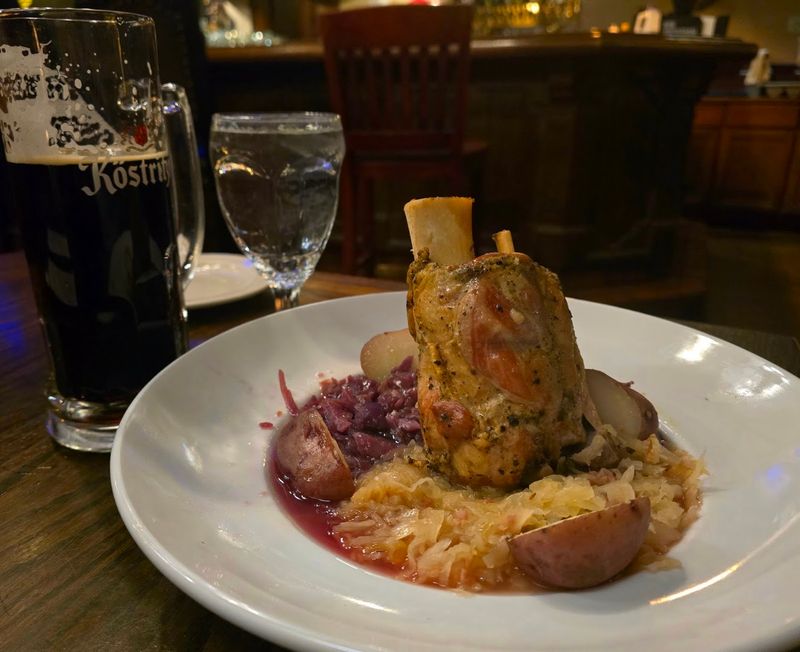
Golden, crispy, and impossibly tender, the Wiener schnitzel at Mader’s demonstrates why simple preparations demand the highest skill. The veal gets pounded to precise thinness, ensuring even cooking and that signature delicate texture.
Breading adheres perfectly, creating a shell that shatters satisfyingly under a fork while protecting the meat’s moisture.
Preparation follows strict Viennese standards, with each step executed according to techniques refined over centuries. The cutlet never sits in oil but rather floats, allowing fat to circulate and create that characteristic crisp without greasiness.
Timing matters immensely, seconds too long and the breading toughens, too short and it lacks proper crunch.
Guests can order the standard version or upgrade to veal for deeper flavor and more traditional authenticity. Either choice delivers a masterclass in how restraint and technique triumph over complicated preparations.
The schnitzel needs no elaborate sauce or garnish because it achieves perfection through execution alone.
Sauerbraten Gives The Menu Its Deep Old-School Flavor
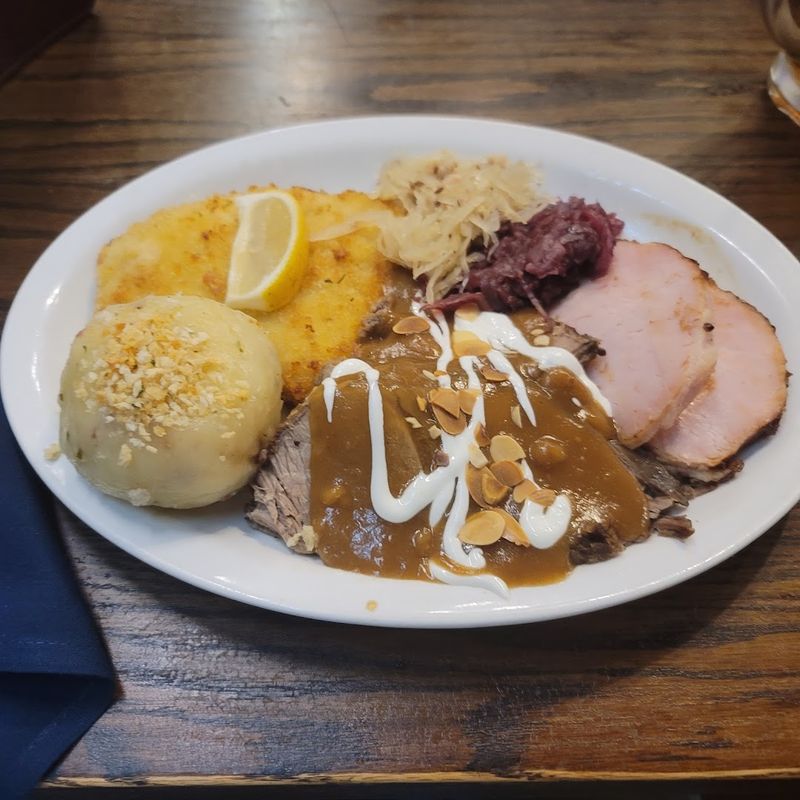
Sauerbraten requires patience that modern cooking often dismisses, with meat marinating for days, vinegar, and spices before ever meeting heat. This extended bath transforms tough cuts into fork-tender masterpieces while building layers of tangy, sweet, and savory complexity.
The resulting flavor profile tastes simultaneously bright and deep, familiar yet distinctive.
Mader’s version honors the dish’s working-class roots while elevating presentation to match the upscale setting. Thick slices of beef arrive draped in rich gravy that carries hints of gingersnap cookies, a traditional thickening agent that adds subtle sweetness.
The accompanying red cabbage and spaetzle complete the plate with complementary textures and flavors.
Some dishes reveal their secrets immediately, but sauerbraten unfolds across multiple bites as different flavor notes emerge. It represents German cooking at its most characteristic, humble ingredients treated with respect and time to achieve something genuinely special and memorable.
The Restaurant’s Medieval Armor Makes Dinner Feel Dramatic
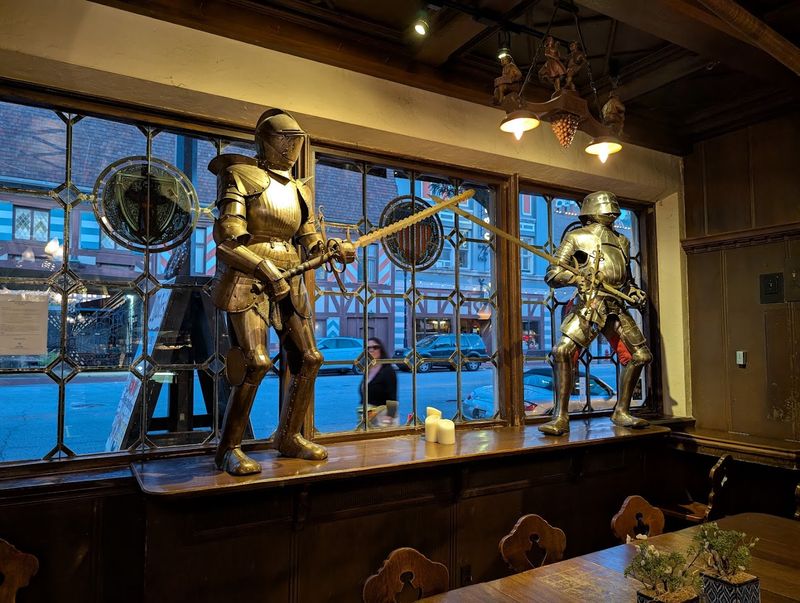
Suits of armor stand sentinel throughout Mader’s dining rooms, adding an unexpected theatrical element to the German restaurant experience. These aren’t cheap reproductions but genuine antique pieces that connect the space to European history spanning back centuries.
The armor creates conversation starters and photo opportunities while reinforcing the Old World atmosphere that defines every aspect of the restaurant.
Children especially delight in dining surrounded by knights, their imaginations sparked by the imposing figures. Adults appreciate the commitment to creating an immersive environment that goes beyond typical restaurant decoration.
The armor collection represents significant investment and curation, demonstrating how seriously Mader’s takes its role as a cultural institution.
Some might consider the medieval pieces odd for a Bavarian restaurant, but they work by evoking a broader sense of European history and grandeur. The armor reminds diners that they’re participating in something larger than a simple meal, they’re connecting to centuries of tradition and craftsmanship.
Old World Third Street Adds To The Historic Atmosphere
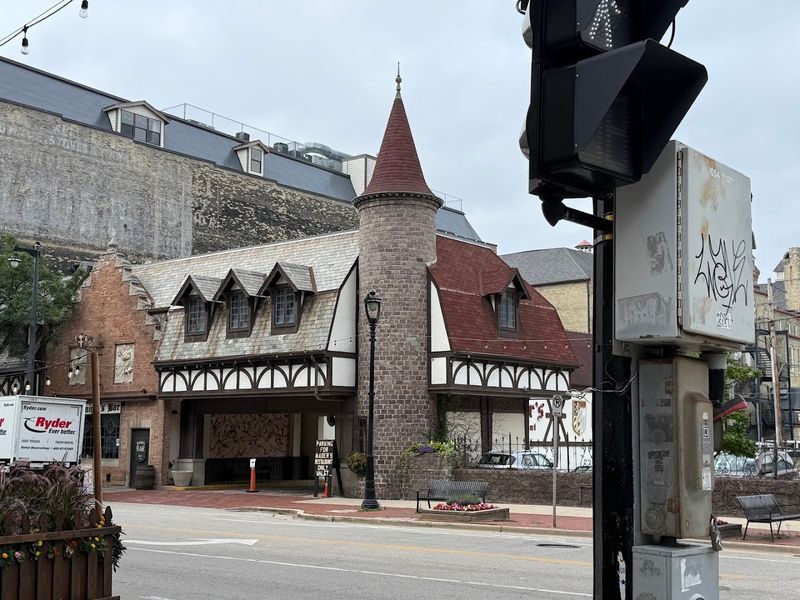
Mader’s location on Old World Third Street places it within Milwaukee’s historic German district, where cultural heritage remains visible in architecture and businesses. The neighborhood itself enhances the restaurant experience, allowing guests to stroll past other establishments that celebrate the city’s immigrant roots.
Visiting Mader’s becomes part of a larger cultural exploration rather than an isolated dining event.
The street name isn’t marketing fiction but an official designation recognizing the area’s importance to Milwaukee’s identity. German immigrants settled this neighborhood in waves during the nineteenth century, establishing businesses, churches, and social clubs that shaped the city’s character.
Walking these blocks means tracing the paths of people who built Milwaukee into the city it became.
Context matters when experiencing traditional cuisine, and the surrounding neighborhood provides that framework beautifully. Mader’s could exist anywhere, but its presence here, where German culture took root and flourished, adds authenticity that cannot be manufactured or replicated elsewhere successfully.