
This Historic Wisconsin Steakhouse Has Been Serving Guests For Over 175 Years
Some restaurants come and go. Others seem to stand still while the world changes around them.
In one quiet corner of Wisconsin, there’s a place where travelers have been stopping for a meal since the days of stagecoaches and dusty frontier roads. The building itself carries generations of stories, yet the tradition of welcoming hungry guests remains the same.
Today, diners gather for charcoal-grilled steaks and classic hospitality in a setting that feels wonderfully timeless, where every visit connects the present with a remarkable piece of the past.
A Restaurant With Roots Dating Back To The 1840s
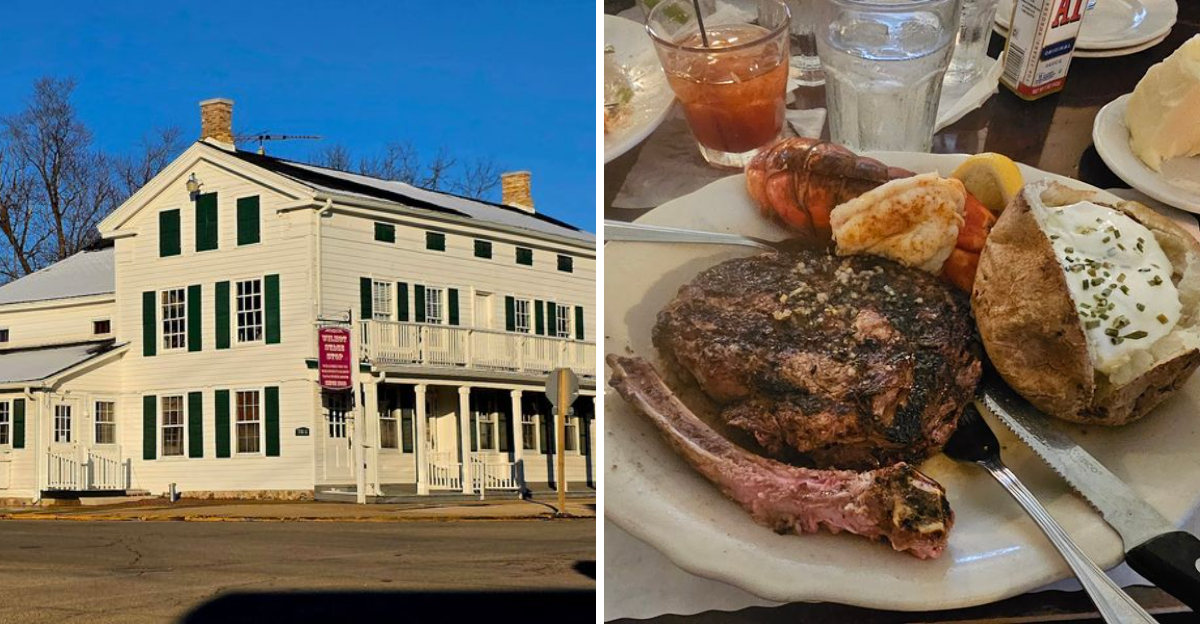
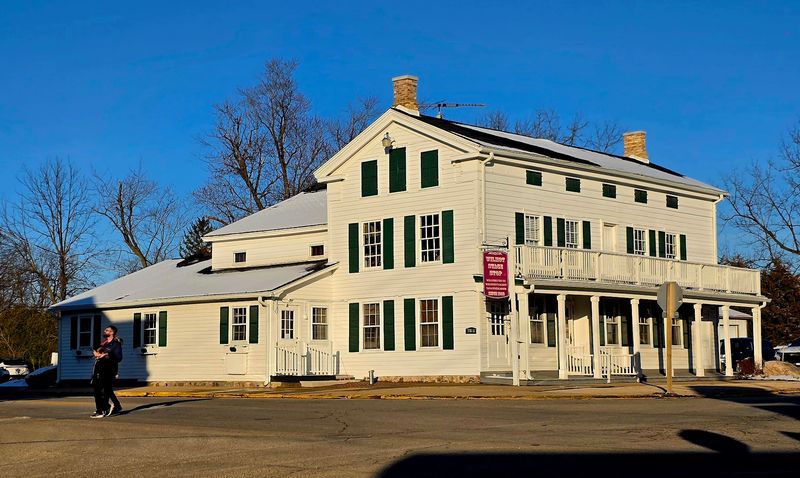
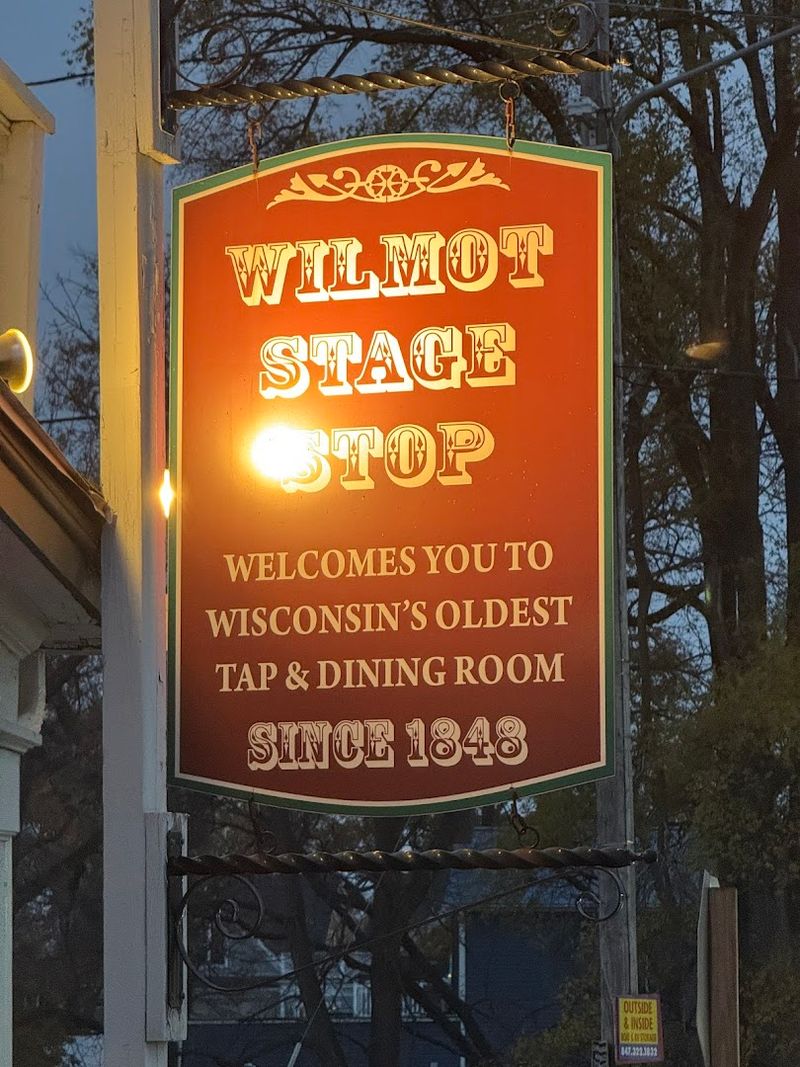
Few restaurants in America can claim a lineage stretching back nearly two centuries. The Wilmot Stage Stop opened its doors in 1848, the same year Wisconsin achieved statehood, making it a contemporary witness to the state’s entire history as part of the Union.
Travelers along dusty routes connecting Milwaukee to points west found respite here when the frontier was still being settled. The building served multiple purposes in those early days, offering lodging, meals, and a gathering place for settlers carving out new lives in the wilderness.
You can still sense that pioneering spirit when you visit 30646 113th Street in Wilmot today. The establishment has maintained its commitment to feeding travelers, though modern guests arrive by automobile rather than horse-drawn coach.
That continuity of purpose across generations makes every meal feel connected to something larger than dinner.
Originally Built As A Stagecoach Stop On Early Travel Routes
Before highways and interstates crisscrossed the landscape, stagecoach routes formed the arteries of American commerce and communication. Wilmot sat at a strategic point along these vital pathways, making it an ideal location for a waystation where horses could be changed and passengers could stretch their legs.
Stagecoach travel was grueling work, with bone-rattling rides over rough roads that left travelers exhausted and famished. Establishments like the Stage Stop provided essential services that kept the transportation network functioning smoothly.
Fresh teams of horses, hot meals, and sometimes overnight accommodations allowed the mail and passengers to keep moving.
The building’s design reflected these practical needs, with space for animals, storage for equipment, and dining facilities all under one roof. Today, the parking lot has replaced the stables, but the fundamental purpose endures at this southeast Wisconsin landmark.
One Of Wisconsin’s Oldest Continuously Operating Restaurants
Longevity in the restaurant business requires more than good fortune. Surviving economic depressions, changing tastes, and shifting demographics demands adaptability combined with unwavering commitment to core values.
The Stage Stop has navigated all these challenges while maintaining uninterrupted service for over seventeen decades.
Many establishments claim historical significance, but few can match this record of continuous operation. The building has never closed its doors permanently, never been converted to another purpose, and never strayed from its mission of feeding guests.
That consistency represents a remarkable achievement in an industry known for high turnover.
Walking through the dining rooms, you join a procession of diners stretching back through generations. Families have celebrated milestones here across multiple lifetimes.
The worn floorboards and time-darkened woodwork tell stories of countless meals shared, deals struck, and memories created beneath these rafters over the course of American history.
Historic Architecture That Preserves Its Frontier-Era Character
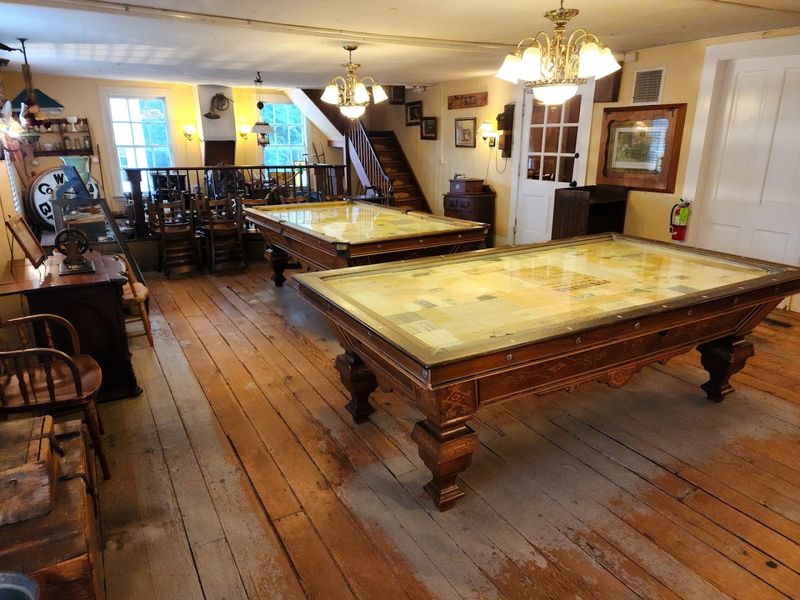
Authenticity cannot be manufactured or faked convincingly. The Stage Stop benefits from genuine architectural elements that have survived since the frontier era, giving the space an atmosphere that modern replicas can never quite capture.
Original timber framing, aged plank floors, and period construction techniques create an environment that feels genuinely connected to the past.
Preservation requires constant attention and careful maintenance. The owners have balanced the need to keep the building functional and safe with respect for its historical integrity.
Modern conveniences have been integrated thoughtfully, allowing contemporary diners to enjoy comfort without sacrificing the character that makes this place special.
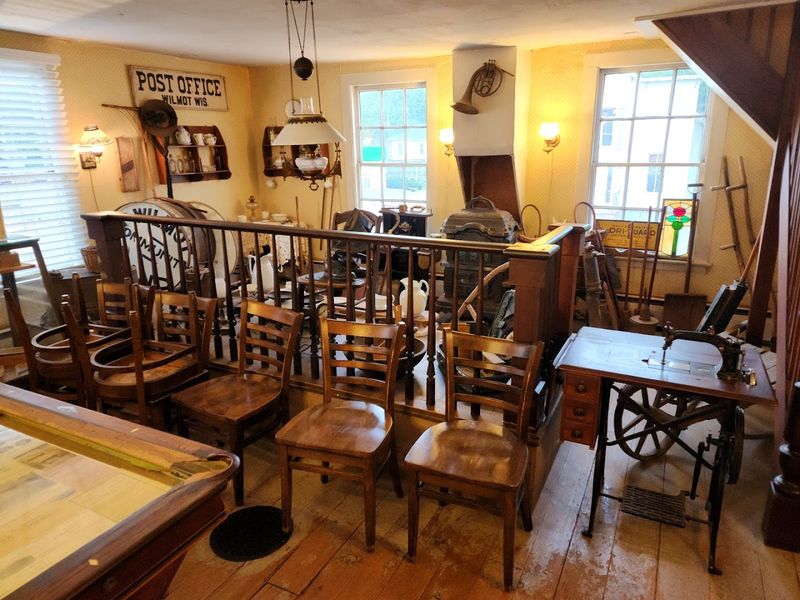
Upstairs, a museum showcases artifacts and photographs documenting the building’s long history. Antique furnishings, old photographs, and historical displays provide context for understanding how this structure has evolved while remaining fundamentally true to its origins.
The architecture itself serves as a teaching tool about Wisconsin’s settlement era.
Steakhouse Known For Classic Supper Club-Style Dining
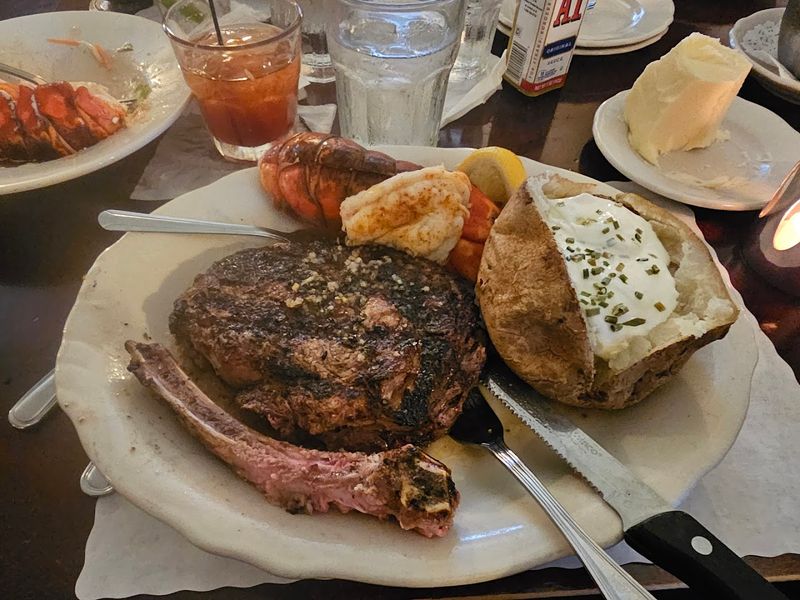
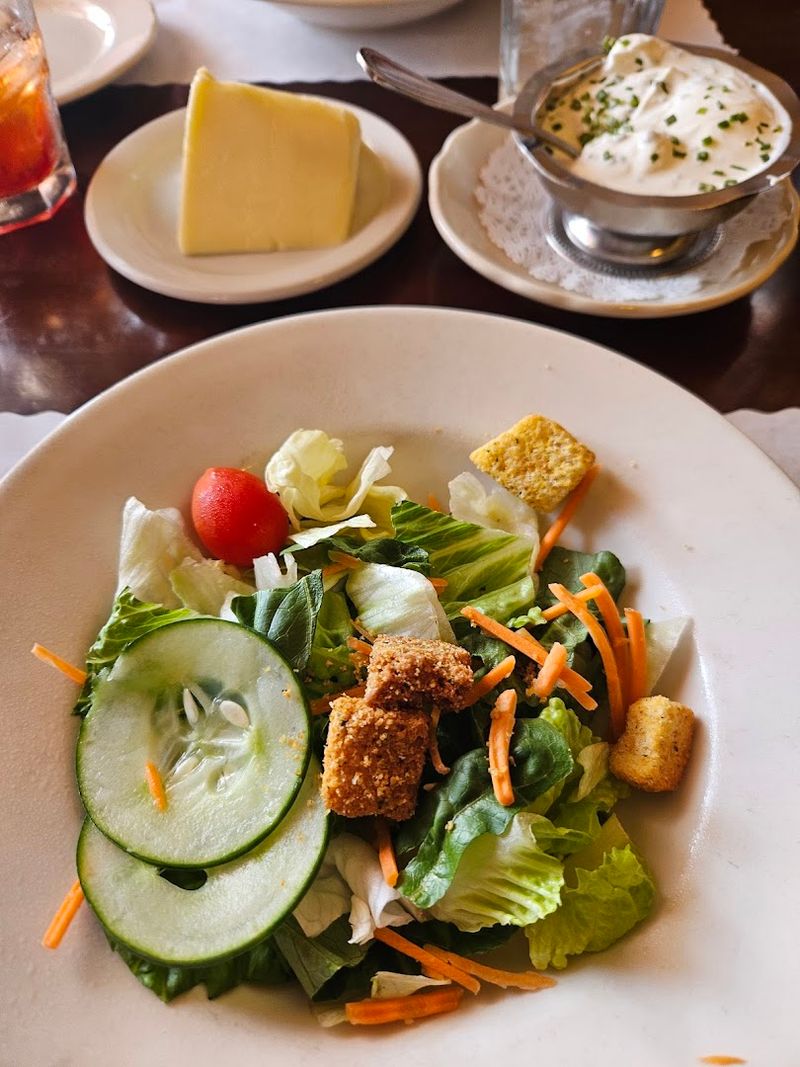
Wisconsin invented the supper club concept, and the Stage Stop exemplifies this distinctive dining tradition. The format follows a familiar pattern that locals cherish: old fashioned cocktails at the bar, simple salads with homemade dressings, substantial portions of expertly prepared proteins, and an unhurried pace that encourages conversation and relaxation.
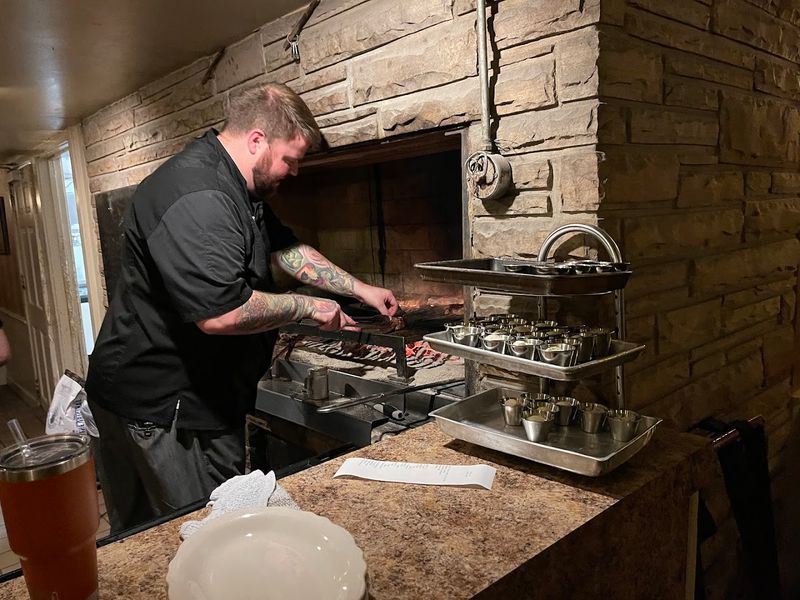
Charcoal grilling imparts a distinctive flavor profile that sets these steaks apart from gas-grilled competitors. The cooking method requires skill and attention, but delivers results that justify the effort.
Filet mignon, ribeye, and other premium cuts arrive at the table with the smoky kiss that only live fire can provide.
The menu deliberately avoids trendy complications, focusing instead on executing classic preparations with precision. This approach might seem old-fashioned to some, but it reflects confidence in traditional techniques and quality ingredients.
When you do something well for 175 years, there is little reason to chase every passing culinary fad that comes along.
Menu That Highlights Hearty Midwestern Comfort Food

Midwestern cuisine celebrates abundance and straightforward flavors without apology. The Stage Stop menu reflects regional preferences for substantial portions and familiar preparations that satisfy rather than surprise.
Baked potatoes arrive with legendary amounts of butter, a detail that has become part of the restaurant’s identity.
Lobster tails provide surf to complement the turf, butterflied and served with drawn butter kept warm over a candle. Grilled shrimp offers another seafood option for those who want something beyond beef.
The lobster bisque earns particular praise for its generous chunks of meat rather than token garnishes.
Salads come with small bowls of homemade Roquefort, French, and Thousand Island dressings, allowing diners to choose their preference or sample all three. Dinner rolls arrive in baskets to soak up that famous butter.
Pork chops offer an alternative to steak, prepared with the same attention to proper cooking temperatures and seasoning that defines the entire operation.
Dining Room Filled With Local History And Stories
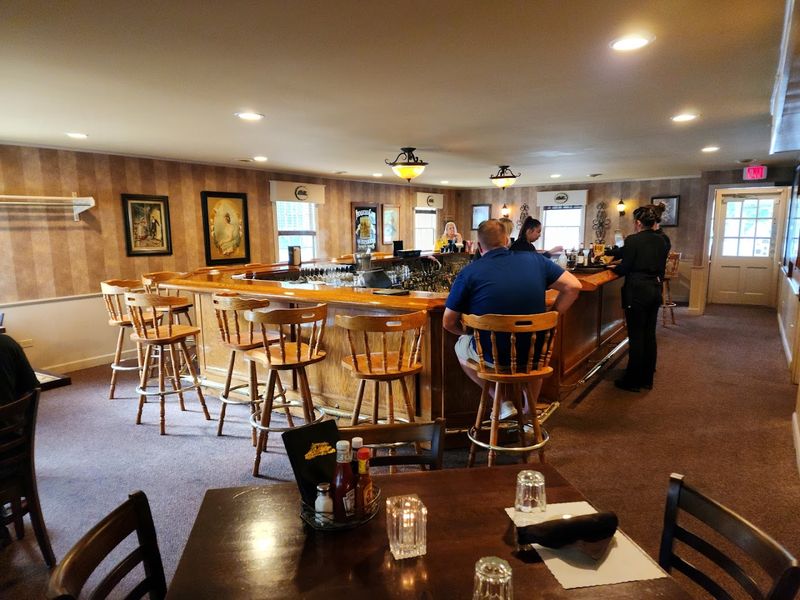
Every corner of this building whispers tales from earlier eras. Photographs lining the walls document changing fashions, evolving transportation, and the parade of faces that have passed through these rooms over the decades.
Antiques scattered throughout the space provide tangible connections to daily life in previous centuries.
The third floor ballroom once hosted dances and social gatherings that brought the community together. Though no longer in regular use, it stands as a reminder of the building’s role as a social hub beyond mere dining.
Overnight guests once slept in rooms upstairs, making this a full-service hospitality operation during its early decades.
Servers often share historical tidbits with curious diners, adding context to the surroundings. The building itself serves as a three-dimensional history lesson about Wisconsin’s development from frontier territory to modern state.
Eating here means participating in a tradition that connects you to generations of previous diners who sat at these same tables.
Destination For Travelers Exploring Southeast Wisconsin
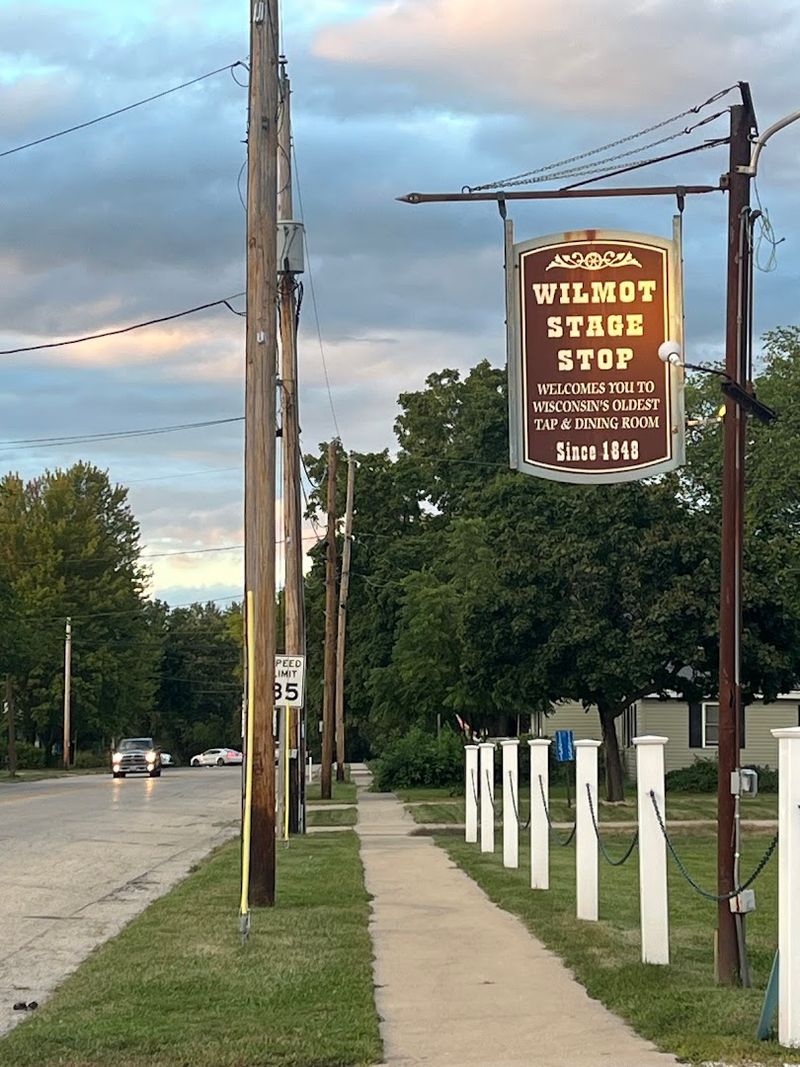
Location near the Illinois border makes the Stage Stop an accessible destination for Chicago-area residents seeking a taste of Wisconsin hospitality. The restaurant sits just two miles across the state line, close enough for an easy drive yet far enough to feel like a genuine escape from urban environments.
Reservations are strongly recommended, particularly for weekend dining when the parking lot fills quickly. The restaurant operates Thursday through Sunday, with Friday and Saturday offering the longest hours from four in the afternoon until ten at night.
This limited schedule adds to the sense of occasion surrounding a visit.
Southeast Wisconsin offers numerous attractions for day-trippers and weekend explorers, and the Stage Stop anchors many itineraries. Combining a meal here with visits to nearby lakes, parks, or other historical sites creates a full day of exploration.
The restaurant’s reputation draws food enthusiasts willing to travel specifically for the experience, making it a destination rather than just a convenient stop.
Place Where Generations Of Families Have Dined
Some families measure their history by the milestones celebrated within these walls. Grandparents who dined here as newlyweds return decades later with children and grandchildren in tow, creating layers of memory that span lifetimes.
These multi-generational connections give the restaurant meaning beyond its role as a business.
Anniversary dinners, birthday celebrations, and special occasions find a natural home in a setting that honors tradition and continuity. The timeless quality of the experience makes it appropriate for marking life’s important moments.
Families create their own traditions around visits to the Stage Stop, passing down preferences and stories along with recipes.
Long-term staff members sometimes remember families across multiple visits, adding a personal dimension to the service. This institutional memory strengthens the bond between restaurant and community.
When a place has served guests for 175 years, it becomes woven into the social fabric, functioning as more than a commercial enterprise.
Historic Landmark That Still Welcomes Guests Today
Survival into the modern era as a functioning business rather than a museum represents the ultimate validation of the Stage Stop’s enduring appeal. The building remains commercially viable because it continues meeting genuine needs, not because of artificial preservation efforts or nostalgia alone.
Real customers paying real money for real meals keep the doors open.
Operating hours accommodate modern schedules while maintaining the supper club tradition of evening dining. Sunday hours start slightly earlier at three in the afternoon, concluding at eight-thirty.
The restaurant closes Monday through Wednesday, allowing staff time for preparation and maintenance. Phone reservations can be made at 262-862-6212, and the website provides additional information.
The landmark designation recognizes historical significance, but the daily work of feeding guests with skill and hospitality gives that history ongoing relevance. Past and present merge seamlessly here, creating an experience that honors tradition while remaining firmly grounded in contemporary reality.
This balance explains how a 175-year-old establishment stays vital and relevant.