
This Iconic Natural History Museum In Wisconsin Holds Some Incredible Surprises
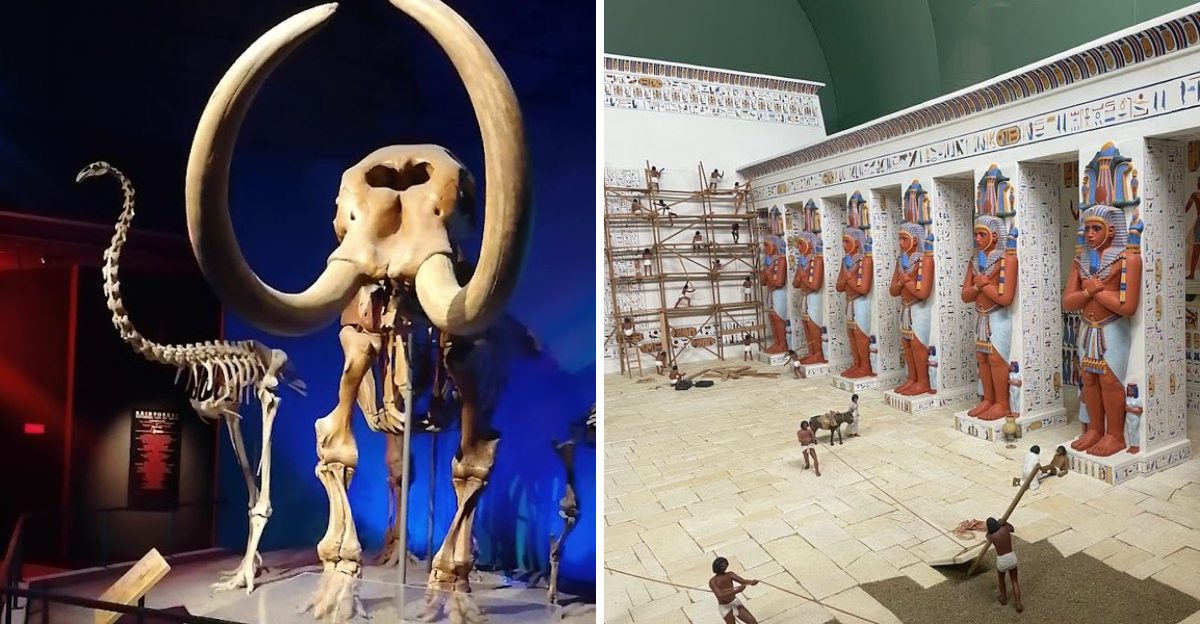
Curiosity has a way of waking up the moment you step into a truly great museum. One hallway might lead you deep into ancient history, while the next transports you across oceans to cultures and stories from around the world.
In the heart of Milwaukee, Wisconsin, one long-standing institution has been doing exactly that for generations. Spread across several expansive floors, its exhibits move seamlessly between prehistoric life, natural science, and immersive cultural displays.
Visitors quickly realise this isn’t the kind of museum you rush through. A few hours here feels less like a typical outing and more like travelling across centuries and continents under one roof.
Life-Size Dinosaur Skeletons From Millions Of Years Ago
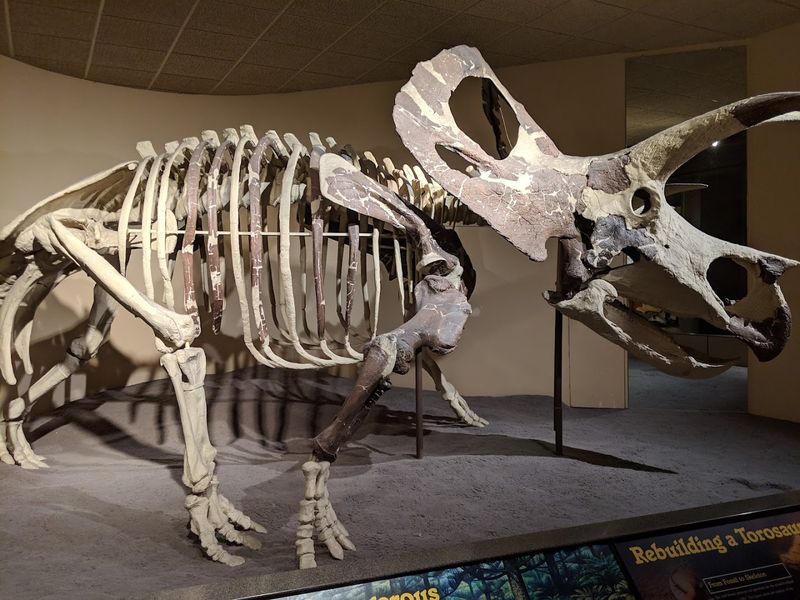
Long before humans arrived on Earth, enormous creatures ruled every continent, and Milwaukee Public Museum gives you a front-row seat to that ancient world. The dinosaur displays here are genuinely impressive, featuring full skeletal reconstructions that make you feel appropriately small standing beside them.
The Torosaurus is a particular crowd favorite, drawing fossil enthusiasts who travel specifically to see it.
What sets these exhibits apart is the careful attention to scientific accuracy and presentation. Each skeleton is positioned with purpose, giving visitors a sense of how these animals actually moved and lived.
The surrounding context, including geological timelines and habitat information, helps frame the sheer scale of prehistoric time.
Children and adults alike tend to linger here longer than expected, tracing the curve of a rib or studying the architecture of a massive skull. It is the kind of display that makes paleontology feel genuinely exciting rather than dusty or remote.
The Famous Streets Of Old Milwaukee Exhibit
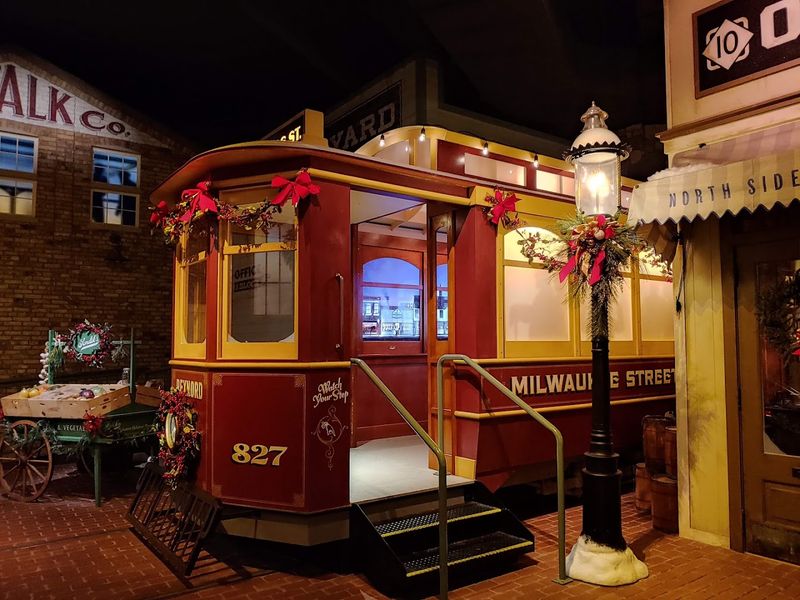
Walking into the Streets of Old Milwaukee feels less like entering an exhibit and more like stepping through a time portal. The recreation of late 19th and early 20th century Milwaukee is astonishingly detailed, with storefronts, signage, and atmospheric lighting that convincingly transport you to another era.
A candy shop, a silent movie theater, and period-accurate interiors line the corridor in a way that feels genuinely inhabited rather than staged.
This exhibit holds a particular emotional weight for longtime Milwaukee residents, many of whom grew up visiting it on school field trips. The sense of local history embedded in every corner makes it more than just a display.
It is a portrait of a city as it once was, preserved with obvious care and affection.
Visitors are encouraged to slow down and look closely, because small details reward patient observation. This exhibit is widely considered one of the most unique installations in any American natural history museum.
A Walk Through A Historic European Village
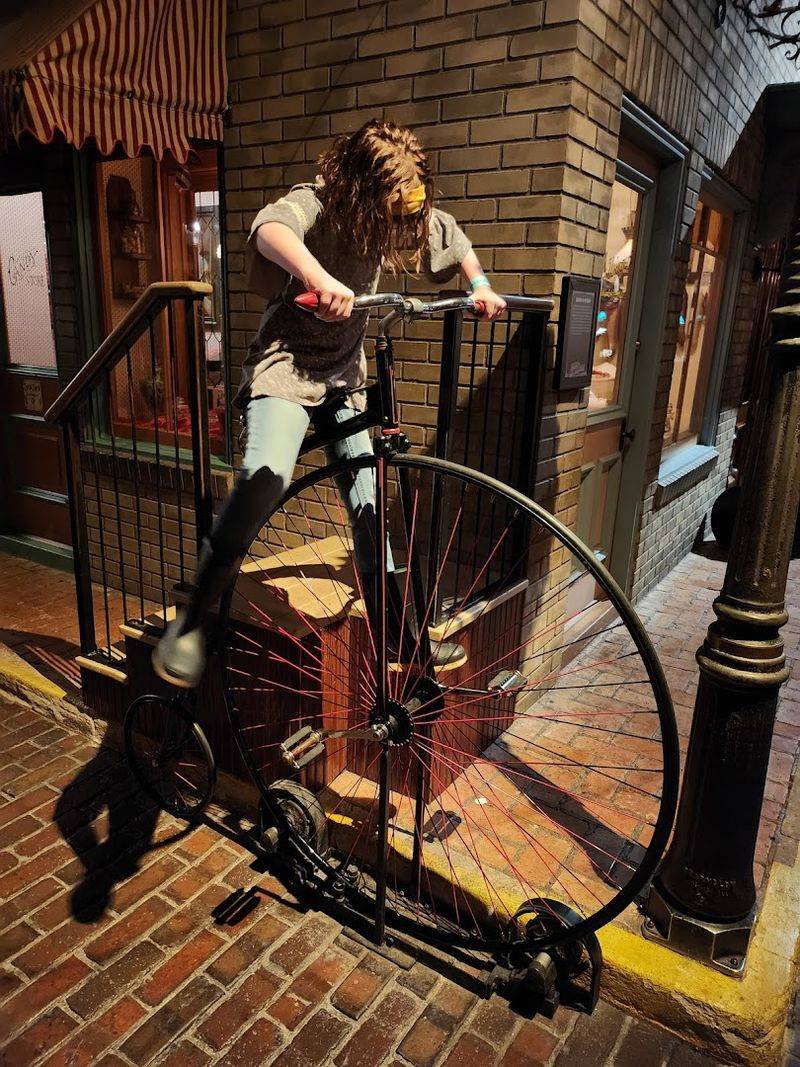
The European Village at Milwaukee Public Museum is the kind of exhibit that earns a second and third pass. Designed to evoke the atmosphere of a traditional Old World settlement, it features remarkably detailed building facades, narrow lanes, and period furnishings that reward close inspection.
Reportedly, a hidden cat in one of the alleyways produces a soft meow as visitors walk by, a small touch that has delighted generations of guests.
The craftsmanship involved in constructing this environment reflects a level of institutional commitment that feels increasingly rare. Every surface, from weathered stone textures to hanging signs, has been considered with obvious intention.
The exhibit conveys the rhythm of European village life without resorting to oversimplification or cliche.
For families traveling through Wisconsin, this section offers a quiet, absorbing experience that stands apart from more conventional museum presentations. It is atmospheric, thoughtful, and genuinely memorable long after the visit concludes.
Ancient Egyptian Mummies And Artifacts
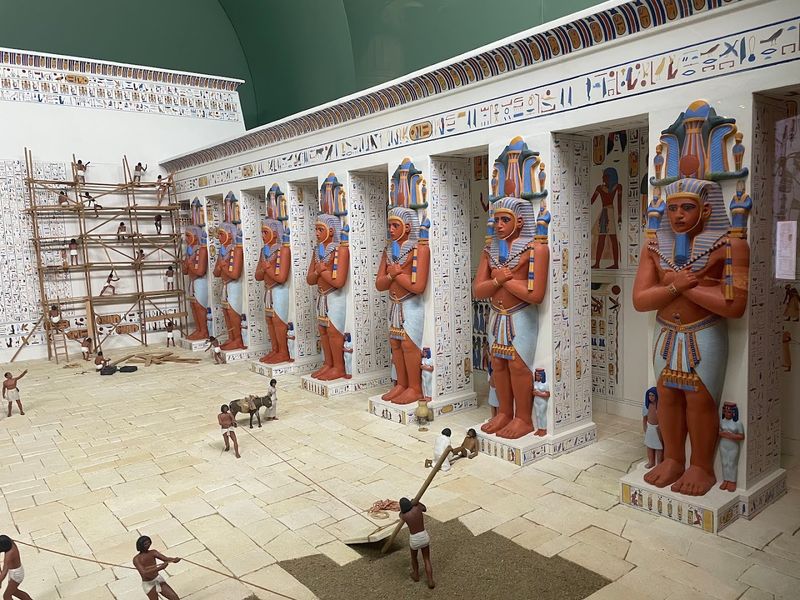
Ancient Egypt has fascinated human beings for thousands of years, and Milwaukee Public Museum presents its Egyptian collection with the seriousness the subject deserves. Real mummies, ceremonial artifacts, and intricately decorated objects form the core of an exhibit that manages to feel both scholarly and accessible.
The visual impact of seeing an actual mummy up close is something photographs simply cannot replicate.
Beyond the spectacle, the exhibit provides meaningful historical context. Informational panels explain burial customs, religious beliefs, and the daily life of ancient Egyptians in language that invites curiosity without overwhelming the reader.
The artifact selection reflects genuine archaeological significance rather than a preference for flashy objects alone.
Many visitors list this among their top experiences at the museum, particularly families with older children who have already developed some background knowledge in school. The Egyptian collection serves as a reminder that Milwaukee Public Museum holds international historical material of real scholarly value, not just regional curiosities.
A Lush Tropical Rainforest Exhibit

The Costa Rican Rainforest exhibit at Milwaukee Public Museum is one of those genuinely surprising museum environments that stops visitors mid-step. Stepping into this space, the air feels different, the lighting shifts, and the surrounding vegetation creates an atmosphere that convincingly evokes Central America.
The attention to sensory detail makes it one of the most immersive exhibits in the entire building.
Dense plant life, layered soundscapes, and carefully positioned wildlife displays work together to simulate the experience of standing inside an actual tropical forest. The exhibit conveys the ecological complexity of rainforest environments without reducing them to simple talking points.
It is educational in the best sense, meaning it teaches through experience rather than instruction alone.
Visitors who have traveled to actual rainforests often note how accurately the exhibit captures the mood and texture of those environments. For those who have not, this space plants a vivid seed of curiosity about one of the planet’s most extraordinary ecosystems.
The Butterfly Garden Filled With Colorful Species

Few museum experiences match the simple, unhurried pleasure of standing in a room full of living butterflies. Milwaukee Public Museum’s butterfly garden is exactly that kind of space, warm, quiet, and filled with species that land on visitors without any particular concern for personal boundaries.
The garden functions as both a living exhibit and an unexpected moment of calm in the middle of a busy museum day.
The variety of species on display reflects serious curatorial effort, with butterflies representing a range of sizes, colors, and behaviors. Educational signage explains life cycles, migration patterns, and the ecological importance of pollinators in a manner that is informative without being heavy-handed.
Children tend to find this section genuinely magical, and adults are rarely immune to its appeal either.
The butterfly garden has consistently been one of the most talked-about features of Milwaukee Public Museum. It demonstrates that natural history museums can engage visitors through living displays just as powerfully as through fossils and artifacts.
Cultural Artifacts From Around The World

Milwaukee Public Museum has always maintained a strong commitment to anthropology alongside natural history, and the cultural artifact collections reflect that dual identity with real substance. Objects from indigenous communities, traditional societies, and ancient civilizations across multiple continents fill exhibit halls that reward careful, unhurried attention.
The breadth of material on display here is genuinely uncommon for a regional museum.
Native Peoples exhibits, in particular, present cultural objects and historical narratives with a respectful depth that avoids the flattening tendency of older museum traditions. Ceremonial items, clothing, tools, and artwork are presented within their proper cultural frameworks, giving visitors meaningful context rather than mere spectacle.
The approach reflects decades of evolving curatorial thinking about how to represent communities with accuracy and dignity.
For visitors with an interest in world cultures, this section of the museum can easily consume an entire afternoon. The sheer diversity of human experience on display makes every corridor feel like a new destination worth exploring at a measured, deliberate pace.
A Planetarium Exploring The Wonders Of Space
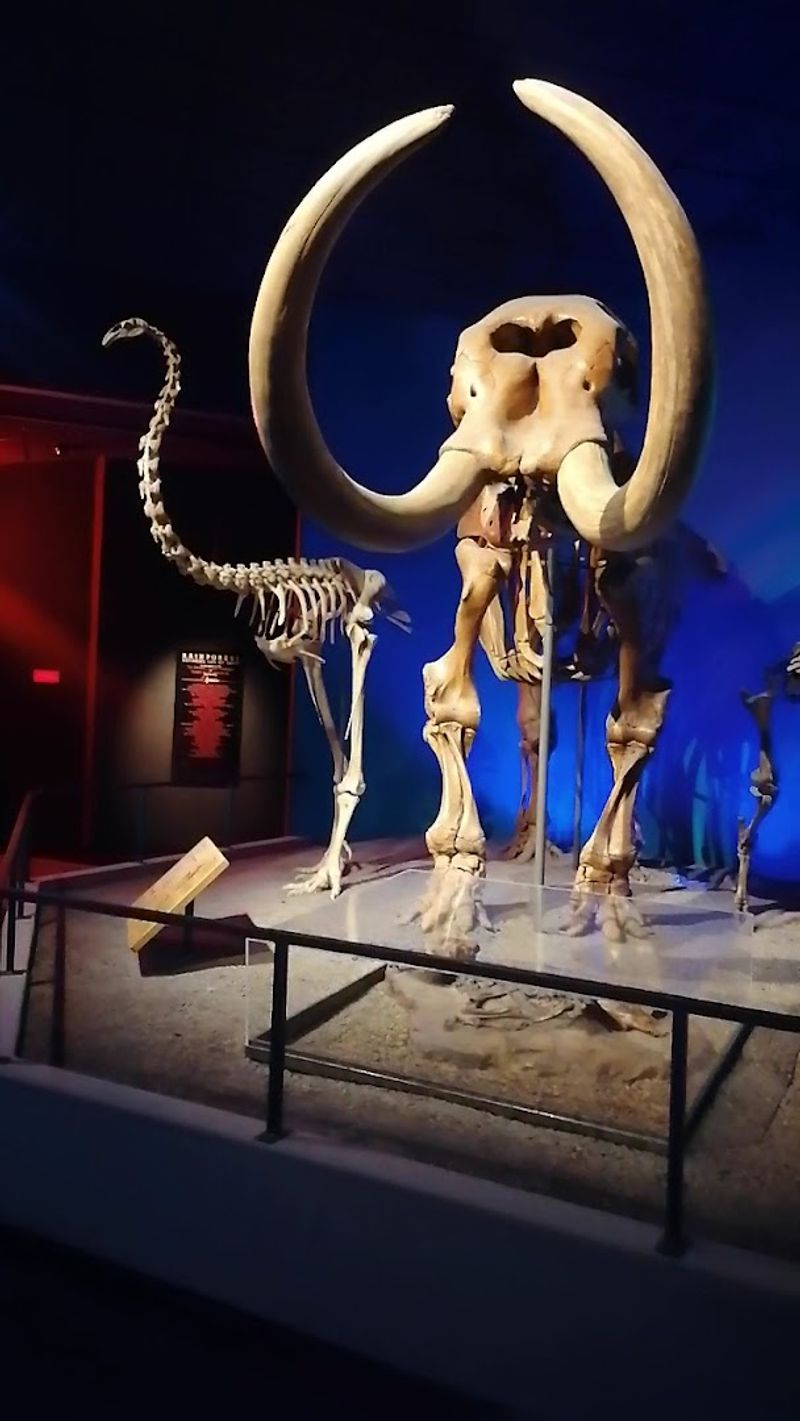
Looking up at a fully projected night sky inside Milwaukee Public Museum’s planetarium is the kind of experience that recalibrates your sense of scale in the best possible way. The facility offers shows covering constellations, celestial mechanics, and the broader story of the universe with a presentation quality that consistently impresses visitors of all backgrounds.
The T-Rex and constellation shows have earned particular enthusiasm from families.
Planetarium programming at Milwaukee Public Museum manages to balance scientific accuracy with genuine entertainment value, which is a harder combination to achieve than it sounds. The dome format creates a sense of full immersion that flat screens simply cannot replicate, and the narration guiding each show is calibrated for broad accessibility without sacrificing intellectual honesty.
For many visitors, the planetarium show becomes an unexpected highlight of their museum day. Astronomy has a way of inspiring quiet reflection, and the museum creates exactly the right conditions for that kind of thoughtful engagement with the universe above us.
Natural History Displays Covering Fossils And Wildlife
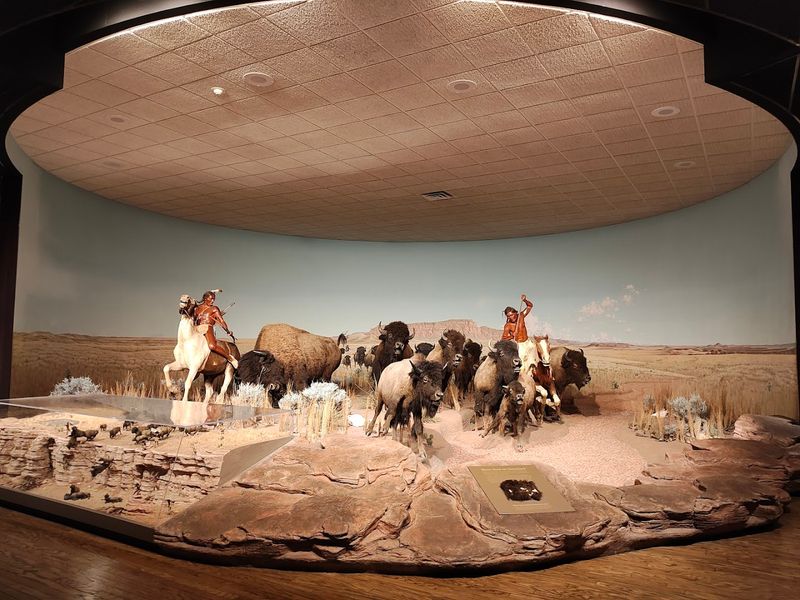
The natural history backbone of Milwaukee Public Museum runs deep, with fossil specimens, wildlife dioramas, and geological displays that have been refined over many decades of curatorial work. The buffalo hunt diorama is among the most dramatic presentations in the museum, reportedly containing a hidden rattlesnake for observant visitors to find.
That kind of layered detail is characteristic of the institution as a whole.
Wildlife displays throughout the museum use habitat dioramas to place animals in ecological context, avoiding the sterile trophy-case approach that dates some natural history collections. The result feels more like a window into living ecosystems than a catalog of preserved specimens.
Wisconsin’s own natural environment receives particular attention, giving local visitors a richer understanding of the landscapes surrounding them.
Fossil collections complement the living world displays by extending the timeline deep into geological history. Together, these exhibits build a coherent narrative about the natural world that unfolds gradually across multiple floors and keeps visitors genuinely engaged throughout their visit.
Interactive Exhibits For Curious Visitors
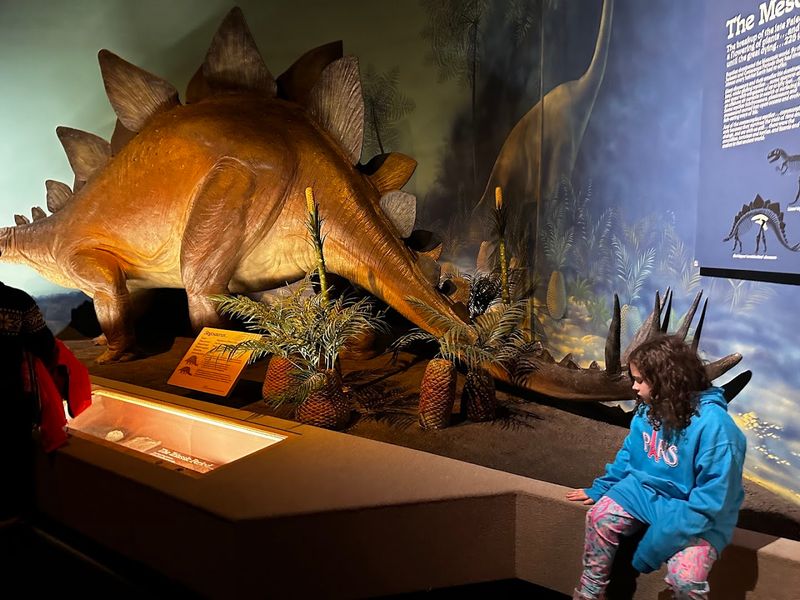
Milwaukee Public Museum has never treated its visitors as passive observers, and the interactive exhibits scattered across its multiple floors reflect a long-standing philosophy that learning works best when people can participate directly. Hands-on stations, touchable specimens, and activity-based displays appear throughout the museum, making it genuinely welcoming for younger visitors and tactile learners of any age.
The interactivity here does not feel like an afterthought added to satisfy modern expectations. It is woven into the fabric of exhibits in ways that complement rather than distract from the surrounding content.
A child pressing their hand against a fossil cast or turning the pages of a reproduction historical document is absorbing information through experience, which tends to stick far longer than passive reading.
Accessibility has clearly been a priority in the museum’s design, with ADA-compliant pathways and thoughtfully arranged spaces that accommodate a wide range of visitors. The museum is open Wednesday through Monday from 10 AM to 5 PM, and tickets are available at the counter upon arrival.