
This Little-Known Wisconsin Museum Has One Of The Most Stunning Quilt Collections Around
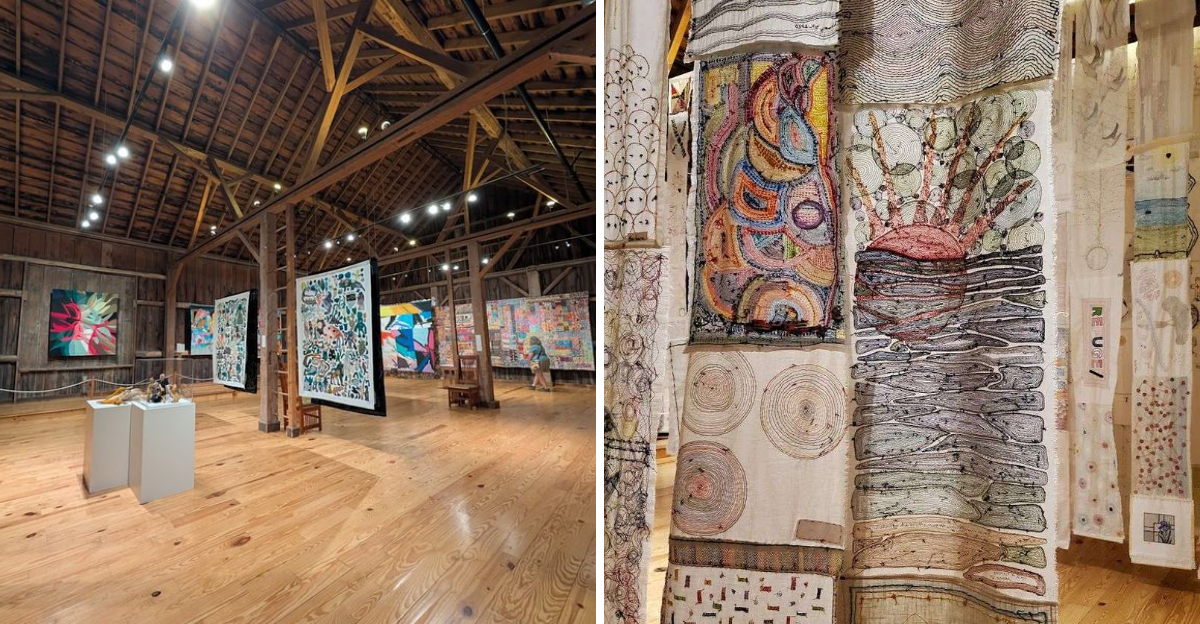
A quiet stretch of Wisconsin countryside holds a museum that surprises many first-time visitors. Inside, delicate threads and bold patterns come together to tell stories that stretch across generations.
This distinctive institution focuses on quilts and textile art, preserving pieces that reflect everyday life, creativity, and craftsmanship throughout American history. Historic quilts hang alongside contemporary fibre works that explore new artistic ideas, creating a collection both traditional and innovative.
Visitors who wander through the galleries often slow their pace, drawn in by the remarkable stitchwork, vivid colours, and personal histories carefully woven into every piece on display.
A Museum Dedicated Entirely To Quilts And Fiber Arts
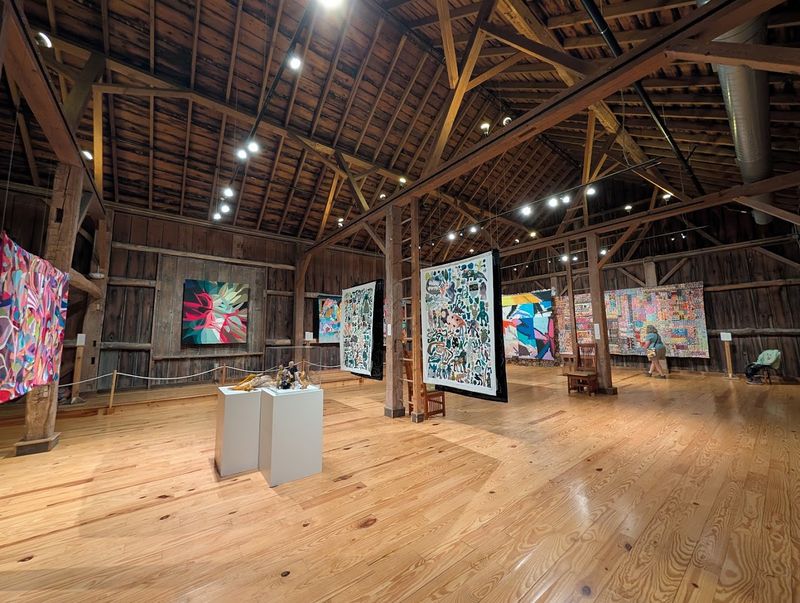
Finding a museum devoted exclusively to quilts and fiber arts remains an uncommon experience across the United States. The Wisconsin Museum of Quilts & Fiber Arts commits its entire mission to celebrating textile craftsmanship in all its forms.
Located at N50W5050 Portland Road in Cedarburg, the museum occupies a thoughtfully restored barn that provides an atmospheric setting for delicate textiles. The building itself contributes to the visitor experience, with its wooden beams and natural light creating an ideal backdrop for viewing intricate needlework.
The museum opens Wednesday through Saturday from ten in the morning until four in the afternoon, and Sunday from noon until four. Admission allows access to current exhibitions as well as selections from the permanent collection.
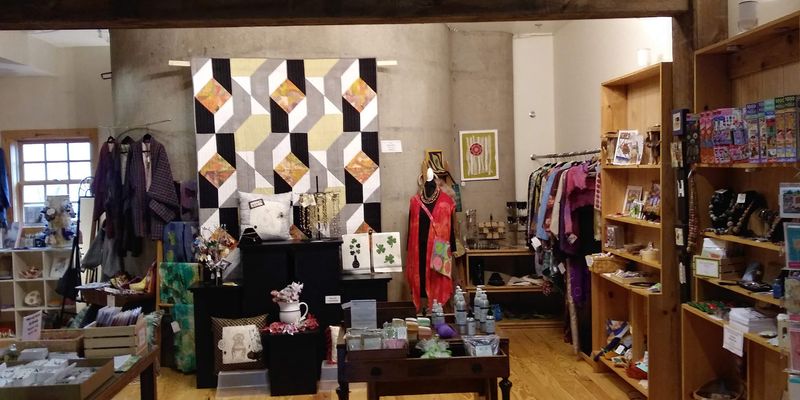
The gift shop welcomes browsers at no charge, offering handmade items that reflect the artistry displayed throughout the galleries.
Home To One Of The Largest Quilt Collections In Wisconsin
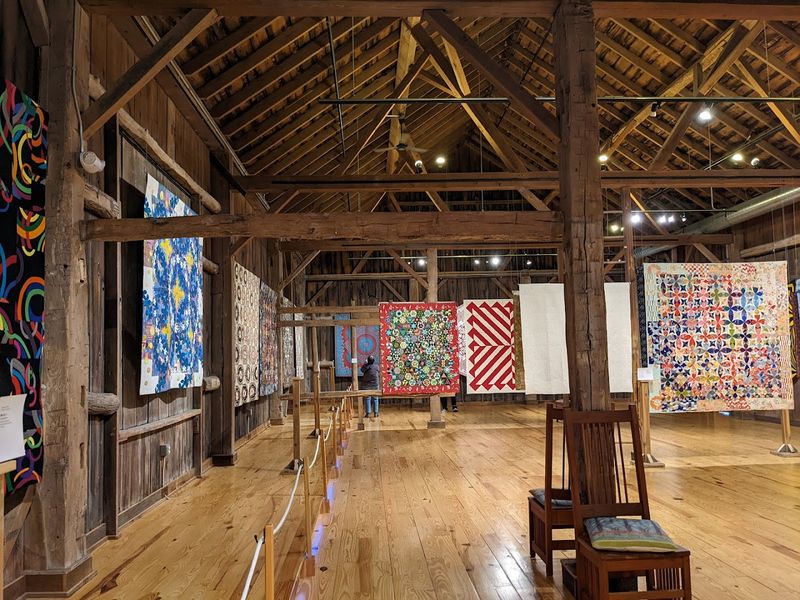
The museum maintains a permanent collection of approximately eight hundred quilts and fiber art pieces, representing one of the most significant textile holdings in Wisconsin. This extensive archive spans multiple centuries and styles, from utilitarian bed coverings to elaborate art quilts created for exhibition purposes.
Curators rotate items from storage into public view, ensuring that the collection remains dynamic and that fragile textiles receive appropriate rest periods. Each piece in the archive has been catalogued and preserved according to museum standards, protecting these textiles for future generations.
The breadth of the collection allows the museum to mount exhibitions that explore specific themes, time periods, or techniques without exhausting its resources. Visitors who return multiple times throughout the year encounter different selections from this deep repository, making repeat visits worthwhile for anyone interested in textile history and craftsmanship.
Historic Quilts That Tell Stories From The Past
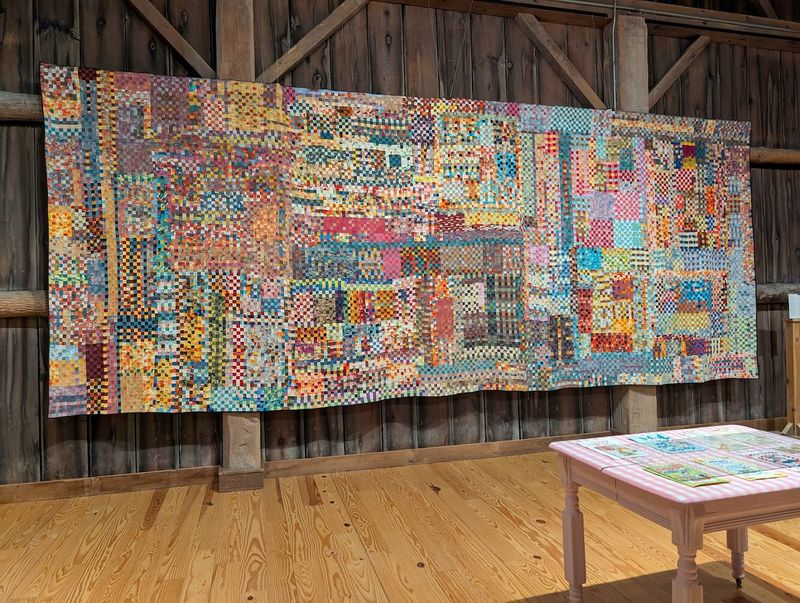
Among the museum’s most compelling holdings are historic quilts that document American social history through fabric and thread. These textiles reveal information about daily life, economic conditions, and cultural values from periods when quilting served both practical and expressive purposes.
Some pieces date back to the nineteenth century, featuring hand-stitched patterns that required months or years to complete. The fabrics themselves tell stories, with material choices reflecting what was available during different economic eras, from precious silks saved from special garments to humble cotton scraps repurposed from worn clothing.
Interpretive materials accompanying these historic pieces help visitors understand the context in which they were created. Learning about the makers and their circumstances adds emotional depth to the visual experience, transforming simple bed coverings into powerful historical documents that chronicle perseverance, creativity, and community bonds formed through shared needlework traditions.
A Beautiful Museum Set In Cedarburg’s Countryside
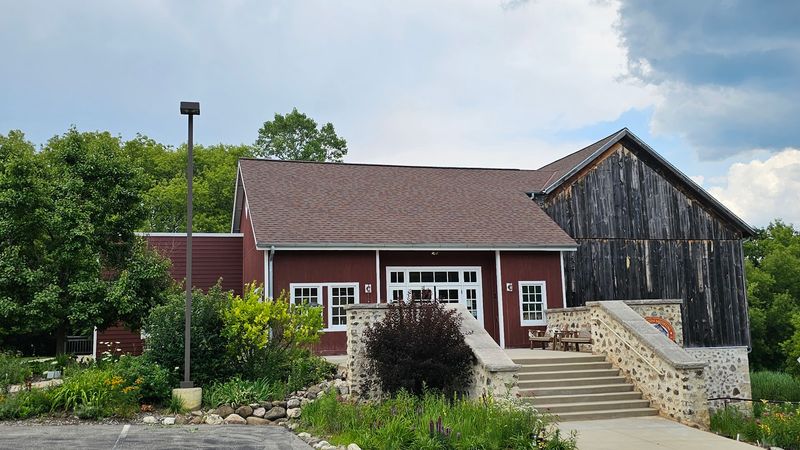
The museum’s rural setting contributes significantly to the overall visitor experience, offering a peaceful atmosphere removed from urban distractions. The converted barn sits amid open fields and wooded areas that change character with the seasons, providing a contemplative environment suited to appreciating detailed handwork.
Cedarburg itself maintains a reputation as a charming community north of Milwaukee, known for preserving historic architecture and supporting arts organizations. The museum fits naturally into this cultural landscape, attracting visitors who appreciate both the textiles inside and the scenic drive required to reach the location.
Ample parking surrounds the building, and visitors occasionally spot wildlife in the surrounding landscape, including white-tailed deer that browse near the property. The combination of artistic content and bucolic setting creates a memorable outing that feels distinct from typical museum visits in urban centers, offering both cultural enrichment and a brief escape into quieter surroundings.
Rotating Exhibits That Keep Every Visit Fresh
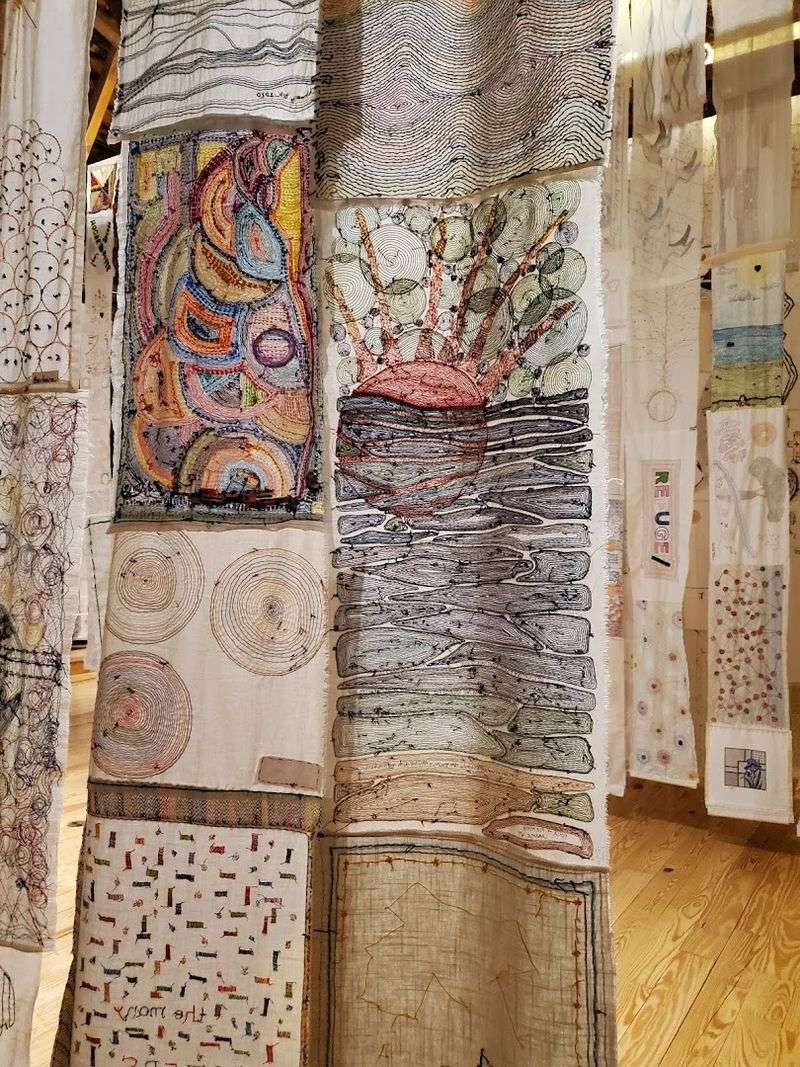
The museum regularly changes its exhibitions, presenting new themes and artists throughout the year to maintain visitor interest and showcase different aspects of textile art. This rotation policy ensures that the galleries never feel static, giving frequent visitors reason to return and discover fresh perspectives on quilting and fiber work.
Past exhibitions have featured international artists whose work challenges traditional definitions of quilting, as well as thematic shows exploring specific techniques or historical periods. Some displays focus on contemporary art quilts that blur boundaries between craft and fine art, while others examine traditional patterns and their cultural significance.
The rotating schedule also allows the museum to feature special collections on loan from other institutions or private collectors, expanding the range of work available for public viewing. This dynamic programming approach keeps the museum relevant to both casual visitors and serious textile enthusiasts who follow developments in the field closely.
The Creativity Behind Modern Fiber Art
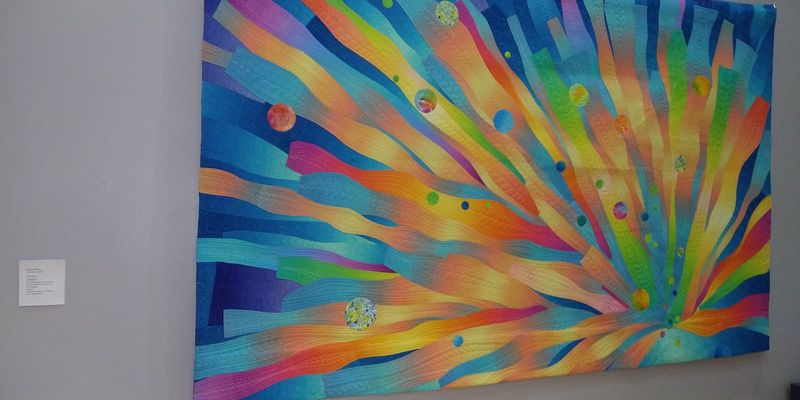
Contemporary fiber artists have expanded quilting far beyond its traditional boundaries, creating works that function primarily as visual art rather than functional objects. The museum regularly exhibits these innovative pieces, which may incorporate unconventional materials, experimental techniques, or conceptual approaches that challenge viewer expectations.
Modern fiber art might include sculptural textile installations, politically engaged commentary expressed through fabric, or abstract compositions that emphasize color, texture, and form over recognizable patterns. These works demonstrate that needlework can address the same themes and achieve the same artistic sophistication as painting or sculpture.
Viewing contemporary fiber art alongside historic quilts reveals how the medium has evolved, with artists building on traditional skills while exploring new expressive possibilities. The juxtaposition helps visitors appreciate both the technical mastery required for any textile work and the creative vision that distinguishes art from craft, showing that needlework continues to develop as a vital artistic medium.
Workshops And Classes For Quilting Enthusiasts
The museum extends its educational mission through workshops and classes that teach various quilting and fiber art techniques to students at different skill levels. These hands-on sessions provide opportunities to learn from experienced instructors in a supportive environment surrounded by inspiring examples of textile artistry.
Class offerings vary throughout the year, covering topics from basic piecing and applique methods to advanced techniques like dyeing fabric or creating art quilts. The workshops attract both local residents seeking to develop new skills and out-of-town visitors who plan trips around specific educational opportunities.
Participating in classes at the museum allows students to connect with other textile enthusiasts, building community among people who share similar creative interests. The instruction complements the exhibitions, helping visitors understand the processes behind the finished works on display and potentially inspiring them to attempt their own textile projects with newfound knowledge and confidence.
Why Quilt Lovers Travel Across The Midwest To Visit
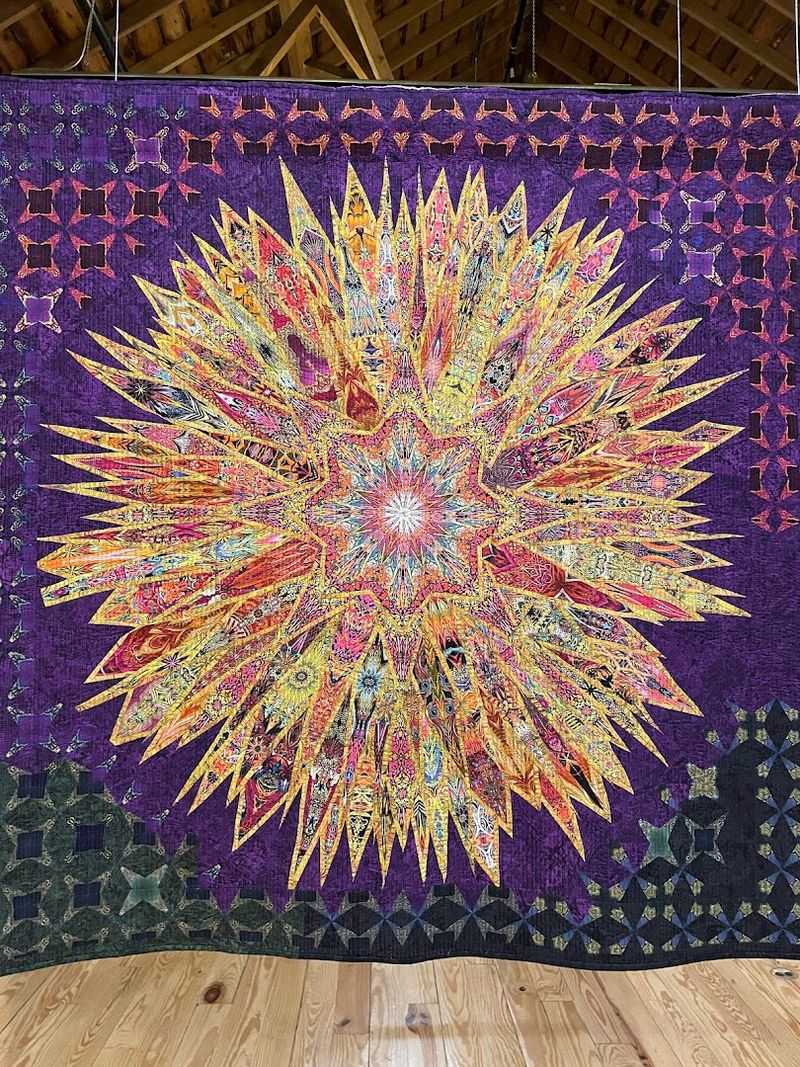
Dedicated quilt enthusiasts make pilgrimages to this Cedarburg museum from throughout Wisconsin and neighboring states, drawn by the quality and diversity of the collection. The museum has earned recognition within quilting communities as a destination worth traveling to see, particularly when specific exhibitions align with visitor interests.
The combination of historic pieces, contemporary work, and rotating special exhibitions creates a comprehensive textile experience not easily found elsewhere in the region. Serious quilters appreciate the opportunity to study construction techniques up close, examining how different makers solved design challenges or achieved particular visual effects.
The museum also attracts visitors who participate in quilt guilds or attend quilting conferences, as word spreads through these networks about noteworthy exhibitions or additions to the permanent collection. For people deeply engaged with textile arts, the museum functions as both an educational resource and a source of inspiration that justifies the journey from distant locations.
A Quiet Museum Full Of Colour And Craftsmanship
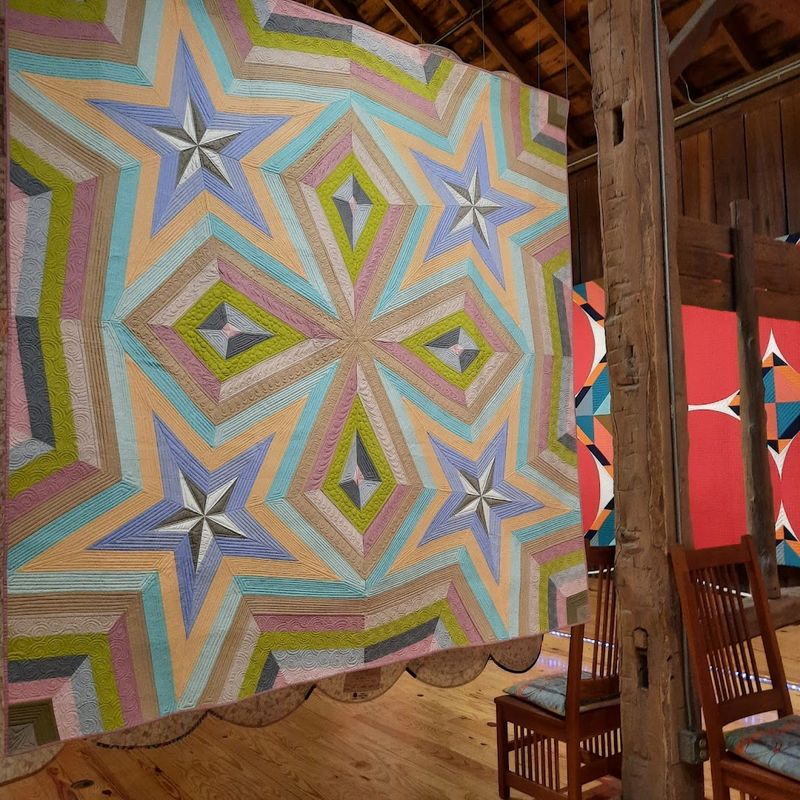
The museum maintains a contemplative atmosphere that allows visitors to focus attention on the intricate details and vibrant colors present in the textile works. The quiet galleries encourage close examination of individual pieces, revealing the extraordinary skill required to achieve precise stitching, balanced compositions, and harmonious color relationships.
Quilts often burst with color, from subtle gradations in antique fabrics that have mellowed with age to bold contemporary pieces that command attention through deliberate chromatic choices. The interplay of pattern, texture, and hue creates visual complexity that rewards careful looking, with new details emerging the longer one studies a particular work.
This peaceful setting contrasts with busier museums, offering a more meditative experience suited to appreciating craft objects that demand patience both to create and to fully understand. The unhurried pace allows visitors to develop genuine connections with individual pieces rather than rushing through galleries, fostering deeper appreciation for the artistry involved.
How Quilting Became An Important Part Of American Folk Art
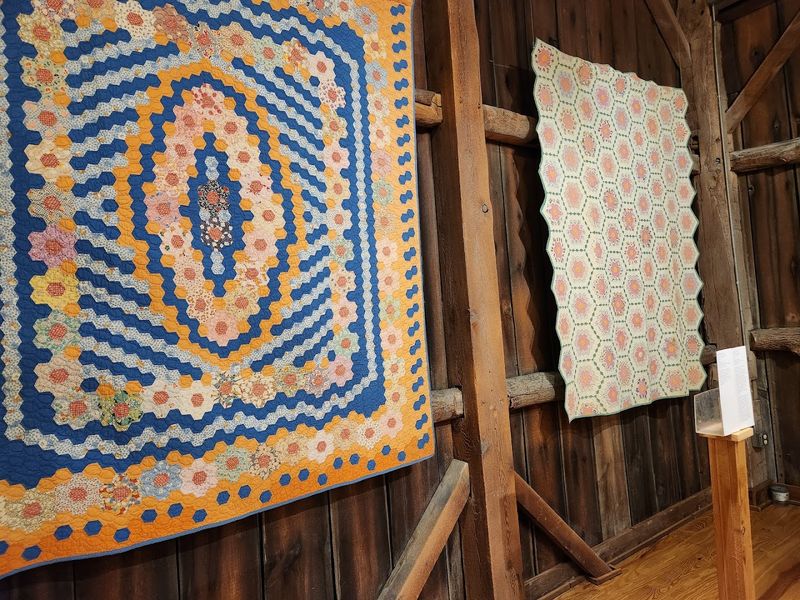
Quilting occupies a significant place in American folk art traditions, representing both practical necessity and creative expression across generations. The museum helps visitors understand this cultural importance through exhibitions that contextualize quilts within broader social and artistic movements that shaped American life.
Early American quilters transformed functional bedding into canvases for artistic expression, developing distinctive regional patterns and techniques that reflected local aesthetics and available materials. Quilting bees brought communities together, particularly women who used these gatherings to socialize while accomplishing necessary work, creating social bonds through shared creative labor.
The transition from purely functional objects to recognized art forms occurred gradually, as collectors and scholars began acknowledging the aesthetic merit and cultural significance of quilts. Museums like this one validate quilting as a serious artistic practice deserving preservation and study, ensuring that future generations can appreciate the skill, creativity, and historical importance embedded in these textile treasures.