
This Little Wisconsin Pie Shop Serves Homemade Pasties Locals Keep Coming Back For
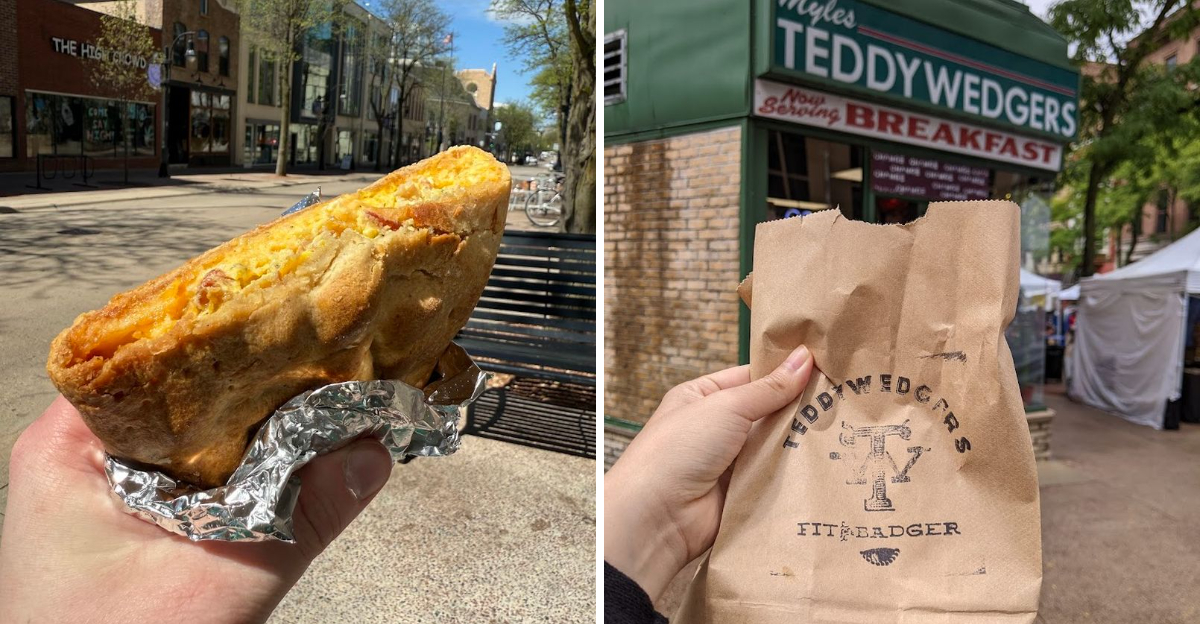
Few snacks feel as practical, comforting, and wonderfully no-nonsense as a warm pasty eaten on the go. Near Madison’s busiest streets, a tiny counter has turned folded dough and savory fillings into a local ritual with serious staying power.
The idea sounds simple: meat, potatoes, vegetables, and seasoning sealed inside a sturdy crust. Then the first bite explains everything.
Wisconsin has deep comfort-food instincts, and this little tradition fits right in with cold days, quick lunches, campus wanderings, and Capitol-area errands. The menu does not need a hundred distractions.
Generous portions, familiar flavors, and a portable shape do the work. It is old-world, Midwestern, and surprisingly satisfying all at once, like lunch with a story inside and plenty of personality.
Teddywedgers Has Been A Madison Tradition Since 1976
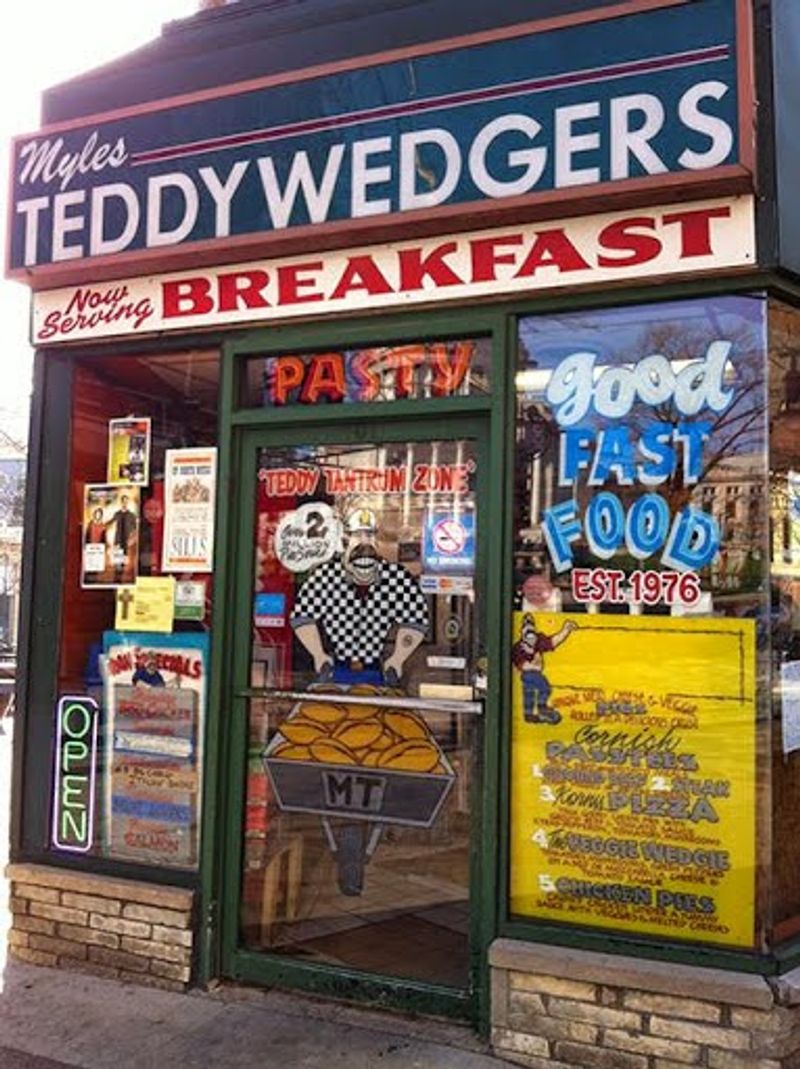
Opening its doors during the bicentennial year, Teddywedgers carved out a niche in Madison’s food scene long before artisan bakeries and craft eateries became standard downtown fixtures. The shop built its reputation on consistency, serving the same style of Cornish pasties that fueled miners in Cornwall and Upper Peninsula workers across the Great Lakes.
Founder Myles understood that good food does not require constant reinvention.
Decades passed, ownership transitioned, yet the core mission remained unchanged. The current operator maintains the original recipes and preparation methods, honoring the legacy while keeping the operation running smoothly.
Customers who ate here as college students now bring their own children, creating a multigenerational fan base that spans nearly fifty years.
Few Madison establishments can claim such longevity without sacrificing quality or character. Teddywedgers proves that a focused menu executed well beats trendy experimentation every time.
The Original Shop Opened On Johnson Street
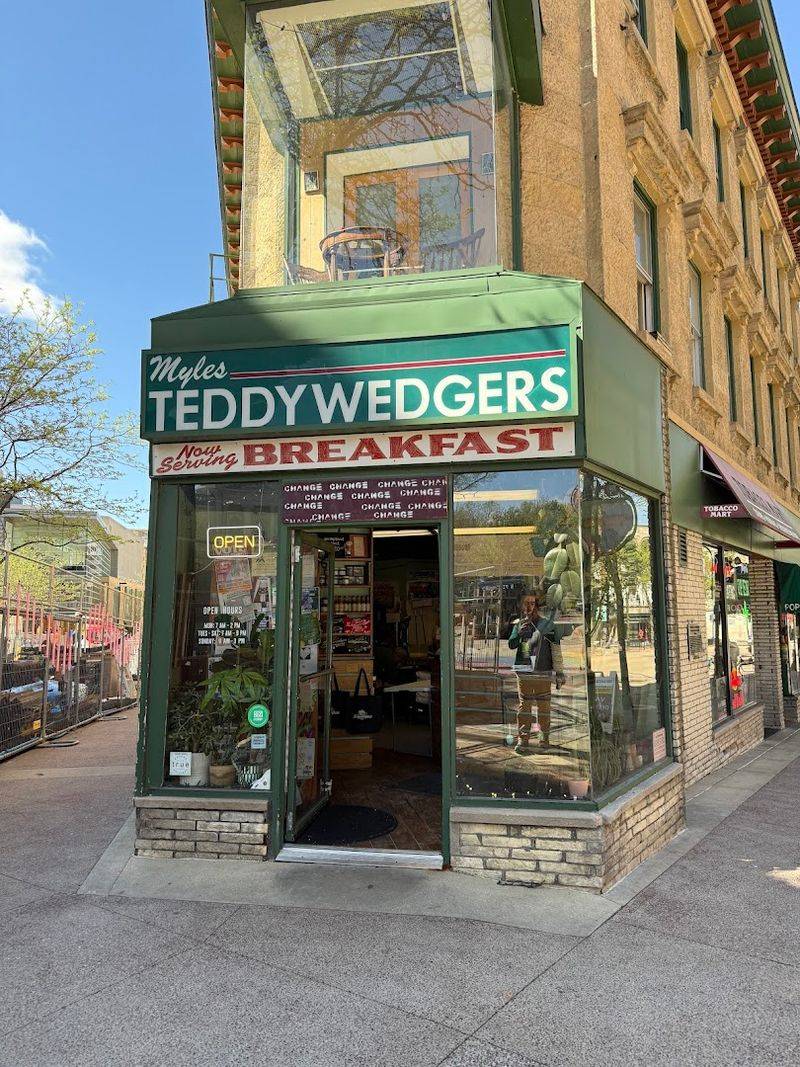
Before settling into its current State Street location, Teddywedgers first served pasties on Johnson Street, the bustling artery that runs through the heart of the University of Wisconsin campus neighborhood. That original spot attracted students, professors, and neighborhood regulars who appreciated affordable, filling meals that could be eaten on the go.
Johnson Street provided the perfect testing ground for a concept that might have seemed unfamiliar to many Midwesterners at the time.
The shop thrived in that college environment, where late-night study sessions and tight budgets made hearty hand pies an ideal solution. Word spread quickly among students who discovered that a single pasty could fuel hours of library work or substitute for a sit-down dinner between classes.
Though the Johnson Street chapter eventually closed, that early success proved the concept and built the loyal following that would support the business through its eventual move downtown.
The Name Comes From Teddy Boys And Tater Wedges
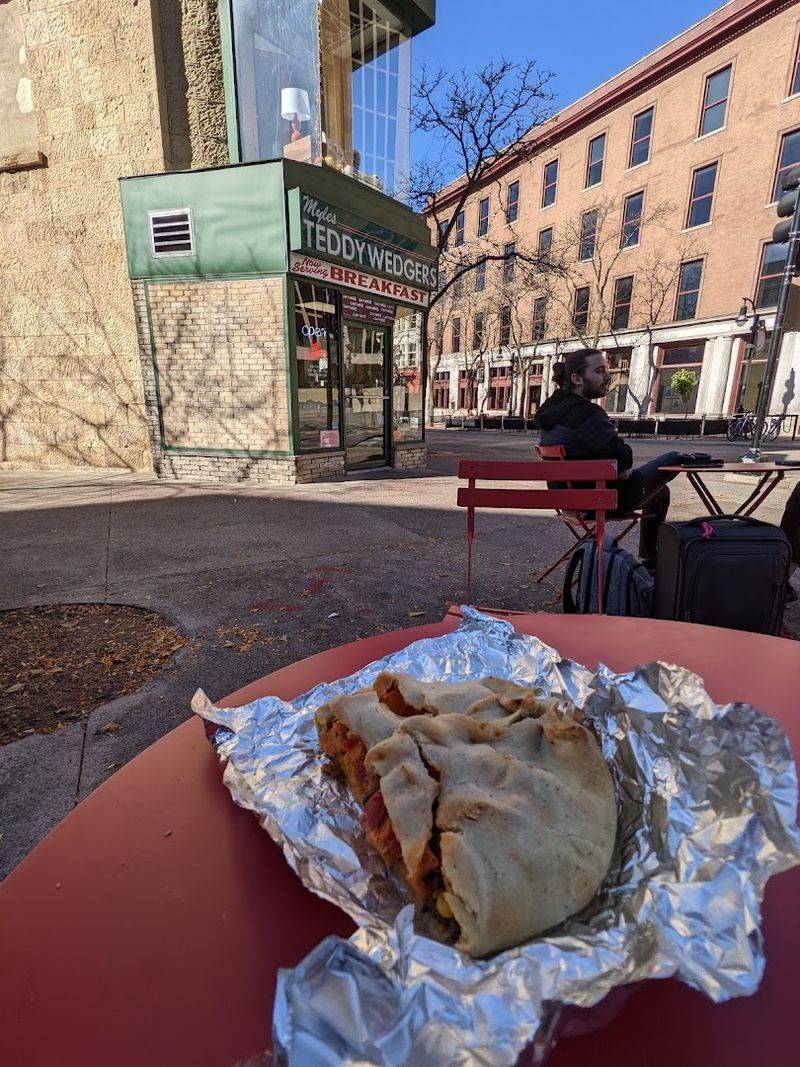
Myles crafted the name Teddywedgers by blending two seemingly unrelated references into a memorable brand. Teddy Boys, those British youth subculture rebels of the 1950s known for their distinctive fashion and rock-and-roll attitudes, provided the first half.
Tater wedges, the thick-cut potato sides that became an American diner staple, supplied the second portion. The combination sounds quirky until you consider how it captures both the Cornish heritage of pasties and the American casual dining spirit.
That playful naming approach set the tone for a business that never took itself too seriously despite serving serious food. The moniker sticks in memory far better than generic bakery names, and it hints at the cross-cultural fusion happening inside those flaky crusts.
Customers often ask about the origin story, giving staff a chance to share the history and build connection beyond the transaction.
Pasties Put Meat, Potatoes, And Vegetables Inside Flaky Dough
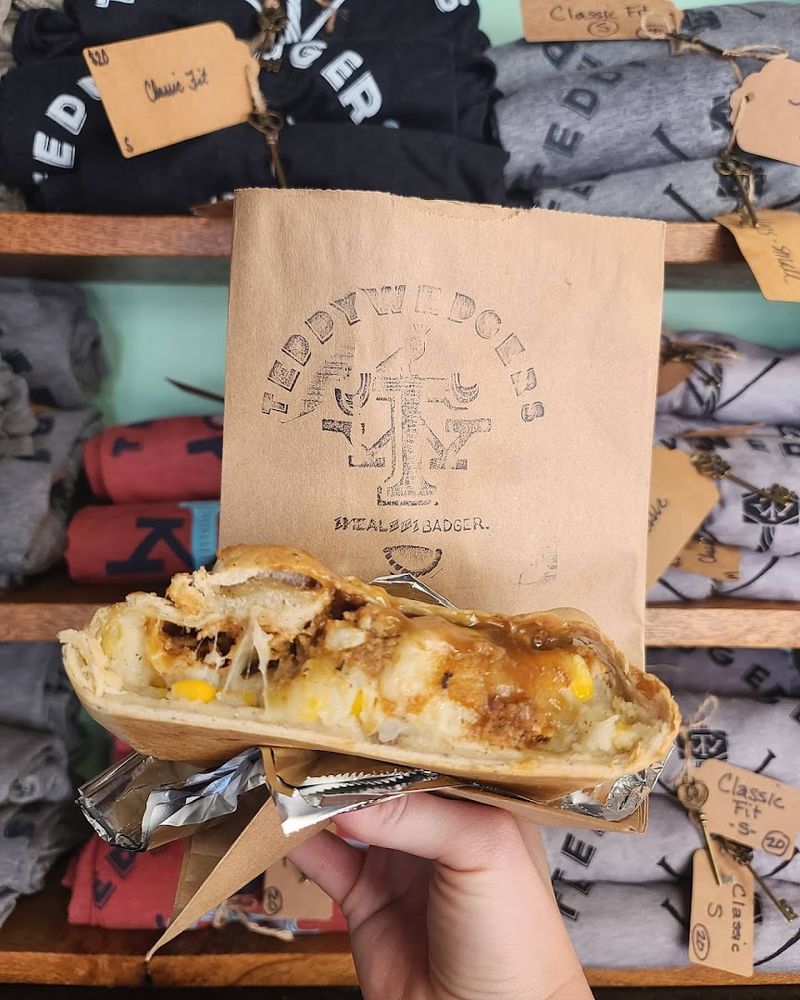
Cornish pasties originated as portable meals for miners who needed sustenance that could survive a trip underground and still taste good hours after baking. The crimped edge served as a handle that workers could grip with dirty hands, then discard after eating the filling.
That practical design translated perfectly to modern takeout culture, where commuters and students need food that travels well and requires no utensils.
Teddywedgers follows the traditional construction method, wrapping seasoned meat, cubed potatoes, and vegetables inside a sturdy yet tender dough that holds together through transport and reheating. The pastry provides structure without overwhelming the filling, achieving that delicate balance between crust and contents.
Each bite delivers multiple textures and flavors rather than a homogeneous mush.
The format proves endlessly adaptable, accepting breakfast ingredients, international flavors, and vegetarian combinations while maintaining the essential character that defines a proper pasty.
The Traditional Pasty Keeps Things Simple With Wisconsin Ground Steak, Potatoes, And Onions
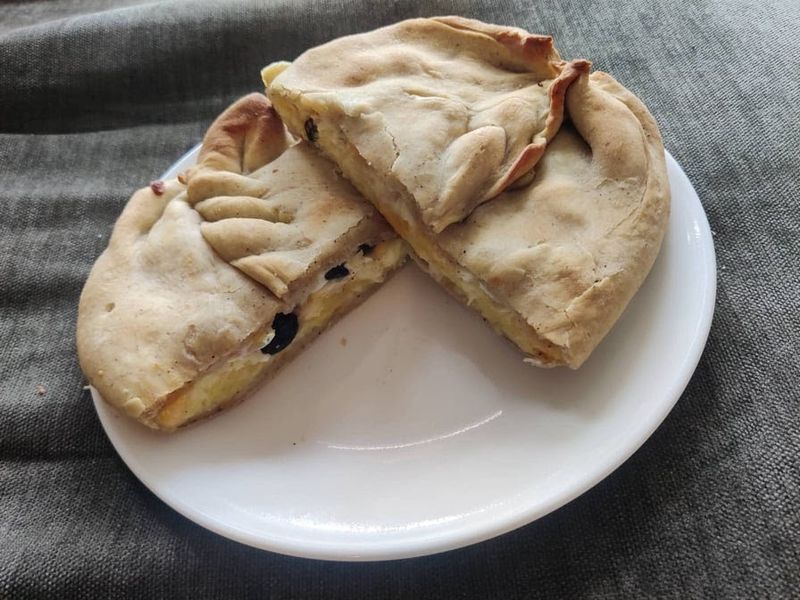
Among the rotating specials and creative variations, the Traditional pasty remains the bestseller and the truest representation of what Teddywedgers does best. Wisconsin ground steak provides the protein foundation, seasoned simply to let the beef flavor shine through without competing spices.
Potatoes add substance and absorb the meat juices during baking, creating that unified flavor profile that makes pasties so satisfying. Onions contribute sweetness and aromatics that round out the filling.
This minimalist approach might seem boring compared to curry-spiced or southwestern variations, yet it consistently sells out before other options. The simplicity allows quality ingredients to speak for themselves, and the combination hits comfort-food notes that more elaborate fillings sometimes miss.
Regulars often judge a pasty shop by its traditional version, using that baseline to evaluate whether the kitchen understands the fundamentals before attempting creative departures.
Breakfast Pasties Are Served Until 11 AM
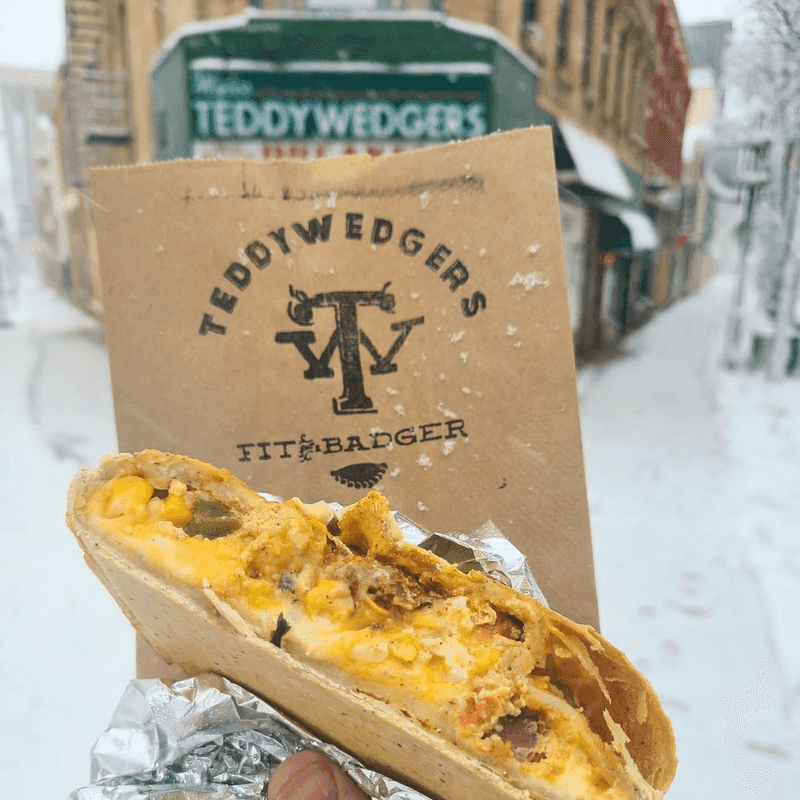
Mornings at Teddywedgers shift the focus from traditional meat-and-potato combinations to eggs, cheese, breakfast meats, and other morning-appropriate fillings wrapped in the same flaky dough. The breakfast menu runs from opening until 11 AM, giving early risers and late-morning crowds a window to grab portable morning meals that beat typical fast-food breakfast options in both quality and value.
Bacon, sausage, ham, and egg combinations provide familiar flavors in an unfamiliar format, appealing to customers who appreciate breakfast sandwiches but want something more substantial. The pasty format keeps everything contained and warm, solving the common problem of breakfast sandwiches that fall apart or leak before you finish eating them.
Located at 101 State Street in downtown Madison, the shop attracts office workers who grab breakfast on their way to the Capitol and students heading to early classes who need fuel that lasts through midday.
The Menu Includes Half And Whole Pasties
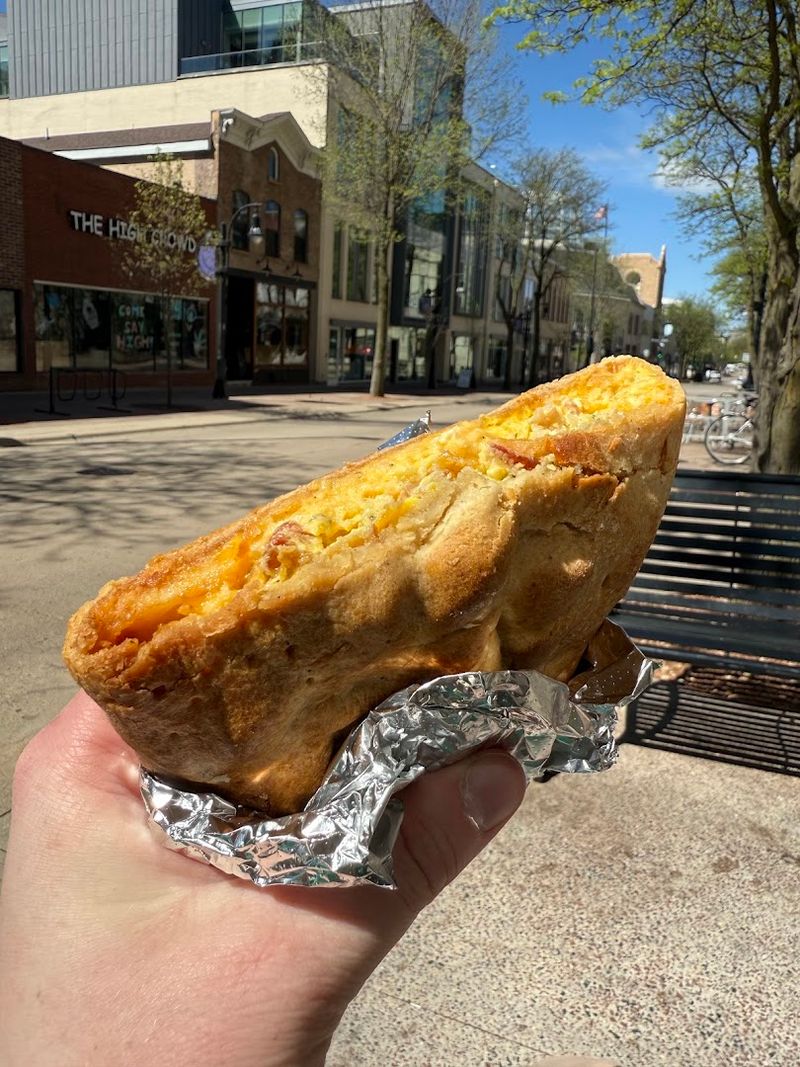
Recognizing that appetites and budgets vary, Teddywedgers offers every pasty in half and whole sizes, allowing customers to calibrate their order to match their hunger level and wallet capacity. A half pasty provides a substantial snack or light meal, while a whole pasty delivers enough calories and satisfaction to serve as a complete lunch or dinner.
The pricing structure makes both options accessible, keeping the shop competitive with fast-casual chains that offer far less interesting food.
Many customers order a half pasty for immediate consumption and a second half or whole pasty for later, taking advantage of how well these hand pies reheat at home or work. The portability and portion flexibility make Teddywedgers a practical choice for people who eat on irregular schedules or need grab-and-go solutions throughout the day.
This simple sizing strategy removes barriers and accommodates everyone from small-appetite seniors to hungry construction workers who need maximum fuel.
Fresh Wisconsin Ingredients Help Anchor The Menu
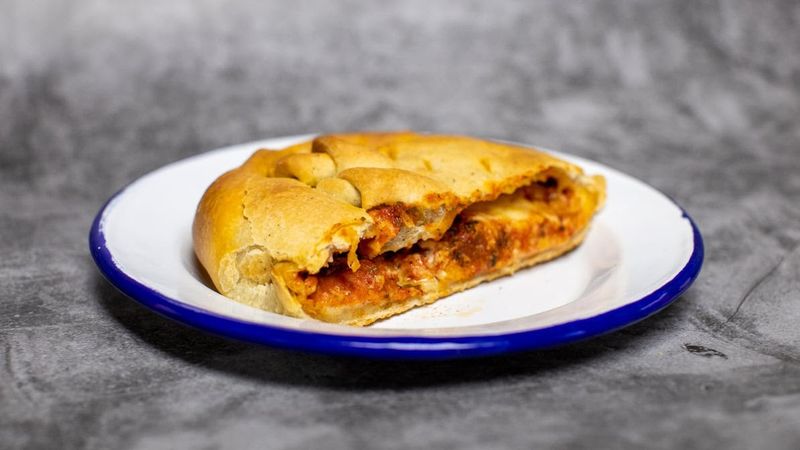
Sourcing ingredients locally whenever possible keeps the menu grounded in Wisconsin agriculture and ensures consistent quality throughout the year. Ground steak comes from regional suppliers who understand Midwest beef standards, while potatoes arrive from farms that grow varieties suited to baking and holding their texture through the cooking process.
Cheese, vegetables, and other components follow similar supply chains that prioritize freshness and reliability over rock-bottom pricing.
This commitment to regional ingredients creates a subtle but meaningful connection between the food and the place. Customers eating a Teddywedgers pasty consume not just a Cornish recipe but a Wisconsin interpretation of that recipe, filtered through local products and preparation methods that reflect the state’s agricultural heritage.
The approach also simplifies inventory management and reduces the environmental impact of long-distance shipping, benefits that align with values many Madison residents hold dear. Quality ingredients make average recipes taste good and good recipes taste exceptional.
The Shop Sits At 101 State Street In Downtown Madison
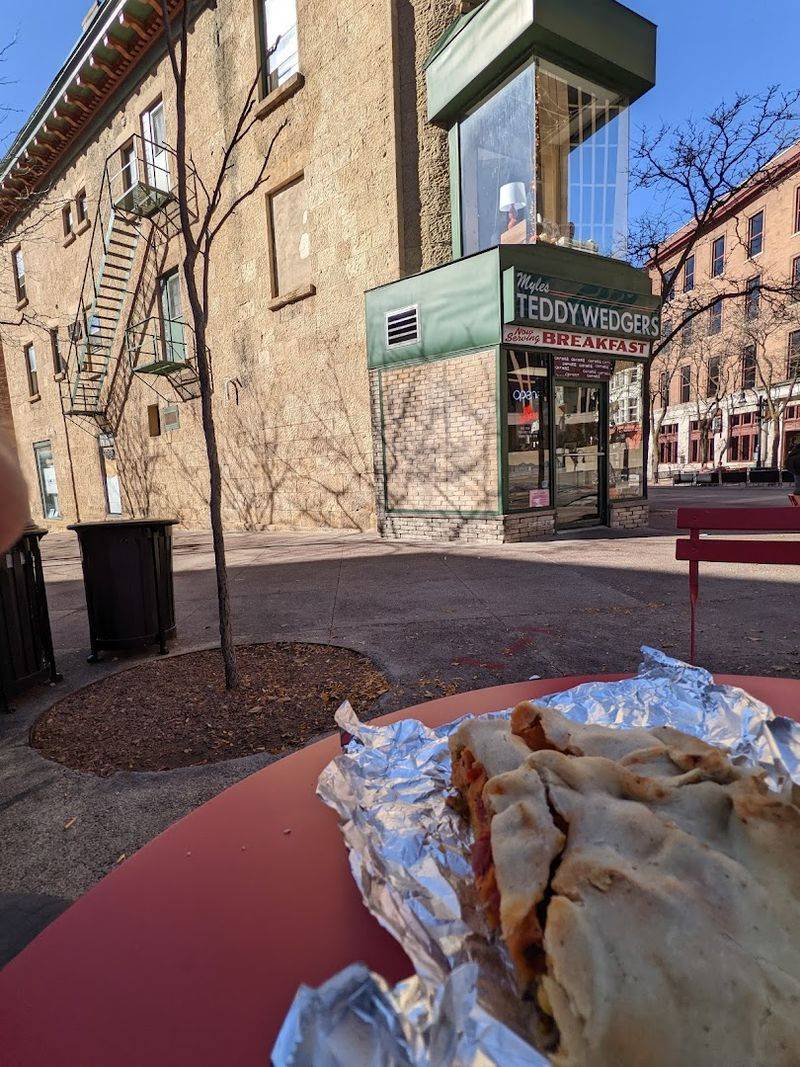
State Street connects the University of Wisconsin campus to the Capitol Square, creating a pedestrian-friendly corridor filled with shops, restaurants, and constant foot traffic. Teddywedgers occupies a small space along this route, positioning itself perfectly to catch students, state employees, tourists, and downtown workers who pass by multiple times per week.
The location lacks seating beyond a small standing area, reinforcing the takeout-focused model that has defined the business since its Johnson Street days.
That compact footprint keeps overhead low and forces efficiency in the kitchen, where staff must coordinate baking schedules to ensure fresh pasties emerge throughout operating hours without overwhelming the limited space. The setup works because pasties travel well and customers expect to eat elsewhere, whether at their desks, on the Capitol lawn, or back in their apartments.
Downtown Madison provides the ideal environment for this type of operation, where density and walkability create steady demand for quick, quality meals that fit busy schedules.
Takeaway And Delivery Keep The Little Shop Easy To Visit
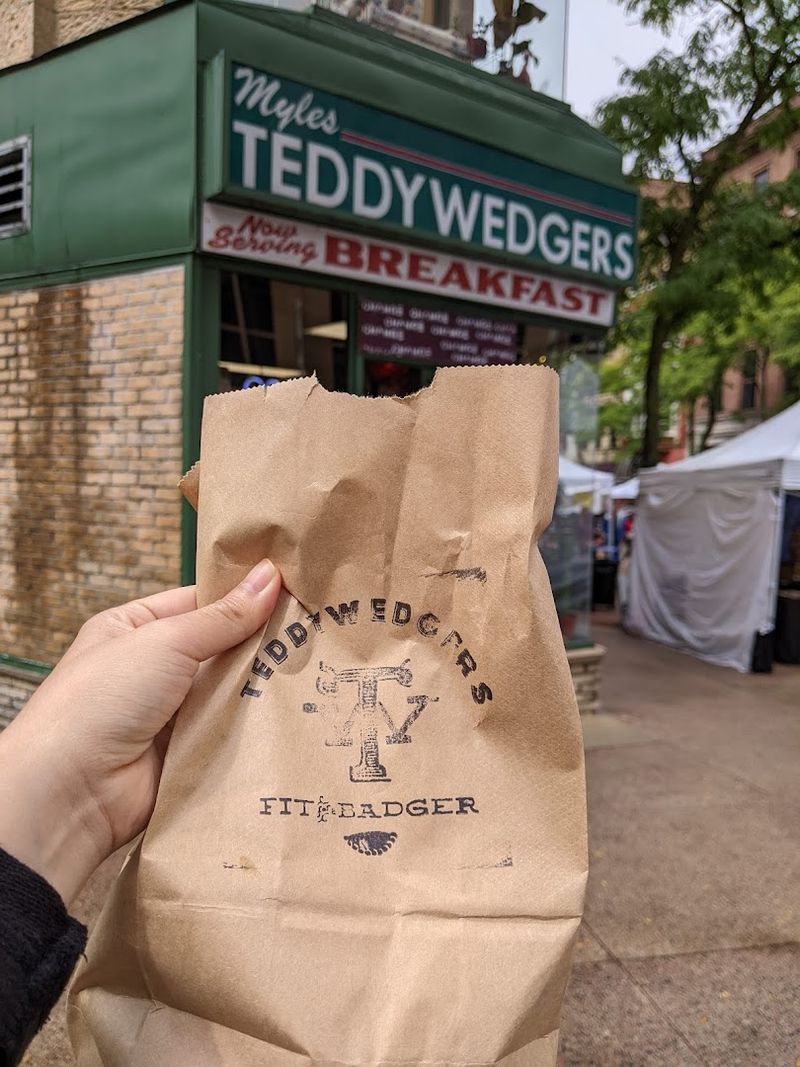
Operating primarily as a takeout spot allows Teddywedgers to maximize its small square footage and serve more customers than a traditional dine-in restaurant could handle in the same space. The model suits modern eating habits, where many people prefer consuming meals at home, at work, or outdoors rather than sitting in a restaurant.
Delivery options extend the reach beyond foot traffic, bringing pasties to customers across Madison who want the food but cannot easily visit State Street during operating hours.
This approach also proved invaluable during periods when indoor dining faced restrictions, allowing the business to continue serving its loyal customer base without major operational disruptions. The kitchen setup already emphasized efficiency and packaging, making the transition to delivery-focused service relatively seamless compared to restaurants that depended on dine-in revenue.
Takeaway and delivery keep the business accessible, affordable, and adaptable to changing circumstances while maintaining the quality and consistency that built the reputation over nearly five decades.