
This Local Louisiana Seafood Market Is Known For Exceptionally Fresh Morning Caught Shrimp
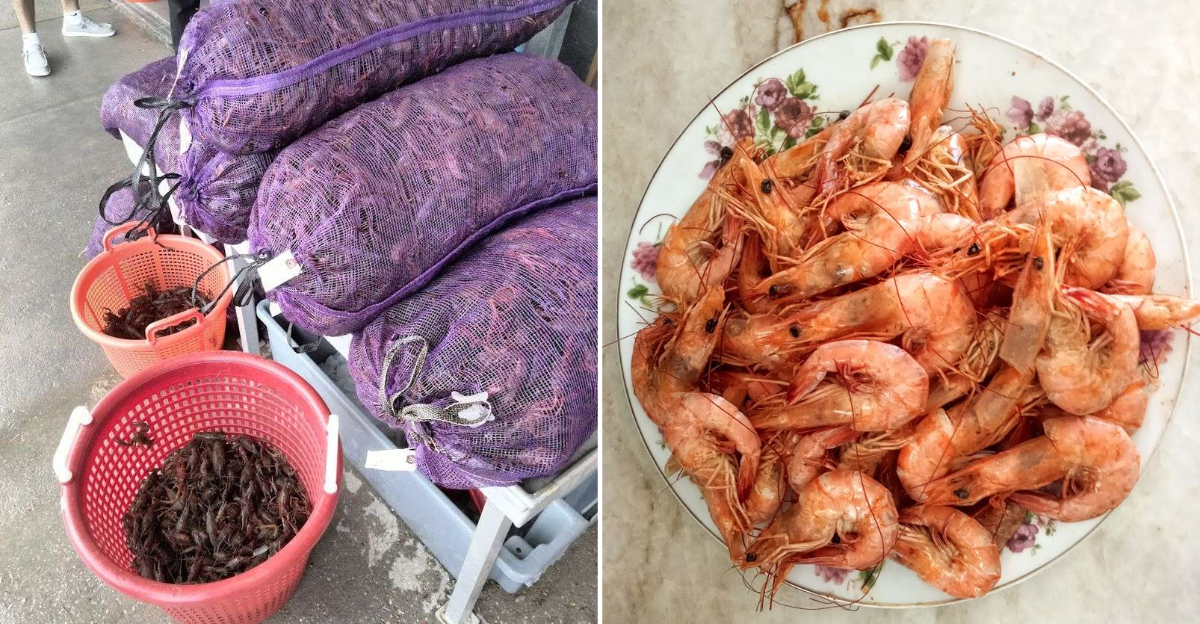
Morning caught shrimp has a quality that afternoon inventory never quite replicates, and this seafood market built its entire reputation on understanding that distinction. The difference lands before the shrimp ever reaches a pan.
Arriving early here is not a suggestion. The best of what the boats brought in moves quickly, and the regulars who figured that out years ago have no interest in sharing the advantage.
The market operates on the logic of the water rather than the convenience of the customer. What came in that morning determines what gets sold, and nothing about that arrangement has ever required an apology.
Fresh shrimp at this level converts casual shoppers into regulars before the first purchase is finished.
Louisiana seafood culture produced no shortage of good markets, and this one sits at the end of that list where the standards stop being negotiable.
Morning Harvest Techniques That Ensure Freshness
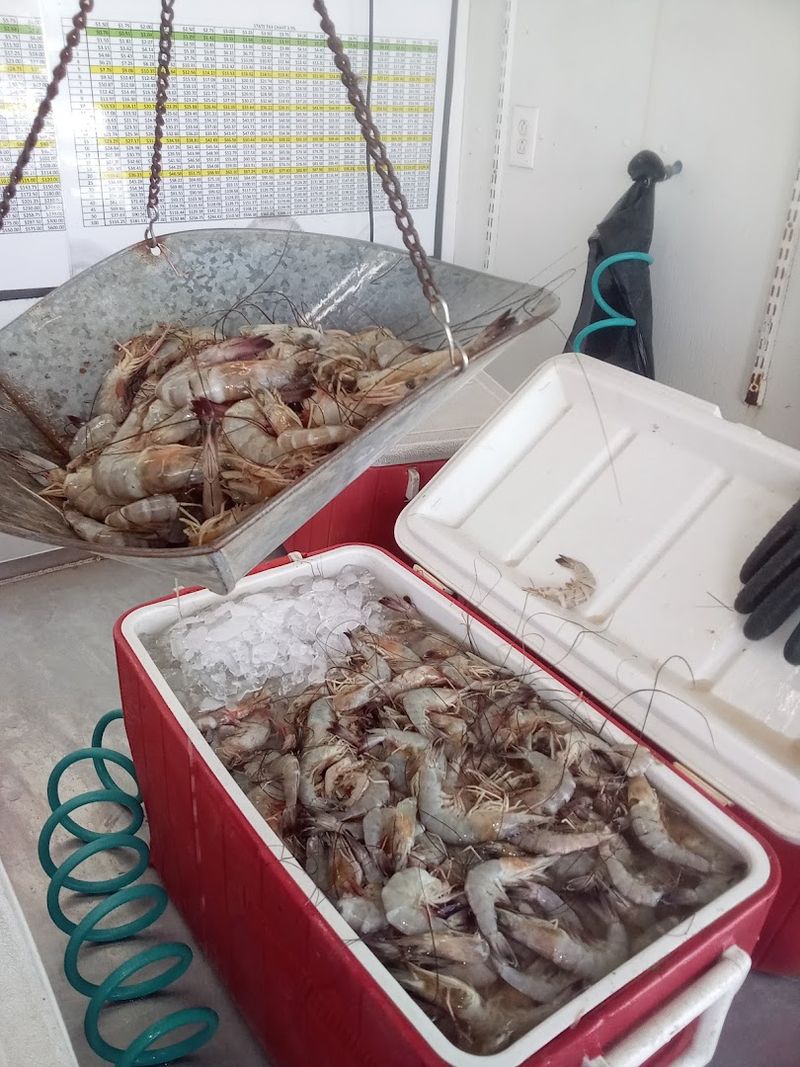
Before most people finish their first cup of coffee, the Westwego Shrimp Lot is already buzzing. Fishermen head out before dawn to work the Gulf, the Mississippi River, and the surrounding bayous.
By the time the market opens, the shrimp are already on ice and ready to sell.
The early morning timing is not just tradition. It is the reason the seafood stays so fresh.
Boats return with their hauls while temperatures are still cool. That short window between water and stall is what separates Westwego from a regular grocery store.
Families who have worked here for two, three, even four generations know this rhythm well. They load coolers, pack tubs, and get everything set before the first customer walks up.
The market opens as early as 6 AM on Fridays and Saturdays. Weekday mornings tend to offer the widest selection before the crowd thins the supply.
Bringing your own cooler and ice is a smart move. The shrimp move fast, especially the large Gulf whites.
Getting there early means you pick first. You can find the market at 100 Westbank Expy Stall #1, Westwego, LA 70094, United States.
Varieties Of Seafood Available In Louisiana Markets
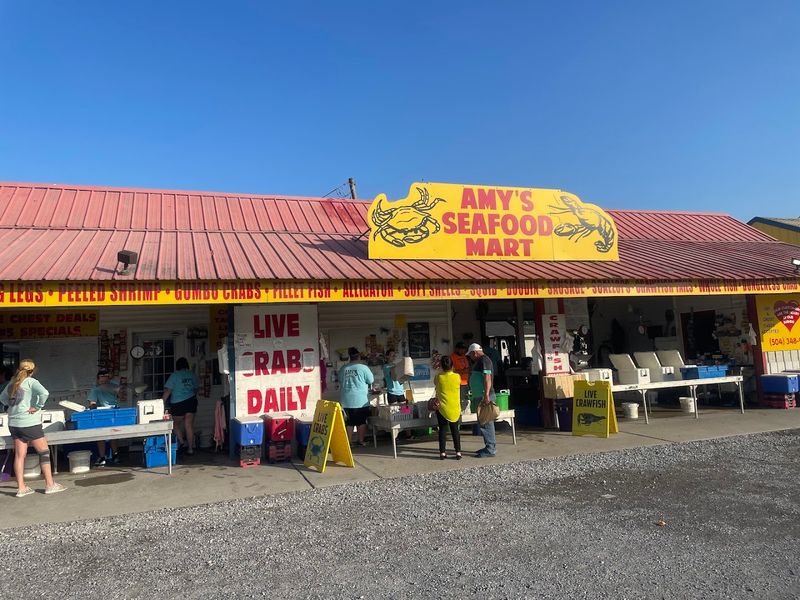
The Westwego Shrimp Lot is not just about shrimp. The range of seafood available here covers nearly everything the Gulf and Louisiana waterways produce.
Live blue crabs sit in tubs of water, snapping away like they own the place.
Local fish like snapper, redfish, trout, and tilapia show up regularly, depending on the season. Oysters are available, too, and some vendors will even walk you through how to open and clean them right there on the spot.
That kind of hands-on help is rare at a regular seafood counter.
Beyond the usual Gulf catches, the market also carries crawfish when they are in season. Alligator meat and gator sausage appear at certain stalls, which surprises first-timers every single time.
Boudin, crawfish sausage, and stuffed artichokes round out the selection for those who want something ready to eat or easy to prep.
Multiple independent vendors line the lot, and each one carries a slightly different mix. Walking the whole strip before buying is worth it.
Prices vary between stalls, and so does the selection. Bring cash because most vendors do not run card machines.
Competition between stalls actually works in your favor and keeps pricing honest across the board.
Quality Checks For Fresh Seafood Purchases
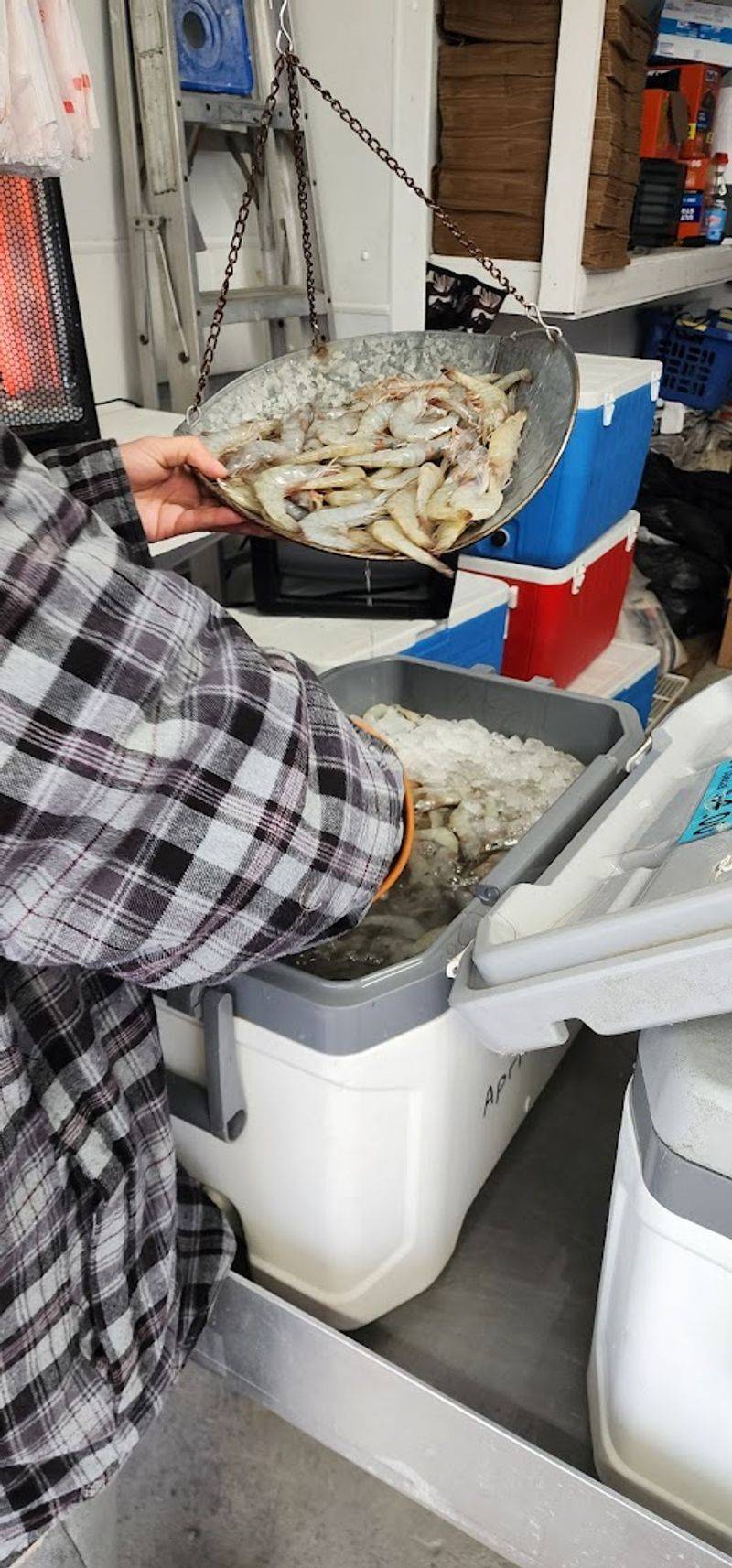
Knowing what to look for makes a huge difference when buying fresh seafood. Fresh shrimp should smell like clean ocean water, not like ammonia or anything sharp.
The shells should be firm and slightly translucent, not slimy or falling apart at the seams.
At the Westwego Shrimp Lot, most vendors display their catch in open tubs or on ice. That visibility is actually a good thing.
You can see exactly what you are getting before any money changes hands. Look for clear eyes on whole fish and shells that are tightly closed on oysters.
Live blue crabs should be moving. If they are sitting still and not reacting, that is a sign they are past their prime.
Ask vendors directly when the catch came in. Vendors here are generally straightforward about what arrived that morning versus the day before.
Walking the full lot before committing to a purchase is always smart. Compare tub quality, ice levels, and how the seafood looks across different stalls.
A well-iced display usually signals a vendor who cares about product quality. The market has been rated 4.8 stars by over a thousand visitors, which says a lot about the overall consistency here.
Seasonal Seafood Trends In Louisiana
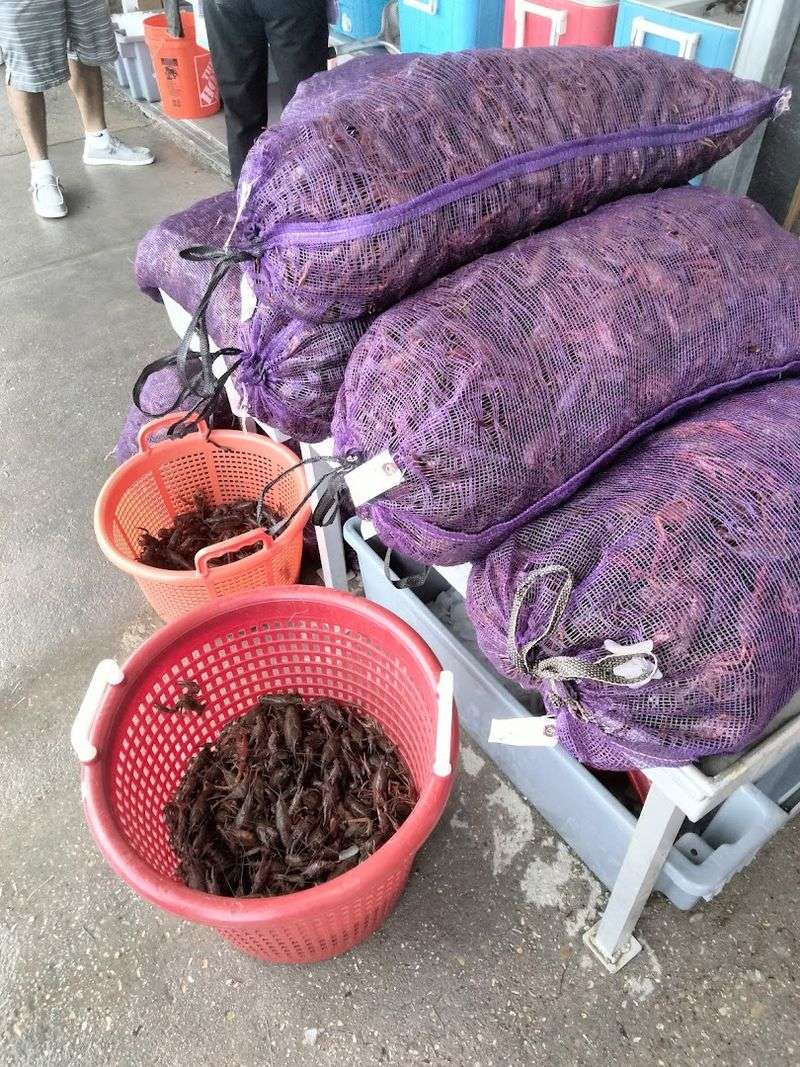
Louisiana seafood follows the seasons, and the Westwego Shrimp Lot reflects that calendar honestly. Crawfish season typically runs from late winter into early summer.
When it is on, vendors stack sacks of live crawfish near the front of their stalls.
Shrimp season in the Gulf generally peaks in the summer and fall. Brown shrimp come in earlier, while white shrimp tend to run heavier in the late summer months.
Both varieties show up at the lot, and the size range shifts depending on what the boats are pulling.
Blue crab availability changes with water temperature. Warmer months bring more crabs to the market.
Oyster season runs strongest in the cooler months, roughly from September through April. That old rule about eating oysters in months with an R in the name still holds up pretty well in Louisiana.
Fish like snapper, redfish, and trout appear year-round but in varying quantities. Certain species have regulated seasons that affect how much shows up at market.
Asking vendors what is running well right now is always a good strategy. They know the water better than any app or website.
Visiting during peak season for whatever you want guarantees the best price and the freshest haul available.
Local Fishermen Practices That Preserve Flavor
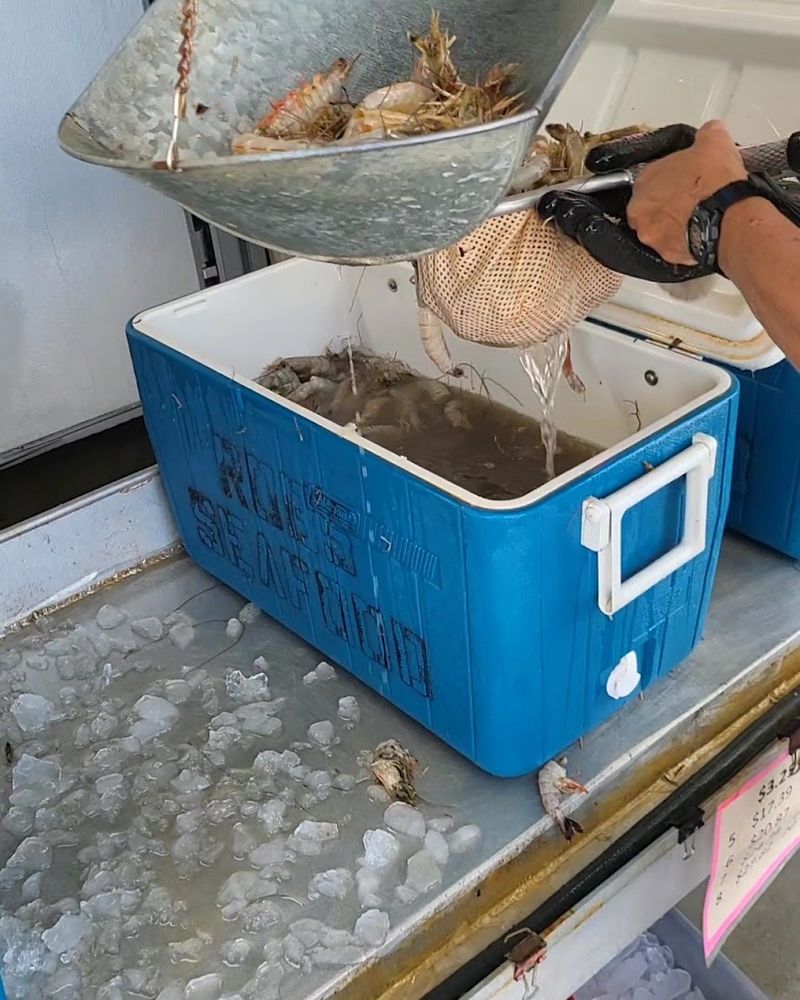
The flavor difference between truly fresh Gulf shrimp and something that has been sitting in a freezer overseas is not subtle. It is dramatic.
Local fishermen at the Westwego Shrimp Lot follow practices that protect that flavor from boat to buyer.
Icing the catch immediately after it leaves the water is one of the most important steps. Shrimp and other seafood deteriorate fast at warm temperatures.
Keeping them cold from the moment they hit the deck slows that process and locks in the natural sweetness Gulf shrimp are known for.
Many of the families selling at the lot are the same ones doing the fishing. That direct connection means there is no middleman adding days to the journey between water and table.
When a fisherman sells their own catch, freshness is a point of personal pride, not just a marketing claim.
Trawling methods used in the Gulf focus on specific species to reduce bycatch. Experienced captains know the water, the depth, and the timing that produces the cleanest haul.
That knowledge gets passed down across generations of fishing families. The result is shrimp that tastes like the Gulf actually tastes, briny and sweet and firm, not rubbery or bland like frozen imports often turn out to be.
Proper Storage To Maintain Freshness
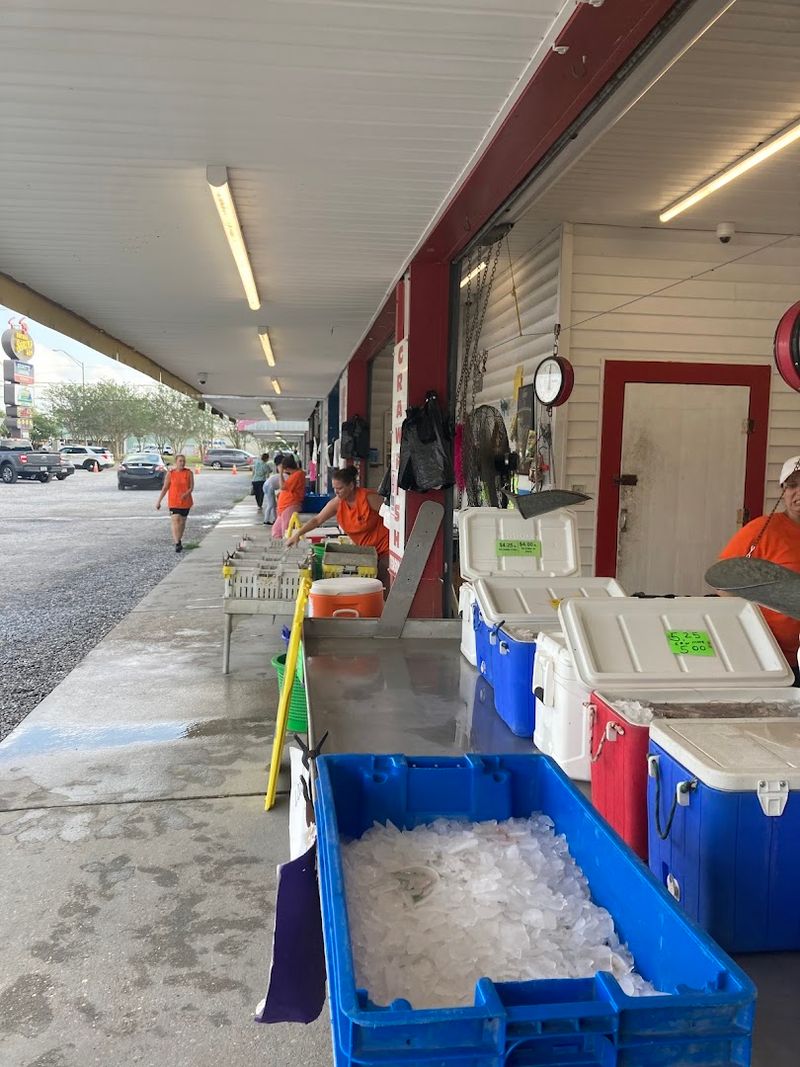
Buying fresh seafood is only half the job. How you store it after purchase determines whether dinner is amazing or disappointing.
Bringing a cooler packed with plenty of ice to the Westwego Shrimp Lot is not optional; it is essential.
Fresh shrimp should stay on ice or go straight into the refrigerator when you get home. They stay good for one to two days in the fridge when stored properly.
Layering shrimp over crushed ice in a colander set inside a bowl works well. That setup lets meltwater drain away instead of pooling around the shrimp.
For longer storage, freeze shrimp in airtight bags with as little air as possible. Some people cover shrimp in water before freezing, which protects against freezer burn.
Frozen Gulf shrimp kept at a steady temperature can last up to three months without losing much quality.
Live blue crabs need to stay alive until you cook them. Keep them in a ventilated container with a damp cloth over them.
Do not submerge them in fresh water. Oysters stay best in their shells, cup side down, covered with a damp towel in the fridge.
Proper storage after buying from a market like this one ensures every dollar you spend actually translates into a great meal at home.
Health Benefits Of Eating Fresh Louisiana Seafood
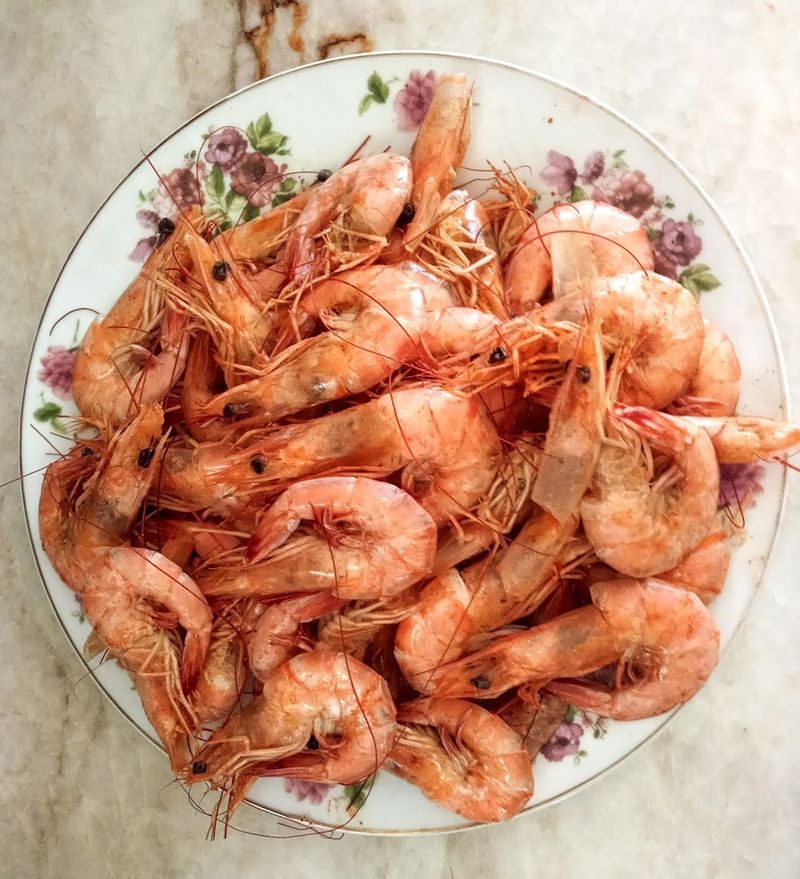
Fresh Gulf seafood is genuinely good for you, and the Westwego Shrimp Lot makes it easy to eat well without spending a fortune. Shrimp are low in calories and high in protein.
A three-ounce serving delivers around 20 grams of protein with very little fat.
Gulf shrimp also contain omega-3 fatty acids, which support heart health and reduce inflammation. Fresh shrimp provide more of these nutrients than frozen or imported alternatives that have been processed or stored for extended periods.
The shorter the time between water and plate, the more nutritional value is retained.
Oysters are another nutritional standout available at the market. They are packed with zinc, iron, and vitamin B12.
Eating just a few oysters covers a large portion of your daily zinc needs. Zinc plays a key role in immune function and wound healing, which makes oysters more impressive than their slimy reputation suggests.
Local fish like redfish and trout are lean protein sources loaded with vitamins D and B2. They also contain selenium, which acts as an antioxidant in the body.
Eating fresh, locally caught seafood two to three times a week fits well within most health guidelines. Getting that seafood from a place like Westwego means you know exactly where it came from and how fresh it actually is.
Sustainable Fishing Methods In Louisiana
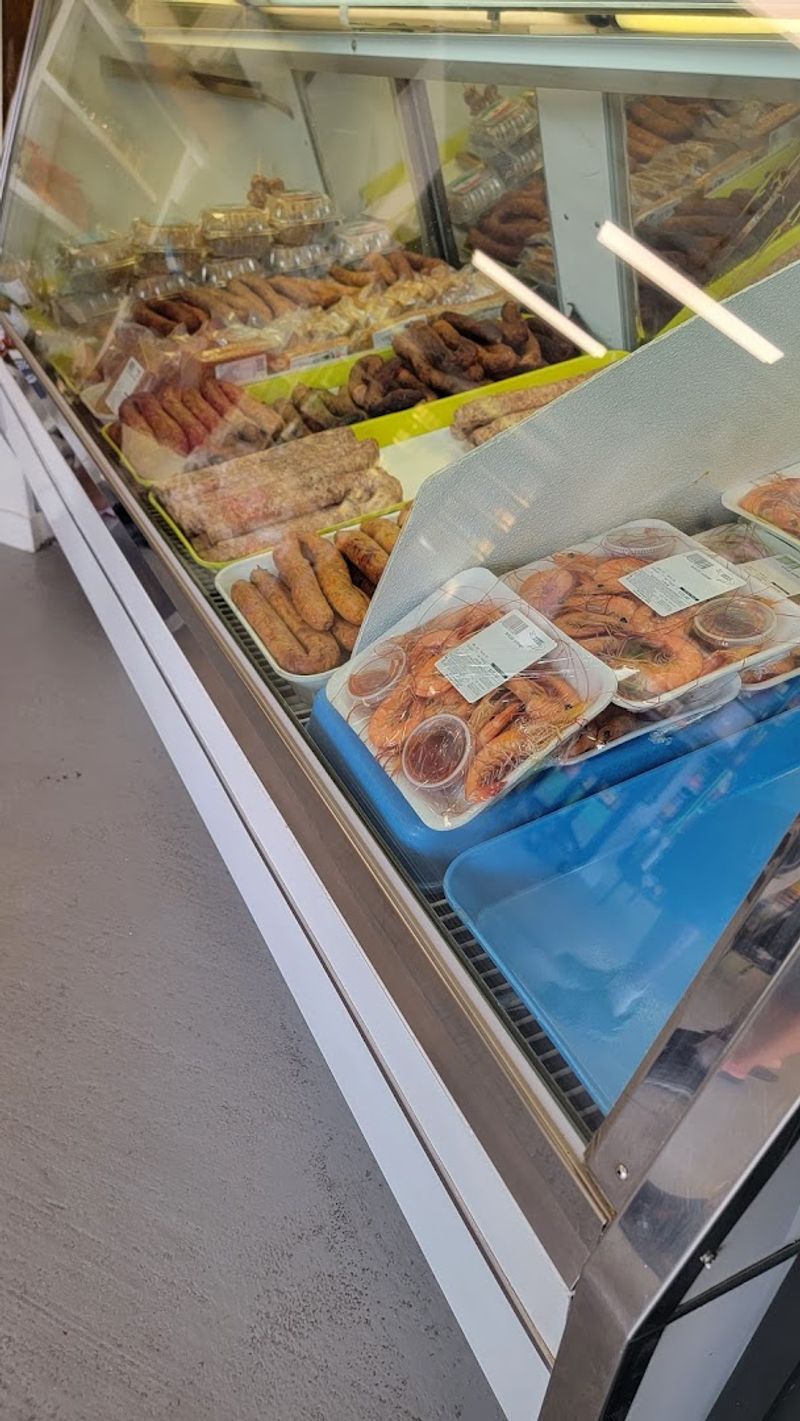
Sustainability in Gulf fishing is a real conversation in Louisiana, and it matters to the families who depend on these waters for their livelihood. The fishermen who supply the Westwego Shrimp Lot have a direct stake in keeping the Gulf healthy.
Overfishing hurts them first.
Louisiana shrimpers use trawl nets designed to target specific species and sizes. Turtle excluder devices, known as TEDs, are required on shrimp trawls to allow sea turtles to escape if caught.
Bycatch reduction devices also help minimize the capture of non-target species during a typical trawl run.
State and federal regulations set seasonal limits and closed areas to protect breeding populations. Louisiana’s Department of Wildlife and Fisheries monitors shrimp stock levels and adjusts seasons accordingly.
That oversight keeps the fishery from being pushed past what it can recover from year to year.
Buying directly from local fishermen at a market like this one also supports sustainable practices indirectly. Money going to local boats stays in the community and funds operations that follow Gulf regulations.
Large-scale imported seafood often comes from fisheries with far less oversight. Choosing Gulf-caught shrimp from a market like Westwego is both a flavor decision and a choice that supports responsible fishing in Louisiana waters for the long term.