
This Massachusetts Zoo Has A Capybara Encounter Animal Lovers Will Adore
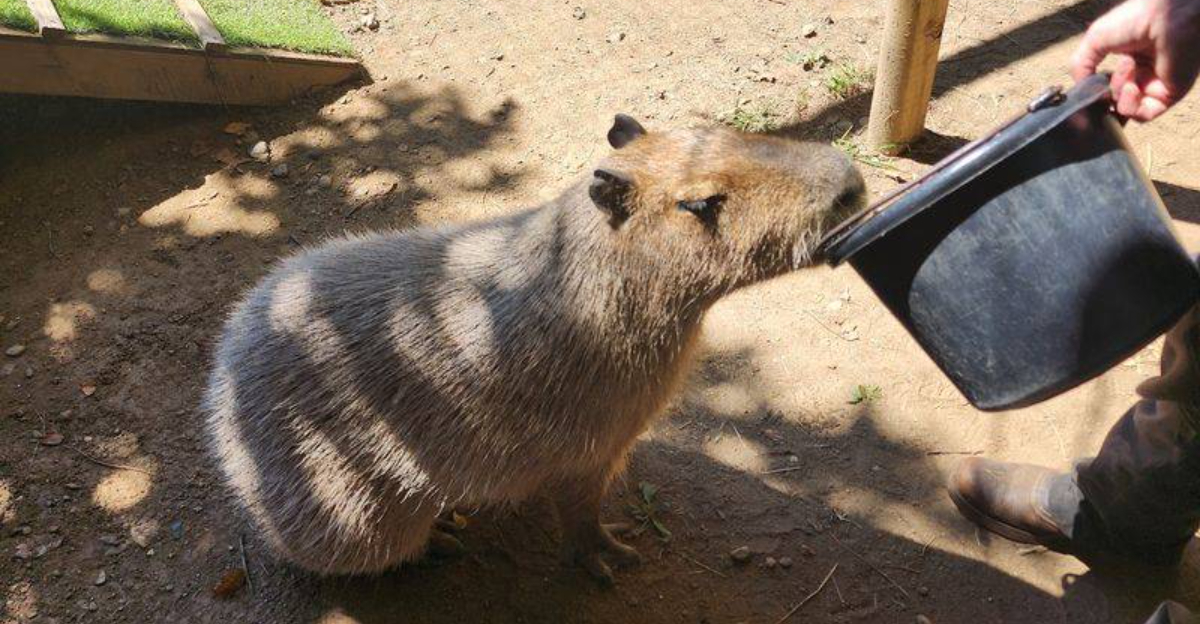
Animal lovers, get ready to rearrange your weekend plans. Somewhere in Massachusetts, feeding, petting, and even brushing a capybara becomes an actual option, not just a daydream.
It sounds too good to be true until you are standing there with a happy capybara leaning into your hand. The experience goes beyond one animal though.
Rescued creatures fill the grounds, each with a story and a personality all their own. Owls blink at visitors from their perches.
Sloths move at their own gentle pace. Reptiles wait quietly for someone curious enough to ask questions.
The people who work here seem genuinely thrilled to share what they know, and that energy spreads fast.
Little ones leave with wide eyes. Grown ups leave with their phones full of photos. Few spots in Massachusetts blend rescue work with hands on fun quite like this.
Come for the capybara. Stay for everything else waiting around the corner.
Hazel The Capybara Will Steal Your Heart
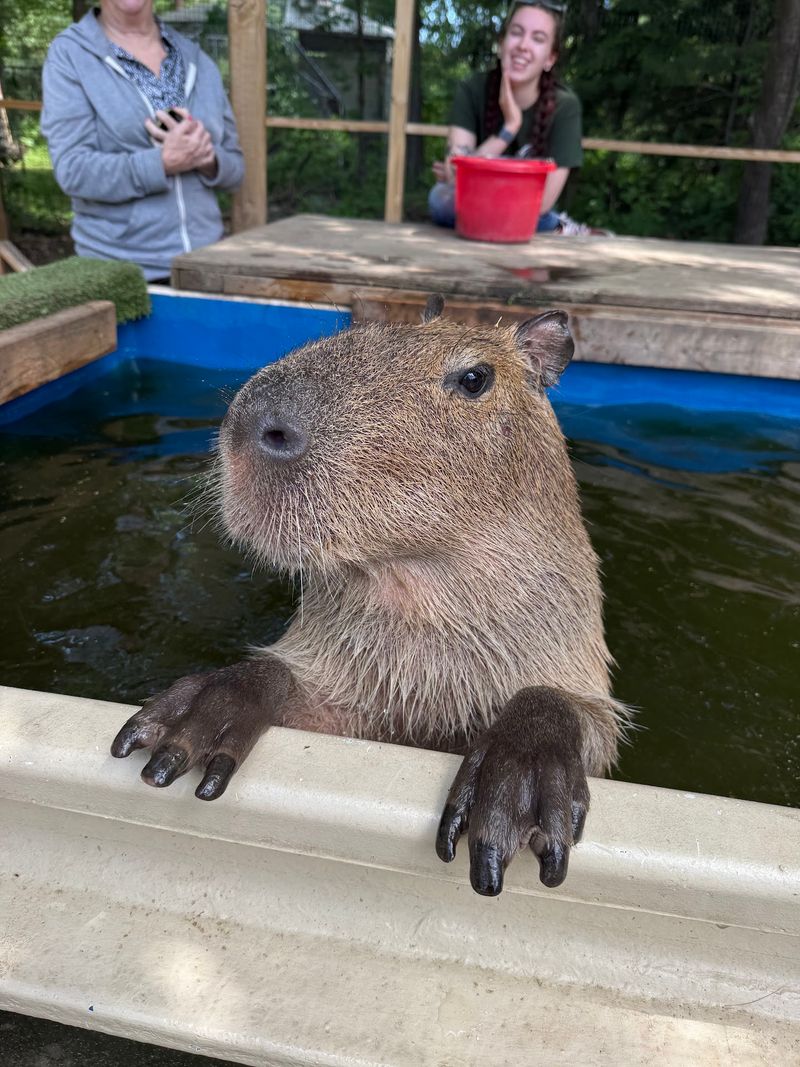
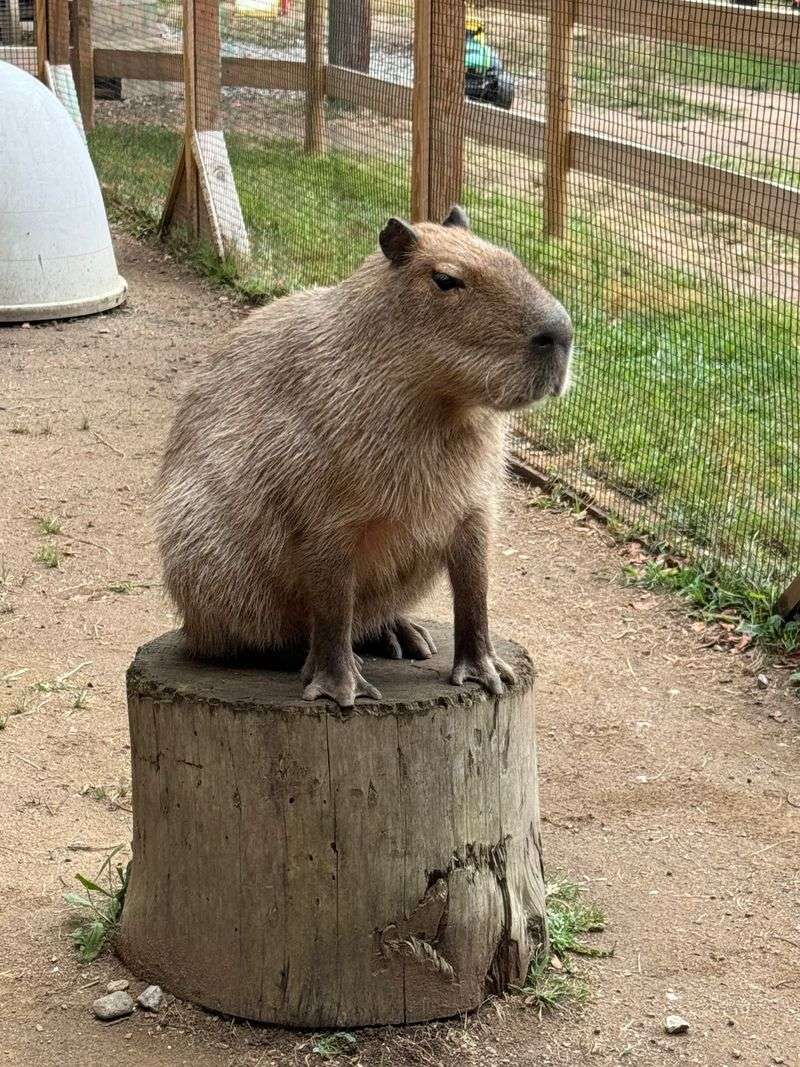
Some animals have star power, and Hazel wears hers lightly. She is the capybara at the center of the most talked-about experience at Animal Adventures Family Zoo & Rescue Center.
Capybaras come from the wetlands of South America. They are semi-aquatic mammals, built for swimming, grazing, and lounging in the sun.
Hazel is unusually sociable, even by capybara standards. She tolerates hands, cameras, and curious questions with an unbothered calm that surprises first-timers.
Her fur feels nothing like a house pet’s coat. It is coarse and bristly, almost like stiff straw, and people always comment on the texture.
Capybaras are the largest rodents alive today. Adults can weigh well over 100 pounds, which puts them in the same range as a big retriever.
Meeting one in New England feels a little unreal. Massachusetts is not exactly known for tropical wetland wildlife, yet here she is.
What makes the moment work is Hazel’s temperament. She approaches at her own pace and never seems rushed or pressured.
Animal lovers tend to leave grinning like kids. It is hard not to when a giant rodent leans in for a scratch.
Find Out What Really Happens During The Encounter
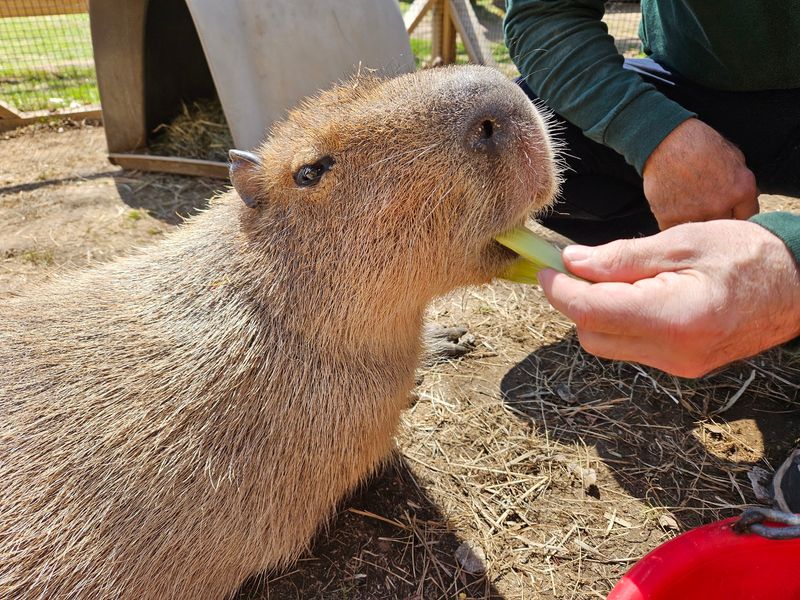
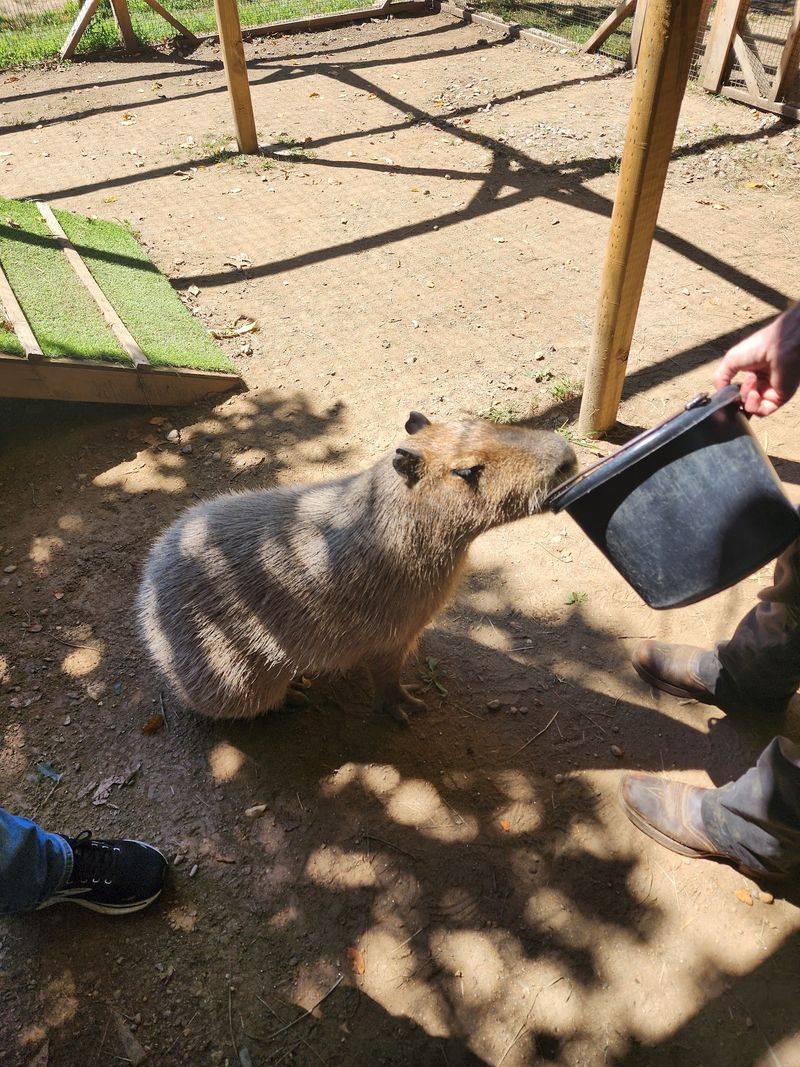
Fifteen to twenty minutes sounds short until you are actually in the enclosure. Time bends when a capybara is chewing lettuce next to your knee.
The session is hands-on from the start. You can pet Hazel, offer her food, and take as many photos as you like.
A zookeeper stays with you the entire time. They handle the pacing, explain her body language, and make sure everyone stays comfortable.
That guidance matters more than people expect. Wild-origin animals communicate in subtle ways, and a trained handler reads those signals instantly.
Expect real information, not just cuddle time. Staff share details about capybara diet, habitat, and behavior while you sit beside her.
Questions are welcome throughout. The team here clearly enjoys teaching, and the small group size makes conversation easy.
Feeding is often the highlight. Watching those oversized front teeth work through a piece of produce is oddly satisfying.
You leave with a much better sense of who capybaras are. Not cartoon internet celebrities, but real animals with specific needs.
Practical tip: wear clothes you do not mind getting a little dusty. Straw travels.
Booking Details, Price, And Age Rules
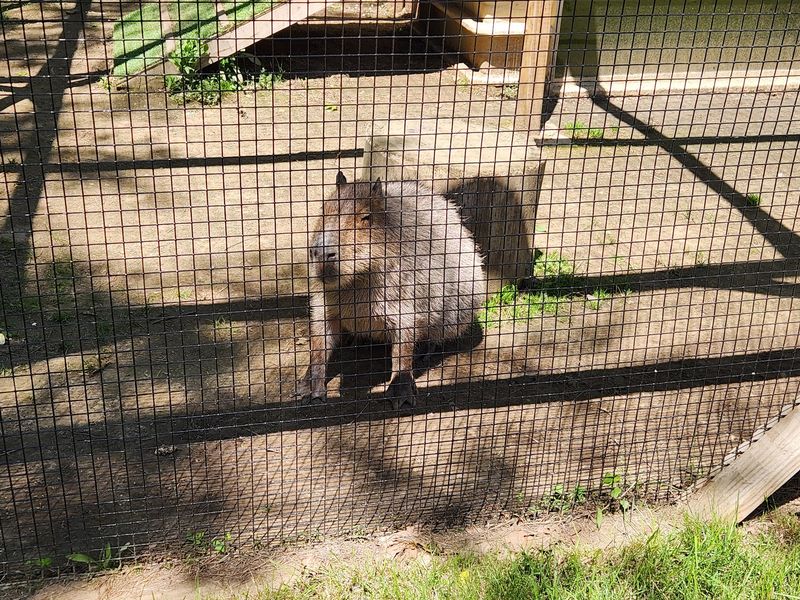
Planning beats improvising here, especially with a popular experience. The capybara encounter costs $93.06 per person, and it runs seasonally from April through November.
Age limits apply, and they are firm. Participants must be at least 14 years old to join the session.
Teens between 14 and 17 need an adult with them. That adult also needs a paid spot in the encounter.
The rule exists for good reason. Close contact with a large rescued animal requires focus and steady behavior from everyone present.
Younger children are not left out of the day. General admission still gives them access to the wider property and its many residents.
Booking ahead is the smart move. Encounter slots are limited by design, since only a few people join at a time.
You can reach the team at 978-779-8988 with questions. Their website lists current availability and other encounter options.
Weekend slots tend to fill first. Weekday sessions often feel quieter, which suits people who prefer a calmer atmosphere.
Check the details before you drive out. A quick confirmation saves disappointment later.
A Rescue First, A Zoo Second
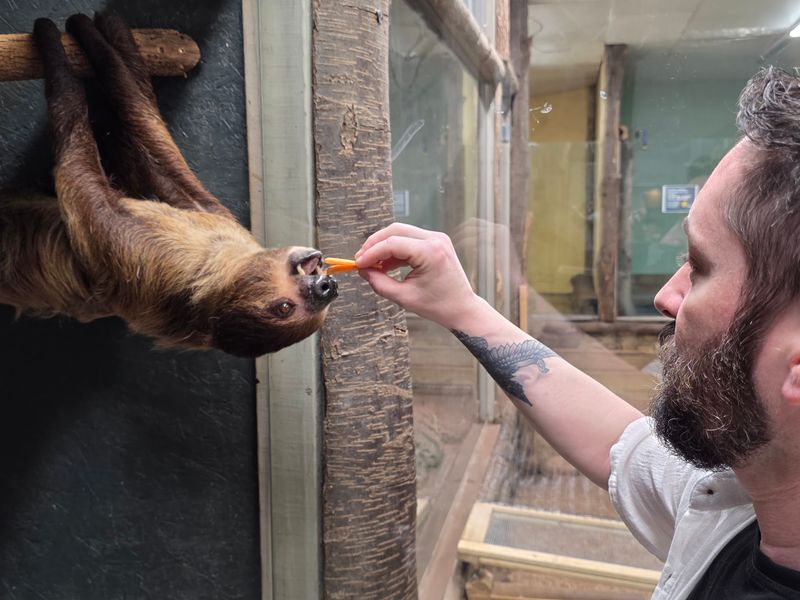
Behind the fun sits a serious purpose. Animal Adventures Family Zoo & Rescue Center is New England’s largest exotic animal rescue.
The facility opened in Bolton back in 1997. Nearly three decades later, it houses hundreds of rescued creatures.
Many residents arrived because they had nowhere else to go. Some were surrendered, some were injured, some outgrew owners who were unprepared.
Exotic pets are a genuine problem across the country. People buy unusual animals, then discover the care requirements are enormous.
That is where places like this step in. Animals get permanent homes and a role in public education.
The center holds USDA licensing and meets state standards. Those inspections cover housing, veterinary care, and daily husbandry.
Staff talk openly about improvement projects. Enclosures get updated and rearranged as individual animals’ needs change over time.
An enrichment team works on activities tailored to specific species. Enrichment keeps intelligent animals mentally engaged rather than idle.
Knowing the backstory changes the experience. Sitting with Hazel feels less like entertainment and more like supporting something worthwhile.
Over 175 Species Under Three Roofs
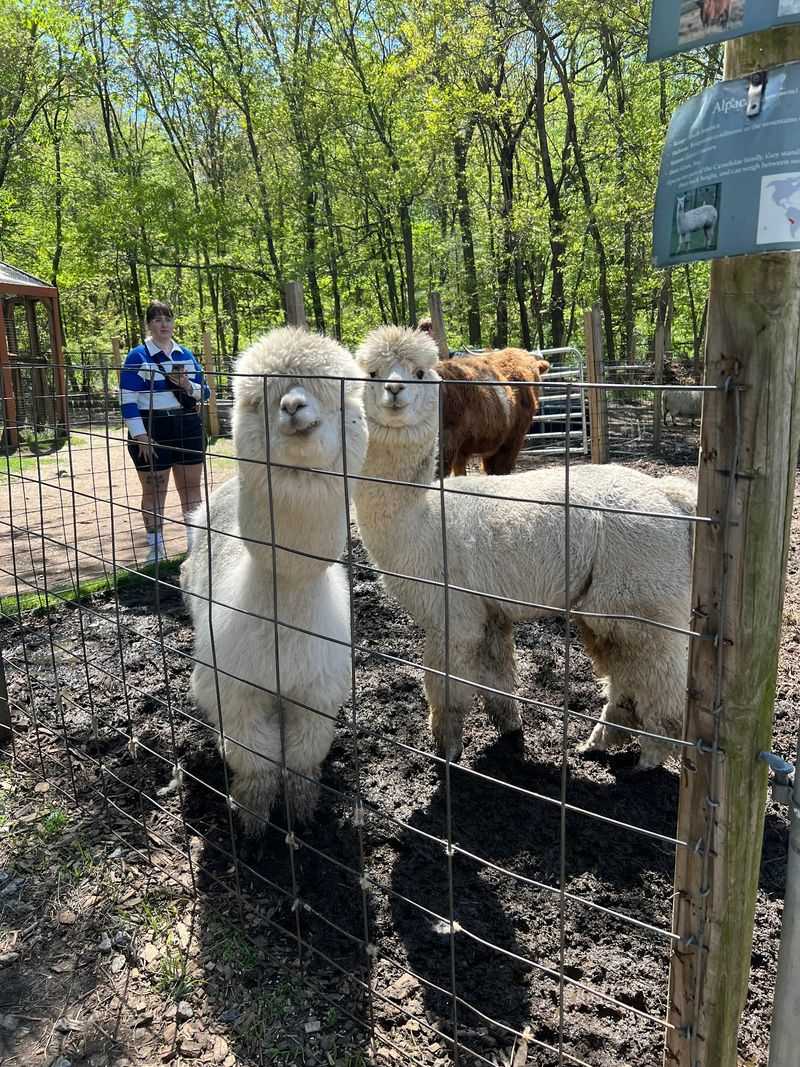
Hazel has plenty of company. More than 175 different species live at this property in central Massachusetts.
Three buildings hold the bulk of the collection. Each one has a different mix, so wandering feels like flipping through chapters.
Kangaroos and barking deer share space with arctic foxes and kinkajous. The variety is genuinely startling for a facility this size.
Birds get real attention here too. Owls, toucans, a kookaburra, and a talking parrot named Tango all live on site.
Reptile fans have plenty to study. Nile crocodiles, alligators, tortoises, and a range of snakes occupy their own areas.
Smaller mammals often win people over. Porcupines, armadillos, chinchillas, skunks, and ferrets each have devoted fans.
A lynx and a bobcat round out the cats. Seeing them at close range is a rare opportunity in this region.
Do not rush the walk-through. The layout looks compact from outside, but the property covers more ground than expected.
Give yourself a couple of hours minimum. Otherwise you will drive home wondering what you missed.
Otters, Sloths, And Other Encounter Options
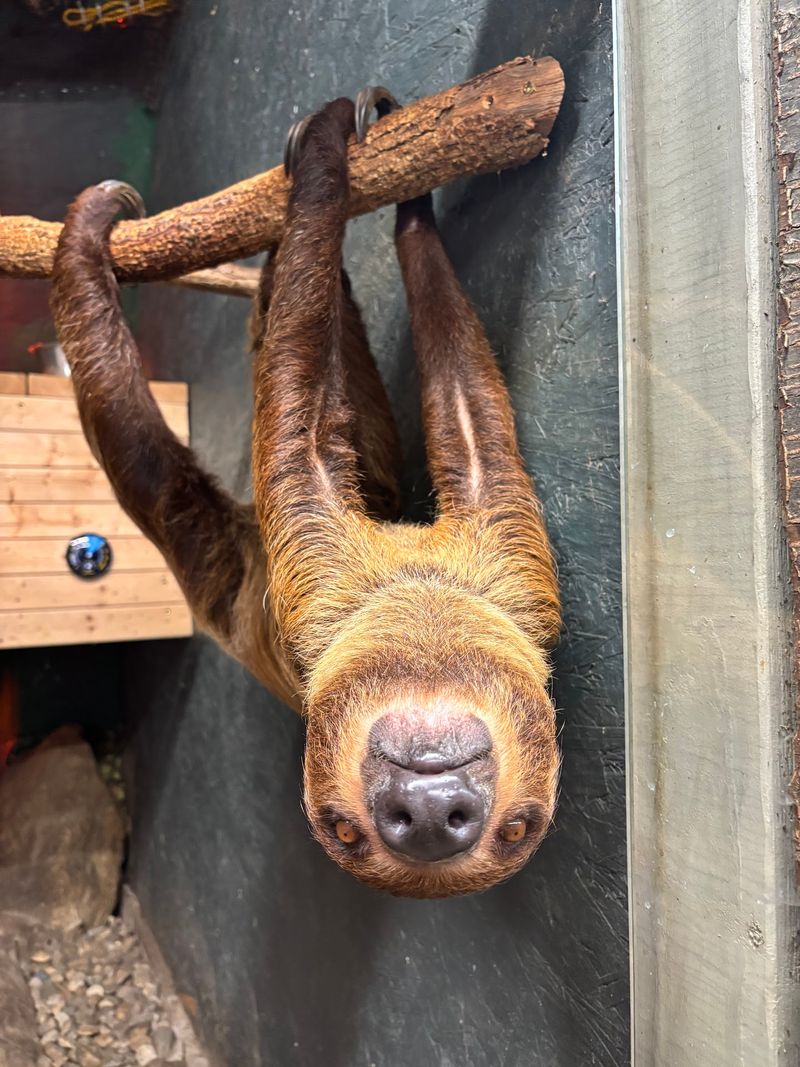
Capybaras are not the only handshake available. The encounter lineup includes otters, sloths, and owls, among others.
Otter sessions have a devoted following. The pair here are energetic, splashy, and endlessly entertaining during one-on-one time.
Sloth encounters run at the opposite speed. Everything slows down, which is exactly the appeal for some people.
Owl programs lean educational. Handlers explain why each bird ended up in human care and how their senses work.
Age restrictions vary by encounter. Check the requirements before booking, since rules differ depending on the animal involved.
Pairing two encounters in one day is possible. Some people book the capybara session alongside an otter meeting.
Each program includes general admission. That means you can explore the rest of the property afterward at no extra cost.
Staff customize sessions when they can. If a certain animal makes you nervous, say so and they will adjust.
Variety is the real draw. Come back twice and you can have two completely different afternoons.
Private And Extreme Tours For The Truly Curious
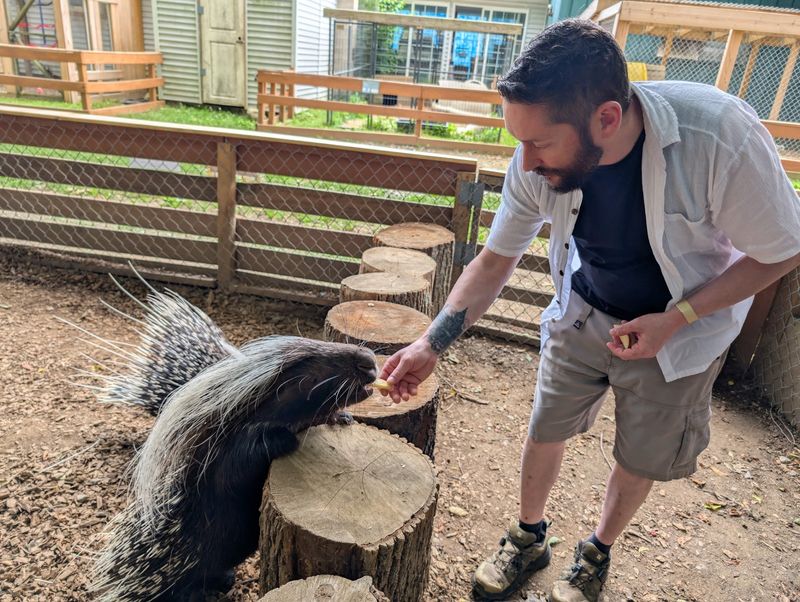
For people who want more than a single species, the guided tours deliver. Options range from 90-minute private walks to a two-hour Extreme tour.
Customization is part of the appeal. Guides ask what interests you and adjust the route accordingly.
Not a reptile person? Skip them entirely and spend that time with mammals instead.
Tour groups enter select enclosures. Emus, kangaroos, and barking deer are among the animals people meet directly.
Holding an armadillo is a common highlight. So is feeding a porcupine, which requires more courage than you would think.
Guides here know their subjects deeply. They explain individual quirks, rescue histories, and species facts as you go.
Admission is bundled into every tour. Afterward you can circle back to anything you want a longer look at.
Pricing stays reasonable for the access involved. Few facilities anywhere offer this level of hands-on contact.
Book early if a specific tour length matters. Slots are limited, and the longer formats go quickly during warm months.
Here Is How To Find The Place And Time Your Trip
Getting here is straightforward. The address is 336 Sugar Rd, Bolton, MA 01740, in the quiet middle of the state.
Doors open at 10 AM Monday through Saturday. Sunday starts a bit later at 11 AM, with closing at 5 PM daily.
Parking is plentiful and free. That alone makes it easier than most day trips near Boston.
Bolton sits roughly 35 miles west of the city. The drive winds through classic New England countryside, especially pretty in autumn.
Arriving early pays off. Mornings are calmer, and animals tend to be more active before the afternoon lull.
Weekdays feel noticeably quieter. Families with children who dislike crowds often prefer a Tuesday or Wednesday.
An outdoor playground sits in the middle of the property. It gives younger kids a place to burn energy between buildings.
Dress for the weather. Some areas are indoors, but plenty of walking happens outside.
Call ahead at 978-779-8988 if plans hinge on a specific animal. Schedules shift occasionally.
Your Ticket Does More Than You Think Here
Here is a detail that shifts the whole picture. Animal Adventures Family Zoo & Rescue Center receives no state or federal funding.
Everything runs on program income and public support. Admission, encounters, tours, and donations cover the entire operation.
Hundreds of animals eat every single day. Produce, protein, bedding, and veterinary care add up fast.
Exotic species need specialized care. A crocodile, a kinkajou, and an owl require three entirely different setups.
Your encounter fee funds that work directly. The $93.06 capybara session helps keep food bowls full year-round.
Education is the other half of the mission. People who meet these animals think differently about the exotic pet trade.
The gift shop supports operations too. Souvenirs are modestly priced and go toward the same cause.
Summer camps and birthday parties run here as well. Those programs bring in young people who often come back as volunteers.
Massachusetts has no shortage of family outings. Few of them send your money straight into a rescued animal’s dinner.