
This Isolated Mississippi Beach Is Famous For Its Summer Jellyfish Swarms
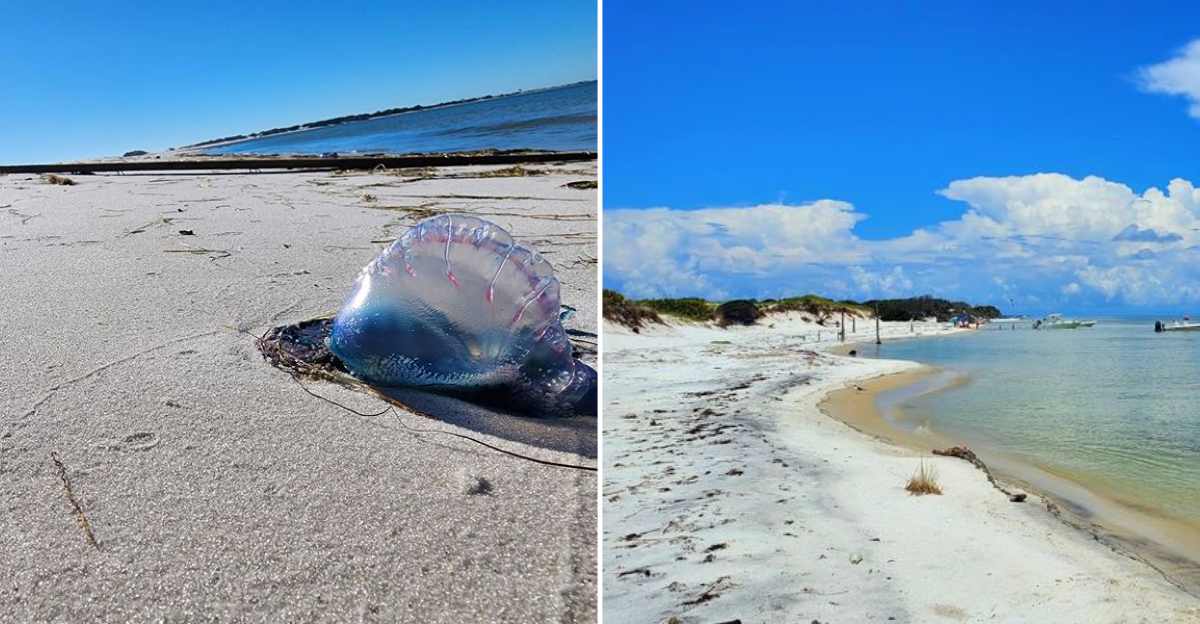
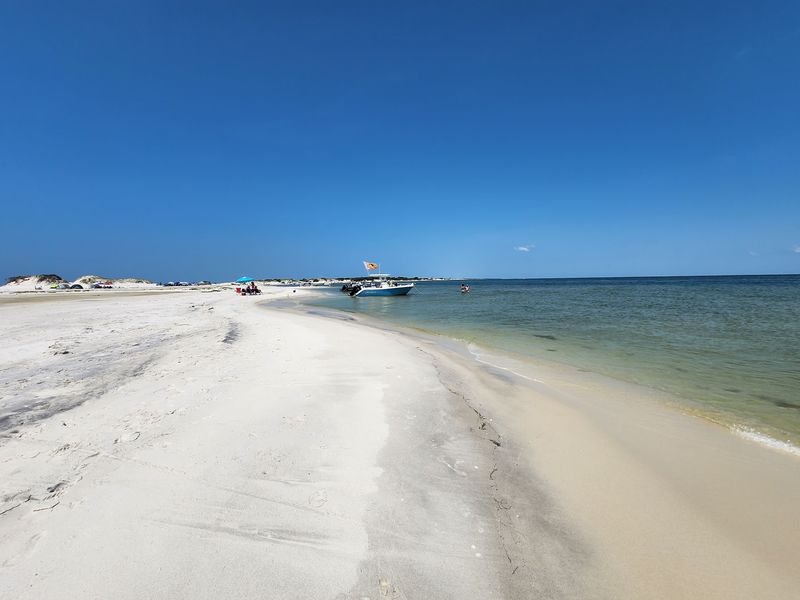
Getting here already feels like part of the story. There is no parking lot waiting beside the sand, because the road ends long before the beach begins. A boat carries you out to a quiet stretch of pale shore where crowds can feel very far away.
Mississippi gets wonderfully strange out here. Then summer adds another surprise as jellyfish begin drifting through the warm coastal water.
Most beach days do not come with quite this much mystery. The shore can feel almost empty, yet the water may be busy with soft shapes moving near the surface. Jellyfish numbers can rise during the hottest months, so paying attention before swimming matters.
The setting still has a peaceful pull that is hard to shake. You hear water, watch the horizon, and realize how unusual it feels to reach a beach with no road behind you. That little bit of effort changes the whole day.
A Wilderness Beach With No Roads In
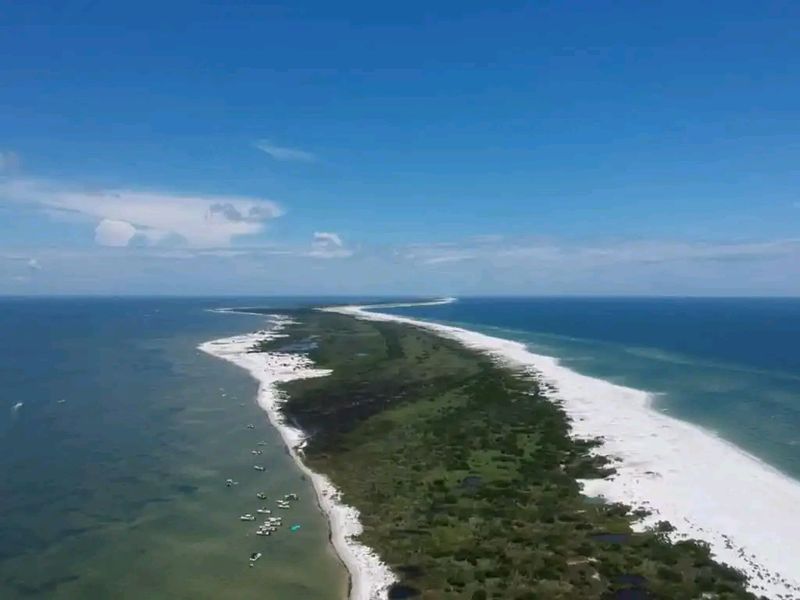
Twelve miles of beach with zero buildings sounds like a rumor. Out here it is simply Tuesday. Congress gave this barrier island official wilderness status back in 1978, which means no roads, no snack stands, and no bike wheels rolling through the dunes.
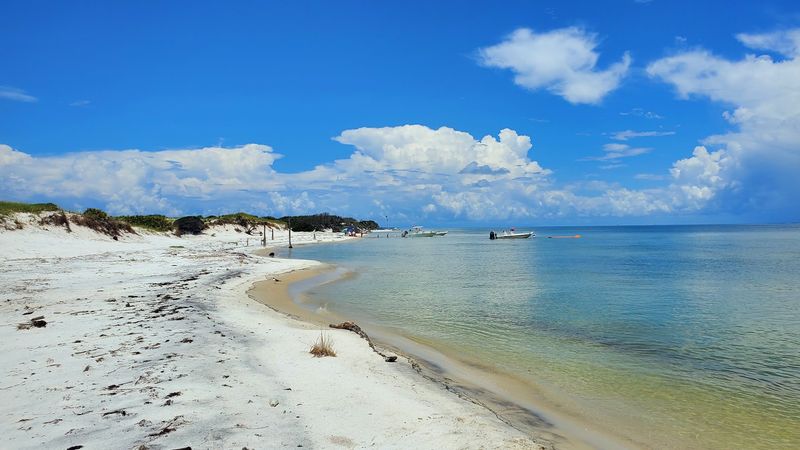
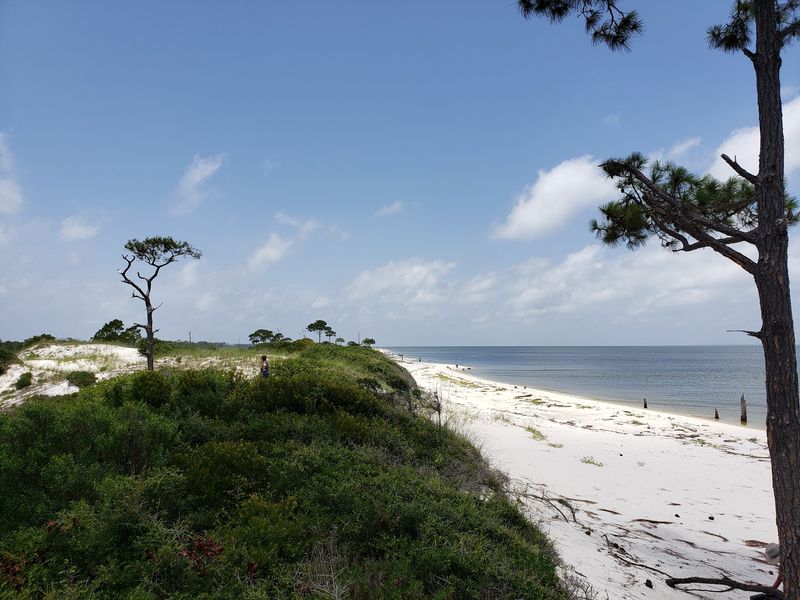
The shape of the place matters. It stretches long and skinny, less than a mile across at its widest point, so you can walk shore to shore in minutes. The north side faces the calmer Mississippi Sound and works well for boat landings.
Cross over and the south side opens onto the Gulf, with broader sand and real waves. On still days the water there turns startlingly clear, the kind of green you expect much farther east.
Behind the beach, tall dunes wave with sea oats. Farther in sit freshwater ponds and a forest of pine and oak that feels much older than the sand holding it up.
Wildlife runs the show. Birds, raccoons, frogs, snakes, alligators in the lagoons, dolphins offshore, and loggerhead sea turtles that come ashore to nest. You are the guest here, and the island never lets you forget it.
Horn Island, Reachable Only By Water
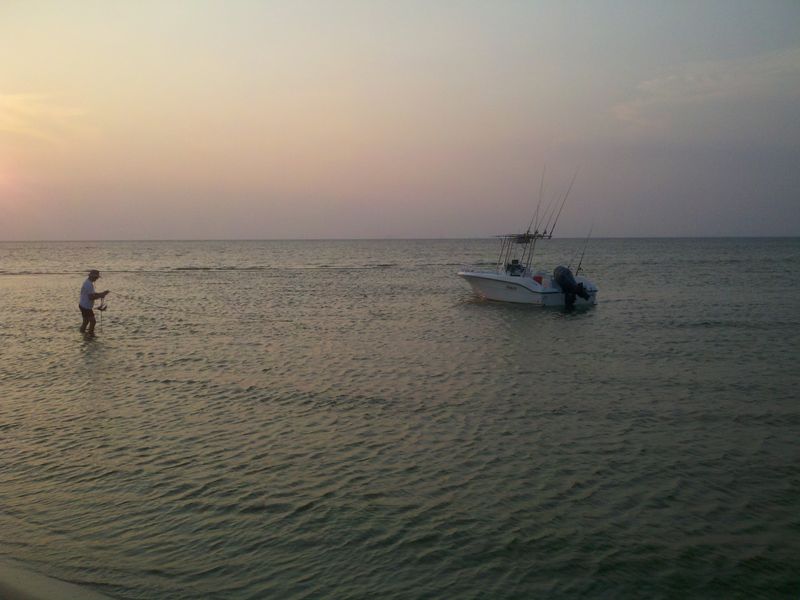
Officially the address is short and sweet: Horn Island, Mississippi, coordinates roughly 30.2359 north and 88.6699 west. No street, no mailbox, no gate. Boats are the only key that fits the lock.
Most visitors launch from Biloxi or Pascagoula. Private boats, charters, and kayaks all make the crossing, and the ride itself often comes with dolphins riding your wake. Check marine forecasts before you go, since the Sound can shift moods quickly.
Weekday trips feel almost unreasonably peaceful. Weekends bring boaters who anchor near the east and west points, where the water sits shallow and calm enough for lounging.
Understand what is not waiting for you: no restrooms, no staff, no drinking water, no shade structures. Bring every gallon, every snack, every hat, and every bit of sunscreen you plan to use.
Pack out all trash, including anything you would rather not carry. Leave No Trace is not a suggestion here, it is the reason the island still looks like this.
The reward for that effort is rare. Solitude on the Gulf, earned the honest way.
Summer Swarms That Glide Like Lanterns
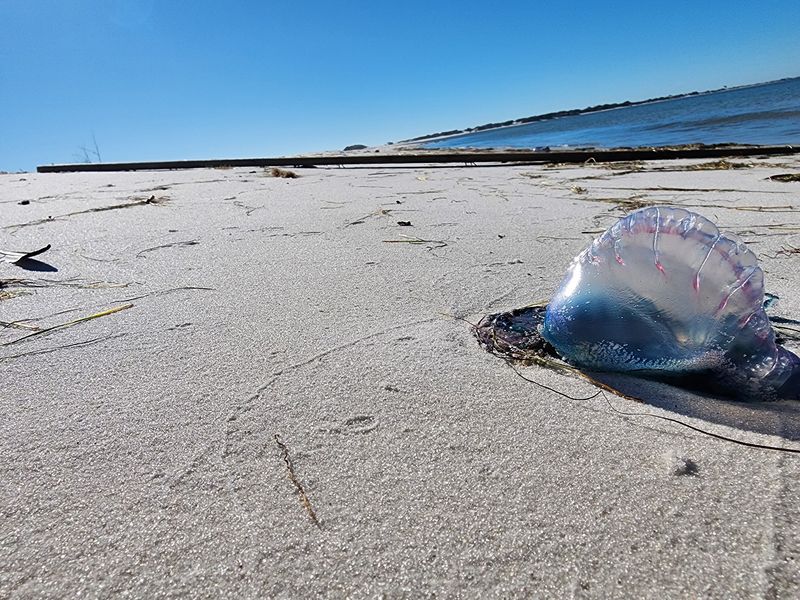
Warm water changes everything. From late May through October, jellyfish gather in the shallows around the island, and their numbers climb through June, July, and August. Some days you see a few.
Other days the water looks stitched with them.
Onshore breezes do most of the herding. South and southwest winds push the drifting crowds toward the beaches, so wind direction often predicts what you will find at the waterline.
Watching them is oddly hypnotic. They pulse open and closed, catching light, moving without any apparent hurry or plan. Kids tend to be fascinated rather than bothered, especially from the safety of a dock or a boat deck.
Scientists have tracked rising jellyfish numbers across the Gulf for years. Part of the story involves the low oxygen zone that forms each summer from Mississippi River nutrient runoff. Many fish cannot handle it, but plankton and jellyfish manage fine with fewer predators around.
Overfishing plays a role too, thinning out the animals that would otherwise keep blooms in check.
The takeaway is simple. Swarm season is normal, natural, and genuinely interesting once you know the cast.
Meet The Moon Jellies
Of all the drifters out here, moon jellyfish win the popularity contest. They look like clear glass domes with four pale pink rings arranged inside, almost like a design someone sketched on purpose.
Their sting ranks as very mild. Plenty of swimmers brush past one and feel nothing worth mentioning, maybe a faint tingle that fades in seconds.
That gentleness makes them the friendliest introduction to Gulf jellyfish. Snorkelers often stop to hover and watch, since moon jellies move slowly enough to study without any chase involved.
Look closely and you can see the tiny frilled arms under the bell. They feed on plankton, which explains why they show up in numbers when the water turns rich and warm.
Late summer often brings the biggest gatherings, especially in calm pockets along the north shore where current slows down. Early morning light makes them glow in a way photos rarely capture properly.
Handling them is still a bad idea, mostly out of respect. Look, admire, and let them drift on their way.
Fun detail: some cultures actually eat them. Out here they are strictly for sightseeing.
Sea Nettles And Pink Meanies, Explained
Names in nature are rarely accidental. Sea nettles earned theirs honestly, delivering a sting sharper than a moon jelly though generally not dangerous. Think uncomfortable rather than alarming.
They trail longer tentacles, which is why swimmers sometimes feel them before spotting them. Keeping your eyes on the water ahead solves most of that problem.
Then there are pink meanies, the heavyweights of the group. Larger and unmistakably rosy, they have been observed in these waters and deserve a respectful berth. Reactions range from mild to more intense depending on the person.
Here is the wild part. Pink meanies eat other jellyfish, which makes them a kind of drifting cleanup crew with a mean sounding nickname.
If a sting does happen, the fix is straightforward. Rinse with saltwater rather than fresh water, and carefully lift away any tentacle bits still clinging to skin. Vinegar is often carried in beach bags for the same reason.
Most people keep swimming through jellyfish season, just with sharper eyes and a bit more space between themselves and anything gelatinous.
Awareness, not avoidance, is the local approach.
Smart Swimming During Bloom Season
Nobody needs to cancel a beach day over jellyfish. A little strategy goes a long way, starting with a scan of the shallows before anyone jumps in.
Wind reading helps enormously. Steady south or southwest breezes tend to stack jellyfish along the Gulf facing shore, so the calmer Sound side may be the better call that afternoon.
Rash guards and swim leggings offer real protection, covering the skin most likely to make contact. Water shoes help too, since jellies sometimes wash up along the tide line.
Bring vinegar, tweezers, and a small first aid kit. Rinsing with saltwater matters more than people expect, because fresh water can make things worse.
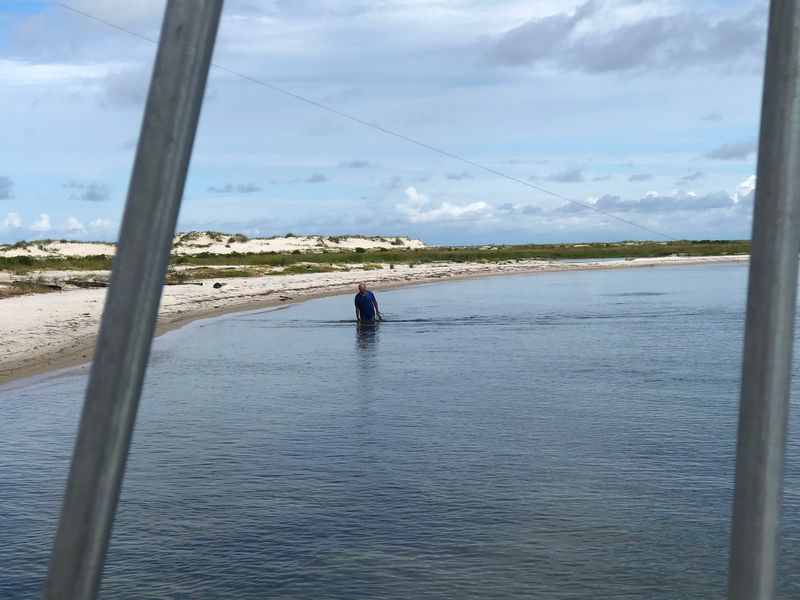
Shallow wading beats deep swimming when the water looks busy. You can still cool off, still float, still enjoy the Gulf without swimming blind.
Mornings often feel calmer overall, with clearer water and fewer surprises. Afternoon chop stirs everything up.
Remember there is no ranger station waiting to help, so self reliance is the rule. Handle your own safety and the island stays a joy rather than a gamble.
Camping Under A Sky Full Of Stars
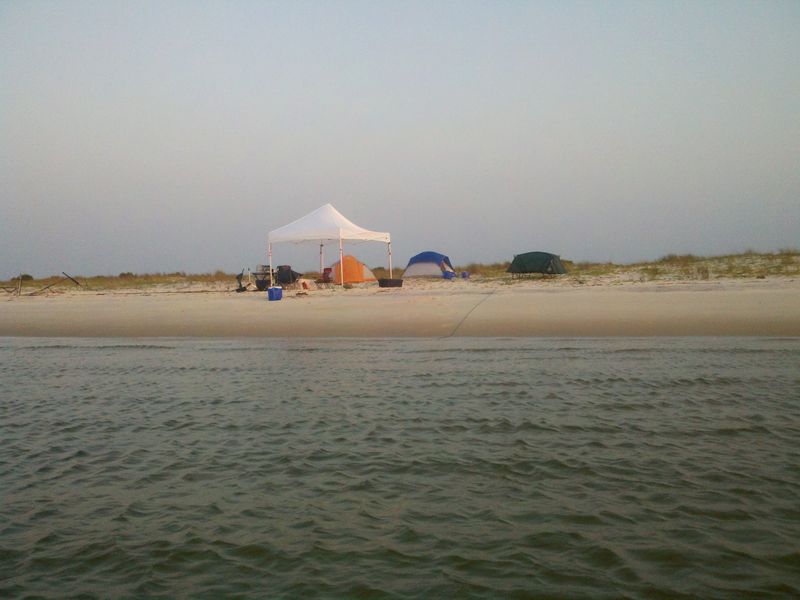
Falling asleep to nothing but surf and wind is the island’s best trick. Primitive camping is allowed, and the darkness out here makes the stars look downright crowded.
Rules exist for good reason. Groups top out at ten people per campsite, and campsites must sit 500 feet apart, which keeps the wilderness feeling wild.
Fires are permitted only below the mean high tide line, never in vegetated areas. Bring your own firewood, since gathering wood on the island is not part of the deal.
Approved human waste disposal devices are required, and yes, they get packed out with everything else. Not glamorous, definitely necessary.
Water is the biggest planning item. There is none to drink here, so calculate generously, then add more. Summer heat is not shy about it.
Alligators live in the interior lagoons, so give ponds a wide margin and keep camp on open sand. Walking the beach at night calls for a headlamp and good judgment.
Wake up early and the reward arrives free of charge. Sunrise over an empty Mississippi shoreline, with the whole day still unwritten.
An Island That Inspired A Painter
Long before boat coolers and beach umbrellas, this island was an artist’s second home. Walter Anderson, the Mississippi painter, rowed out again and again to sketch its dunes, pines, birds, and light.
His work turned the place into something close to legend among Gulf Coast art lovers. Look at the landscape today and the connection is obvious.
The island’s name has its own quirky origin. Explorers called it Horn Island in 1699 after someone misplaced a powder horn there, and the name simply stuck for centuries.
History took a stranger turn during World War II, when the island served briefly as a biological weapons testing site. That chapter closed long ago, and the land has spent the decades since returning to birds and turtles.
Migratory birds still use it as a critical rest stop along the Gulf flyway. Loggerhead sea turtles still nest on its beaches.
Knowing all that changes how the sand feels underfoot. You are standing on a place that has been a muse, a mystery, and a refuge.
Bring a sketchbook. The light out here has convinced better artists than us to try.