
This Massive Gothic Prison In Pennsylvania Is Now One Of America’s Most Fascinating Museums
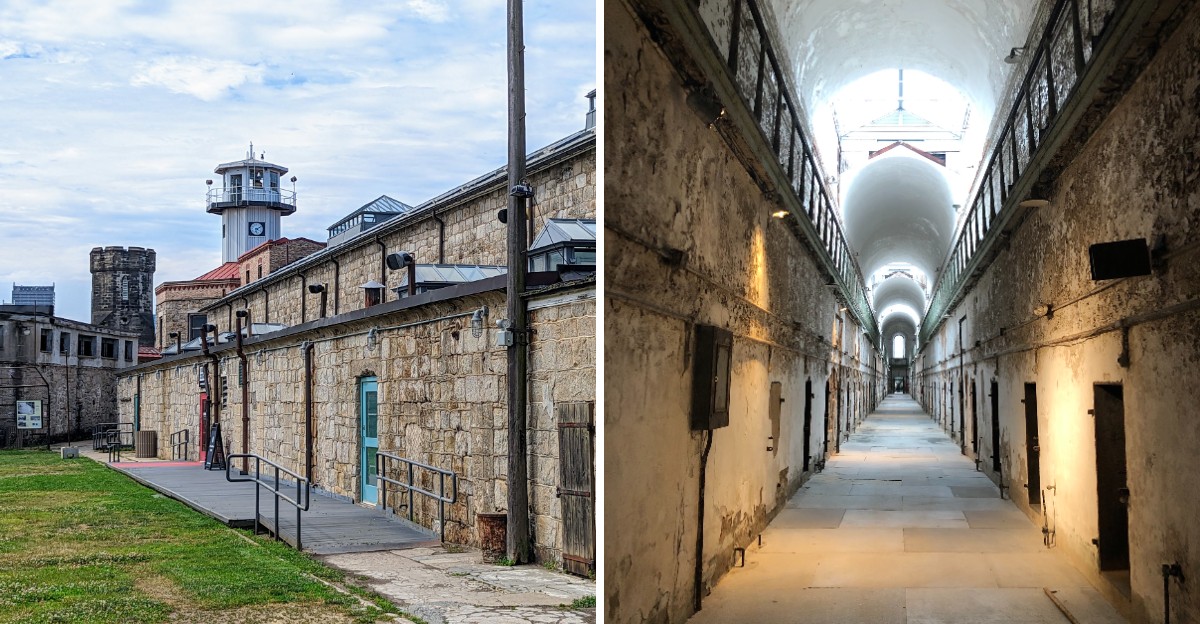
Few museums ask you to walk through real cellblocks before you even reach the story they are trying to tell. In Philadelphia, one massive Gothic prison gives the state an unforgettable look at American history.
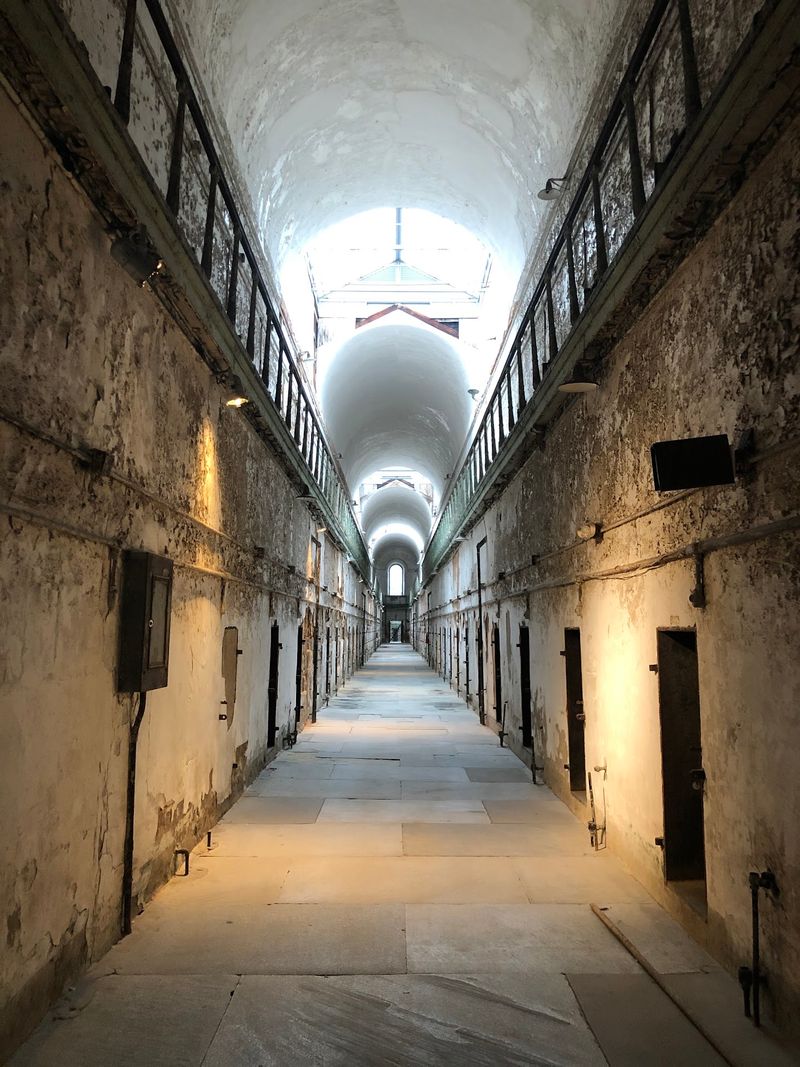
The scale hits first. Long halls stretch beneath high ceilings, rusted gates divide the building, and old cells still carry traces of the people who lived there.
Every room adds another layer, including stories about prison reform, famous inmates, daily routines, and the changing ideas behind incarceration.
Pennsylvania has many historic sites, but the state rarely feels this raw or immediate. Instead of glass cases and polished displays, visitors move through the actual architecture, where peeling walls and silent cellblocks do much of the storytelling.
It is haunting, educational, and difficult to forget once you leave.
A Castle That Was Built To Scare People Straight
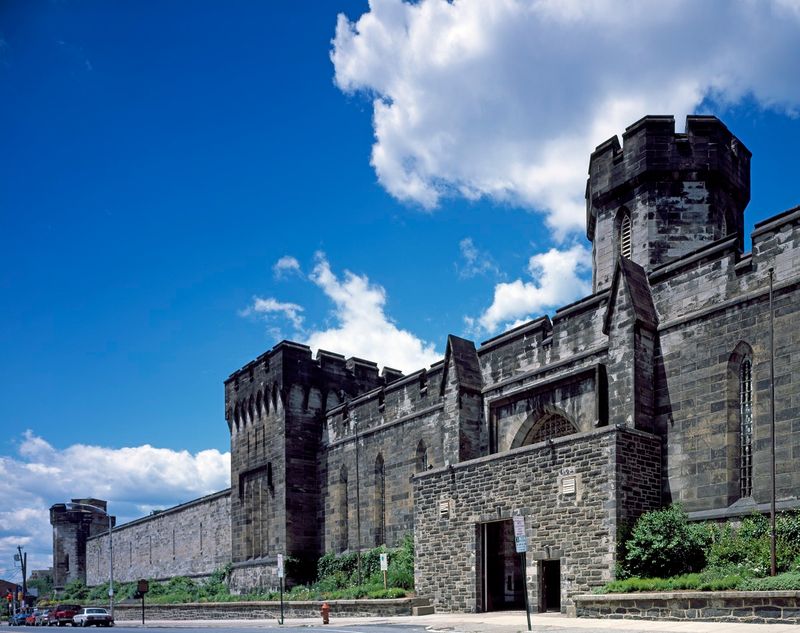
Nobody builds a fortress by accident, and the designers here knew exactly what they wanted. The front wall looks like a medieval castle, with towers, narrow windows, and a heavy gate.
Architect John Haviland chose this Gothic Revival style on purpose. The idea was simple: make anyone passing by feel that breaking the law led somewhere grim.
Eastern State Penitentiary opened its doors in 1829. Back then, it stood in open farmland outside the busy center of the city.
Today, homes and cafes surround it on every side. You can find it at 2027 Fairmount Ave, Philadelphia, PA 19130, in the lively Fairmount neighborhood.
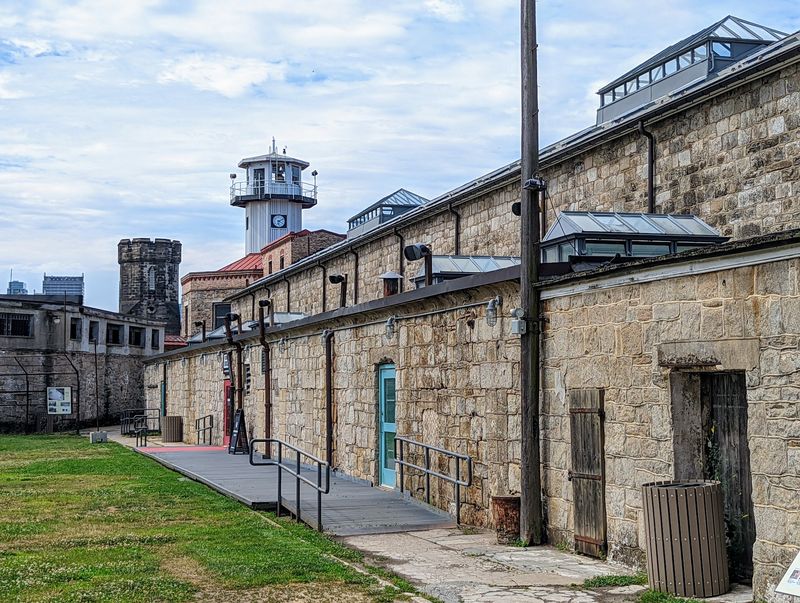
The walls rise about 30 feet high and stretch for blocks. Standing beside them, you quickly understand why people called it one of the most impressive buildings in the country.
Bring a camera and take your time outside first. The front facade looks especially dramatic in late afternoon light, when shadows fill every stone arch and tower.
It is a great warm-up before the real adventure begins inside.
The Wagon Wheel Design That Inspired The World
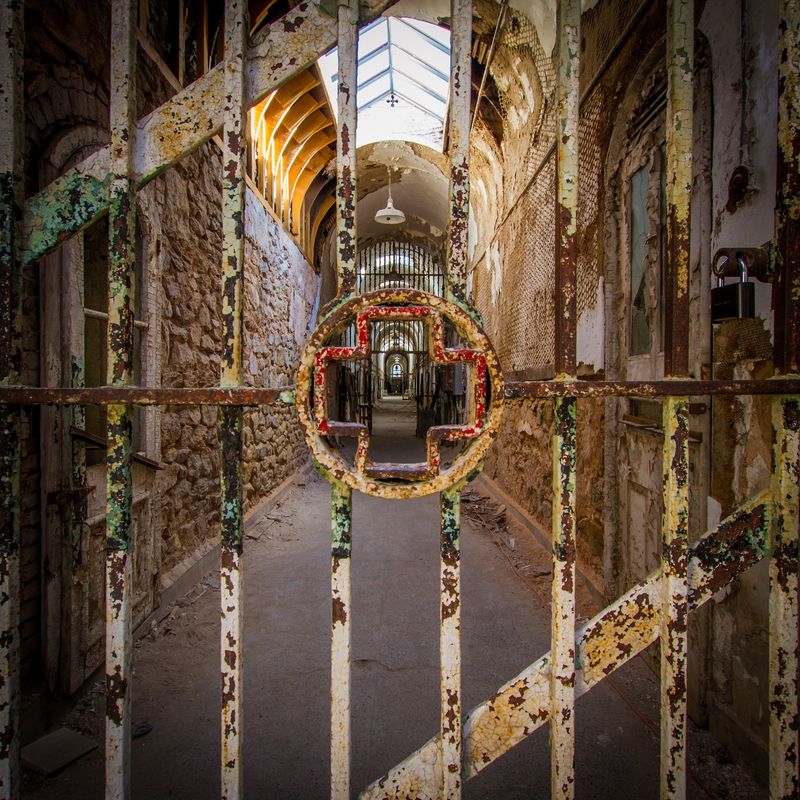
Think of a bicycle wheel, and you already understand the clever layout. The cellblocks spread out from a central hub like spokes on a wheel.
A guard standing in the middle could look down several long hallways at once. This hub-and-spoke plan was a bold new idea in the early 1800s.
Leaders around the globe took notice. More than 300 prisons worldwide copied this radial design, from Europe to South America and Asia.
That makes Eastern State Penitentiary one of the most influential buildings ever constructed in the United States. It was also among the most expensive projects of its time.
The building had features that surprised people back then. Cells had running water and heat, while the White House still lacked some of those comforts.
When you reach the central rotunda, stop and turn slowly in a circle. You will see the corridors stretching away like tunnels.
It is a fun moment to imagine being a guard on watch. It also helps you understand how the whole building works.
A Bold Experiment In Silence And Reflection
Silence was the rule, and it was taken very seriously. Early leaders believed that being alone would help people think about their choices and change for the better.
The plan was called the Pennsylvania System. Prisoners stayed in their own cells almost all day, with a tiny private exercise yard attached.
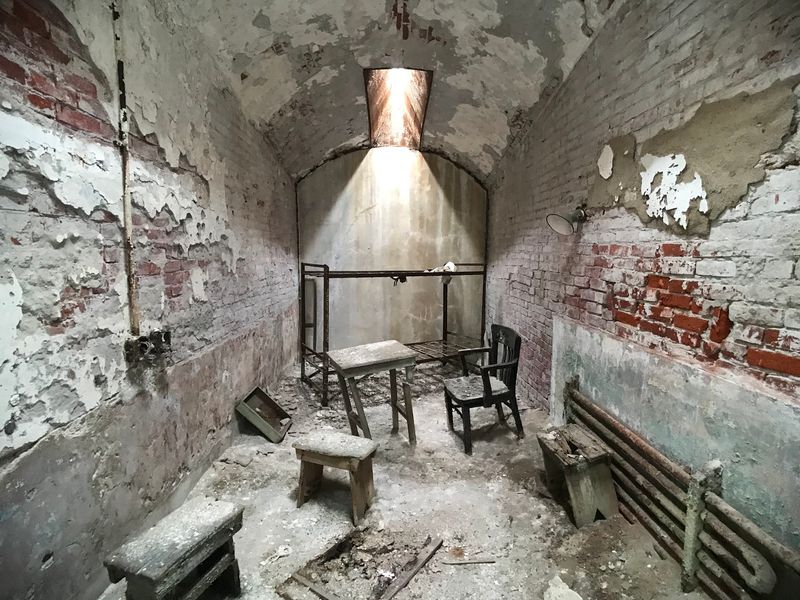
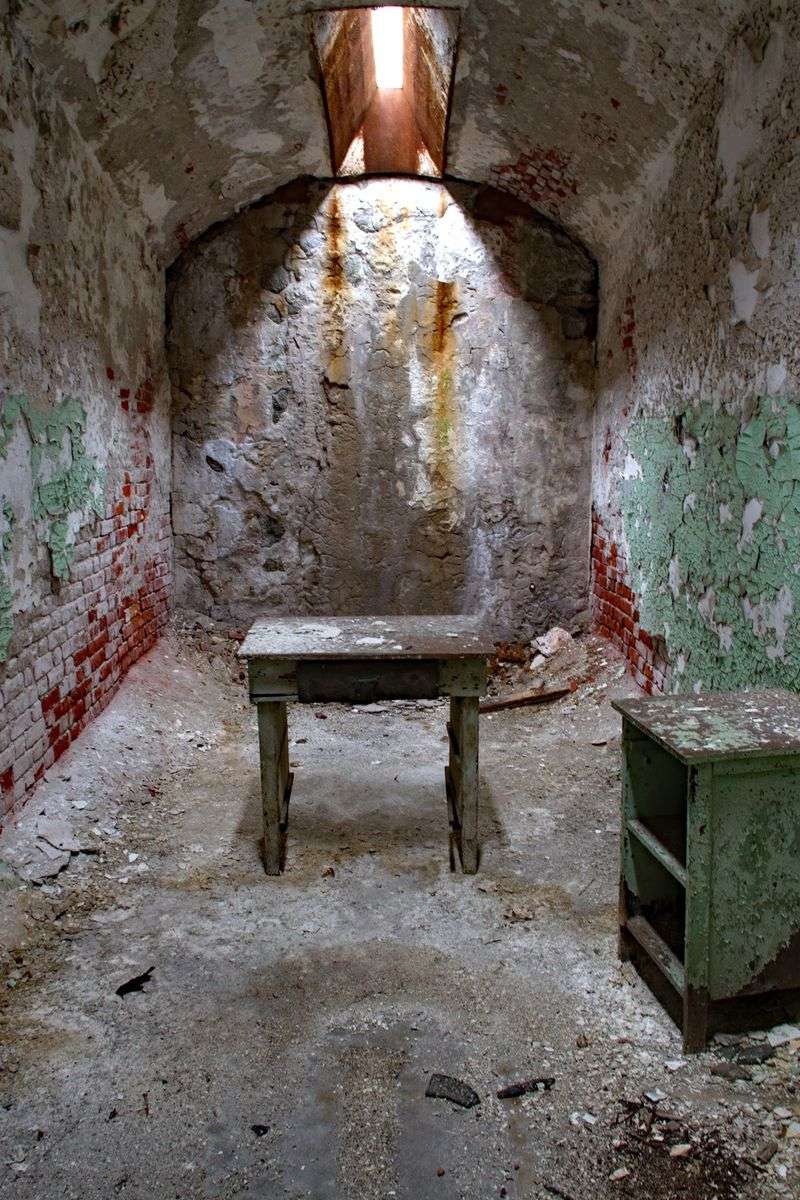
Each cell had a small window in the ceiling. People called it the Eye of God, a reminder to reflect and seek forgiveness.
The word penitentiary actually comes from the idea of penitence. That means feeling sorry and wanting to do better.
Benjamin Franklin was part of a group that pushed for kinder prison reform. Some meetings about these ideas happened in his home.
Over time, people realized that too much isolation caused harm. The system was eventually dropped in 1913.
Standing in one of these cells today is a powerful experience. Look up at the skylight and notice how quiet the room feels.
It is a thoughtful lesson about how ideas can sound good but work out very differently.
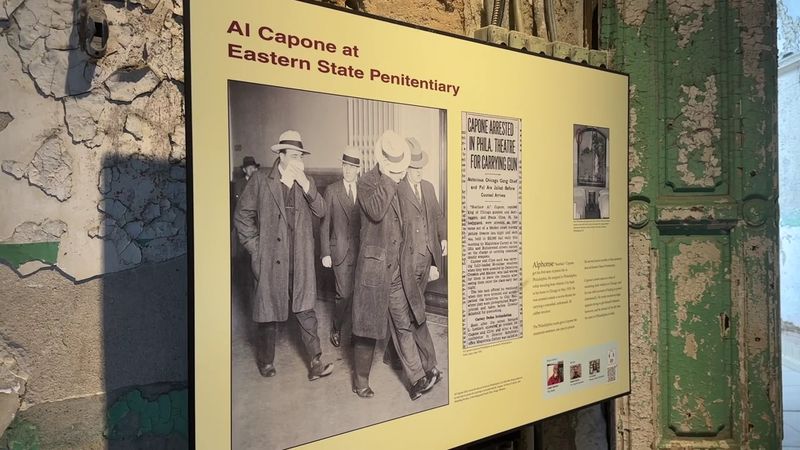
Al Capone’s Surprisingly Fancy Cell
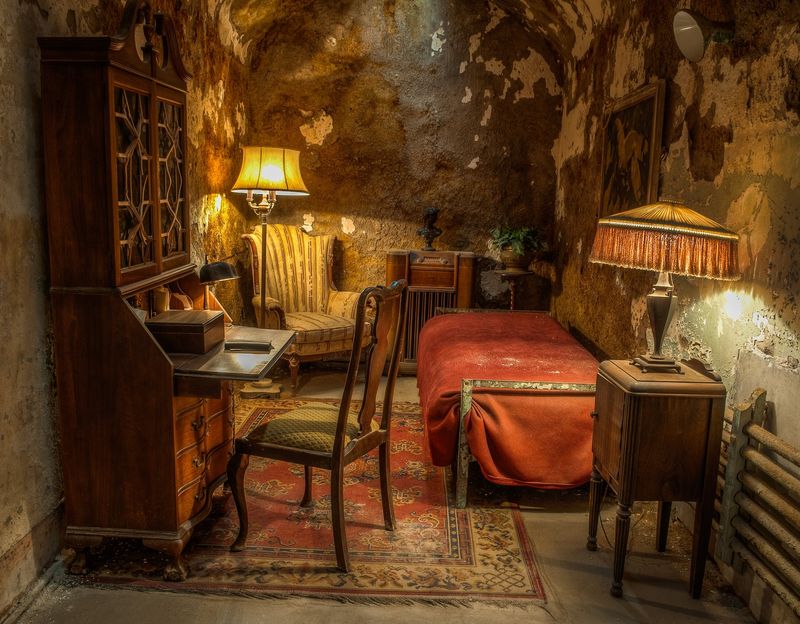
Leave it to a famous Chicago gangster to redecorate prison life. Al Capone stayed here in 1929 and 1930, and his cell looked more like a cozy study.
Newspapers at the time reported rugs, paintings, fine furniture, and a desk lamp. A cabinet radio even played music for him.
Today, the museum has recreated this cell based on those old descriptions. It sits on the famous Park Avenue cellblock, where the most comfortable cells were found.
The contrast is striking. Just down the hall, other cells are bare stone with peeling paint and rusted bed frames.
Capone served about eight months here before being released. His stay became one of the most talked-about chapters in the building’s long story.
Photographers love this stop, so expect a small crowd around it. Wait a few minutes for a clear view through the doorway.
It is a fun peek into history that feels almost like a movie set. Just remember that most people here had nothing close to this comfort.
Beautiful Ruins Frozen In Time
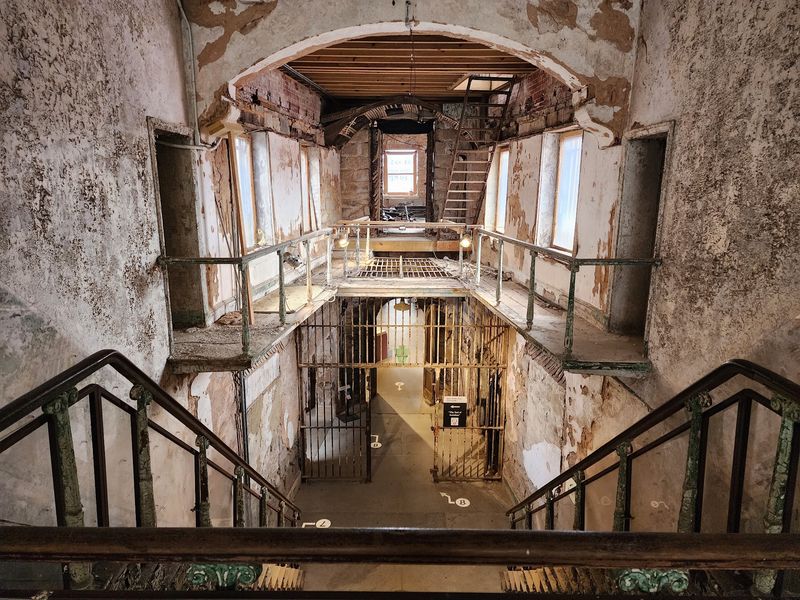
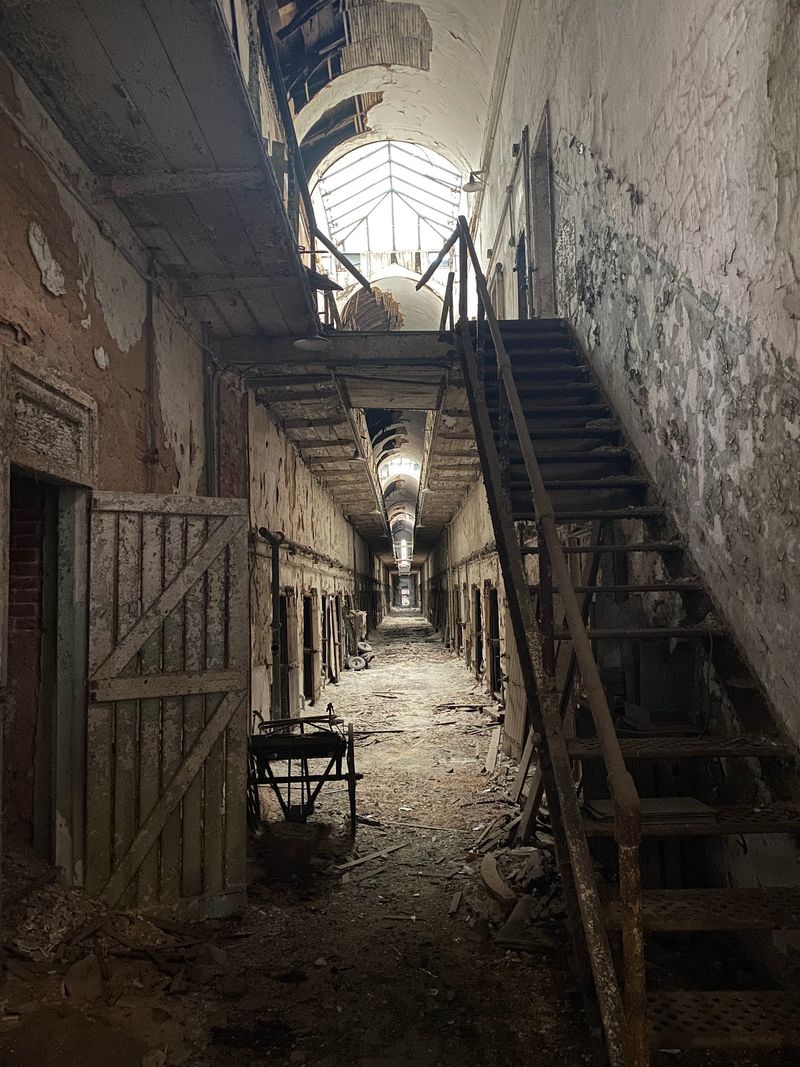
Crumbling walls rarely look this stunning. Long hallways are lined with peeling paint, broken plaster, and open cell doors that lead into shadowy rooms.
The prison closed in 1971 and sat empty for years. Trees and plants grew inside the cells, and the city even considered tearing it down.
Instead, people fought to protect it. It opened for tours in 1994, and crews cleared away overgrowth and trash.
Much of the building was left in a state called preserved ruin. That means workers stabilize it so it stays safe, but they do not make it look brand-new.
You will spot old bed frames, chairs, and sinks still sitting where they were left. Every corner feels like a snapshot of another era.
Photographers find endless inspiration here. Light pours through the ceiling windows and creates beautiful patterns on the worn floors.
Wear sturdy, comfortable shoes because floors can be uneven. Some areas are roped off for safety, so enjoy them from a respectful distance.
An Award-Winning Audio Tour Narrated By A Movie Star
Few history lessons come with a Hollywood voice guiding you. The audio tour here is narrated by actor Steve Buscemi, and he sets the mood perfectly.
Everyone receives a small player and headphones with admission. As you explore, you punch in numbers posted on the walls to hear each story.
Former guards and people who once lived here also share memories. Their real voices make the history feel personal and honest.
Extra stops let you choose what interests you most. You can learn about escapes, architecture, daily routines, or famous residents.
The best part is moving at your own pace. Linger in one hallway or skip ahead whenever you like.
Plan for at least two hours if you want to hear most of the tracks. Many people happily spend three hours or more.
Staff members are also scattered throughout the grounds to answer questions. They know their stuff and love sharing details you might miss.
Tip: charge your own phone for photos, since you will want plenty.
Daring Escapes And Clever Tunnels
Plenty of people here dreamed of freedom, and some got creative. Over the years, dozens of escape attempts took place inside these thick walls.
The most famous happened in 1945. A group of twelve men crawled out through a tunnel dug beneath the cell floors.
One of them was Willie Sutton, a well-known bank robber. He was nicknamed Slick Willie for his clever tricks.
The tunnel stretched about 100 feet under the wall. The men were caught fairly quickly, some within minutes and others within weeks.
Guides point out spots connected to these stories. Hearing how the diggers hid dirt and worked in secret is surprisingly entertaining.
Kids especially love this part of the museum. It feels like a real-life puzzle or mystery novel.
Ask a staff member about other escape tales too. Some involved fake guns, disguises, and very creative planning.
The stories show how bored and determined people can become. They also prove why those 30-foot walls mattered so much.
Thought-Provoking Art Inside The Cellblocks
Art galleries usually have clean white walls, but not here. Artists create installations inside old cells, hallways, and even outdoor spaces across the grounds.
These works explore themes like fairness, justice, and life after prison. Some are playful, while others are quietly moving.
New pieces appear regularly, so each trip can feel a little different. Many installations are tucked into unexpected corners, which makes finding them fun.
One popular exhibit features a replica cell from Guantanamo Bay. It encourages people to think about how prisons work in the modern world.
A large exhibit called Prisons Today looks at the current prison system in America. It uses clear graphics and personal stories to explain complex topics.
You do not need to be an art expert to enjoy these displays. Just look closely and let each piece spark questions.
These spaces add a fresh, modern layer to the old building. They turn Eastern State Penitentiary into a place for conversation, not just history.
Keep an eye out for small signs marking each artwork.
A Baseball Field Behind The Walls
Batter up, even behind 30-foot walls. The prison once had its own baseball yard, and it is still there today.
Men who lived here formed teams and played games against each other. Outside teams sometimes came in to play too.
The field is smaller than a regular diamond. Towering stone walls surround it, making every hit feel a little dramatic.
A home run over that wall would have been quite a feat. Stories say balls sometimes sailed onto the street outside.
This space shows a gentler side of prison life. After the strict silence rules ended, sports and group activities became more common.
Visiting the yard is a nice break from the dim hallways. Fresh air and open sky make it a great spot to rest your feet.
Look up at the guard tower nearby for a great photo. The blend of green grass and gray stone creates a striking scene.
It is a reminder that history includes both hard times and small moments of fun.
Smart Tips For Planning Your Trip
A little planning goes a long way at this huge site. The museum opens daily from 10 AM to 5 PM, so arrive early for quieter halls.
Buying tickets online usually saves a few dollars. Student and military discounts are often available, so ask at the entrance.
There is no dedicated parking lot. Street parking and nearby paid lots work well, though spots fill up on busy days.
Dress for the weather because many areas are not heated or fully enclosed. Winter feels chilly inside, and summer can get warm.
Some rooms offer air conditioning on hot days. A water bottle and comfy shoes will make the long walk easier.
Guided tours are included at no extra cost, which is a great bonus. Try one alongside the audio tour for extra stories.
Each fall, the site hosts Halloween Nights, a popular seasonal event. Check the official website for dates and details.
Afterward, stroll to the famous Philadelphia Museum of Art steps nearby. The Rocky Steps are within easy walking distance.