
This Massive Indoor Go-Kart Track In Wisconsin Is A Thrill Ride You Won’t Forget
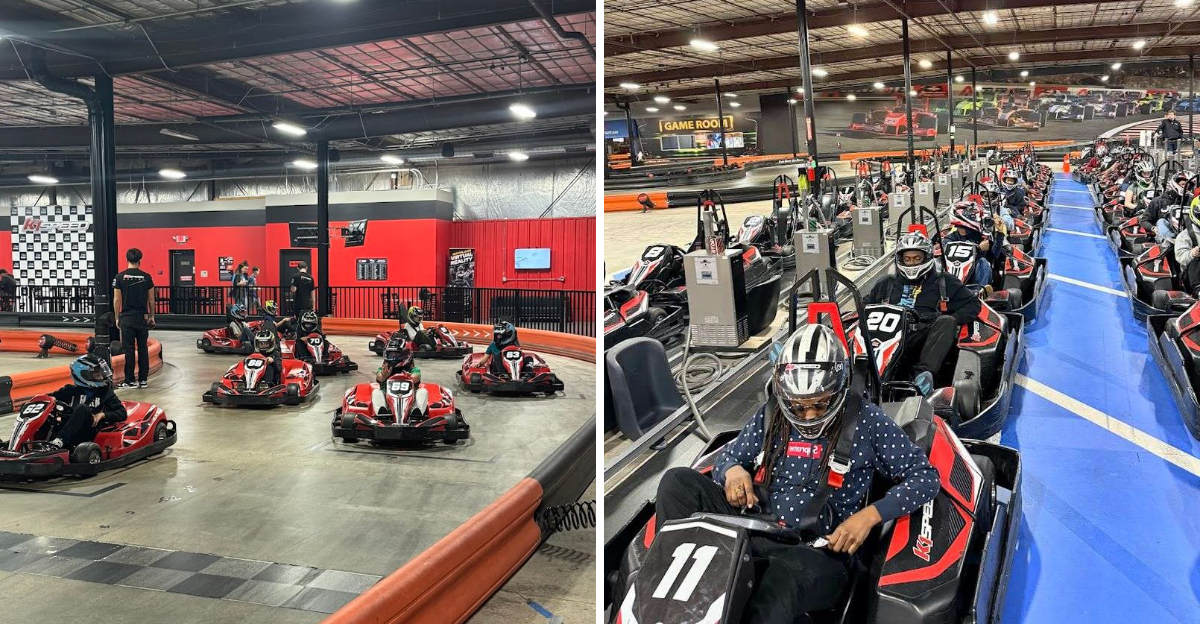
Engines may be electric here, but the adrenaline is very real. At this massive indoor go-kart track in Wisconsin, racers line up for sharp turns, quick acceleration, and the kind of competition that makes every lap feel important.
The track is designed for speed, with tight corners and long straightaways that keep drivers focused and fully engaged. It’s the kind of place where friends challenge each other for the fastest time, families cheer each other on, and even first-time drivers leave with a huge smile after a few fast laps.
A High-Speed Indoor Track Built For Real Racing Thrills
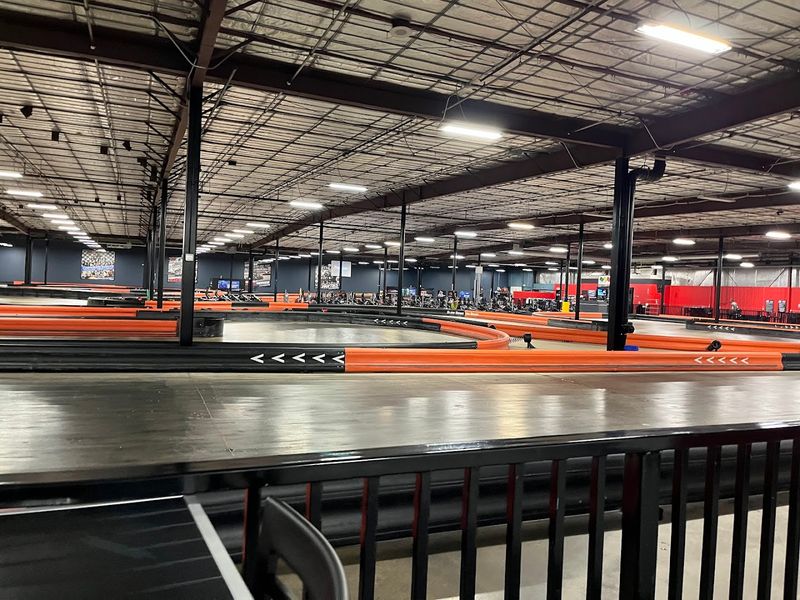
K1 Speed operates one of Wisconsin’s most impressive indoor racing facilities, featuring a professionally designed track that challenges drivers at every turn. Located at W229N1400 Westwood Drive, the circuit layout incorporates hairpin corners, sweeping curves, and straightaways that allow racers to push their limits in a controlled environment.
Track designers created this course specifically to reward aggressive driving while maintaining safety standards that protect every participant.
Drivers circle the track for multiple laps during each session, building confidence with every pass. The surface remains consistent throughout the year, unaffected by rain, snow, or temperature changes that plague outdoor facilities.
Racing here feels authentic because the track demands genuine skill rather than relying on gimmicks or artificial obstacles.
The facility maintains professional racing standards while remaining accessible to newcomers. Staff members monitor the track constantly, ensuring smooth operation and quick response to any situation that develops during competition.
Electric Go-Karts That Deliver Instant Acceleration
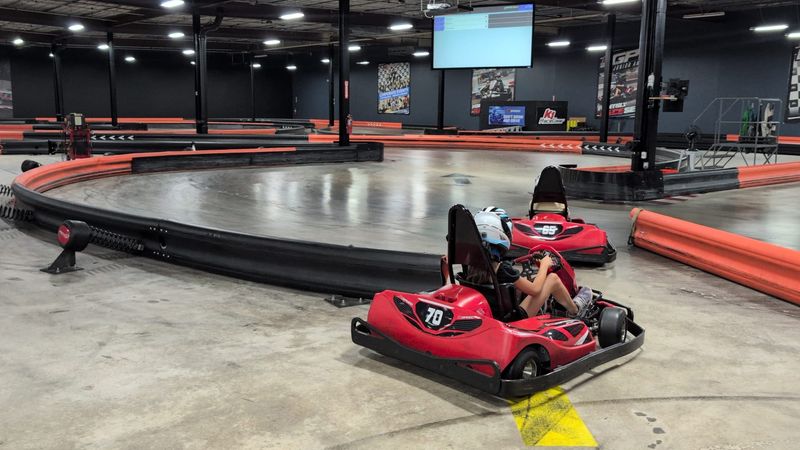
Electric motors power every kart at this facility, providing acceleration that catches first-time racers by surprise. These machines respond instantly when drivers press the pedal, eliminating the lag that comes with traditional gas-powered engines.
The technology delivers consistent performance throughout each race, maintaining speed and handling characteristics that remain predictable and reliable.
Each kart reaches speeds that satisfy experienced racers while remaining manageable for younger drivers learning the basics. The electric design creates a quieter racing environment compared to gas engines, allowing racers to focus on their driving line and strategy.
Maintenance standards keep the fleet in excellent condition, ensuring every participant gets a kart capable of competitive performance.
Steering requires real effort, giving drivers a genuine workout as they navigate the course. This physical demand adds authenticity to the racing experience, making victories feel earned rather than given.
Racing Indoors Means The Fun Never Depends On The Weather
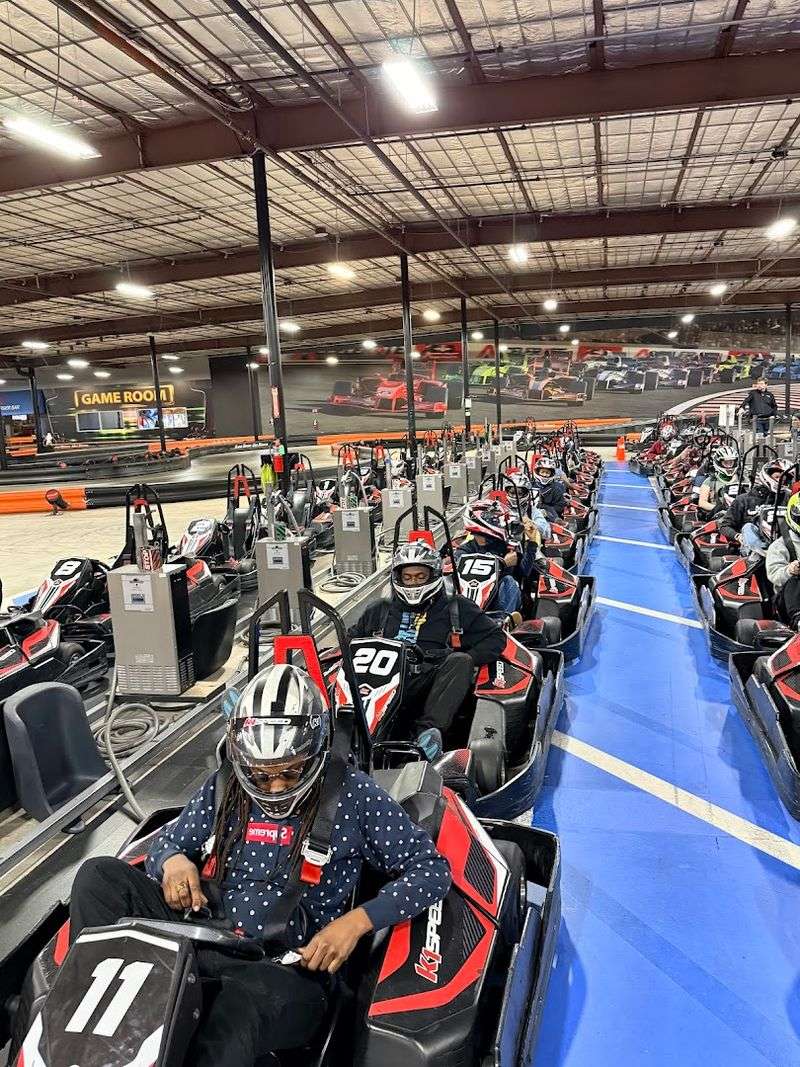
Wisconsin weather creates challenges for outdoor entertainment, but K1 Speed operates independently of seasonal conditions. The enclosed facility maintains comfortable temperatures year-round, allowing racing to continue during blizzards, thunderstorms, and extreme heat that would shut down outdoor tracks.
This reliability makes planning group events straightforward, eliminating weather-related cancellations that plague outdoor venues.
Climate control extends beyond simple heating and cooling. The facility manages air quality and lighting to create optimal racing conditions every day of the year.
Drivers never face sun glare, wet pavement, or wind that affects kart handling, ensuring fair competition based purely on skill and strategy.
The location operates extensive hours throughout the week, opening at noon on weekdays and earlier on weekends. Friday and Saturday sessions run until midnight, accommodating racers who prefer evening competition.
This scheduling flexibility gives visitors multiple options for fitting races into busy calendars.
Lap Timing Technology Turns Every Race Into A Competition
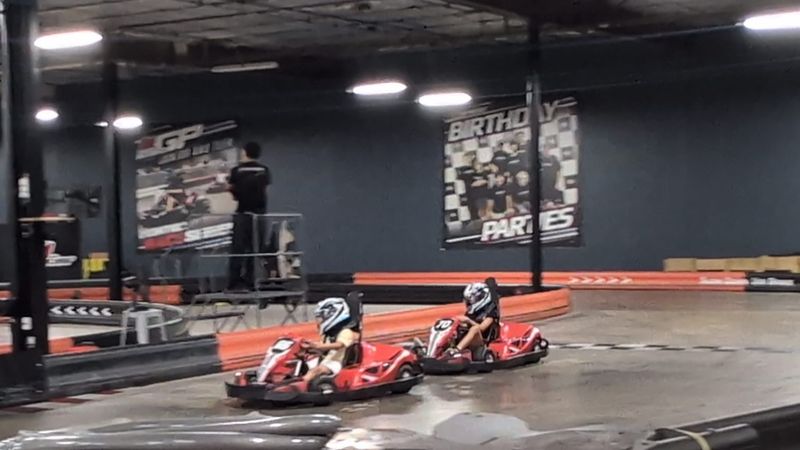
Advanced timing systems record every lap completed at the facility, creating objective measurements that fuel friendly competition. Drivers receive detailed performance data after each race, showing exactly where they gained or lost time compared to other racers.
This information transforms casual sessions into serious competitions, giving participants concrete goals for improvement during subsequent races.
The timing technology operates automatically, requiring no manual intervention from staff or racers. Results appear immediately after races conclude, allowing groups to compare performances while the excitement remains fresh.
Fastest lap times earn recognition, motivating drivers to refine their technique and challenge personal records.
This data-driven approach appeals to competitive personalities who thrive on measurable progress. Racers can track improvement across multiple visits, building a performance history that documents their development as drivers.
The system adds depth to the racing experience, making each session meaningful beyond simple entertainment.
The Track Layout Rewards Skill, Strategy, And Control
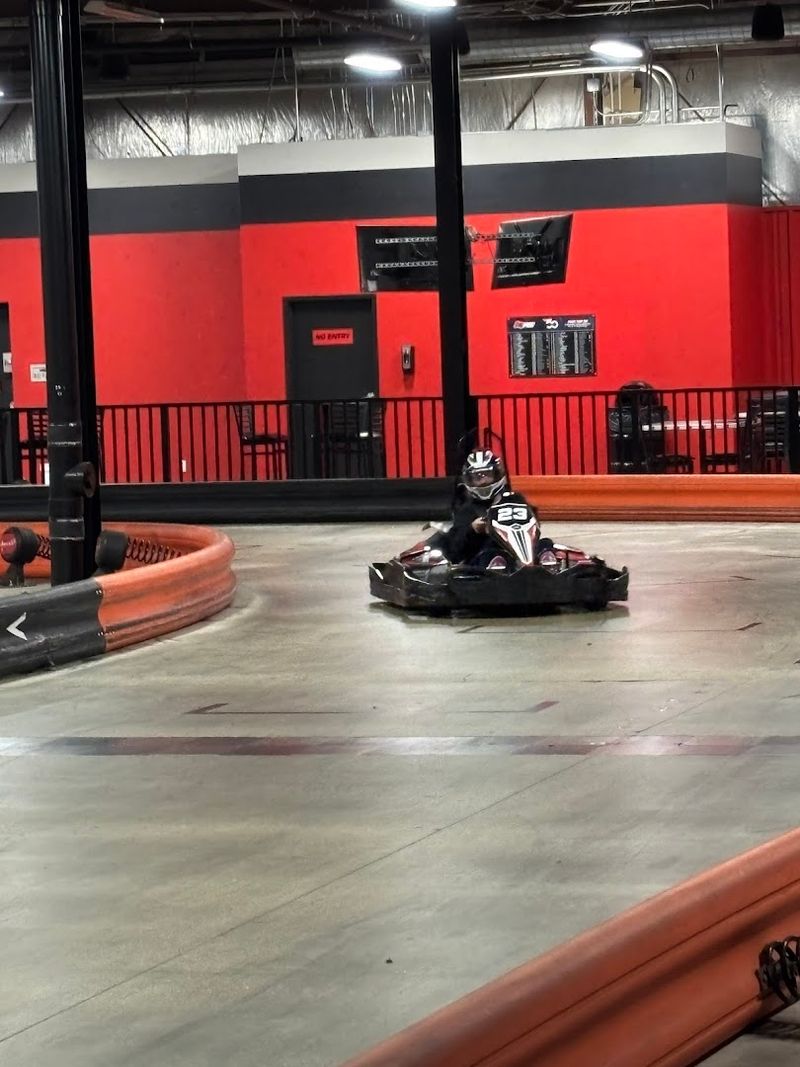
Success at K1 Speed requires more than simply driving fast in straight lines. The track configuration incorporates technical sections that separate skilled drivers from aggressive beginners who rely solely on speed.
Experienced racers learn optimal racing lines through corners, discovering where to brake and accelerate for maximum efficiency around the circuit.
Certain corners reward late braking and precise steering input, while others demand early positioning and patient throttle application. Drivers who study the track gain significant advantages over competitors who simply react to each turn as it appears.
This learning curve creates satisfaction as racers improve their lap times through better technique rather than luck.
The facility designed the course to prevent simple passing on straightaways alone. Overtaking requires planning and execution through corner sequences, making successful passes feel genuinely earned.
This thoughtful design keeps racing interesting across multiple sessions, preventing the experience from becoming repetitive or predictable.
Junior Racing Programs Let Younger Drivers Join The Action
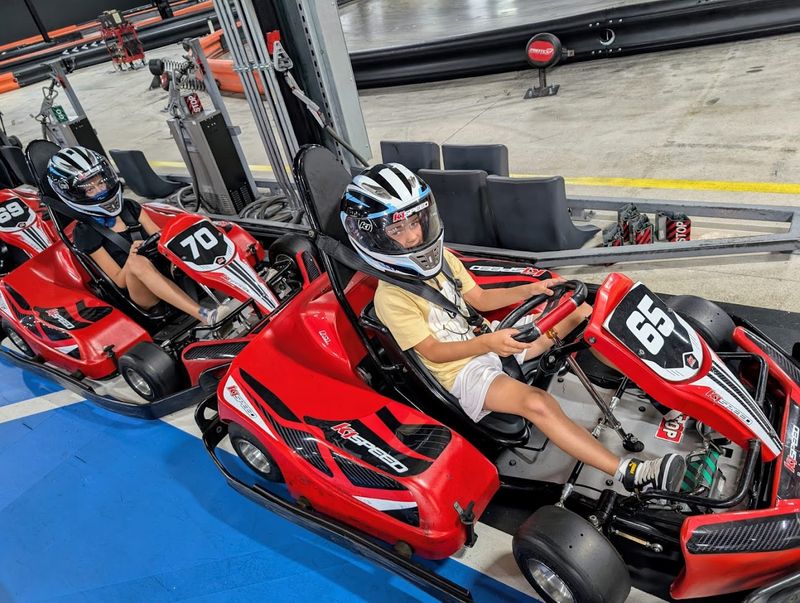
Young racing enthusiasts can participate in dedicated junior programs designed for smaller drivers. The facility provides appropriately sized karts and adjusted speed settings that match the abilities of younger participants.
This approach allows families to race together while maintaining safety standards appropriate for different age groups and experience levels.
Junior racers receive the same professional treatment as adult participants, including safety briefings and track instruction before their sessions begin. Staff members monitor junior races closely, ensuring young drivers follow proper racing etiquette and respond correctly to flags and signals.
This attention to detail helps children develop good habits that serve them as they progress to faster karts.
Parents can watch from designated viewing areas, observing their children compete in a controlled environment. The junior program introduces racing fundamentals in an accessible format, potentially sparking lifelong interest in motorsports.
Many young drivers return regularly, building skills and confidence with each visit to the facility.
A Racing Lounge Where Spectators Can Watch The Action
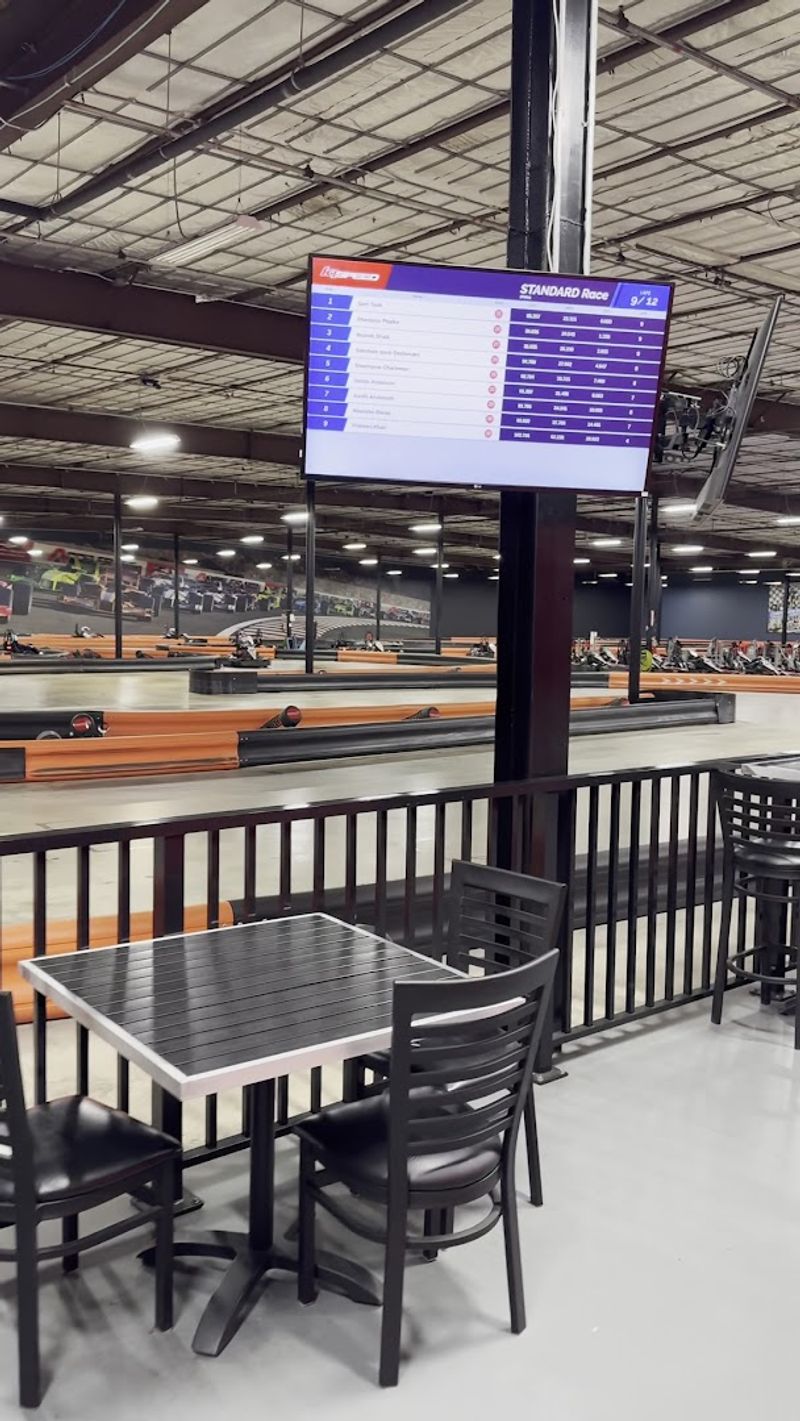
Visitors who prefer observing rather than racing can relax in the facility’s lounge area, which provides excellent views of the track action. Large windows allow spectators to follow races from start to finish, creating an engaging experience for non-participants.
This space accommodates groups where some members race while others watch, making the venue suitable for mixed-interest gatherings.
The lounge connects to Point Burger Bar, allowing spectators to order food and beverages while watching races unfold. This arrangement creates a casual atmosphere where groups can socialize between racing sessions.
Comfortable seating and good sightlines ensure spectators remain engaged with the competition rather than feeling excluded from the main activity.
Parents frequently use this area while their children race, maintaining visual contact without crowding the track area. The setup works well for corporate events and birthday parties, providing space for guests to gather before and after their racing sessions.
This thoughtful design acknowledges that successful entertainment venues must serve both participants and observers.
Perfect For Friendly Rivalries And Group Challenges
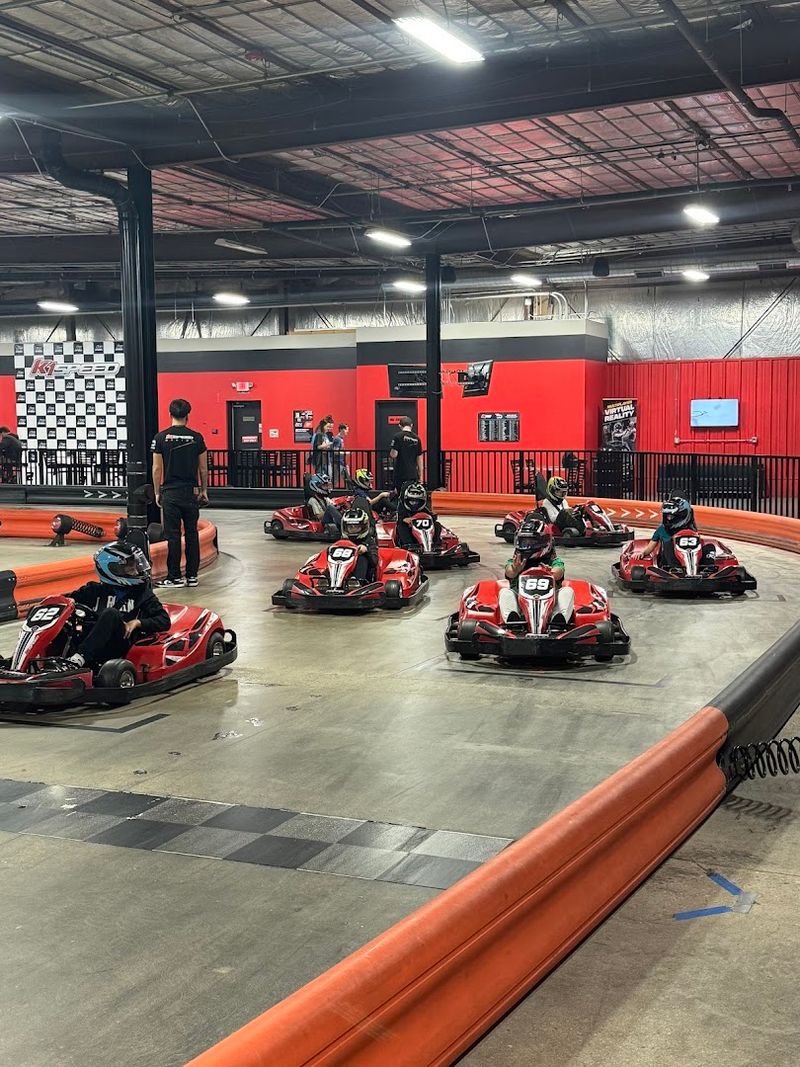
Group events thrive at this facility, where friends and coworkers can settle debates about driving skill through direct competition. The venue accommodates teams of various sizes, organizing multiple races that allow everyone to compete against each other.
This format works particularly well for corporate outings, where colleagues can interact in a non-traditional setting that encourages friendly competition.
Staff members coordinate group sessions efficiently, managing race assignments and ensuring participants understand the rules before competition begins. The facility handles logistical details, allowing organizers to focus on enjoying the event rather than managing complex arrangements.
Birthday celebrations and bachelor parties frequently choose this venue because racing creates memorable experiences that surpass typical restaurant gatherings.
Multiple race formats allow groups to structure competition according to their preferences. Some groups prefer individual time trials, while others enjoy head-to-head racing that produces clear winners.
The flexibility accommodates different group dynamics, making the venue suitable for both casual gatherings and serious competitions among experienced racers.
A Podium Finish That Makes Every Race Feel Official
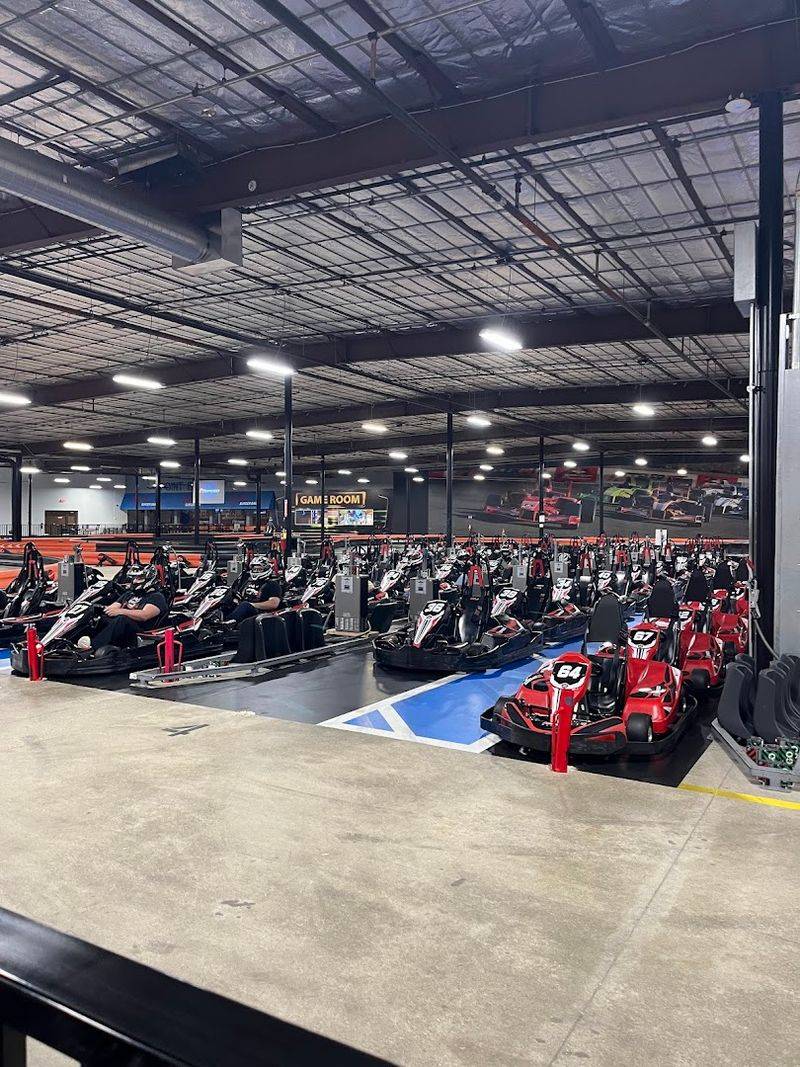
Top finishers in each race receive recognition that adds ceremony to the competitive experience. The facility maintains traditions borrowed from professional motorsports, acknowledging winners in ways that make their achievements feel significant.
This attention to presentation elevates racing beyond simple entertainment, creating moments that participants remember and discuss long after leaving the track.
Podium ceremonies happen quickly but meaningfully, allowing winners to celebrate without delaying subsequent races. The practice encourages racers to push for top positions rather than simply completing laps without competitive urgency.
Even casual participants respond positively to this recognition, discovering they care more about finishing position than they anticipated before racing began.
Photography opportunities during podium moments create shareable content for social media, extending the marketing reach of successful events. Groups often photograph their fastest members on the podium, creating visual records of their visit.
This simple gesture transforms good experiences into memorable ones that participants actively promote to friends and family.
Racing Gear And Safety Features Designed For Confidence
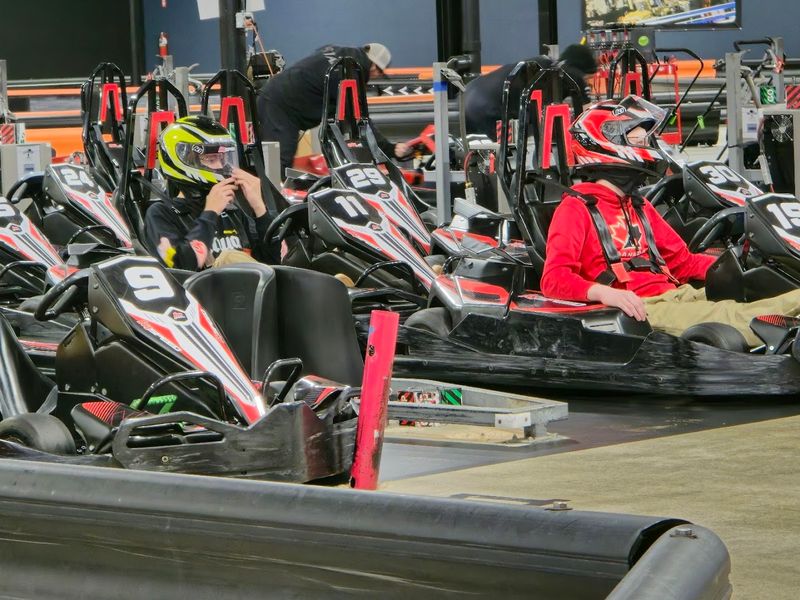
Safety equipment meets professional standards at this facility, providing helmets and head socks for every participant. Staff members conduct thorough safety briefings before each racing session, explaining flag signals, track rules, and emergency procedures.
This comprehensive approach ensures even first-time racers understand how to navigate the track safely while enjoying competitive action.
Track barriers and kart design features protect drivers during minor contact incidents that occur naturally during close racing. The electric karts include responsive braking systems that allow drivers to control their speed effectively through technical sections.
These safety measures work invisibly during normal racing, becoming apparent only when they prevent minor incidents from escalating into problems.
Staff members positioned around the track monitor racing continuously, ready to respond if situations develop that require intervention. This active supervision creates an environment where racers can push their limits without excessive worry about consequences.
The combination of quality equipment and attentive staffing produces safety records that allow the facility to operate confidently.