
This Massive Mississippi Salvage Store Is A Must-Visit For Renovation Enthusiasts
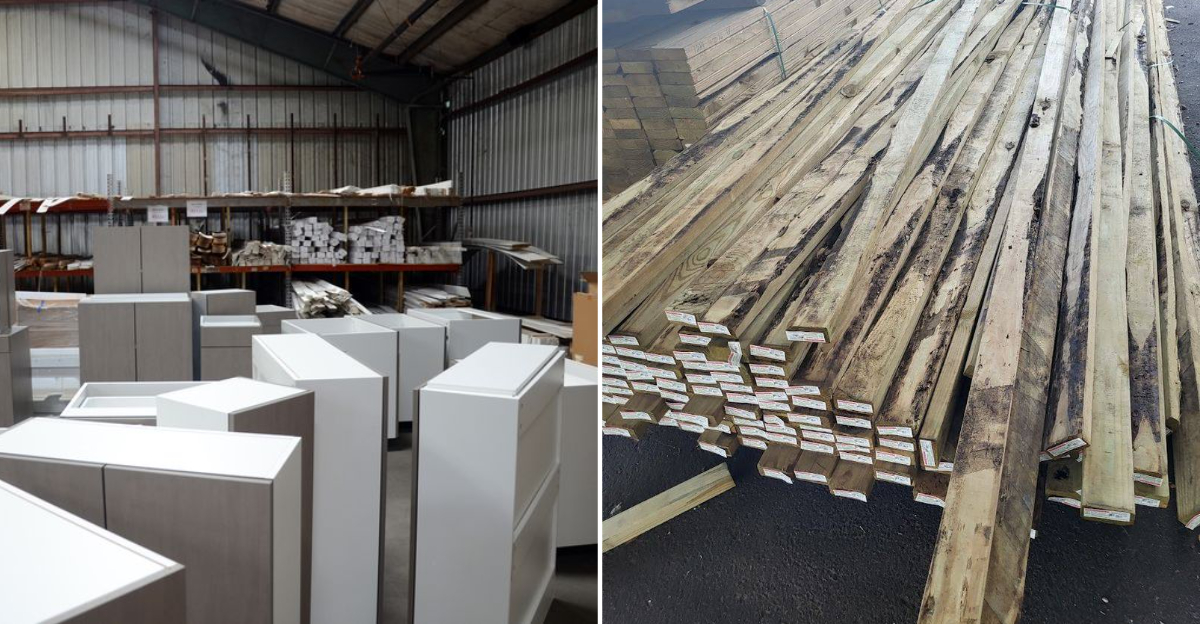
The initial thrill of home renovation usually fades when faced with the cold, uniform aisles of modern big-box supply chains. True historic restoration requires components that possess an entirely different level of character and physical density.
This massive salvage warehouse acts as a primary collection point for structural remnants rescued from old Southern estates. Heavy pine flooring boards and massive hand-hewn support beams pack the central yard from floor to ceiling.
Mississippi artisans and historic property owners travel here specifically to locate period-accurate replacement pieces for their projects. Row after row of weathered solid wood doors lean patiently against the exposed brick perimeter walls.
You can find anything from intricate brass window latches to heavy clawfoot cast iron bathtubs. Navigating this sprawling complex requires accurate room measurements and a vehicle capable of carrying substantial weight.
Types Of Materials Available
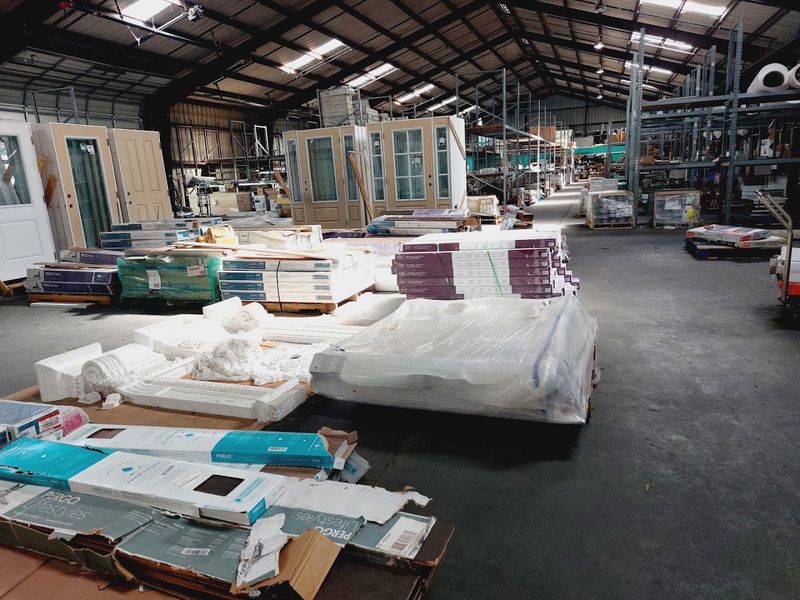
This place in Mississippi carries an impressive range of building materials under one roof. You will find structural timber beams and posts ready for heavy-duty projects.
Floorboards, moldings, and decorative tiles line the aisles in good supply.
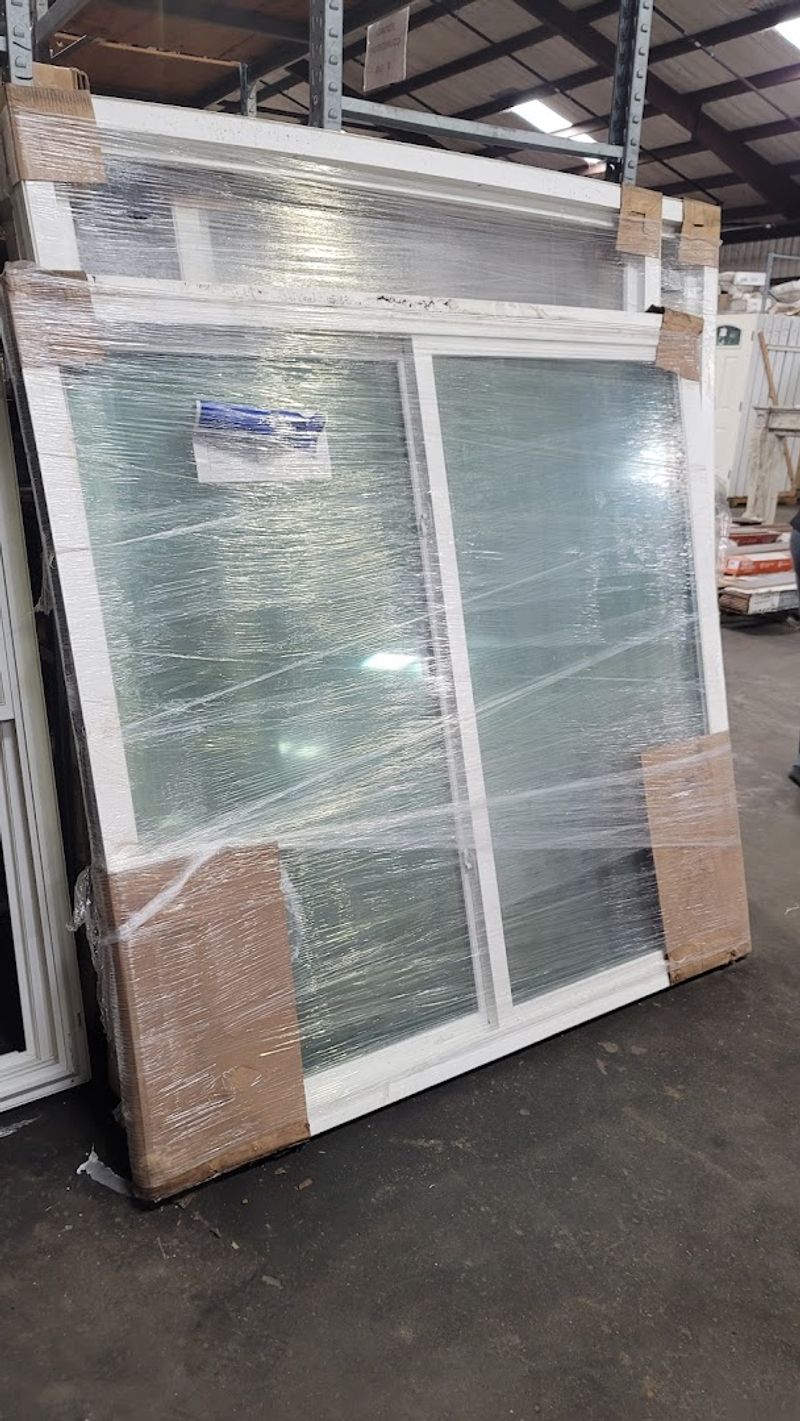
Original doors and windows show up regularly in the inventory. Fireplace surrounds, vintage sinks, and old lighting fixtures are also part of the mix.
Small hardware like doorknobs and hinges fill bins throughout the warehouse floor.
New closeout materials sit alongside salvaged pieces throughout the store. That means you can score brand-new products at reduced prices without much effort.
The selection shifts often, so what you see today may be gone by next week.
The store carries both indoor and outdoor building materials for all project sizes. Pavers, lumber, and finishing materials are commonly spotted on the lot.
You never quite know what will show up next, and that is part of the fun.
Salvage World Building Supplies is located at 6975 US 49, Hattiesburg, MS 39402. The store opens Monday through Saturday starting at 8:30 AM.
It is worth calling ahead at +1 601-475-7878 to check current stock before making the drive.
Creative Uses For Reclaimed Wood
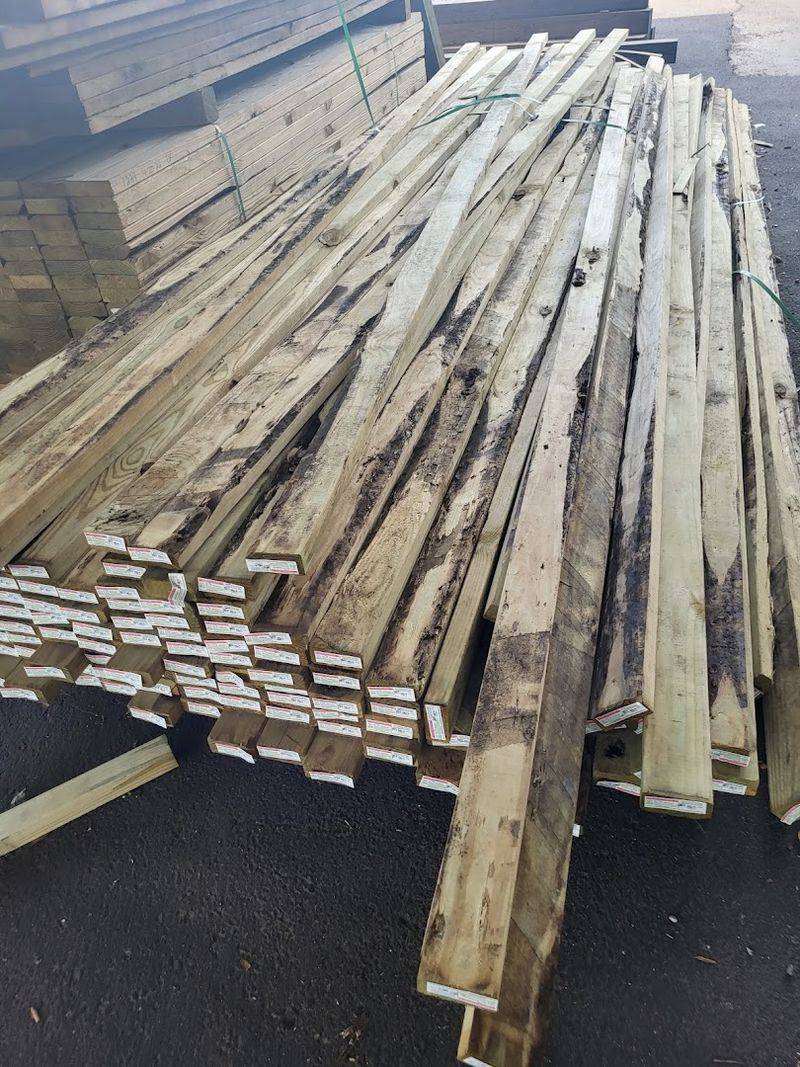
Reclaimed wood has a personality that new lumber simply cannot fake. Every plank carries nail holes, grain patterns, and weathering that tell a real story.
That history is exactly what makes it so valuable in creative home design.
Barn doors made from salvaged timber work beautifully as room dividers. They add visual weight without closing off a space completely.
Sliding them along a steel track gives any room an instant character boost.
Wall accent panels made from reclaimed planks bring warmth to modern interiors. Mix different wood tones for a layered, collected look.
The contrast between rough-hewn wood and clean walls is genuinely striking.
Custom kitchen islands built from salvaged timber become the centerpiece of any cooking space. The wood ages gracefully and handles everyday use well.
Pair it with simple metal hardware for a sharp, functional finish.
Shelving and coffee tables made from reclaimed wood are popular weekend projects. The material is forgiving and easy to work with for most skill levels.
You can sand it smooth or leave it rough depending on the look you want.
Elegant mantles crafted from old beams add drama to any living room. The mass and texture of aged timber around a fireplace is hard to beat.
It grounds the whole room in a way that feels both old and fresh at the same time.
Benefits Of Sustainable Renovation Practices
Choosing salvaged materials is one of the smartest moves a renovator can make for the environment. Every reclaimed beam or vintage tile kept out of a landfill is a real win.
The impact adds up faster than most people expect.
Using salvaged materials cuts the demand for newly harvested raw resources. Fewer trees get cut down when old timber finds a second life.
That directly reduces pressure on forests and natural habitats across the country.
Energy consumption drops significantly when materials are reused instead of manufactured fresh. Processing new lumber, tile, or metal requires heavy industrial energy.
Skipping that step keeps carbon emissions lower across the board.
Old timber and masonry actually store carbon inside them over time. Reusing those materials means that stored carbon stays locked in place.
It does not get released back into the atmosphere during demolition or disposal.
Sustainable renovation also tends to preserve the character of older buildings. Original architectural details carry craftsmanship that modern mass production rarely matches.
Keeping those elements alive benefits both the environment and the built heritage of a community.
Budget-conscious renovators benefit too. Salvaged materials often cost less than brand-new equivalents.
Saving money while reducing your environmental footprint is the kind of double win that makes a renovation project feel genuinely satisfying from start to finish.
How To Identify Quality Pieces
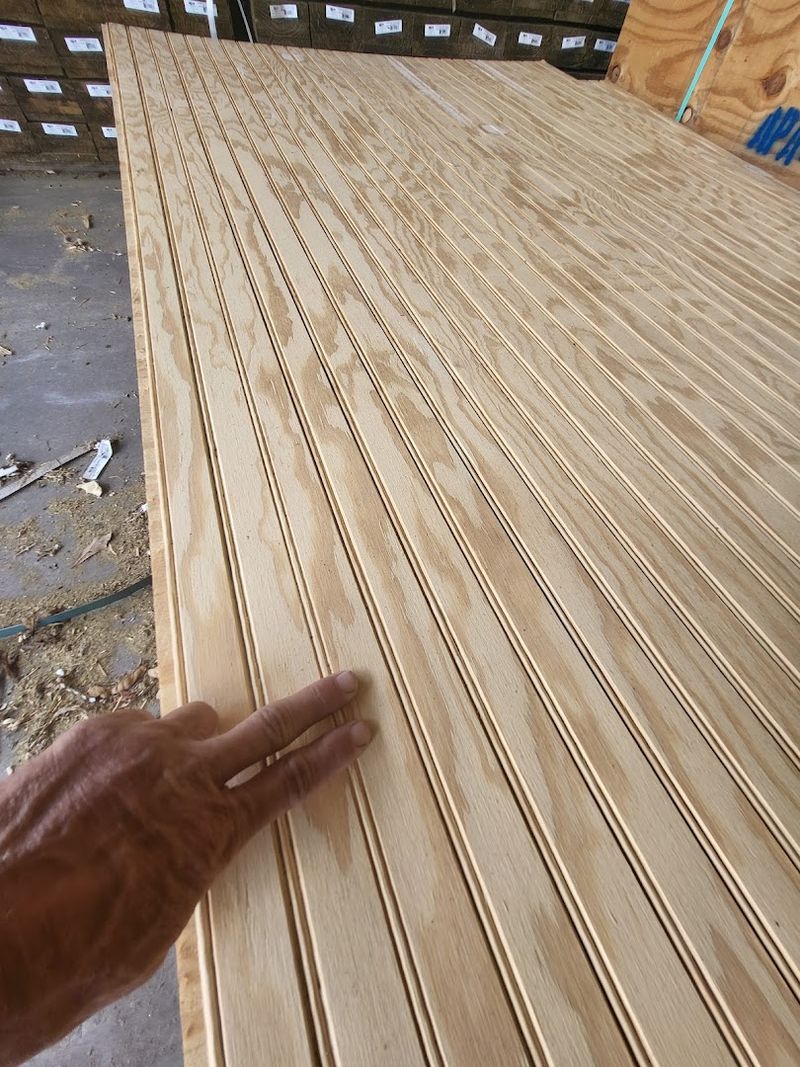
Not every piece at a salvage store is worth your money. Knowing what to look for saves you time, effort, and a lot of frustration.
Quality pieces reveal themselves through a few reliable signs once you know what to check.
Original craftsmanship is one of the first things to notice. Older joinery methods like hand-cut mortise and tenon joints show real skill.
Machine-cut uniformity is a sign of newer, less interesting production.
Patina and natural wear are marks of authenticity, not damage. Genuine aging produces tones and textures that cannot be replicated artificially.
If something looks too perfect, it probably is not as old as it appears.
Nail holes on reclaimed wood should show variance in size and placement. Old-growth timber was nailed by hand with inconsistent spacing.
Perfectly uniform holes suggest the piece was processed more recently than advertised.
Always check structural wood carefully for rot, deep cracks, or insect damage. Run your hand along the grain and press gently on suspicious soft spots.
A screwdriver test on questionable areas can reveal hidden decay fast.
Maker’s marks, stamps, or stenciling on old timber and hardware add provenance and interest. These details confirm a piece has genuine history behind it.
They also make for great conversation starters once the project is complete and your friends start asking questions.
Inspiring Ideas For Vintage Hardware
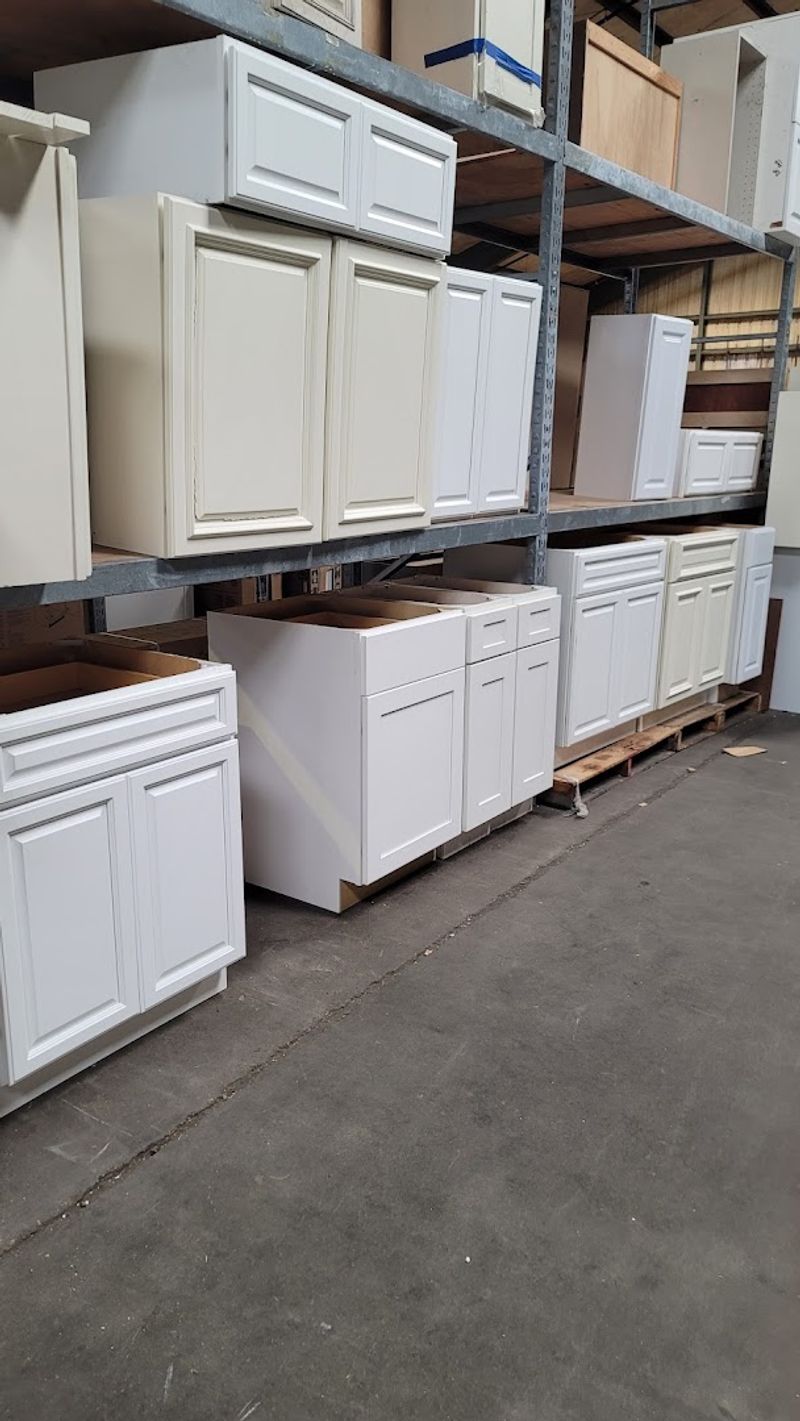
Vintage hardware is one of the easiest ways to add personality to any space. A set of old brass drawer pulls on a plain cabinet transforms the whole piece instantly.
Small details like that carry more visual weight than most people realize.
Salvaged knobs and pulls work especially well in kitchens and bathrooms. Mix metals like aged bronze and brushed nickel for a collected, layered look.
The imperfection of vintage hardware is actually its biggest selling point.
Antique doorknobs repurposed as curtain tiebacks are a simple and clever idea. They add a decorative element without requiring any major installation work.
A few screws and some patience are all you need to make it happen.
Old drawer pulls mounted on a painted board become stylish wall hooks in seconds. Use them in entryways, mudrooms, or bathrooms for functional art.
The hardware does the decorating for you without much effort at all.
Escutcheons, those decorative plates around keyholes, make surprisingly elegant display pieces. Frame a few together on a shelf for a curated vintage vignette.
They also work well as jewelry holders with a little creative mounting.
Vintage faucets and sink hardware can anchor a bathroom renovation with real flair. Pair them with a simple vessel sink for maximum impact.
The contrast between old fixtures and clean modern surfaces creates a look that feels intentional and polished.
Tips For Restoring Architectural Elements
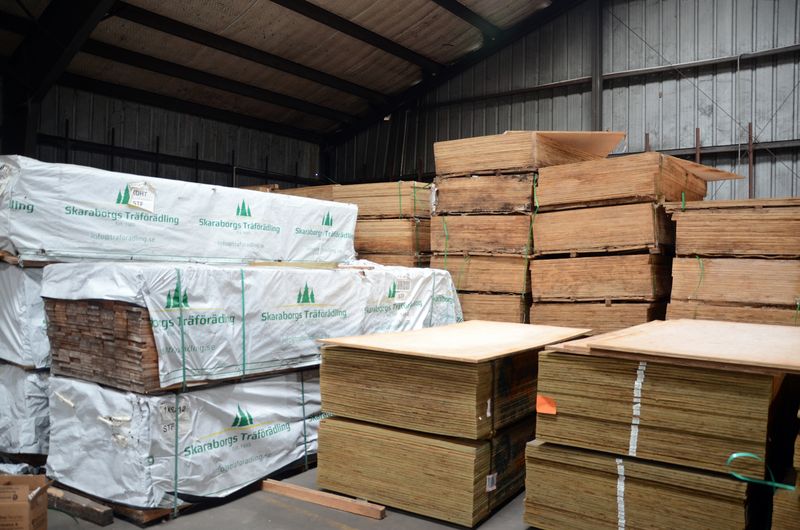
Restoring architectural elements is more rewarding than replacing them, and usually cheaper too. Original doors, moldings, and mantels carry details that modern reproductions rarely get right.
Repairing them keeps the character of a space intact.
Always repair before you replace whenever possible. A cracked molding or a warped door can often be fixed with the right tools and a little patience.
Replacement should be the last option, not the first reaction.
When replacement is unavoidable, match the new material as closely as possible to the original. Color, texture, and profile all matter in maintaining visual continuity.
A mismatched patch stands out and undermines the whole restoration effort.
Cleaning facades gently is critical to preserving the material underneath. Harsh methods like sandblasting strip away surface detail that took decades to develop.
Soft washing or careful hand scrubbing protects the integrity of the original surface.
Original hardware should stay in place whenever it is still functional. Hinges, locks, and handles that have survived decades deserve to keep their position.
Replacing them with modern equivalents erases authenticity that cannot be bought back.
Document the original condition of elements before you start any restoration work. Photographs give you a reference point throughout the process.
They also serve as a record of what the space looked like before your work began, which is genuinely useful down the road.
Incorporating Into Modern Designs
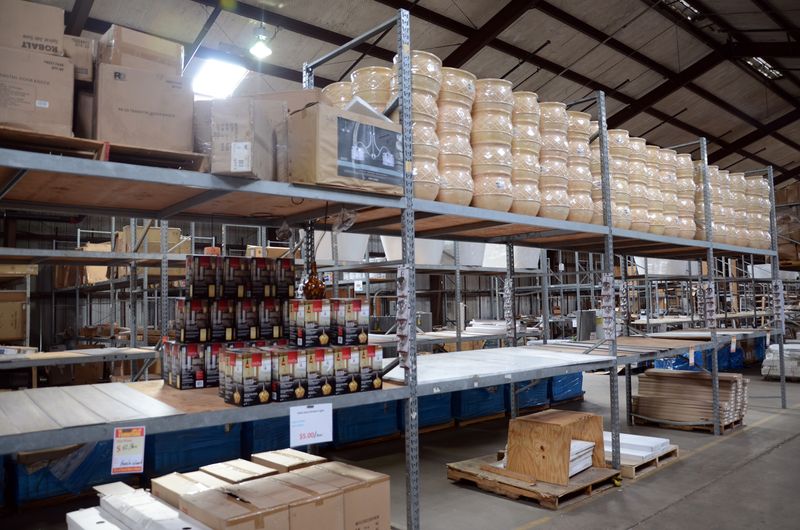
Mixing salvaged materials into modern design is one of the most interesting things you can do in a renovation. The contrast between old and new creates depth that a fully contemporary space often lacks.
It gives a room a sense of time and story.
Reclaimed wood beams installed in a contemporary home add warmth immediately. The rough texture against smooth drywall and polished floors creates a balance that feels both grounded and intentional.
It works especially well in open-plan living areas.
Restored mantels bring detail to minimalist living rooms without overwhelming the space. A simple, clean room with one strong architectural focal point reads as confident and considered.
The mantel does the heavy lifting while everything else stays calm.
Antique lighting fixtures become statement pieces in modern kitchens and dining areas. An old industrial pendant over a sleek island creates instant visual tension.
That tension is what makes the room feel designed rather than just decorated.
Salvaged tile used as a backsplash or accent wall brings pattern and history into a modern kitchen. Pair it with flat-front cabinets and simple countertops for a sharp contrast.
The tile becomes the personality of the whole space.
Clean lines and curated old elements work together better than most people expect. The key is restraint.
Choose a few strong salvaged pieces and let them breathe rather than filling every corner with vintage finds.
Cost Effective Strategies For Renovation Projects
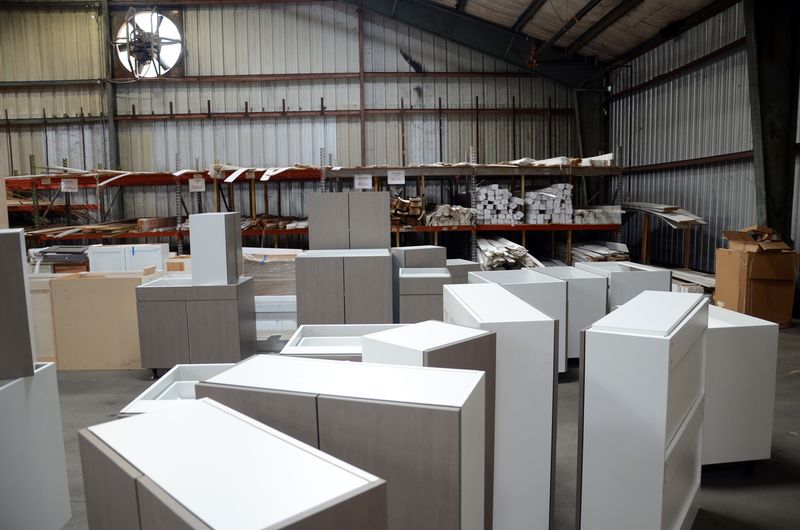
Renovation costs add up fast, and salvage stores are one of the most practical tools for keeping a budget under control. Buying reclaimed or closeout materials cuts expenses without cutting quality.
The savings on individual items can be significant across a full project.
Selective demolition is a smart first step before any renovation begins. Carefully removing usable materials instead of tearing everything out reduces disposal costs.
It also gives you inventory to work with or sell before buying anything new.
Reusing materials already on-site eliminates both purchase and hauling costs. An old door refinished and rehung costs a fraction of a new one installed.
Labor savings stack up quickly when you reduce the number of new items being brought in.
Salvaged items at stores like Salvage World often come in at prices well below retail. Closeout inventory in particular offers brand-new products at reduced rates.
Checking the stock regularly increases your chances of finding exactly what you need at the right price.
Planning your material list before visiting any salvage store saves both time and money. Know your measurements, quantities, and preferred materials before you walk in.
That preparation keeps impulse buys in check and helps you spot real value when you see it.
Material recovery also lowers overall demand for newly manufactured resources. That reduced demand benefits the broader market over time.
Renovation projects that prioritize salvaged materials end up being good for both the wallet and the wider supply chain.