
This Mississippi Antique Warehouse Is A Must Visit Destination For Antique Hunters
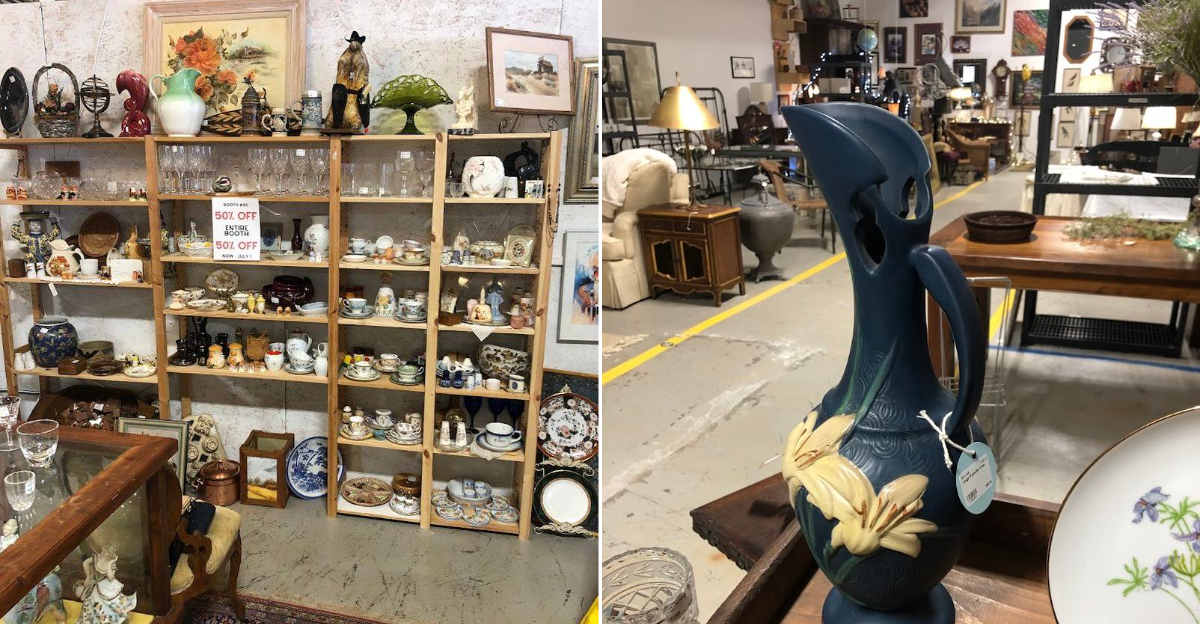
The smell of aged mahogany and old paper can trigger a sudden wave of deep nostalgia. True collectors know that the best treasures rarely hide in shiny modern shopping malls.
You must look for places with creaking floorboards and high corrugated metal ceilings instead. Mississippi accommodates this timeless obsession with a massive storage facility built for endless exploration.
The towering aisles hold decades of forgotten history under a single roof. Dusty porcelain dolls stare blankly from shelves next to tarnished brass compasses.
Every single corner reveals a different piece of someone else’s family history. You can run your fingers over hand-carved rocking chairs from another century.
The massive space turns a casual afternoon into a thrilling treasure hunt. Time seems to slow down completely inside these historic walls.
History Behind Common Categories
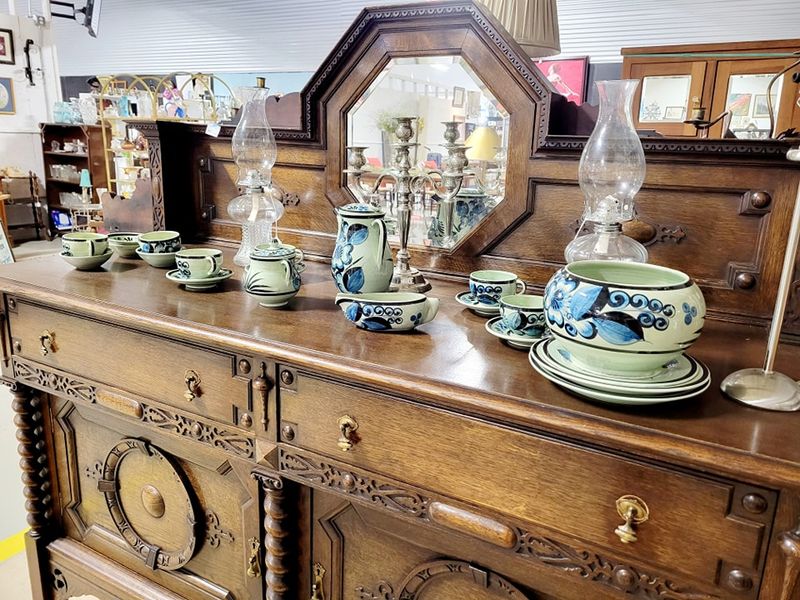
Antiques carry centuries of human creativity inside them. An item is generally considered an antique when it reaches at least 100 years old.
That rule alone opens up a world of history waiting to be explored at Mississippi Antique Galleria.
Different historical periods produced wildly different design styles. The Baroque era, running from 1600 to 1750, gave us grand, sculptural furniture.
Rococo followed from 1730 to 1780, bringing lighter forms and playful curves into fashion.
Neoclassical design emerged around 1760 and pulled inspiration from ancient Greek and Roman architecture. Clean lines replaced the earlier drama.
Then came the Victorian era, stretching from 1830 to 1920, which remains one of the most collected periods today.
Each category at The MAG reflects these shifting tastes. You might spot a heavily carved Victorian side table next to a sleek Neoclassical mirror.
Understanding the history behind these categories makes the whole shopping experience feel like a free museum tour.
The craftsmanship from each era tells you what materials were available. It also shows what people valued most at the time.
Knowing these basics helps you shop smarter and appreciate what you are holding in your hands. Find it located at 1909 E Pass Rd, Gulfport, MS 39507.
Tips For Identifying Authentic Vintage Pieces
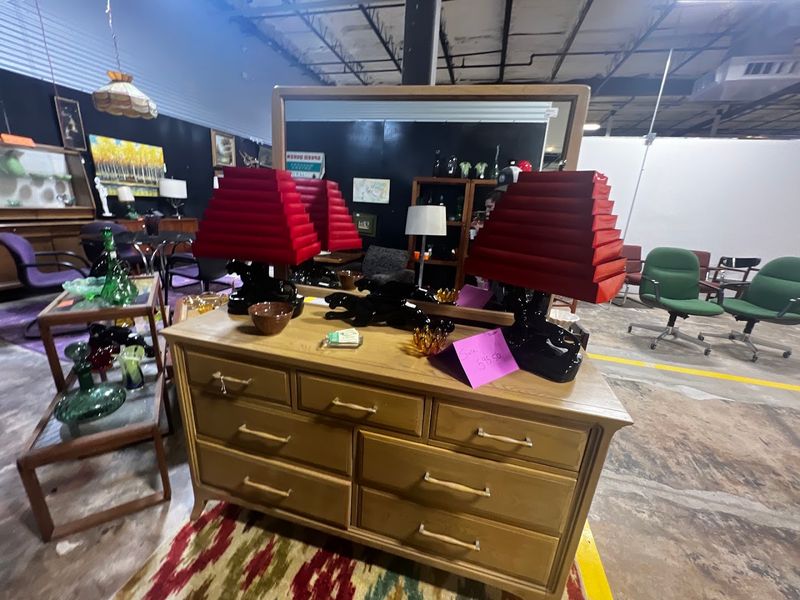
Spotting a genuine vintage piece takes practice, but a few solid tricks go a long way. Authentic items almost always show signs of hand craftsmanship.
Look for small imperfections, such as slightly uneven dovetail joints or irregular shapes in metalwork.
Mass-produced furniture came later in history. Older pieces were built by hand, one at a time.
That means no two items are perfectly identical, which is actually a good sign when you are hunting for something real.
Materials matter a lot during identification. Solid woods like oak, walnut, and mahogany were standard in quality old furniture.
If you flip a piece over and see plywood or particle board, that is a modern construction clue worth noting.
Natural wear patterns are another reliable indicator. Authentic aging shows up in logical places, such as the edges of chair arms or the bottom of drawer pulls.
Wear that looks randomly placed or artificially distressed can signal that it is a reproduction.
Maker marks, stamps, and hallmarks are your best friends. Many furniture makers and silversmiths left identifying marks on their work.
Bring a small flashlight when shopping at The MAG. Check the undersides, backs, and hidden corners of pieces.
Those tiny marks can confirm an item’s origin and significantly affect its value. A little detective work pays off big in this hobby.
Caring For Different Types Of Materials
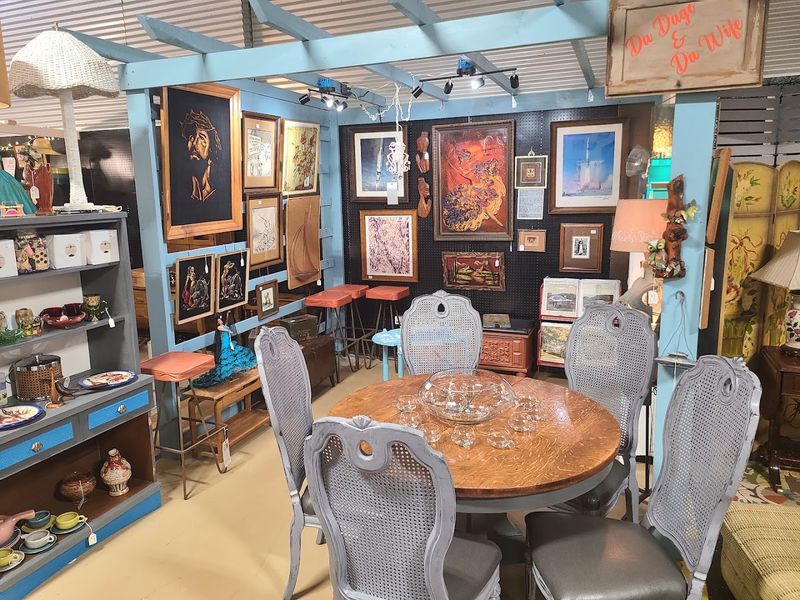
Bringing an antique home is exciting. Keeping it in great shape requires knowing what it is made of first.
Not every cleaning method works on every material, and a wrong move can permanently damage a piece.
Wood is the most common material you will encounter at The MAG. A soft, dry cloth handles most dusting jobs well.
A slightly damp microfiber cloth works for tougher spots, but always wipe in the direction of the grain.
Avoid silicone-based sprays and harsh chemical cleaners entirely. These products can strip original finishes and reduce an item’s value.
Many antique dealers recommend simple paste wax for wood preservation instead.
Sunlight is one of the biggest threats to antiques. Direct exposure causes fading, warping, and cracking over time.
Position your pieces away from windows or use UV-filtering window film to protect them.
Humidity control matters more than most beginners realize. Keeping your home between 40 and 60 percent relative humidity prevents wood from cracking and metal from corroding.
Mold also becomes a real problem in spaces that are too damp.
Ceramic and glass pieces need gentle handling above everything else. Use padded shelving to prevent vibration damage.
Each material type has its own set of needs, so research before you clean. Your antiques will thank you by lasting another hundred years.
Navigating Varied Styles And Eras
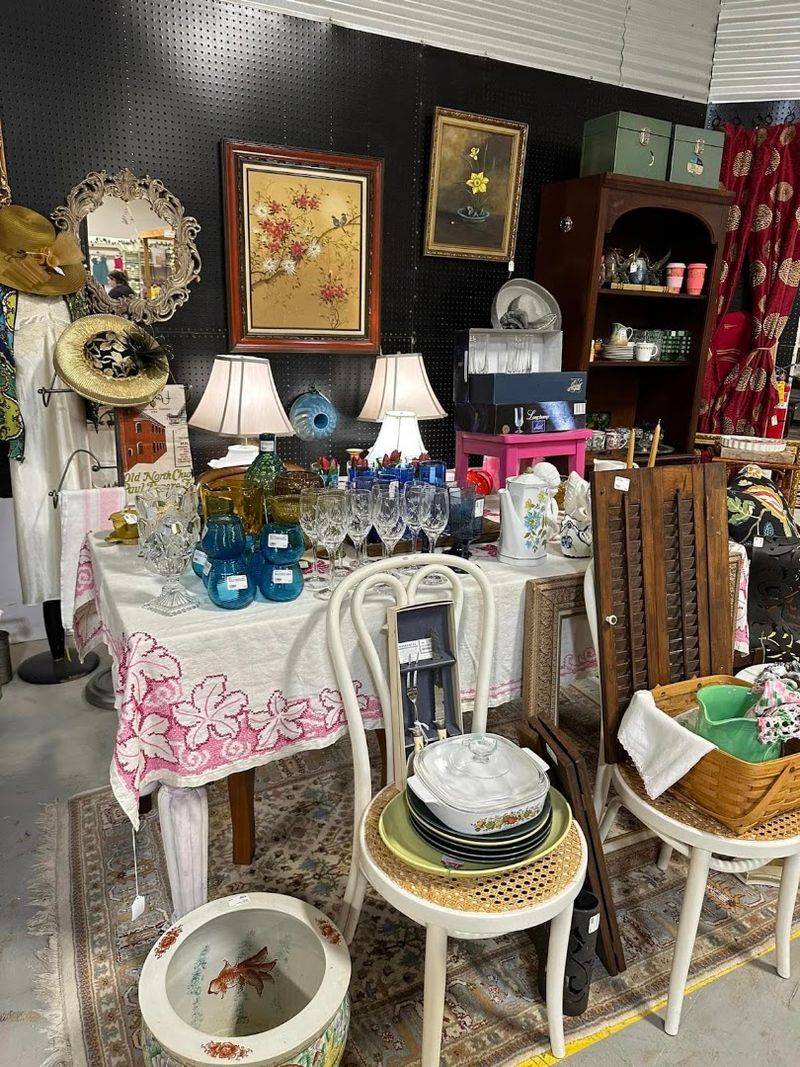
Entering a place like Mississippi Antique Galleria can feel a little overwhelming at first. One booth has ornate Victorian pieces.
The next has sleek mid-century modern furniture. Knowing your eras helps you move through the space with confidence.
Baroque pieces are hard to miss. They are bold, heavy, and covered in elaborate carvings.
These pieces were designed to impress, and they still do several centuries later.
Rococo style came as a lighter response to all that grandeur. Curves became more delicate.
Ornamentation grew more playful and asymmetrical. Think pastel colors and floral motifs on furniture legs.
Neoclassical design brought things back to earth with architectural precision. Straight lines, symmetry, and restrained decoration became the new standard.
These pieces often look timeless even today.
The Victorian era blended many influences into one maximalist style. Pattern mixing, dark woods, and upholstered everything defined this period.
It remains hugely popular among collectors worldwide.
Mid-century modern arrived in the 1940s through 1960s and brought clean, functional design to everyday homes. These pieces are currently experiencing a major collecting boom.
Recognizing these different styles at The MAG helps you shop with purpose. You stop wandering randomly and start hunting strategically, which makes the whole experience far more rewarding and fun.
How To Determine Value And Rarity
Age alone does not make something valuable. That is one of the first lessons every collector learns.
Rarity, condition, and market demand are the three factors that actually drive an antique’s price up or down.
Condition is king in the antique world. Items in original, unrestored condition with all their original parts command the highest prices.
A repainted Victorian chair might still be beautiful, but its value drops compared to an original-finish version.
Provenance adds serious weight to an item’s worth. Provenance means the documented history of who owned something and where it came from.
A piece linked to a notable historical figure or event can be worth many times more than a similar item without that story.
Maker’s marks, signatures, and unique construction features also contribute to rarity. A signed piece of art glass or a stamped silversmith hallmark transforms an ordinary-looking item into a verified collectible.
Research is your most powerful pricing tool. Check completed auction results on major platforms to see what similar items actually sold for.
This gives you a realistic market value, not just an asking price.
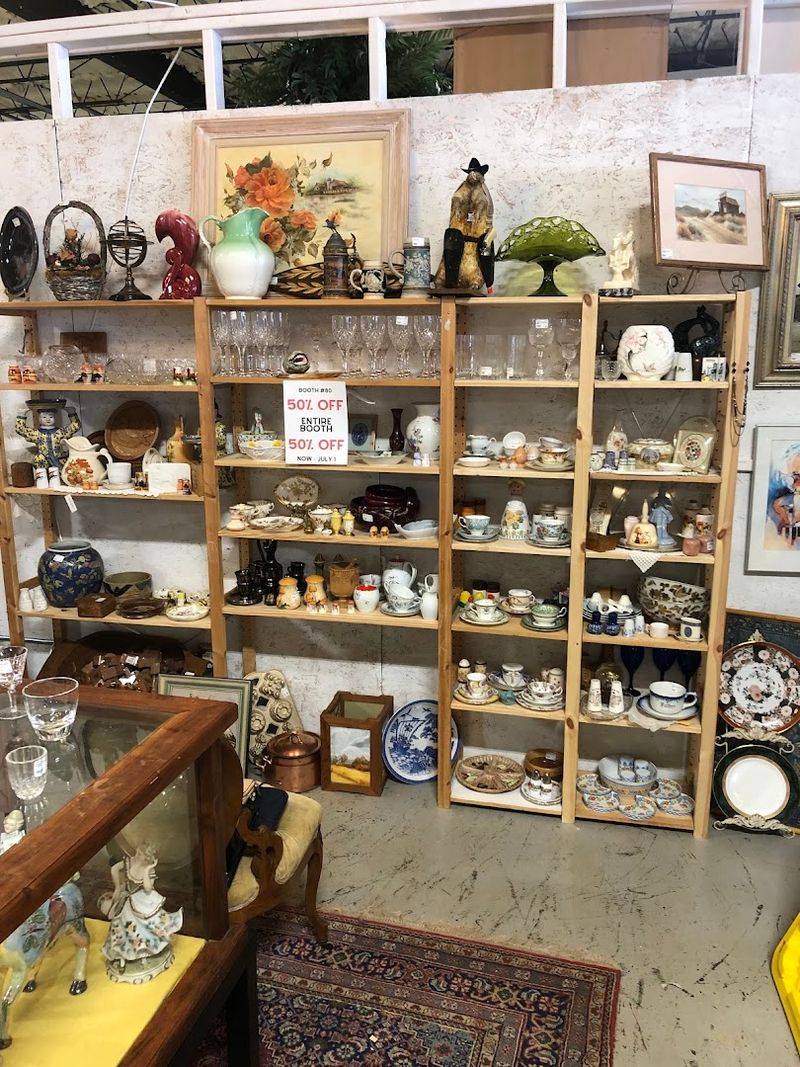
At Mississippi Antique Galleria, prices vary across more than 400 vendors. Some booths run sales of up to 50 percent off.
Knowing value basics before you arrive means you can spot a genuine deal when it appears right in front of you.
Benefits Of Shopping At Local Warehouses
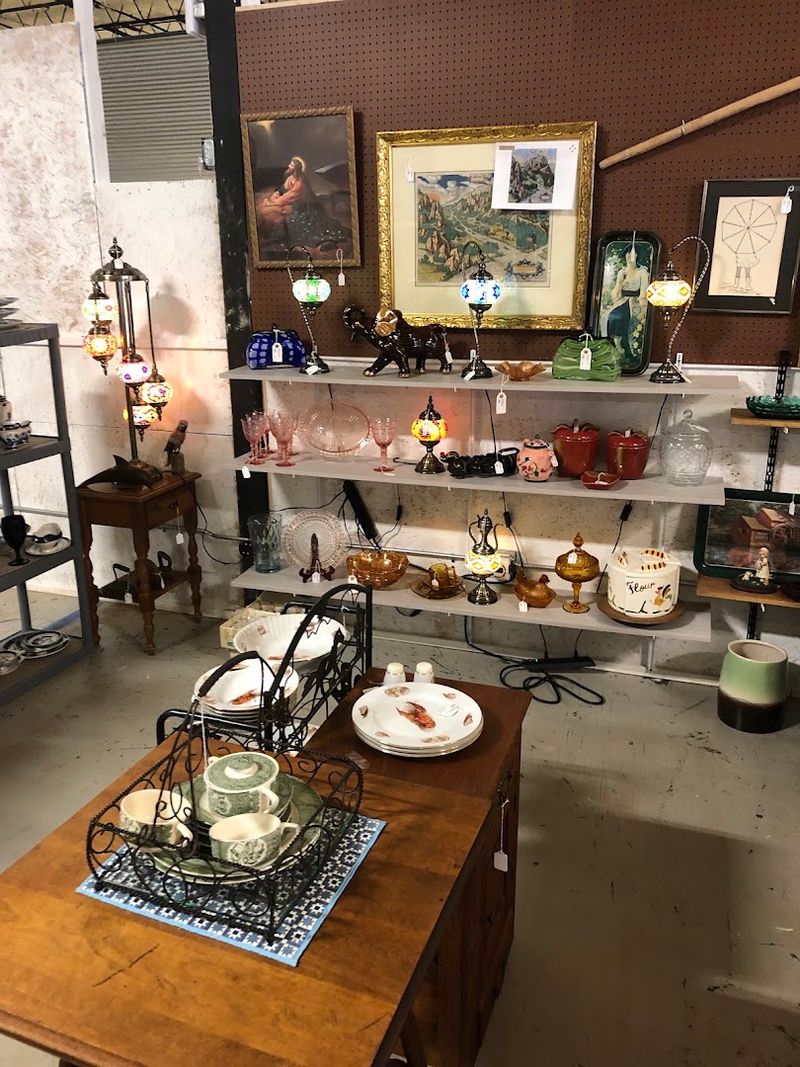
Local antique warehouses offer something online shopping simply cannot replicate. You get to touch things.
You can examine construction details up close. You notice the weight of a piece of cast iron or the smoothness of hand-rubbed walnut.
Mississippi Antique Galleria supports over 400 local vendors under one massive roof. Shopping there directly puts money into the hands of local sellers and creators.
That kind of economic impact matters to the Gulf Coast community.
The quality of antiques often surpasses modern equivalents by a wide margin. Furniture built 80 or 100 years ago used solid hardwoods and hand-assembled joinery.
Many pieces outlast anything you would find at a big box store today.
Buying vintage is also one of the most eco-friendly shopping choices available. Giving an old piece a new home keeps it out of a landfill.
Reusing well-made items reduces the demand for new manufacturing resources.
Every piece at The MAG carries its own story. That handmade quilt, that cast iron skillet, that carved oak dresser- each one traveled through time to land in that booth.
Bringing it home adds character and history to your space in a way that brand-new items rarely achieve.
The MAG is open seven days a week with wide aisles and carts available. Shopping here is genuinely comfortable and worth every minute you spend exploring.
Common Mistakes When Starting A Collection
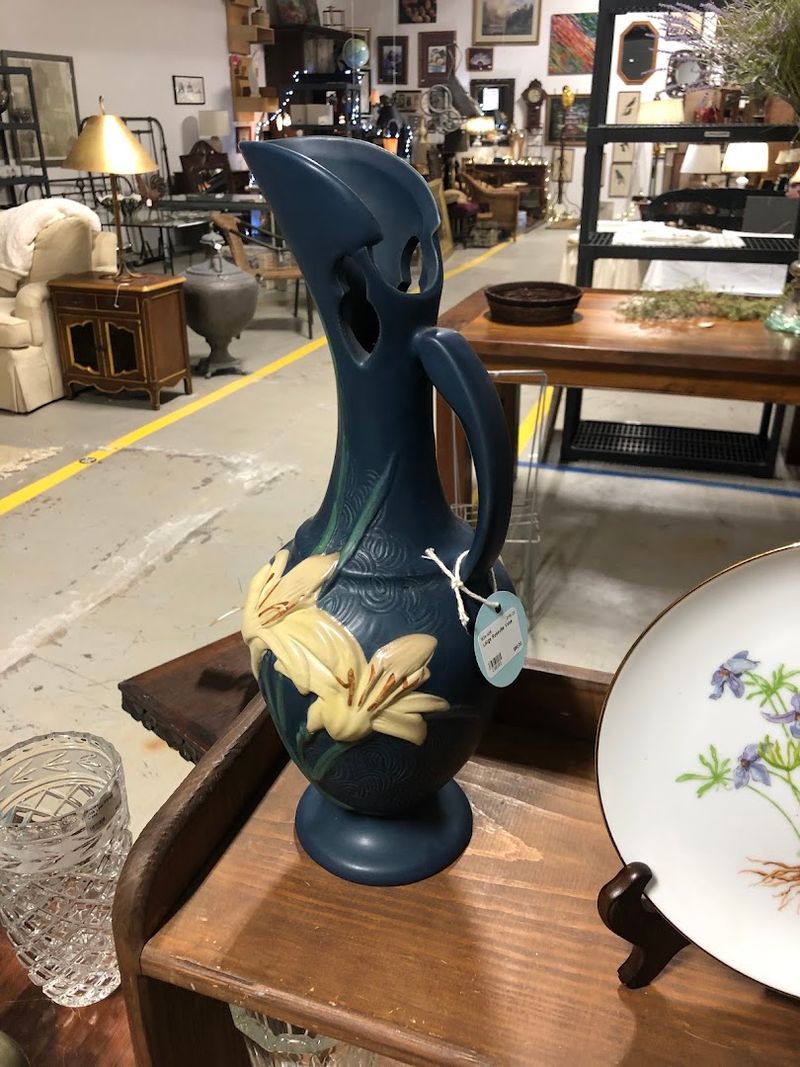
Starting an antique collection is exciting, but a few early missteps can cost real money. The most common mistake is skipping research entirely.
Knowing an item’s history, typical value, and authentication markers before buying saves regret later.
Budget discipline is another area where beginners struggle. It is easy to fall in love with a piece and overspend impulsively.
Set a clear spending limit before you arrive at a place like The MAG and stick to it.
Many new collectors assume that old automatically means valuable. That is not accurate.
Plenty of items produced in the 1800s and early 1900s were mass-manufactured and carry little collector value today. Age is a starting point, not a guarantee.
Trusting seller descriptions without any independent verification is risky. Most vendors are honest, but mistakes happen.
Cross-check information using reference books, online databases, or a trusted appraiser before committing to a high-dollar purchase.
Focusing only on how something looks is another trap. A beautiful surface can hide structural damage, replaced parts, or heavy restoration work.
Always check drawer slides, joints, backs, and undersides before deciding.
Starting with a clear collecting focus also helps. Collectors who specialize in one era or category build stronger, more cohesive collections faster.
Wandering too broadly early on often leads to a random assortment rather than a meaningful collection worth growing over time.
Seasonal Events And Sales To Watch For
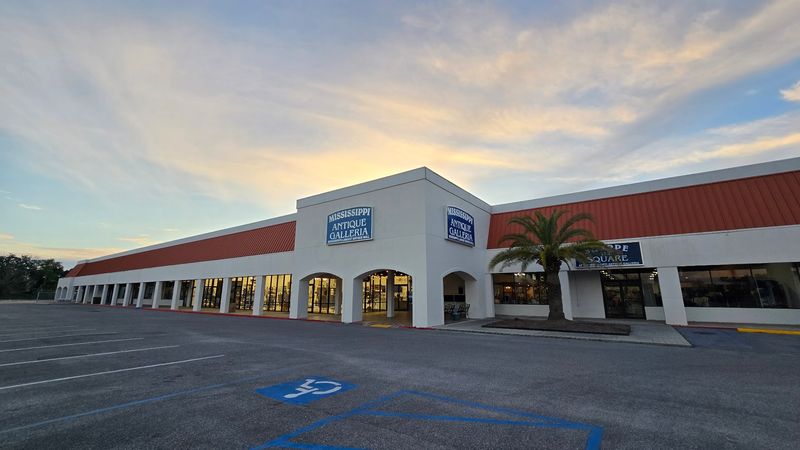
Mississippi Antique Galleria keeps things fresh year-round. New inventory arrives weekly from its network of over 400 vendors.
That means no two visits are ever the same, which is a big reason regulars keep coming back.
The Galleria hosts a free monthly outdoor market for vendors and community partners. These events bring additional sellers and creators into the mix.
It is a great way to discover items and makers you would not normally encounter inside the main building.
Individual vendor booths occasionally run their own promotions independently. Discounts of up to 50 percent off entire booths do pop up.
Checking in regularly increases your chances of catching one of those deals at exactly the right moment.
Following The MAG on social media is the smartest move for staying current. Their website at msantiquegalleria.com also posts updates on upcoming events and featured vendors.
Setting a reminder to check both platforms monthly keeps you informed without much effort.
The Gulf Coast climate makes outdoor market days particularly enjoyable in spring and fall. Temperatures are comfortable and the energy at community market events tends to be high.
Bring a friend and plan to stay longer than you think you need to.
Mississippi Antique Galleria can be reached at 228-809-8069 for event inquiries. Planning your visit around a market day or a vendor sale turns a regular shopping trip into a full afternoon worth remembering.