
This Mississippi Arena Packs Bull Riding, Barrel Racing, And A Live Concert Into One Saturday Night
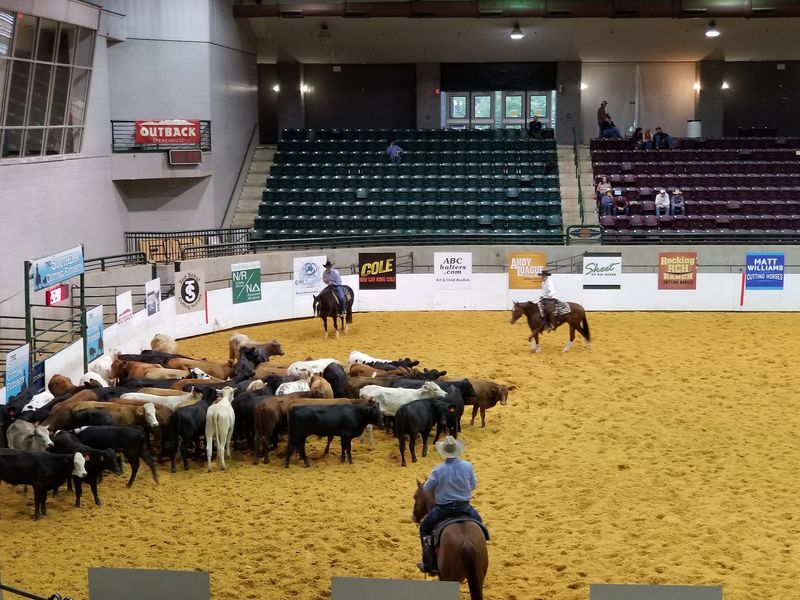
The building looked like any big metal arena from the parking lot, nothing fancy, nothing flashy. Then the lights dropped, the crowd roared, and a bull came out of the chute like a freight train with horns.
This Mississippi arena turns an ordinary Saturday into a night of dust, speed, and live music that stays with you long after the drive home. If you have never felt the stands shake under a cheering crowd, you are missing one of the South’s loudest traditions.
A State Fairgrounds Arena Built for Horses
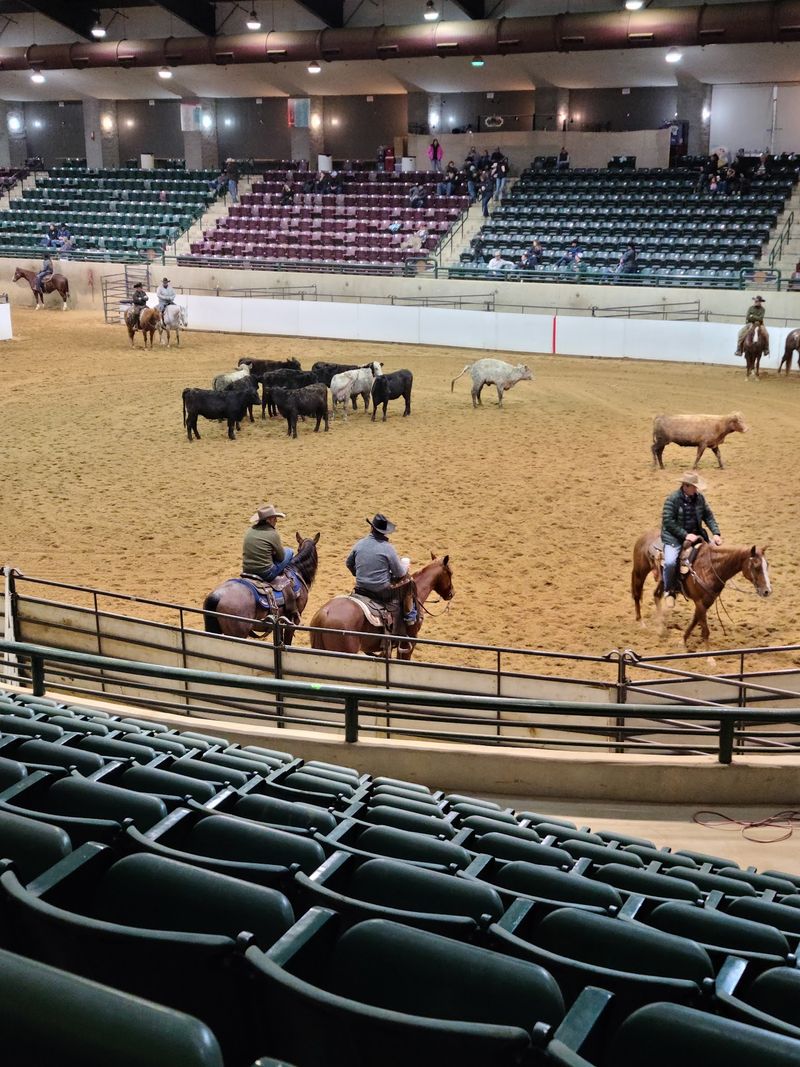
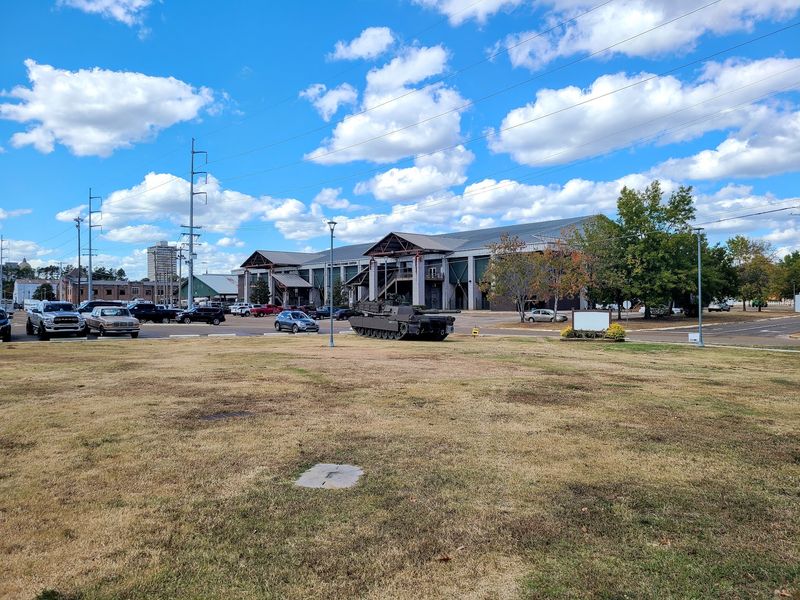
Right on the Mississippi State Fairgrounds in downtown Jackson sits a sprawling equestrian facility that locals know as the go-to spot for horse shows and rodeos. The address is 1207 Mississippi Street, placing it close to the heart of the capital city and easy to reach from the interstate.
At its core, the building is an equine center. That means the arena floor, the barns, the stalls, and the warm-up spaces were all designed with horses and riders in mind.
Yet the venue does far more than host trail classes and halter judging.
Across a typical year, the calendar might include state horse championships, archery tournaments, school events, monster trucks, and touring rodeo shows. Many folks describe it as one of the main places in the state for horse and rodeo action.
Others simply remember it as the arena where they first saw a bull rider hang on for eight seconds.
The Mississippi Department of Agriculture and Commerce oversees the fairgrounds, and the center has its own page on the fairgrounds website. Checking that page before a trip is the smartest way to see what is coming up, since the lineup changes from weekend to weekend.
The Governor Behind the Name
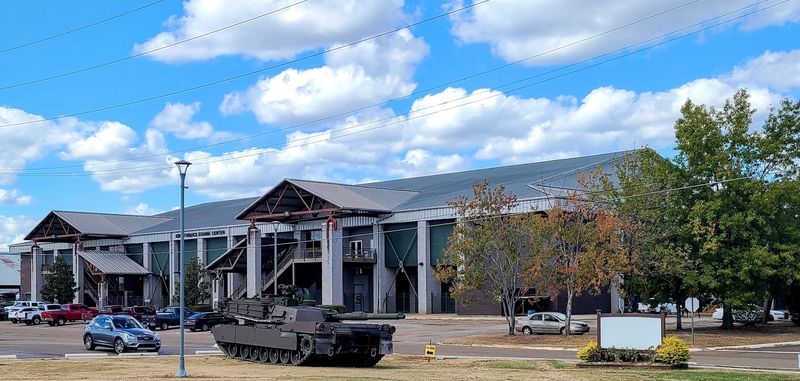
Names on buildings often get ignored, but this one carries a bit of state history. The center honors Kirk Fordice, a former governor of Mississippi, and his name has been tied to the arena for years.
Why name a horse arena after a governor? State fairgrounds have long been places where politics, farming, and community life overlap.
Agriculture runs deep in Mississippi, and horse culture is part of that story, from working ranches to youth riding clubs and county fair competitions.
Giving the equine center a governor’s name signaled how much the state valued this kind of gathering space. It was meant to be a serious, statewide venue rather than a small local show barn.
Over time, that goal seems to have stuck, since riders and families travel from all over Mississippi to compete here.
For visitors, the history adds a quiet layer of meaning. While you are watching a barrel racer whip around the last turn, you are sitting in a building that reflects decades of rural pride.
Plenty of fans never think about it, and that is fine. Still, knowing the backstory makes the place feel a little more rooted in the land around it.
Bulls, Bands and Barrels Come to Town
“This Ain’t Your Grandpappy’s rodeo!” That slogan sums up the Bulls, Bands and Barrels tour, a traveling show that regularly stops in Mississippi and brings serious noise with it.
The idea is simple but clever. Instead of a long, slow rodeo program, the tour packs three fast Western sports into one evening and then flips the arena into a concert venue.
Organizers describe it as louder, faster, and built for a crowd that wants more than just watching from the stands.
Picture the pacing like a playlist with no skips. One event ends, the lights swing, the announcer fires up the crowd, and the next round starts almost right away.
Families, teens, and longtime rodeo fans all seem to find something to cheer for.
The three sports are bull riding, barrel racing, and freestyle bullfighting. Each one shows off a different kind of skill, from raw grit to pure speed to fearless footwork.
After the last champion is crowned, a live music set closes things out.
Because touring dates shift, the best plan is to keep an eye on the fairgrounds calendar and the tour’s own schedule to catch the next Saturday stop.
Eight Seconds on the Rankest Bulls
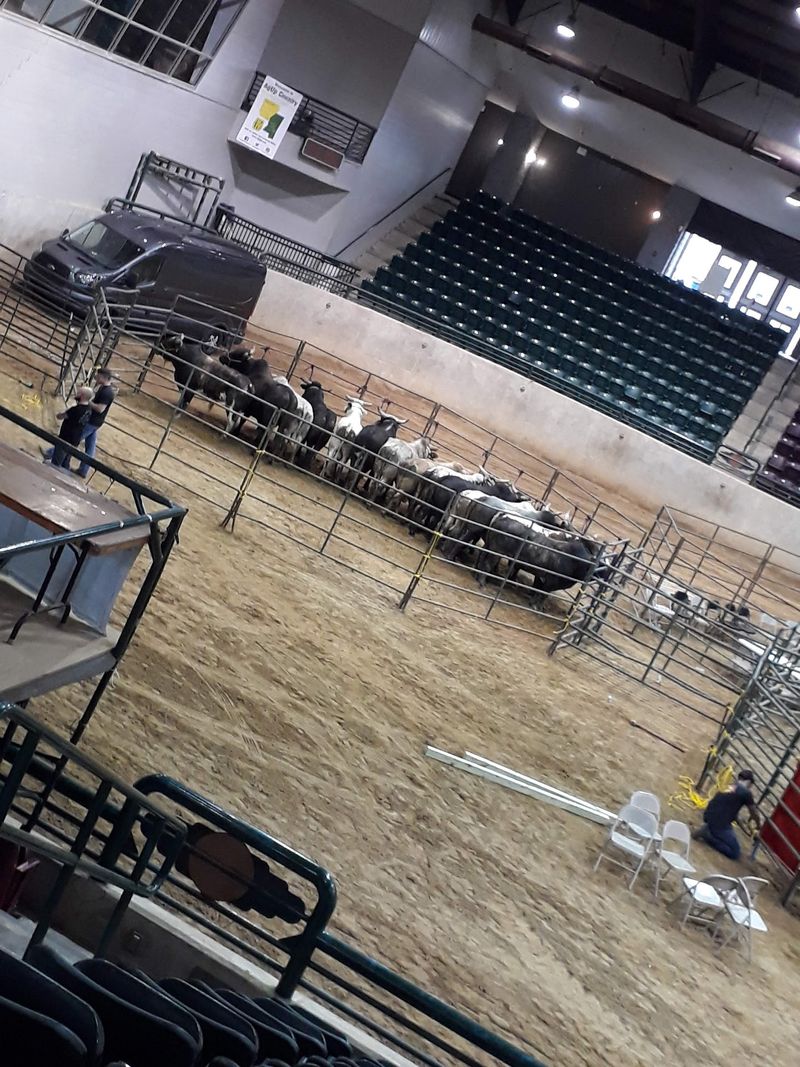
Eight seconds sounds short until you watch someone try to survive them on top of a spinning, kicking bull. Bull riding headlines the night, and it is easy to see why.
The tour promotes it as the toughest athletes taking on the rankest bulls, with championship-level competition each time. In rodeo slang, a rank bull is one that bucks hard and is tough to ride, which actually helps a rider score higher if he can hang on.
Riders grip a rope with one hand while the other arm stays in the air. Touching the bull with that free hand ends the ride with no score.
Judges watch both the rider’s control and how hard the animal bucks, so a wild bull and a smooth rider make the best combination.
From the stands, the moment the chute gate swings open is pure electricity. Crowds lean forward, people count out loud, and the horn at eight seconds sets off a wave of cheers.
First-timers often say they did not expect to feel so nervous for someone they had never met. That shared tension is a big part of what makes the event so loud.
Speed Around Three Barrels
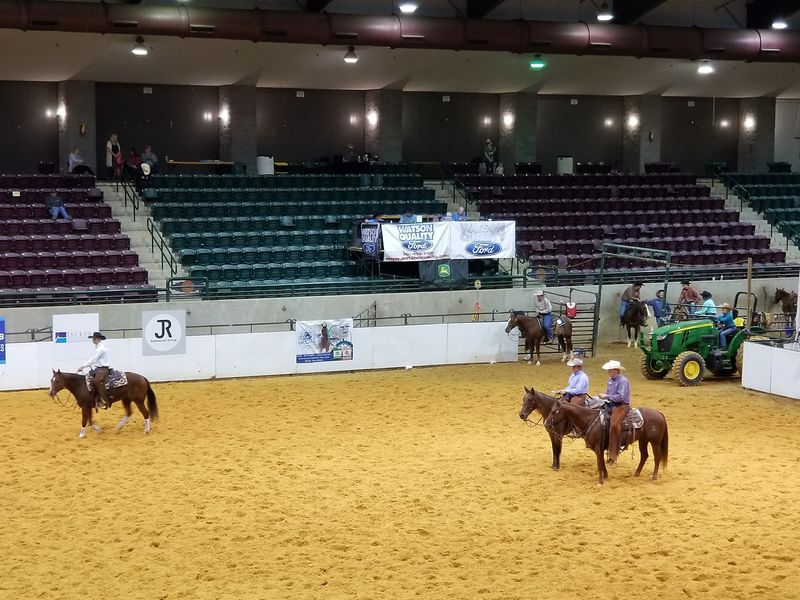
Blink and you might miss it. Barrel racing is all about speed, and the runs at these shows are over in a flash.
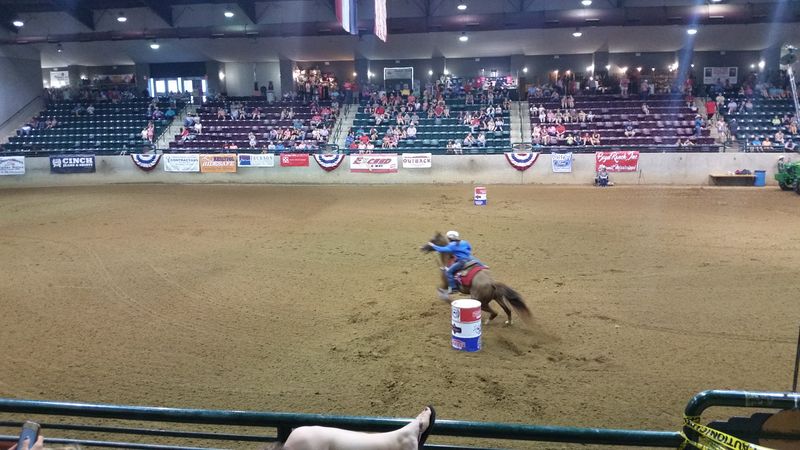
Here is how it works. A rider and horse enter the arena, race around three barrels set in a cloverleaf pattern, and sprint back out.
The clock decides everything, and knocking over a barrel adds a time penalty that can wreck a great run.
Fans of the sport love watching the bond between horse and rider. Tight turns require trust, balance, and lots of practice.
A good horse almost seems to read its rider’s mind, leaning into each turn and exploding toward the next barrel.
Barrel racing also has a long history at this arena outside of touring shows. Big barrel events here have drawn hundreds of entries, sometimes running deep into the night as each rider takes a turn.
Families of competitors often stay until the final run just to see where their rider lands.
During a Saturday rodeo, the barrel racing segment gives the crowd a different kind of thrill than the bulls. Instead of holding your breath for eight seconds, you are watching a stopwatch and hoping for a clean, lightning-quick pattern.
Freestyle Bullfighting and Its Clown Roots
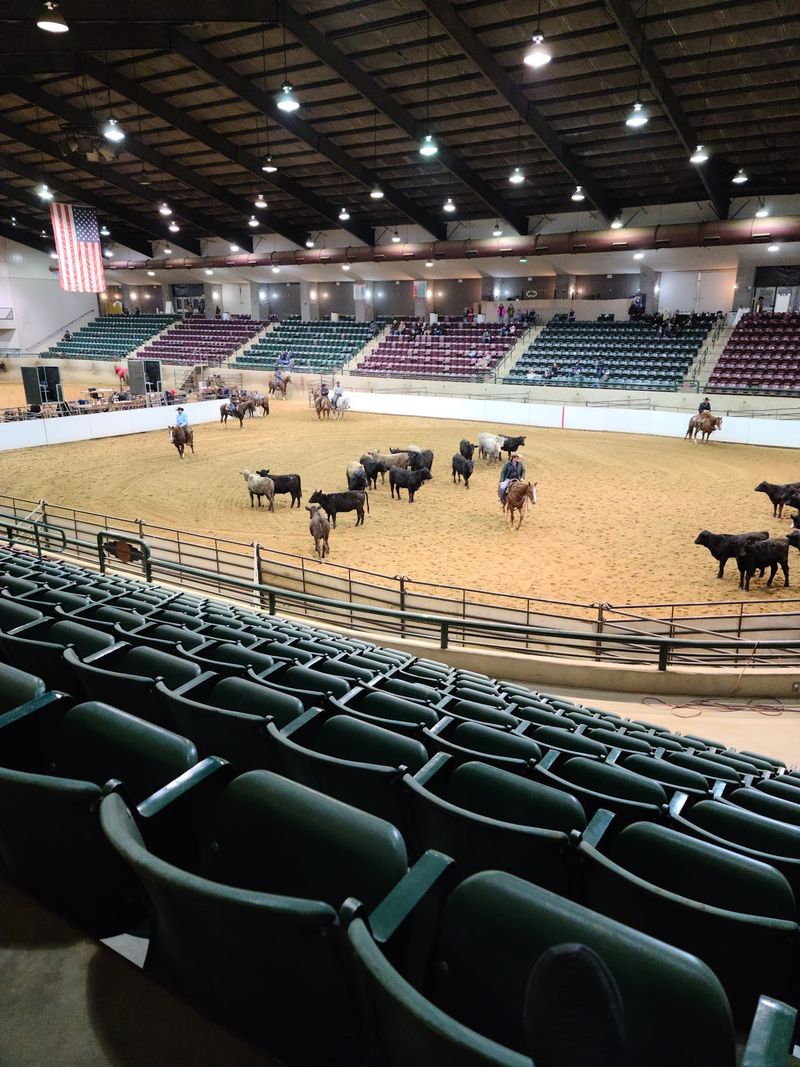
Long before it became its own sport, freestyle bullfighting grew out of the job rodeo clowns did, stepping in to protect bull riders from danger. Today, those protective moves have turned into a full competition.
Each round lasts 70 seconds. One bullfighter faces one bull, and there is no riding involved.
Judges score the athlete on willingness to engage, aggressiveness, and how close they stay to the animal while pulling off bold maneuvers.
The most jaw-dropping move? Jumping clean over a charging bull.
When it happens, the whole arena seems to rise at once.
Interestingly, the bulls used here are not the same as the ones in bull riding. They are bred to be quicker, smaller, and more agile, which makes the contest a fast game of dodging and spinning rather than a contest of brute strength.
For many fans, this event ends up being the surprise favorite of the night. It is unpredictable, athletic, and full of near misses that keep people on their feet.
If you have only seen rodeo clowns as comic relief, watching modern bullfighters will change your view of how much skill the role demands.
When the Dirt Settles, the Concert Starts
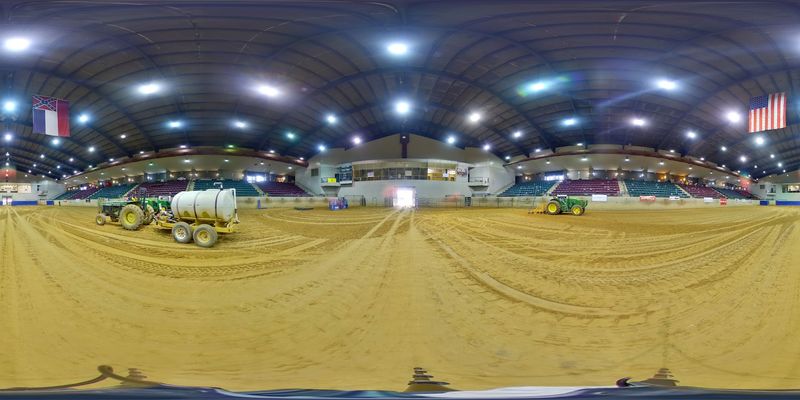
Once the final Western sports champion is crowned, the arena goes through a quick change. The dirt stays, but the focus moves to a stage, and the night turns into a full concert.
Past shows on the tour have featured artists like Carter Faith and Tyler Braden. Country music is the backbone, though the song choices often stretch beyond traditional country to pull in a wider crowd.
That mix matters. A teenager who came mostly for the bulls might stay for a catchy pop-country hit, while a parent who loves classic country still finds plenty to sing along to.
The shared experience keeps the energy high all the way to the final encore.
There is something special about hearing live music in a space that was packed with flying dust an hour earlier. Boots that were stomping for bull riders start tapping to a beat instead.
People who were strangers in the stands end up singing the same chorus.
Organizers frame the whole evening as nonstop family entertainment from gates open until the end. Staying through the concert is the best way to get the complete experience, so plan your night with that in mind.
Cool Air Inside a Southern Arena
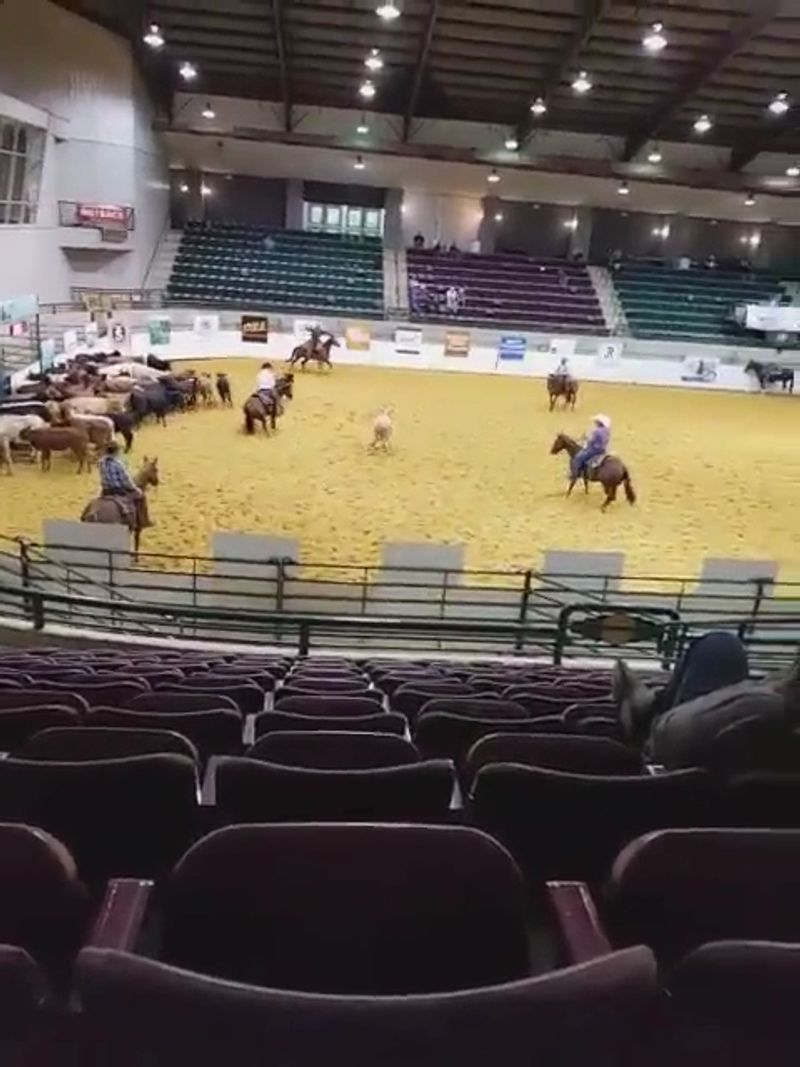
Anyone who has spent a summer in Mississippi knows how much heat and humidity can drain the fun out of an outdoor event. That is why one feature gets mentioned again and again by visitors: air conditioning.
Sitting in a cool, comfortable arena while watching sweaty, dusty action down below is a pretty great trade. Guests at state horse shows and other events have described the inside as both cool and comfortable, which makes long nights much easier to handle.
Comfort shows up in other ways too. The seating is often praised as nice and comfortable, and there is a covered warm-up area that riders appreciate.
Horse show competitors like that the space has plenty of room for the show office and for vendors.
Of course, no building is perfect. A few guests have noted that some seats need repairs, and a dusty arena means seats can collect dirt.
A simple tip from regulars is to bring a rag to wipe off your spot before sitting down.
Overall, the indoor climate control is a big reason this arena works so well for Saturday night crowds, no matter what the thermometer says outside.
Cleanliness and Security on Busy Nights
Big crowds can quickly turn restrooms and walkways into a mess. At this arena, though, many guests say the bathrooms stayed clean even during packed events.
Cleanliness and safety are two topics that come up often. Visitors at school events, archery tournaments, and rodeos have mentioned a clean interior, and several said they appreciated the extra security on site.
Staff are also described as polite and professional.
Still, smart habits help. Some longtime horse show competitors recommend keeping vehicle doors locked and valuables out of sight, and locking up saddles during shows.
Security is usually present, but staying aware of your belongings is a good idea at any large public venue.
Another practical note concerns restroom placement. A few people have pointed out that bathrooms can feel far down the hallway from some seating areas, so it is worth scouting their location early in the evening.
Taken together, the picture is of a well-kept venue that takes safety seriously. With a little planning, families can relax and focus on the bulls, barrels, and music instead of worrying about the details.
Monster Trucks, Motocross, and Archery Too
Not a horse person? No problem.
The calendar here goes well beyond saddles and spurs.
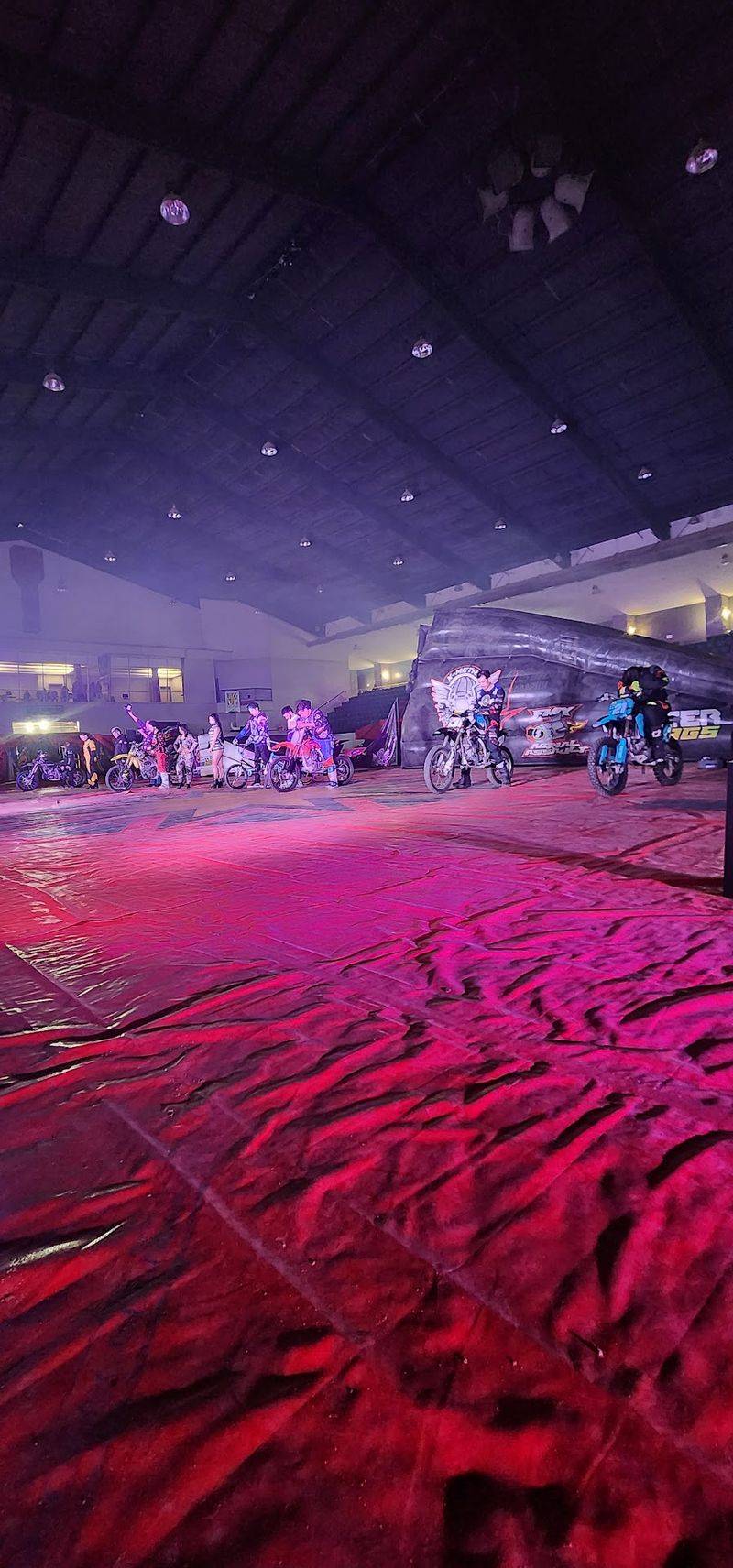
Monster truck shows have rolled through, giving fans a dose of roaring engines and crushed cars. A Motocross Circus event has also drawn crowds, with guests saying it did not disappoint.
One of the more surprising regulars is archery, since the state archery championship has been held here, with families cheering for young competitors in their divisions.
School events find a home in the building too. Parents attending those have noted a clean interior and a parking area that is set up well.
This variety is part of what makes the arena such a community anchor. A family might come for a monster truck rally in the spring, return for a horse show in the summer, and catch a rodeo on a Saturday night in the fall.
For rodeo fans, that range of events also means the staff is used to handling big, energetic crowds. Moving thousands of people in and out of a single building is no small task, and practice shows.
Checking the official schedule regularly is the easiest way to see what is next.
Who Will Love a Night in the Stands
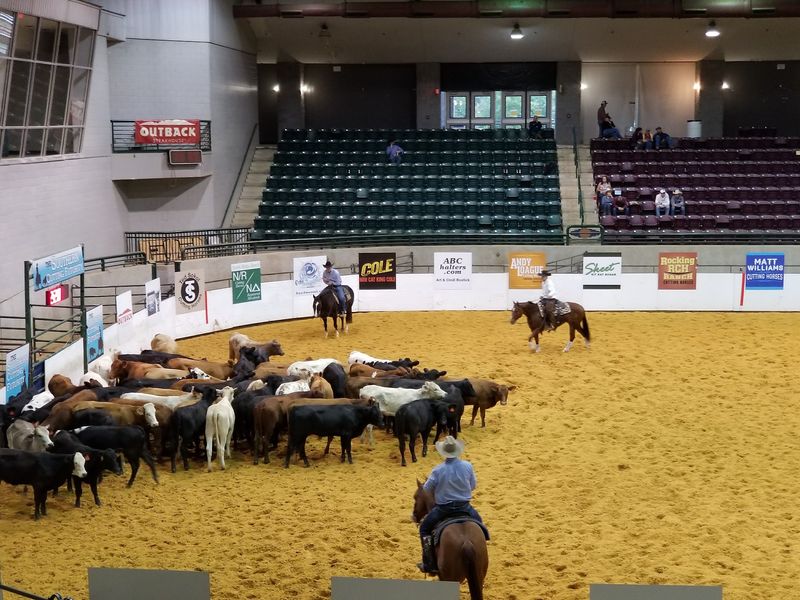
Families with school-age children may be the perfect audience. The mix of fast action, music, and short event segments keeps young attention spans locked in, and the whole show is pitched as family entertainment.
Teens and young adults often gravitate toward the concert portion and the freestyle bullfighting. The energy feels closer to a sports game or a music festival than a slow, old-fashioned rodeo, which is exactly the point of the tour’s approach.
Longtime rodeo fans get something too. Championship-level riders and fast barrel horses offer plenty of skill to appreciate, and the horse-show heritage of the building adds a sense of authenticity.
Who might struggle? Anyone sensitive to loud noise should come prepared, since this is a loud night by design.
Ear protection for little ones is a thoughtful idea. Folks who prefer early bedtimes should also know that arena events can run late, especially big competitions with many entries.
First-time visitors who know nothing about rodeo are welcome as well. Announcers explain what is happening, and the crowd’s reactions make it easy to follow along.
Sometimes the most excited fans by the end of the night are the ones who showed up curious.