
This Mississippi Butterfly Park Offers An Unforgettable Walk Among Hundreds Of Butterflies
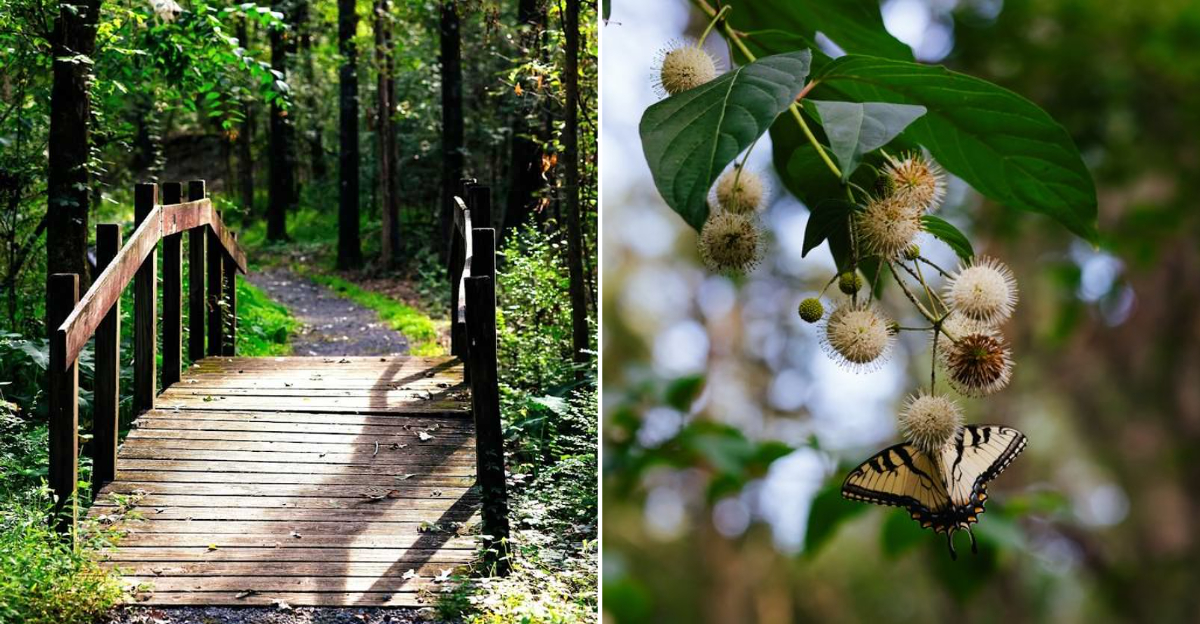
Hundreds of butterflies sharing the same space with the people walking through it produce an experience no photograph adequately prepares anyone to enter. Something shifts the moment the door closes behind that first step inside.
Wings in colors that seem too deliberate land without warning and stay without permission. That combination stops conversations mid-sentence.
Children who arrive expecting a pleasant walk leave describing something considerably more extraordinary. Adults follow the same trajectory at a slower pace and arrive at identical conclusions.
Mississippi delivered a butterfly experience here that earns its reputation through pure immersion. The hundreds of wings surrounding every visitor make leaving feel like an interruption rather than a conclusion.
Butterfly Species Diversity Within The Habitat
Not all butterfly gardens are created equal, and the one at Clinton Community Nature Center proves that point beautifully. The habitat hosts a wide range of native Mississippi butterfly species.
You are not just seeing one or two types fluttering by.
Giant Swallowtails are among the showstoppers here. Their wingspans are impressive, and spotting one feels like a genuine wildlife moment.
Monarch butterflies also make appearances during their migration periods, which is honestly a little breathtaking.
Cloudless Sulphur butterflies bring a pop of bright yellow to the garden. Pearl Crescents are smaller but packed with intricate wing patterns worth looking at closely.
Each species plays a different role in the ecosystem here.
The variety keeps every visit feeling fresh and different. You might spot something new each time you walk through.
That unpredictability is part of the charm of this place.
Located at 617 Dunton Rd #4303, Clinton, MS 39056, the nature center is open daily from 7 AM to 8 PM. A quick call to +1 601-926-1104 can help you plan your visit around peak butterfly activity seasons.
How Seasons Shape Nature’s Activity
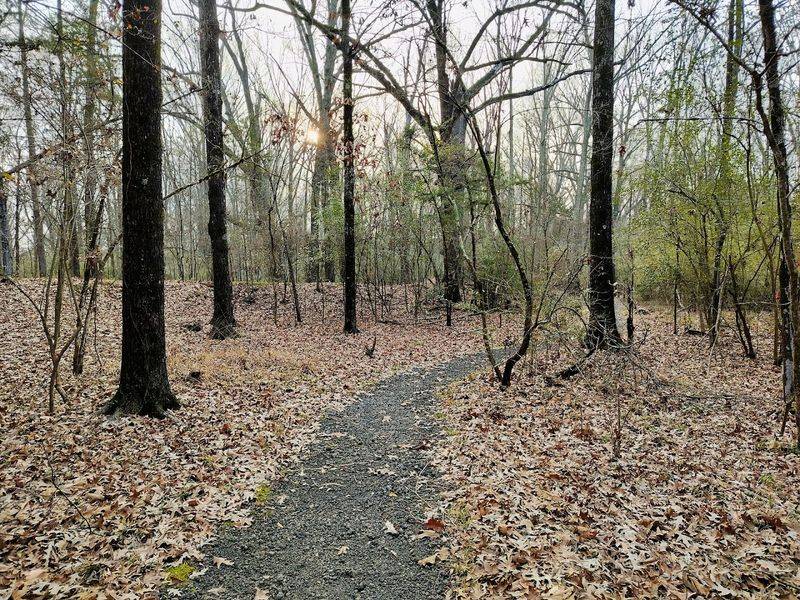
Butterfly activity at the nature center shifts noticeably with every season. The garden is not the same place in January as it is in October.
That constant change keeps regular visitors genuinely excited about coming back.
Monarchs pass through during their migration window, which is a limited and special time each year. Missing it feels like missing a concert you really wanted to attend.
Plan if you want to catch them.
Cloudless Sulphur butterflies are most visible in early fall. Their bright yellow wings make them easy to spot even from a distance.
Fall is honestly one of the best seasons to visit the butterfly habitat.
As temperatures drop, butterfly activity slows down noticeably. Butterflies are cold-blooded, so they depend on sunlight to warm their flight muscles.
Cool mornings mean fewer butterflies in the air.
Pearl Crescent caterpillars seek out shelter as winter approaches. The garden looks quieter during colder months, but the plants are still doing important work underground.
Spring brings everything roaring back to life in the most satisfying way.
Understanding these seasonal patterns helps you time your visit perfectly. A little planning goes a long way when butterfly watching is your goal.
The nature center website at clintonnaturecenter.org has helpful seasonal information worth checking before you head out.
Floral Plants That Attract And Support Butterflies
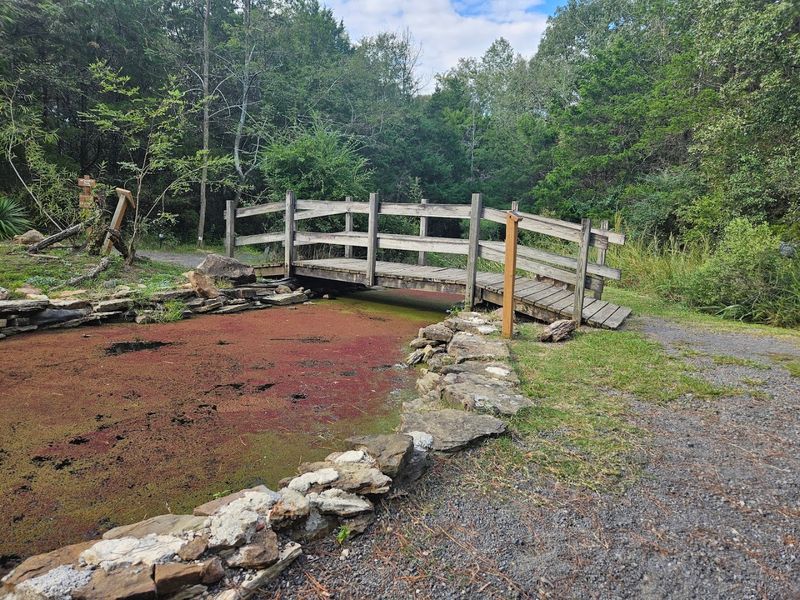
Plants are the backbone of any successful butterfly habitat, and the Clinton Community Nature Center takes that seriously. The garden is carefully designed with both nectar plants for adult butterflies and host plants for larvae.
It is a full-cycle approach to butterfly support.
Milkweed is one of the most critical plants on the property. Monarch butterflies depend on it completely for laying eggs and feeding caterpillars.
Without milkweed, Monarchs simply cannot reproduce.
Coneflowers and zinnias add color while pulling in a wide range of butterfly species. Lantana is another crowd favorite among butterflies.
Passionflower supports specific species like the Gulf Fritillary butterfly in a really direct way.
Parsley might seem like a kitchen herb, but it doubles as a host plant for Black Swallowtail caterpillars. The center’s Plant Native Project actively promotes the use of indigenous species throughout the garden.
Native plants are lower maintenance and far better for local wildlife than non-native alternatives.
Seeing all these plants working together is genuinely educational. You start understanding why a random patch of milkweed in your backyard actually matters.
The nature center makes that connection feel obvious and inspiring rather than preachy.
Educational Programs About Butterfly Conservation
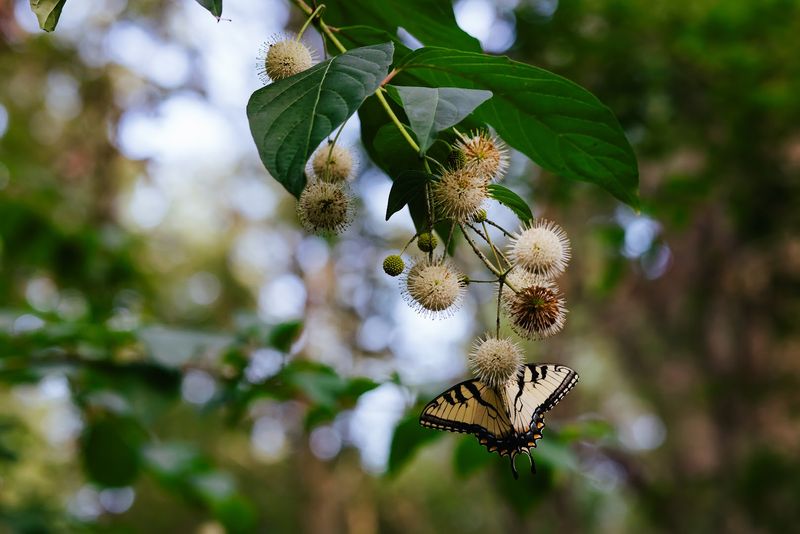
Conservation education is one of the strongest features of the Clinton Community Nature Center. The programs here are not dry lectures.
They are hands-on, community-focused, and genuinely fun for different age groups.
Nature Nuts is a monthly program designed for young children and their adult companions. It mixes outdoor activities with basic nature education in a format kids actually enjoy.
Parents tend to get just as into it as their little ones.
Elderberries is a program built specifically for adults who want guided walks and nature crafts. It is a low-pressure, social way to connect with the outdoors.
No prior nature experience is needed to jump in.
Trailblazers supports young adults with special needs through nature-based activities. The program creates an inclusive environment where everyone gets to experience the trails.
That kind of intentional accessibility matters a lot.
The Plant Native Project adds another educational layer by teaching the community about indigenous plant species. Understanding which plants support local butterflies is a practical skill people can take home.
Many visitors leave inspired to plant native species in their own yards.
All of these programs connect directly to butterfly conservation in meaningful ways. Learning about the ecosystem makes people care more about protecting it.
The nature center turns that caring into real community action.
Photography Tips For Capturing Beauty
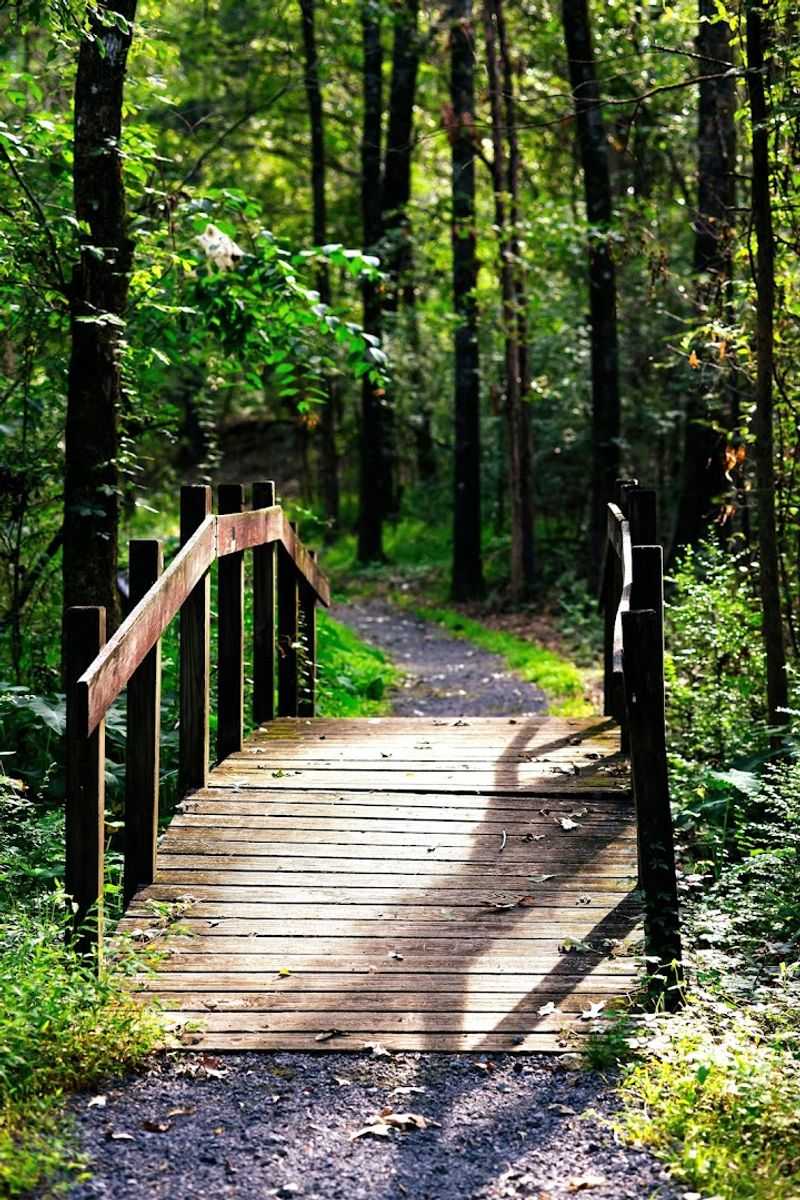
Photographing butterflies sounds simple until you actually try it. They move fast, they are skittish, and the lighting is never quite what you planned.
A little preparation makes a huge difference in what you walk away with.
A macro lens is your best friend in the butterfly garden. It lets you capture fine wing details without getting close enough to scare the butterfly off.
Telephoto lenses also work well if you prefer shooting from a distance.
Shutter speed is critical when butterflies are in motion. A fast shutter speed freezes wing movement and keeps your shot sharp.
Anything too slow and you end up with a colorful blur, which is frustrating.
Early morning is the ideal time to photograph butterflies at the nature center. The light is soft and golden, which flatters the colors on their wings.
Butterflies are also less active in the cool morning, so they tend to stay still longer.
Getting down to eye level with a resting butterfly changes everything about the composition. You get a more intimate, compelling angle that feels like you are in their world.
It requires a little patience and some crouching, but the results are worth it.
The garden at Clinton Community Nature Center has plenty of naturally beautiful backdrops. Native flowers, dappled sunlight, and green foliage create ready-made frames for great shots.
Bring a fully charged battery because you will take more photos than you expect.
How The Environment Shapes Wildlife Behavior
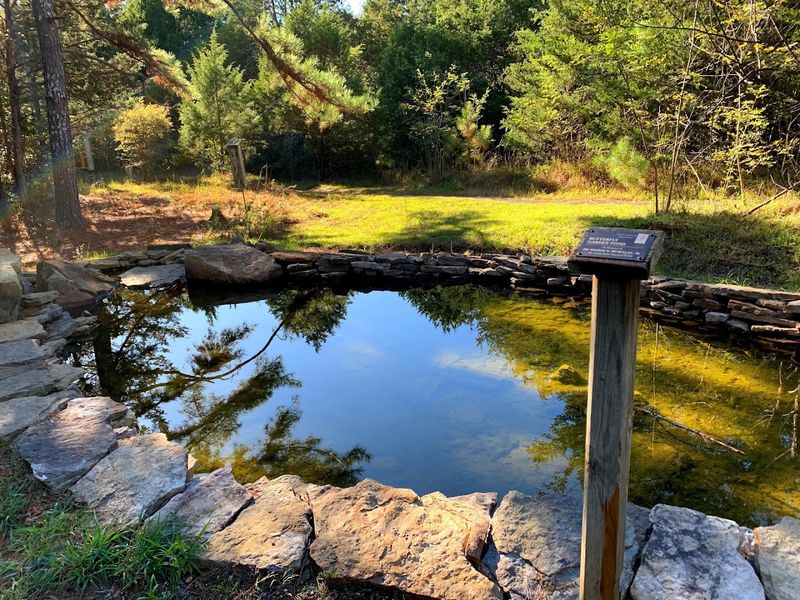
Environment shapes everything about how butterflies live, move, and survive. At Clinton Community Nature Center, the natural setting is carefully maintained to support healthy butterfly behavior.
The relationship between butterflies and their surroundings is more complex than most people realize.
Butterflies are cold-blooded, which means they cannot regulate their own body temperature. They rely on sunlight to warm up enough to fly.
On cloudy or cool days, you will notice far fewer butterflies in the air.
Host plants are non-negotiable for butterfly reproduction. Caterpillars are extremely picky eaters and will only feed on specific plant species.
Without the right host plants in the environment, butterfly populations simply cannot sustain themselves.
Nectar plants fuel adult butterflies throughout their short lives. The variety of flowering plants at the nature center ensures that multiple species can find food simultaneously.
That plant diversity directly supports species diversity in the butterfly population.
Predators also influence butterfly behavior in interesting ways. Butterflies have developed wing patterns that mimic dangerous species or blend into backgrounds.
Watching them navigate their environment reveals survival strategies that are genuinely fascinating.
The trails at the nature center wind through forested areas that provide additional shelter and microhabitats. Shade, moisture levels, and plant density all affect where different species choose to rest or feed.
Paying attention to these details makes every walk through the garden feel like a biology lesson you actually want to attend.
Interactive Exhibits Explaining Butterfly Metamorphosis
Metamorphosis is one of the most mind-bending processes in nature, and the Clinton Community Nature Center makes it genuinely understandable. The interactive exhibits break down the four stages in a way that clicks for kids and adults alike.
Seeing it laid out visually changes how you look at every butterfly you spot afterward.
The egg stage is easy to overlook in real life because butterfly eggs are tiny. Exhibits help visitors understand where to look and what different species’ eggs actually look like.
That kind of detail is hard to pick up from a textbook alone.
Caterpillars get a lot of attention in the exhibits because they are the feeding and growing stage. Everything a caterpillar eats fuels the transformation ahead.
The exhibits explain why host plant availability is so critical at this particular stage.
The chrysalis stage is where the real magic happens, and it is also the hardest to observe in the wild. Exhibits show what chrysalises look like for different species and how long the process typically takes.
Patience is required, and the payoff is worth every second of waiting.
Adult butterflies emerge ready to feed, mate, and continue the cycle. The exhibits connect all four stages into one continuous story.
Walking through the displays makes the whole process feel less like science class and more like watching a really good nature documentary in person.
Guided Tours Enhancing Visitor Experiences
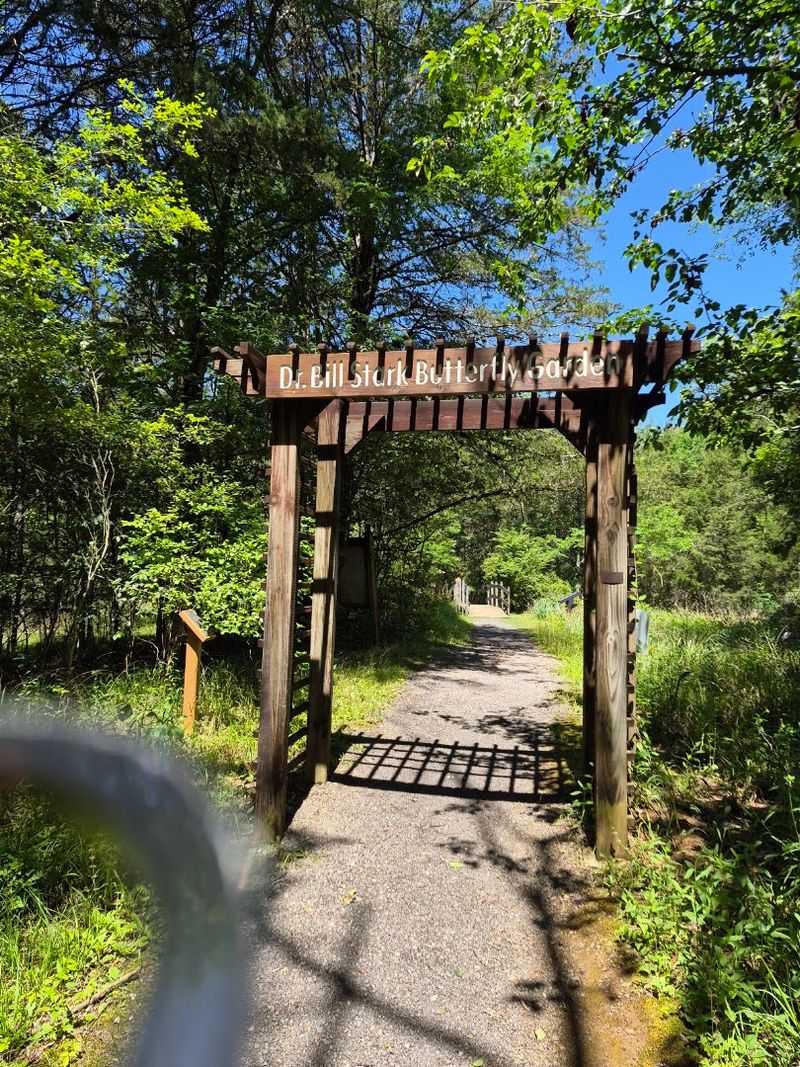
Exploring the trails alone at Clinton Community Nature Center is enjoyable, but a guided tour adds a completely different layer to the experience. Guides know where to look, what to listen for, and how to explain things in ways that actually stick.
Having that local knowledge along changes what you notice.
The Nature Nuts program includes guided hikes that are perfect for families with young children. The hikes move at an easy pace and include stops for observation and questions.
Kids tend to stay engaged longer when someone is actively pointing things out to them.
Field trips for school groups are also available through the nature center. Educators can request tours that align with specific topics like butterfly biology or native plant ecology.
The outdoor classroom setting makes learning feel less like school, which is always a win.
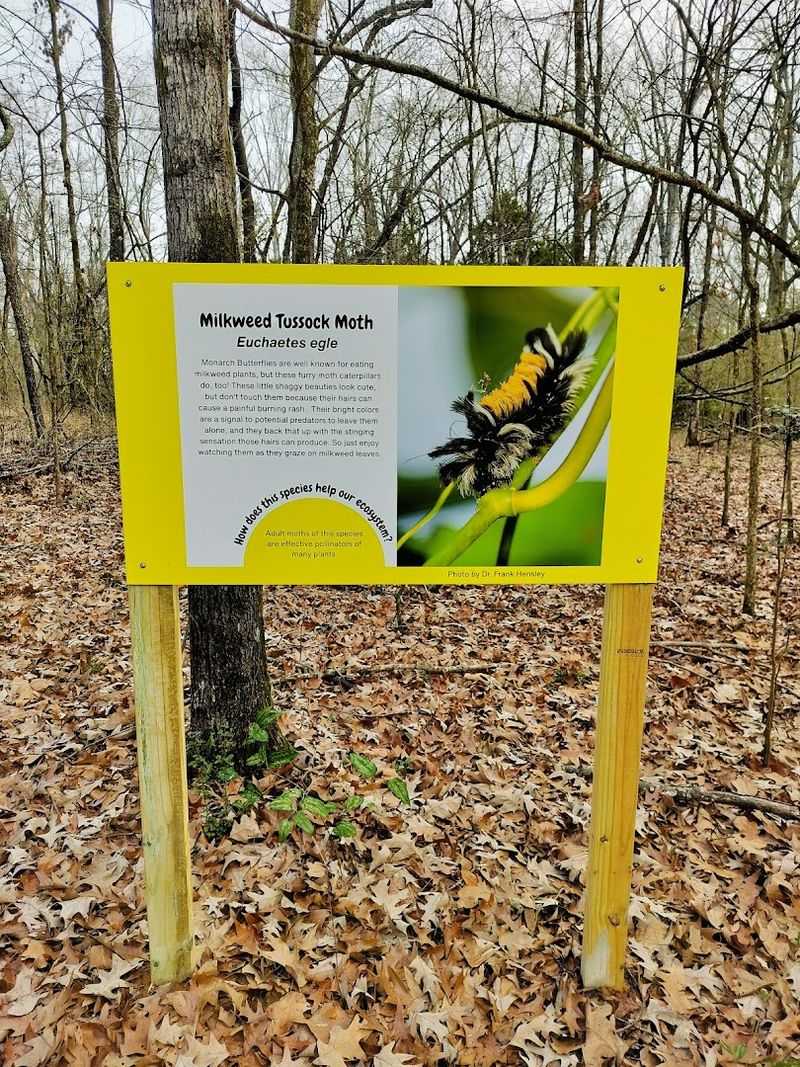
Self-guided exploration is fully supported too. Trails feature identification markers for trees and plants throughout the property.
You can learn a surprising amount just by reading the signs as you walk.
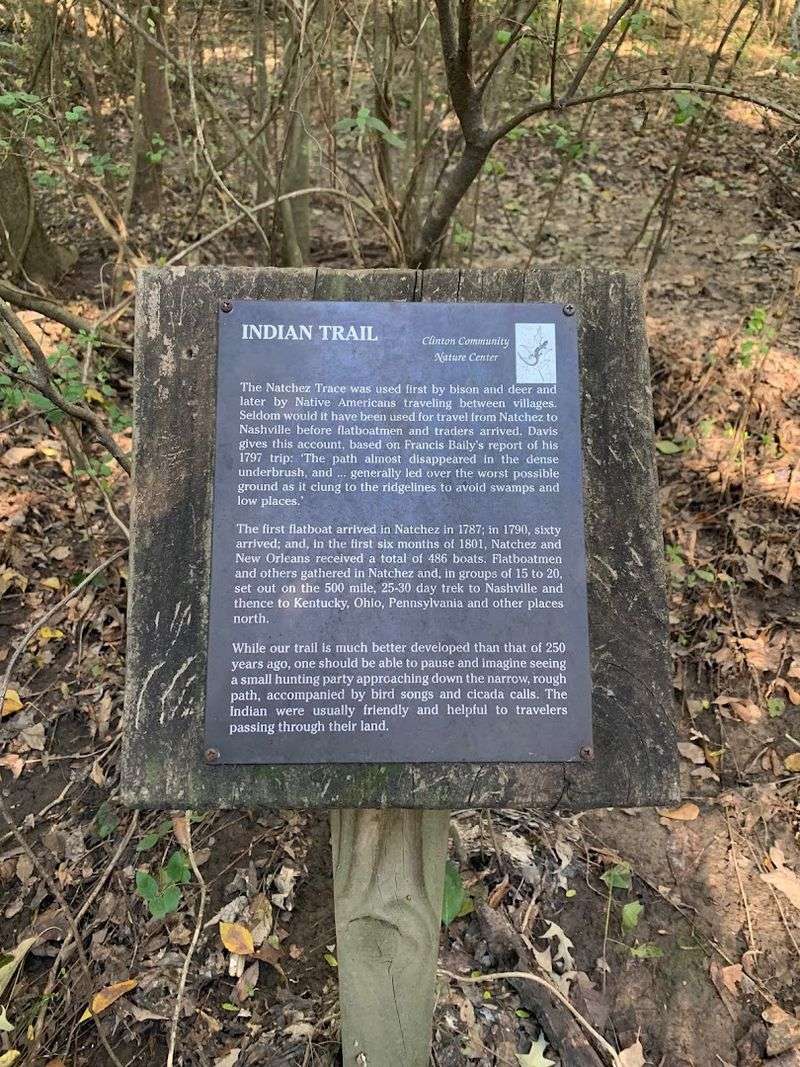
The trails themselves are well-marked and easy to follow. A portion of the Old Natchez Trace actually runs through the property, which adds a cool historical dimension to any walk.
That combination of natural and historical storytelling makes guided tours especially rich.
Calling ahead at +1 601-926-1104 is a smart move if you are planning a group visit. The nature center can help you schedule the right experience for your group size and interests.