
This Mississippi Factory Tour Is So Extensive Visitors Can Spend Nearly An Entire Day Exploring It
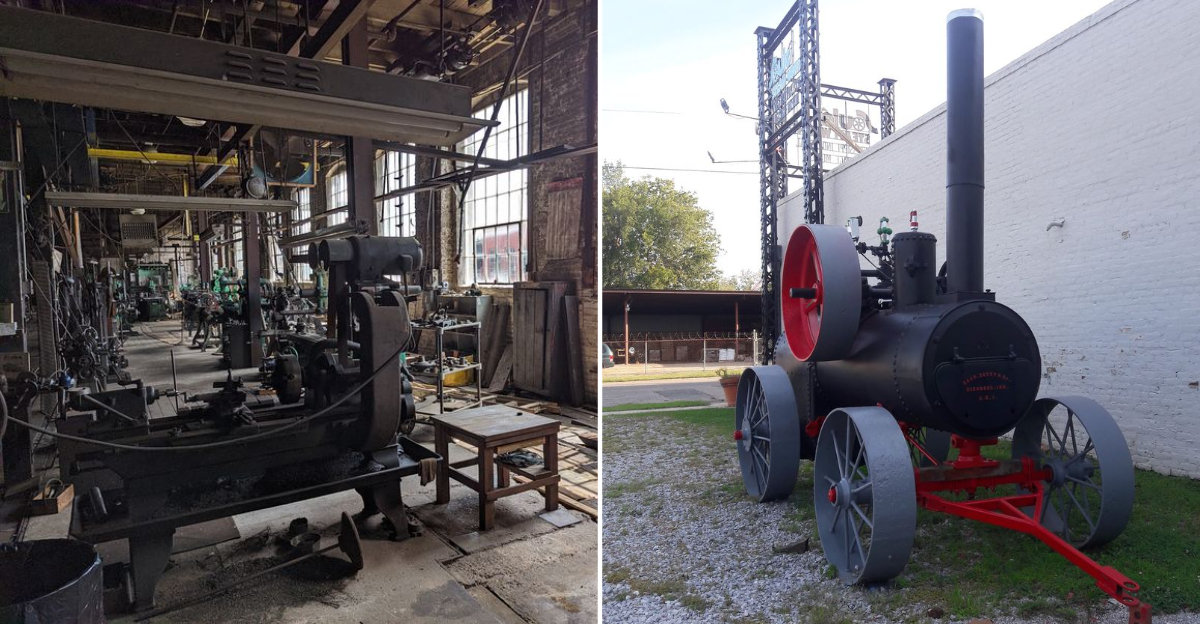
Some factory tours take a few minutes to complete, while this Mississippi one takes nearly an entire day. Visitors move through multiple stages of production, watching each step unfold in real time without any part skipped over.
Nothing about the process gets simplified or rushed for the sake of a shorter tour. Guides explain each stage in detail, adding context most quick tours elsewhere wouldn’t bother providing.
Regulars recommend blocking out extra time, since the tour covers far more ground than expected. Samples often appear along the way, giving visitors a taste of what they just watched being made.
Families and curious visitors both find something worth their attention throughout the entire experience. This factory proved that sometimes the best tours take their time explaining everything properly.
Historical Significance Of Industry
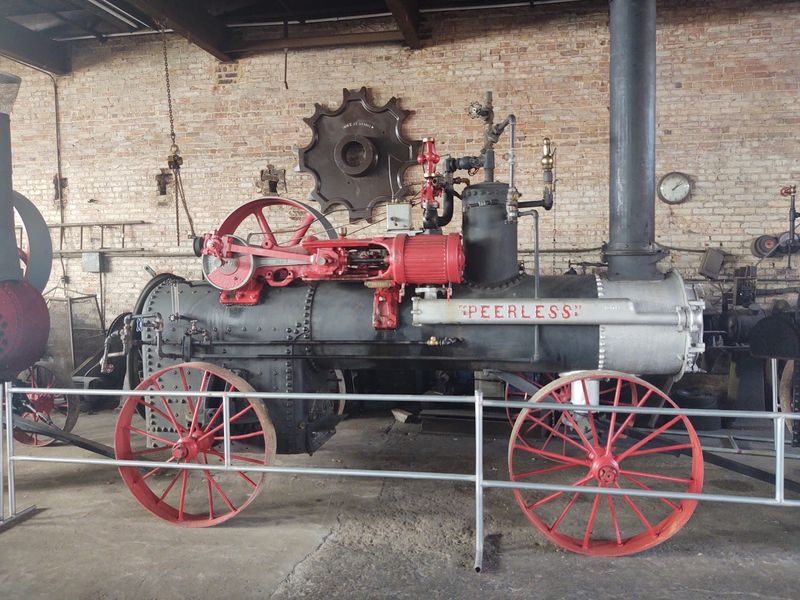
© Soulé Steam Museum – Mississippi Industrial Heritage Museum
James Soulé founded Soulé Steam Feed Works in 1890, which became one of the Deep South’s largest manufacturers of steam-powered sawmill equipment.
Machines built on these floors were shipped across the country and overseas.
George W. Soulé, an inventor with a restless brain, pulled in more than 20 patents.
His list includes rotary steam engines, lumber stackers, mechanical log turners, and cottonseed hullers.
Here’s the part that makes historians sit up straight. The complex is the last intact steam engine factory left in the entire United States.
Meridian was a serious industrial town after the Civil War, rebuilding fast even after Sherman’s 1864 campaign tore through the area. Railroads met here, money moved here, and factories filled the gaps.
The Mississippi Industrial Heritage Museum came along in 2002 to protect all of it. Two years later, the state named it the Official Historical Industrial Museum in Mississippi.
What makes the site matter isn’t just the age of the buildings. It’s the fact that an entire manufacturing operation survived in one piece, from pattern shop to shipping dock.
Most industrial history sits behind glass in a display case somewhere. Not this.
The whole business is still standing at 1808 4th St, Meridian, MS 39301.
Step By Step Guide To Factory Tour Highlights
Tours here start with a short introductory video, which sets up the story before anyone wanders off between the lathes. From there, self-guided exploration opens up the factory’s first floor along with detailed informative displays.
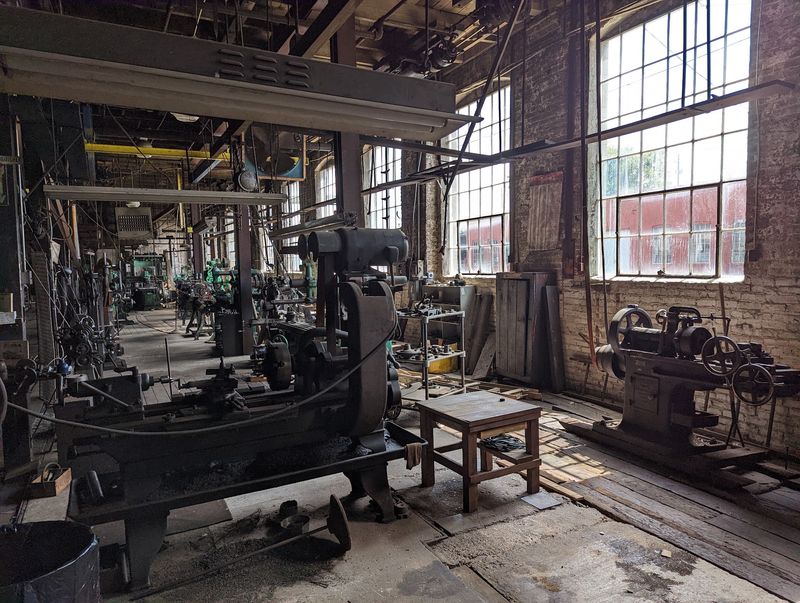
The 1907 belt-driven machine shop tends to stop people in their tracks. Its original drive shaft still runs, and the room looks close to how it did before World War II.
Next comes the foundry, which includes the cupola furnace, the core-making department, and the pattern shop. Seeing all three in one building is rare.
Down the hall sits the Soulé office, still furnished the way it was in the 1930s. Desks, chairs, paperwork spots, the works.
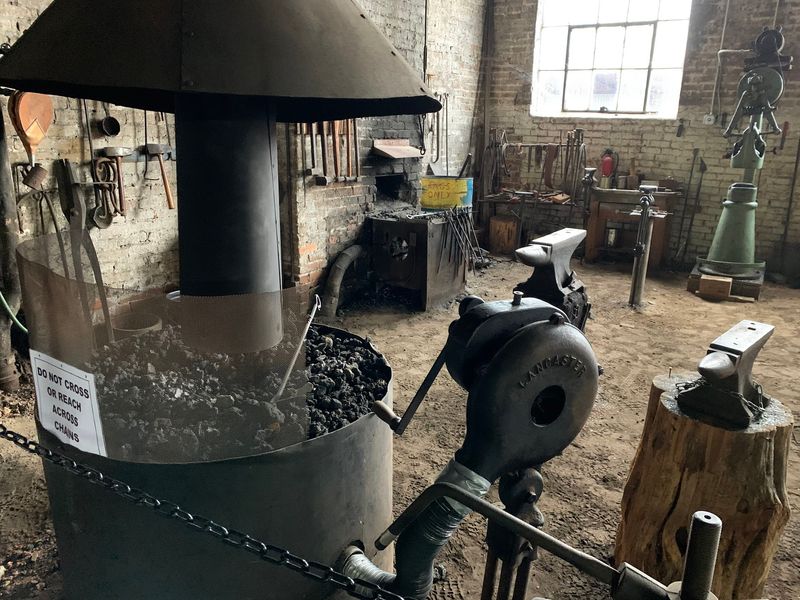
An indoor forge is part of the route too, the exact corner where a blacksmith once hammered out parts for the machines being built a few steps away.
Then there’s Steam Alley, one of the open-air sections that gives the property its rough, unpolished character. Weather, rust, and time are all visible.
Guided tour times have historically run in the morning and early afternoon, so calling ahead helps with planning. Demonstration days are the jackpot.
On those special days, restored steam engines fire up, and the belt-driven systems actually move. Watching a factory run on steam explains more in ten minutes than a textbook chapter ever could.
Rare Machinery And Equipment Displayed
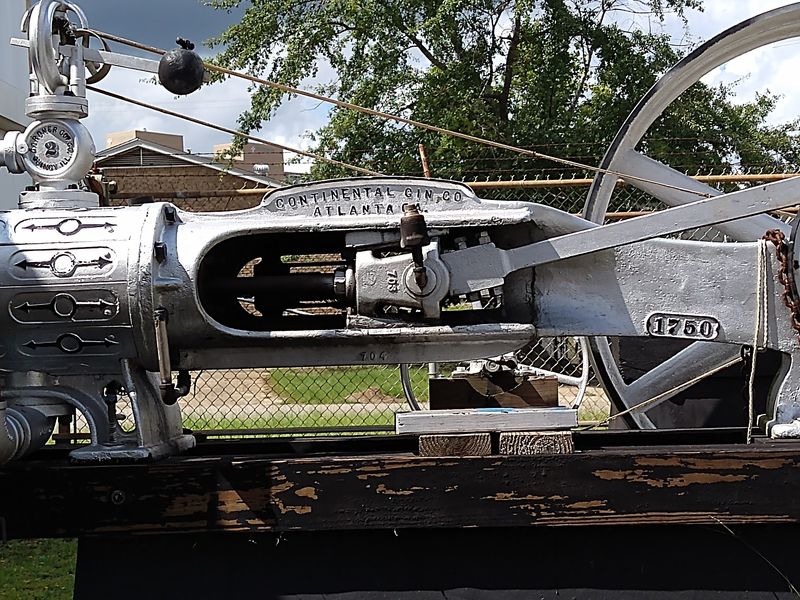
Two rotary steam engines sit in this collection, and they carry a wild claim behind them. That style is believed to be the only rotary steam engine ever manufactured and successfully sold anywhere in the world.
The spine of the machine shop is a belt-driven line shaft that stretches somewhere between 106 and 120 feet, depending on which account you read. It still works, and it still powers machines that are over a century old.
Leather belts snake down from the ceiling to lathes, drills, and planers. Everything runs from one turning shaft, which was cutting-edge thinking in its day.
Over in the foundry stands the Paxson Cupola Furnace. Coke once burned inside it hot enough to pour tons of molten iron every single week.
The office holds smaller treasures that are just as fun. Antique typewriters, adding machines, and an Ediphone are all part of the mix.
Then there’s the oddball of the collection. A 1928 Wurlitzer Caliola, one of roughly 300 ever built, and it still plays.
Photographers have a field day with all of it. Rust, cast iron, gears, and grimy windows make for images that look nothing like a typical museum visit.
Gear heads, engineers, and curious kids all find something worth staring at.
Interactive Exhibits For Hands On Learning
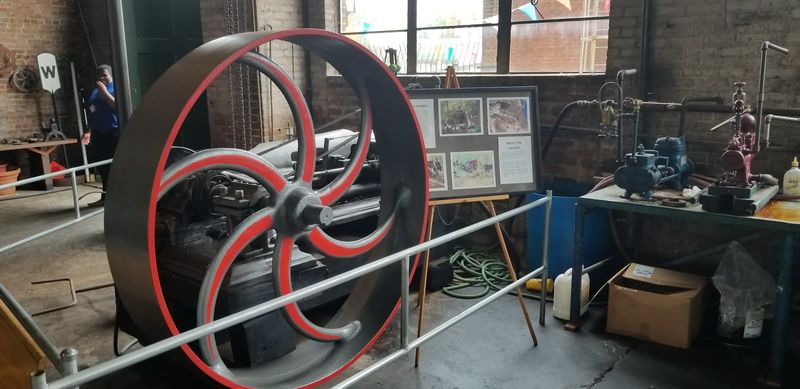
Nobody gets to drive a hundred-year-old steam engine, and honestly, that’s for the best. Safety wins.
But demonstration days let visitors watch those machines wake up and run under real steam.
The traveling Smithsonian exhibition called Spark! Places of Innovation brings a different flavor to the property.
It uses interactives, videos, and digital stories to show how creative thinking takes root in small communities, Meridian included.
Every November, the Soulé Live Steam Show turns the whole factory into a working shop again. Engines hiss, belts slap, and the noise level tells its own story.
Demonstrators during the show teach traditional trades that are getting harder to find. Blacksmithing, woodworking, antique printing presses, and linotype machines all get their moment.
Local technology students also run some of the antique equipment in the machine shop, which is a neat handoff between generations.
Maker Faire Meridian lands here too. Inventors, tinkerers, and hobbyists set up projects that range from clever to completely bonkers.
Families with restless kids do well on event days, when there’s motion and sound everywhere. Quiet weekdays suit people who prefer reading every label without a crowd.
Either way, the museum manages something tricky. It makes 19th-century engineering feel like a hands-on subject rather than a dusty one.
Behind The Scenes Manufacturing Processes
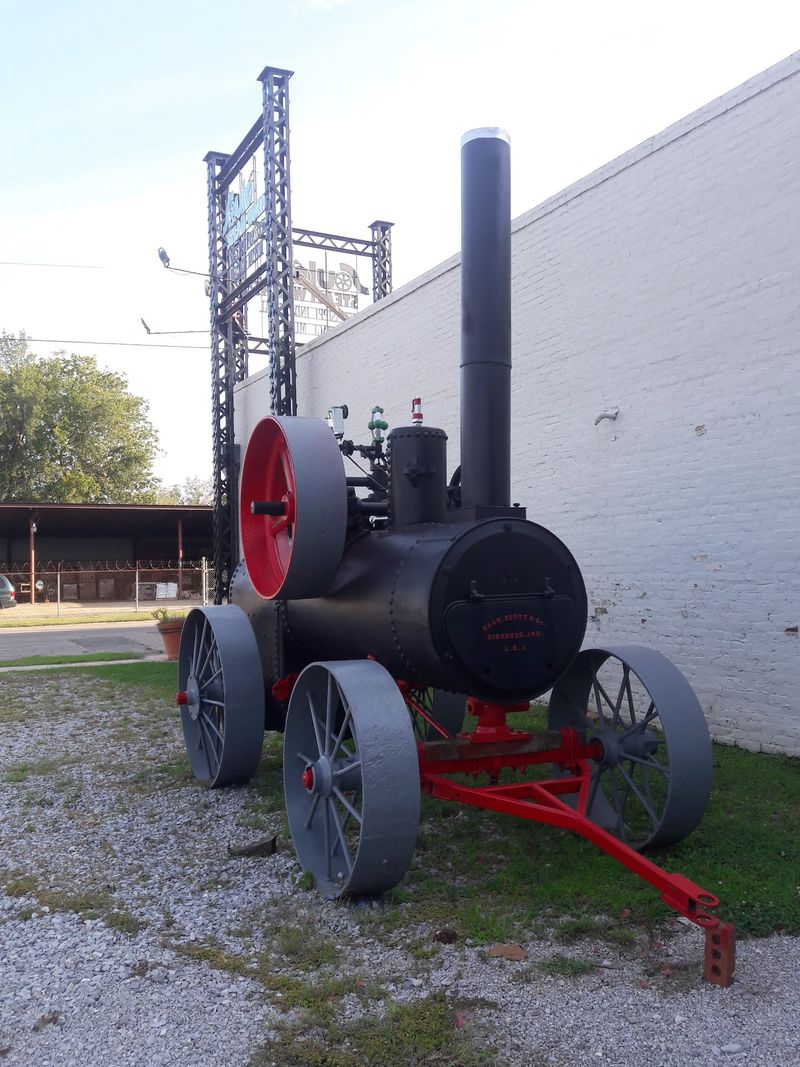
Most factory tours show you a finished product and call it a day. This one shows the whole chain, from raw iron to a crated engine ready to ship.
Soulé cast iron for equipment housings right on site. Workers machined individual parts and poured babbitt bearings without sending anything out.
Walking through the departments in order makes the process click. Pattern shop, foundry, machine shop, assembly area, blacksmith shop, all connected.
The pattern shop is where wooden models were carved before sand molds got made. Skip that step and nothing else happens.
The 1907 machine shop still uses its original belt-driven drive shaft to spin its equipment. One power source, dozens of machines.
When the foundry went up in 1917, it was state of the art. It came fully loaded with a cupola furnace, a core-making department, and its own pattern shop.
A network of rails and cranes tied the buildings together. Heavy castings rolled from the foundry to the machine shop and eventually out to the street.
Seeing that layout explains why factories were built the way they were. Every step was arranged to save steps.
The employee wash-up room adds a human note, a place where workers scrubbed off oil and iron dust before heading home clean.
Preservation Efforts Of Artifacts
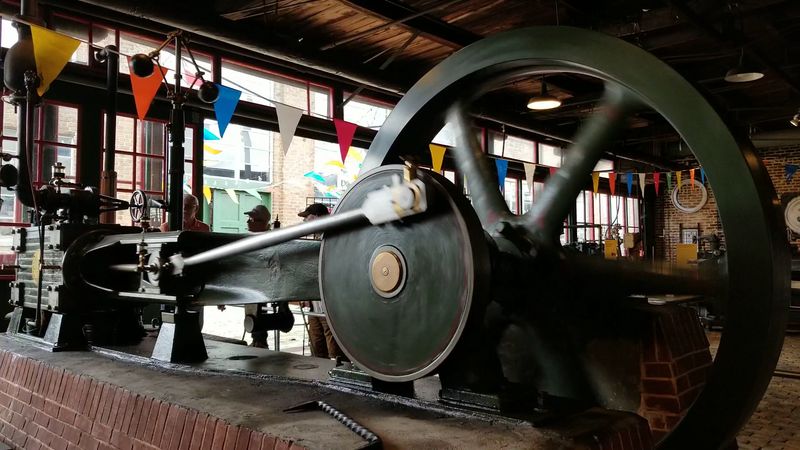
In 2004 the Mississippi Industrial Heritage Museum acquired the Soulé Steam Feed Works complex, and the timing mattered. The company had closed, and demolition was a real possibility.
Preserving and interpreting America’s industrial heritage sits at the center of the museum’s mission. That mission plays out inside the original factory buildings rather than a new visitor center.
Roughly 80 percent of Soulé’s original furnishings and equipment are still here. For an industrial site, that number is almost unheard of.
Part of the credit goes to something delightfully unglamorous. The Soulé family was thrifty and rarely bothered replacing machinery.
For over a century, they kept using what already worked. The result was an accidental time capsule that nobody planned to create.
Restoration work leans toward authenticity instead of polish. The goal is a place that looks and feels like a working factory, not a shiny recreation.
Staff and volunteers have poured serious hours into stabilizing buildings and rebuilding steam engines. Some of those engines run today because someone spent months on them.
That approach means visitors see grime, patina, and worn floorboards. Those details are the point.
Preservation here isn’t about making history pretty. It’s about keeping proof that people in this country once built heavy iron machinery by hand.
Stories Of Workers And Community Impact
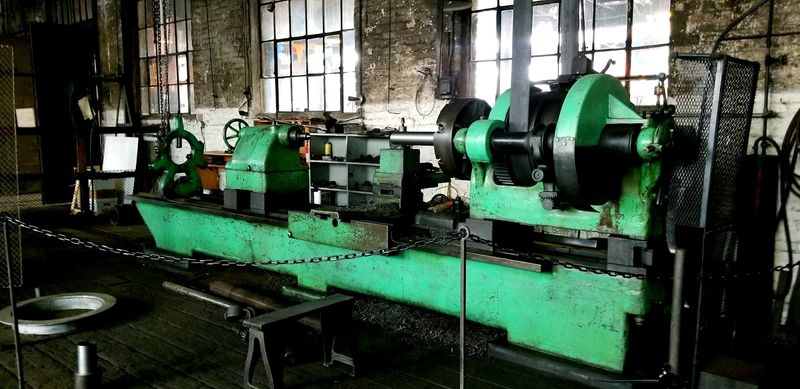
Machines get the attention, but the people who ran them are the better story. Foundrymen, pattern-makers, and journeyman machinists shaped products that shipped around the globe.
The employee locker room brings that home fast. Lockers and wash-up spots show the daily rhythm of men covered in oil and iron dust.
Skilled trades ran on apprenticeships back then. A machinist earned that title slowly, learning from someone older who had learned the same way.
The museum doesn’t dodge harder topics either. Exhibits touch on child labor problems across the South and how solutions took shape in Meridian.
The Soulé family, their workers, and neighboring industries all get credit for helping build America into an industrial power. It’s a local story with national weight.
Innovation didn’t stop when the steam engines cooled. Displays connect Soulé’s inventors to modern entrepreneurs working in science, technology, and the arts around Meridian.
One surprise tucked into the exhibits is Rosie the Riveter’s connection to Meridian. Visitors can even hear an original 1940s song about her.
Those details turn a machinery collection into something warmer. Families, paychecks, pride, and long shifts are all part of the record.
Anyone whose grandparents worked in a mill or shop will recognize the mood immediately.
Educational Programs And Workshops Offered
School groups are a big deal here, and guided tours get tailored specifically for students. Field trips turn a physics lesson into something loud and visible.
The Spark! Places of Innovation exhibit, built with the Smithsonian, looks at how good ideas grow in rural communities.
People, place, and circumstance all factor in.
Museum staff built a companion exhibit to go with it, focused on Meridian’s own homegrown innovators. Local pride shows up in the details.
The Soulé Live Steam Show, usually held in early November, is the biggest annual event on the calendar. Engines run on real steam and the factory sounds alive.
During that festival, demonstrators teach crafts that used to be everyday skills. Blacksmithing, woodworking, broom-making, and historical printing presses all get demonstrated.
Maker Faire Meridian brings a different crowd. Builders and hobbyists share projects, and curious visitors leave with ideas rattling around.
Hours run Tuesday through Saturday from 10 AM to 4 PM, with Sunday and Monday closed. Calling ahead at 601-693-9905 helps confirm tour times and event schedules.
Allowing two to three hours is smart, and history-minded visitors often stay much longer. On festival weekends, plan for most of the day.
It all supports one goal, keeping industrial know-how from fading into old photographs.