
This Mississippi Fish Camp Has The Crispiest Fried Catfish That Keeps People Coming Back
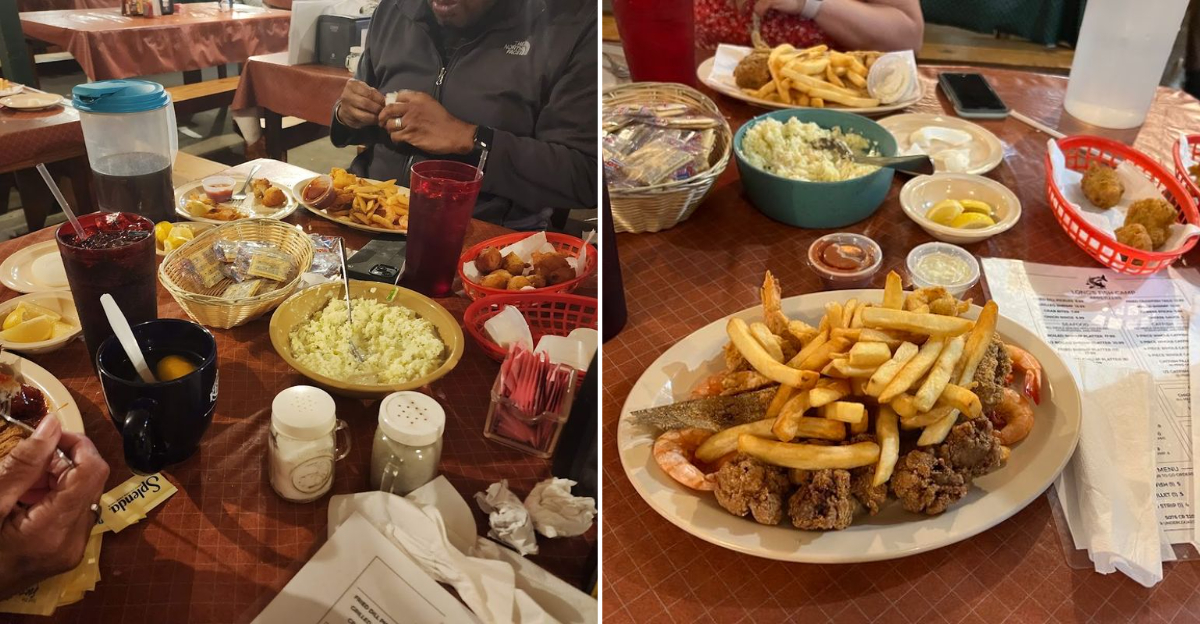
“Eat what makes you happy, and let the river take care of the rest.” That informal rule has guided the regulars of the Southern waterways for over half a century.
A legendary fish camp operating in Mississippi turns that simple wisdom into a culinary religion every single night. The gravel parking lot fills up with pickup trucks before the kitchen staff even turns on the fryers.
Inside, the golden cornmeal crust on the catfish shatters with an audible crunch that sets the standard for the entire region. The meat underneath remains steaming, flaky, and perfectly tender.
It is a texture that corporate franchise restaurants have tried to replicate for decades without success. People willingly drive across three counties just to sit at these worn wooden tables.
They come for a taste of tradition that refuses to alter its recipe for modern trends.
History And Tradition Of Catfish Frying
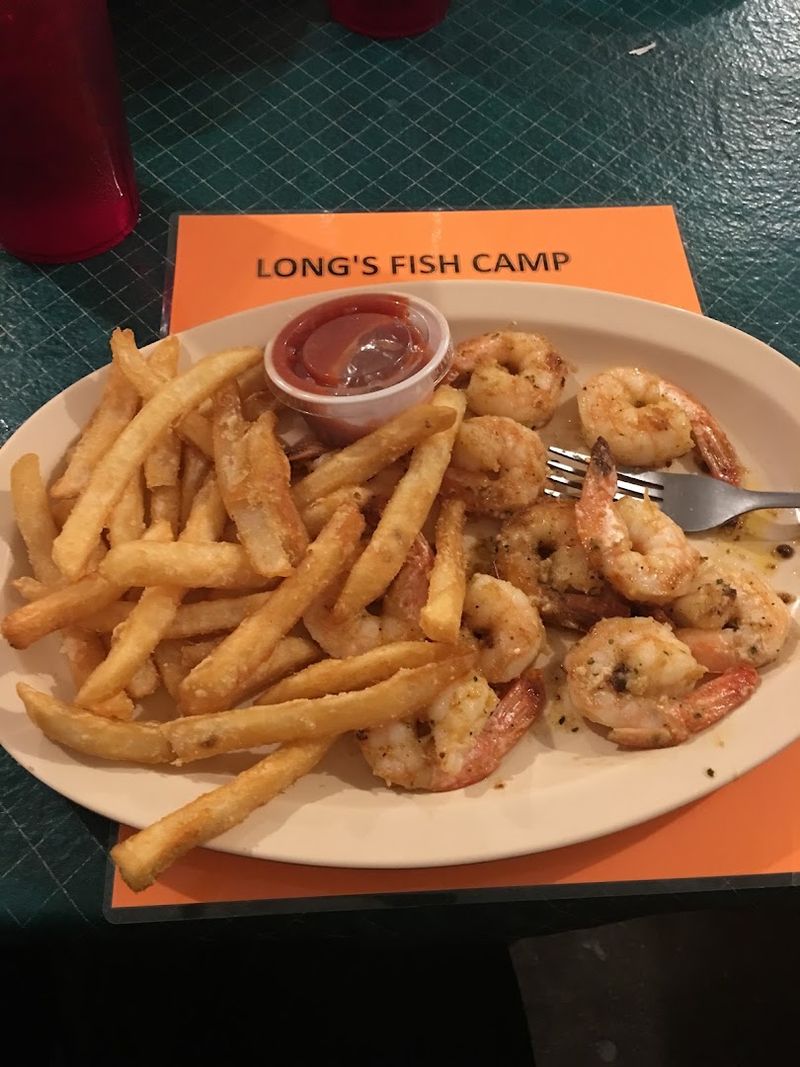
This place first opened its doors in 1967, and that says a lot. Over five decades of frying catfish is not a small thing.
That kind of history builds a reputation that no marketing budget can buy.
Catfish frying in Mississippi goes back centuries. Native Americans cooked catfish long before restaurants existed.
African American cooks later shaped the dish into the Soul Food staple people love today. Fried catfish became popular because it was affordable and easy to prepare well.
Mississippi changed the game in the late 1960s. The state became a major hub for farm-raised catfish production.
That timing lines up almost perfectly with when Long’s Fish Camp opened. The tradition here is not just about the food.
It is about community, heritage, and a shared love for something simple done right.
The famous blues song “Catfish Blues” even came from a Mississippi musician. That tells you how deeply catfish runs through this state’s culture.
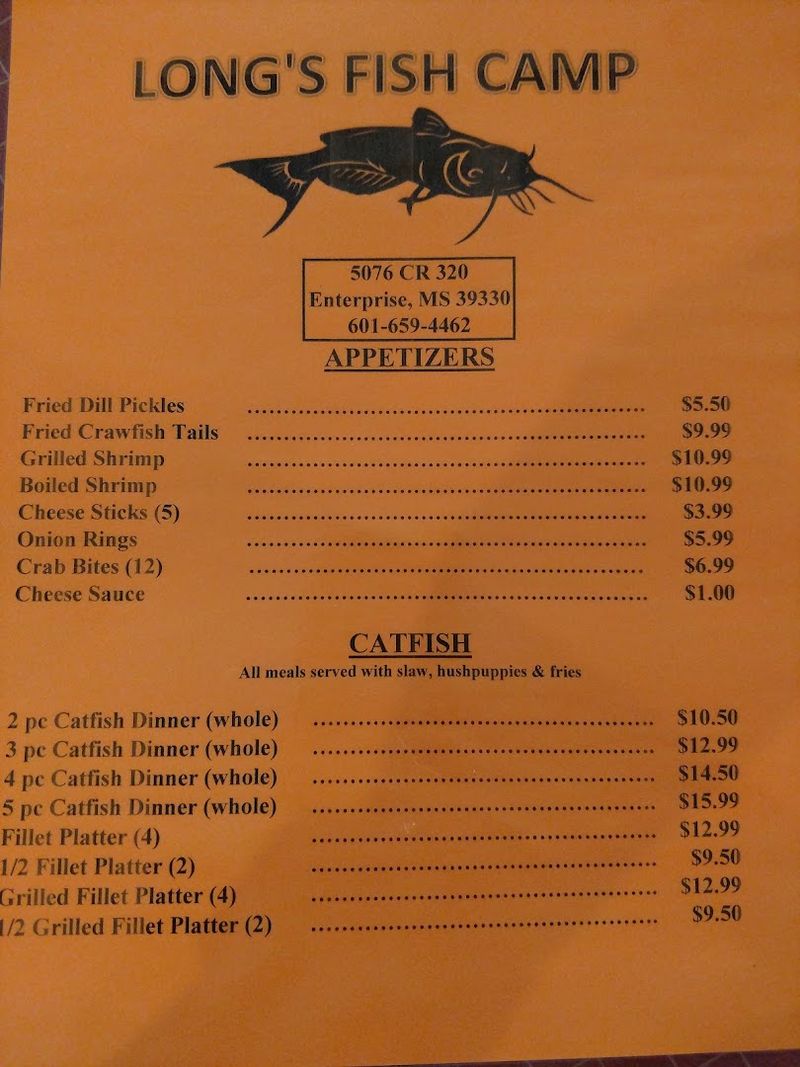
Long’s Fish Camp sits right inside that story. You can find it at 5076 Co Rd 320, Enterprise, MS 39330.
The drive out there is part of the experience. Country roads, open sky, and a fish camp that has outlasted nearly everything around it.
Unique Breading Techniques That Enhance Flavor
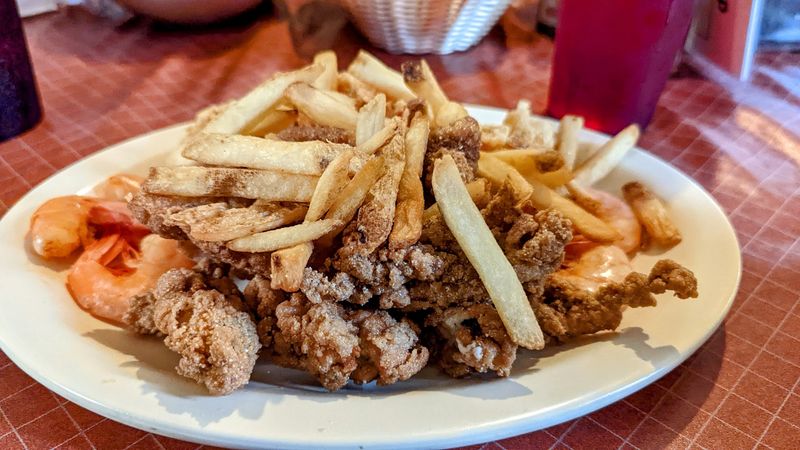
The breading at Long’s Fish Camp is not heavy or thick. That is actually the point.
A light, single-coating cornmeal crust lets the fish flavor come through without getting buried.
Mississippi-style catfish skips the heavy batter most people picture with fried food. Cornmeal is the star here, not flour-heavy dough.
Finely ground cornmeal sticks to the fish and fries up with a satisfying crunch. Seasonings like cayenne pepper, salt, and black pepper do the rest of the flavor work.
Some recipes add lemon pepper or seasoned salt to the mix. Both bring brightness without overpowering the fish itself.
Many cooks also soak the fillets in buttermilk before breading. Buttermilk helps the cornmeal grip the fish evenly.
It also adds a faint tang that balances the richness of frying oil.
One detail that separates good fried catfish from great fried catfish is resting time. After breading, the fillets need a few minutes to set before hitting the oil.
Skipping that step causes the crust to fall off during frying. Long’s Fish Camp understands this.
Every step matters, from the first dredge in cornmeal to the last drain on the rack. The result is a crust that stays on and crunches loud enough for the whole table to hear.
Local Mississippi Ingredients For Freshness
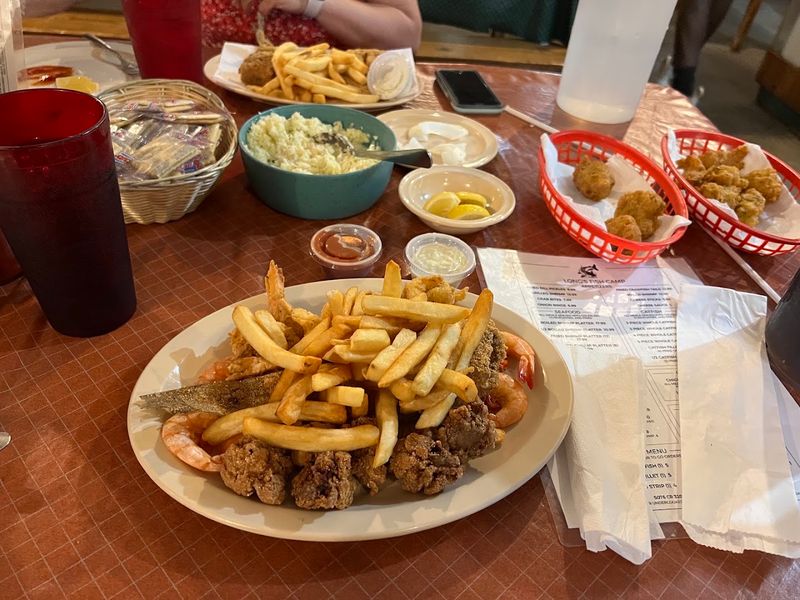
Mississippi is one of the top producers of farm-raised catfish in the entire country. That is not a fun trivia fact.
That is a real advantage for any restaurant operating in this state.
Farm-raised catfish tastes milder than wild-caught fish. Wild catfish can carry a muddy or strong flavor depending on where it lived.
Farm-raised catfish grows in controlled ponds with monitored water quality. Mississippi farmers feed their fish from the surface of the water.
That feeding method keeps the fish from rooting around at the bottom of the pond. The result is a cleaner, more neutral flavor that lets the seasoning and breading shine.
Long’s Fish Camp benefits directly from being in Mississippi. Fresh, locally raised catfish does not need to travel far.
Less travel time means better texture and better taste on the plate. The fish arrives firm, not soft or waterlogged.
Many restaurants across the country serve catfish that has been frozen and shipped. That is a totally different product.
When you eat at Long’s Fish Camp, you are eating fish that belongs to this region. It grew here.
It tastes like here. Mississippi’s catfish industry built a reputation for quality, and Long’s Fish Camp has been part of that story since the very beginning.
Fresh ingredients and a proud local supply chain make a real difference in every single bite.
Cooking Methods That Achieve Optimal Crispiness
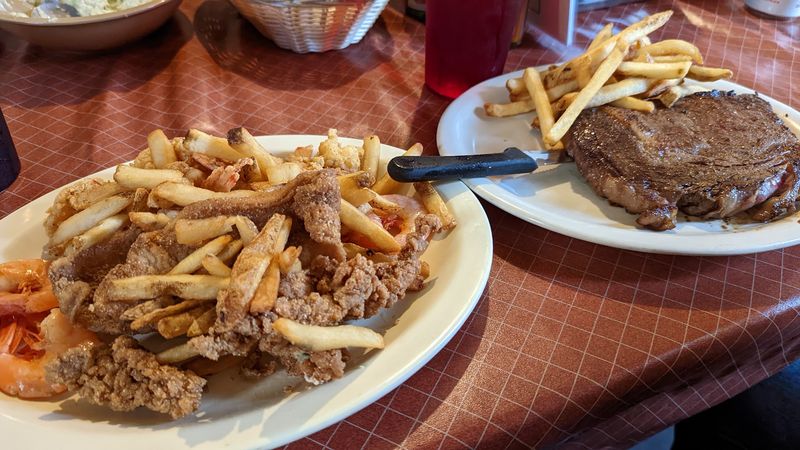
Getting catfish truly crispy is a science. Oil temperature is everything.
Too low and the fish absorbs grease. Too high and the outside burns before the inside cooks through.
Long’s Fish Camp fries its catfish in good oil and serves it hot. That combination sounds simple, but most people mess up one or both parts.
The ideal oil temperature sits between 350 and 375 degrees Fahrenheit. A cast-iron pan holds heat steadily, which makes it a top choice for frying.
A deep fryer works well too, especially for consistent results across many orders.
Overcrowding the pan is a common mistake at home. When too many fillets go in at once, the oil temperature drops fast.
That leads to soggy, greasy fish instead of crispy golden ones. Frying in small batches keeps the oil hot and the crust tight.
Knowing when the fish is done takes a little practice. Properly cooked catfish fillets will float to the surface of the oil.
They turn a deep golden brown on the outside. Pulling them too early leaves the inside undercooked.
After frying, placing the fish on a wire rack instead of a paper towel makes a big difference. Paper towels trap steam underneath and soften the crust.
A wire rack lets air circulate all around the fillet, keeping every surface crispy until it hits the table.
Serving Suggestions For The Perfect Meal
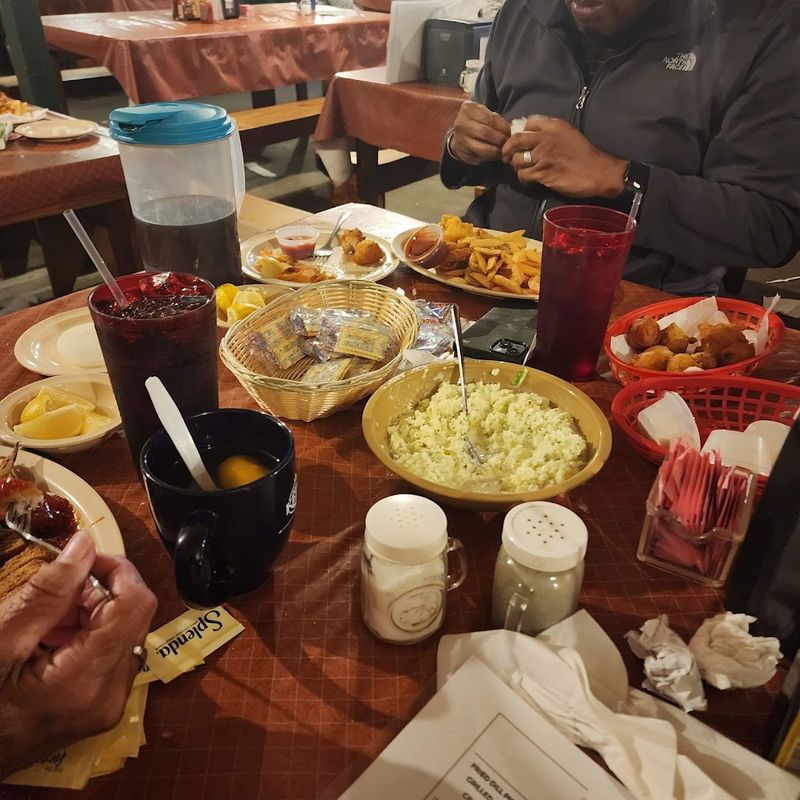
A great piece of fried catfish deserves equally great company on the plate. Long’s Fish Camp serves its seafood platters with hushpuppies and coleslaw, and both earn their spot on the tray.
The coleslaw at Long’s has a reputation all its own. It is fresh, crisp, and has a tangy quality that cuts right through the richness of fried food.
Hushpuppies arrive early at the table as a standard side with every entree. That is a good sign at any Southern fish spot.
Both regular and spicy versions of hushpuppies are available, so there is an option for everyone.
Lemon wedges, hot sauce, and tartar sauce round out the classic setup. A squeeze of lemon brightens the whole plate.
Hot sauce adds heat without hiding the catfish flavor. Tartar sauce brings a creamy, tangy contrast that works perfectly with the crunchy crust.
Other popular sides include French fries, onion rings, and cornbread. Comeback sauce, a Southern condiment with roots in Mississippi, also pairs well with fried fish.
It has a slightly spicy, creamy flavor that is hard to describe but easy to enjoy. The goal with any great catfish meal is balance.
Crispy fish needs something cool and fresh beside it. Something tangy, something soft, something warm.
Long’s Fish Camp builds that balance naturally, and it shows in every full plate that leaves the kitchen.
Cultural Importance Of Catfish In Mississippi
Catfish is not just food in Mississippi. It is a cultural symbol that shows up at church suppers, family reunions, and roadside spots all across the state.
It connects people across generations.
The Mississippi Delta region sits at the center of the American catfish farming industry. Humphreys County even calls itself the Catfish Capital of the World.
That is not a casual nickname. Catfish farming transformed the Delta economy starting in the 1960s, right around the time Long’s Fish Camp was getting started.
The timing is part of the same Mississippi story.
The annual World Catfish Festival celebrates the industry and the culture surrounding it. Events like that remind people why catfish matters beyond just dinner.
It represents livelihoods, traditions, and a way of life that is uniquely Southern. Catfish shows up in music too.
Blues musicians from Mississippi wrote about catfish long before it became a farming industry staple.
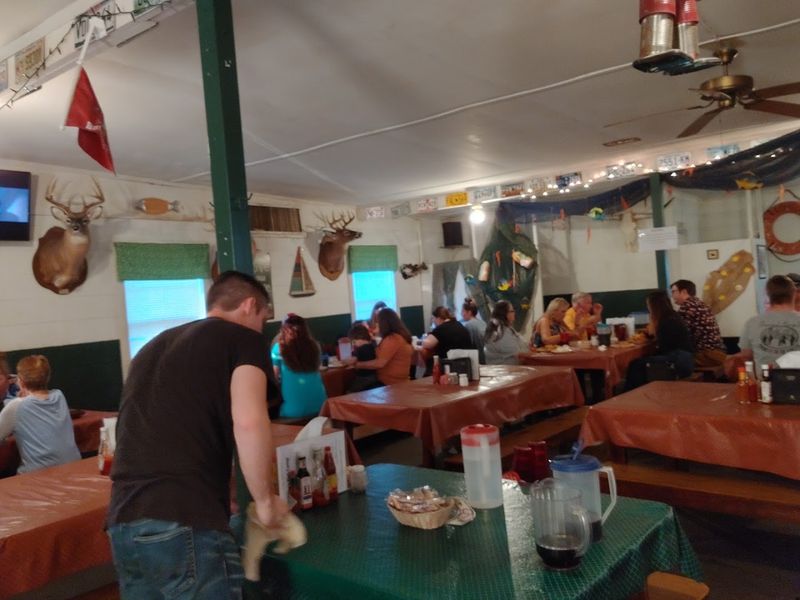
At Long’s Fish Camp, that cultural weight is present even if nobody talks about it out loud. The mounted animals on the walls, the family-friendly atmosphere, and the decades of loyal customers all reflect something bigger than a menu item.
This is a place where Mississippi’s catfish culture lives in a very real and very delicious way. Walking through the door connects you to something that has been part of this state’s identity for a very long time.
Choosing The Perfect Sides For Fried Fish
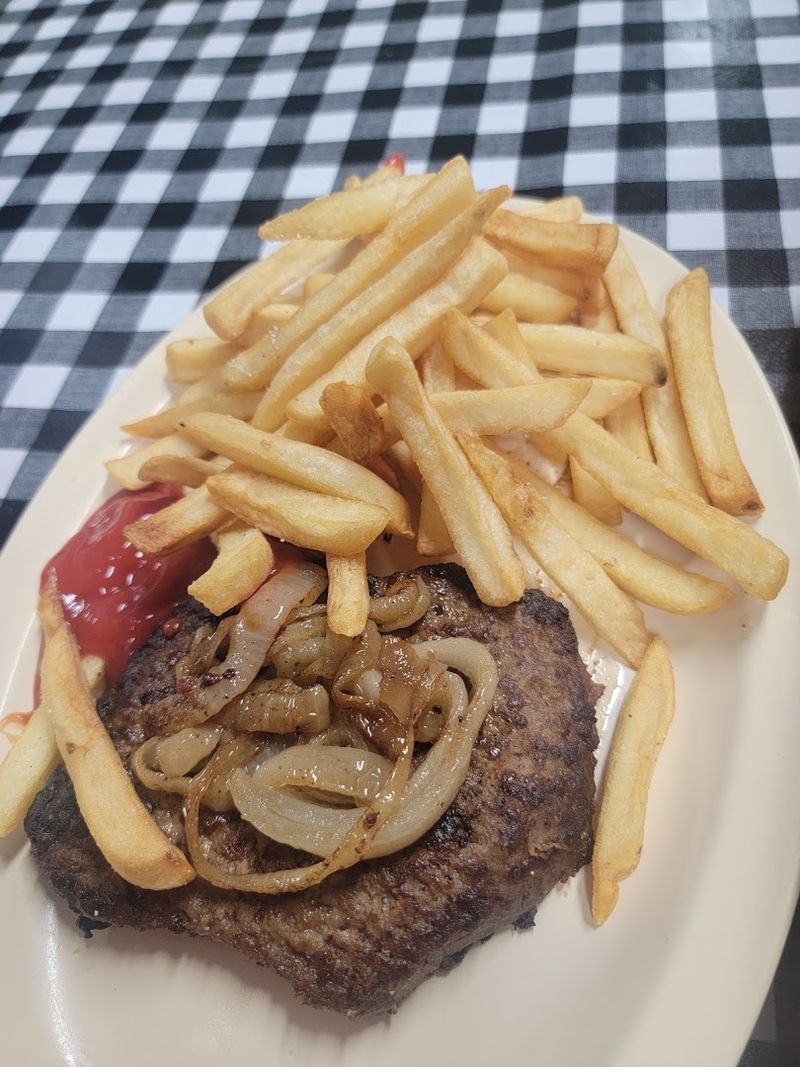
Crispy fried catfish is bold and rich on its own. The right sides do not compete with it.
They balance it. That balance is what turns a good meal into a memorable one.
Long’s Fish Camp pairs its catfish with fresh, tangy coleslaw. The coleslaw is finely shredded and has a bright, vinegary quality.
That tang acts like a palate cleanser between bites of fried fish. It keeps each forkful tasting fresh instead of heavy.
Hushpuppies add a soft, slightly sweet contrast to the crunchy catfish crust. French fries and onion rings bring extra texture variety to the plate.
Southern greens like collard greens also work beautifully alongside fried catfish. They carry an earthy, slightly bitter flavor that offsets the saltiness of the fish.
Cornbread soaks up any sauces and adds a warm, crumbly element to the meal. Each side plays a different role, and together they create a full Southern dining experience.
Tartar sauce and lemon wedges are non-negotiable finishing touches. Lemon juice adds acidity that lifts the whole plate.
Tartar sauce adds cool creaminess that softens the crunch just enough. The goal is variety on one plate.
Crunchy fish, cool slaw, soft bread, bright citrus. Every element at Long’s Fish Camp earns its place beside that golden catfish fillet.
Nothing on the plate is there by accident, and that attention to the full meal is part of what keeps people returning.
Tips For Recreating Perfectly Fried Fish At Home
Making crispy fried catfish at home is absolutely doable. The process is straightforward if you follow a few key steps.
Skipping any one of them usually shows up in the final result.
Start by patting the catfish fillets completely dry with paper towels. Moisture on the surface of the fish prevents the breading from sticking properly.
Dry fish equals better crust. Next, soak the fillets in buttermilk for at least 30 minutes before breading.
Buttermilk tenderizes the fish and gives the cornmeal something to grip. Season your cornmeal mixture with salt, black pepper, cayenne, and a pinch of lemon pepper for brightness.
After coating the fillets, let them rest on a wire rack for 10 to 15 minutes. That resting period lets the breading bond to the fish surface.
It sounds like a small step, but it prevents the crust from sliding off in the oil. Heat your oil to between 350 and 375 degrees Fahrenheit before adding any fish.
Use a thermometer to be sure.
Fry in small batches. Crowding the pan lowers oil temperature fast and ruins the crispiness.
Cook until each fillet floats and turns deep golden brown. Drain on a wire rack, not paper towels.
Serve immediately while the crust is still crackling. Long’s Fish Camp has been perfecting this process since 1967.
At home, you can get surprisingly close with patience and the right technique.