
This Mississippi Forest Is A Dream Destination For Riders Who Love Challenging Trails
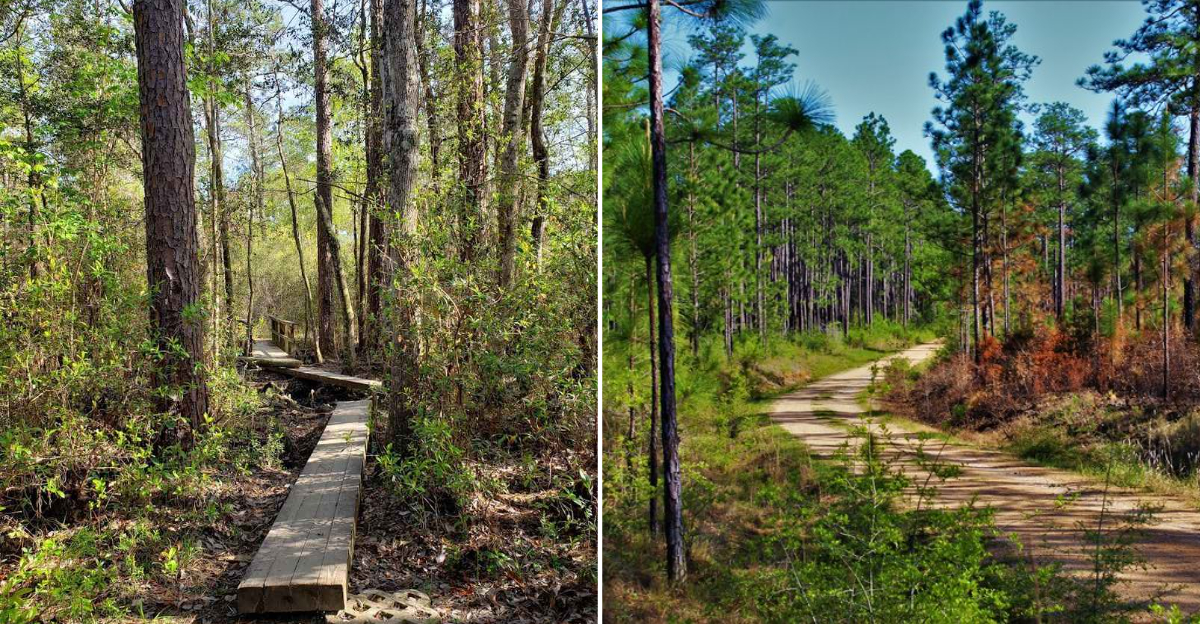
The smell of damp pine needles climbs into your helmet before the engine even has a chance to warm up. After days of staring at smooth highway asphalt, a rider craves a landscape that actually fights back.
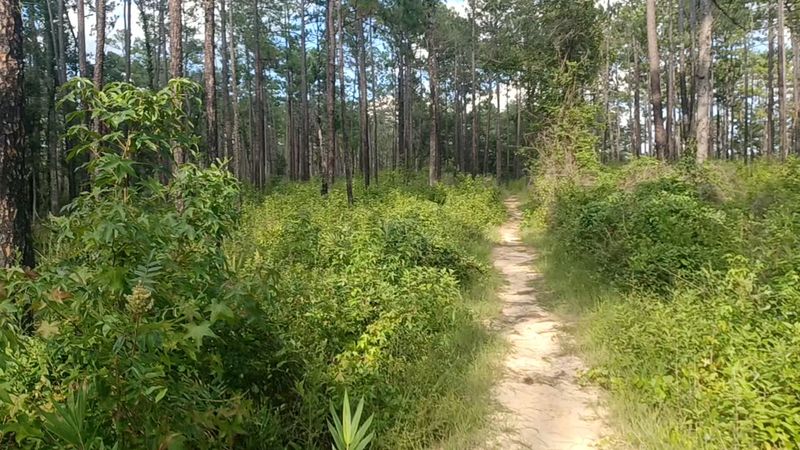
This dense canopy blocks out the midday sun, casting long shadows over a maze of red clay and deep ruts. The terrain demands total concentration, forcing your boots to dance across the footpegs with every sudden turn.
Front tires search for traction in loose gravel while exposed tree roots test the limits of your suspension. This massive Mississippi woodland does not offer a casual afternoon cruise.
It provides a gritty, sweat-soaked test of skill that leaves your knuckles white and your adrenaline surging. You leave the smooth roads behind for a reason.
The true reward lives in conquering the dirt.
Trail Types And Terrain Variations
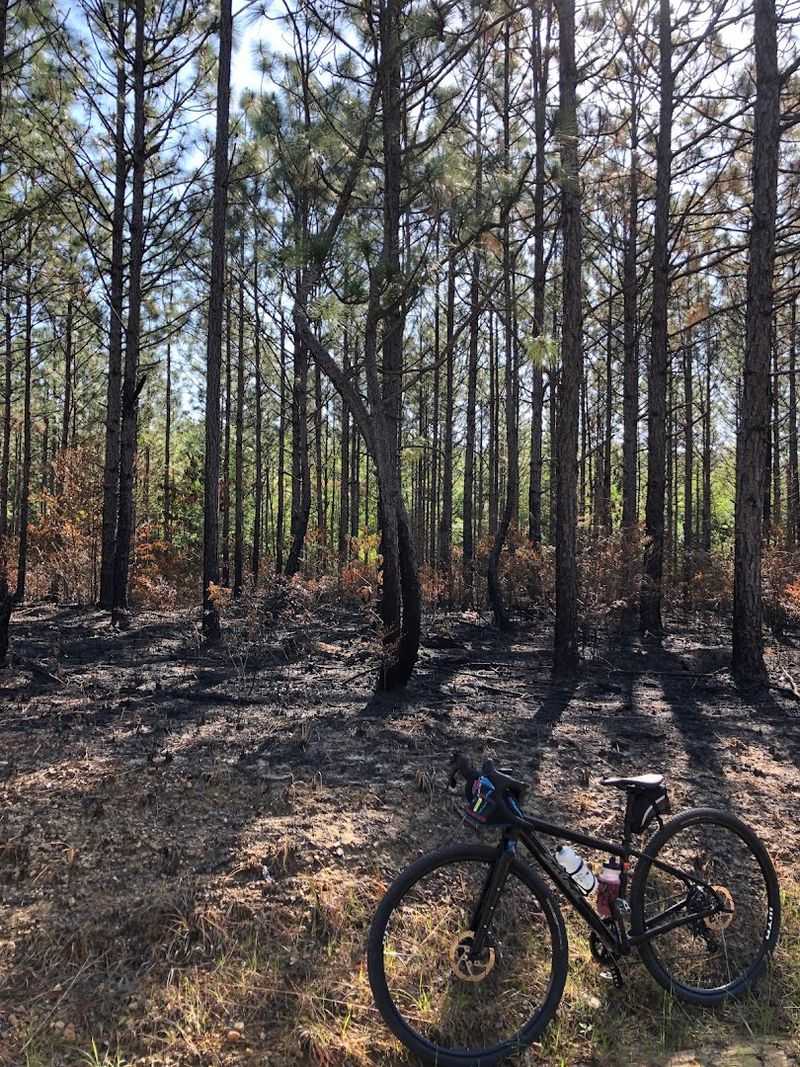
This spot packs about 170 miles of trails into one seriously impressive destination. Hikers, mountain bikers, ATV riders, and equestrians all share this space.
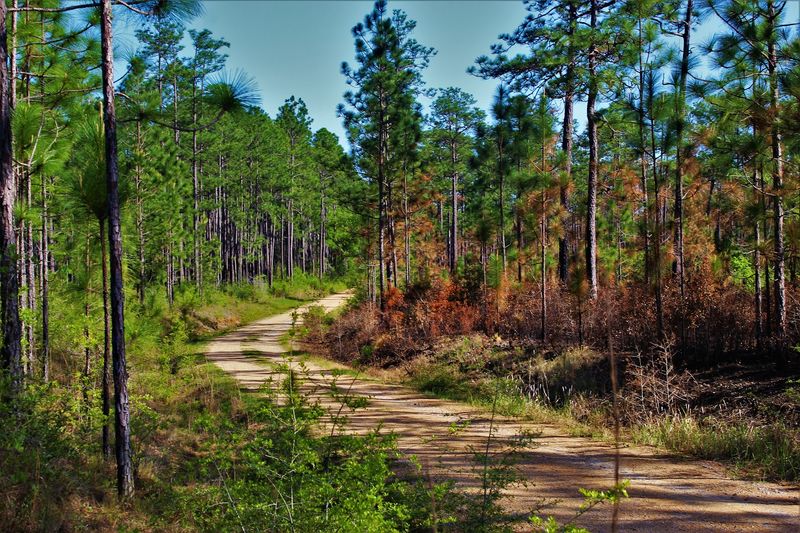
The terrain keeps things interesting at every turn. You will ride across gently rolling pine ridges one moment.
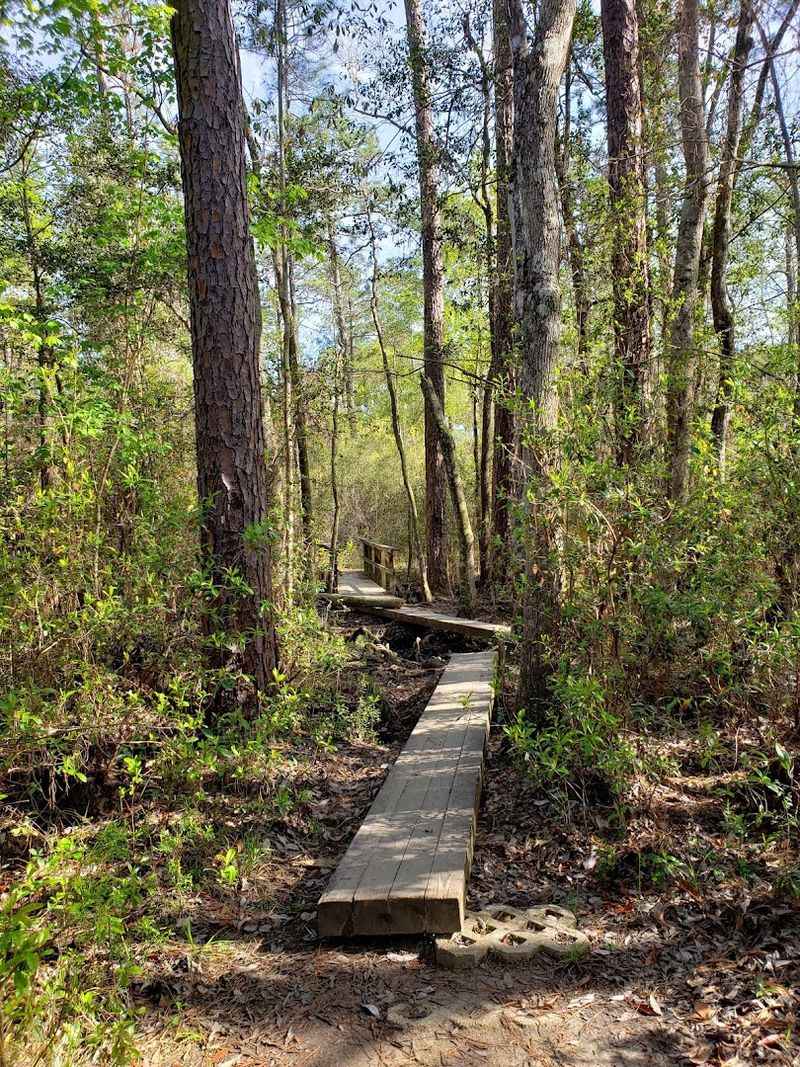
Then suddenly you are navigating tangled roots or slippery mud near a creek bottom.
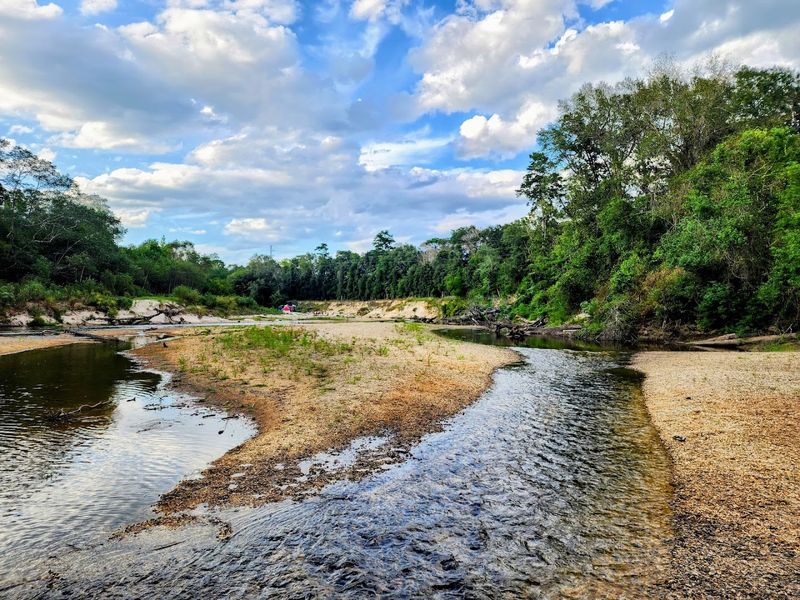
The Black Creek River Trail is the longest in the forest. It stretches across wild, remote land that feels genuinely untouched.
Tea-colored streams cut through the route, adding both beauty and challenge.
Sandy soil sections can surprise you if you are not prepared. Your tires or hooves will sink slightly, demanding more effort.
It is the kind of terrain that builds real skill fast.
Hardwood bottoms offer shade and a cooler riding experience. Pine ridges open up into broader views that feel almost cinematic.
Each section of trail has its own personality and challenge level.
Beginners can find manageable routes, but experienced riders will gravitate toward the tougher sections. The forest does not baby anyone.
It rewards preparation, patience, and a genuine love for outdoor riding.
Essential Gear For Trail Riding Success
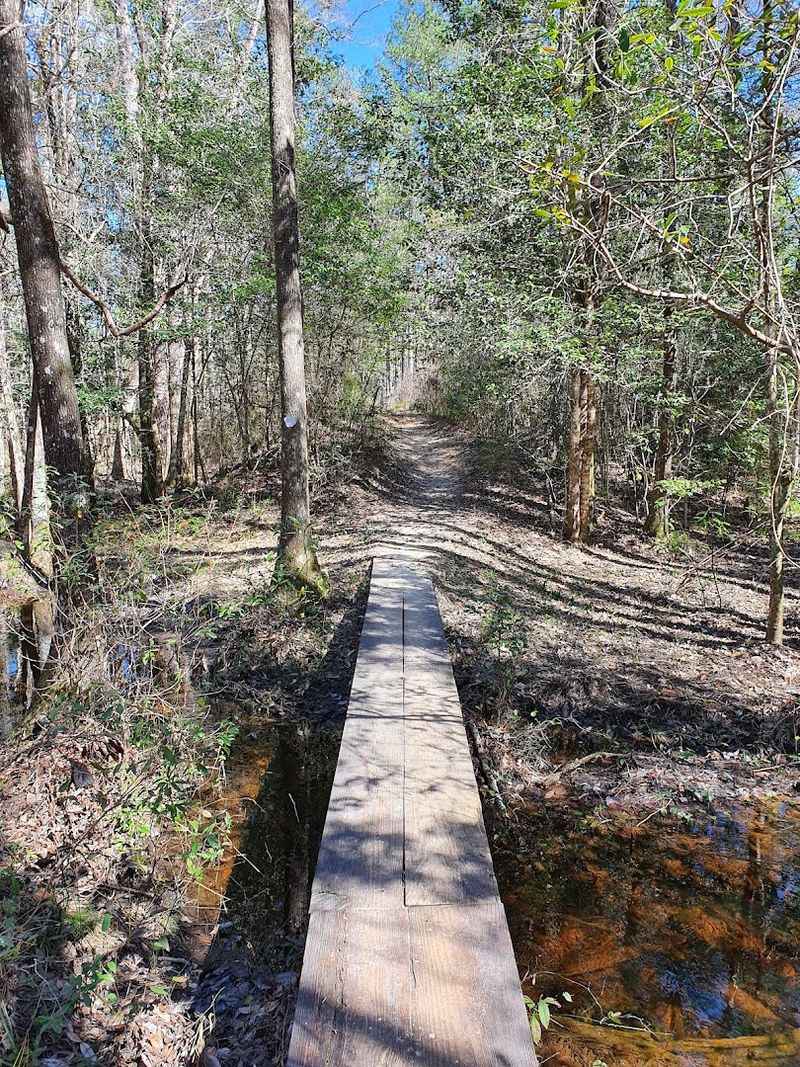
Gear can make or break your day out at De Soto National Forest. The forest environment is not forgiving to riders who show up underprepared.
Pack smart, and your ride will go much smoother.
Footwear is your priority. Trail running shoes or sturdy hiking boots give you the grip you need on wet roots and muddy creek banks.
Flip-flops are a firm no out here.
Hydration matters more than most riders expect. Carry a hydration pack or multiple water bottles for long routes.
Humidity in Mississippi is no joke, especially in warmer months.
Bug repellent is not optional in this forest. Mosquitoes and ticks are active throughout much of the year.
Apply repellent before you even hit the trailhead.
Layered clothing helps you adapt as forest conditions shift throughout the day. Mornings can feel cool and comfortable.
Afternoons get warm fast under that Mississippi sun.
Cell service in De Soto is spotty at best. Carry a paper map and compass every single time you ride.
A GPS device with offline maps downloaded is an excellent backup option.
A compact first aid kit rounds out your essential pack. Unexpected scrapes, blisters, or minor injuries happen on challenging terrain.
Being prepared keeps a small problem from becoming a big one.
Wildlife Encounters Along The Routes
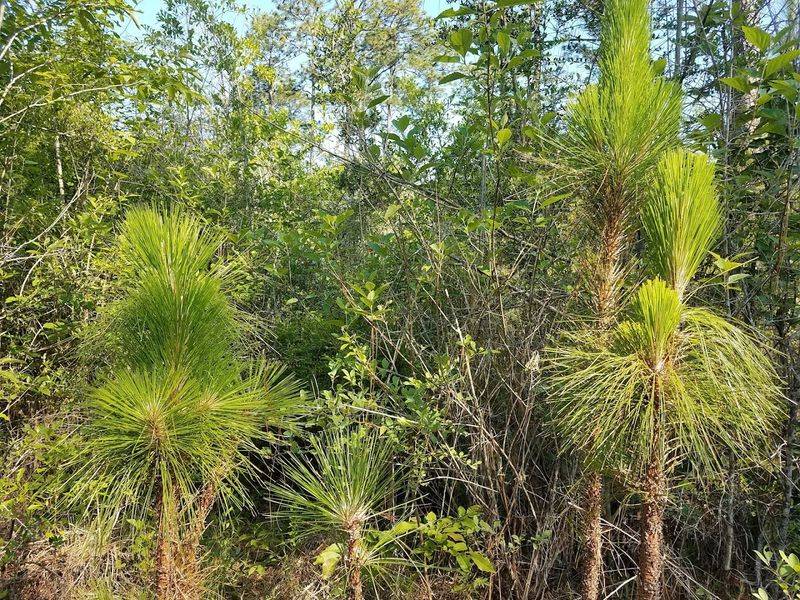
Riding through De Soto National Forest means sharing the space with some genuinely wild neighbors. White-tailed deer are the most common sighting along the trails.
Spot one at dawn and your whole ride feels magical.
Wild turkeys and bobwhite quail are regular trail companions too. They tend to scatter dramatically when you get close.
It is startling every single time, no matter how experienced you are.
The red-cockaded woodpecker is one of the rarest birds you might encounter here. This endangered species lives in mature longleaf pine stands within the forest.
Seeing one is a real privilege worth slowing down for.
Gopher tortoises are another fascinating resident. They dig burrows that shelter dozens of other animal species.
Look for their sandy mounds near open pine savanna areas.
Otters and wood ducks appear near the forest waterways. Streams and creek crossings become wildlife viewing hotspots.
Pause on a bridge or bank, and you might catch something remarkable.
American alligators also live in the ponds and water bodies throughout De Soto. They are not aggressive unless provoked, but they deserve serious respect.
Keep your distance and never feed them under any circumstances.
The biodiversity here is genuinely impressive for a forest this accessible. Every ride offers a different cast of wild characters.
Pay attention and the forest will reward your curiosity.
Safety Tips For Challenging Trails
Safety on trails starts before you ever leave the parking area. Always tell someone your planned route and expected return time.
If something goes wrong, that information helps move help moving fast.
Marked trails exist for a reason. Stick to them and avoid wandering off into unmarked sections of the forest.
Getting disoriented in 500,000 acres is a genuinely bad situation.
Riding with a companion is a smart move on any challenging trail. Solo riders have no backup if an injury or mechanical problem occurs.
Buddy up whenever possible and look out for each other.
Alligators live in ponds and water bodies throughout the forest. Keep a safe distance from any standing or slow-moving water.
Crossing streams is fine, but lingering near ponds without awareness is risky.
Cell service is unreliable across most of De Soto. Do not count on your phone to save you in an emergency.
A physical map and compass are non-negotiable safety tools here.
There is a local legend that warns against whistling in the woods after dark. Whether you believe it or not, avoiding night rides without proper lighting is genuinely good advice.
Visibility drops fast once the sun goes down in a dense forest.
Check weather forecasts before heading out. Rain transforms already challenging terrain into something much more difficult.
Wet roots and muddy creek banks demand extra caution from every rider.
Seasonal Changes Affecting Trail Conditions
Trail conditions shift dramatically depending on the time of year. Each season brings a completely different riding experience.
Knowing what to expect helps you plan a smarter trip.
Summer months crank up the humidity to almost uncomfortable levels. Physical effort feels significantly harder when the air is thick and warm.
Early morning starts are your best strategy during peak summer heat.
Streams throughout the forest are scenic year-round. Water levels rise after heavy rain and can make crossings more challenging or temporarily impassable.
Always check recent trail reports before heading out in wet seasons.
Hurricane season has historically caused serious damage to De Soto trails and facilities. Past storms have forced trail closures that lasted weeks or longer.
Forest Service crews work hard to reopen routes, but recovery takes time.
Fall brings cooler temperatures and arguably the best riding conditions of the year. Humidity drops, foliage changes color, and the forest feels more open and navigable.
Many experienced riders consider October and November the sweet spot.
Winter is mild by most standards but can still surprise you. Temperatures occasionally dip enough to create slick conditions on shaded trail sections.
January weather has been known to swing from warm afternoons to sleet within the same week.
Spring brings new growth and beautiful scenery but also increased insect activity. Mud season peaks after spring rains roll through the region.
Waterproof boots earn their keep during this time of year.
Local Flora And Fauna To Observe
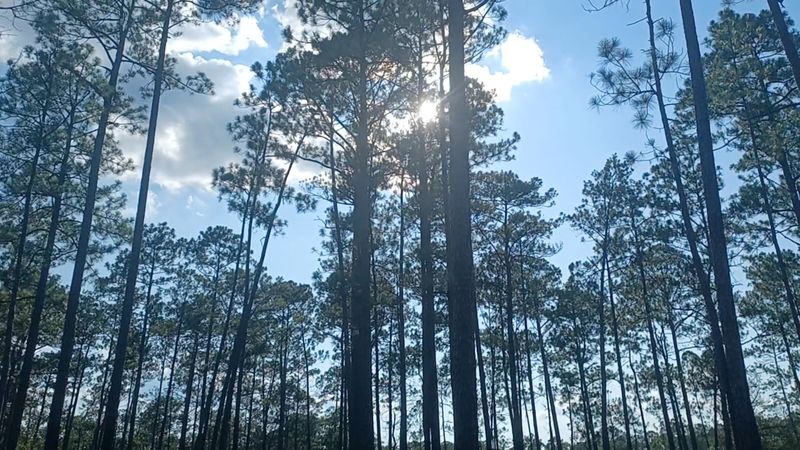
De Soto National Forest is one of the most biologically rich forests on the Gulf Coast. It protects extensive longleaf pine savannas that are increasingly rare across the United States.
More than 90 percent of this ecosystem type has been lost nationally, which makes De Soto genuinely important.
Pitcher plant bogs are among the most unique habitats you will find anywhere in the South. These areas support carnivorous plants that trap and digest insects.
Sundews and butterworts grow alongside multiple pitcher plant species in these remarkable wet environments.
Buttercup Flats has earned international recognition specifically for its pitcher plant savanna. Botanists and naturalists travel from across the country to visit this spot.
It is a highlight that most casual visitors never even know exists.
The open pine stands rise tall above a diverse groundcover layer. Wildflowers, grasses, and rare orchids fill in beneath the towering pines.
The visual contrast between canopy and floor is genuinely striking.
Gopher frogs and gopher tortoises rely on the wet pine savannas for survival. These species are considered at risk, making the forest a critical conservation zone.
Observing them in their natural habitat is a quiet but powerful experience.
Rare orchids like Calopogon multiflorus bloom in these protected savannas. Spotting one along a trail feels like finding a hidden treasure.
Slow down, look carefully, and the forest reveals details most riders speed right past.
Preparing Physically For Long Trail Rides
Long trail rides demand more from your body than a casual afternoon stroll. Riders who skip physical preparation often feel it by mile three.
Building fitness before your trip makes the whole experience far more enjoyable.
Core strength is one of the most underrated assets for any trail rider. Exercises like planks and bugs build the stability your body needs in the saddle.
A strong core reduces fatigue and keeps your posture solid on rough terrain.
Glute bridges and single-leg squats strengthen the muscles most active during riding. Add these to your weekly routine at least four weeks before your trip.
Consistency matters more than intensity when building trail-ready fitness.
Pre-ride stretching is not just for elite athletes. Hip flexors, hamstrings, and lower back muscles all tighten during long rides.
Ten minutes routine before you hit the trail pays off significantly by the end of the day.
Post-ride recovery deserves equal attention. Foam rolling and gentle stretching after a long session reduce next-day soreness.
Your body rebuilds stronger when you give it proper recovery time.
Horse riders need to think about their animal’s fitness too. Horses require gradual conditioning to handle varied terrain and water crossings.
Introduce challenging elements slowly and build stamina over multiple training sessions.
Cardio fitness helps every type of trail rider. Even thirty minutes of cycling or hiking three times per week builds meaningful endurance.
Show up fit, and De Soto rewards you with one of the best rides of your life.
Navigation Skills For Trail Riders
Navigation is a skill that separates confident riders from stressed-out ones at De Soto National Forest. Cell service drops out across large sections of the forest without warning.
Relying solely on your phone is a gamble you do not want to take.
A paper map and compass are the foundation of good trail navigation. Learn how to orient a map before your trip, not during it.
Practicing at home takes less than an hour and could save your entire day.
Downloading offline maps to a GPS device or smartphone is a smart backup strategy. Apps like Gaia GPS or AllTrails allow offline access to trail data.
Load your maps before you leave home and verify they cover the full route.
Mile markers exist along several De Soto trails and align reasonably well with GPS readings. Use them as checkpoints to confirm your position along the route.
They provide reassurance when the forest starts looking the same in every direction.
Always leave your planned route with a reliable person before you head out. Include your estimated return time and the trailhead location.
If you do not check in by that time, they know to contact park authorities.
Reading the landscape is an old-school skill that still works beautifully. Water always flows downhill, which helps orient you near creek crossings.
Sun position and ridge lines give additional clues when markers are hard to find.
Navigation confidence builds with every ride. Start on well-marked shorter trails and gradually tackle longer, more remote routes.
The forest rewards riders who take the time to learn it properly.