
This Mississippi Italian Market Brings The Authentic Flavors And Charm Of Sicily To The South
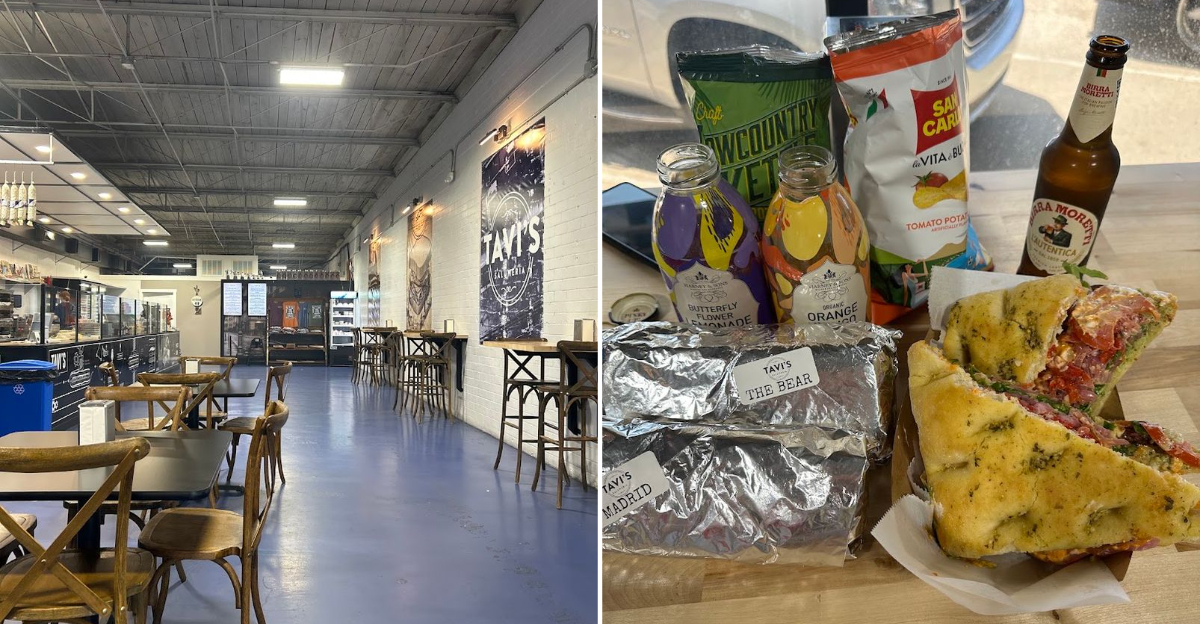
The scent of crushed anise and aged provolone hits before the screen door fully shuts. This small corner of Mississippi operates on old-world coordinates where time slows down to match the curing process of salami.
Rows of dark glass bottles hold olive oil pressed from trees that have never seen American soil. The shelves carry the weight of small-batch pastas that cannot be found in standard grocery aisles.
A heavy brass scale sits on the counter. It measures out imported cheeses with absolute precision.
The owner slices prosciutto with the quiet focus of a craftsman. He lets the paper-thin pieces pile up on butcher paper.
Residents come here for ingredients that require no translation. Sicily built a permanent home in the South without altering a single recipe.
Exploring Iconic Sicilian Cheeses And Meats
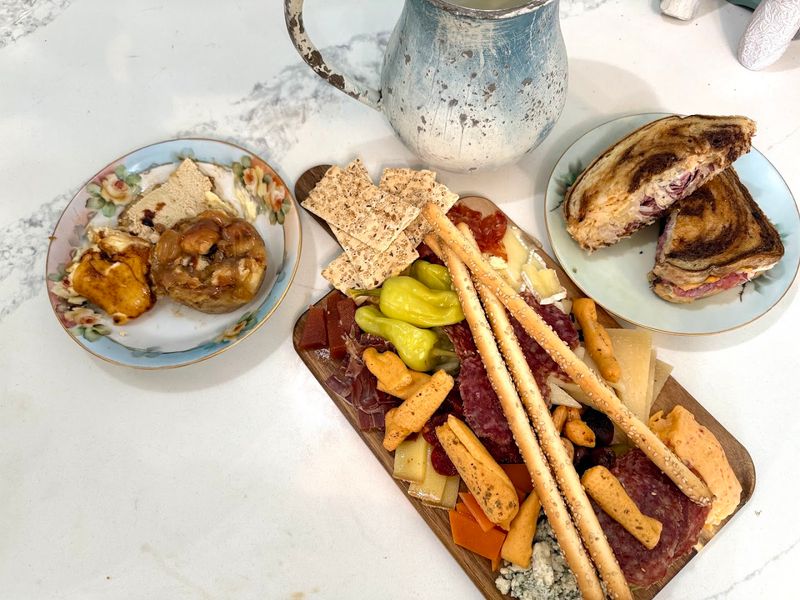
Pecorino Siciliano is one of the oldest cheeses in the world. Homer actually mentioned it in ancient texts.
That alone makes it worth trying.
At Tavi’s Salumeria, the cheese selection goes beyond the ordinary. Ragusano is a mild cow’s milk option with a smooth finish.
Fresh mozzarella and stracciatella round out the lineup beautifully.
The meats are just as impressive. Mortadella is sliced paper-thin using a hand-cranked Italian slicer.
That technique alone changes the texture completely.
The Rome sandwich features mortadella with pistachio cream. It sounds unusual but works perfectly together.
Sicilian cured meats like capocollo and fennel sausage also make appearances.
Everything at this spot is imported directly from Europe, including Italy and Spain. You are not getting a grocery store version of these flavors.
These are the real ingredients, handled the right way.
Tavi’s Salumeria is located at 1618 25th Ave, Gulfport, Mississippi 39501. Hours run Tuesday through Saturday from 11 AM to 3 PM.
Sunday and Monday, the doors stay closed.
The Art Of Crafting Italian Cured Delicacies
Thirty years of cooking experience shaped the vision behind Tavi’s Salumeria. Owner Octavio Arzola built this place around one goal.
He wanted a European deli done exactly right.
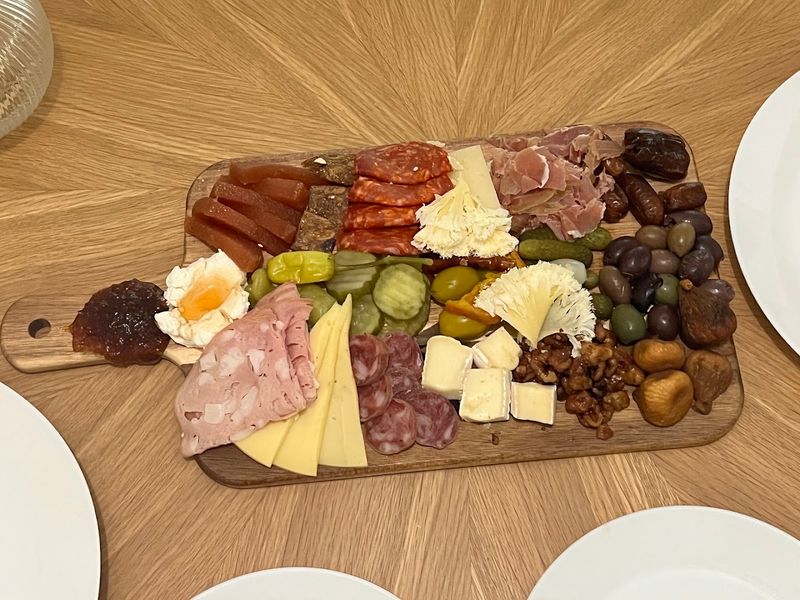
The hand-cranked Italian slicer is one of the first things you notice. It slices meats paper-thin with real precision.
That thinness changes how every bite feels in your mouth.
A cheese heater helps soften certain cheeses for easy spreading. Fresh bread gets loaded up fast and efficiently.
The whole process feels more like craft than fast food.
Tavi’s also makes its own pistachio cream in-house. Hot honey is another house-made condiment that shows up on several items.
These small touches add layers of flavor you did not expect.
Almost every ingredient comes straight from Europe. Nothing here is a substitute or a shortcut.
That commitment to sourcing is visible in every sandwich.
The cured delicacies at Tavi’s are not just ingredients. They are the centerpiece of each dish.
You taste the difference immediately when quality is this consistent.
Discovering Unique Sicilian Spices And Herbs
Sicilian food hits differently because of its spice history. Arab traders brought saffron and cinnamon to the island centuries ago.
Those flavors stuck around and became part of everyday cooking.
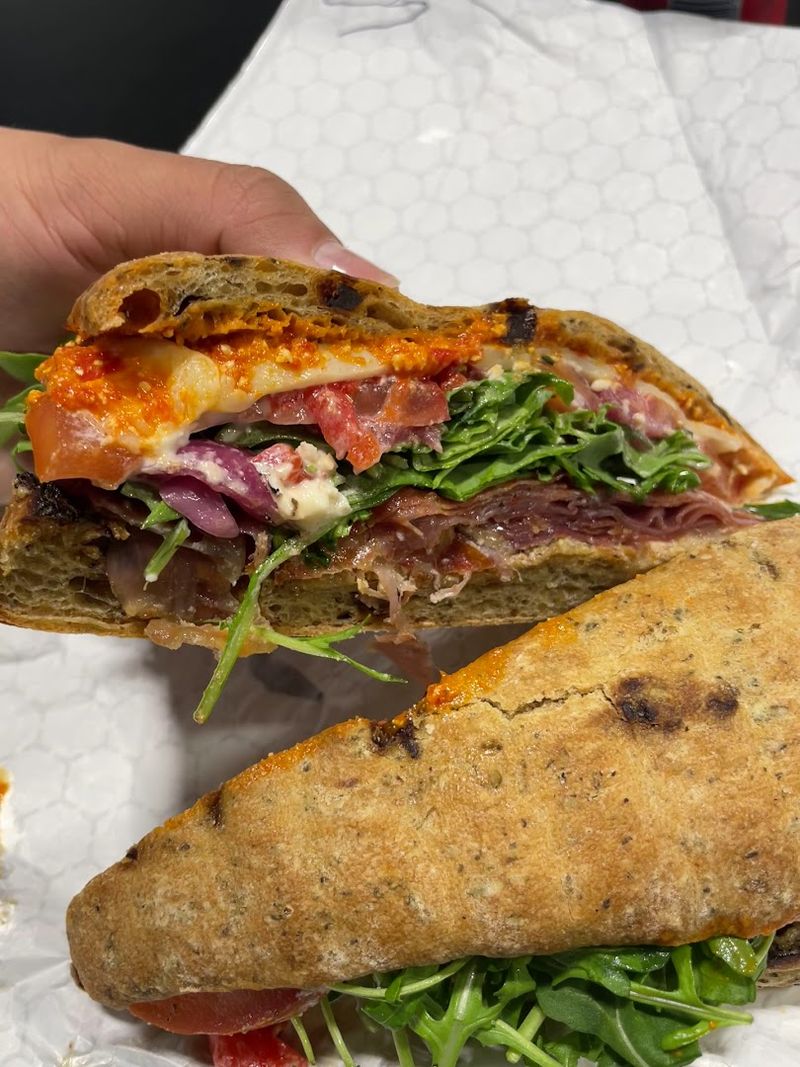
Tavi’s uses fresh basil pesto and Calabrese pepper pesto in its sandwiches. Both are bold and bright without being overwhelming.
They add character to every bite.
Wild fennel is one of the most iconic Sicilian ingredients. It shows up in traditional pasta dishes and spice blends alike.
Its flavor is earthy, slightly sweet, and totally distinct.
Classic Sicilian seasoning blends combine fennel, oregano, thyme, red pepper flakes, and roasted garlic. Sea salt ties everything together.
The result is a layered, complex flavor profile.
Mint and rosemary also appear in Sicilian cooking more than people expect. They are not just garnishes.
These herbs carry real weight in traditional recipes.
At Tavi’s, the herb and spice choices reflect genuine Sicilian tradition. Nothing feels random or thrown together.
Each ingredient has a purpose and a history behind it.
Traditional Baking Techniques From Sicily
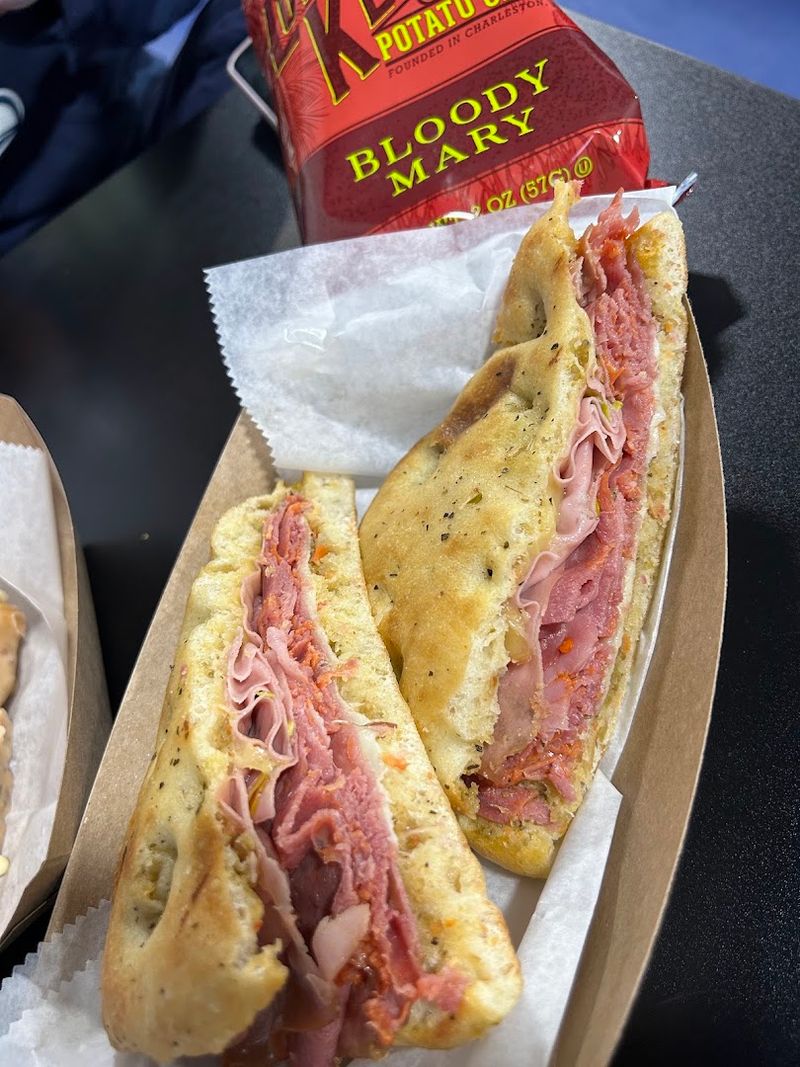
Bread baked the Sicilian way starts before sunrise. Dough gets kneaded at dawn and baked in stone ovens.
The result is a crust with real character.
Tavi’s imports its sandwich breads directly from Europe. That is not a marketing phrase.
It is the actual sourcing method they use every single day.
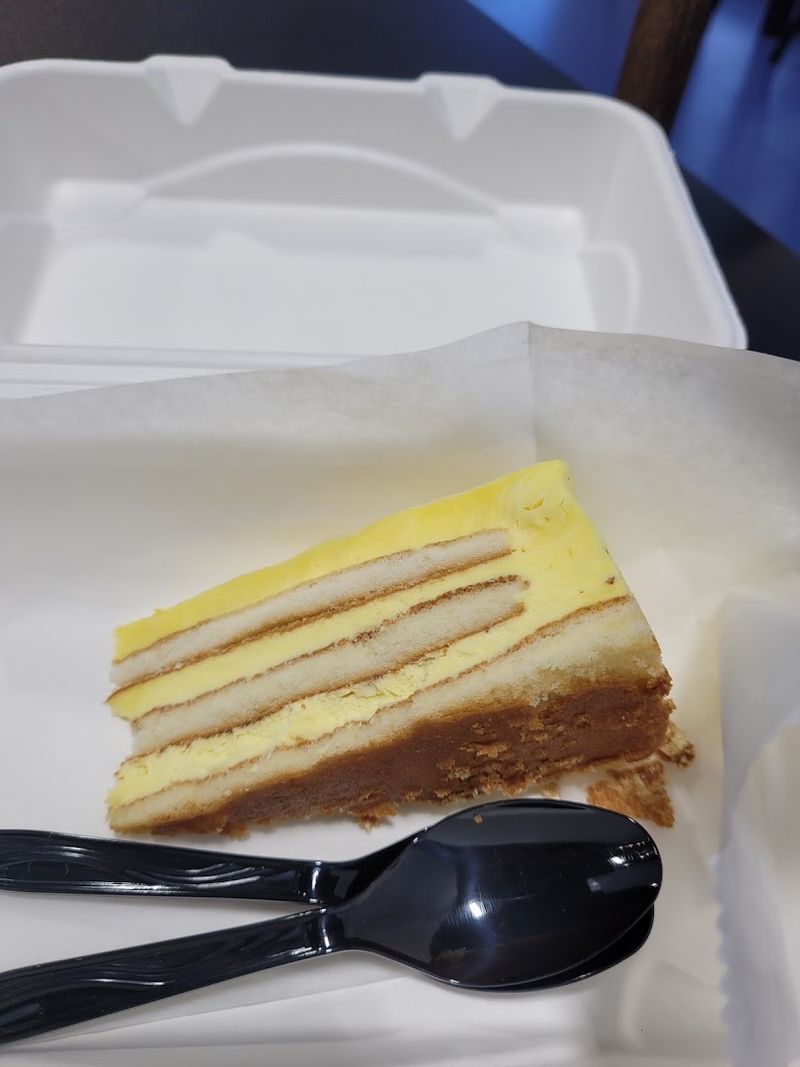
The display case at Tavi’s features cakes from Sicily. Cassata is one of the standouts.
It is a ricotta-based cake layered with marzipan and bursting with color.
Cannoli are another classic in the Sicilian baking tradition. The shells are crisp, and the filling is sweetened ricotta.
Every component matters, and every component is done right here.
Some of the pastries available at Tavi’s come from European monks. That detail alone should tell you something about the sourcing standards.
These are not mass-produced items.
Baking in Sicily is a ritual, not a routine. The techniques passed down through generations prioritize texture and flavor above speed.
Tavi’s honors that tradition with every item in that display case.
Pairing Authentic Italian Olive Oils With Dishes
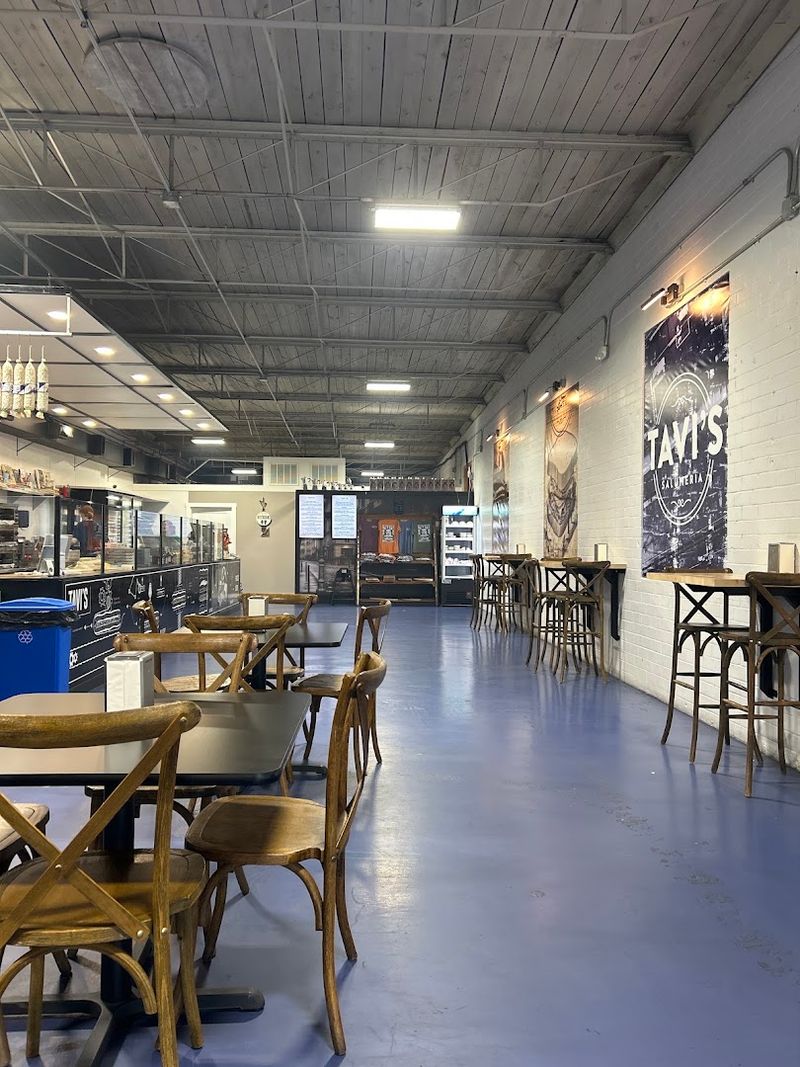
Sicilian extra virgin olive oil has a reputation for a reason. The flavor is vibrant, grassy, and slightly peppery at the finish.
It wakes up every dish it touches.
Using olive oil as a finishing drizzle is one of the simplest upgrades you can make. A pour over fresh mozzarella and tomatoes transforms the whole plate.
The oil carries the other flavors further.
Medium-intensity olive oils work best with pasta and roasted vegetables. They blend without overpowering the other ingredients.
The balance is subtle but important.
Robust olive oils are better suited for aged cheeses and red meats. The stronger flavor holds up against rich, savory profiles.
Matching intensity levels makes a real difference.
Fresh bread dipped in quality olive oil is one of life’s underrated pleasures. The Sicilian version of this experience is deeply satisfying.
It is simple, honest, and hard to stop doing.
At Tavi’s, the olive oil philosophy follows the same standard as everything else. Only authentic imports make the cut.
That dedication to quality shows up in every dish they build.
Seasonal Sicilian Produce And Its Culinary Uses
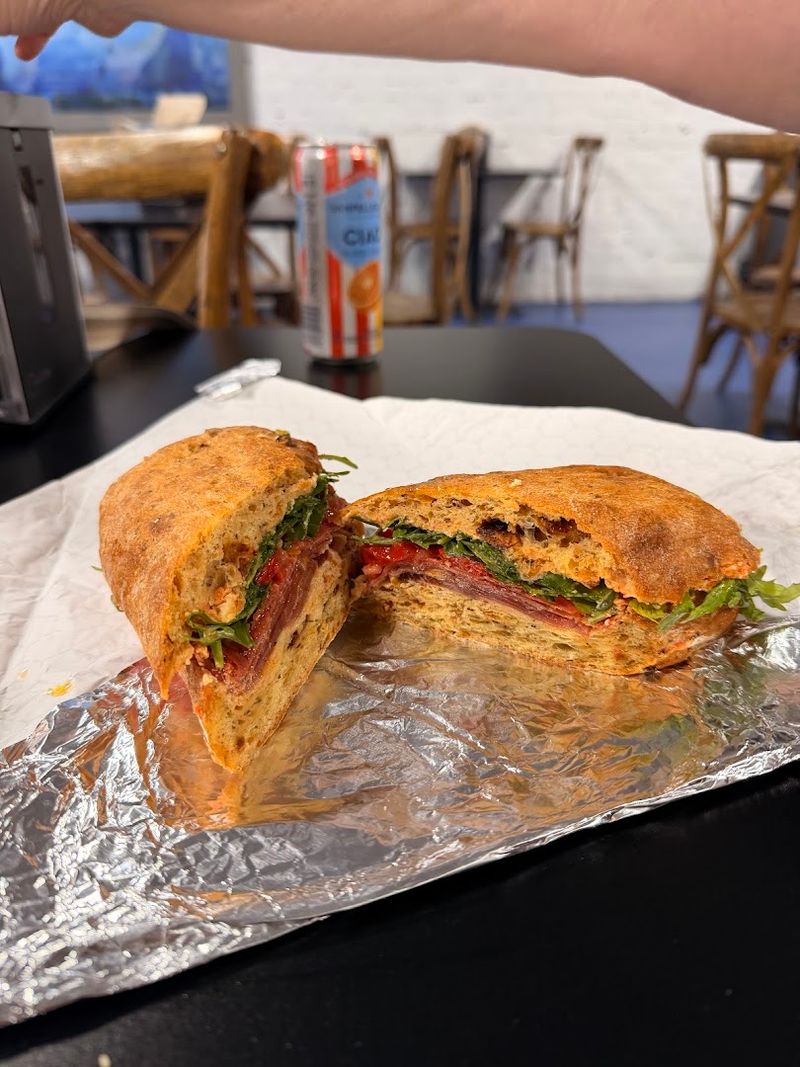
Sicily’s produce calendar is one of the most varied in the Mediterranean. Each season delivers something worth celebrating.
The island rarely has a dull harvest month.
Winter brings blood oranges, lemons, and broccoli to Sicilian kitchens. Blood oranges from Catania are especially prized.
They show up in salads with olive oil and red onion.
Spring introduces wild asparagus, strawberries, and apricots. Wild fennel also peaks during this season.
These ingredients appear in everything from pastas to simple side dishes.
Summer in Sicily means eggplant, peaches, and cantaloupe. Eggplant is the backbone of several classic dishes.
Caponata and Pasta alla Norma both depend on it heavily.
Autumn brings mushrooms, chestnuts, and pumpkins. The first olives of the season also arrive during fall.
That timing matters for anyone making fresh olive oil.
At Tavi’s, fresh toppings like tomatoes, grilled onions, and roasted peppers reflect this same seasonal mindset. The sandwiches feel alive because the produce is handled with care.
Fresh always beats preserved when the sourcing is right.
The History Behind Classic Sicilian Recipes
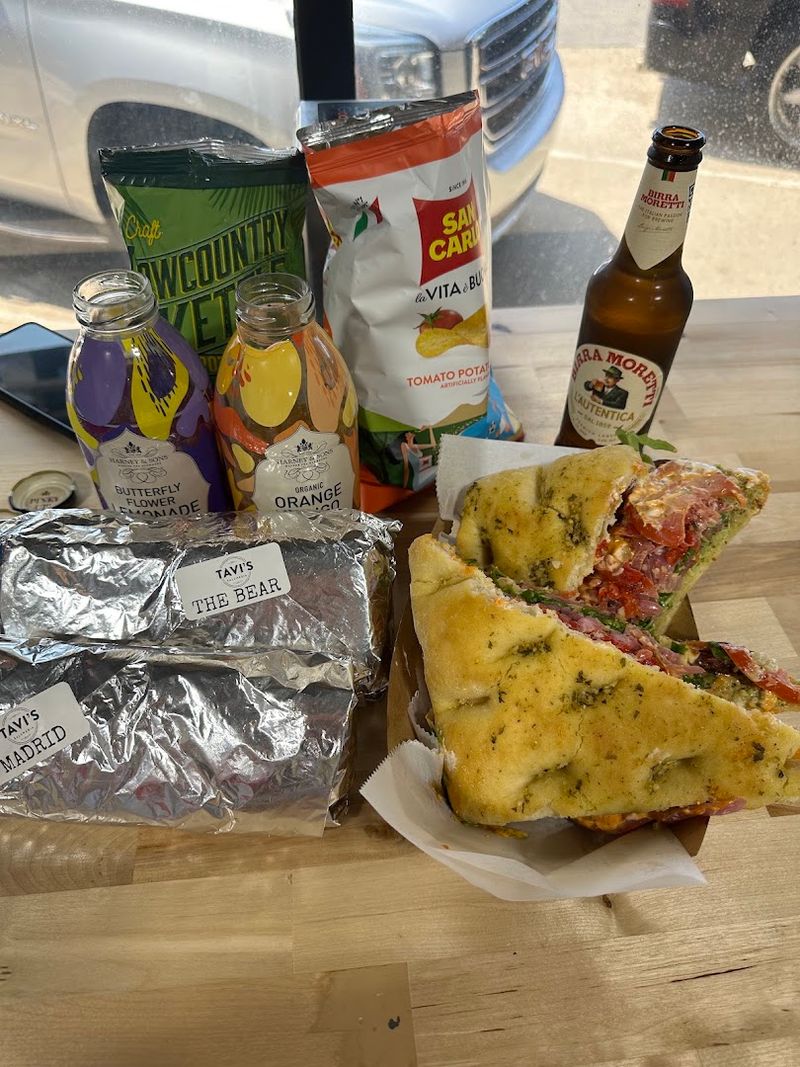
Sicily has been conquered by almost everyone at some point. Greeks, Arabs, Normans, Byzantines, and Spanish rulers all left marks on the cuisine.
That history is literally on the menu.
The Greeks introduced wheat, fish, and fresh vegetables as staples. Those ingredients remain central to Sicilian cooking today.
Some things do not need to change.
Arab influence brought sugar, citrus, rice, and spices to the island. The concept of stuffed foods also arrived during this period.
Arancini and Cassata both trace their roots to Arab times.
Agrodolce, the sweet and sour cooking tradition, has ancient Roman roots. It shows up in dishes like Caponata, which balances vinegar and sugar with eggplant.
That flavor contrast is entirely intentional.
Pasta alla Norma is named after a famous opera. The dish combines eggplant, tomato sauce, and ricotta salata.
It is one of the most beloved plates in all of Sicilian history.
At Tavi’s Salumeria, the owner uses authentic recipes passed down from Italy. Nothing is invented for American tastes.
The history comes through in every single ingredient choice.
Tips For Creating Italian Antipasto Platters
An antipasto platter is the Italian way of saying the meal is starting strong. It sets the tone before the main course even arrives.
Build it right, and people will talk about it.
Cured meats are the foundation of any solid antipasto spread. Prosciutto, salami, mortadella, and soppressata are reliable choices.
Variety keeps things interesting for everyone at the table.
Cheese selection matters just as much as the meats. Parmigiano-Reggiano, Pecorino Romano, fresh mozzarella, and burrata all bring different textures.
Mixing firm and soft cheeses creates a better overall experience.
Olives, marinated vegetables, and sun-dried tomatoes add briny and bright notes. Roasted peppers bring a mild sweetness to balance the salt.
These elements fill in the gaps between the proteins.
Serve everything with crusty bread, focaccia, or breadsticks. Drizzle olive oil directly over the cheeses before serving.
That finishing touch pulls the whole board together.
Tavi’s Salumeria is planning to add charcuterie boards to the menu officially. The ingredients they stock are already perfect for this style of eating.
Keep an eye on what they roll out next.