
This Mississippi Park Has Artworks Hidden Along A Free Mountain Trail You Have To See
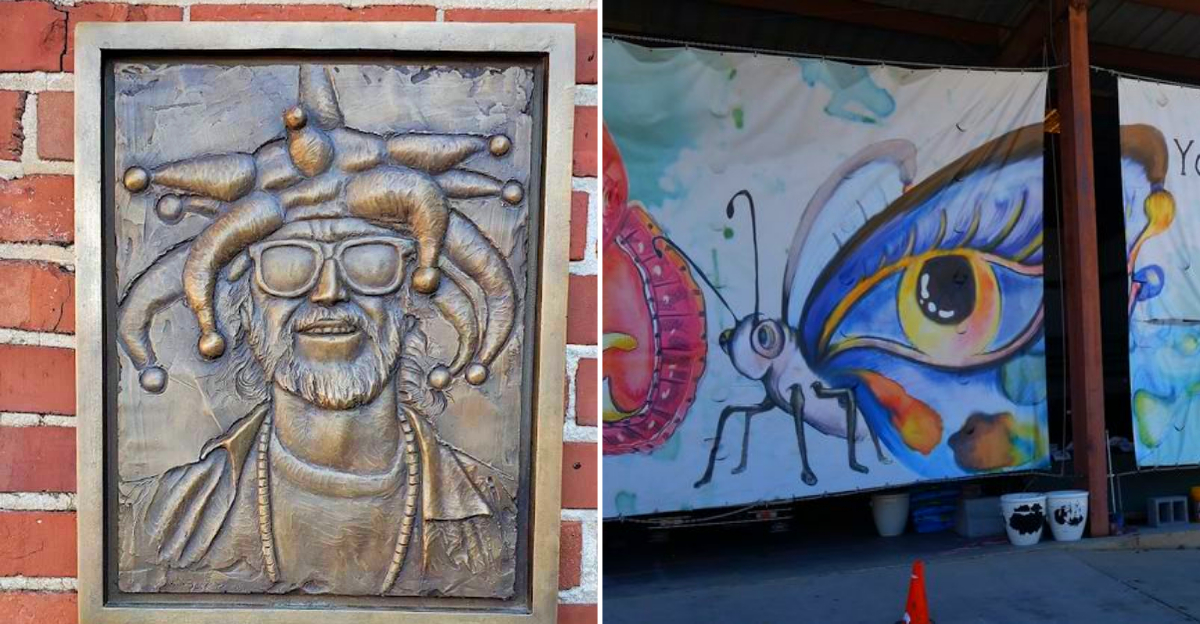
Art that asks you to go looking for it operates on a completely different principle than art that hangs on a wall and waits.
The trail here is the gallery and the gallery changes depending on where you are standing and what the light is doing and whether you rounded the bend fast or slow enough to let the next piece arrive as a surprise.
Mississippi is not a state most people associate with mountain sculpture trails and that assumption makes the first encounter with this place considerably more rewarding.
Free admission on a trail that hides art in the landscape is a combination so generous it takes a moment to fully register.
A bronze form emerging from the tree line that was not there thirty seconds ago. A stone installation sitting in a clearing that the path leads you toward without announcing it.
The elevation adds something that flatland art parks cannot replicate and the natural surroundings turn each sculpture into a conversation between what was made and what was already there. Mississippi keeps producing surprises for people willing to go looking.
This trail is one of the most beautiful and most unexpected ones the state has quietly been offering all along.
Art That Lives Outside The Gallery
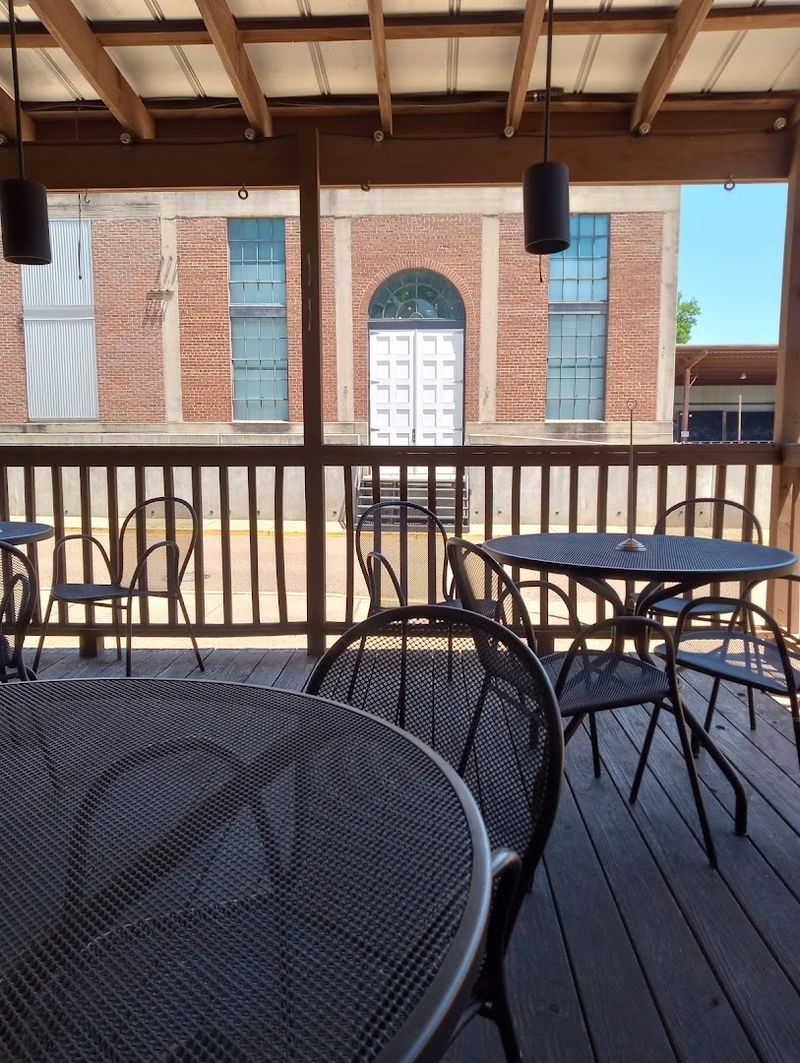
Most art gets locked behind glass and guarded by velvet ropes. The Yokna Sculpture Trail throws that whole idea out the window.
Here, the sculptures stand in open parks, on university lawns, and beside garden paths where anyone can walk right up to them.
The trail features between 15 and 20 large-scale works at any given time. Artists from local, regional, and national backgrounds contribute pieces that shift and rotate throughout the year.
That rotation keeps the experience fresh, so repeat visitors almost always spot something new.
Outdoor art has a different energy than anything displayed indoors. Sunlight changes the way a sculpture looks at different hours of the day.
Wind, shadows, and seasons all play a role in how each piece feels to the viewer standing in front of it.
The trail launched in 2015 and has grown steadily since. It is a joint effort between the City of Oxford, the University of Mississippi, and the Yoknapatawpha Arts Council.
That partnership gives the trail both community roots and institutional muscle, which shows in the quality and variety of the work on display.
The Yokna Sculpture Trail In Oxford, Mississippi
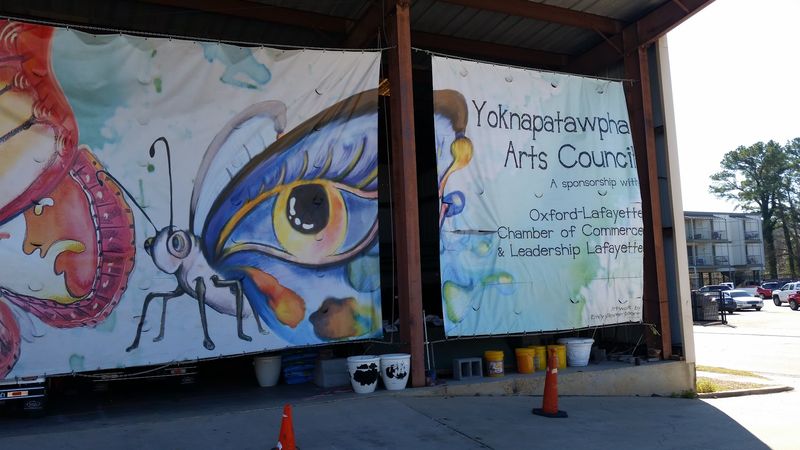
The Yokna Sculpture Trail is spread across four distinct locations in Oxford, Mississippi. Each site has its own personality, and together they create a full picture of what public art can do for a town.
The Powerhouse Sculpture Garden, the University of Mississippi Sculpture Park near Meek Hall, Lamar Park, and the University Museum all serve as exhibition spaces.
The Yoknapatawpha Arts Council, reachable at 413 S 14th St, Oxford, MS 38655, serves as a key organizing force behind the trail. Their office is open Monday through Friday from 9 AM to 5 PM, and the team is known for being genuinely helpful and enthusiastic about the arts in Oxford.
Getting to any of the four sites is straightforward, and none of them require a reservation or fee. The trail is completely free to the public, which makes it one of the most accessible art experiences in the entire region.
Oxford itself is a lively college town with a strong creative culture. Having a sculpture trail woven through its public spaces feels completely natural here.
Art is not an afterthought in Oxford. It is part of the town’s personality.
Four Spots, One Unforgettable Trail
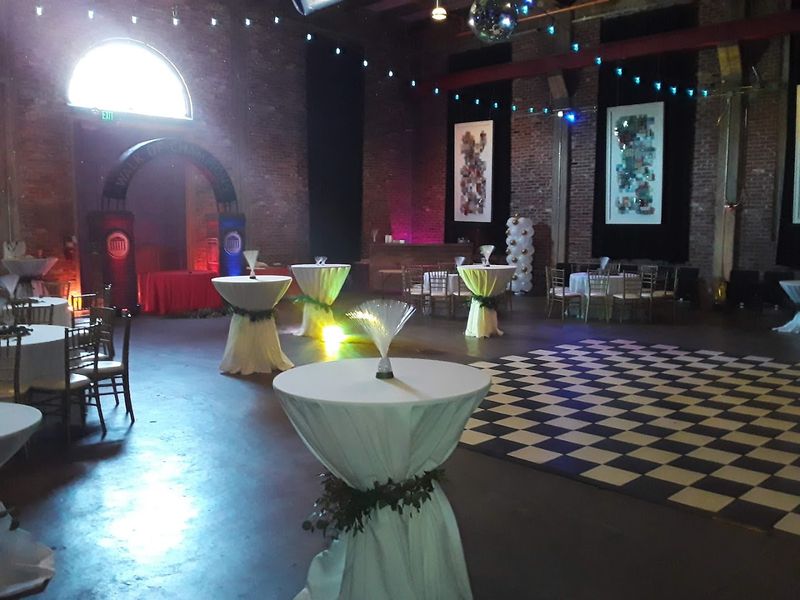
Four locations might sound like a lot to cover, but each one is worth the walk. The Powerhouse Sculpture Garden brings an industrial backdrop that makes the art feel bold and deliberate.
Sculptures placed against brick and steel create a visual contrast that is hard to forget.
The University of Mississippi Sculpture Park sits in front of Meek Hall, right on campus. Students pass through it daily, which means art is part of the academic rhythm at Ole Miss.
That kind of everyday exposure does something quiet but powerful to a community.
Lamar Park is described as an outdoor arboretum, and that description earns every word. The walking paths curve through greenery, past lakes and garden features that make the sculptures feel like they grew there naturally.
It is a genuinely peaceful place to spend an afternoon.
The University Museum rounds out the trail with a more curated setting. Each of the four locations offers a completely different mood.
Visiting all of them in a single day gives you a full tour of how Oxford uses art to shape the way people experience their own city.
Rotating Works That Keep Things Fresh
Roughly half of the sculptures on the Yokna Sculpture Trail rotate every year. The full exhibition cycle runs on a staggered two-year schedule, which means the trail is always in motion.
Returning visitors can expect to find new pieces where familiar ones once stood.
That rotation is not just a logistical detail. It is a curatorial strategy.
Keeping the trail fresh encourages people to come back, and it gives more artists the chance to have their work seen in a public setting. That is good for the artists and great for the community.
The artists whose work appears on the trail come from a wide range of backgrounds. Local artists bring a sense of place and personal connection to the work.
Regional and national artists bring outside perspectives that challenge and expand what Oxford-area audiences expect from sculpture.
Seeing art change with the seasons also teaches viewers something valuable. No single piece is permanent, and that impermanence makes each visit feel a little more special.
You are not just seeing art. You are catching it at a specific moment in time, and that moment will not last forever.
Zero Dollars, Maximum Impact
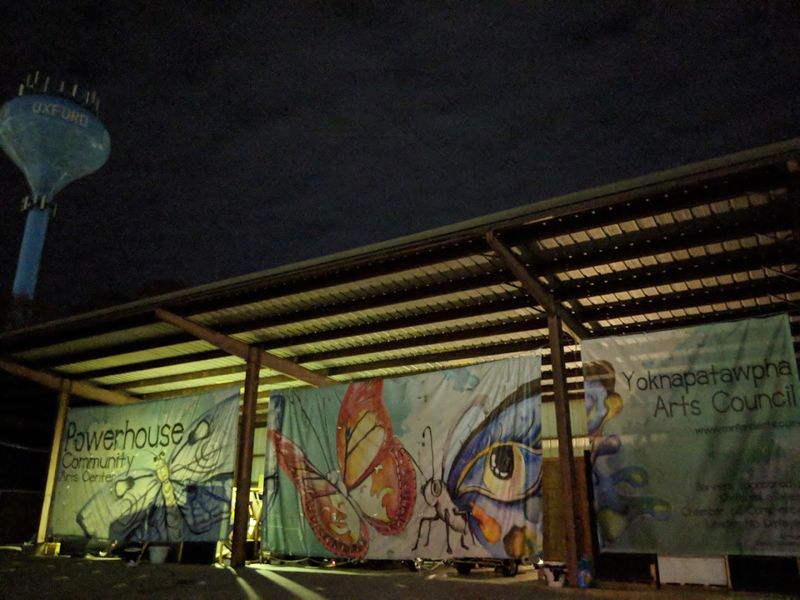
Free public art is not as common as it should be, which makes the Yokna Sculpture Trail genuinely worth celebrating. There is no admission fee, no parking charge attached to the experience, and no membership required to enjoy the work on display.
That open-access approach matters more than it might seem at first. Art spaces that charge for entry often create an invisible barrier that keeps certain people from ever walking through the door.
A free trail removes that barrier entirely and invites everyone in without conditions.
Families with kids, college students on a budget, retirees out for a morning walk, and curious visitors passing through Oxford all get the same experience. The trail does not ask who you are or what you do for a living.
It just shows you something worth seeing.
The fact that the City of Oxford, the University of Mississippi, and the Yoknapatawpha Arts Council all share responsibility for the trail helps keep it funded and well-maintained without passing costs to visitors.
That kind of civic investment in public art is a model other towns should genuinely study and consider following.
The Powerhouse And Its Bold Energy
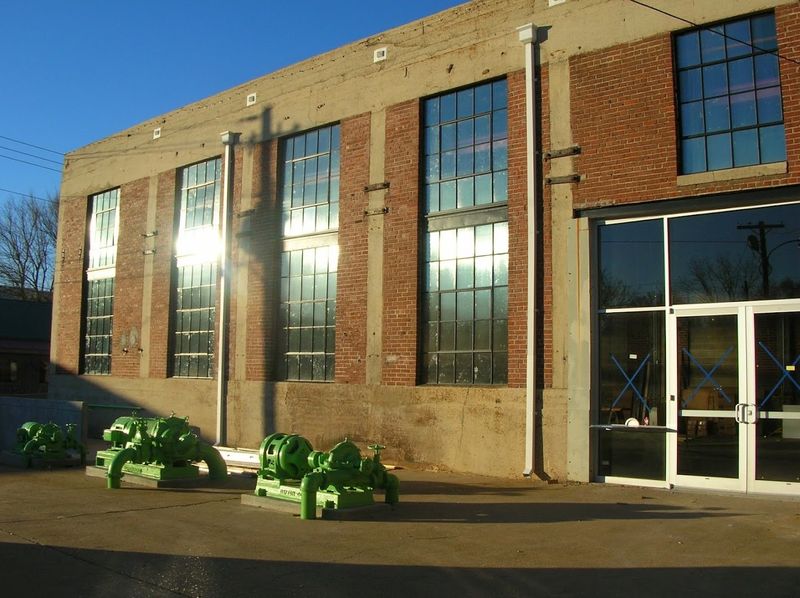
The Powerhouse Sculpture Garden has a personality all its own. The venue is a converted industrial space that has become a cultural hub in Oxford, known for hosting markets, events, and community gatherings throughout the year.
When large-scale sculptures are placed in that setting, the result is striking. Industrial architecture and fine art do not always seem like obvious partners, but the contrast works beautifully here.
Raw materials meet refined craft in a way that feels both surprising and completely right.
The Yoknapatawpha Arts Council plays an active role in programming at the Powerhouse. Events like the Makers Market have drawn local artists and craftspeople who bring handmade and original work to share with the public.
The space has a track record of bringing creative people together.
Visiting the Powerhouse as part of the sculpture trail gives you a sense of how Oxford approaches culture broadly. Art is not siloed into one type of space or one kind of audience.
The Powerhouse proves that great creative work can happen in a building that once had an entirely different purpose. Repurposing a space is its own kind of art form.
Ole Miss And Open Air Art
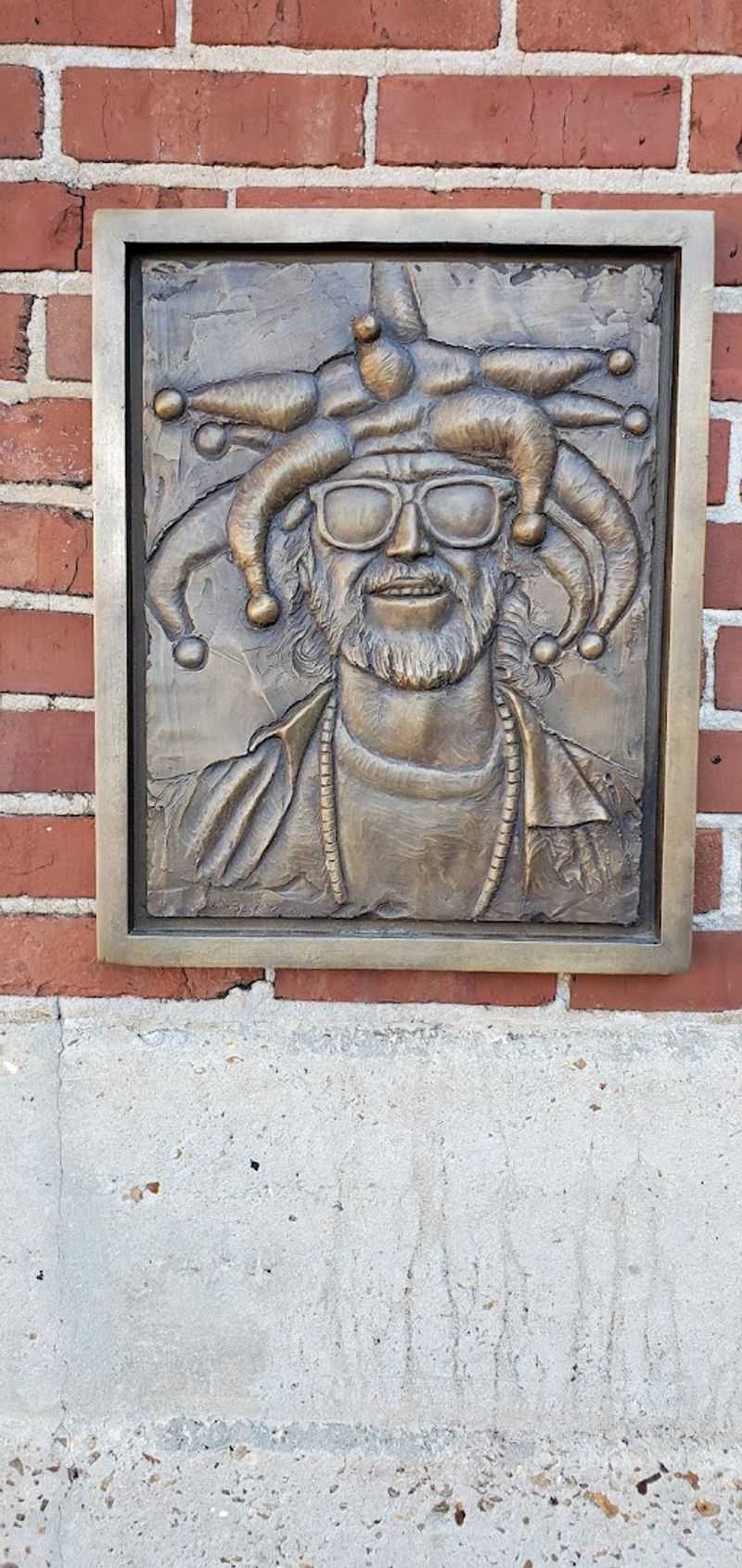
University campuses are natural homes for public art, and Ole Miss takes that idea seriously. The University of Mississippi Sculpture Park sits in front of Meek Hall, one of the campus buildings connected to the arts and visual culture programs at the university.
Having a sculpture park on an active campus creates a kind of accidental education. Students who walk past the same piece every day start to notice things they missed the first time.
Light shifts, the seasons change, and a sculpture that once seemed straightforward starts to reveal more layers.
The partnership between the university and the broader Yokna Sculpture Trail makes the campus exhibition more than just decoration. It connects Ole Miss to the larger creative life of Oxford and signals that the university sees itself as part of the town’s cultural conversation.
For visitors who are not students, the campus site is open and welcoming. Walking through a university sculpture park on a weekday afternoon has a particular kind of calm to it.
The pace is slower, the surroundings are beautiful, and the art has room to breathe. That combination is genuinely hard to beat anywhere in Mississippi.
Why Oxford Gets Art Right
Oxford has always had a creative streak. The town is famously connected to literary history, and that love of storytelling and expression runs through everything here, including its approach to visual art.
The Yokna Sculpture Trail fits Oxford like it was always meant to be there.
Founded in 2015, the trail has had nearly a decade to grow into the community. That is enough time for it to become part of how Oxford residents think about their own city.
Art that lives in public spaces eventually becomes part of the landscape people love about a place.
The Yoknapatawpha Arts Council, named after the fictional county William Faulkner invented for his novels set in this very region, brings a literary legacy into its arts mission. That connection between word and image, story and sculpture, gives the organization a depth that is rare in smaller towns.
Oxford proves that a city does not need to be enormous to have a serious, thoughtful arts scene. Good partnerships, civic commitment, and a genuine love of creativity are enough.
The Yokna Sculpture Trail is the best evidence of that. It is free, it is beautiful, and it belongs to everyone who shows up.