
This Mississippi Petting Zoo Lets Kids Bottle Feed Goats And Baby Cows Up Close
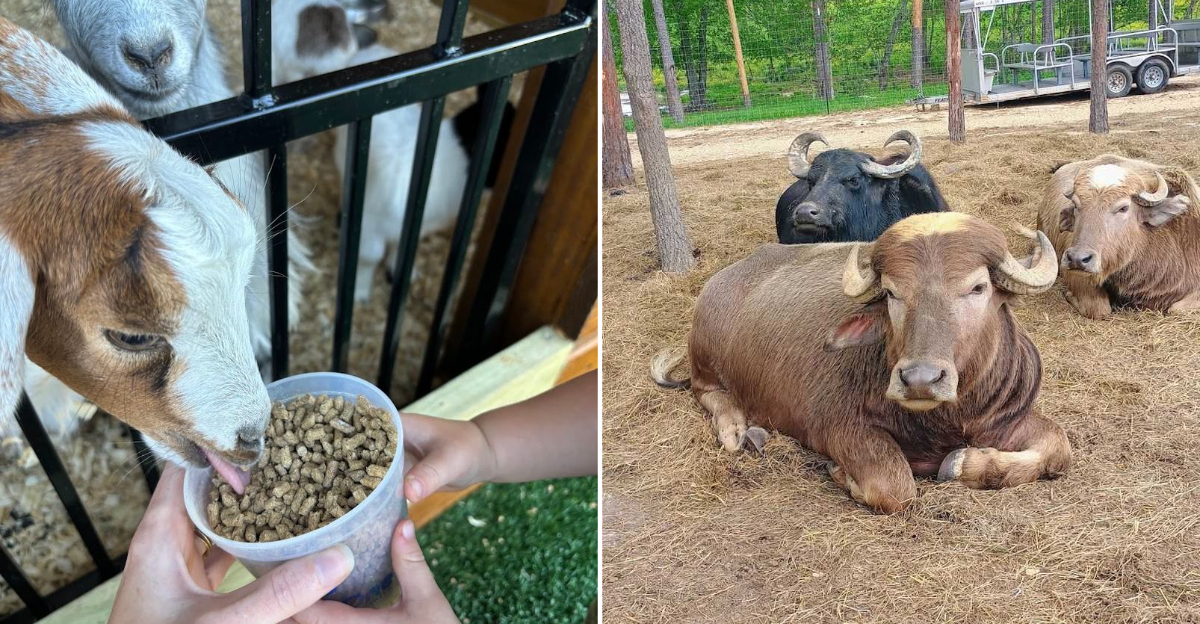
A tiny, eager hoof tapping against your shoe signals the start of a completely immersive farmyard experience. This joyful destination replaces cold metal fences with warm, direct connections that children remember for a lifetime.
Small hands grip warm plastic bottles tightly as hungry baby calves rush forward with pure excitement. Families find themselves surrounded by the gentle sounds of bleating goats and soft morning rustle.
The friendly animals show a wonderful lack of caution that immediately charms every visitor. Staff members hand out feeding supplies and share funny stories about the distinct personalities of each furry resident.
Generations of kids discover the simple magic of rural life through these muddy, interactive encounters. The pure delight in a child’s laugh makes the drive deep into the countryside completely worthwhile.
This welcoming space offers a heartwarming escape into the sweet simplicity of a working pasture.
Animal Feeding And Interaction Tips
Feeding animals at Little Creek Landing Safari Park is honestly one of the highlights of the whole visit. The park sells a Cup of Feed for guests who want to interact with farm animals and kangaroos in the self-guided walking area.
You just grab your cup and let the animals come to you. Goats, calves, and kangaroos are surprisingly bold about walking right up.
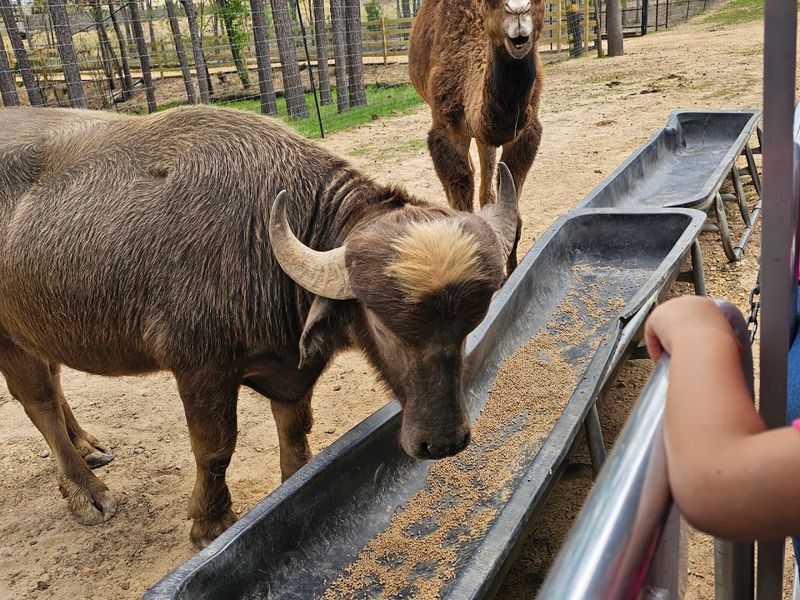
For bigger animals, the park offers a bucket of feed you can use during the guided people mover ride. That is where you get face time with zebras, camels, and llamas.
Holding that bucket out the side of the ride vehicle while a camel stretches its neck toward you is a moment you will not forget fast.
The park also has special feeding experiences for birds. You can offer nectar to lorikeets or fruit to toucans, which is a completely different kind of cool.
Each feeding station feels intentional and safe. Staff members are nearby to guide first-timers.
Always use only the food sold by the park. Never bring outside snacks for the animals.
The park is located at 222 Little Creek Rd, Sumrall, MS 39482, and is open Tuesday through Saturday.
Educational Benefits Of Hands On Learning
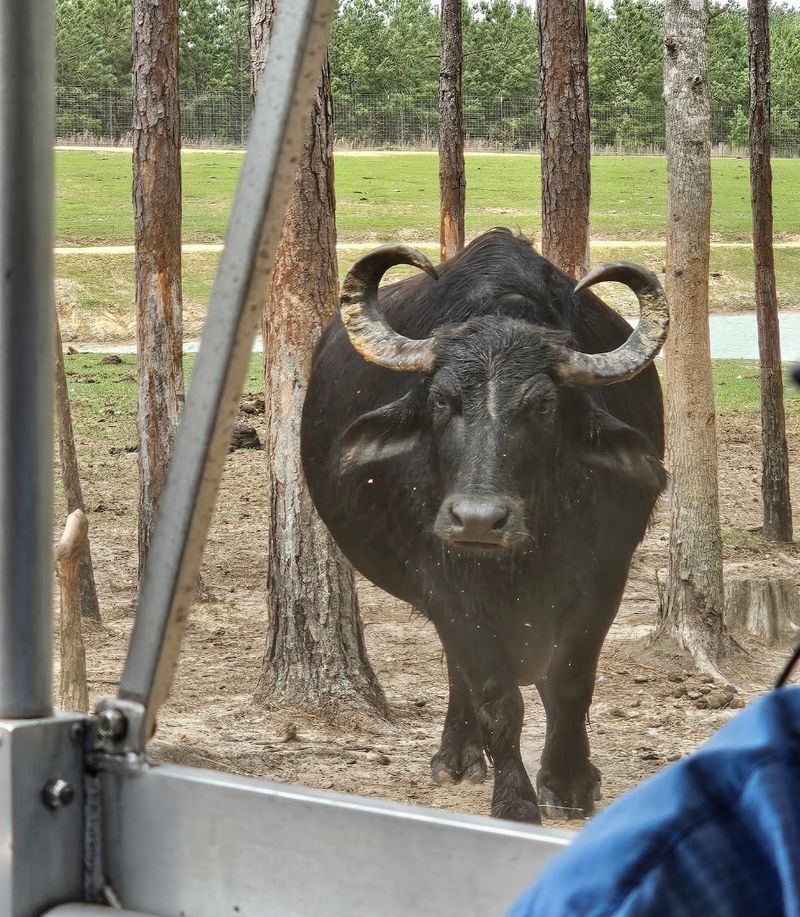
Learning happens fastest when kids are actually doing something. At Little Creek Landing Safari Park, children are not just reading about exotic animals on a poster.
They are standing right next to them, feeding them, and watching how they move and behave in real time. That kind of direct experience sticks with kids in a way that no classroom lesson can replicate.
Owner Chris Thurman built this park from a genuine childhood love of animals, inspired by his grandmother’s critter farm. That origin story matters because it shapes how the park operates.
The focus is on personal connection and observation, not just looking through glass or over a fence. When a child watches a peacock fan its feathers three feet away, curiosity kicks in automatically.
The park’s layout encourages kids to ask questions and explore at their own pace. The self-guided walking trail lets families linger as long as they want near any animal.
The guided people mover tour adds another layer of structured learning with staff sharing facts along the way. Kids walk away knowing the difference between a wallaby and a kangaroo.
They learn what grey crowned cranes eat. Small details like these build a real foundation of environmental awareness and respect for wildlife that grows with them over time.
Health And Safety Guidelines For Visitors
Staying safe at a petting zoo is mostly common sense, but a few specific habits make a real difference. Washing your hands before and after any animal contact is the single most important rule.
Little Creek Landing Safari Park has animals that are well cared for and healthy, but basic hygiene still applies every single time you touch an animal or their feed.
Only feed animals using food purchased from the park. This protects the animals from getting sick and keeps interactions safe and predictable.
Animals trained to eat specific foods can react unexpectedly to outside snacks. It is not worth the risk for anyone involved.
Keep this rule in mind, especially with younger kids who might not understand why it matters.
Parents should stay close during all animal interactions. The animals at the park are accustomed to visitors, but they are still animals with their own instincts.
Moving slowly and calmly around them reduces stress for both kids and creatures. Avoid reaching over enclosure barriers unless staff specifically invite it.
Wear closed-toe shoes since the walking paths include natural terrain. Sunscreen and water are smart to bring along too.
The park is open Tuesday through Saturday, with extended evening hours on Fridays and Saturdays. Planning your visit during a cooler part of the day makes the experience more comfortable for the whole family.
Common Farm Animals Found At Petting Zoos
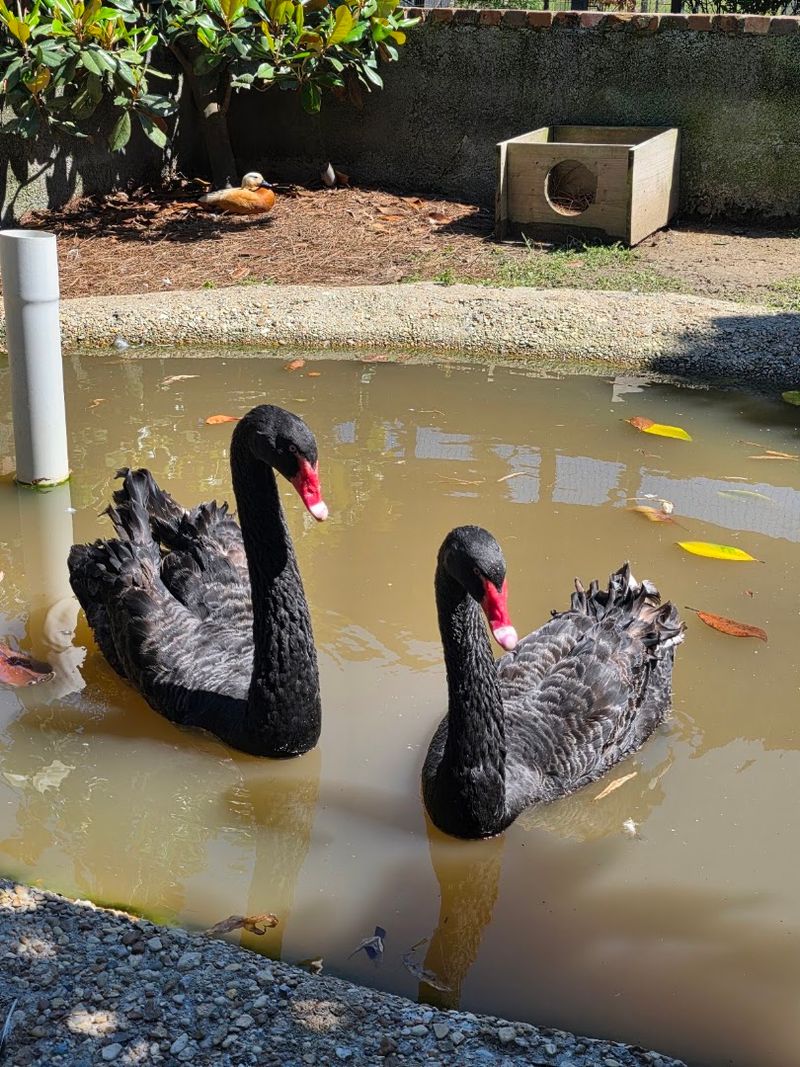
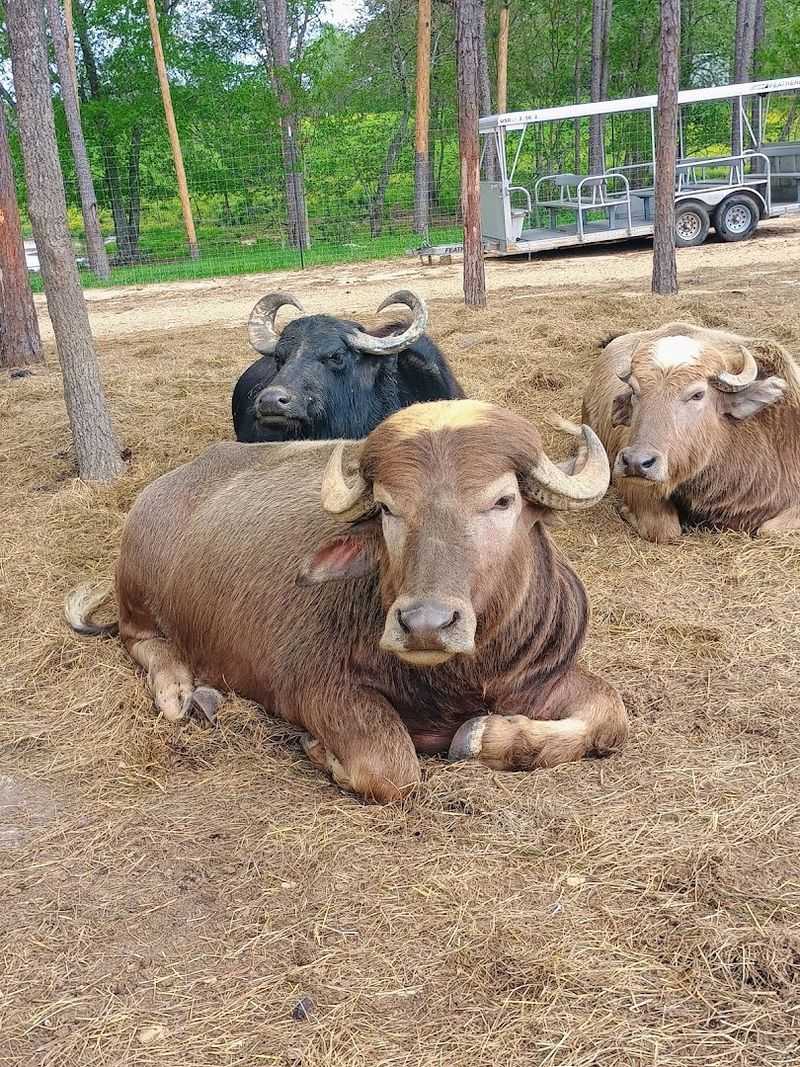
Farm animals are the heart of most petting zoo experiences, and Little Creek Landing Safari Park has a solid lineup in its self-guided walking area. Goats are usually the first ones to greet you at the gate.
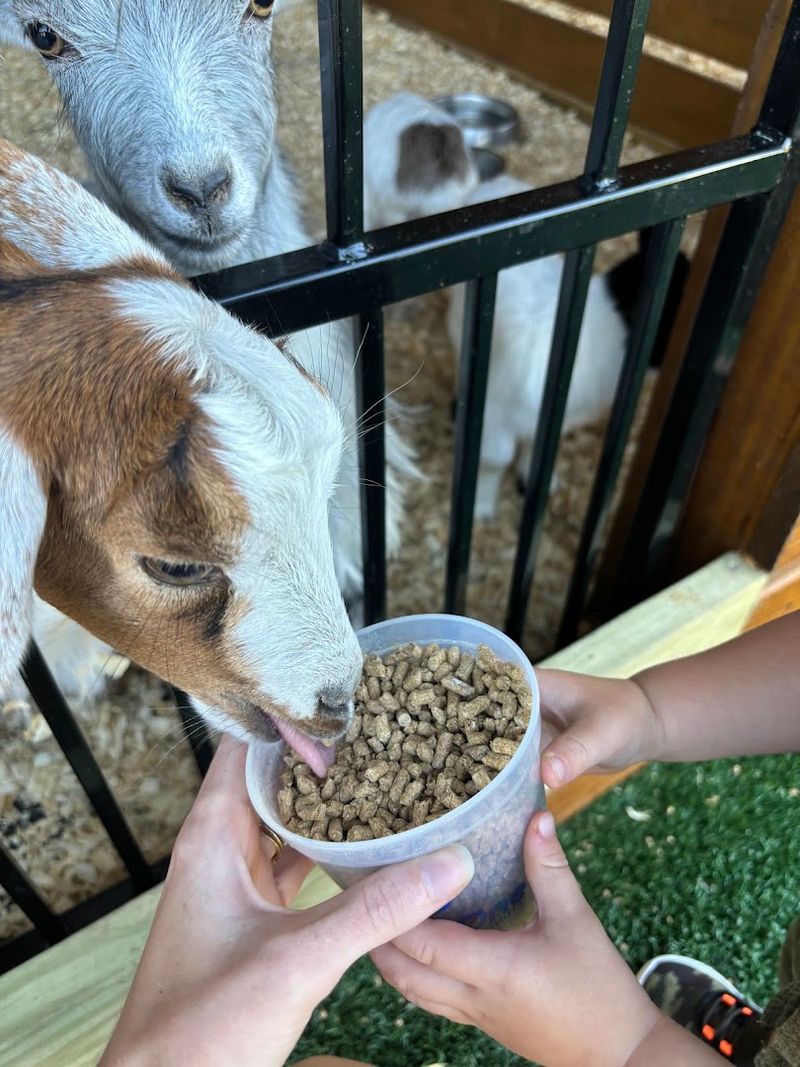
They are curious, quick, and absolutely shameless about sniffing your pockets for food. Calves are right there too, wide-eyed and surprisingly gentle for their size.
Alpacas are another crowd favorite. Their fluffy faces and calm personalities make them perfect for younger children who might be nervous around bigger animals.
Donkeys hang out near the entrance area and are usually happy to accept a pat. Kangaroos and wallabies share space in the walking trail, which still surprises most first-time visitors who do not expect to see them in Mississippi.
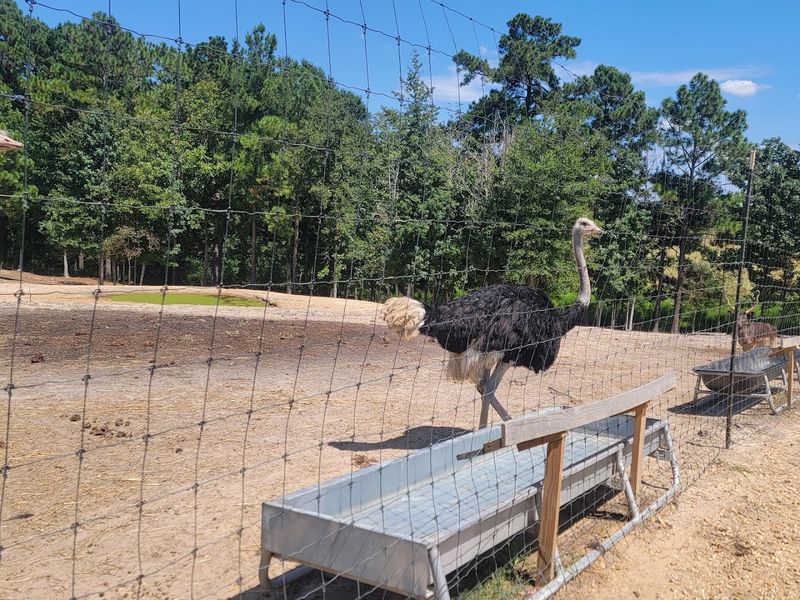
The bird variety adds a lot of character to the experience. Ducks, swans, geese, grey crowned cranes, peacocks, and tortoises all move freely through parts of the park.
Peacocks especially have zero fear of humans and will parade right past your feet. Watching a grey-crowned crane walk alongside a tortoise near a pond is the kind of random moment that makes the whole trip memorable.
The mix of familiar farm animals and unexpected exotic species creates a layered experience that works well for every age group in your crew.
Seasonal Events And Activities For Families
Little Creek Landing Safari Park does not just run the same program year-round. The park adds seasonal events that give families a reason to come back more than once.
The Pumpkin Patch runs in late September, which turns the property into a full fall experience. Kids get to pick pumpkins while surrounded by animals, which is a combination that basically writes itself as a great photo opportunity.
A Fall Festival follows in early November, adding more activities and a festive atmosphere to the park. Then comes the holiday season, when Santa shows up at the safari park for a truly unique photo experience.
Getting your holiday picture taken next to exotic animals is not something most families can pull off anywhere else in Mississippi. It is a fun twist on a tradition.
Birthday parties are another big offering. The park packages include admission, a hands-on animal encounter, and a ride on the people mover.
That combination makes for a birthday celebration that no bounce house can compete with. The on-site restaurant is open during evening hours on Fridays and Saturdays, which pairs well with twilight animal viewing.
The park also has a gift shop and serves Hershey’s ice cream, so there is plenty to keep everyone happy between animal encounters. Check the park’s website for updated event dates before you plan your visit.
How Bottle Feeding Strengthens Kids Connection
There is something that happens when a child holds a bottle and a baby animal latches on. The kid goes quiet.
Eyes go wide. It is one of those rare moments of pure focus that parents do not see often enough.
Little Creek Landing Safari Park offers farm animal feeding with cups of feed in the walking area, where goats and calves are among the friendliest participants. That direct contact builds something real between a child and an animal.
Feeding a young animal requires patience and a steady hand. Kids have to slow down, stay calm, and pay attention to the animal’s cues.
That process builds empathy naturally. Children start to understand that animals have needs, preferences, and personalities.
It shifts the relationship from observer to participant in a meaningful way.
These moments also create lasting memories that kids talk about long after the visit ends. A child who once fed a calf by hand is far more likely to care about animal welfare as they grow older.
The connection formed in that short interaction carries real weight. Little Creek Landing makes these experiences accessible and supervised, so parents can feel confident while kids get their moment.
The park’s hands-on philosophy, shaped by owner Chris Thurman’s lifelong passion for animals, ensures that every feeding interaction is thoughtful and purposeful for both the child and the animal involved.
Preparing Children For A Day At The Petting Zoo
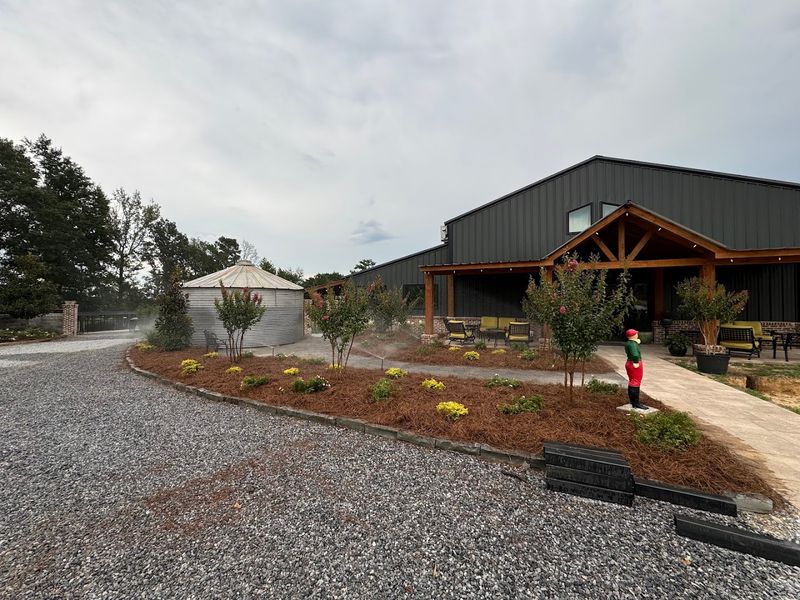
A little preparation goes a long way before heading to Little Creek Landing Safari Park. Start by talking to your kids about what to expect.
Let them know they will see both farm animals and exotic species. Explaining that some animals will come right up to them while others stay behind barriers helps set realistic expectations and reduces any surprise-related meltdowns at the gate.
Pack water and sunscreen without fail. The walking trail is outdoors, and Mississippi heat is no joke, especially in the summer months.
Closed-toe shoes are strongly recommended since paths include natural ground surfaces. Comfortable clothing that you do not mind getting a little muddy or hairy is a smart call.
Leave anything fragile or expensive in the car.
Talk to younger children about how to behave around animals before you arrive. Encourage calm voices and slow movements.
Remind them not to chase animals or wave their arms suddenly. These simple guidelines make interactions safer and more enjoyable for everyone, including the animals.
Bring some cash or a card for food purchases; the Cup of Feed is worth every penny. Check the park’s operating hours ahead of time since Monday and Sunday are closed.
Arriving early on a Friday or Saturday lets you enjoy both the daytime animal experience and the evening hours when the restaurant opens. A little planning makes the whole day run smoothly.
Behind The Scenes Care And Animal Welfare
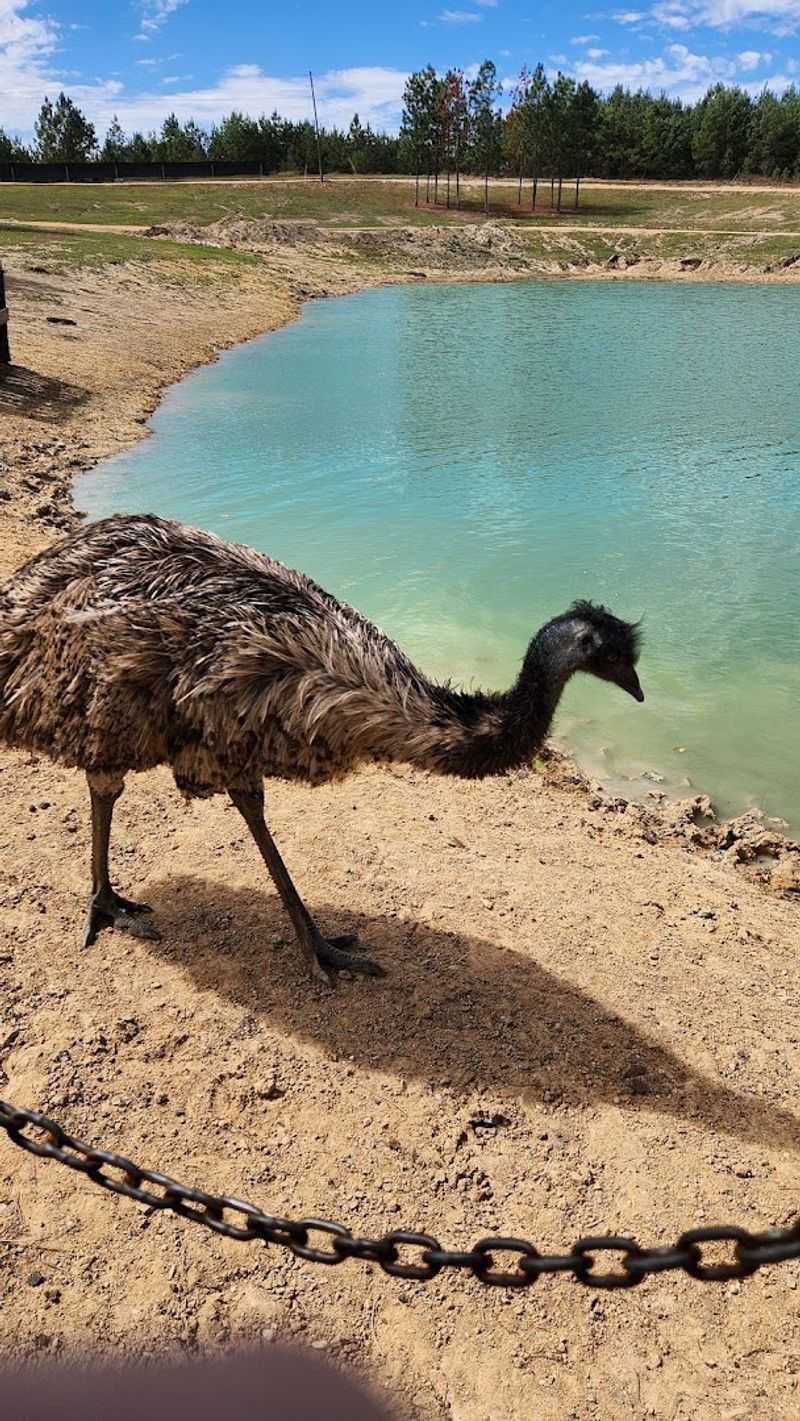
Chris Thurman did not build Little Creek Landing Safari Park overnight. His love for animals started in childhood, shaped by time spent on his grandmother’s critter farm.
That background informs everything about how the park operates today. The animals here are not props for a photo op.
They are cared for daily with attention to their health, diet, and environment. That commitment shows in how calm and approachable the animals are with visitors.
The facility is maintained at a high standard across the board. Enclosures are clean.
Pathways are well-kept. Staff members treat each animal with familiarity and care, the kind that only comes from consistent daily interaction.
Over 300 animals live on this property, and each one requires a specific routine. The team behind the scenes makes that happen every single day, regardless of whether the park is open to guests.
Animal welfare is not just a policy at Little Creek Landing; it is the foundation of the entire operation. Thurman has spoken about the reward that comes from simply having the animals and caring for them well.
That philosophy filters down through every staff member and shapes the visitor experience in ways guests can actually feel. The park’s cleanliness, the animals’ calm demeanor, and the staff’s genuine enthusiasm all point back to the same source.
Good animal care creates a better experience for everyone who walks through the gate.