
This Mississippi Trail Leads You Past A Wildlife Rescue Caring For Injured And Orphaned Animals
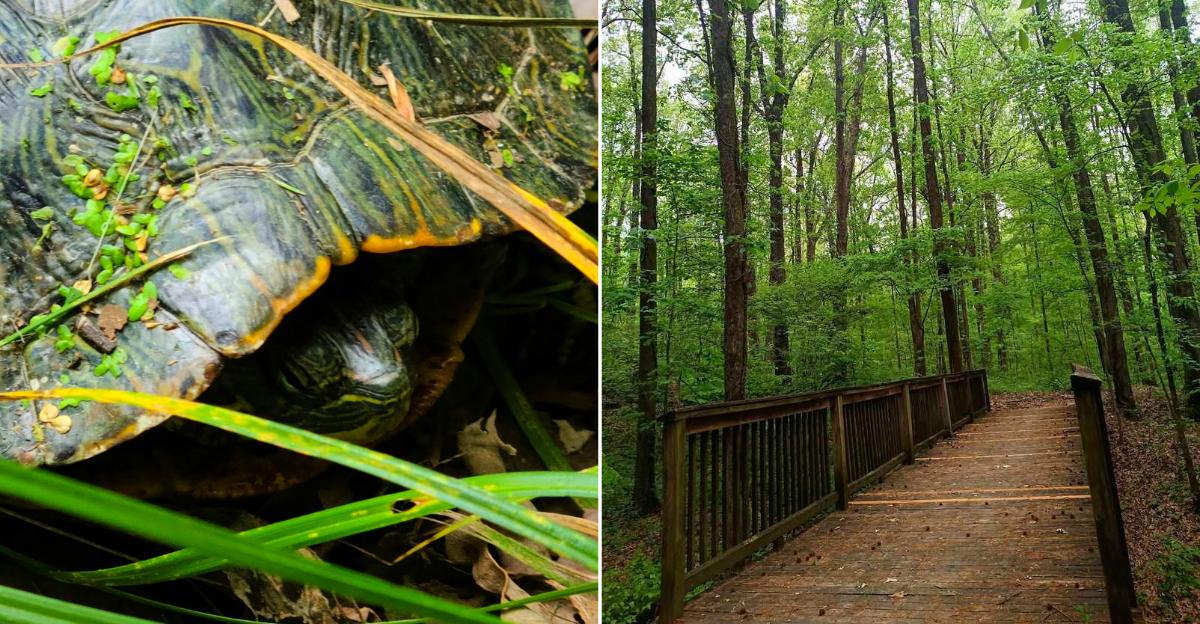
A trail feels different when you know something nearby is getting a second chance. One quiet path passes land shared with a wildlife rescue that has cared for injured and orphaned native animals since 1995. Mississippi gets wonderfully gentle here.
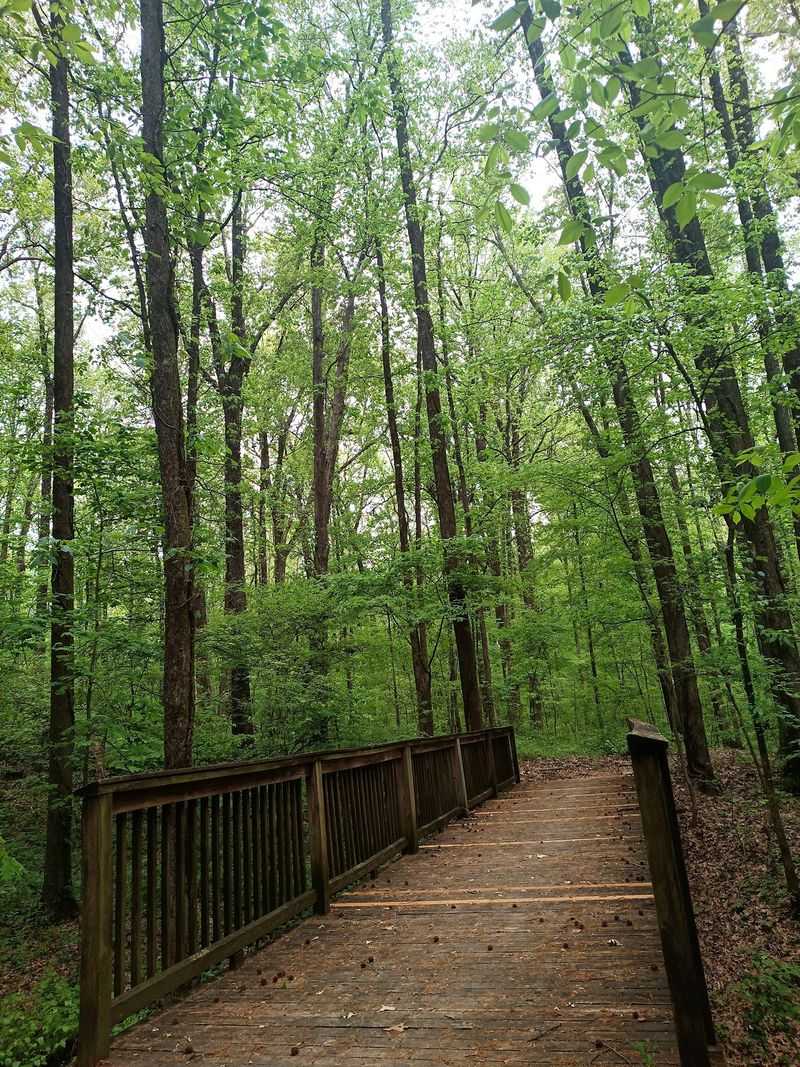
The route winds through shady woods and damp edges, where slowing down feels less like advice and more like the natural thing to do.
Then you remember the people working nearby may be helping an animal return to the wild. That changes the mood of the whole walk. Hundreds receive care here each year, yet the trail itself stays peaceful and simple.
There is no admission fee and no need to rush through it. You can listen, look around, and let the woods do most of the talking. Some outings entertain you.
This one may leave you thinking about what happens after you go home.
A Woodland Sanctuary With A Second Job
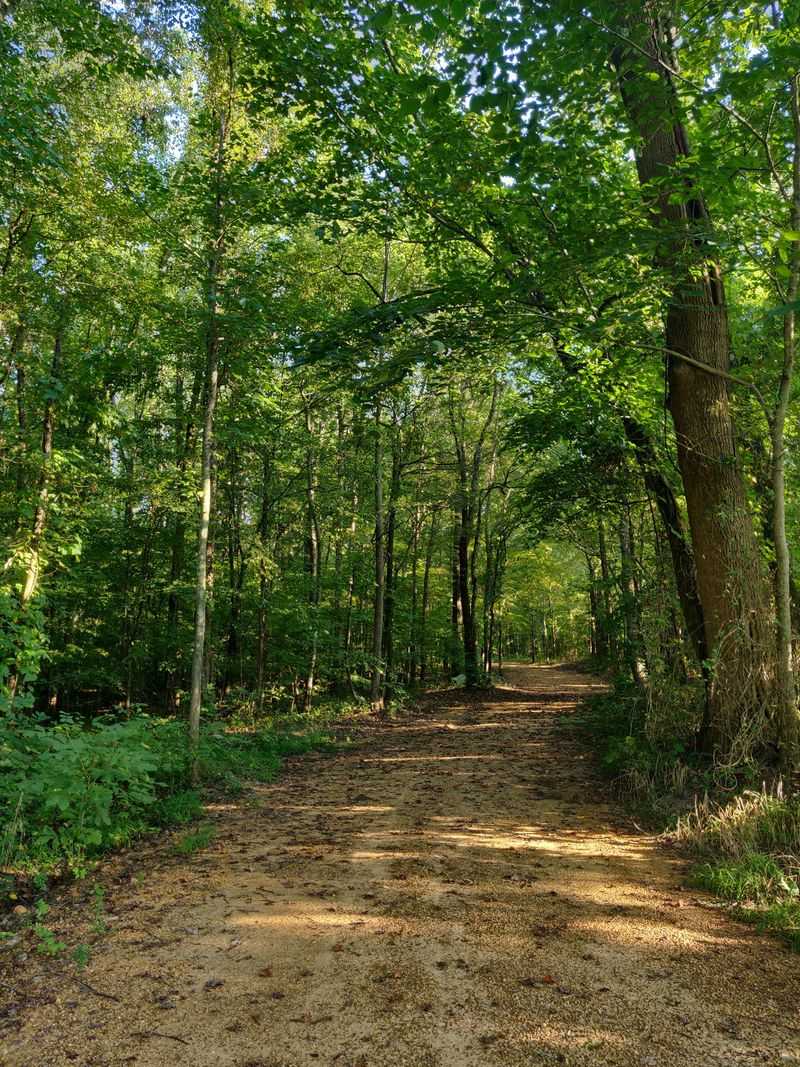
Most nature trails ask only that you walk them. Here, the ground beneath your boots does double duty as a working sanctuary for wildlife that needs mending. That shift in purpose changes how the whole walk feels.
Two miles of natural surface paths roll gently through mixed hardwood forest, swamp pockets, and fields planted specifically to feed and shelter native animals.
No pavement, no gravel crunch, no traffic noise. Just packed earth, leaf litter, and the occasional root that reminds you to watch your step.
Sunlight filters down through a canopy thick enough to keep most of the route shaded, which matters plenty during a humid Mississippi July.
Wildflowers open along the grassland stretches, and butterflies work the blooms with real dedication. Vines climb everything, giving the woods a lush, almost tropical look that surprises first-timers.
Openings in the trees reveal glimpses of Arkabutla Lake, silver and still on calm mornings. Benches appear at sensible intervals for anyone who wants to sit and simply absorb the quiet.
Walkers consistently describe the route as easy, well shaded, and pleasantly hushed. No special gear required. Sturdy shoes and a bit of curiosity cover it.
Finding The ARK Off Highway 304
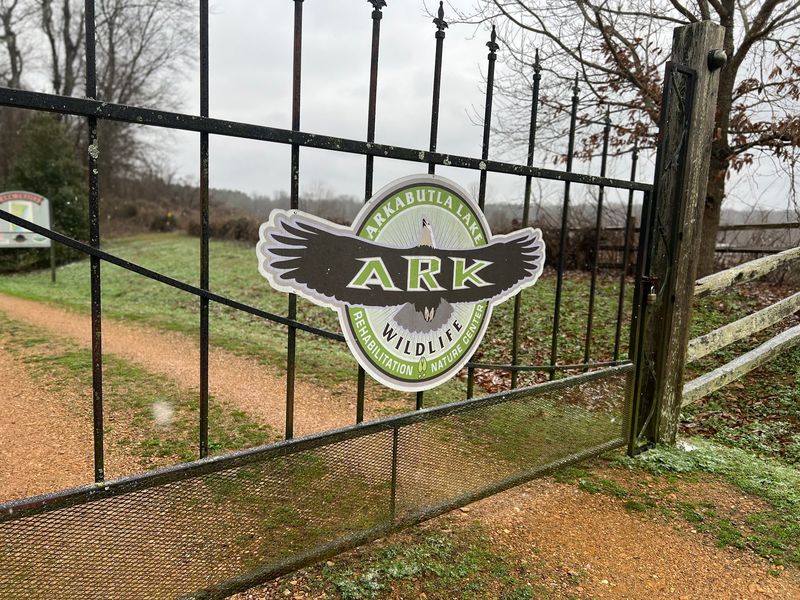
Officially, the destination is the Ark Trail, part of the Arkabutla Lake Wildlife Rehabilitation and Nature Center run by Mississippi Wildlife Rehabilitation, Inc. Everybody shortens it to the ARK. The address reads 7001 MS-304, Hernando, MS 38632.
Getting there takes a little intention. Drive roughly ten miles west of Hernando, pass Fogg Road, and keep going until you are just west of Panther Creek. The turnoff feels modest, and more than a few visitors have circled back once before spotting it.
That mild difficulty works in your favor. Because the entrance does not announce itself with billboards, the parking area rarely fills up. You often get the woods to yourself, which is exactly the point of a wildlife sanctuary.
Punch the address into your phone before you leave town, since cell service out that way can get spotty. Screenshot the directions if you want to be thorough.
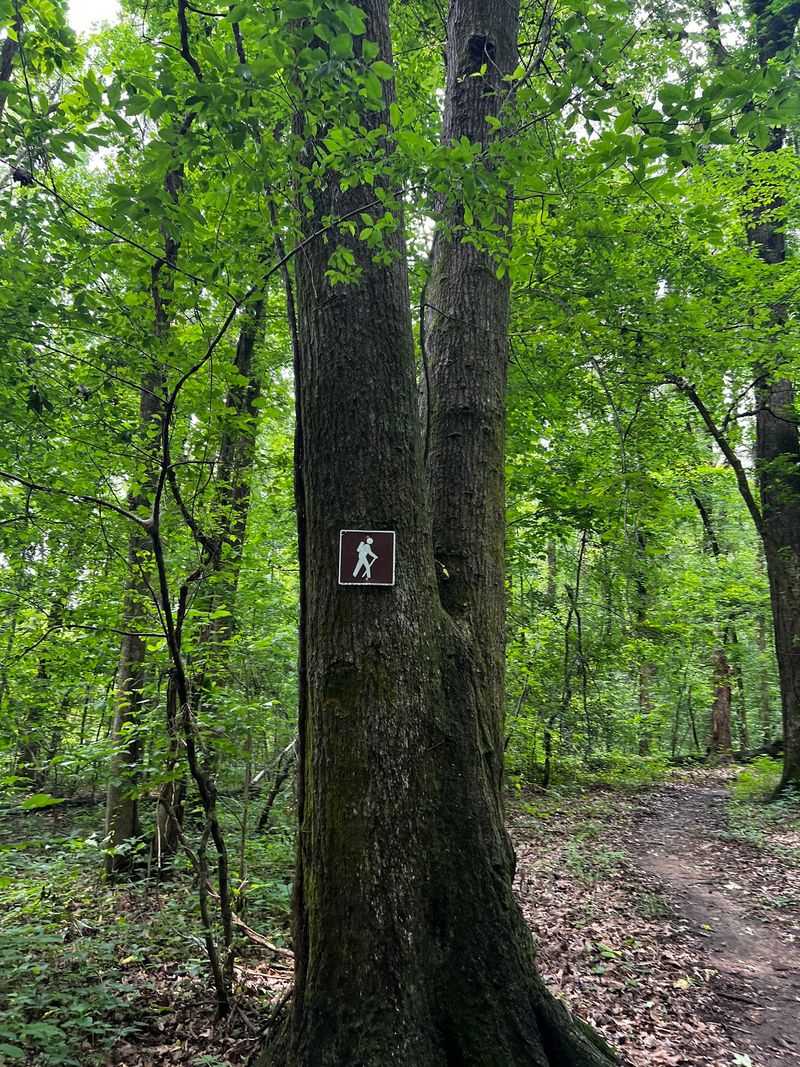
Once parked, the trailhead sits close by and the loops are marked with signs. Give yourself an hour minimum. Give yourself two if you plan to read everything, and you should.
Nearly Three Decades Of Mending Wild Things
Back in 1995, a group of Mississippi folks decided that hurt wildlife deserved somewhere to go. Mississippi Wildlife Rehabilitation, Inc. has been doing that work ever since, which puts them close to thirty years of service.
The numbers tell the story better than adjectives can. During 2024 alone, the organization helped 775 wildlife patients spanning 113 different species. That averages out to more than two new arrivals every single day of the year.
Migratory birds and reptiles are their specialty, though the intake list runs long and varied.
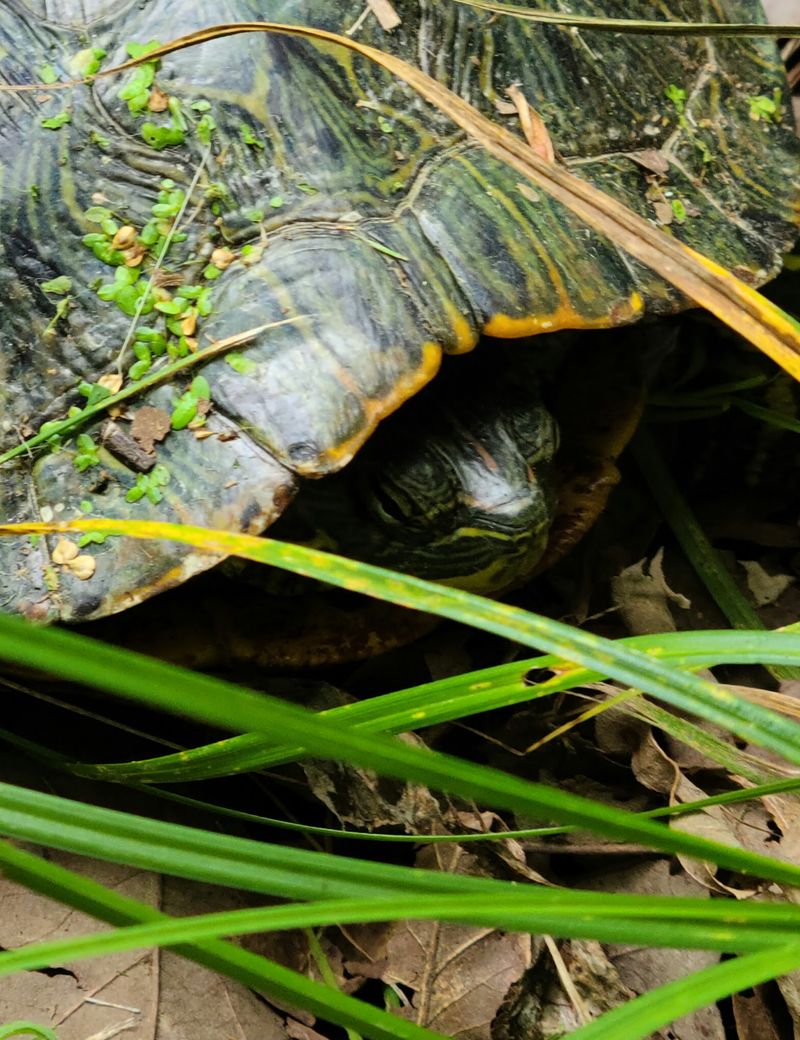
Songbirds with damaged wings, hatchlings separated from parents, turtles clipped by cars, hawks that collided with windows. Each one gets assessed, treated, fed, and prepared for release.
Rules exist for good reason. They do not accept skunks or bats, and raccoons and fawns come with county-specific restrictions tied to state regulations.
Funding arrives entirely through donations, since the group operates as a nonprofit. No admission fee stands between you and the trail, so dropping something in the donation box feels like the neighborly move. Every dollar buys formula, medicine, or a warmer enclosure.
Signs That Actually Teach You Something
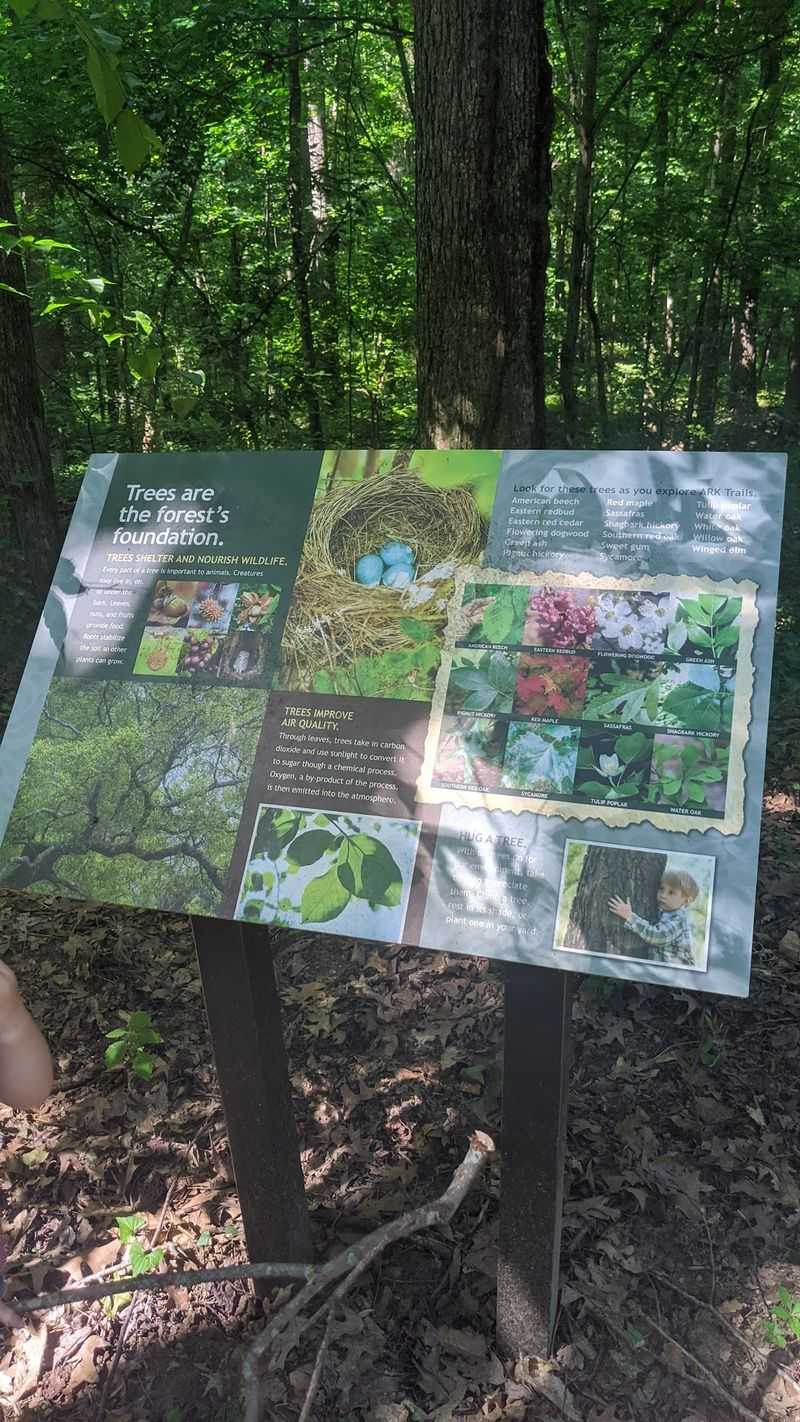
Plenty of trails hang a plaque or two and call it education. The ARK went considerably further, lining its loops with interpretive signs that turn a walk into an unhurried lesson.
Tree identification gets serious attention. You learn to tell oaks from hickories by leaf shape and bark texture, which is one of those skills that quietly improves every future hike you take.
Other panels cover animal tracks, native plants, and the habits of local wildlife. Kids who normally speed through nature slow way down when there is something to read and match against the ground.
The signage is genuinely handsome, not faded plastic bolted to a post. Somebody cared about how the information looked, and it shows.
A Little Free Library sits along the route, stocked with books free for the taking. Grab one, find a bench, and read with birdsong as background noise. Bring a book to swap if you can.
Guided nature hikes have been offered here as well, led by folks who know the local ecosystem intimately. Check ahead with the organization if a guided outing appeals to you.
Vinny The Vulture And Other Ambassadors
Not every rescued animal can return to the wild. Injuries sometimes heal in ways that make survival outdoors impossible, and those animals get a different assignment.
Meet Vinny, a vulture who serves as one of the ARK’s education ambassadors. Vultures rarely top anyone’s list of favorite birds, which is precisely why Vinny is such an effective teacher.
He helps audiences understand that scavengers keep ecosystems clean and healthy. Without them, the countryside would be a considerably less pleasant place. Vinny makes that case just by showing up and being himself.
Ambassador animals appear in educational programs where people can observe them closely and ask real questions. Seeing a wild bird from a few feet away rearranges how you think about the species forever.
Future plans include housing education Birds of Prey, with hopes of eventually welcoming a Bald Eagle ambassador to the roster. That would be a considerable draw for north Mississippi.
Program schedules vary, so contact the organization if you hope to catch one. The trail stays open regardless, but timing a visit around a program adds a memorable layer.
The Pavilion Everybody Talks About
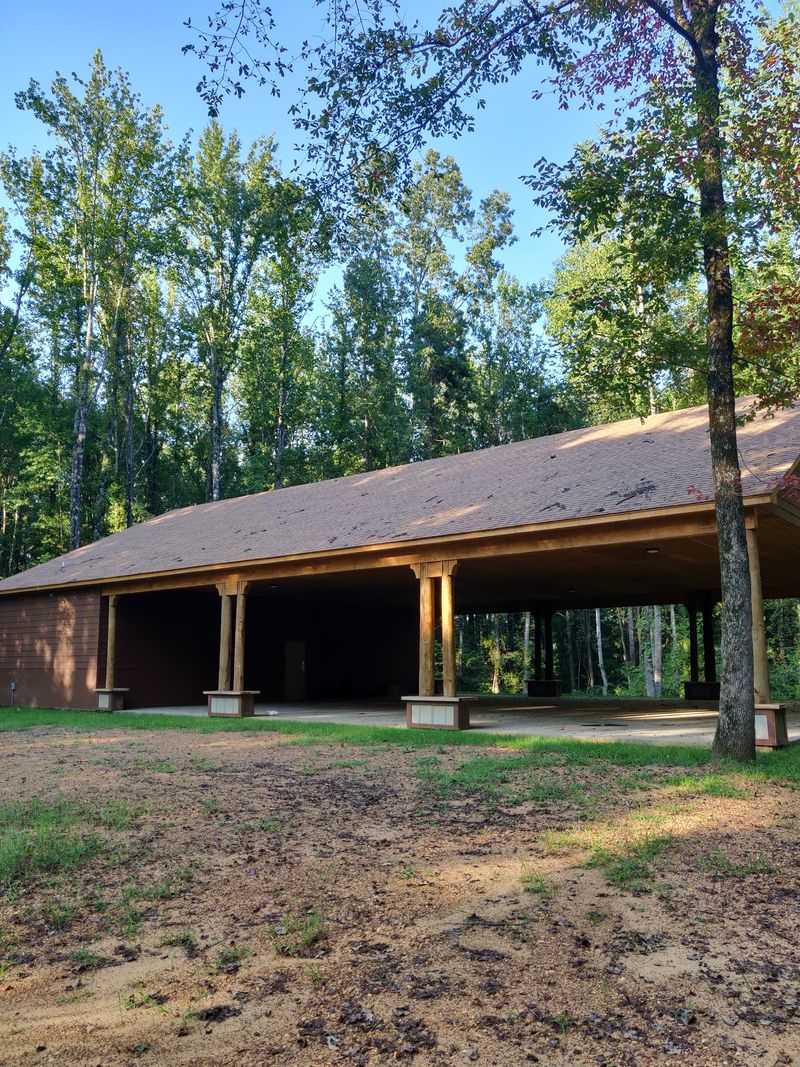
Five thousand square feet of covered space anchors the property, and visitors mention it constantly. The education pavilion serves as gathering spot, rain shelter, and lunch headquarters all at once.
Inside you will find a kitchen and restrooms, which elevates the whole facility above typical trailhead amenities. The pavilion is available for rentals, making it a legitimate option for family reunions, birthday parties, or group outings.
An outdoor stage sits nearby for programs and performances. Picnic areas scatter around the grounds, so packing a cooler is a smart call before you drive out.
Cleanliness gets steady praise from people who walk here. Trash and vandalism are notably scarce, though carrying out your own wrappers remains the right habit since disposal points are limited.
A portable toilet stands between the two trail loops for anyone caught mid-hike. Small detail, big relief.
The pavilion also makes rainy days workable. Show up, watch weather move across the trees, eat a sandwich, and wait it out. Sometimes the woods smell best right after a shower, all damp earth and green.
Leave Fido Home, And Here Is Why
Dog owners, brace yourselves. Pets are not permitted on these trails, and the rule is firm rather than flexible.
The reasoning holds up. Rehabilitated animals released on this property need space free from predator scent and unfamiliar noise. A dog trotting through, even the friendliest one, sends stress signals through the whole area.
Nesting birds abandon nests. Fawns freeze in place. Turtles retreat instead of foraging.
Small disruptions add up quickly in a sanctuary designed for recovery.
Foot travel only is the standard here, meaning no bikes and no motorized anything. That restriction is part of why the trail stays so peaceful, with birdsong and rustling leaves dominating instead of tires and chatter.
Since the property functions as genuine wildlife habitat, snakes live here too. Cottonmouths have been spotted near the paths. Stay on the trail, watch where you place your feet, and give any snake a wide berth.
They want nothing to do with you.
Long pants and closed shoes make sense in warmer months. A little insect repellent never hurts either. Respect the residents and the woods reward you.
Timing Your Visit Just Right
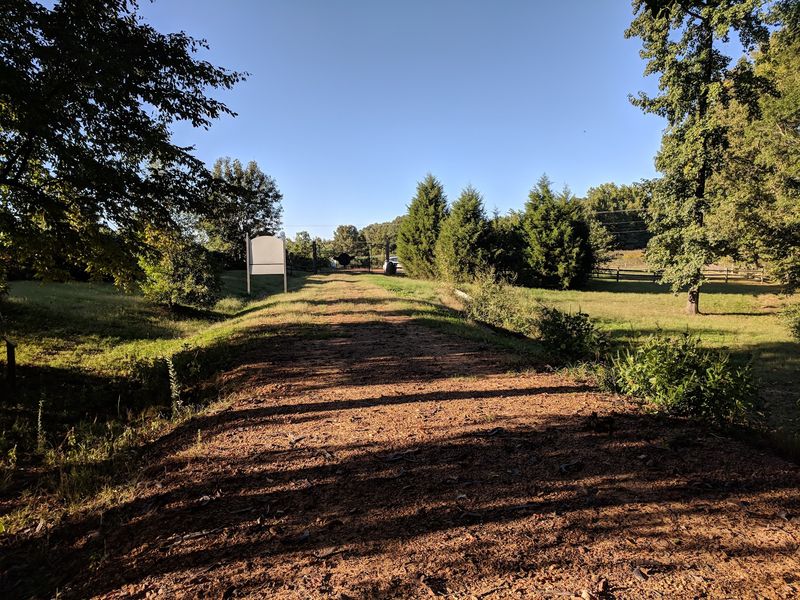
Open twenty-four hours, every day, all year. That kind of access is rare and worth appreciating.
Early morning delivers the richest wildlife activity. Birds are loudest, deer move through the fields, and the air holds a coolness that vanishes by mid-morning in summer. Bring a small flashlight if you arrive before sunrise.
Autumn transforms the hardwood stretches into color, and the reduced humidity makes walking downright comfortable. Spring brings wildflowers and migrating birds passing through on their long journeys north.
Winter has its own appeal. Bare branches open up views of Arkabutla Lake that summer foliage hides completely, and insects take the season off.
High water can obscure sections of the trail after heavy rain, so check conditions when storms have rolled through. The swamp areas do what swamps do.
Total distance runs close to two miles across the loops, manageable in about an hour at a relaxed pace. Runners use it too, and the gently rolling terrain suits steady jogging.
Water bottle, comfortable shoes, and a camera cover the essentials. Everything else is optional.
Big Plans Taking Root
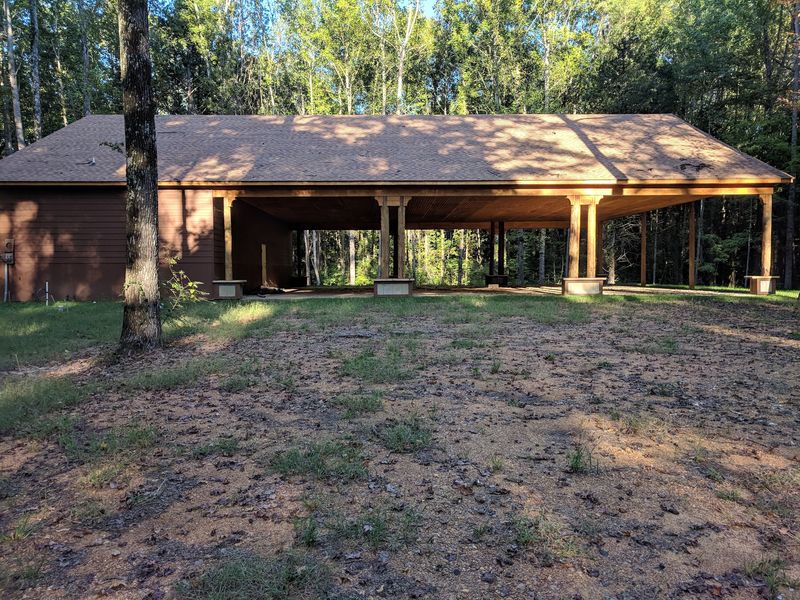
Something bigger is coming to this patch of Mississippi woods. Construction on an education center has already started, and the vision behind it is ambitious.
Plans call for a full nature center featuring interactive exhibits, additional outdoor classrooms, and a dedicated rehabilitation area built specifically for injured wildlife. A new Wildlife Hospital ranks high on the priority list.
Partnerships make it possible. The U.S. Army Corps of Engineers provides a twenty-five year land lease, giving the organization long-term stability on the property.
The Coldwater River Nature Conservancy works alongside them, sharing a commitment to protecting the broader Coldwater River watershed. Healthy water means healthy habitat for everything living downstream.
Growth like this depends on community support, since donations fund the entire operation. Visiting is free, and that generosity deserves reciprocation in whatever amount feels right.
Volunteers matter enormously too. Trails need maintenance, animals need feeding, and programs need helping hands.
Come now and you get the woods in their current quiet form. Come back in a few years and you will find something considerably grander. Either way, the walk is worth the drive out Highway 304.