
This Mississippi Wildlife Refuge Lets You Drive Through One Of The Largest Natural Areas In Mississippi
If you prefer watching wildlife from a safe distance inside your air-conditioned car, this specific destination is tailored for your lifestyle. You can experience the raw majesty of untamed nature without ever getting mud on your shoes.
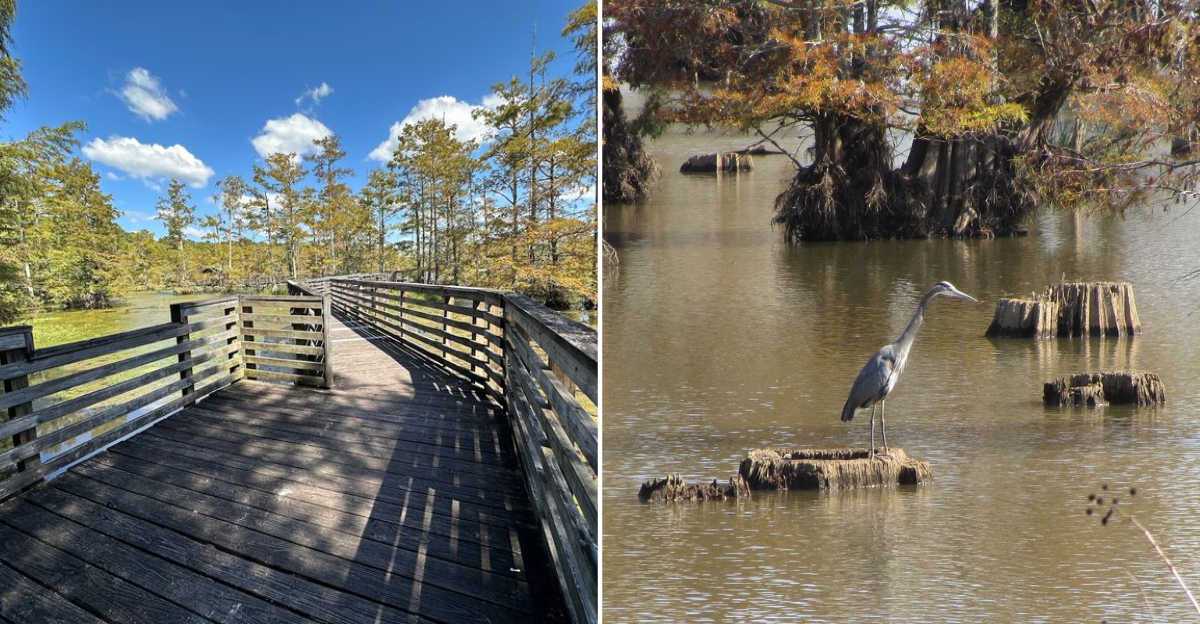
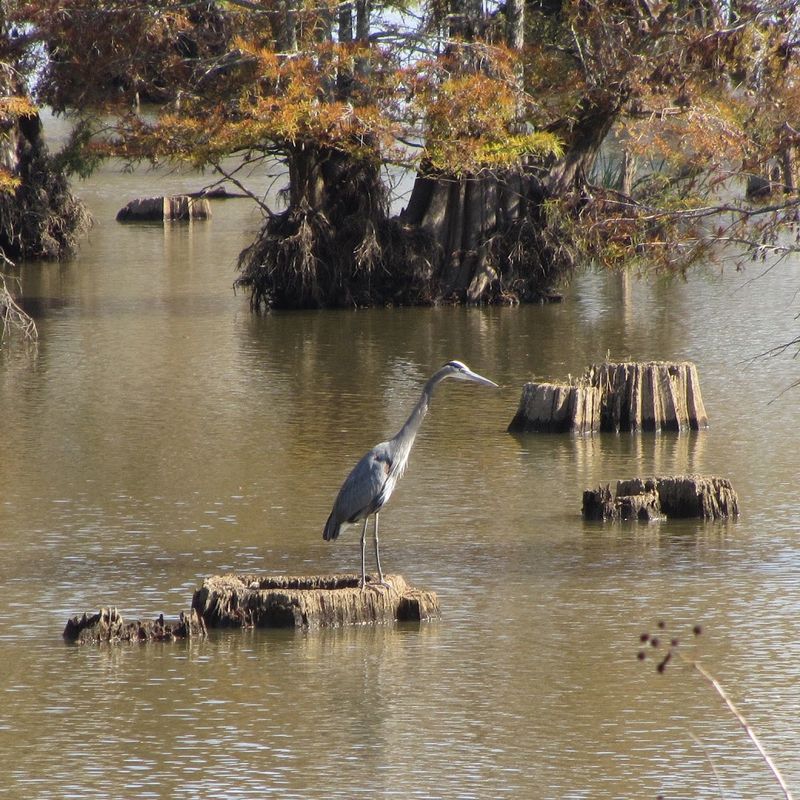
The gravel road stretches ahead like a private viewing platform through dense swamps. Giant alligators sun themselves on distant logs while blue herons wade through the shallow waters.
This massive sanctuary proves that true wilderness exploration does not require physical exhaustion or heavy gear. Mississippi offers a front-row seat to the animal kingdom right through your rolled-down passenger window.
You simply shift into low gear and let the wild world pass by at its own ancient pace. The entire journey feels like driving through a living, breathing nature documentary.
Species You Can Observe Up Close
© Sam D. Hamilton Noxubee National Wildlife Refuge Admin Building and Visitor Contact Station
Over 250 bird species have been documented at this refuge, which is honestly a staggering number. White-tailed deer roam freely through the pine stands and open fields.
Wild turkeys strut along the road edges like they own the place.
Bobwhite quail dart through the underbrush. Raccoons, skunks, and coyotes are all regular residents here.
Gray and red foxes have also been spotted throughout the property.
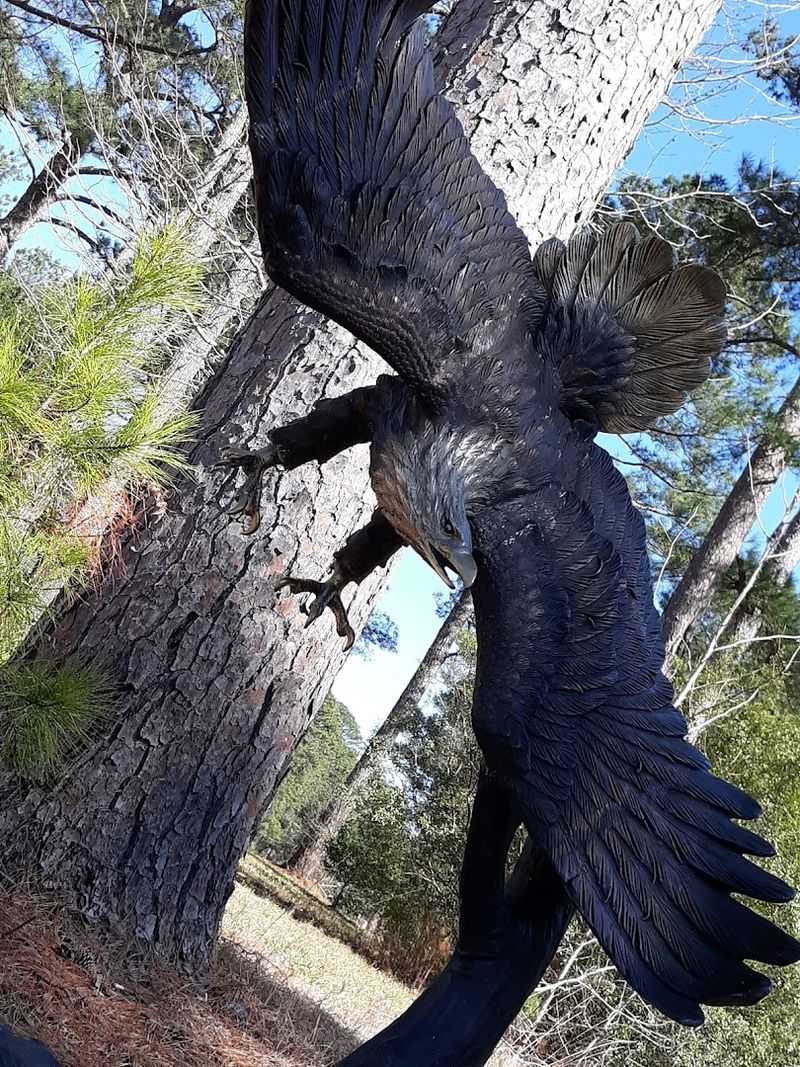
River otters slide through the waterways with surprising speed. Bald eagles perch along the lake banks during cooler months.
Wood storks and American alligators add a prehistoric feel to the whole experience.
The variety here is not random. The refuge manages multiple habitat types, which naturally attracts a wide range of species.
Pine forests, wetlands, and grasslands all exist within the same property.
You do not need to hike deep into the woods to see wildlife. Many animals appear right along the main roads.
Driving slowly and staying patient is really the best strategy here.
The refuge is located at 13723 Bluff Lake Rd, Starkville, MS 39759, United States. The visitor center is open Monday through Friday, 7:30 AM to 4 PM.
Staff can point you toward the best current wildlife activity spots.
Scenic Routes Designed For Comfortable Driving
The driving routes here are genuinely one of the refuge’s best features. You can cover a lot of ground without ever leaving your vehicle.
That makes it accessible for people of all ages and mobility levels.
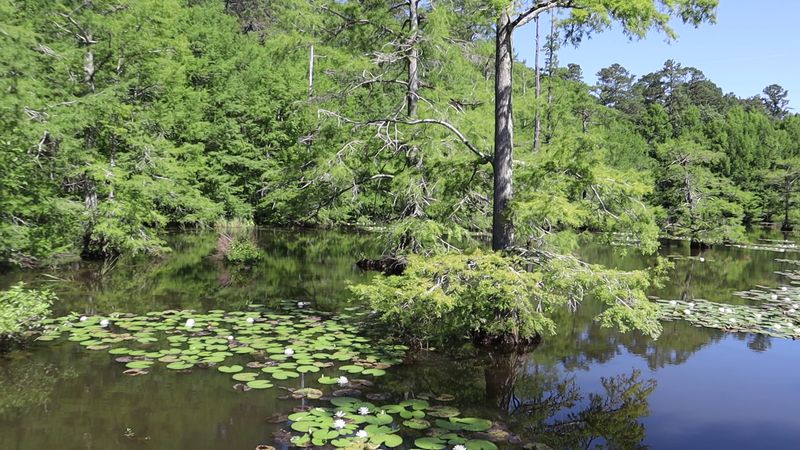
The roads wind through pine stands, open prairies, and past serene lakes. Each stretch feels different from the last.
You might pass a quiet marsh and then suddenly open up to a wide meadow.
Driving slowly is the unspoken rule here. Wildlife appears without warning, and you want to be ready.
Keep your windows down so you can hear what is happening around you.
The route along Bluff Lake is especially scenic. The water reflects the trees on calm mornings.
Herons and egrets stand motionless along the shoreline like living statues.
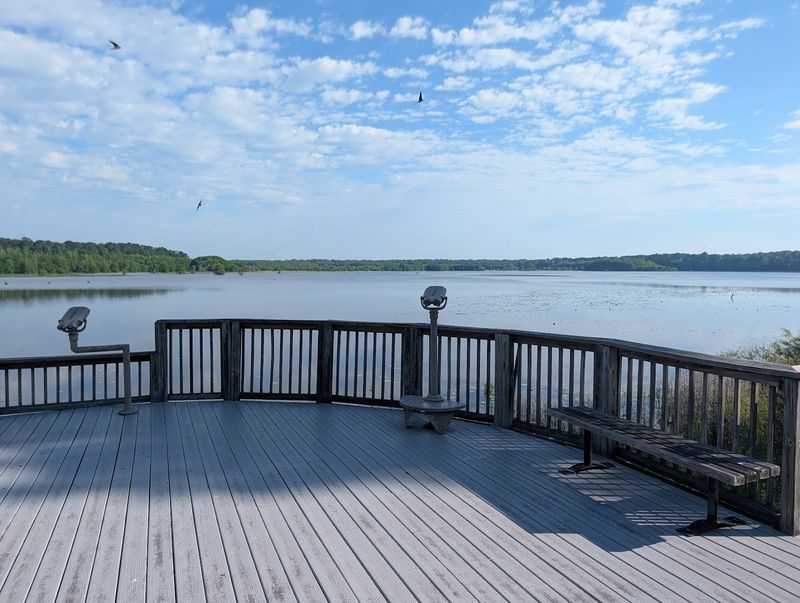
There are pull-off areas where you can stop and take it all in. Three overlooks offer elevated views of waterfowl and deer in the fields below.
These spots are worth the stop every single time.
The roads are well-maintained and comfortable for regular passenger vehicles. No off-road equipment is needed.
A standard car handles the entire route without any trouble at all, making this one of the most relaxed wildlife experiences in Mississippi.
Seasonal Changes Their Impact On The Habitat
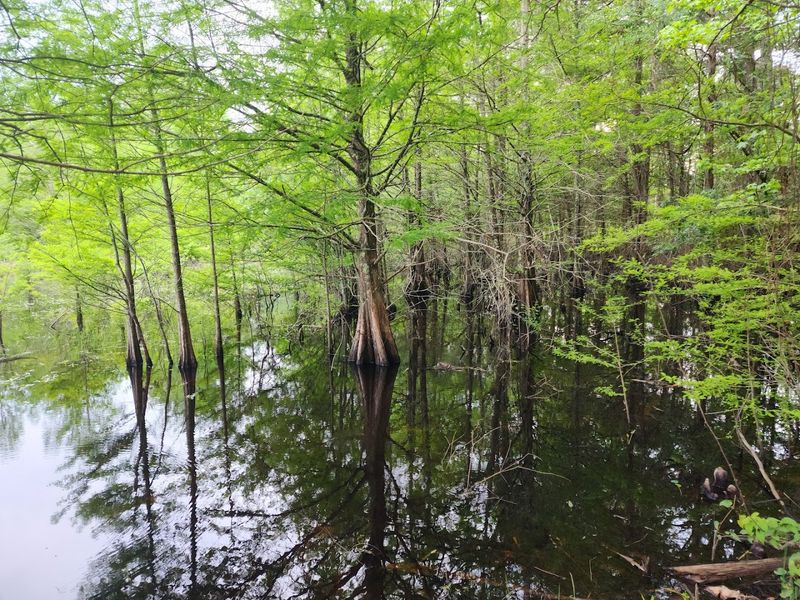
This refuge transforms completely with each passing season, and that is not an exaggeration. Fall is probably the most visually dramatic time to visit.
The upland hardwood forests shift into deep oranges, reds, and golds around late October.
Winter brings a different kind of energy to the refuge. Bald eagles and osprey arrive at the lakes from November through February.
Waterfowl gather in large numbers on the open water during the coldest months.
Spring flips the entire mood of the place. Neotropical migrant birds begin arriving in waves.
The forests fill with songs from species that spend winters far to the south.
Summer is warm and humid, as Mississippi summers always are. Alligators become especially visible during August.
The vegetation grows thick and lush, creating dense cover for many nesting species.
Each season essentially creates a new refuge experience. Regular visitors come back multiple times a year just to see the changes.
The same road can look and feel completely different in January versus July.
Planning your visit around a specific season gives you a focused goal. Want eagles?
Come in winter. Want migrating songbirds?
Spring is your answer. The refuge rewards visitors who pay attention to the calendar and plan accordingly.
Rare Plants Contributing To The Ecosystem
Most visitors come for the animals, but the plant life here is genuinely fascinating on its own terms. The refuge supports upland hardwoods, shortleaf pine, and mockernut hickory across its vast acreage.
These trees create the structural foundation that everything else depends on.
Thick stands of switch cane grow along the waterways and lower slopes. Switch cane is actually native to the southeastern United States and was once far more widespread.
Its presence here is a sign of healthy, well-managed habitat.
The Dr. Ray Watson Memorial Trail offers a self-guided plant identification experience. Over 30 tree, shrub, and woody vine species are labeled along this trail.
It is a surprisingly educational walk that does not feel like a textbook at all.
Each plant species plays a specific role in the larger ecosystem. Hardwood mast from oaks and hickories feeds deer, turkeys, and squirrels through winter.
Understory shrubs provide nesting cover for ground-nesting birds.
Prescribed burning is used to maintain the open pine savannas. Fire actually encourages the growth of native grasses and wildflowers.
Without it, the forest would close in and eliminate critical habitat for species like the red-cockaded woodpecker.
Paying attention to the plants here changes how you see the entire refuge. The animals make sense once you understand what the vegetation is doing beneath the surface.
Conservation Efforts To Protect Endangered Species
The red-cockaded woodpecker is one of the main reasons this refuge exists in its current form. This small bird is federally endangered, primarily because of widespread habitat loss across the Southeast.
Old-growth longleaf and shortleaf pine forests, which it depends on, have largely disappeared.
The refuge actively manages for this species using prescribed burning and selective timber cutting. These practices keep the forest open and healthy, mimicking the natural fire cycles the bird evolved with.
Artificial nesting cavities have also been installed to help establish new colony sites.
American alligators are another conservation focus here. They are listed as threatened in Mississippi, even though their populations have recovered nationally.
Protecting their wetland habitat benefits dozens of other species at the same time.
The broader management philosophy here is ecosystem-based. Rather than focusing on single species in isolation, the refuge maintains diverse habitats that support multiple at-risk animals and plants simultaneously.
That approach is both practical and effective.
Prescribed fire is used on a rotating schedule across the property. It controls invasive vegetation and encourages native ground cover.
Visitors occasionally see smoke or charred areas, which is a completely normal and intentional part of the management plan.
Supporting this refuge through entrance fees and awareness helps fund these ongoing efforts. Conservation work here is continuous, not seasonal, and the results are visible across the entire property.
Activities Suitable For Families Children
Families genuinely have a lot to work with here. The refuge offers fishing, hiking, wildlife observation, and paddling all in one location.
Kids do not run out of things to look at, which is a real win for parents.
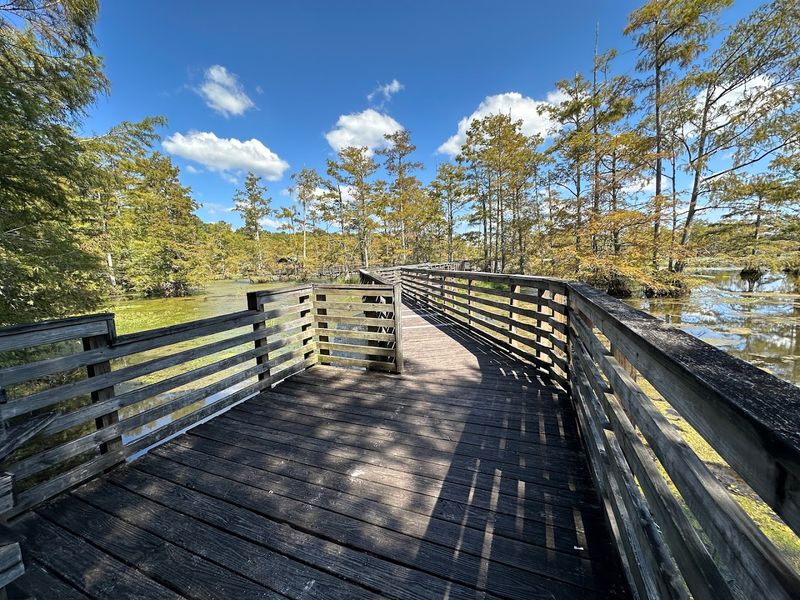
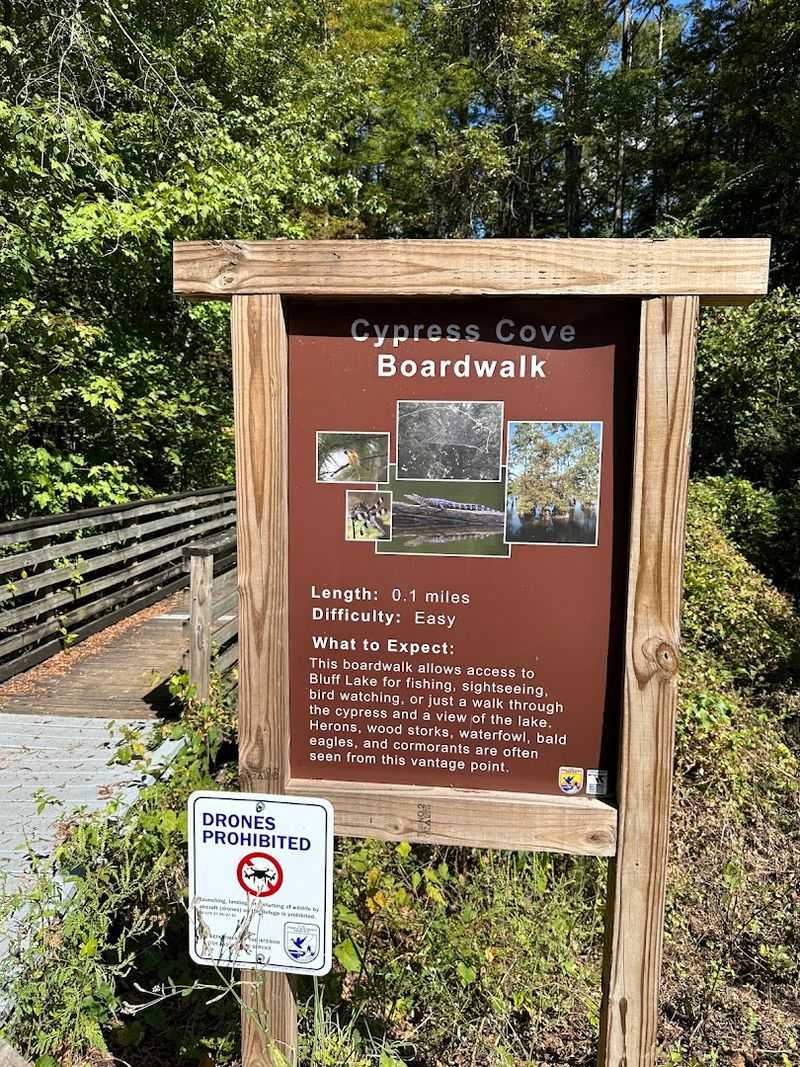
Two boardwalks provide excellent wildlife viewing without requiring serious hiking ability. Young children can walk them comfortably.
The elevated views over the wetlands make spotting turtles, birds, and alligators much easier.
Three overlooks are positioned throughout the refuge for watching waterfowl and deer. These spots work especially well during early morning visits.
Bring binoculars and let the kids try to identify what they see.
Canoeing and kayaking on Bluff Lake are popular warm-weather activities. The lake is calm and manageable for beginners.
Just keep an eye out for alligators, because they are real and they are there.
The visitor center has a small museum area that children respond well to. There are taxidermy animals, interactive touch areas, and information stations about local wildlife.
It is a low-key but genuinely engaging stop before heading out on the trails.
Picnic tables are available near the lake, and BBQ grills are provided free of charge. Parking is also free.
Packing a lunch and spending a full day here is completely doable and does not require a big budget at all.
Guided Tours Versus Self Guided Exploration
The visitor center is the best starting point regardless of how you plan to explore. Staff there are knowledgeable and genuinely helpful.
They can tell you exactly what has been active recently and where to look.
The Dr. Ray Watson Memorial Trail offers a structured self-guided experience focused on plant identification. Numbered stations guide you through the ecosystem at your own pace.
It works well for both solo visitors and families with curious kids.
Self-guided driving tours are available along the main refuge roads. A map from the visitor center helps you navigate the route and identify key stopping points.
Most people complete the drive in one to two hours depending on how often they stop.
Foot trails are open for independent exploration throughout the refuge. Some are short and easy, while others require more time and effort.
Wearing sturdy shoes is a good idea regardless of which trail you choose.
There is no formal ranger-led tour program running on a fixed schedule. However, the visitor center staff occasionally organize special events and educational programs.
Checking the U.S. Fish and Wildlife Service website before your visit is worth a few minutes of your time.
Self-guided exploration rewards patience and curiosity. Moving slowly and quietly produces far better wildlife sightings than rushing through.
The refuge is large enough that two visits never feel exactly the same, which keeps people coming back.
Best Times Of Day To Spot Active Animals
Early morning is consistently the most productive time for wildlife watching at this refuge. Animals are most active in the hours just after sunrise.
The light is also better for photography during that window.
Bobcats and foxes are more likely to appear in the early morning hours. They tend to retreat as temperatures rise and human activity increases.
Arriving at the refuge right when the gates open gives you the best odds of a sighting.
Alligators become especially visible during August. They bask on banks and float near the surface of the lakes in warm weather.
The boardwalks offer safe, close-up views without any need to approach the water directly.
Bald eagles and osprey are most commonly seen on the lakes from November through February. Morning hours during this period can produce multiple sightings in a single visit.
The combination of cold air and calm water seems to concentrate them near the shoreline.
Squirrels are surprisingly active and vocal in October. You can hear them barking and rustling through the leaf litter before you even see them.
October mornings in the hardwood sections of the refuge are genuinely lively.
Late afternoon visits have their own appeal as well. Deer often move into open areas as the day cools down.
Arriving a couple of hours before closing time gives you a solid second window for spotting active animals throughout the property.