
This Nevada Market Is The Perfect Place To Discover Flavors You’ve Never Tried Before
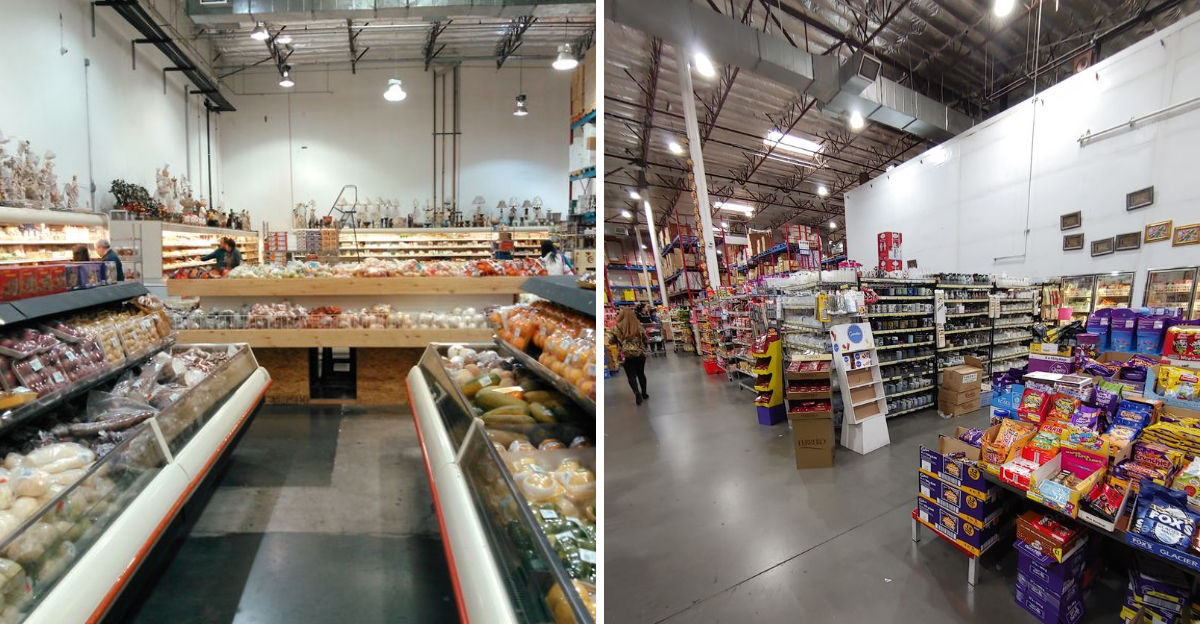
Picture a warehouse stuffed with flavors from every corner of the map, then multiply the excitement by ten. That is the energy inside this Nevada market built for curious eaters.
Spice shelves lean toward Mediterranean and Indian classics, seafood tanks hold lobster and crab fresh off the truck, and produce bins overflow with fruit nobody in Nevada can quite name.
Duck sits beside lamb in the meat case, waiting for someone bold enough to try something new.
Mochi shares space with baklava, ramen sits a shelf from curry paste, and staff seem thrilled to point curious shoppers toward their next favorite find.
Grab a cart, bring patience, and let your taste buds lead the way. Flavors like these deserve an afternoon of their own.
A Warehouse Packed With Global Groceries
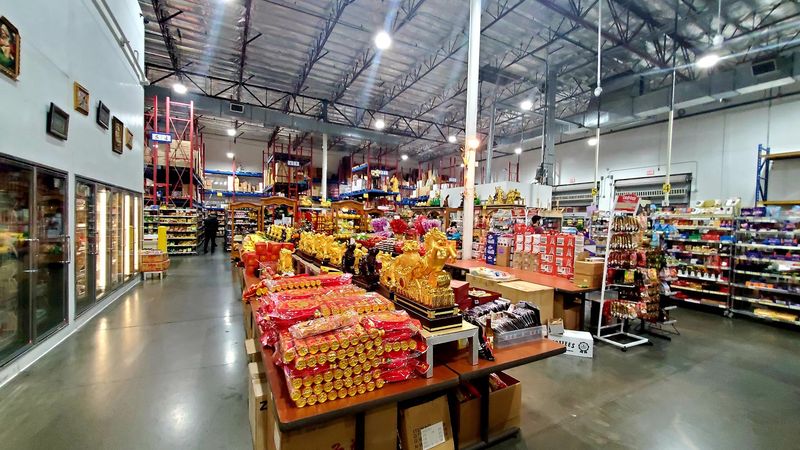
Picture a warehouse club, then swap half the shelves for food from other continents. That is the basic feel of the International Marketplace in southwest Las Vegas.
Tall metal racks hold boxes, jars, and bags stacked high above eye level. Signs point toward sections for different regions, though surprises still turn up in odd corners.
The lighting is bright and practical rather than soft. Floors are smooth, and carts roll easily, but aisles can feel snug when the store gets busy.
Plan for a slower pace than a regular supermarket run. Reading labels takes time, especially when packaging appears in several languages.
Staff members know the layout well and can usually point you straight to an item. Asking saves a lot of wandering.
Weekday mornings tend to feel calmer than weekend afternoons. Parking sits right outside, which helps when carrying heavy bags.
Note that shopping works on a membership system, with non-members paying slightly more at checkout. Prices vary, so compare before loading up.
The store operates from 5000 S Decatur Blvd, Las Vegas, NV 89118.
Fresh Seafood Counters Worth Studying
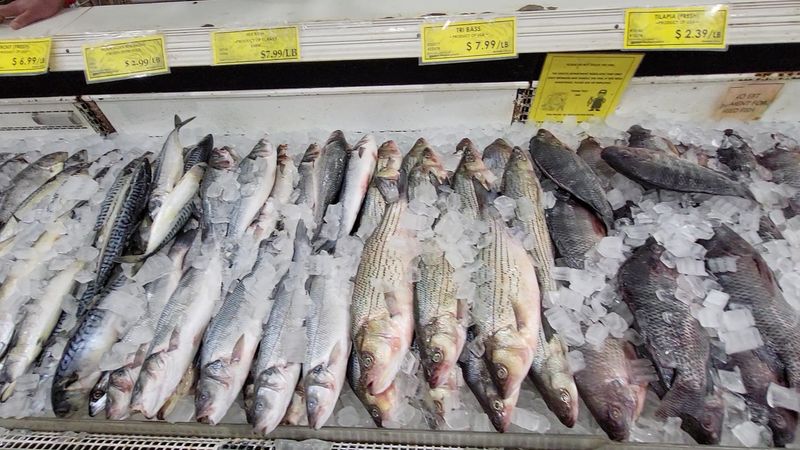
Whole fish on ice, laid out in rows, catches the eye fast. The seafood section here ranks among the most talked-about parts of the store.
Expect shrimp, crab, squid, and clams alongside familiar cuts like salmon and tuna. Halibut, sea bass, pomfret, and belt fish also appear, though availability shifts.
Lobsters and oysters show up in the live and chilled displays. Selection depends on deliveries, so two visits may look different.
Staff can clean and cut fish for you, and frying service exists for certain items. Ask at the counter about what applies that day.
Bring a cooler bag if the drive home takes a while. Desert heat works against fresh fish.
The counter area stays cool, and the smell is clean rather than heavy, a sign of steady turnover.
Beginners should start with something familiar, then branch out. Buying one unfamiliar fish per trip keeps the experiment low risk.
Ask how a species is usually cooked before deciding. Simple steaming or pan-searing suits most whole fish sold here.
Produce Bins Full Of Fruits You Cannot Name
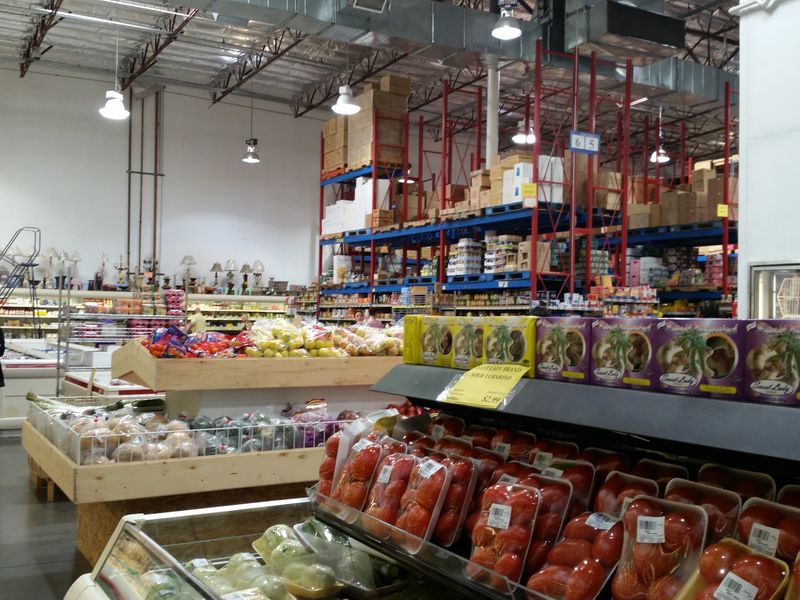
Ever picked up a fruit and had no idea what to do with it? The produce area invites exactly that kind of curiosity.
Bins hold tropical fruits, leafy greens, root vegetables, and bundles of fresh herbs. Many items rarely appear in standard Nevada supermarkets.
Colors range from deep purple to bright green, and textures shift from spiky to waxy. Touching gently helps judge ripeness.
Some produce comes wrapped in plastic packaging. Check inside packs carefully before buying, since wrapped items hide bruising.
Herbs like lemongrass and Thai basil often stock here when other stores run out. Both freeze reasonably well.
Prices change with season and supply, so treat any single visit as a snapshot. Comparing against other markets is fair game.
A good approach is buying small amounts of anything new. One piece of fruit costs little and teaches a lot.
Shoppers who cook Southeast Asian, Indian, or Caribbean dishes often find ingredients missing elsewhere. That single trip can replace three separate stops.
Give yourself extra minutes here, since browsing is half the fun.
Spice Shelves That Reward Slow Browsing
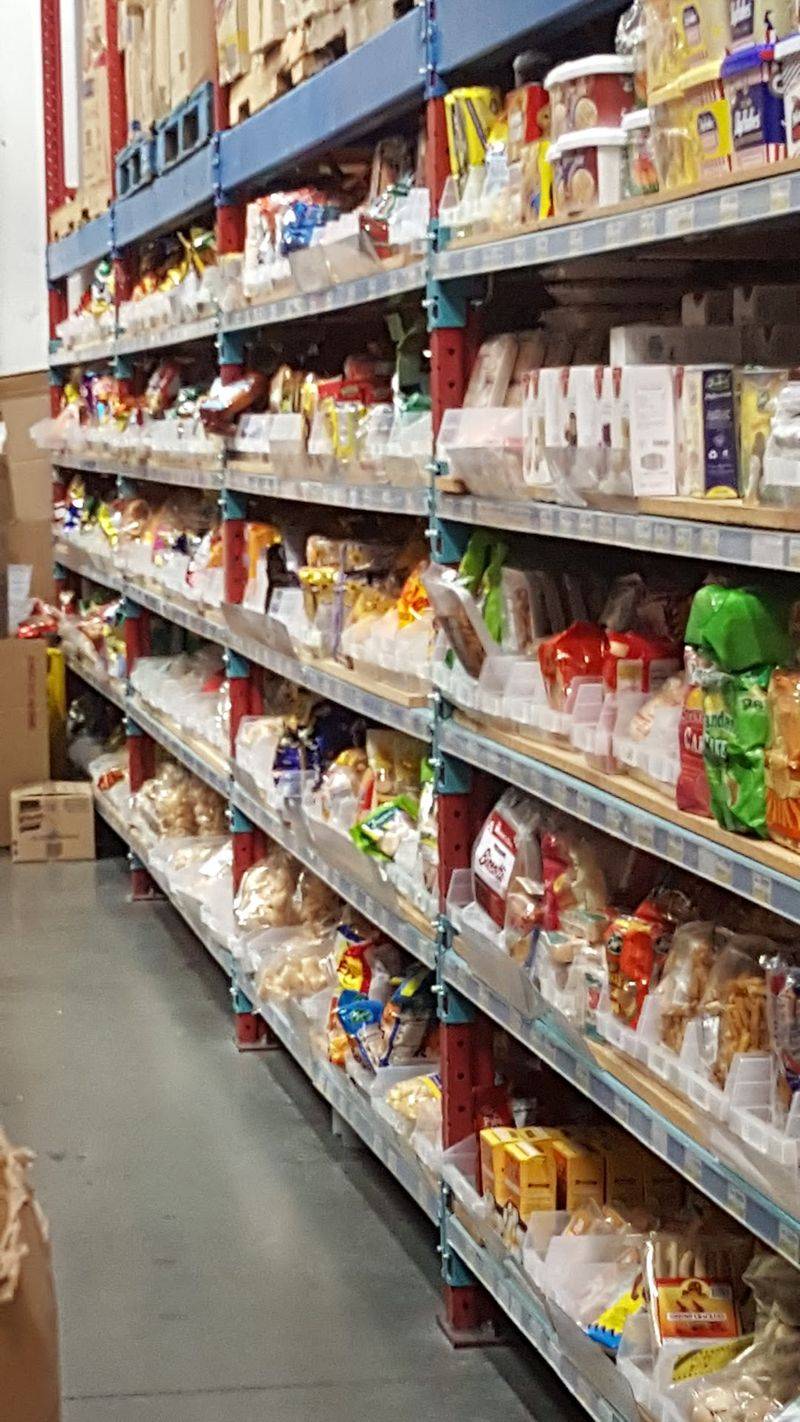
Turmeric, sumac, za’atar, garam masala. Those four words alone hint at how far the spice shelves travel.
Rows of jars and sealed bags sit grouped loosely by cuisine. Indian blends share space with Mediterranean and Middle Eastern seasonings.
Bag sizes often run larger than grocery store shakers. That works well for anyone cooking a spice regularly.
Smaller pouches also exist, which suit first-time buyers. Buying big before knowing a flavor usually leads to waste.
Check packaging dates when possible, since ground spices lose punch over time. Whole seeds keep their strength much longer.
Storage matters once home. A cool, dark cabinet beats a sunny counter every time.
Try one new seasoning per week instead of ten at once. Roasted vegetables make an easy testing ground.
Za’atar works sprinkled over flatbread, while sumac adds tartness to salads. Neither requires special equipment.
Labels sometimes list ingredients in another language first. Staff can help decode a package if the English print is small.
Curious cooks often leave this aisle with the biggest haul.
Meat And Deli Cases With Unusual Cuts
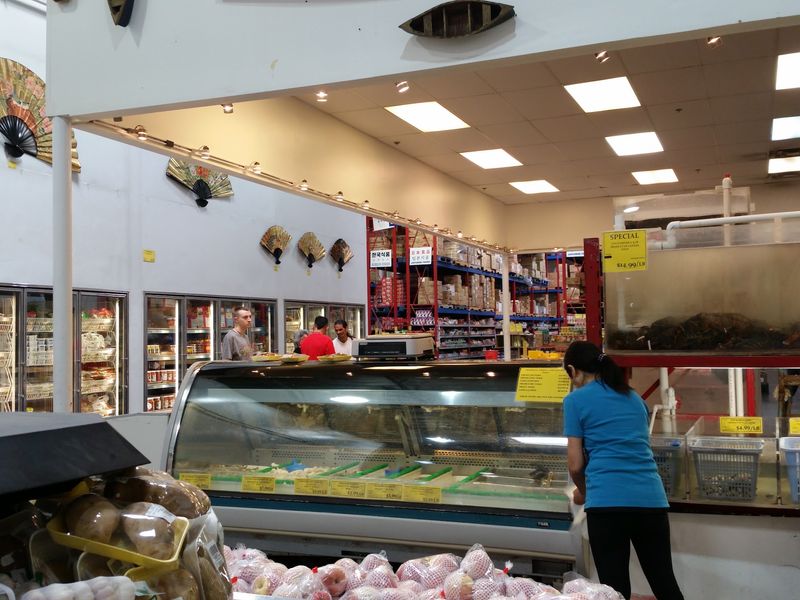
Duck and lamb sit near everyday beef, chicken, and pork. That mix says a lot about who shops here.
Refrigerated cases run cold and clearly labeled, with cuts portioned for home cooking. Some pieces suit recipes rarely attempted in a typical kitchen.
A deli section adds prepared meats, sausages, and cheeses. Those make easy additions to a picnic or a quick dinner board.
Roasted duck and chicken have been available near the front entrance, though offerings can change. Ask when arriving if hot items interest you.
Cooking duck at home sounds intimidating, but the method is forgiving. Low heat and patience do most of the work.
Lamb shoulder handles slow braising well, especially with the spices sold a few aisles away. One shopping trip can cover a full recipe.
Bring insulated bags during warmer months. Las Vegas parking lots heat up quickly.
Butcher counters here move steadily, so freshness generally holds. Still, check packaging dates before adding anything to the cart.
Trying one unfamiliar protein per visit keeps meals interesting without overwhelming the freezer.
Asian Pantry Staples Under One Roof
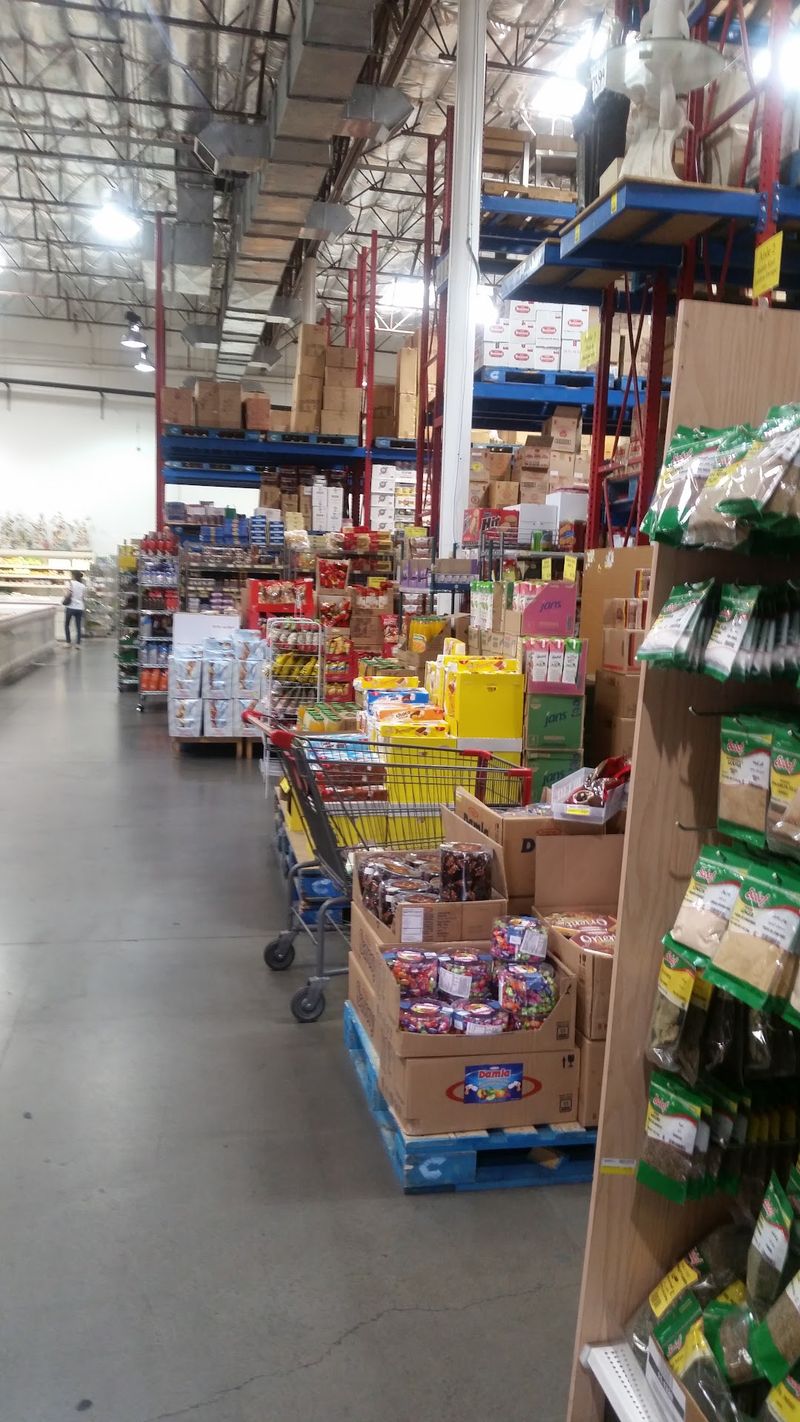
Soy sauce alone fills more shelf space than some entire stores devote to condiments. That scale defines the Asian sections.
Sushi-grade rice, seaweed sheets, and authentic ramen noodles stock alongside vinegars and pastes. Regional differences show up clearly between brands.
Shoppers who normally visit three stores often finish here in one stop. Frozen cases add dumplings and other prepared items.
Thai essentials appear too, including coconut milk, curry pastes, and jasmine rice. Fresh lemongrass usually waits over in produce.
Rice bags come in large sizes, so consider storage space at home. An airtight container prevents pantry pests.
Noodle packages vary widely in cooking time. Reading directions matters more than brand loyalty.
For a first attempt at home cooking, curry paste offers a shortcut. Coconut milk, paste, and vegetables create dinner in under half an hour.
Snack shelves nearby hold candies and chips from across Asia. Expiration dates on imported snacks can arrive sooner than expected, so check before buying multiples.
Ask staff for help locating anything specific, since layout logic occasionally wanders.
European Aisles With Familiar Comforts
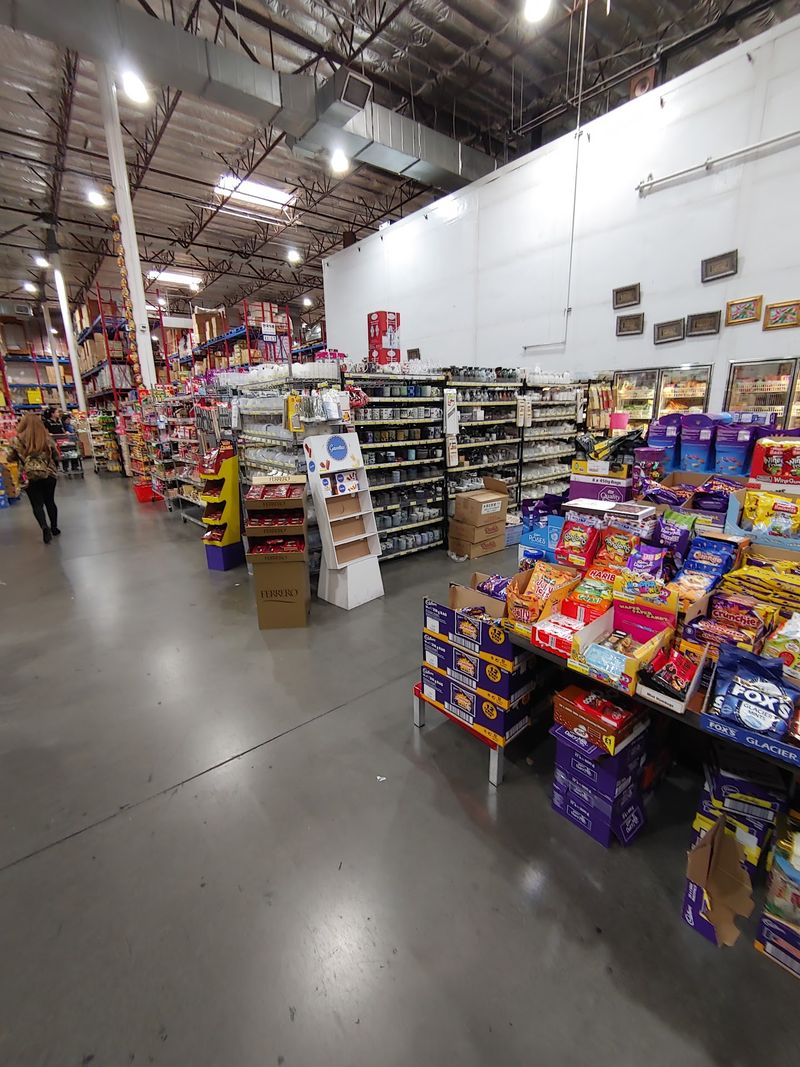
Homesick for a childhood snack from across the ocean? The European sections often solve that problem.
Italian pasta shapes, jarred sauces, and olive oils line several shelves. Brands rotate, so stock varies between visits.
British goods appear here as well, drawing shoppers who miss specific biscuits or spreads. Selection depends on what arrives with each shipment.
German candy bars have a steady following, particularly certain chocolate brands. Coverage of any single country stays uneven, though.
Do not expect every regional item to be present. The store spreads its shelf space across dozens of nations.
Comparing imported pasta with domestic versions makes an easy home experiment. Texture differences show up clearly after cooking.
Olive oil bottles range in size and origin. Smaller bottles keep better once opened, since oil fades with air and light.
Pricing can run above what online sellers charge for the same product. Checking a few items ahead of time helps.
Still, holding a package in hand beats guessing from a photo. Browsing turns up things no search bar would suggest.
Sweets And Desserts From Everywhere
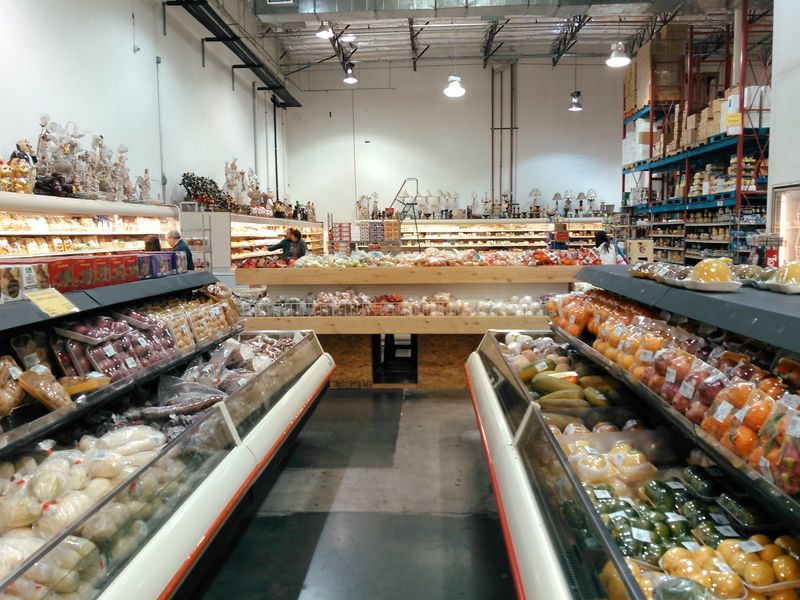
Mochi, baklava, biscotti, and French pastries on the same trip? The dessert selection makes that possible.
Sweet shelves cover a wide stretch of the world. Middle Eastern, Japanese, Italian, and French treats often sit within a few steps of each other.
Jars of jam add another layer, with fruit varieties uncommon in regular stores. Spreading one on toast turns breakfast into something new.
Chocolate bars and candies arrive from countries including Switzerland, Belgium, and Mexico. Flavor styles differ noticeably between them.
Imported candy sometimes carries short remaining shelf life. Flipping the package over to check dates is a smart habit.
Buying one or two pieces beats stocking up on an untested flavor. Preferences reveal themselves quickly.
Mochi keeps best cold, so head home reasonably soon after buying. Baklava holds up better at room temperature.
Kids tend to gravitate here, which can slow a shopping trip considerably. Setting a limit before entering the aisle helps.
Sharing a mixed bag with friends turns an ordinary evening into a tasting session.
Kitchenware And Tea Sets Beyond The Food
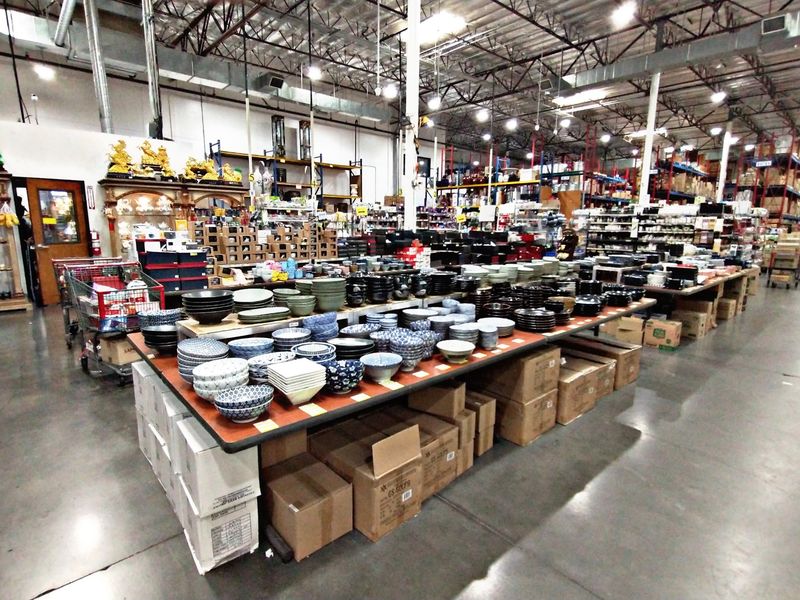
Food is only part of the inventory. Shelves of cookware and kitchen gadgets sit alongside the groceries.
Woks, steamers, ceramic bowls, and cooking tools show up in this section. Tea sets draw regular attention from browsers.
Decorative items appear too, including small figurines and household goods. The mix feels less curated than a home store, which is part of the appeal.
Buying equipment and ingredients together saves a second errand. Making a stir-fry becomes simpler with the right pan in the cart.
Handle items before buying, since weight and balance matter with pans. A heavier base usually heats more evenly.
Check whether cookware suits your stovetop. Some designs work better with gas than flat electric surfaces.
Tea sets vary in material and delicacy. Ceramic pieces travel best wrapped in a jacket or bag.
Prices are not always marked clearly on every shelf. Asking at checkout avoids surprises.
Browsing this area rounds out the trip nicely, especially after loading up on spices and noodles. One cart can hold an entire new cooking project.
Planning A Smooth Visit To The Store
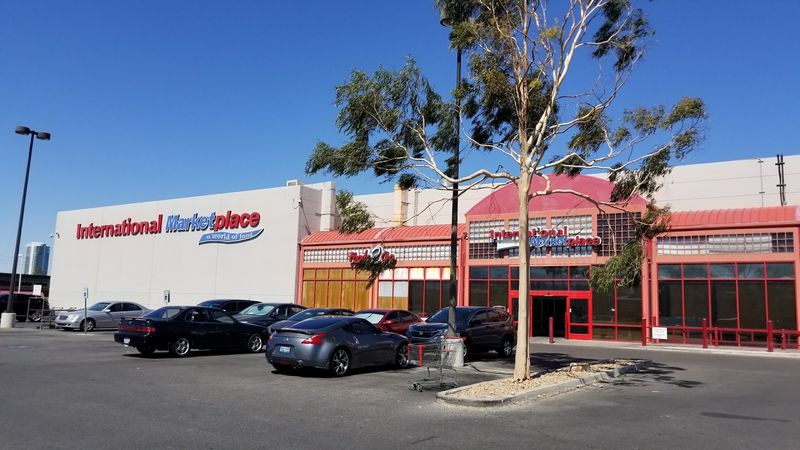
A little planning turns a chaotic shopping run into an easy one. Timing and preparation make the biggest difference.
The store sits near the busy intersection of Decatur and Tropicana. Traffic in that area can slow down during peak hours.
Parking is plentiful in the lot outside. Arriving earlier in the day usually means an easier space and quieter aisles.
The market stays closed on Sundays, so build weekend trips around Saturday. Checking current hours before driving over is wise.
Membership costs an annual fee, and non-members pay a small percentage above marked prices. Frequent shoppers tend to find the card worthwhile.
Bring reusable bags and a cooler for cold items. Desert temperatures climb fast in a parked car.
Write a short list, but leave room to wander. Half the value here comes from unplanned discoveries.
Take photos of labels for items you want to research later. Names in other languages are hard to remember.