
This New Hampshire Wildlife Park Is One Of The State’s Most Overlooked Family Attractions
The best family outings usually have one thing in common: nobody is asking how much longer it will take.
This New Hampshire wildlife attraction keeps curiosity working in its favor. The trail unfolds through woods, boardwalks, and animal habitats, so there is always something new pulling everyone forward.
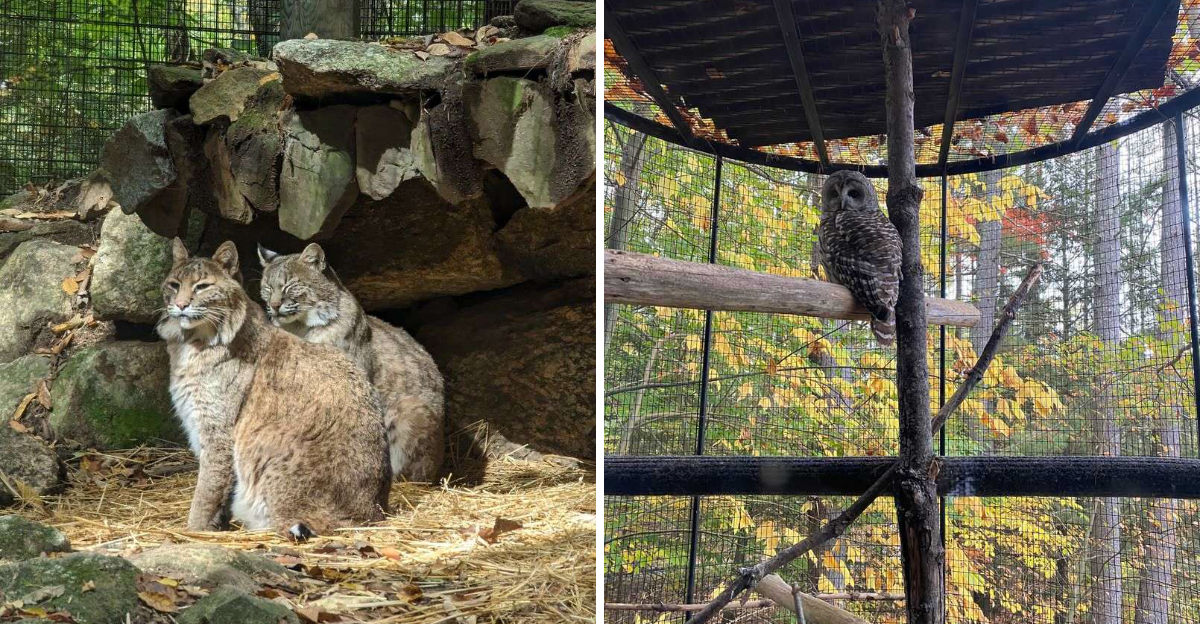
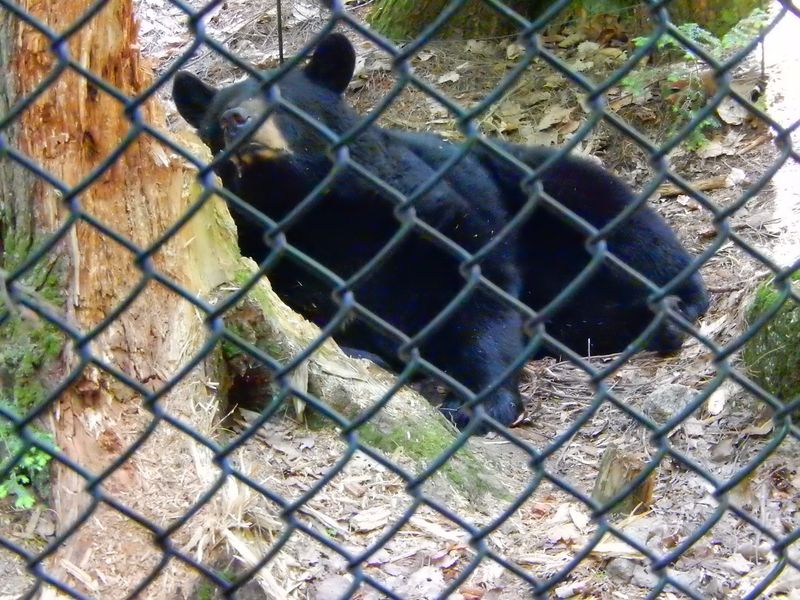
Kids get the excitement of seeing black bears, otters, bobcats, and birds of prey up close. Adults get a day that feels far more relaxed than the usual amusement park routine.
What makes the experience especially memorable is how naturally everything fits together. The animals, the landscape, and the walking trails make the visit feel more like an outdoor adventure than a standard attraction.
New Hampshire is famous for scenery, yet places like this show another side of the state. It is easy to spend a few hours here and wonder why more families are not talking about it.
A Mile-Long Trail Where Wildlife Lives Front And Center
Roughly one mile of pathway does all the heavy lifting here. The Live Animal Exhibit Trail loops through the woods, mixing paved stretches with packed gravel.
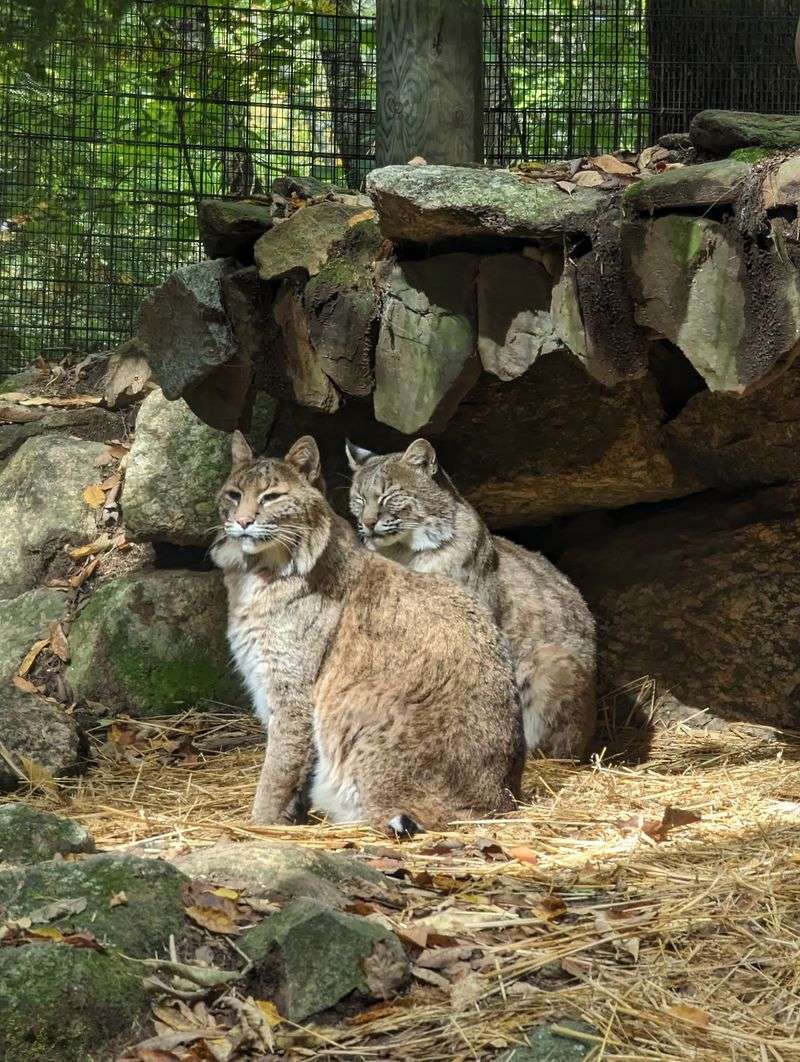
Native species anchor every stop along the way. Black bears, bobcats, mountain lions, otters, deer, and raptors all have generous, natural-looking habitats.
Shade covers most of the route, which matters on warm July afternoons. Strollers roll along without trouble, and benches appear when little legs need a break.
What sets the walk apart is how unforced it feels. Enclosures blend into the hillside rather than sitting in tidy rows of concrete.
Signs explain how each animal arrived and why it cannot return to the wild. Many were orphaned or injured, and that context adds real weight to the experience.
Families typically spend two to three hours covering everything at a relaxed pace. Arriving near the 9:30 AM opening usually means quieter paths and easier parking.
Wear comfortable shoes, since there are gentle slopes along the loop. Bring water too, because the trail rewards those who linger at each window.
Mountain Lions That Steal The Show
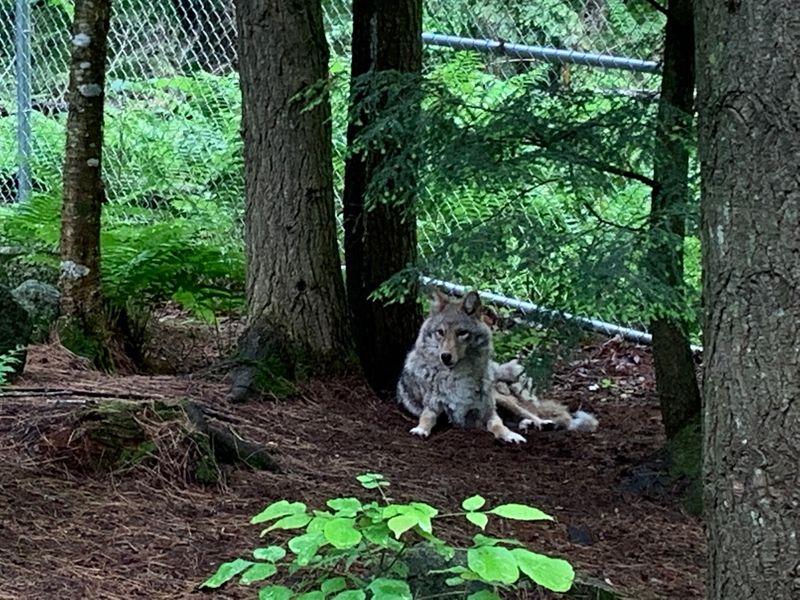
Few animals draw a crowd quite like a mountain lion stretched across a sunny ledge. The big cats are among the most talked-about residents on the property.
Their habitat is spacious and layered with rocks, logs, and shaded corners. That means they sometimes vanish into the greenery, so patience pays off.
Seeing one up close reshapes how you picture the species. Photographs never quite capture the shoulder muscles or the length of that heavy tail.
Keepers rotate enrichment items to keep the cats mentally sharp. Daily notes posted nearby explain what each animal received, which kids find surprisingly fascinating.
Mornings and late afternoons often bring more movement. Midday naps are common, especially during warmer stretches of summer.
The viewing area gives clear sightlines without crowding the animals. Quiet voices help, and the cats seem to respond to calmer groups.
Bobcats live nearby along the same trail, offering a neat size comparison. Standing between the two exhibits, the difference in build becomes immediately obvious to everyone.
Otters With A Brand-New Home
Comedy has a mascot at this preserve, and it swims. River otters twist, dive, and chase each other with relentless energy.
The Science Center has been building an expanded otter exhibit designed to give the animals more room. Larger water features and better viewing angles are part of the plan.
Watching otters teaches something about play that no textbook manages. They repeat the same slide or spin simply because it feels good.
Kids tend to park themselves at the glass and refuse to move on. Parents usually end up doing the same thing.
Feeding and enrichment moments are worth timing your walk around. Staff often share details about diet and behavior while the otters work through a puzzle.
North American river otters are native to the region’s lakes and streams. Seeing them here connects directly to the waterways just down the road.
Bring a camera with a quick shutter, because these animals rarely hold still. Video sometimes works better than photos for capturing the chaos.
Bald Eagles And Birds Of Prey Up Close
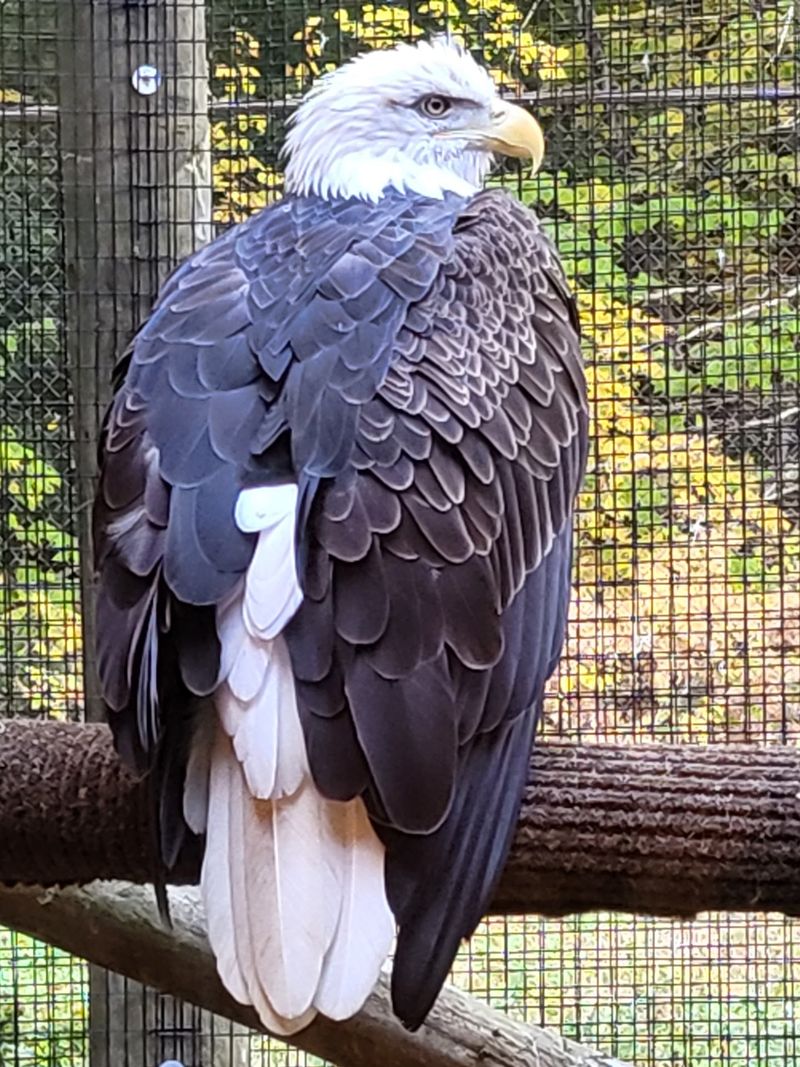
Nothing prepares you for the actual size of a bald eagle. Photos flatten them, but standing a few yards away changes that instantly.
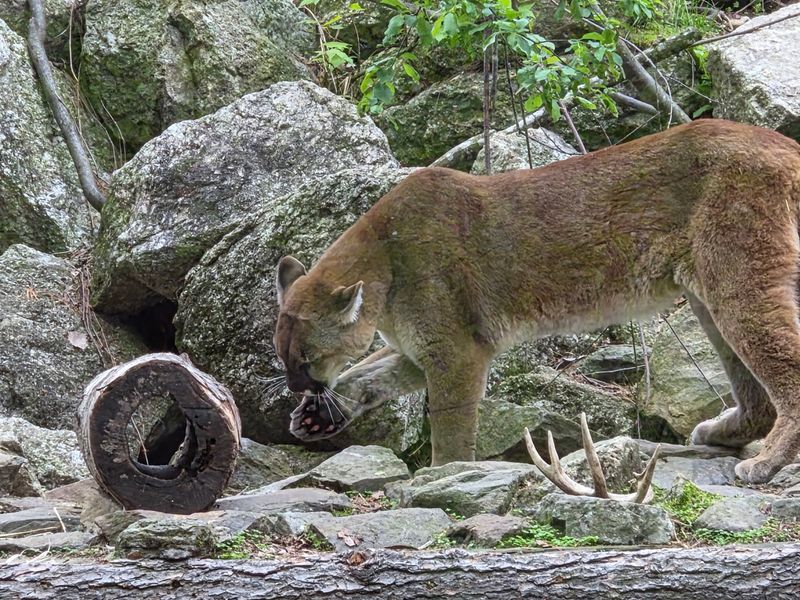
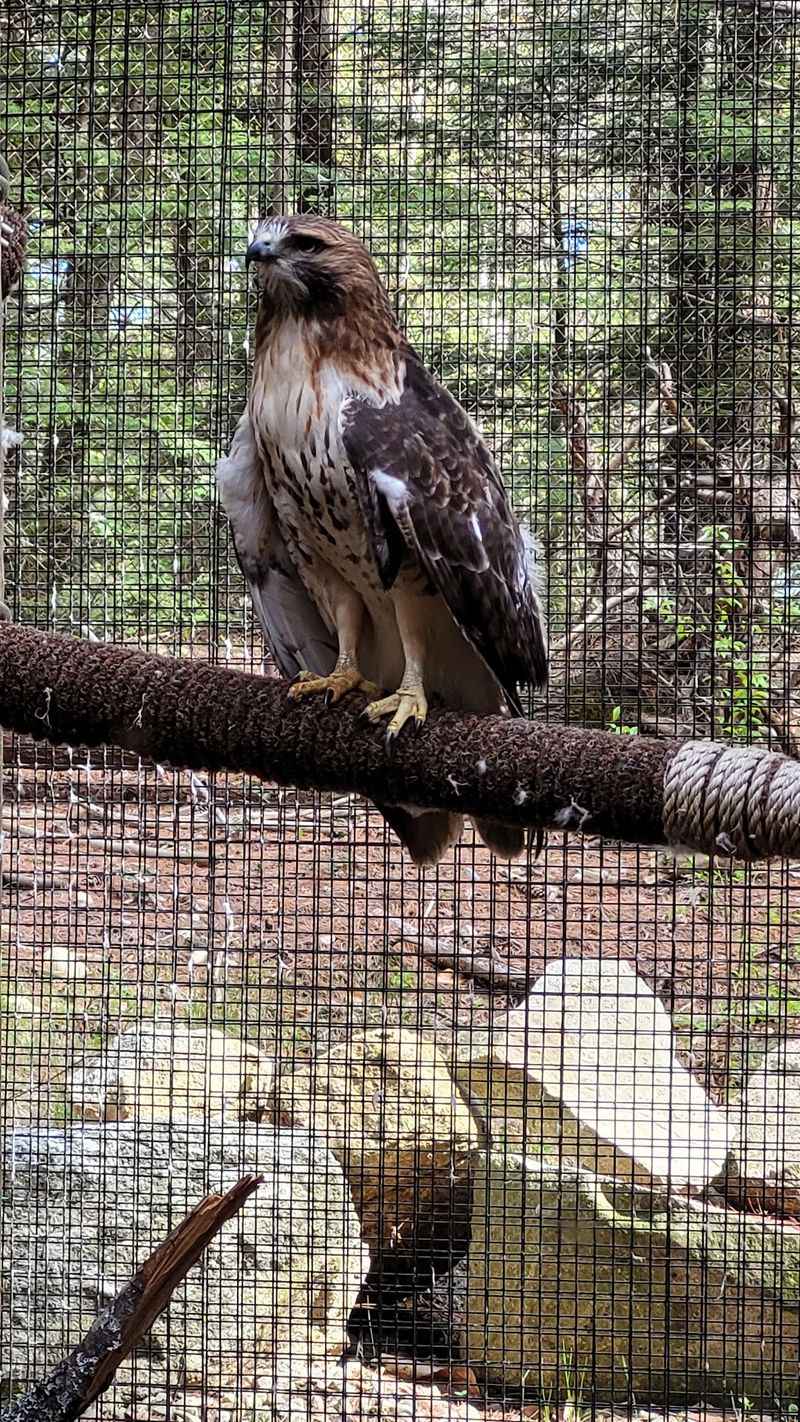
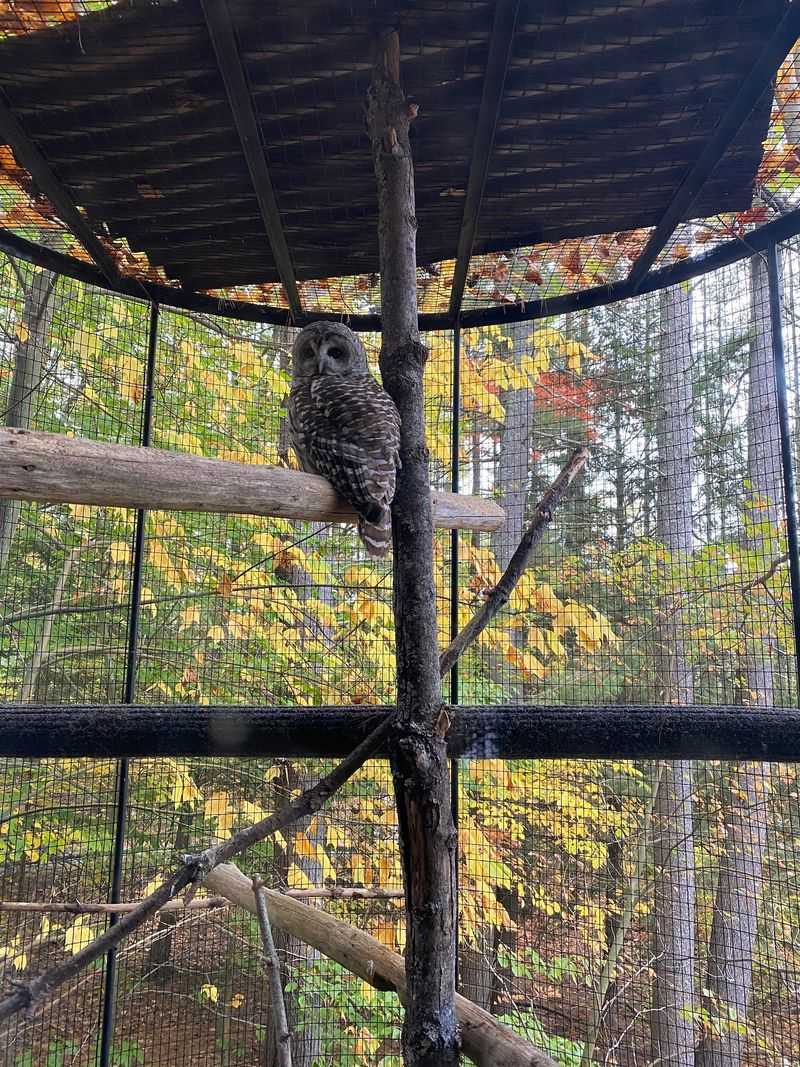
The raptor habitats along the trail house eagles, hawks, and owls. Each bird arrived unable to survive in the wild, and signage explains the circumstances honestly.
Wingspans on mature bald eagles can reach past six feet. That statistic lands differently once one shifts its weight on the perch in front of you.
Up Close to Animals presentations run seasonally and bring handlers out with individual birds. Those sessions are informative, interactive, and genuinely worth planning around.
Owls often sit motionless, which makes spotting them a small victory. Kids love scanning the branches until someone finally shouts.
Learning about talon strength, silent flight, and hunting range fills in the picture. The details stick because the subject is right there breathing.
Check the daily program schedule when you arrive at admissions. Show times shift with the season and the animals’ routines.
Playgrounds Built Into The Landscape
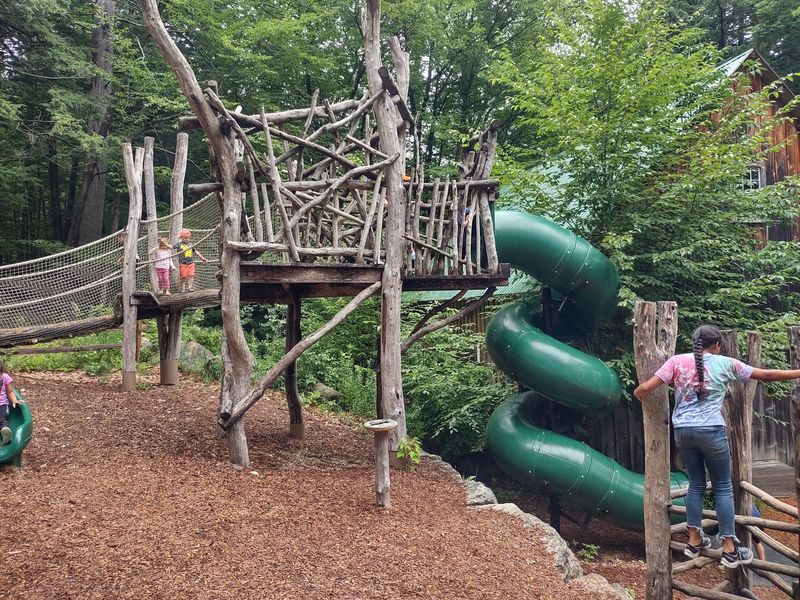
Wooden climbing structures rise out of the forest floor rather than sitting on rubber mats. That design choice makes the play areas feel like an extension of the woods.
Several distinct play zones exist across the grounds. Kids find tunnels, slides, climbing walls, and a zip line style ride to burn off energy.
The barn area is a favorite hideout for younger explorers. Nooks, ladders, and hidden corners keep them occupied far longer than expected.
Parents get a genuine break here, with clear sightlines and shaded seating. It turns a nature outing into a full afternoon rather than a quick loop.
Placing play spaces along the route breaks up the walking nicely. Restless three-year-olds suddenly manage the whole trail without complaint.
Everything is scaled for elementary-age children, though toddlers find plenty too. The nine-and-under crowd seems especially at home.
Budget extra time before you head back to the car. Leaving the playground is usually the hardest negotiation of the day.
Hands-On Stations That Sneak In Real Science
Puzzles, matching games, and flip panels appear at nearly every exhibit stop. The design keeps hands busy while facts quietly sink in.
Topics stretch well beyond animals. Water systems, renewable energy, ecology, and local research all get their own approachable displays.
Younger kids gravitate toward the tactile pieces first. Older ones start reading the panels once curiosity kicks in.
Adults are not left out either. The explanations manage to be clear without feeling dumbed down.
The Science Center operates as a nonprofit with a mission centered on understanding regional ecology. Admission revenue supports both animal care and educational programming.
Interactive walls have a reputation for keeping high-energy toddlers moving down the trail. Parents report the whole loop passing without a single complaint.
The facility is certified Sensory Inclusive through KultureCity. Sensory bags with headphones, visual cue cards, and fidgets are available at admissions, plus signage flags potential sensory triggers along the path.
That thoughtfulness makes the grounds welcoming for a much wider range of families.
Lake Cruises On Squam With A Naturalist Aboard
Beyond the trail, the water offers a different kind of afternoon. Guided lake cruises depart seasonally and explore the shoreline of Squam.
Naturalists narrate as the boat moves, pointing out loons, eagles, and island geology. The pace is unhurried and genuinely relaxing.
Squam Lake itself gained fame as the filming location for On Golden Pond. The scenery holds up beautifully decades later.
Cruises run from a separate dock location, so confirm details when booking. Reservations are strongly recommended during peak summer weeks.
Pairing a morning on the trail with an afternoon on the water makes a complete day. Many families do exactly that.
Bring a light layer even in July, since the breeze on open water cools things quickly. Sunglasses help too.
Loon sightings are a highlight, and the birds nest on protected islands nearby. Their calls carry across the water in a way that stays with you.
Kirkwood Gardens And Quieter Corners
Flowers do serious work on this property. Kirkwood Gardens sits near the entrance area and draws butterflies, bees, and hummingbirds all season.
Plantings were chosen to demonstrate what thrives in the region’s climate. Home gardeners often leave with a mental shopping list.
Views toward the water add another layer of appeal. Benches invite a slower pace after the busier trail sections.
Blooms shift steadily from late spring through early fall. A July walk looks nothing like one in September.
The gardens make an easy stop for grandparents joining the outing. No climbing or long walking required.
Pollinator activity peaks on warm, still mornings. Kids who race past the animal exhibits sometimes slow right down here.
Labels identify most species, turning the space into a quiet outdoor classroom. It is a good place to talk about why native plants matter.
Photographers find good light in the early hours. The combination of color and lake backdrop rarely disappoints.
Picnic Tables, Parking, And Practical Details
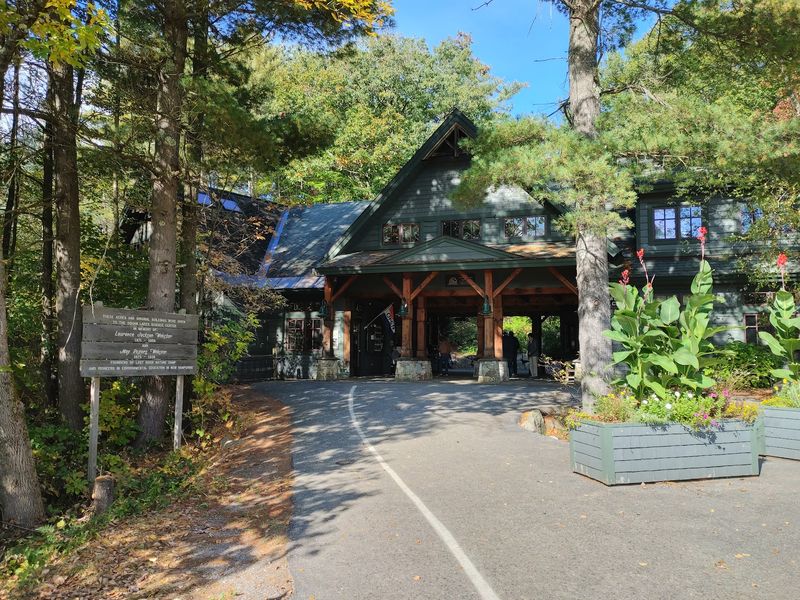
Packing lunch is the smart move here. Food and drinks are not permitted along the animal trail, so meals happen at the designated picnic area.
Tables sit in shade near the entrance, making arrival or departure an easy time to eat. Plenty of families do both.
The address is 23 Science Center Rd, Holderness, New Hampshire, roughly fifteen minutes from downtown Meredith. Parking is ample and free.
Doors open at 9:30 AM daily, with the trail closing at 5 PM. Early arrival means shorter ticket lines and calmer paths.
Restrooms are available near the main entrance building. The gift shop stocks reasonably priced stuffed animals, apparel, and ice cream on hot days.
Admission supports a nonprofit, and a family of four typically runs around ninety dollars. Many area libraries offer discount passes worth checking first.
A Family Access Membership priced at twenty-five dollars covers admission for a group across the season. Frequent guests find that math hard to argue with.
Best Times To Go And How To Plan Your Day
Timing shapes the whole experience. Weekday mornings and the final ninety minutes before closing tend to feel the most peaceful.
Summer brings school groups and larger crowds, especially in late June. Early fall offers cooler air, foliage, and thinner traffic on the paths.
Animals move more in cooler temperatures. A crisp September morning often produces better sightings than a hot August noon.
Buying tickets ahead saves time at the gate. Even on busy days the grounds absorb people well, so it rarely feels packed.
Plan for two to three hours minimum. Add the playgrounds and a lake cruise, and you have filled a full day easily.
Check the program schedule for animal presentations before you start walking. Those sessions are the highlight for many families.
Squam Lakes Natural Science Center has been growing for decades, and multiple generations now return with their own kids. That kind of loyalty says more than any brochure could.
Come curious, walk slowly, and let the woods do the rest.