
This New York Park Has Streams, Gardens, And Waterfall Trails That Feel Like Pure 2026 Escape
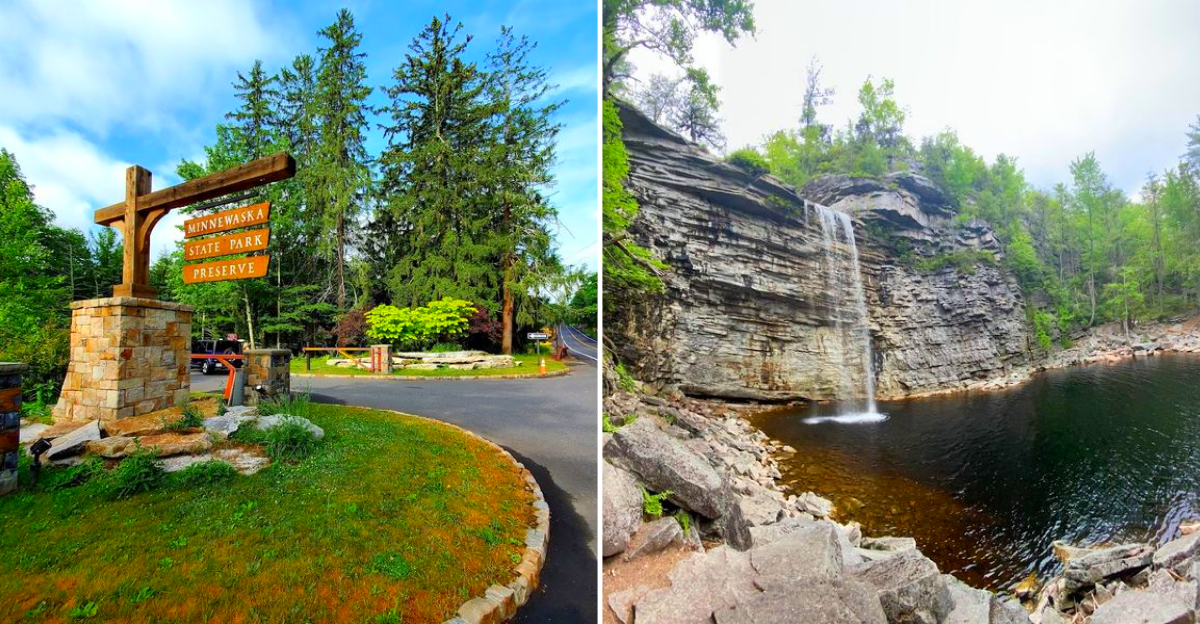
Flowing streams, winding garden paths, and the soft sound of waterfalls set the tone the moment you arrive at this New York park. The atmosphere feels calm and refreshing, the kind of place where the outside world quickly fades into the background.
Every turn along the trail reveals another peaceful corner waiting to be explored.
Visitors wander through carefully tended gardens, follow shaded paths beside trickling water, and pause at scenic spots where waterfalls add a quiet sense of movement to the landscape.
In 2026, this park continues to offer a simple kind of escape, one built on nature, beauty, and the chance to slow down for a while.
A Place Where The Landscape Does The Talking
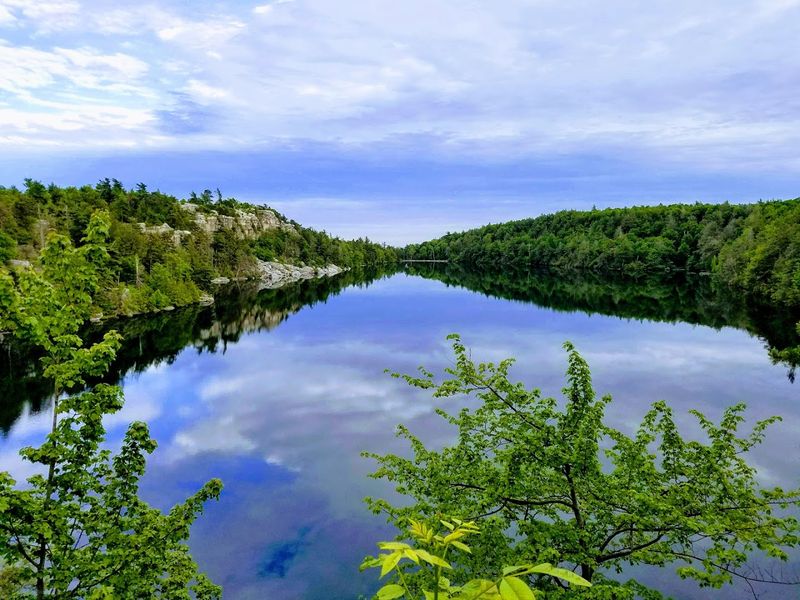
Not every park announces itself with drama, but Minnewaska State Park Preserve earns its reputation the moment you step onto one of its ridgelines.
The Shawangunk Mountains form the backbone of this preserve, and the white quartzite cliffs that line the trails catch sunlight in a way that feels almost deliberate.
Standing at a high point on a clear morning, you can see layers of forest rolling out in every direction, interrupted only by the glint of a lake far below.
The park covers roughly 22,000 acres, which means there is always more ground to cover than a single visit allows. That sense of unfinished exploration is part of what keeps people returning season after season.
Spring brings wildflowers along the lower trails, summer fills the sky lakes with swimmers, fall paints the ridges in amber and rust, and winter quiets everything to a satisfying hush.
The air up here carries a freshness that is hard to describe without sounding overly enthusiastic, but it is the kind of clean that city lungs notice immediately. Every trail bend seems to offer a new composition worth pausing over.
Minnewaska does not try to impress you. It simply does.
Minnewaska State Park Preserve And How To Get There
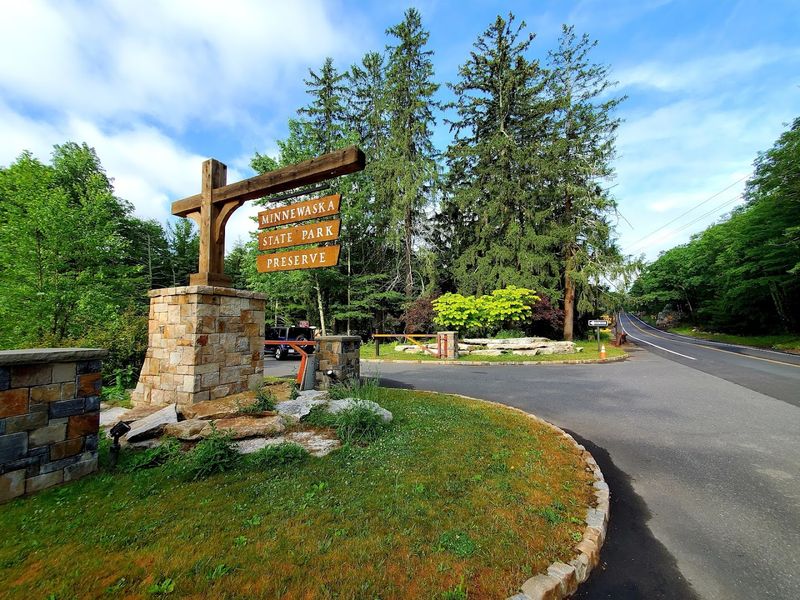
Minnewaska State Park Preserve sits at 5281 Route 44-55, Kerhonkson, NY 12446, and the drive there is itself a pleasant preview of what awaits.
The road climbs steadily through the Gunks, as locals call the Shawangunks, with forested slopes closing in on either side before the terrain opens up near the park entrance.
The park is open daily from 9 AM to 7 PM, and the entry fee for vehicles is a modest ten dollars.
From New York City, the drive runs roughly two hours depending on traffic, making it a very manageable day trip without requiring an early alarm or overnight arrangements.
The parking lots have expanded in recent years, and the updated visitor center is staffed by knowledgeable and genuinely friendly personnel who can help you plan your route based on your fitness level and available time.
Cell service gets spotty in certain areas of the park, so downloading a trail map before you arrive is a practical move. The park can be reached by phone at 845-255-0752, and additional trail and facility details are available at parks.ny.gov.
Arriving before noon on weekends gives you the best chance of securing a good parking spot without any fuss.
Lake Minnewaska And Its Famously Clear Waters
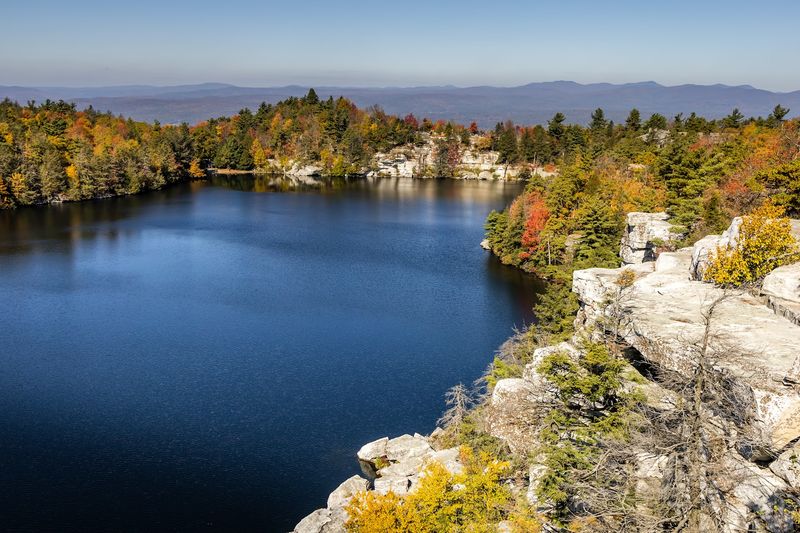
Lake Minnewaska is the kind of water body that photographers chase and hikers reward themselves with after a long climb. The lake sits at an elevation that earns it the title of sky lake, and its water is a shade of blue-green that looks almost too vivid to be entirely natural.
The quartzite cliffs surrounding the shoreline create a striking frame, and the reflection on calm mornings is something worth arriving early to witness.
A well-maintained loop trail circles the entire lake, covering roughly 1.5 miles on mostly flat carriage road. It is one of the more accessible routes in the park, suitable for visitors who want a scenic outing without committing to a strenuous climb.
Benches are positioned at several points along the route, which is a thoughtful touch for anyone who simply wants to sit and absorb the surroundings without rushing.
Swimming is permitted at a designated beach area during the summer months, complete with a lifeguard on duty. The water temperature is refreshingly cool even in July, which makes it a popular spot on warm afternoons.
Lake Minnewaska has held a central place in this preserve’s identity since the Smiley brothers first developed the area in the late 1800s, and that legacy feels well preserved.
Awosting Falls And The Trail That Leads You There
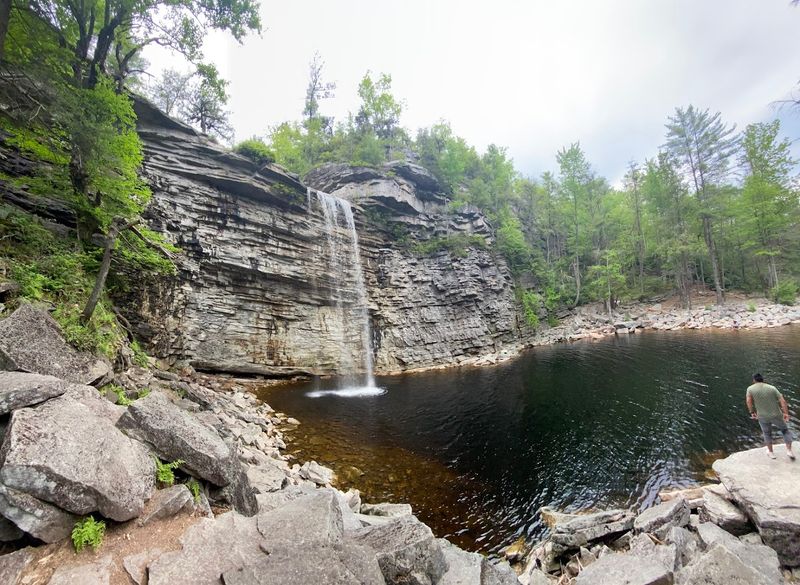
Awosting Falls is one of those natural features that rewards even the most casual visitor with something genuinely memorable. The waterfall drops over a broad ledge of smooth rock, sending water into a clear pool below that sparkles on sunny days.
After a period of rainfall, the volume increases considerably, and the sound carries well before the falls even come into view on the trail.
The path leading to Awosting Falls from the Peters Kill parking area is relatively straightforward, following a wide gravel carriage road that keeps the walk comfortable for most fitness levels. The round trip runs about two miles, which is short enough to complete without much preparation but long enough to feel like a proper outing.
Along the way, the surrounding forest provides steady shade and the occasional glimpse of a stream running parallel to the path.
Early mornings on weekdays tend to offer a quieter experience, with fewer visitors sharing the trail and a better chance of having the falls area to yourself for a few peaceful minutes. The pool at the base of the falls is photogenic from multiple angles, and the flat rocks nearby make natural resting spots.
Awosting Falls is consistently cited as a highlight of the preserve, and the trail earns that reputation without any exaggeration.
Lake Awosting And The Reward Of A Longer Walk
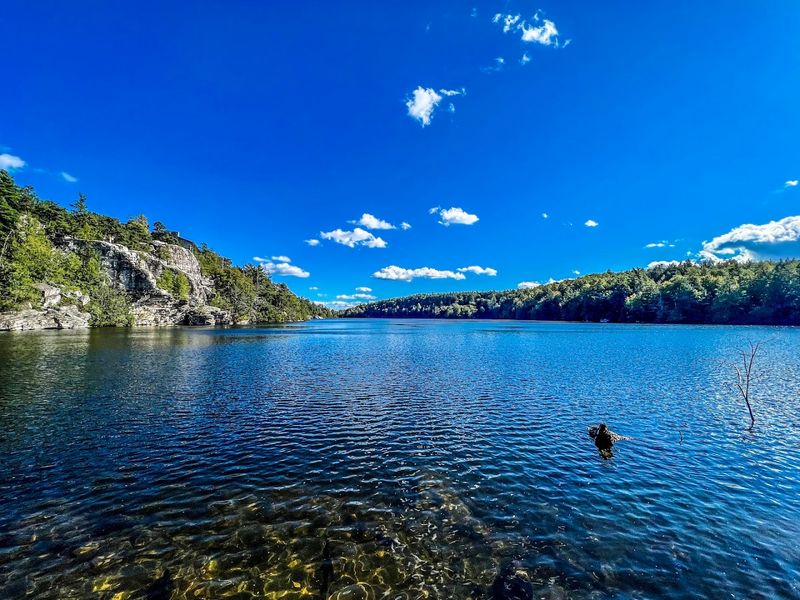
Lake Awosting carries a slightly different personality than its more accessible counterpart closer to the main entrance.
Reaching it requires a longer commitment, typically around five miles from the trailhead depending on your chosen route, but that distance is precisely what keeps the lake feeling remote and unhurried.
Visitors who make the full journey often describe the arrival as genuinely surprising, as the lake appears almost unexpectedly through a break in the trees.
The Castle Road route is a popular choice for reaching Lake Awosting, offering a steady grade and manageable footing along a wide carriage path. Mountain bikers use this route regularly, and the trail accommodates both hikers and cyclists without feeling cramped.
Combining the outbound trip via Castle Road with a return on Hamilton Road creates a satisfying loop that takes in varied terrain and multiple viewpoints.
The lake itself sits in a bowl of forested ridges, giving it a tucked-away quality that Lake Minnewaska, for all its beauty, does not quite replicate. Swimming is available here as well, and on a hot summer afternoon, the water provides a cooling reward that feels genuinely earned.
Lake Awosting is not always accessible due to seasonal trail conditions, so checking the park website before planning your route is always a sensible step.
Carriage Roads Built For Exploring At Any Pace
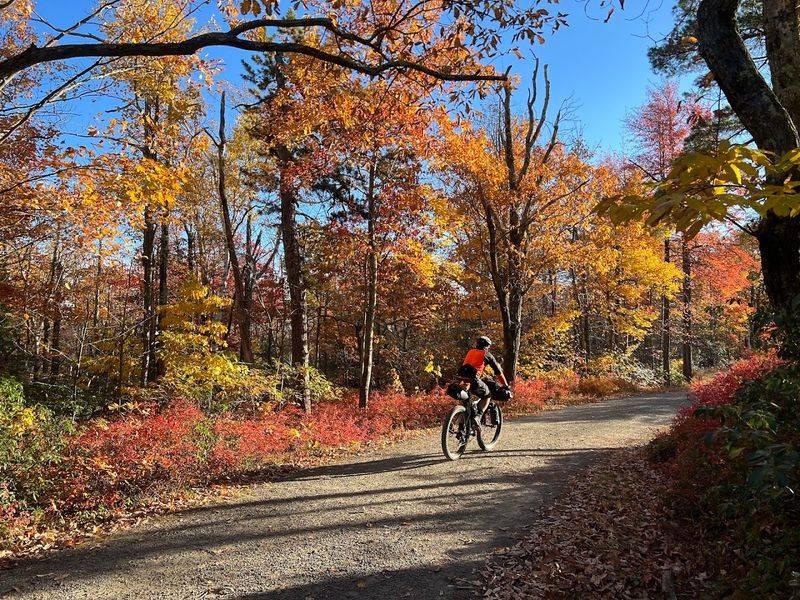
The carriage roads at Minnewaska are one of the park’s most distinctive and practical features, and their history runs deeper than most visitors realize.
The Smiley brothers, who developed the area as a resort destination in the late nineteenth century, constructed these roads to provide guests of the grand lakeside hotels with scenic routes for carriage rides and leisurely strolls.
Those hotels are long gone, but the roads remain in excellent condition and continue to shape how people experience the preserve today.
Covering a significant portion of the park’s 25-mile trail network, the carriage roads are surfaced with compacted gravel and graded to avoid extreme inclines, making them accessible to a wide range of visitors including families with younger children and those who prefer a moderate outing.
Mountain bikers particularly appreciate the carriage roads for their smooth surfaces and the way they connect different sections of the park efficiently.
One practical note worth keeping in mind is that the carriage roads run through more open terrain than the foot trails, which means sun exposure can be significant on clear days. Sunscreen and a hat are genuinely useful companions here, not just precautionary accessories.
The roads also serve as reliable navigation anchors when exploring the less-marked foot trails branching off into the surrounding forest.
Foot Trails That Offer Challenge And Character
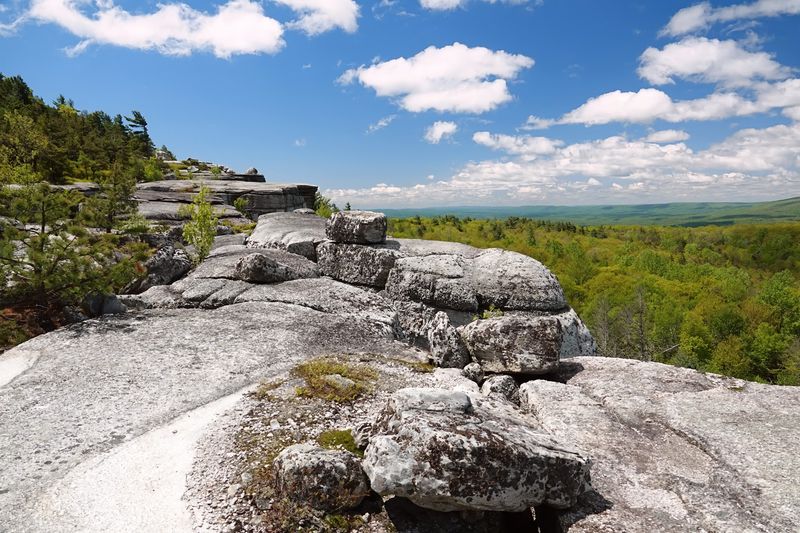
Beyond the carriage roads lies a network of foot trails that cater to hikers looking for something with a bit more texture and challenge. These paths move through denser forest, scramble over quartzite outcroppings, and deliver viewpoints that the wider roads simply cannot reach.
The terrain shifts noticeably once you leave the gravel and follow the blazed markers into the trees.
Gertrude’s Nose is one of the most talked-about foot trail destinations in the preserve, following a ridge that juts out over a dramatic valley and offering views that stretch well beyond the park boundaries.
The Castle Point trail is another strong option for those seeking elevated perspectives and a sense of genuine backcountry feel without requiring technical climbing equipment.
Both trails demand solid footwear and a reasonable level of fitness, but neither is so demanding as to exclude experienced day hikers.
Wildlife encounters are not uncommon on the foot trails. Bears have been spotted in the area, particularly near Peters Kill, and coyotes and foxes are occasionally seen along the forest edges.
Keeping dogs on a leash is a park requirement and a genuinely good idea for everyone’s comfort. The foot trails reward attentiveness, as the details of the landscape, the lichen on the rocks, the bird calls overhead, all accumulate into a satisfying and layered experience.
Rock Climbing On The Shawangunk Ridge
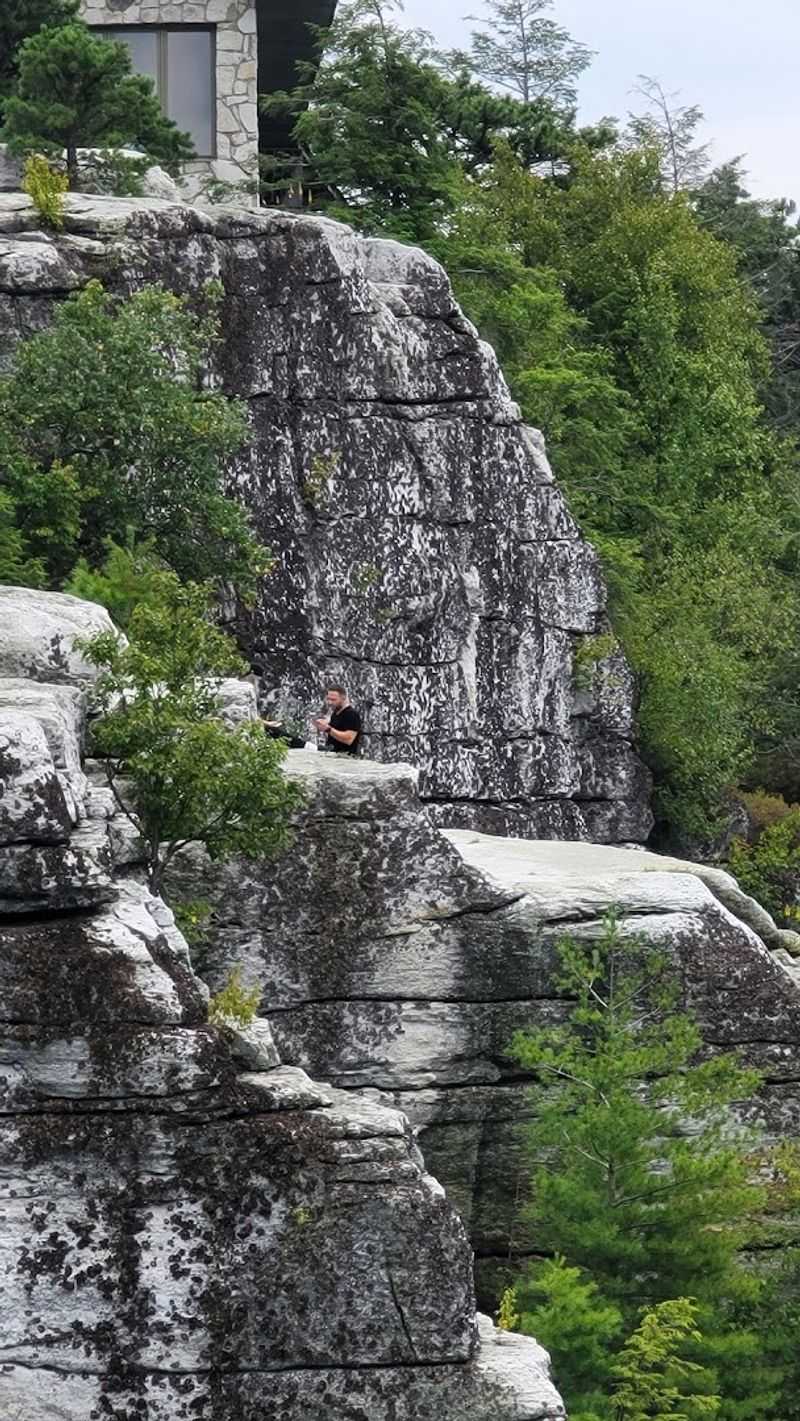
The Shawangunk Ridge has a reputation among climbers that extends well beyond New York State. The white quartzite cliffs that define the visual character of this landscape also happen to provide some of the most sought-after climbing routes in the northeastern United States.
Minnewaska State Park Preserve accommodates this community within designated climbing areas, and the activity adds a vertical dimension to an already richly layered outdoor destination.
The rock quality here is notably consistent, with the quartzite offering reliable friction and a satisfying solidity underfoot and underhand. Routes range from beginner-friendly slabs to more demanding technical faces, making the area useful for climbers at various stages of experience.
Guides and instruction are available through outfitters operating in the region for those who want to try climbing for the first time in a structured setting.
Even if climbing is not on your agenda, watching experienced climbers navigate the cliff faces from a trail vantage point is quietly fascinating.
The scale of the walls becomes apparent only when a human figure appears against the rock, and that perspective tends to recalibrate your sense of the landscape’s proportions.
Seasonal Beauty That Changes The Park Entirely
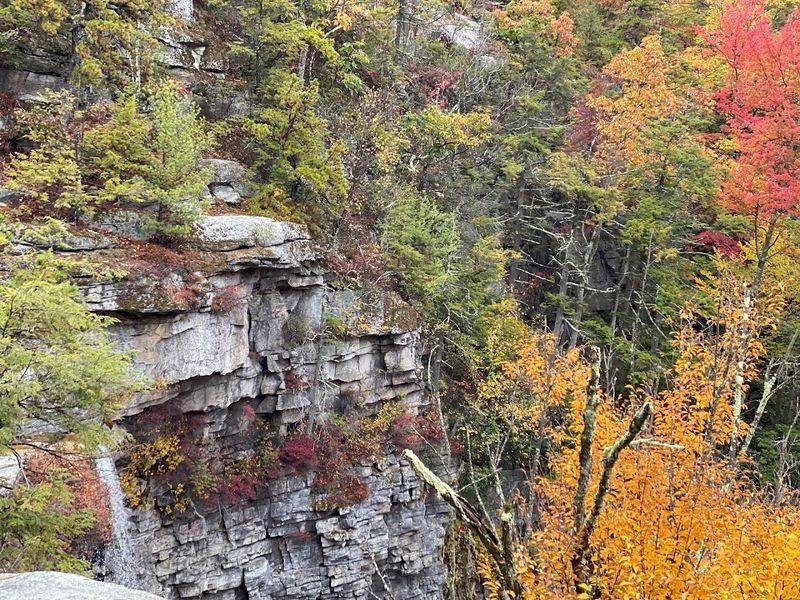
Few parks in New York State shift as dramatically with the seasons as Minnewaska, and each version of the preserve offers something distinct enough to justify a return visit.
Fall is perhaps the most celebrated season here, when the hardwood forests surrounding the ridge turn amber, crimson, and gold in a display that peaks somewhere in mid to late October.
The combination of autumn color and the blue-green sky lakes creates a visual pairing that photographers plan entire trips around.
Spring brings a quieter kind of beauty, with wildflowers emerging along the lower trails and the waterfalls running at their fullest from snowmelt and April rain.
Summer is the social season, when the beaches at both Lake Minnewaska and Lake Awosting draw swimmers and the carriage roads fill with cyclists and families.
The park maintains a lively but never overwhelming atmosphere during peak summer weekends.
Winter transforms Minnewaska into something more contemplative. The trails quiet down considerably, the bare trees open up sightlines that summer foliage conceals, and the cliffs take on a stark, sculptural quality in cold light.
Ice spikes or microspikes are recommended for winter hiking, as the carriage roads can become slippery after freezing rain. Each season, without exception, gives the preserve a fresh reason to visit.
Planning Your Visit For The Best Experience
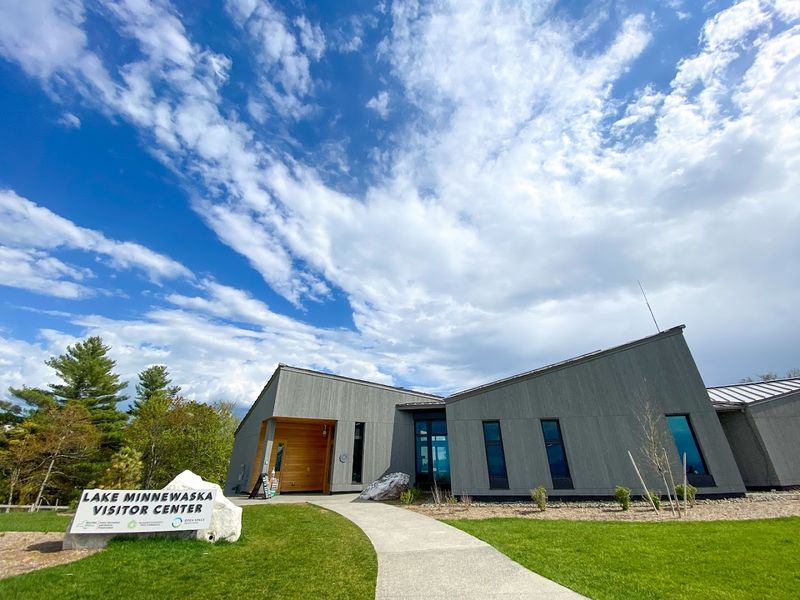
A well-planned visit to Minnewaska tends to be a significantly more satisfying one, and a few practical details go a long way toward making the day run smoothly. The park opens at 9 AM every day of the week and closes at 7 PM, giving visitors a solid window for exploring even on shorter winter days.
The ten-dollar vehicle entry fee is collected at the entrance, and the parking areas have been expanded in recent years to handle busy weekends more comfortably.
Bringing your own food and water is strongly advisable, as there are no restaurants or concession stands within the preserve. A well-stocked backpack with snacks, enough water for your planned mileage, and a printed or downloaded trail map covers the essentials.
The visitor center staff can offer real-time guidance on trail conditions and any closures that might affect your route, which is especially useful after periods of heavy rain or winter weather.
Dogs are welcome on a leash, and the trails accommodate them well on the wider carriage roads. Trash receptacles are available, but packing out what you bring in is a habit the park community takes seriously.
For groups or families with mixed fitness levels, the combination of a lake loop and a waterfall trail makes for a full and rewarding day without demanding too much from anyone in the party.