
This Mind-Bending Art Experience In Wisconsin Will Completely Mess With Your Senses
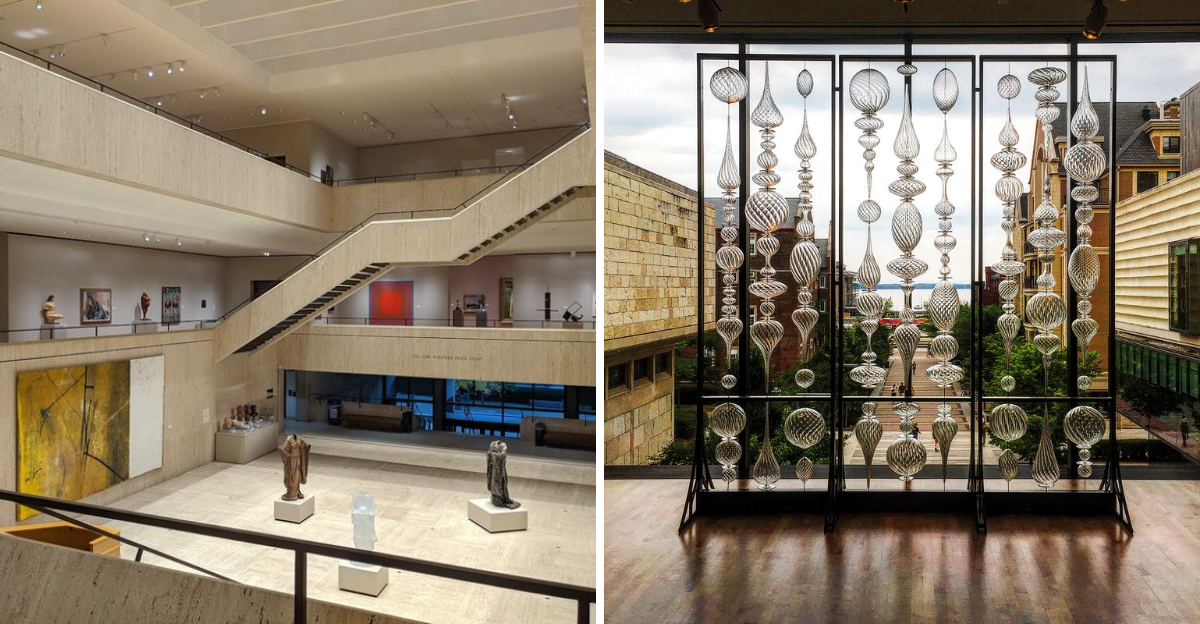
Art has a way of changing your perspective, and there’s a place in Wisconsin where that feeling comes through almost instantly. Visitors step inside expecting a typical museum visit, then find themselves pausing, rethinking, and looking a little closer at everything around them.
The collection moves effortlessly between ancient pieces and bold contemporary works, each one offering something unexpected. What makes it even more inviting is that it’s free to explore, making it easy to take your time and let each gallery leave its impression long after you’ve moved on.
One Of The Largest Art Museums In Wisconsin
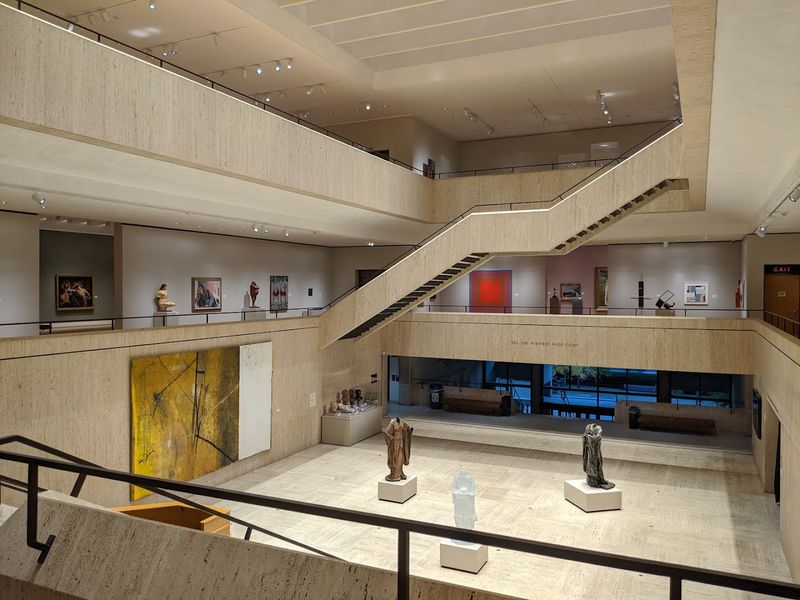
The Chazen Museum of Art stands as a cultural giant in Wisconsin, housing one of the most extensive art collections in the state. Spread across multiple floors and buildings, the museum offers visitors an expansive journey through visual culture.
The sheer scale of the space allows for immersive exhibitions that give each piece room to breathe and speak.
Walking through the galleries feels like traveling through time and across continents. The museum’s size enables it to display works from diverse periods and cultures simultaneously, creating unexpected dialogues between pieces.
Visitors can spend hours exploring without ever feeling rushed or cramped.
Located at 800 University Avenue in Madison, the museum’s physical footprint reflects its ambition to serve as a major educational and cultural resource. The architecture itself invites exploration, with interconnected spaces that encourage discovery.
Every corner holds the potential for a new visual encounter that might shift your understanding of what art can be.
A Free Museum Located On The University Of Wisconsin–Madison Campus
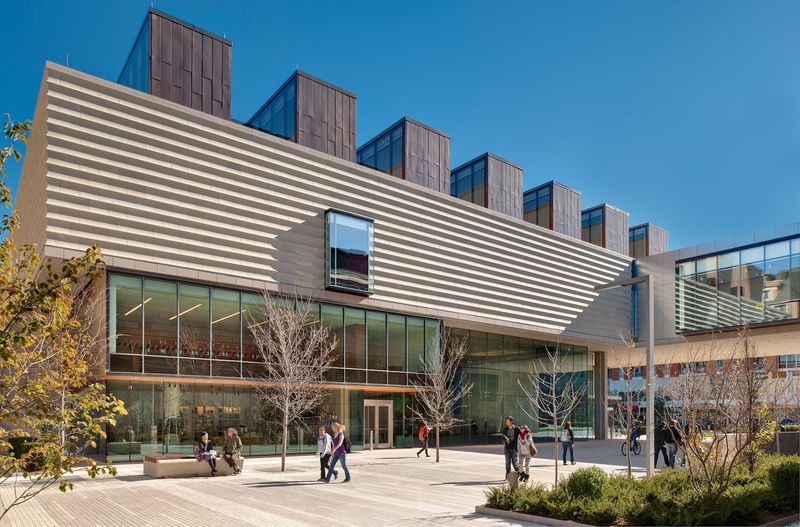
Accessibility defines the Chazen Museum’s mission, and the fact that admission costs nothing removes barriers that often keep people from engaging with art. Situated right on the University of Wisconsin–Madison campus, the museum functions as both an academic resource and a public treasure.
Students and community members alike can visit whenever inspiration strikes.
The campus location creates a vibrant atmosphere where intellectual curiosity thrives. You might find yourself surrounded by art students sketching masterworks, professors leading discussions, or families introducing children to visual culture.
The energy of a university setting infuses every visit with possibility.
Free admission does not mean limited access. The museum maintains professional standards in curation, preservation, and programming that rival institutions charging substantial entry fees.
Donations are welcome and help sustain operations, but the door remains open to everyone regardless of financial means. This democratic approach to art access makes the Chazen a genuine community asset.
A Collection Featuring More Than 25,000 Works Of Art
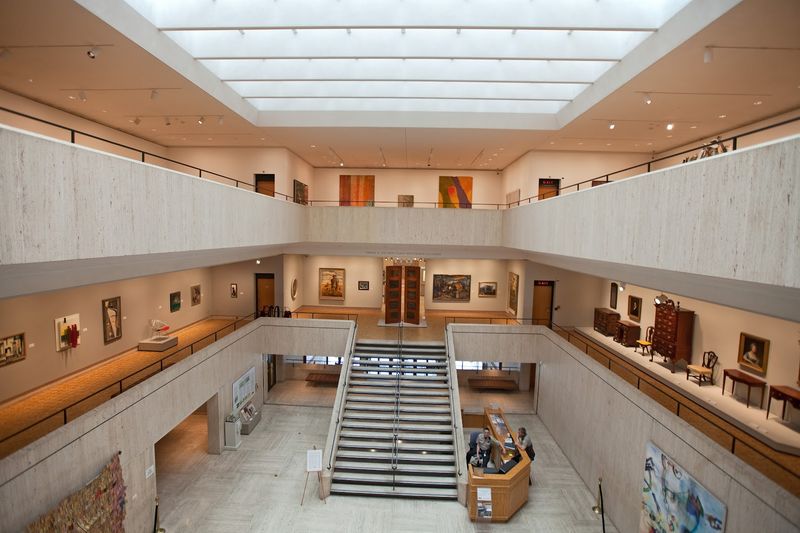
Behind the scenes and on display, the Chazen holds more than 25,000 individual works of art in its permanent collection. This staggering number represents decades of careful acquisition, gifts from generous donors, and strategic collecting that spans the entire history of human creativity.
Only a fraction can be exhibited at any given time, making each visit potentially different from the last.
The collection’s breadth means you can encounter Egyptian antiquities, Renaissance paintings, Japanese prints, contemporary photography, and Indigenous American art all under one roof. Curators rotate pieces regularly, drawing from the vast reserves to create fresh exhibitions.
This constant renewal keeps the museum dynamic and rewards repeat visitors.
Such depth allows the Chazen to support serious scholarship while also serving casual visitors seeking visual pleasure. Researchers can request access to specific works for study, while gallery-goers enjoy expertly curated selections that tell compelling stories.
The collection continues to grow, ensuring future generations will inherit an even richer cultural resource.
Art Spanning Centuries From Ancient To Contemporary
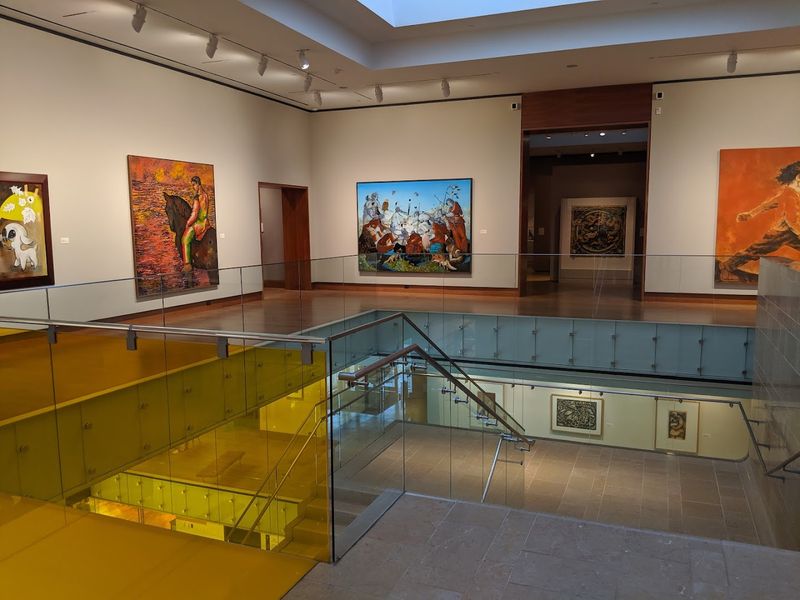
Few experiences match the thrill of moving from a 5th-century Syrian mosaic to a 21st-century video installation in the span of a single afternoon. The Chazen’s chronological range creates opportunities for visitors to trace how humans have expressed themselves visually across millennia.
Ancient objects carry the weight of history, while contemporary works pulse with current concerns.
This temporal diversity reveals both the constants and changes in human creativity. You begin to notice recurring themes like portraiture, landscape, and abstraction appearing in vastly different cultural contexts.
The juxtaposition of old and new can be jarring in the best possible way, forcing you to reconsider assumptions about progress and tradition.
Walking through centuries of art history develops visual literacy and cultural understanding. A medieval religious icon might hang near a modern abstraction, inviting comparisons about spirituality and form.
The museum’s willingness to present such contrasts creates mind-bending moments where past and present collapse into a single, powerful experience.
European Masterpieces And American Art In One Place
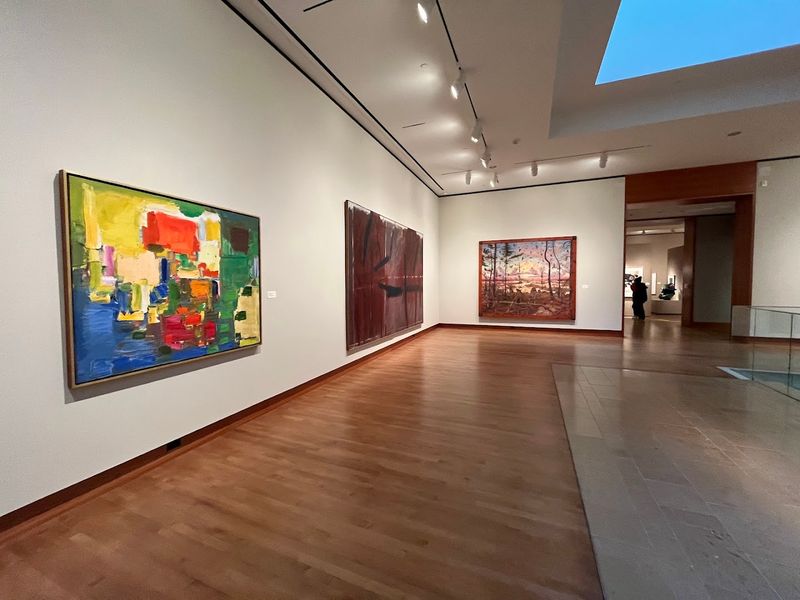
The Chazen brings together significant works from European and American art traditions, offering visitors a chance to compare and contrast these influential movements. European galleries might feature works that shaped Western art history for centuries, while American sections showcase how artists on this side of the Atlantic responded, rebelled, and innovated.
The conversation between these traditions reveals complex cultural exchanges.
You can study European techniques in oil painting, then see how American artists adopted and transformed those methods to express distinctly different sensibilities. The museum’s holdings include pieces that demonstrate technical mastery alongside works that prioritize raw emotional expression.
This range helps visitors understand that artistic excellence takes many forms.
Grandma Moses paintings hang in the same institution as works reflecting classical European training, illustrating the diversity of American artistic identity. The Chazen does not privilege one tradition over another but presents them as equally worthy of study and appreciation.
This balanced approach encourages visitors to develop their own aesthetic preferences.
Thought-Provoking Modern And Contemporary Exhibitions
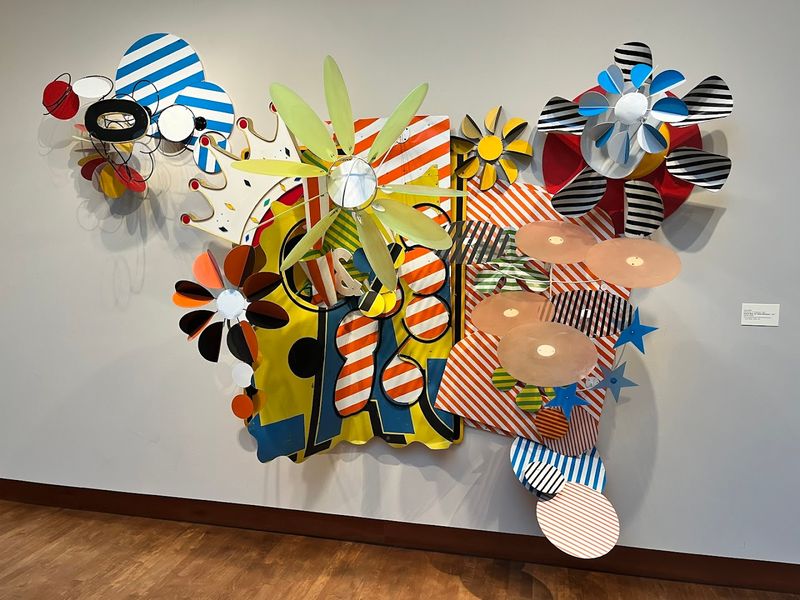
Contemporary art has a reputation for challenging viewers, and the Chazen fully embraces this aspect of modern creativity. Exhibitions featuring living artists or recent works often address current social issues, experiment with new media, or question the very nature of art itself.
These shows can provoke strong reactions, which is precisely the point.
A Kara Walker piece might confront viewers with uncomfortable truths about American history, while a Toshiko Takaezu ceramic installation offers meditative beauty through form and glaze. The museum does not shy away from difficult subjects or unconventional materials.
Visitors leave with minds stirred and perspectives shifted.
Rotating contemporary exhibitions ensure that the Chazen remains relevant to current artistic conversations. The museum hosts artists for talks and demonstrations, creating opportunities for direct engagement with creative processes.
These programs demystify contemporary art and help visitors understand that challenging work often rewards patient, open-minded attention. The experience can genuinely mess with your assumptions about what art should be.
Striking Architecture That Blends Historic And Modern Design
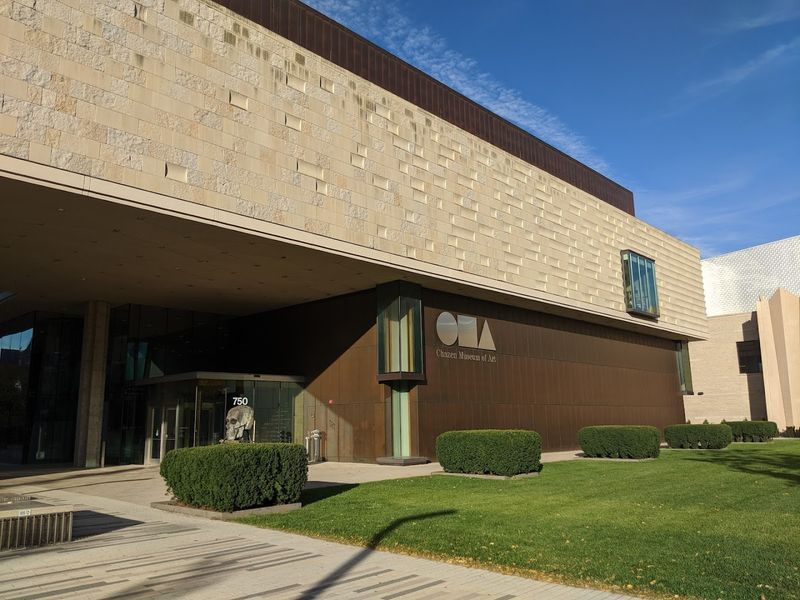
The physical structure of the Chazen Museum tells its own story through architecture that honors tradition while embracing contemporary design principles. The building combines elements that feel timeless with spaces that announce their modernity through clean lines and abundant natural light.
This architectural conversation mirrors the museum’s collection, which similarly bridges historical and current artistic practices.
Natural lighting plays a crucial role in how visitors experience the art. Large windows and carefully designed galleries allow daylight to enhance colors and textures in ways that artificial lighting cannot match.
The architects understood that the container matters nearly as much as the contents.
Navigating between historic and modern sections creates a physical experience of moving through time. The building’s layout encourages exploration rather than prescribing a single path, allowing visitors to create their own journey.
Staircases, elevators, and connecting corridors become part of the aesthetic experience, not merely functional necessities. The architecture itself messes with your sense of space and sequence.
Rotating Exhibitions That Keep Every Visit Different
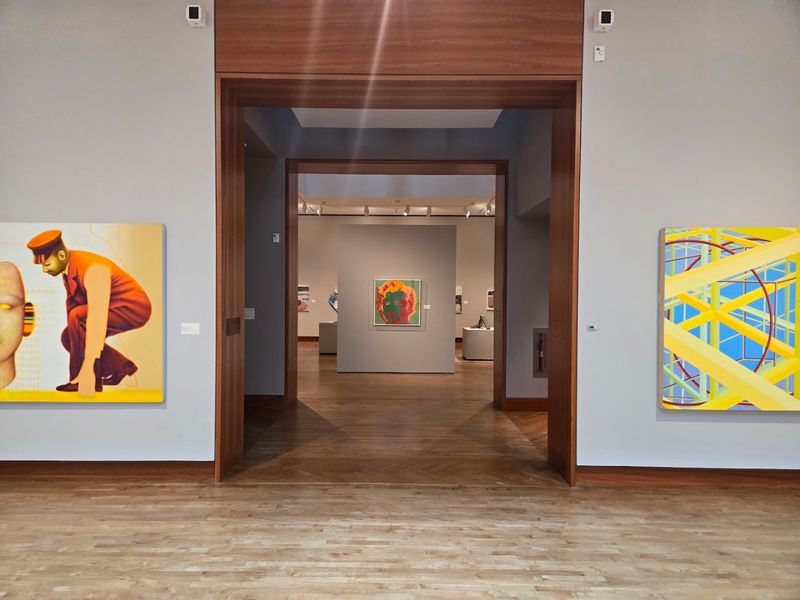
The Chazen operates on a philosophy that museums should never become static. Rotating exhibitions ensure that even frequent visitors encounter new works and fresh perspectives with each return trip.
The museum draws from its vast permanent collection and also hosts traveling shows that bring works from other institutions. This constant renewal creates anticipation and rewards loyalty.
A visit in spring might feature book arts and graphic design, while a fall visit could highlight African American artists or regional ceramics. The variety prevents the museum experience from becoming predictable or stale.
Curators carefully plan rotations to balance familiar favorites with surprising discoveries.
Seasonal visitors from outside Madison find that timing matters. Checking the museum’s schedule before planning a trip can help you catch exhibitions aligned with your interests.
However, the permanent collection alone justifies a visit regardless of what temporary shows are running. The commitment to rotation reflects a deep understanding that art appreciation deepens through repeated, varied encounters.
Free Concerts, Lectures, And Cultural Events Throughout The Year
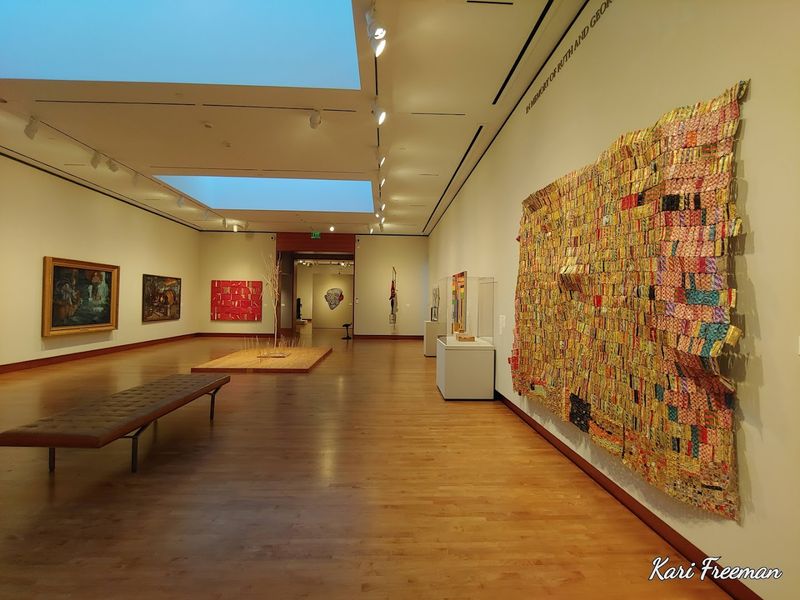
Art does not exist in isolation, and the Chazen recognizes this by programming concerts, lectures, and cultural events that complement visual exhibitions. A chamber music performance might respond to paintings on display, while an artist lecture provides insight into creative processes.
These events transform the museum from a quiet viewing space into a vibrant cultural hub.
Community-centered programming ensures that diverse audiences find points of connection with the collection. Families attend hands-on workshops, scholars present research findings, and musicians interpret visual art through sound.
The museum becomes a gathering place for intellectual and creative exchange.
Most events maintain the museum’s commitment to accessibility by remaining free or low-cost. This approach builds community and reinforces the idea that cultural participation should not depend on wealth.
Attending a lecture or concert at the Chazen adds depth to the visual experience, creating multisensory engagement with art. The calendar of events ensures that the museum stays active and relevant throughout the year, offering reasons to visit beyond the galleries themselves.
A Calm And Inspiring Space In The Heart Of Madison
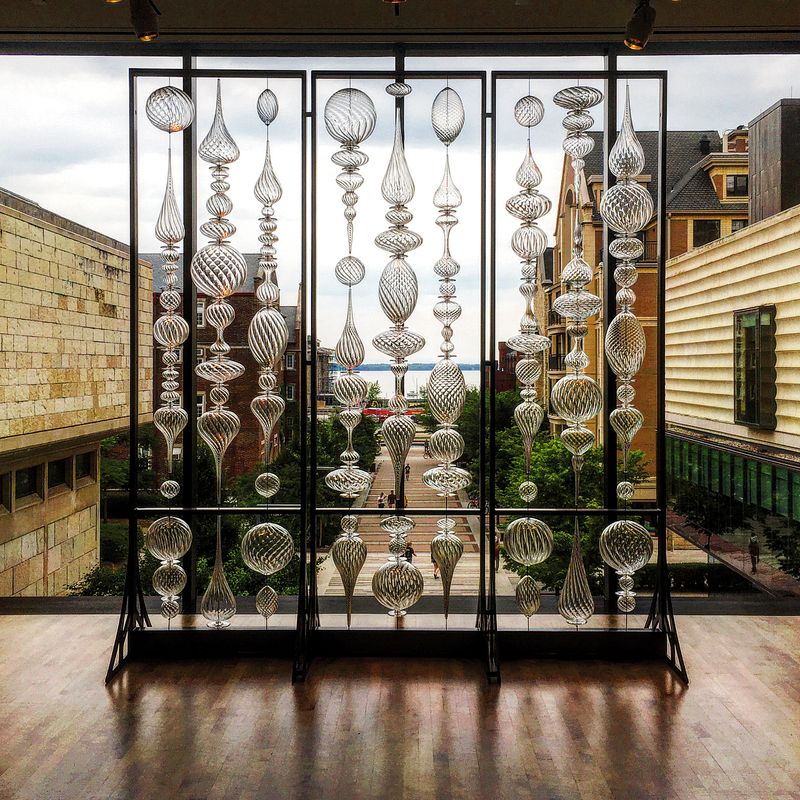
Madison moves at a university town’s particular rhythm, and the Chazen offers a refuge from academic pressure and urban bustle. The galleries provide calm spaces where visitors can slow down, breathe, and engage with beauty and ideas at their own pace.
Quiet contemplation becomes possible even during busy semesters when the campus swirls with activity.
The museum’s central location at 750 University Avenue makes it easily accessible yet somehow separate from the surrounding energy. Stepping inside creates an immediate shift in atmosphere, as if crossing a threshold into a different mode of being.
Art has this power to create sanctuary.
Many visitors describe the Chazen as inspiring, a place that sends them back into the world with refreshed perspective and renewed creativity. Students find respite between classes, while community members treat visits as a form of meditation or self-care.
The museum succeeds in being both intellectually stimulating and emotionally restorative, proving that spaces dedicated to art serve essential human needs beyond education or entertainment.