
This New York Wildlife Center Rehabilitates Over 2,000 Injured Wild Animals Each Year And You Can Visit It
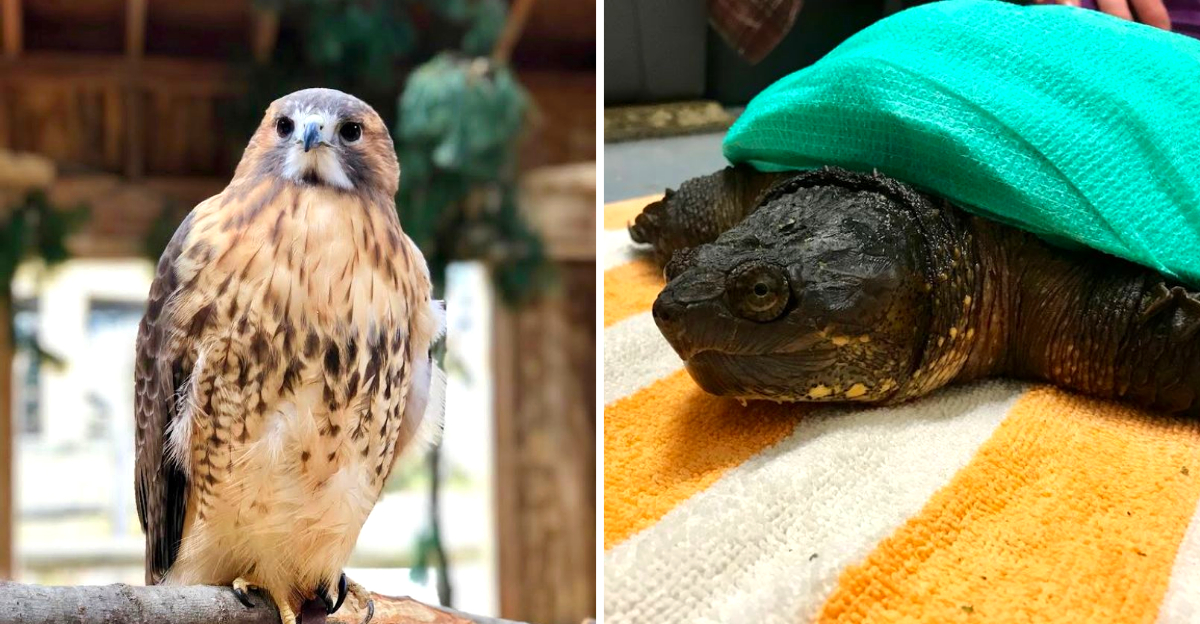
More than 2,000 injured animals pass through this New York wildlife center every year. Not for display.
Not for show. They’re here to recover, and that focus shapes everything you see the moment you arrive.
Carriers come through the doors, and each day brings a new mix of animals that need care. This wildlife center in New York isn’t built for show.
It runs on routine, patience, and the steady effort it takes to help injured animals recover.
A visit gives you a closer look at that process. You might spot birds regaining strength, small mammals being monitored, or enclosures set up to support careful rehabilitation.
Everything has a purpose, and nothing feels staged. It’s calm, thoughtful, and grounded in real work.
Spend a little time here, and you leave with a better sense of what goes into giving wildlife a second chance.
A Wildlife Sanctuary Hidden Inside One Of Long Island’s Most Beautiful Arboretums
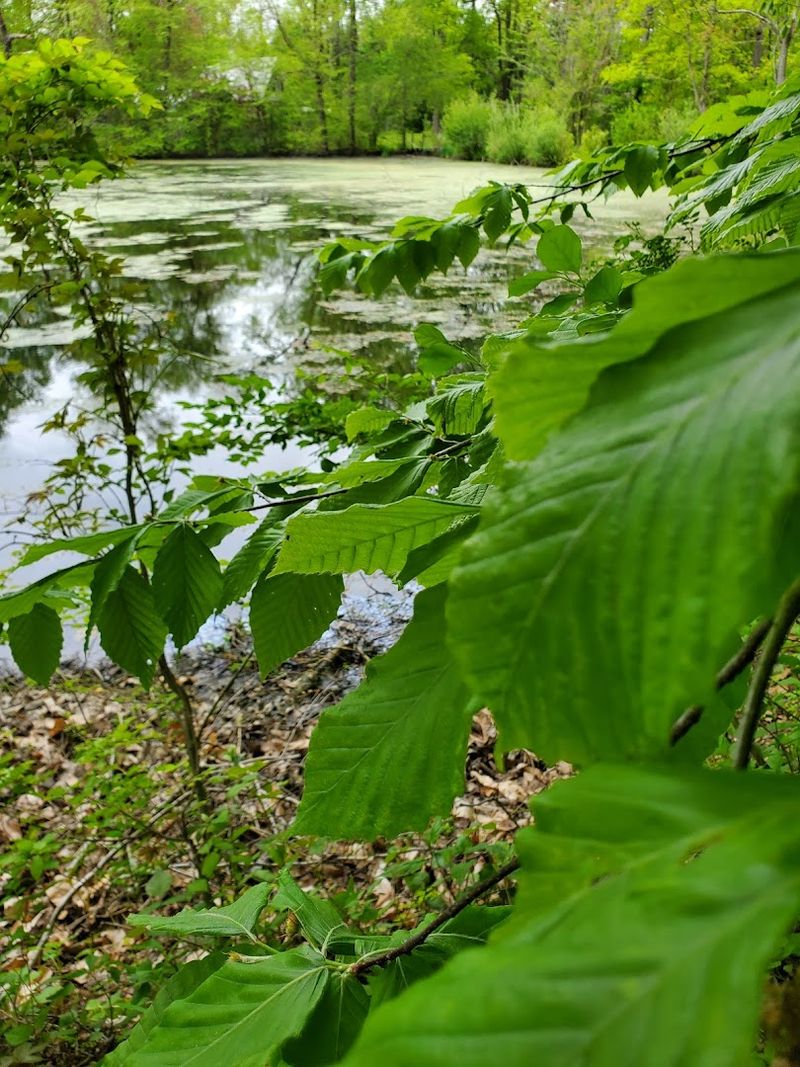
Few places manage to combine natural beauty with genuine conservation purpose as effortlessly as this one does. Found within the grounds of Huntington, the Wildlife Center of Long Island occupies a setting that feels almost deliberately designed to calm both animals and visitors alike.
The surrounding landscape is lush, well-maintained, and filled with the kind of quiet that makes you slow your pace without even noticing.
Towering trees line the walking paths, and the air carries a distinct freshness that is hard to find in more developed parts of Nassau County. Visitors often remark that arriving here feels like stepping into a different version of Long Island entirely.
The arboretum setting is not just scenic backdrop; it provides a genuinely supportive environment for animals recovering from injury or trauma.
Shared parking with Bailey Arboretum makes access straightforward, and the entry experience feels unhurried. Families, birdwatchers, casual hikers, and wildlife enthusiasts all find something meaningful here.
The short walking paths are manageable even for first-time visitors, and the overall atmosphere rewards those who take their time and pay close attention to their surroundings.
What The Wildlife Center Of Long Island Actually Does Every Single Day
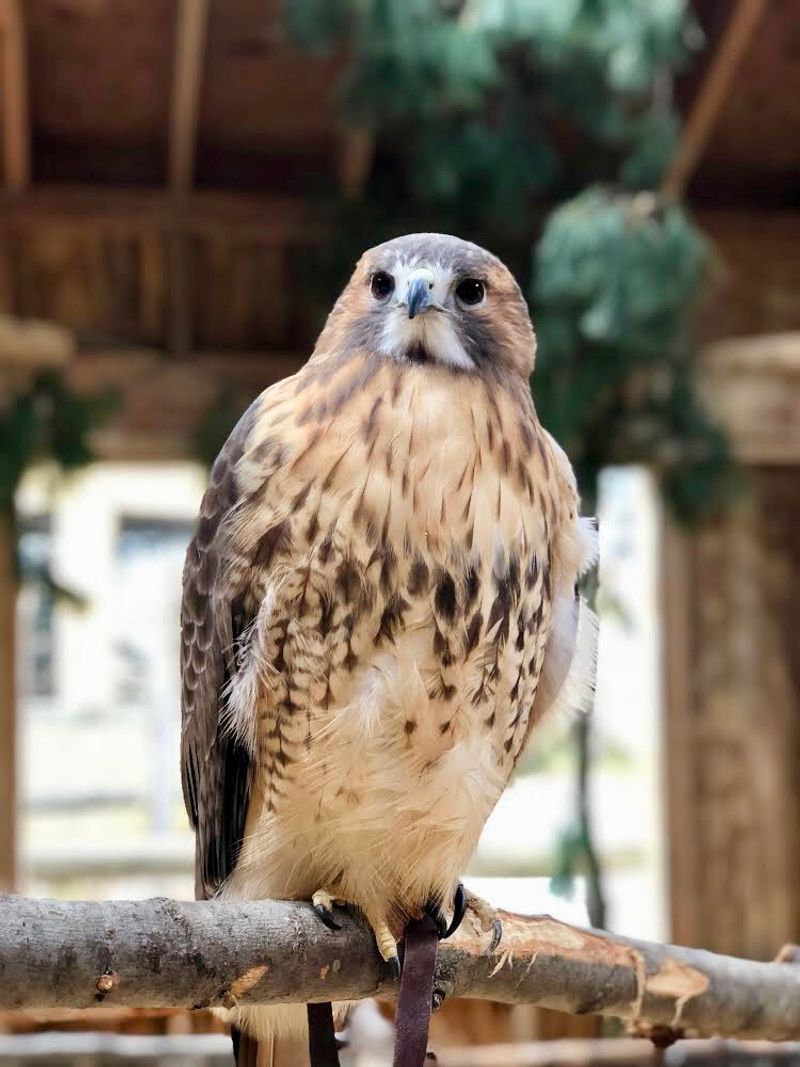
The Wildlife Center of Long Island, located in Huntington and operating out of Locust Valley in Nassau County, is a licensed wildlife rehabilitation facility with a mission that runs seven days a week. The center rehabilitates over 2,200 wild animals annually, a number that reflects both the scale of need on Long Island and the tireless commitment of the people who staff it.
Every day, volunteers and trained rehabilitators assess, treat, and care for creatures ranging from songbirds to raptors to small mammals.
The process of rehabilitation is more involved than most people expect. Animals are triaged upon arrival, given medical assessments, placed in appropriate enclosures, and monitored through each stage of their recovery.
The goal is always to return them to the wild, and the center maintains strict protocols to ensure animals do not become overly accustomed to human contact during their stay.
The center also fields more than 10,000 phone calls each year from Long Island residents who have found injured or orphaned wildlife. Staff and volunteers guide callers through safe handling procedures and coordinate pickups or drop-offs efficiently.
That level of community responsiveness is what sets this place apart from many comparable organizations.
The Birds Of Prey Aviary That Visitors Keep Talking About
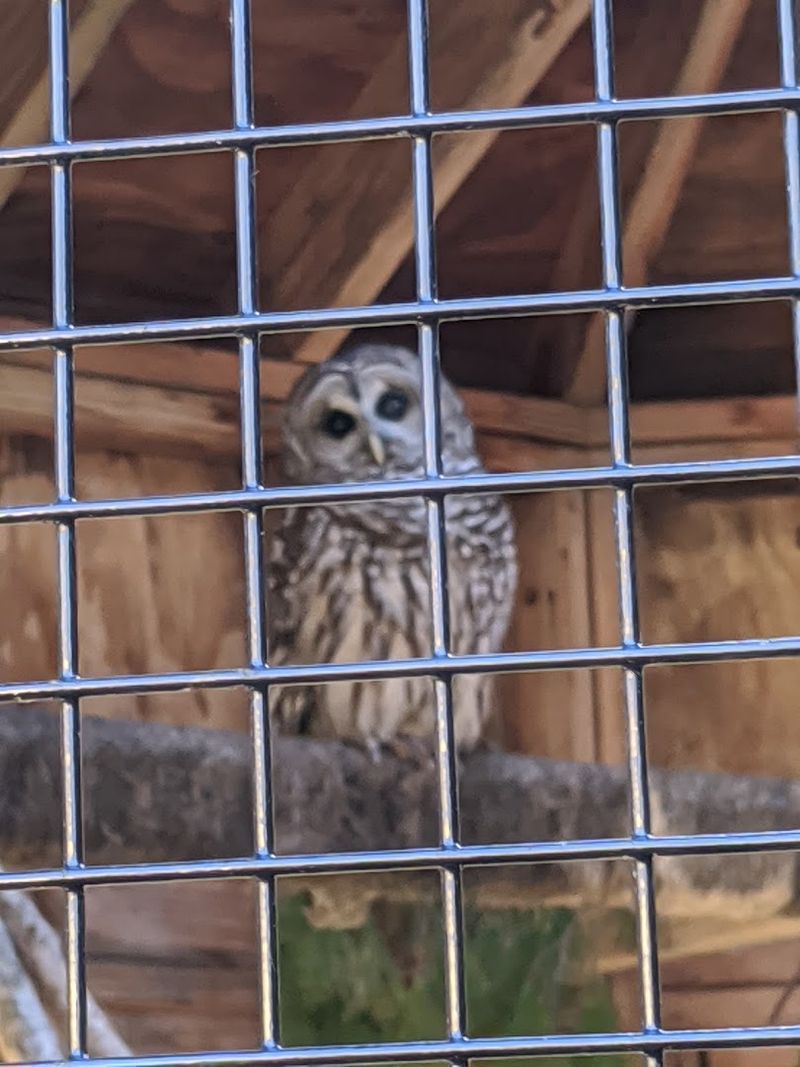
One of the most memorable features of a visit to the Wildlife Center of Long Island is the resident bird exhibit, where owls, hawks, and other birds of prey live in a well-maintained and surprisingly spacious aviary.
These are not animals waiting for release; they are permanent residents, individuals whose injuries were too severe to allow a return to the wild but who now serve as living ambassadors for their species.
Each bird in the aviary has a detailed life story posted nearby, explaining how it arrived at the center, what kind of injury it sustained, and what its life looks like now. Reading those individual accounts adds a layer of connection that transforms a simple bird-watching moment into something genuinely moving.
A great horned owl with a repaired wing or a red-tailed hawk missing partial vision becomes not just a bird on a perch but a character with a history.
The aviary is clean, thoughtfully arranged, and clearly maintained with real care. Young visitors tend to linger here longer than anywhere else on the property, and it is easy to understand why.
There is something quietly compelling about standing close to a wild raptor and understanding the story behind its presence.
How Volunteers Power Nearly Every Aspect Of This Operation
Volunteer organizations often carry a reputation for inconsistency, but the Wildlife Center of Long Island operates with a level of coordination that puts many fully staffed nonprofits to shame.
Volunteers handle intake calls, transport animals, assist with feeding schedules, maintain enclosures, and support educational outreach across the island.
The center functions because of their sustained commitment, and that fact is never hidden from visitors.
Becoming a volunteer here is a real option for interested community members, and the center provides training to ensure that newcomers are genuinely prepared for the responsibilities involved. Working with wild animals requires patience, physical steadiness, and a willingness to follow protocols even when instinct might suggest otherwise.
The training process reflects that reality with appropriate seriousness.
There is a particular kind of satisfaction that comes from contributing directly to the recovery of a living creature, and many volunteers describe the experience as one of the most grounding things they have ever done.
The center welcomes people from a wide range of backgrounds, and no prior experience with animals is required to get started.
For Long Island residents looking for a way to engage meaningfully with local conservation, this is one of the most accessible and rewarding entry points available.
The Remarkable Range Of Species That Arrive At The Center Each Year
Long Island is home to a surprisingly diverse array of wild species, and the Wildlife Center of Long Island sees a broad cross-section of that population every year.
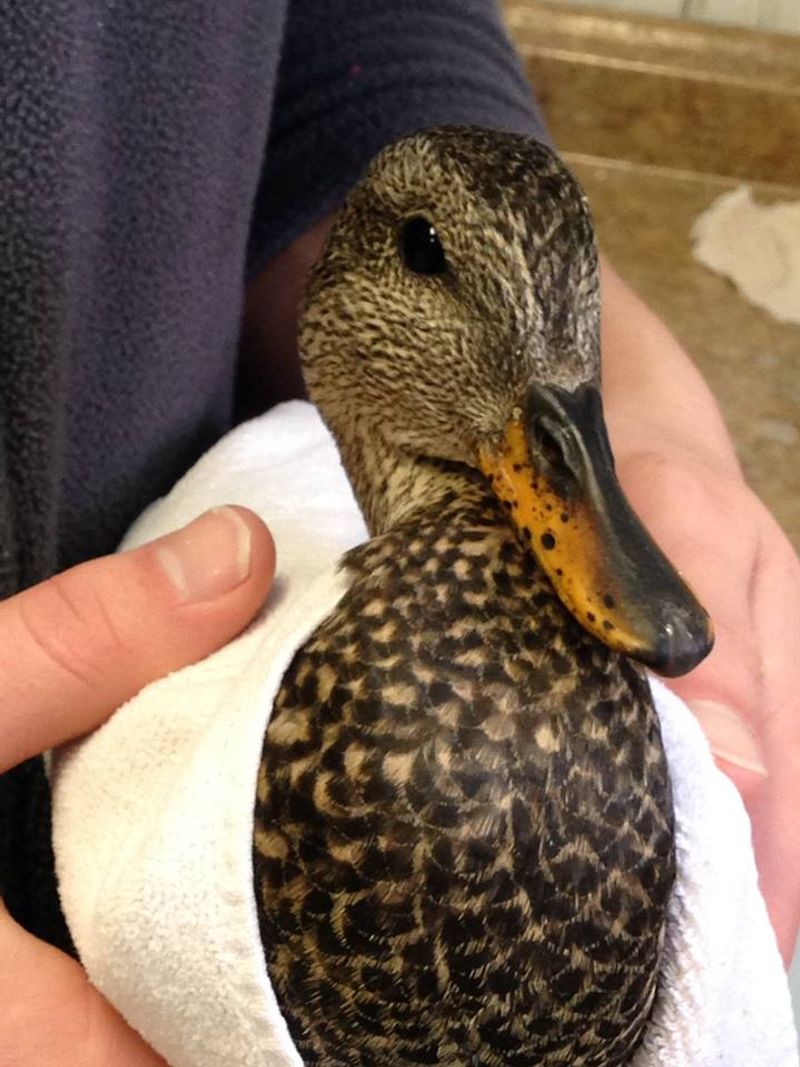
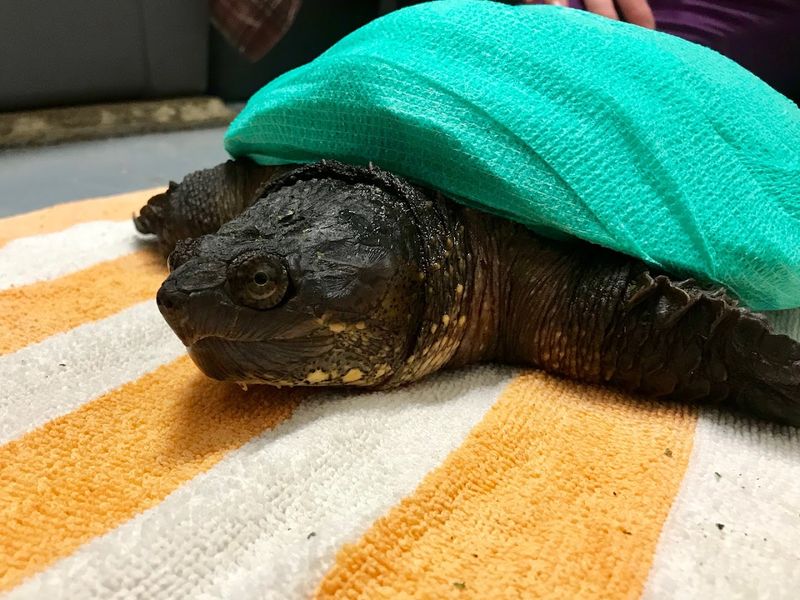
Common arrivals include songbirds that have struck windows, rabbits separated from their mothers, squirrels that have fallen from nests, turtles injured by vehicles, and raptors entangled in fishing line or netting.
Each species presents its own set of care requirements, and the center’s rehabilitators are trained to handle that variety with consistency.
Seasonal patterns shape the intake numbers in interesting ways. Spring and early summer bring a surge of orphaned young animals, while fall migration season produces an uptick in injured songbirds and waterfowl.
Winter months tend to bring in raptors, particularly owls and hawks that have been struck by vehicles while hunting along roadsides. Understanding those rhythms helps the center prepare resources and volunteer coverage in advance.
What is genuinely striking is how many of these animals recover fully and return to the wild. The center maintains a strong release rate, which speaks to both the quality of care provided and the resilience of the animals themselves.
Watching a rehabilitated animal return to its natural habitat is, by most accounts, one of the most satisfying moments this work produces.
Visiting The Center And What To Expect When You Arrive
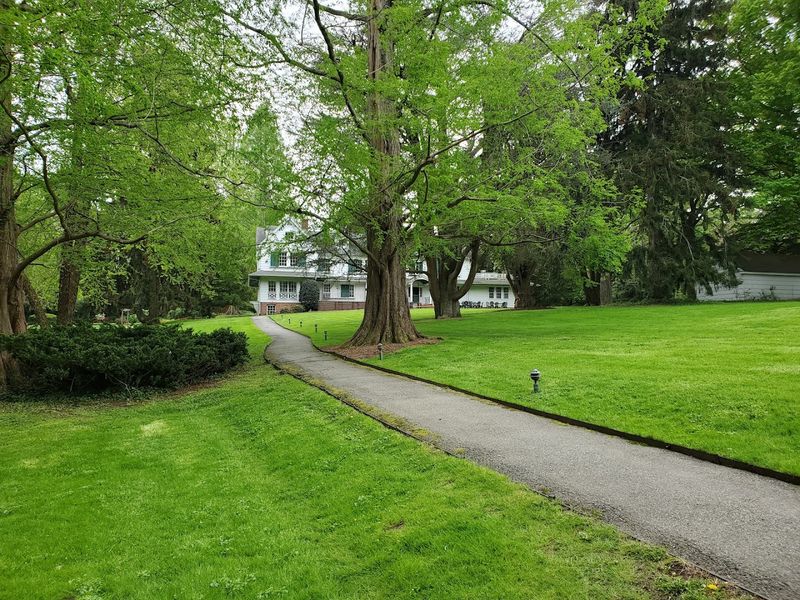
The Wildlife Center of Long Island is open to the public seven days a week from 8 AM to 4 PM, making it one of the more accessible wildlife facilities in the region. The center is situated within the Bailey Arboretum in Locust Valley, and its shared parking area is easy to find.
Admission to the wildlife portion of the grounds is free, which removes any barrier for families, students, or curious individuals who simply want to see the work up close.
A visit here rewards those who come with genuine curiosity rather than a checklist mentality. The experience is not a zoo or a theme park; it is a working rehabilitation facility that happens to welcome observers.
Visitors can view the resident bird aviary, walk the arboretum paths, and occasionally observe intake or care activities from appropriate distances. Staff and volunteers are generally happy to answer questions when time allows.
Bringing children is a genuinely good idea. The environment naturally encourages questions about animals, ecosystems, and what humans can do to reduce harm to wildlife.
The center also has educational materials available, and its website at wildlifecenterli.org provides updated information on programming and how to report an injured animal. For direct assistance, the center can be reached at (516) 674-0982.
Why This Place Deserves A Spot On Every Long Islander’s Must-Visit List
Conservation work rarely gets the attention it deserves, and facilities like the Wildlife Center of Long Island operate largely outside the spotlight despite the scale of what they accomplish. Rehabilitating over 2,200 animals annually while running almost entirely on volunteer labor and donations is not a modest achievement.
It reflects a genuine and sustained commitment from a community that takes its responsibility to local wildlife seriously.
A visit to the center has a way of recalibrating how you think about the natural world around you. Long Island is heavily developed, and it is easy to forget that foxes, owls, turtles, and songbirds are navigating that same landscape every day.
Seeing the animals that have been pulled back from the edge of death and returned to health makes the idea of coexistence feel less abstract and more urgent.
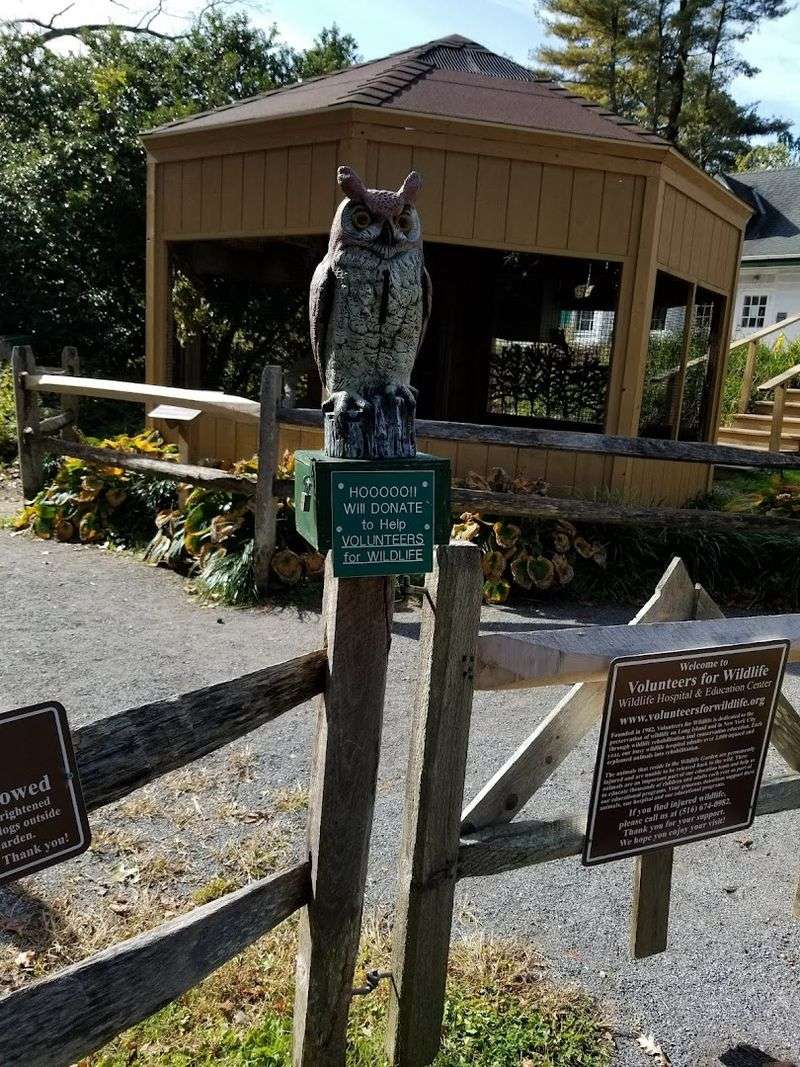
Supporting the center does not require a large financial contribution or a dramatic change in lifestyle. Spreading awareness, making a modest donation, reporting injured animals promptly, or simply showing up as a visitor all contribute to its continued operation.
The Wildlife Center of Long Island is the kind of place that reminds you that meaningful conservation work happens close to home, carried out by ordinary people doing extraordinary things one animal at a time.