
Endless Fun And A Loyal Local Following Await At This Mississippi Harvest Festival
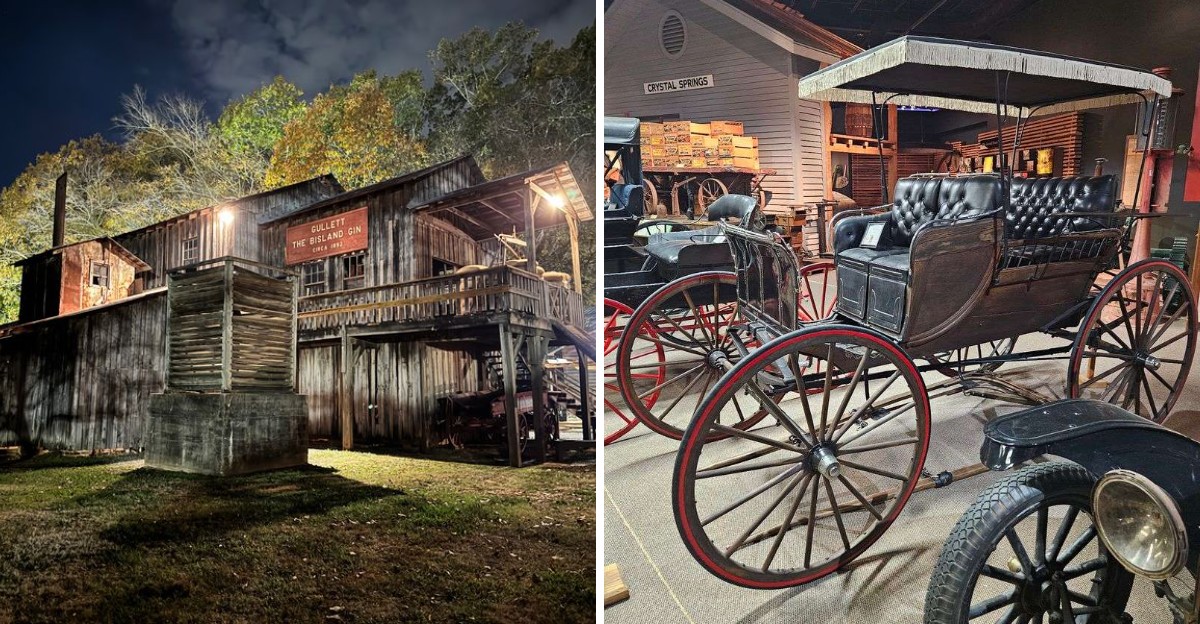
Endless fun waits inside a recreated village where Mississippi history comes alive every autumn. A blacksmith hammers glowing metal while a sawmill turns rough logs into clean planks nearby.
Sweet smoke rises from a cane mill grinding stalks into syrup, patient work with a quiet payoff. An antique cotton gin still runs, its belts and gears telling a story most visitors never expect.
Wagon rides circle the grounds, a small train chugs along its track, and a carousel spins for anyone chasing a simple thrill. Goats, chickens, and curious baby animals wait in a barnyard built for small hands and big questions.
Mississippi families return year after year, turning one weekend into a cherished autumn tradition. Bring comfortable shoes and plan for a full day of wandering.
A 1920s Street That Still Feels Lived In
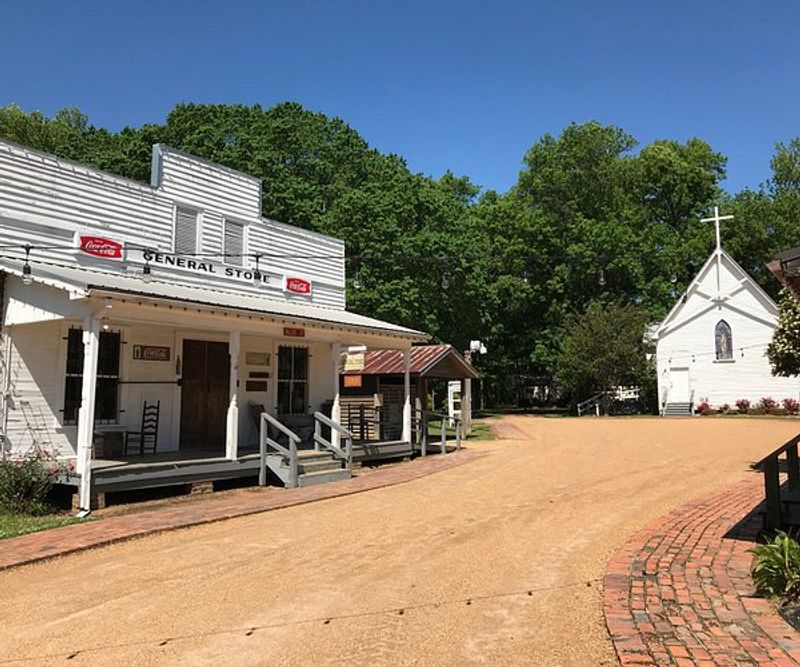
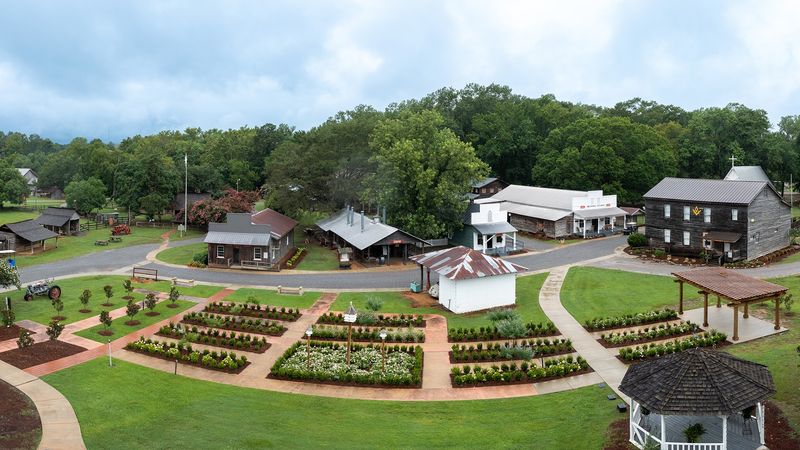
Old buildings rarely feel this awake. Harvest Fest fills the museum’s re-created village, known as Small Town, Mississippi, with movement and voices.
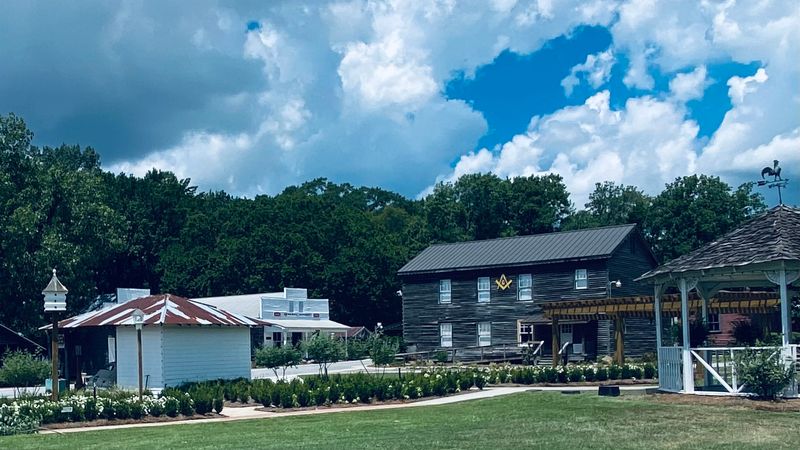
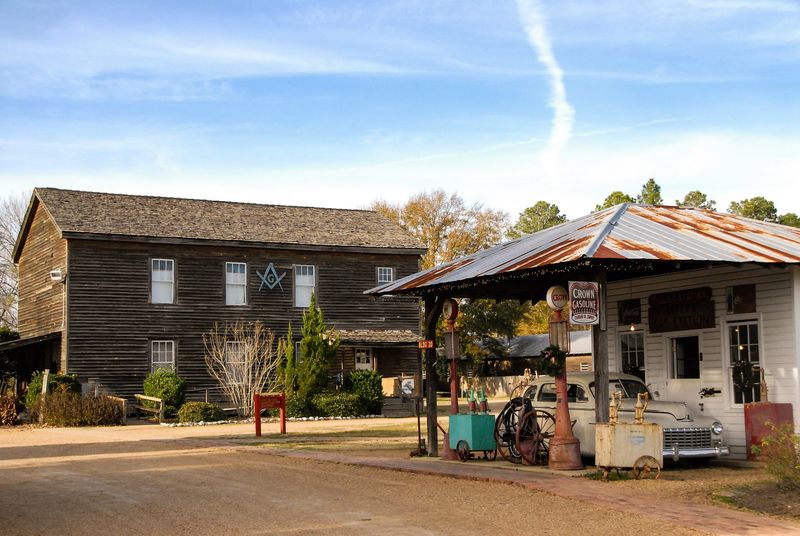
Structures here were relocated from across the state and carefully restored. Some were saved from demolition, then given a second life on these grounds.
A schoolhouse, a church, a doctor’s office, and a general store line the walkways. Peek through doorways and windows to see how daily routines once worked.
The Fortenberry-Parkman Farm, dating to around 1860, anchors the farmstead side of the property. Its weathered wood and simple rooms show plain, practical living.
Kids often stop cold at the one-room school. The desks look impossibly small, and the lesson boards spark plenty of questions.
Everything sits at 1150 Lakeland Dr, Jackson, MS 39216, spread across roughly 40 acres of walkable ground.
Paths connect the town, the barns, and the exhibit halls without much climbing. Strollers roll fine, though gravel stretches appear here and there.
Give the village unhurried time. Details reward slow eyes, from hand-forged hinges to faded painted signs above the doors.
Sparks, Sawdust, And Working Demonstrations
Sparks first, questions later. The blacksmith shop draws the biggest crowd at Harvest Fest, and the sound carries across the grounds.
Metal glows orange, then flattens under steady hammer blows. Craftspeople explain each step while they work, so nothing feels like a lecture.
The sawmill runs nearby. Rough logs go in, and clean planks come out, which explains timber’s role in Mississippi better than any wall panel could.
Inside the print shop, presses clack and roll. Visitors watch letters get inked, pressed, and lifted, one sheet at a time.
Weavers and spinners often set up too, turning fiber into thread with patient hands. Their tools look simple until you try to follow the motion.
Demonstrators generally welcome questions. Ask what a tool does, and you usually get a story attached.
Schedules can shift with weather and staffing, so plan to circle back if a station sits quiet.
Standing close to real work beats reading about it. That is the quiet trick behind this whole festival.
Sweet Cane Syrup Made The Slow Way
Follow the sweet smell. On Saturday, the cane mill at Harvest Fest grinds stalks of sugarcane into juice, and the aroma spreads fast.
Juice then cooks down over heat until it thickens into dark syrup. Patience matters more than equipment here.
Watching the process explains why old-time cooks treasured a single jar. Hours of grinding produce a surprisingly small amount.
Steam rises off the kettle while someone stirs and skims. It is repetitive, rhythmic, and oddly relaxing to watch.
Cane syrup once sweetened biscuits, cornbread, and morning coffee across rural households. Sugar was expensive, so families made their own supply.
Kids tend to hover near the mill, waiting for a taste or a whiff. Adults linger for the explanation.
Timing counts, since the grinding usually happens on a set day rather than all week. Ask a staff member early in your visit.
Come hungry, stand upwind of the smoke, and let the sweetness do the convincing.
The Cotton Gin That Refuses To Retire
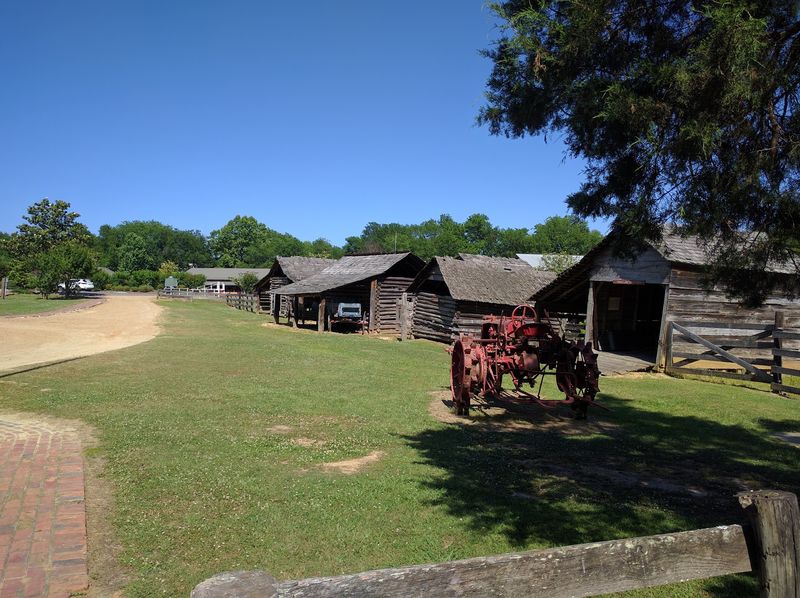
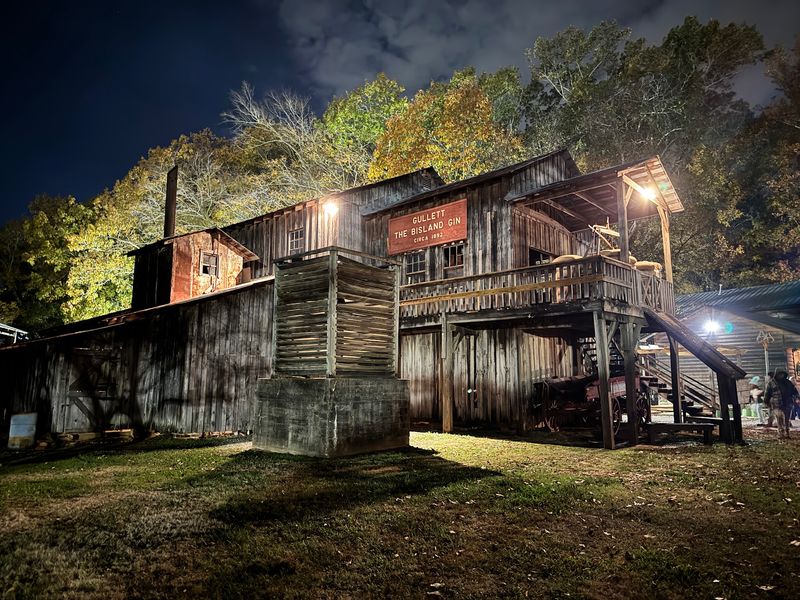
Machinery this old should be resting. Instead, the museum’s cotton gin, billed as the oldest operating gin in America, still runs during Harvest Fest.
Belts turn, wooden frames shake, and lint separates from seed right in front of you. The noise alone tells a story.
Cotton shaped economies, towns, and daily labor across Mississippi for generations. Seeing the gin work makes that history concrete.
Before mechanical ginning, separating seed from fiber took brutal hours by hand. One machine changed the math entirely.
Guides usually explain how the raw bolls travel through the system. They also point out how ginning altered farm life and rural settlements.
The building itself feels appropriately rough around the edges. Dust hangs in the air, and the wood shows real wear.
Photos come out well here, especially with sunlight cutting through gaps in the boards.
Stand for a few minutes and listen. That steady clatter once set the rhythm for entire communities.
Wagon Rides, Trains, And A Spinning Carousel
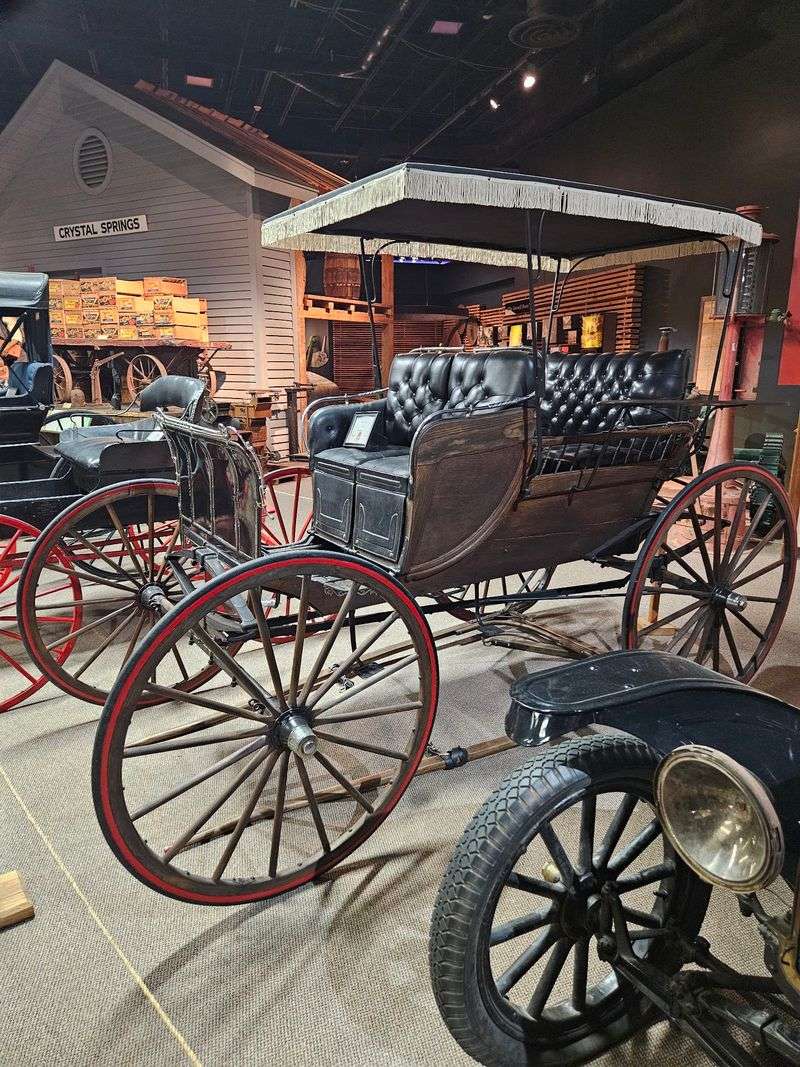
Fun does not need a screen. Harvest Fest leans on simple rides that have charmed local families for decades.
A wagon ride loops the grounds at an easy pace. Riders get a rolling view of barns, fields, and restored buildings.
The train chugs along its track and stays a favorite with younger visitors. Parents get a short break from walking.
Then there is the carousel, painted bright and spinning to cheerful music. Even reluctant teenagers usually give in.
Rides typically carry a small extra charge on top of admission, so bring a little cash or a card just in case.
Lines move quickest early in the day. By late morning, the crowd thickens noticeably.
Ride availability can depend on weather and staffing, which is worth remembering before promising anything to a five-year-old.
These attractions balance the history lessons nicely. Learning happens all morning, then everyone gets to laugh on a moving horse.
Simple pleasures age well, and this festival proves it every November.
Barnyard Introductions With Feathers And Fur
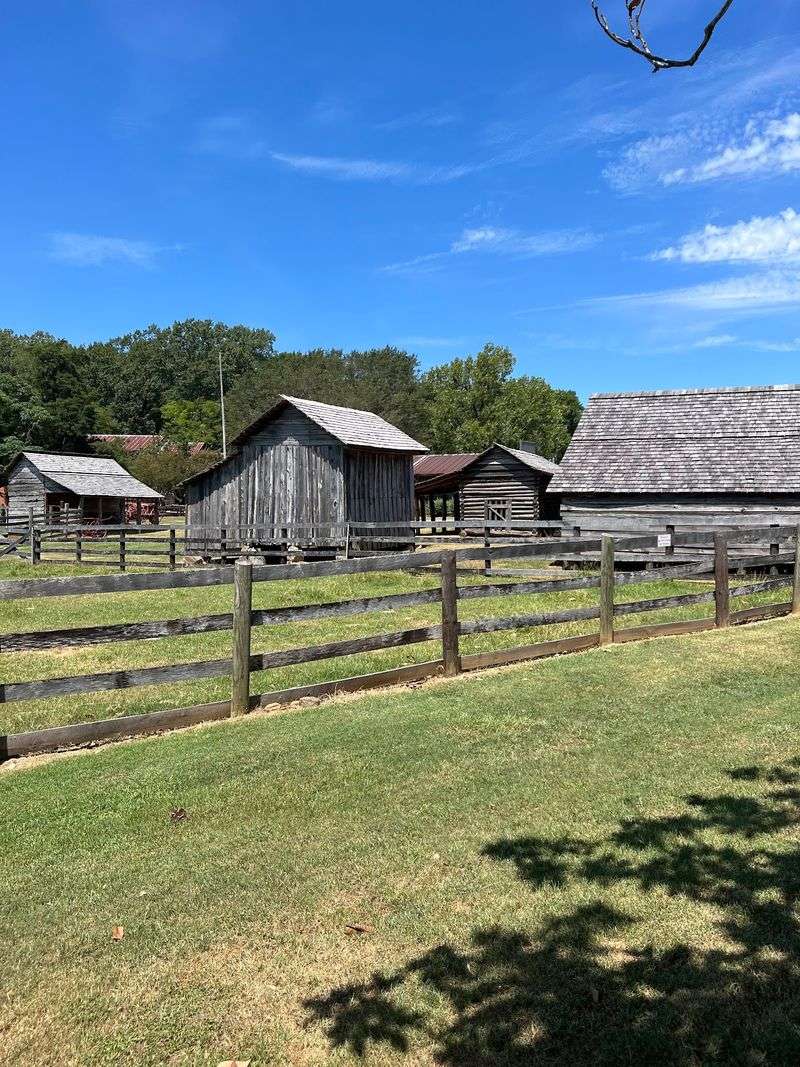
Goats have opinions. So do turkeys, and the Children’s Barnyard at the museum gives visitors a front-row seat to all of it.
Cows, chickens, sheep, pigs, and horses live in this corner of the grounds. Fences sit low enough for short visitors to see over.
Baby chicks and other young farm animals make appearances at the museum’s spring events, so check current-year Harvest Fest programming for this year’s Children’s Barnyard lineup.
Little fluffy chicks turn shy kids into instant chatterboxes. The lesson about where eggs come from lands without effort.
Staff usually share tips on how to approach animals calmly and quietly. Slow hands work better than fast ones.
Hand-washing stations matter here, so plan a quick cleanup before snacks.
City families often find this section the most memorable stop of the day. Many children meet a live cow for the first time.
Animal lineups can change from year to year, depending on the season and the barn.
Budget extra minutes. Nobody leaves the barnyard on schedule.
Snacks, Souvenirs, And A Porch Worth Sitting On
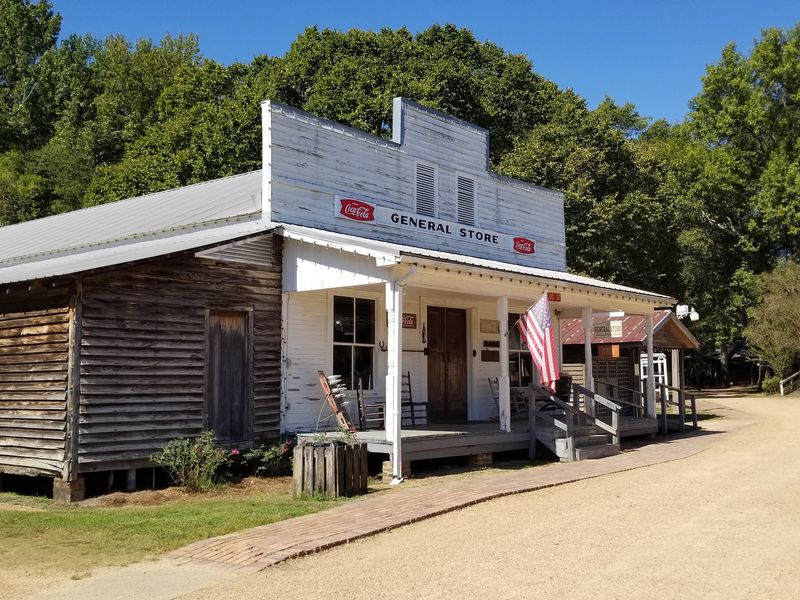
Hungry legs need a landing spot. The General Store at the museum handles that job with snacks, drinks, and shelves full of temptation.
Jarred goods from the museum’s own line sit alongside local honey and produce. They make easy gifts for anyone back home.
Old-fashioned toys fill another shelf, the kind that run on imagination instead of batteries.
Regular visitors swear by a cold bottled soda on the store’s front porch. It is a fine place to rest tired feet.
The Filling Station serves concessions during festival days, so lunch does not require leaving the grounds.
Complimentary biscuits have appeared at past Harvest Fest events, though extras like that can vary year to year.
Prices tend to stay reasonable for a museum shop, which regulars appreciate.
Shop late in your visit if you can. Carrying jars around a 40-acre property gets old quickly.
Sit, snack, and watch the village move. That pause is part of the experience.
Indoor Galleries Packed With Tractors And Trains
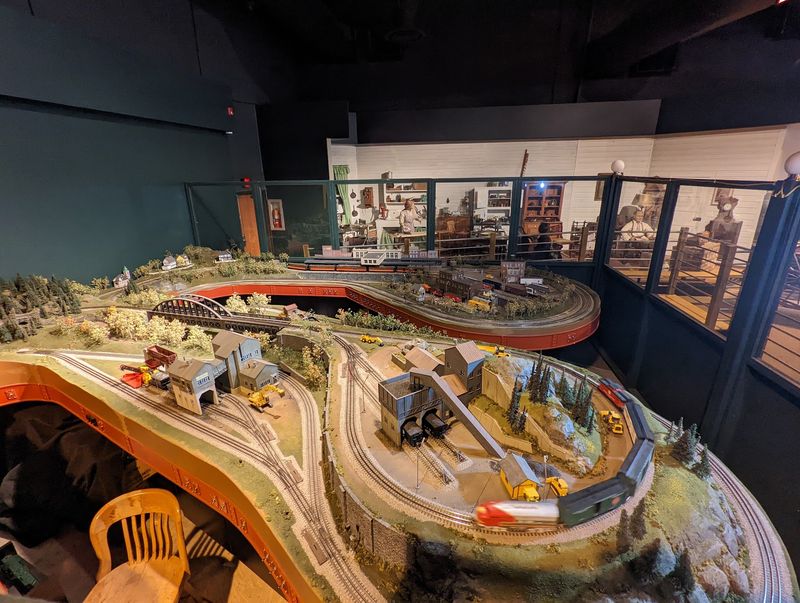
Rain plan solved. The Heritage Center Gallery holds a huge indoor collection that traces farming and forestry across Mississippi.
Exhibits start with early contributions from the Choctaw and continue through modern catfish farming. The sweep is wider than most visitors expect.
Displays show the shift from mule power to tractors. That change reshaped work, land, and family schedules.
The model train exhibit steals attention regularly. Visitors of every age crowd the glass to follow the little locomotives.
Vintage vehicles and tools fill nearby rooms, many with detailed labels. Reading everything easily eats an hour.
The Fitzgerald Collection of antiques hides inside as well, packed with rural life artifacts worth a slow look.
Air conditioning and seating make this a smart midday stop during a busy Harvest Fest schedule.
Some artifacts carry limited signage, so curiosity and a follow-up question help.
Save energy for these halls. Outdoor demonstrations grab the spotlight, but the galleries hold the deeper backstory.
Roses, Herbs, And A Quiet Nature Trail
Need a breather from the crowd? The museum’s gardens and nature trail offer exactly that, just steps from the festival bustle.
An award-winning rose garden anchors the display beds. Medicinal plants and herbs grow in tidy sections nearby.
Pollinator-friendly flowers attract bees and butterflies, adding motion to the whole planting area.
The nature trail winds through the woodland side of the property. Shade, birdsong, and leaf litter replace the sound of machinery.
Autumn colors usually show well in mid-November, which suits the Harvest Fest timing nicely.
Elsewhere on the grounds, the National Agricultural Aviation Museum displays real crop-dusting planes. Those aircraft once flew low over southern fields.
Together, the gardens and hangar widen the story beyond row crops and barns.
Wear closed shoes for the trail, since surfaces can be uneven after rain.
Ten quiet minutes among the roses resets everyone. Then the sawmill starts up again, and the day rolls on.
Smart Planning For November 10 Through 14
Mark the calendar. Harvest Fest runs November 10 through 14, 2026, with festival activities scheduled from 9:00 a.m. to 2:00 p.m. daily.
Mornings work best. Demonstrations often fire up early, and the grounds feel calmer before school groups arrive.
Comfortable walking shoes matter more than anything else. The property covers about 40 acres, and most of it is outdoors.
Layers help too, since November mornings in Jackson can start chilly and warm up by lunch.
General admission covers festival activities, while rides usually cost a little extra. Membership options exist for frequent visitors.
Plan on two hours minimum, and longer if you like reading every exhibit panel.
Schedules for specific demonstrations can shift, so check signage or ask staff when you arrive.
The festival’s loyal following says plenty. Local families return generation after generation, treating it as a seasonal ritual rather than a one-time outing.
Come for the syrup and the sparks. Leave with a better feel for how Mississippi grew up.