
This Northern California River Is So Clear, It Feels Like A Secret Paradise
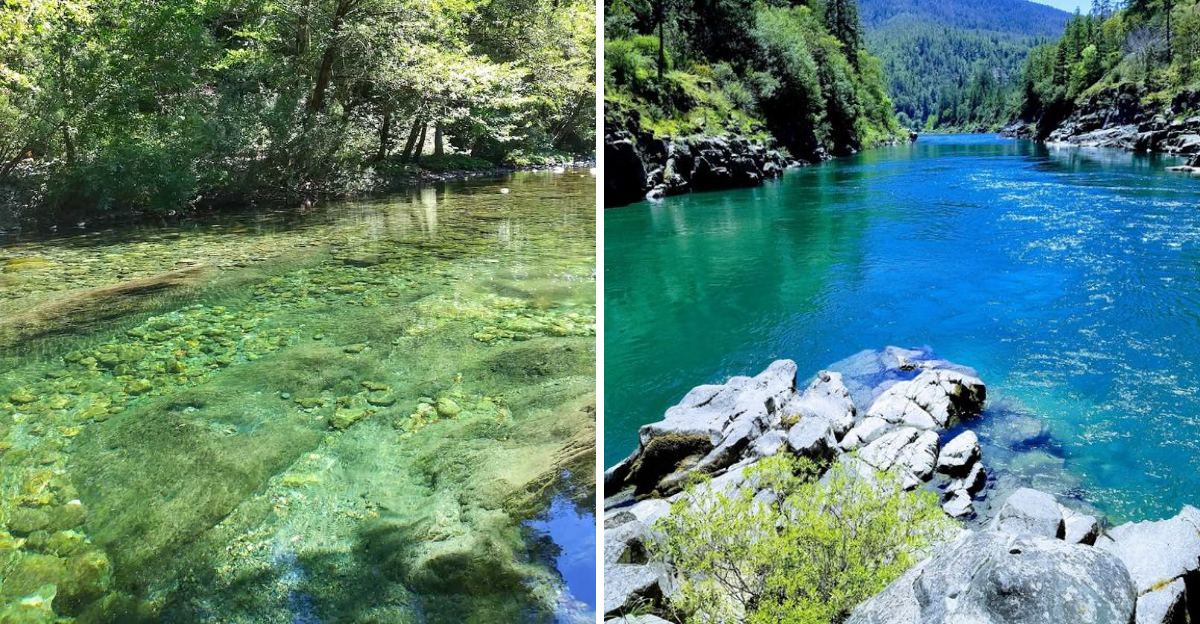
Imagine a river so clear that you can count the rocks on the riverbed from the surface, its waters untouched by dams or development. This rare and wild waterway, surrounded by towering trees and rugged mountains, offers an experience that feels like stepping back in time.
In a world where many rivers are altered by human hands, this one remains pristine and untamed, a true natural wonder. It’s a place where nature’s beauty is preserved in its purest form, inviting those who seek serenity and adventure to experience something truly exceptional.
One Of California’s Last Wild And Untamed Rivers
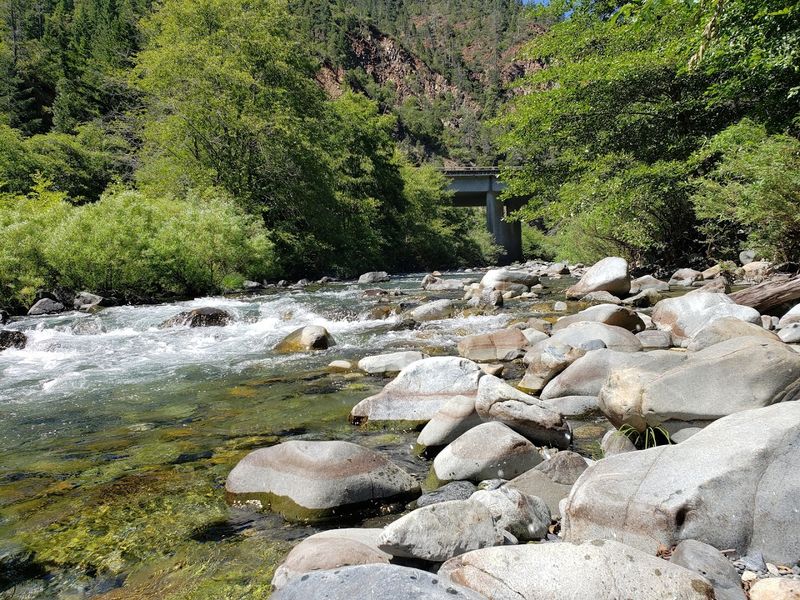
California’s rivers have been shaped and controlled by human hands for over a century, but the Smith River stands apart. No dams interrupt its natural flow from the Siskiyou Mountains to the Pacific Ocean, making it an anomaly among major California waterways.
The river courses freely for roughly 25 miles through Del Norte County, maintaining its wild character and ecological integrity.
Geologists and conservationists celebrate this river as a living example of what California’s watersheds once looked like. The absence of human intervention allows the Smith to flood naturally during winter storms and recede to reveal gravel bars in summer.
This seasonal rhythm supports complex ecosystems that have disappeared elsewhere in the state.
Visitors who know California’s heavily managed rivers immediately recognize something different here. The Smith River moves with an energy and unpredictability that feels almost foreign in the modern landscape, reminding us what wilderness actually means.
The Clearest River In California: A Natural Wonder
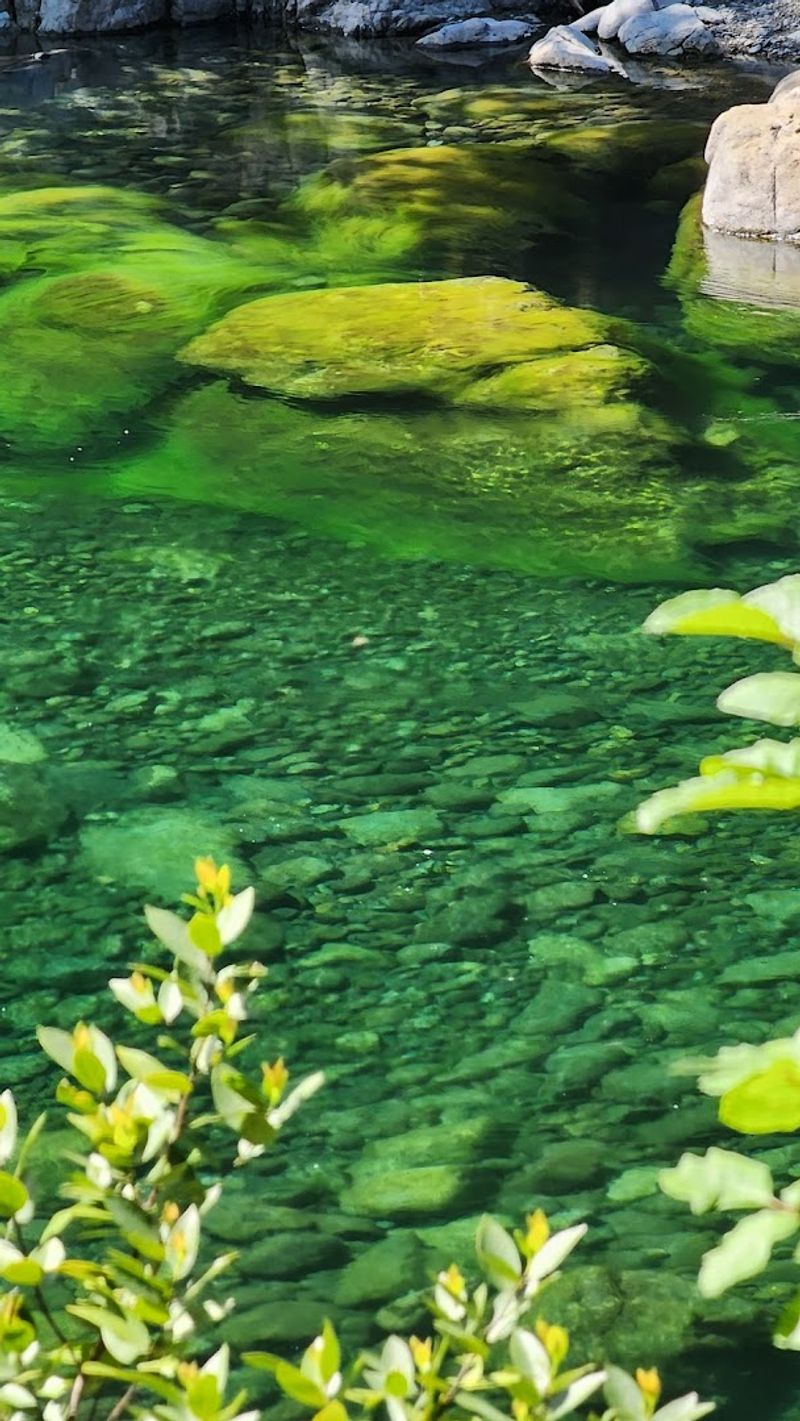
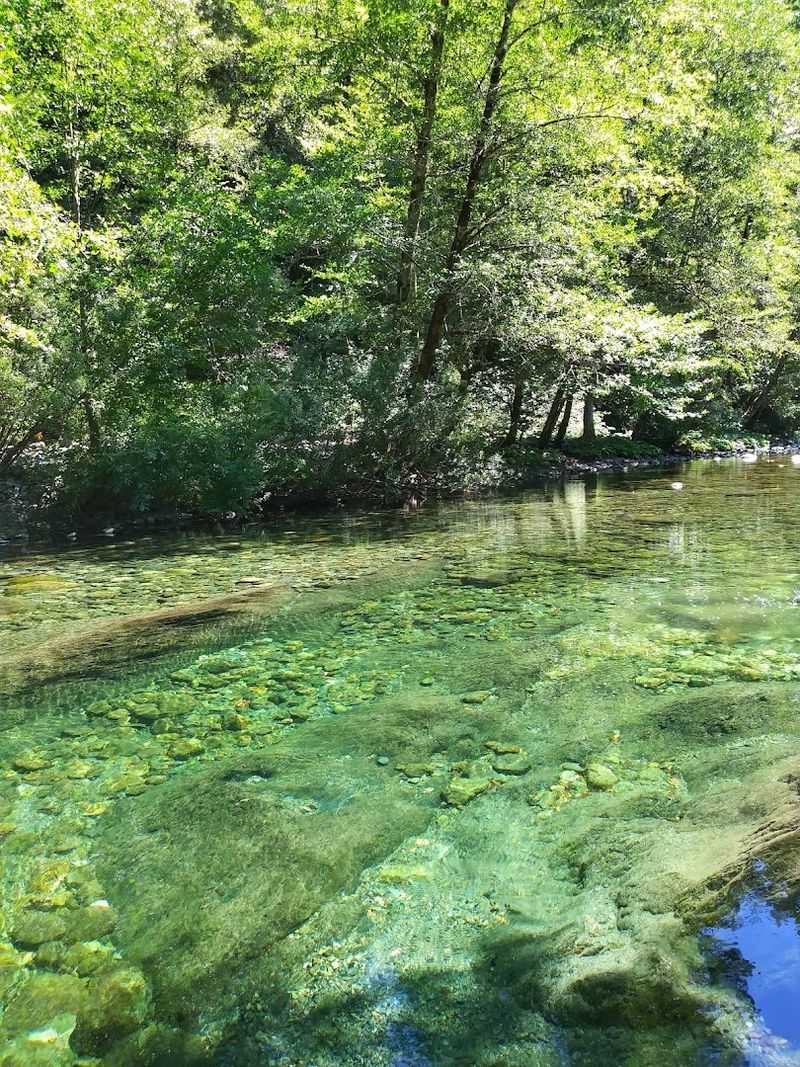
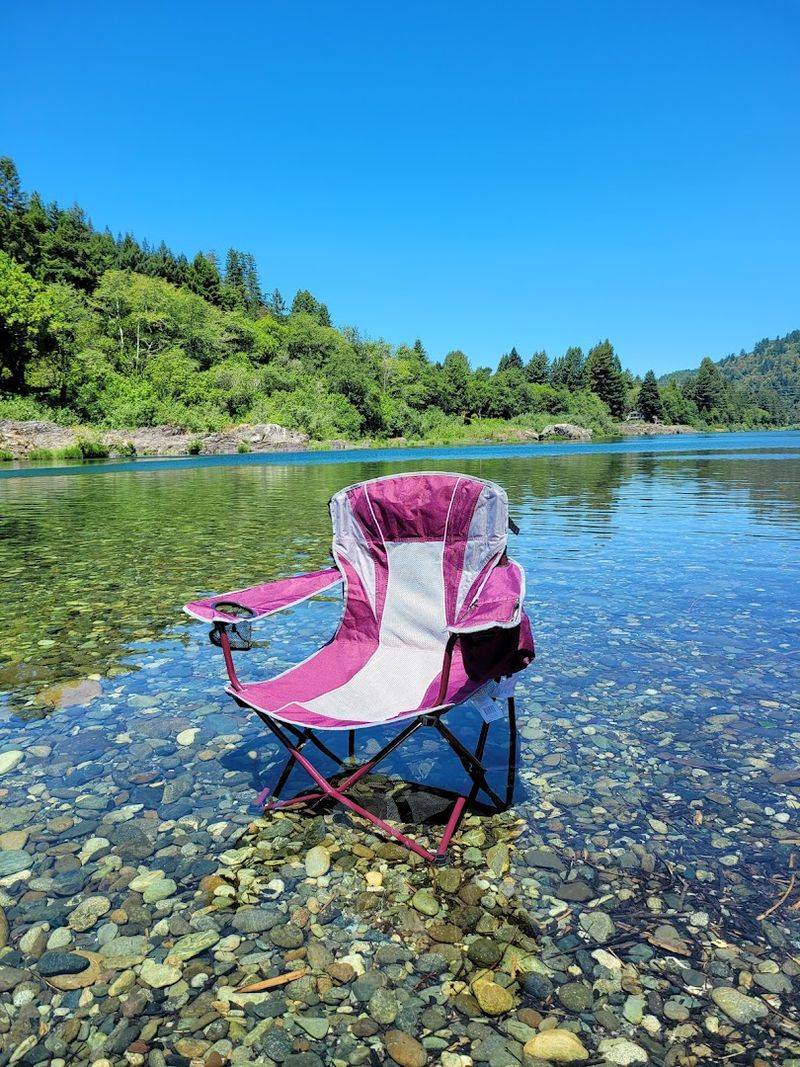
Water clarity in the Smith River reaches levels typically associated with tropical seas rather than temperate rivers. Visibility often extends 20 feet or more, allowing observers on the bank to watch fish navigate between rocks in startling detail.
The river earns its reputation through a combination of geology and protection from industrial contamination.
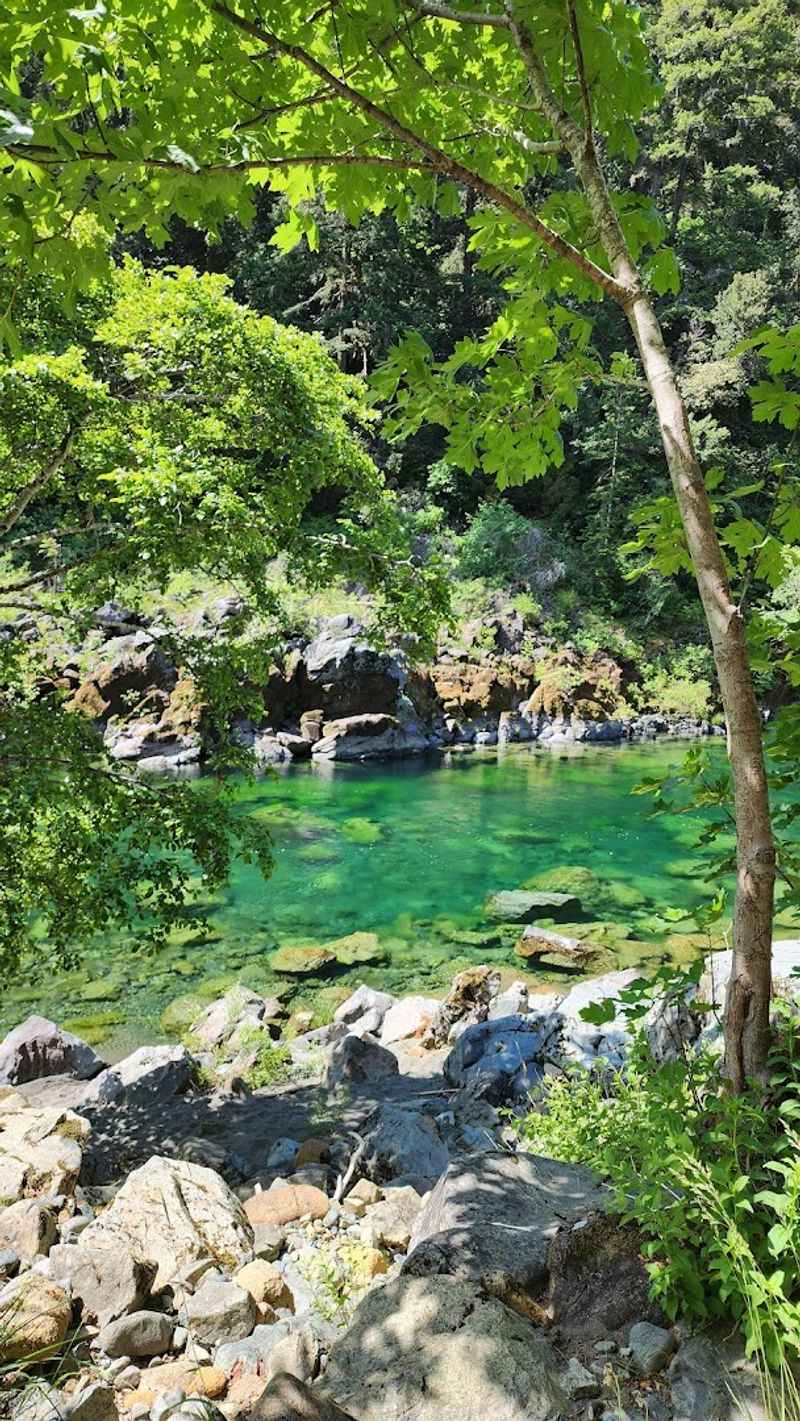
The watershed drains through ancient rock formations that naturally filter sediment, while strict environmental protections prevent mining operations that cloud other rivers. During summer months, the emerald green water appears almost artificial in its purity.
Swimmers report feeling as though they’re floating in liquid glass, able to observe every detail of the riverbed beneath them.
Scientists studying water quality consistently rank the Smith among North America’s cleanest rivers. The measurements confirm what visitors see immediately upon arrival.
This clarity isn’t just aesthetically pleasing but indicates a healthy ecosystem supporting diverse aquatic life from salmon to lamprey eels.
A Hidden Gem Among California’s Redwood Forests
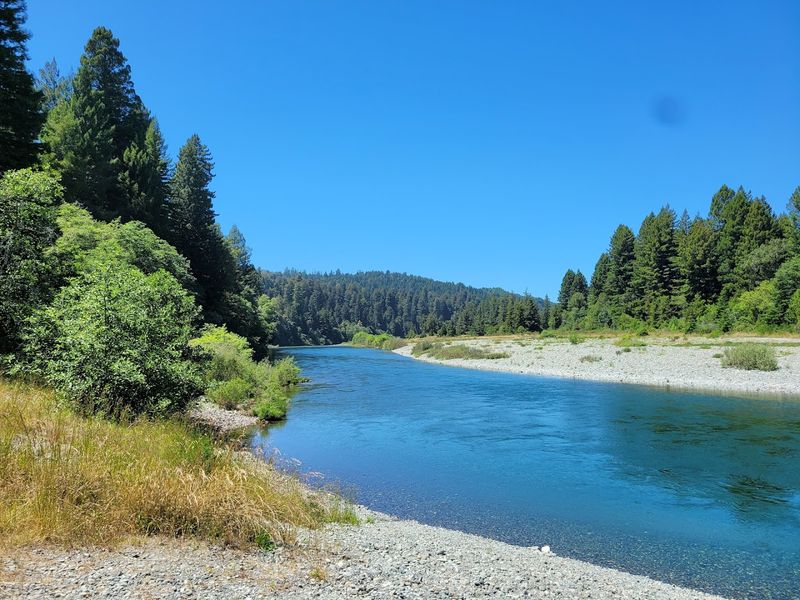
The Smith River corridor passes through some of California’s most impressive old-growth redwood groves, creating landscapes that feel prehistoric. These coastal giants, some over 300 feet tall, frame the river with a cathedral-like quality that transforms an ordinary float trip into something approaching the sacred.
The Jedediah Smith Redwoods State Park protects much of this remarkable convergence of river and forest.
Hikers following riverside trails encounter massive redwoods growing directly from the riverbank, their roots exposed by winter floods. The contrast between the towering trees and the clear flowing water creates photographic opportunities that rarely disappoint.
During summer afternoons, light filters through the canopy in shafts that illuminate the river’s emerald depths.
Few places in California offer this particular combination of aquatic and forest ecosystems in such pristine condition. The redwoods provide shade that keeps water temperatures suitable for cold-water fish species, while the river creates humidity that benefits the forest growth.
Why The Smith River Is A Secret Paradise For Nature Lovers
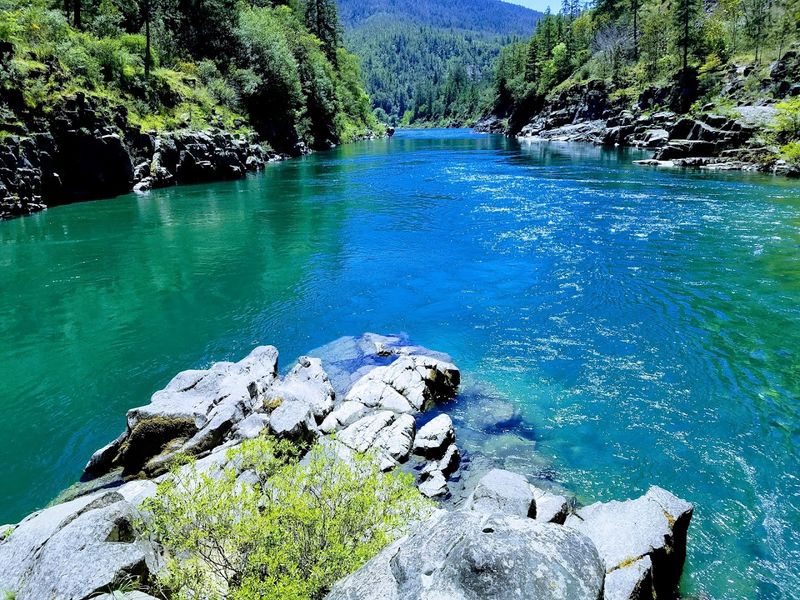
Most California destinations suffer from overcrowding, but the Smith River’s remote location in Del Norte County keeps visitor numbers manageable. The drive from major population centers takes commitment, which naturally filters out casual tourists.
Those who make the journey discover a place where solitude and natural beauty coexist in ways increasingly rare in California.
Wildlife viewing opportunities abound along the river corridor. Osprey hunt above the water while black bears occasionally emerge from the forest to fish during salmon runs.
River otters play in the shallows, apparently unbothered by the occasional human observer. The surrounding wilderness supports mountain lions, Roosevelt elk, and countless bird species.
Nature photographers find the Smith River endlessly rewarding, with changing light and seasons offering fresh perspectives throughout the year. The combination of clear water, dramatic geology, and dense forest creates compositions that capture the essence of Northern California wilderness.
Spring wildflowers add color to already stunning riverside meadows.
The Smith River: A Kayaker’s Dream In Northern California
Paddlers rate the Smith River among California’s finest kayaking destinations, offering everything from gentle floats to challenging whitewater. The main stem provides Class II and III rapids that excite intermediate paddlers without requiring expert skills.
During summer, water levels drop to create perfect conditions for families and beginners exploring the river’s calmer sections.
The Middle Fork and South Fork present more technical challenges for experienced kayakers seeking adrenaline. Spring runoff transforms these tributaries into powerful whitewater corridors that demand respect and proper equipment.
Local outfitters offer guided trips for those unfamiliar with the river’s particular characteristics and hazards.
What sets Smith River kayaking apart is the scenery accompanying every paddle stroke. The water’s clarity allows boaters to watch fish darting beneath their hulls and observe the rocky bottom sliding past.
Between rapids, the river flows through gorges and forests that justify frequent stops for photography and simple appreciation of the surroundings.
Home To California’s Most Pristine Freshwater Ecosystem
Biologists study the Smith River as a reference point for understanding what healthy California river ecosystems should look like. The absence of dams allows salmon and steelhead to reach their ancestral spawning grounds, maintaining genetic diversity lost in other watersheds.
Thirteen species of anadromous fish use the river, moving between ocean and freshwater in patterns established over millennia.
The river supports robust populations of Chinook salmon, Coho salmon, and coastal cutthroat trout. Winter steelhead runs attract anglers from across the country, though fishing regulations remain strict to protect these valuable populations.
Lamprey eels, often overlooked but ecologically important, thrive in the Smith’s clean gravels and free-flowing waters.
Aquatic insects, the foundation of river food chains, flourish in abundance rarely seen in modern California rivers. Mayflies, caddisflies, and stoneflies provide food for fish while indicating excellent water quality.
The Smith River demonstrates what California loses when rivers are compromised by development and pollution.
A Sacred Place For Outdoor Adventurers And Fishermen
Anglers regard the Smith River with something approaching reverence, speaking of its steelhead runs in tones usually reserved for legendary waters. The river’s reputation for producing large, wild fish draws serious fishermen who understand the commitment required to fish it successfully.
Winter steelhead averaging 8 to 12 pounds test both tackle and skill, with occasional fish exceeding 20 pounds.
Fishing pressure remains lighter than on more accessible rivers, partly because conditions can be challenging. The Smith fishes best during winter when weather turns harsh and water runs cold and high.
Those willing to endure rain and challenging wading conditions are rewarded with opportunities increasingly rare in California. Fly fishing and drift fishing both produce results for knowledgeable anglers.
Beyond fishing, the river attracts rock climbers, hikers, and swimmers who find their own forms of communion with this special place. Each group discovers something different in the Smith River, but all share an appreciation for its unspoiled character.
Discover The Untouched Beauty Of The Wild Smith River
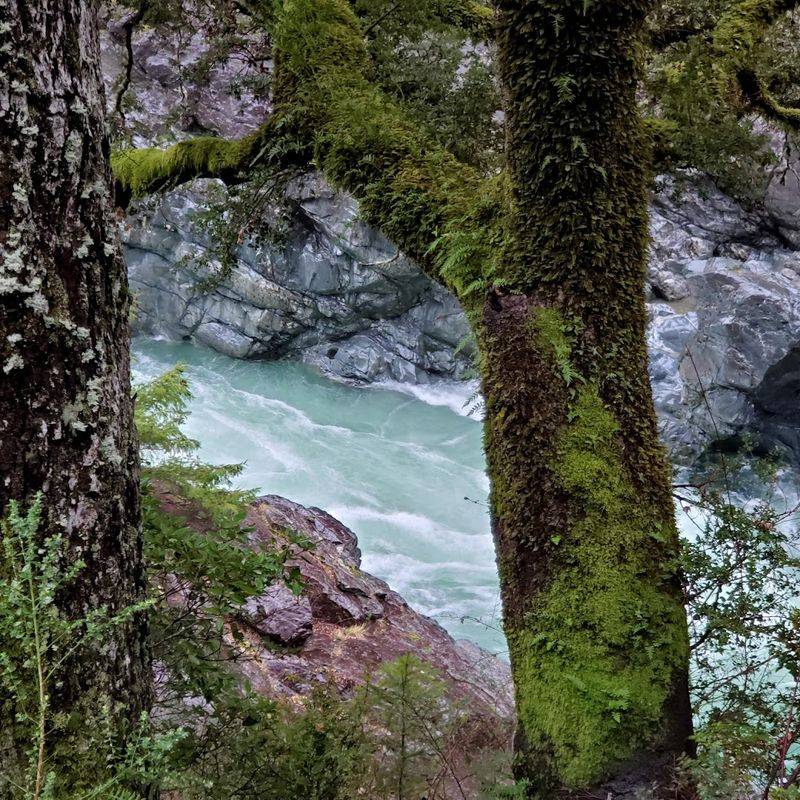
Highway 199 follows the Smith River for miles, offering roadside vistas that justify the drive itself. The route connects Crescent City on the coast with Grants Pass, Oregon, threading through landscapes that shift from coastal influence to interior mountains.
Pullouts and informal parking areas allow travelers to stop and access the river at numerous points.
Hiking trails lead to swimming holes and beaches known primarily to locals and repeat visitors. These spots range from easily accessible to requiring scrambles down steep banks, but all reward the effort with clear, cold water and stunning surroundings.
Summer water temperatures climb into the 60s, making swimming pleasant during afternoon heat.
Camping options include developed campgrounds within state parks and national forest lands, plus more primitive sites along forest roads. The sound of the river provides constant background music, whether rushing over rapids or flowing smoothly through deeper pools.
Nights bring remarkable star displays in areas far from urban light pollution.
The Smith River: A Sanctuary For Serenity And Adventure
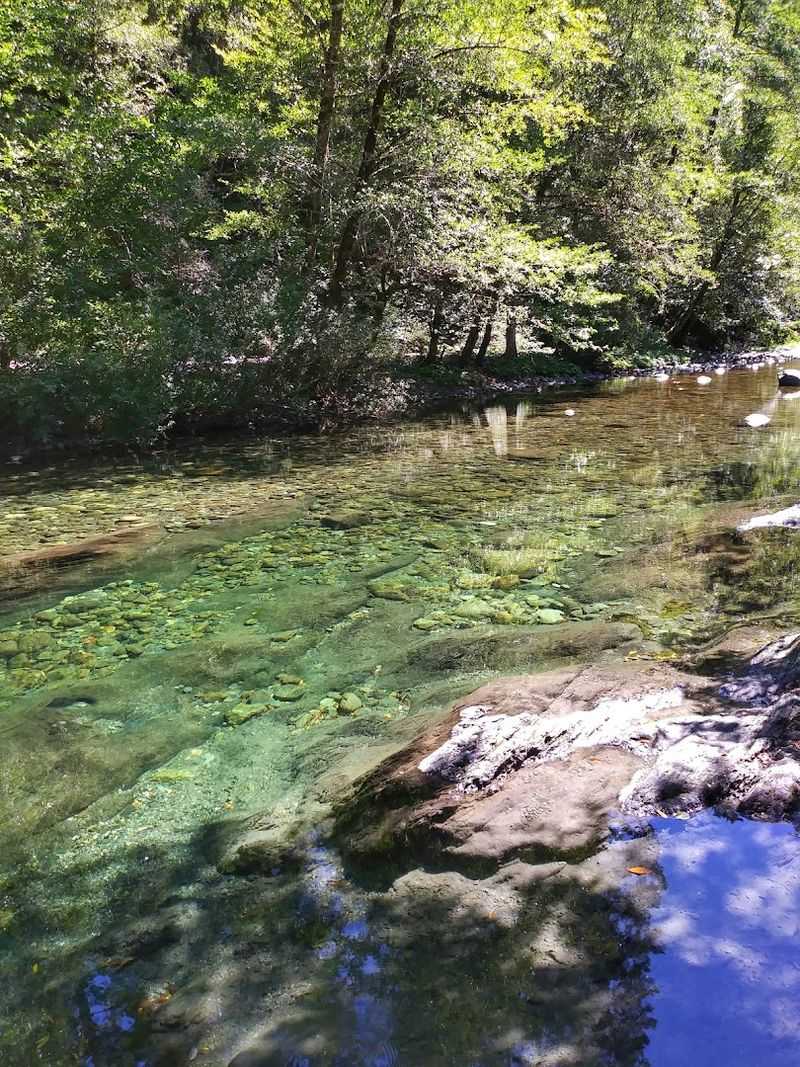
The Smith River accommodates both contemplative visitors seeking peace and active adventurers chasing thrills. Early mornings bring a particular stillness to the river, with mist rising from the water and birds beginning their daily routines.
These quiet hours attract photographers and those simply wanting to sit beside moving water and think.
Afternoon energy shifts as swimmers, paddlers, and tubers arrive to enjoy the river’s recreational opportunities. The water remains cold enough year-round to be refreshing, though summer temperatures make extended swimming sessions comfortable.
Families gather on gravel bars for picnics, while more adventurous souls explore upstream sections requiring scrambling over rocks.
Evening returns the river to tranquility as day visitors depart and the forest settles into dusk. Campers remaining overnight experience the Smith River at its most peaceful, when the only sounds are water, wind, and occasional wildlife.
This daily rhythm has repeated for thousands of years, largely unchanged by human presence.
Why The Smith River Should Be On Every Nature Lover’s Bucket List
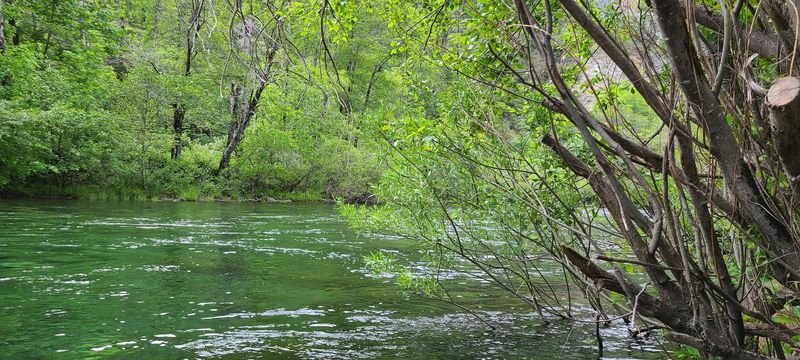
California contains remarkable landscapes, but few places combine so many exceptional qualities in one location. The Smith River delivers world-class water clarity, old-growth forests, diverse wildlife, and genuine wilderness character within a few hours’ drive of civilization.
This concentration of natural values makes it genuinely unique, even in a state known for natural wonders.
Visiting the Smith River provides perspective on what California has lost elsewhere and what remains worth protecting. The experience connects visitors to a version of the state that existed before extensive development.
Younger generations especially benefit from encountering truly wild places, understanding that such landscapes require active conservation to survive.
The river’s relative obscurity won’t last forever as more people discover its qualities. Those who visit now experience the Smith River before it becomes another overcrowded California destination.
The journey to Del Norte County demands time and intention, but the reward justifies every mile traveled to reach this secret paradise.