
This Old-School Washington Arcade Packs Dozens Of Vintage Games And Endless Nostalgia Under One Roof
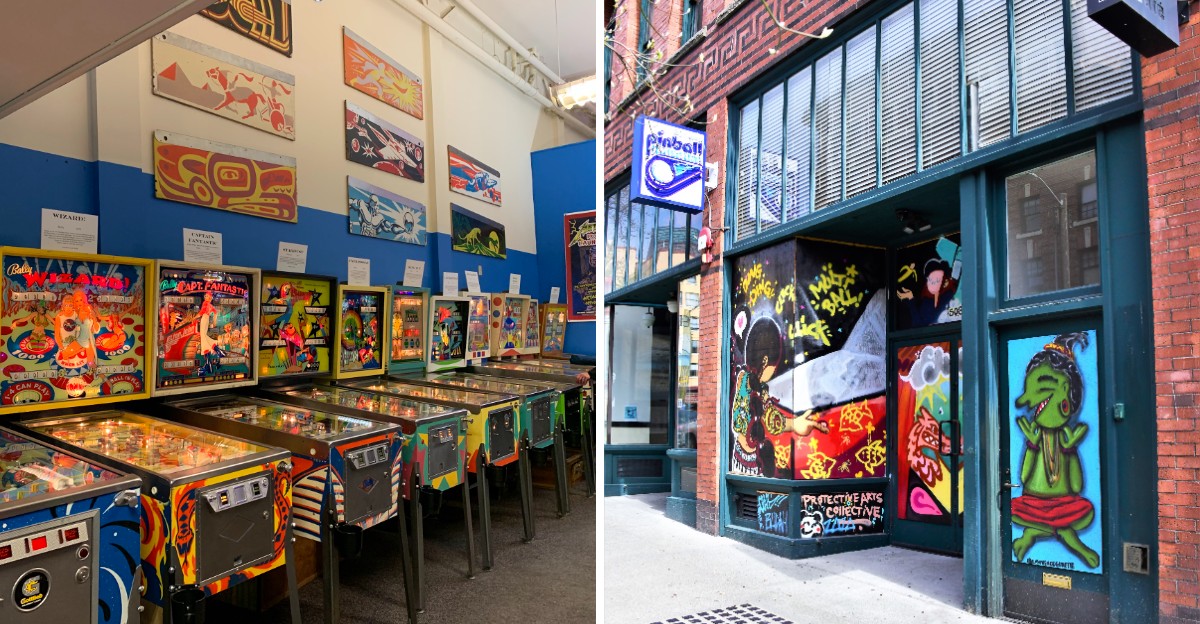
Bells clang, backglasses glow, and steel balls rocket across playfields older than your parents.
Pure pinball heaven lives right here.
Washington packs plenty of rainy day fun, yet few spots deliver nostalgia this loud and joyful. Dozens of vintage games line up like a time machine you can actually play.
Flip from clicky classics with rolling score reels to flashy modern tables bursting with lights and music. Retro video cabinets wait upstairs for a quick pixel fix.
Quarters stay home, and nobody minds.
One wristband unlocks the whole playground, so your only real challenge is choosing where to start. Kids, couples, and competitive friends all end up chasing high scores together.
Your next Washington adventure could bounce, buzz, and light up in the best possible way.
How A Storefront Dream Became A Pinball Landmark
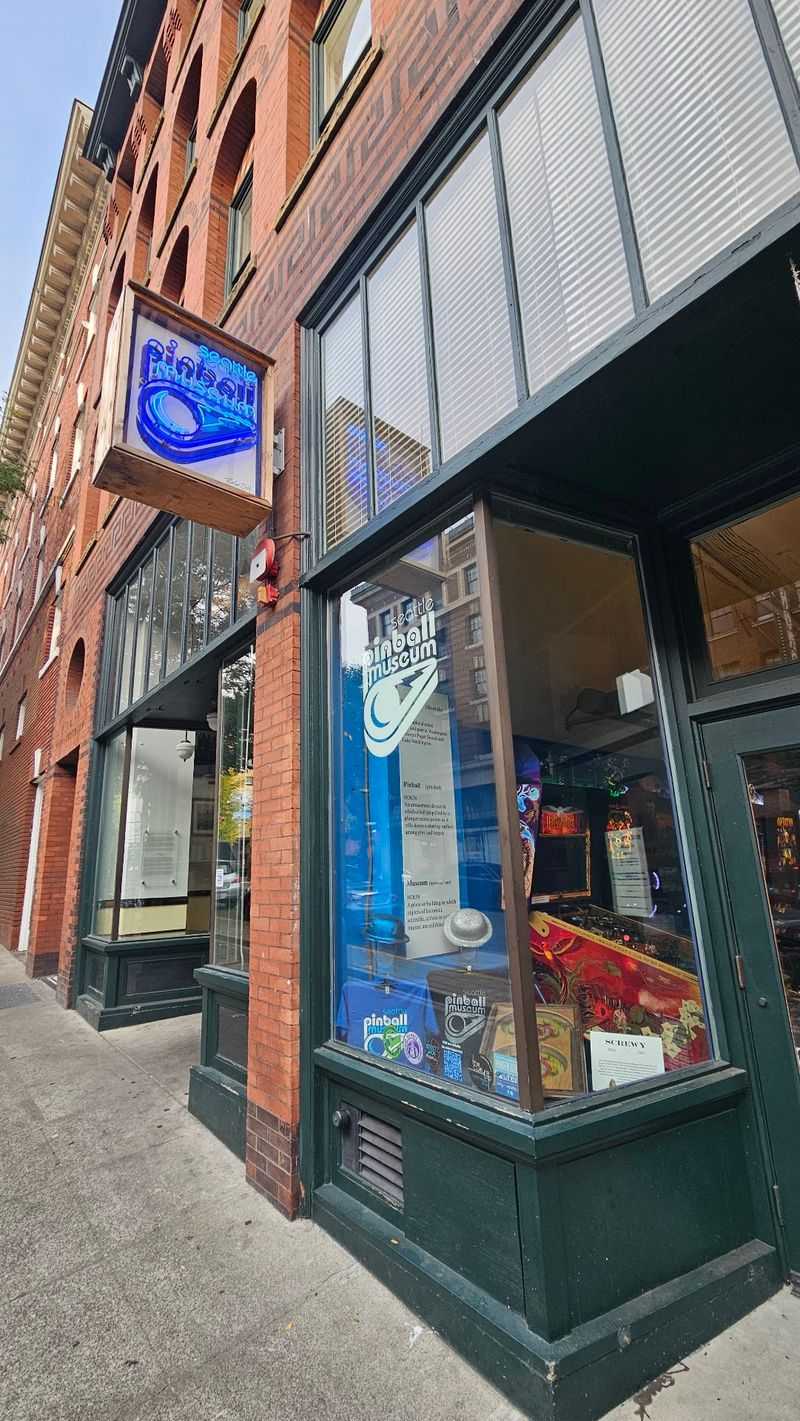
Empty shop windows rarely launch legends. This one did, and the flippers have not stopped since.
The Seattle Pinball Museum opened its doors in late August 2010. Two local pinball fans wanted to share their love of the game with a wider crowd.
Their big idea was simple. Vintage machines would be treated as kinetic art, yet everyone could still play them.
An arts program called Storefronts Seattle, run by the nonprofit Shunpike, gave the dream a real boost with an initial grant. The program matched empty commercial spaces with creative projects that could bring life back to the streets.
Winning one of those spots let the museum test its idea in public. Crowds came, the bells rang, and the concept proved itself fast.
By 2011, the museum had become a permanent standalone business. It quickly earned a place in the cultural life of Washington.
That history matters when visiting today. Every table here connects to a larger story about American pop culture and arcade life.
Take a moment near the entrance to picture the space as a hopeful experiment. It makes that first flip feel a little more special.
Few experiments end with this many happy players. Even fewer still sound this good years later.
Machines Lined Up By The Decade
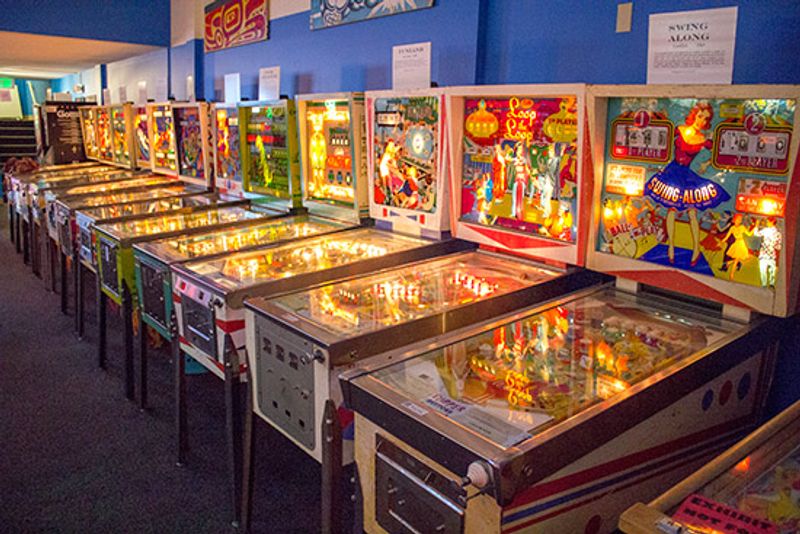
Time travel usually needs a fancy machine. At this arcade, it only needs a few steps to the left or right.
The Seattle Pinball Museum arranges its tables roughly in order of manufacture. Strolling the rows feels like flipping through a history book with blinking lights.
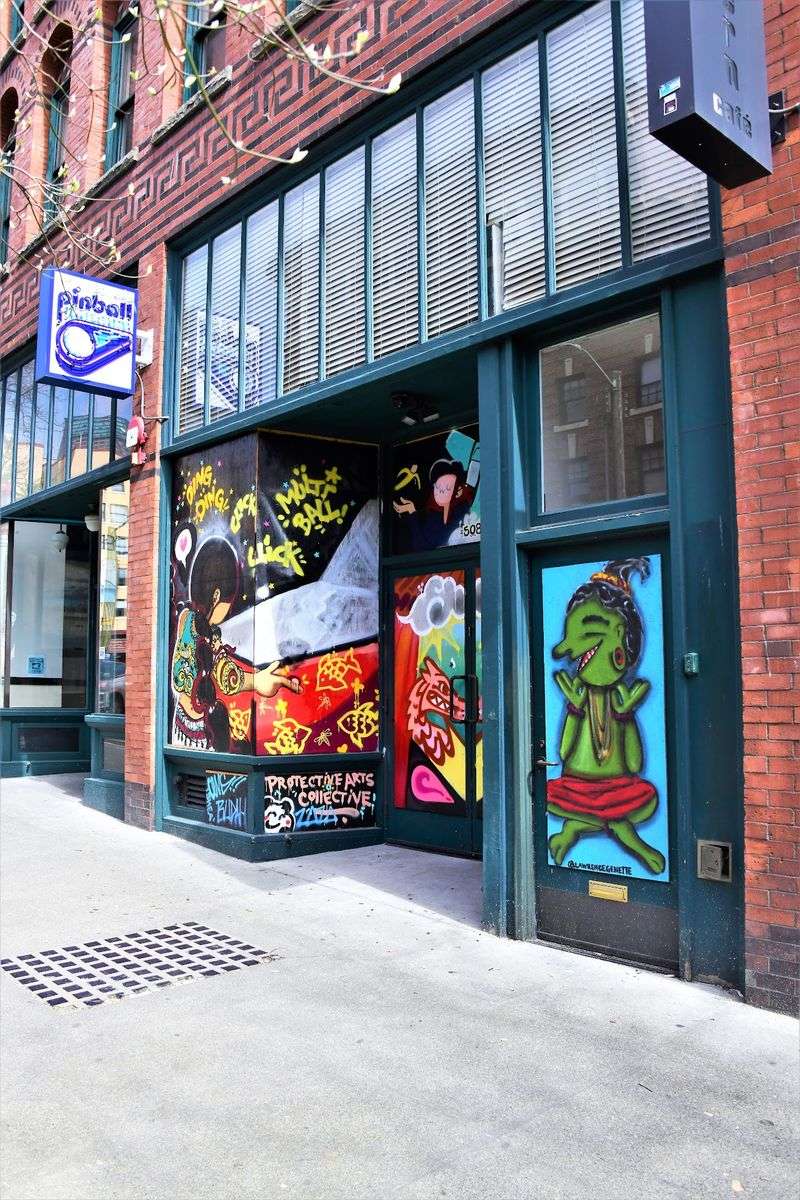
Older machines line one side of the main floor, with vintage tables dating back to around 1960. Newer games with ramps, toys, and bright displays gather on the other side.
More pinball waits upstairs, so do not stop after the ground floor. Plenty of guests miss great tables by rushing.
The collection holds dozens of machines built by famous names like Williams, Bally, Stern, and Jersey Jack. Each one reveals how designers changed the game over the years.
Look for small printed cards near the tables. They share quick facts about each game and why it matters.
Remakes can surprise first-timers. Newer versions of older classics sit among modern tables, because the order follows when that exact machine was built.
A smart plan is to start with the oldest tables and work forward. Watching flippers, scoring, and art evolve makes each game more meaningful.
History class never had this much bounce.
Clicky Classics With Crunchy Charm
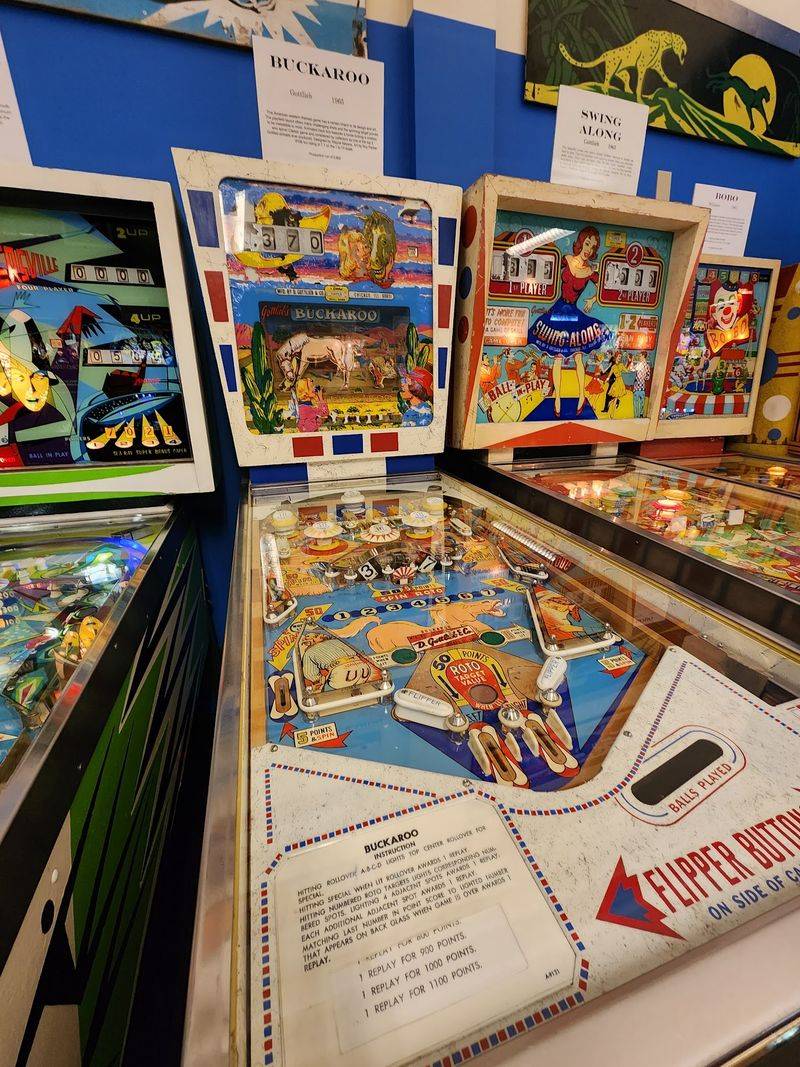
Crunchy, clicky, and wonderfully stubborn. Electromechanical tables play like nothing on a phone screen.
These older machines run on switches, relays, and spinning score reels instead of computer chips. Every point makes the numbers physically roll forward, which feels oddly satisfying.
The Seattle Pinball Museum gives this era plenty of respect. One whole wall is mostly devoted to these vintage beauties.
Gameplay feels slower and simpler at first glance. Look closer, and the challenge sharpens fast.
Short flippers and tight layouts reward careful aim over wild flailing. A gentle nudge at the right moment can save a ball, but too much shaking triggers a tilt.
Many players arrive planning to skip the old stuff. Plenty leave with a new favorite and a better sense of pinball roots.
A newer pinball history exhibit uses QR codes that play audio right on your phone. Bringing a charged smartphone and headphones makes it easy to listen along.
Kids often love these machines because the action is so easy to see and hear. Grown-ups tend to enjoy the retro art and the clack of the chimes.
Give at least a few of them a fair shot. The oldest tables in the room might just flip your opinion of classic pinball.
The Sound Of Bells And Buzzers
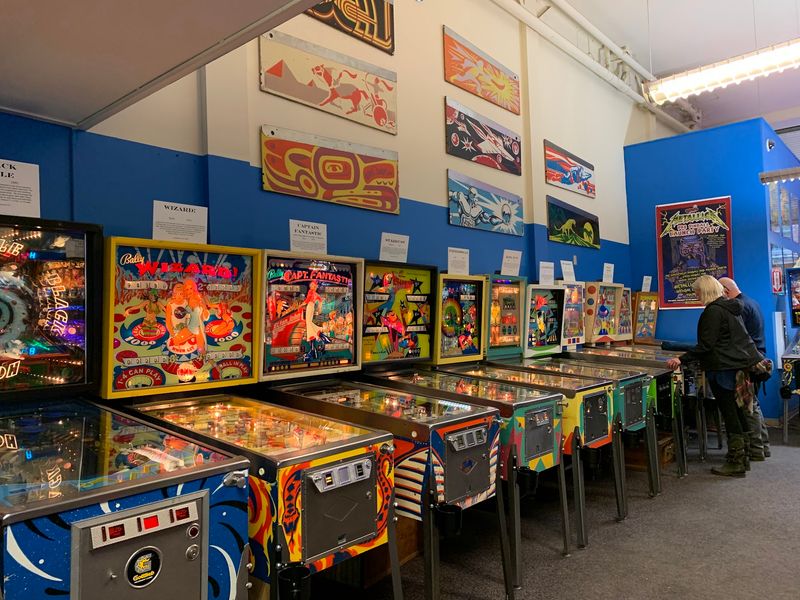
Close your eyes for a second. The room sounds like a birthday party thrown by robots.
Bells ding, buzzers hum, and steel balls clatter against bumpers and targets. Score reels click forward on older tables while newer ones blast music and voice clips.
The Seattle Pinball Museum wraps all that noise inside a cozy, two-level space. The main floor feels open, while the upper level feels smaller and snugger.
Colorful backglasses glow along the walls. Flashing lights bounce off faces as players lean in and shake their hips at every close call.
The mood stays playful rather than serious. Strangers cheer each other on, and laughter often drowns out the chimes.
Busy stretches can get loud and packed, so noise-sensitive guests might prefer quieter weekdays. Early arrivals usually enjoy more elbow room and easier access to favorite machines.
The museum also limits how many guests can enter at once. A short wait at the door may happen, but it keeps the floor comfortable.
Stand still near the entrance and just listen for a minute. That clattering chorus says more about the arcade era than any sign could.
Then pick a machine and add a verse of your own.
A Pop Culture Parade On The Playfield
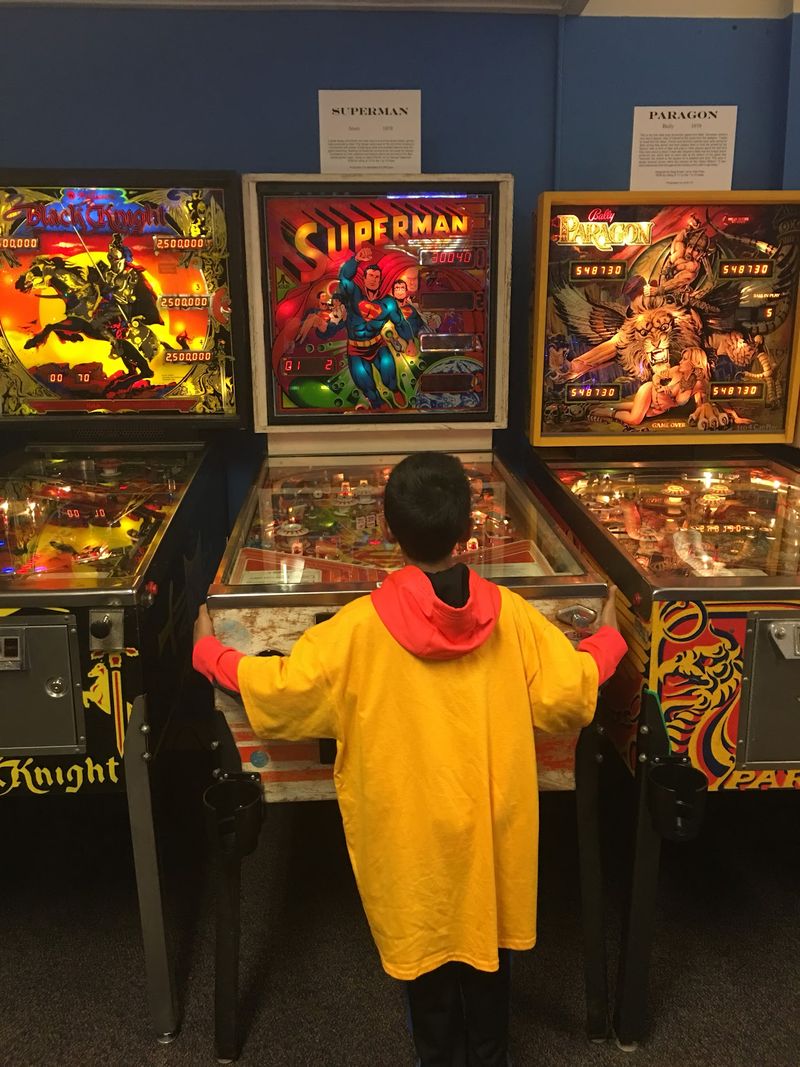
Rock stars, wizards, monsters, and cowboys all share one room here. Not bad for a building full of flippers.
Pinball has always mirrored popular culture. The Seattle Pinball Museum shows that clearly, with themes covering music, movies, science fiction, and fantasy.
Music fans can spot Captain Fantastic, a 1976 table tied to the glam rock era. Movie lovers might find titles connected to The Lord of the Rings and Pulp Fiction.
Younger players often gravitate toward family-friendly themes. Recent favorites have included games based on Toy Story and Pokemon, though the lineup can change.
Medieval Madness, Funhouse, Elvira, and Godzilla have also appeared in the collection. Knights, talking dummies, and giant monsters make for very different playing styles.
Art lovers should peek at the side panels whenever possible. Machines stand close together, so some cabinet artwork hides in plain sight.
Backglasses tell their own stories too. Older ones feature painted characters, while newer ones rely on screens and animation.
Looking at themes by decade reveals what Americans loved at the time. Space races, rock concerts, and blockbuster films all left marks on the playfield.
Choose a theme that matches a personal passion and play it twice. Fandom somehow makes every ramp shot feel more heroic.
Pixels And Joysticks Upstairs
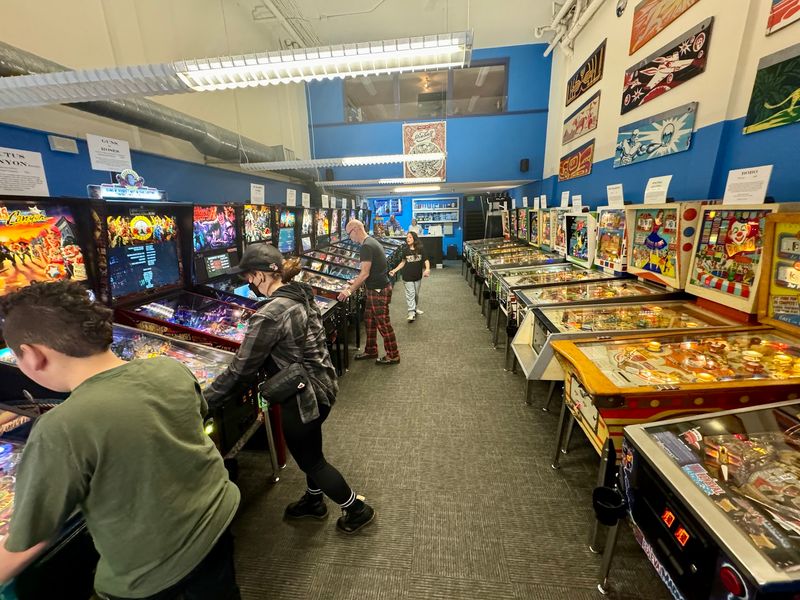
Pac-Man called, and it wants a rematch. Pinball rules this building, yet a handful of classic video cabinets add a tasty side dish.
The Seattle Pinball Museum keeps several arcade machines mostly on the upper level. Guests have reported titles like Ms. Pac-Man, Donkey Kong, Missile Command, and Sea Wolf.
Exact games can rotate, so treat any specific title as a happy bonus rather than a promise. Either way, the retro pixels bring a fresh change of pace.
Parents often enjoy introducing kids to the games they grew up with. Watching a child meet Donkey Kong for the first time can be pure comedy.
These cabinets also offer a quick break for tired wrists. Joysticks use different muscles than flipper buttons, which helps during long sessions.
Video games take up only a small corner of the collection. Pinball remains the star, and the arcade cabinets simply round out the old-school mood.
Seasoned players sometimes skip them entirely. That is a mistake, because a few rounds of Ms. Pac-Man make a perfect palate cleanser between tough tables.
Head upstairs, find an open joystick, and chase some ghosts. The flippers will patiently wait downstairs.
Every visit deserves at least one high score chase on a screen.
One Wristband And Endless Flips
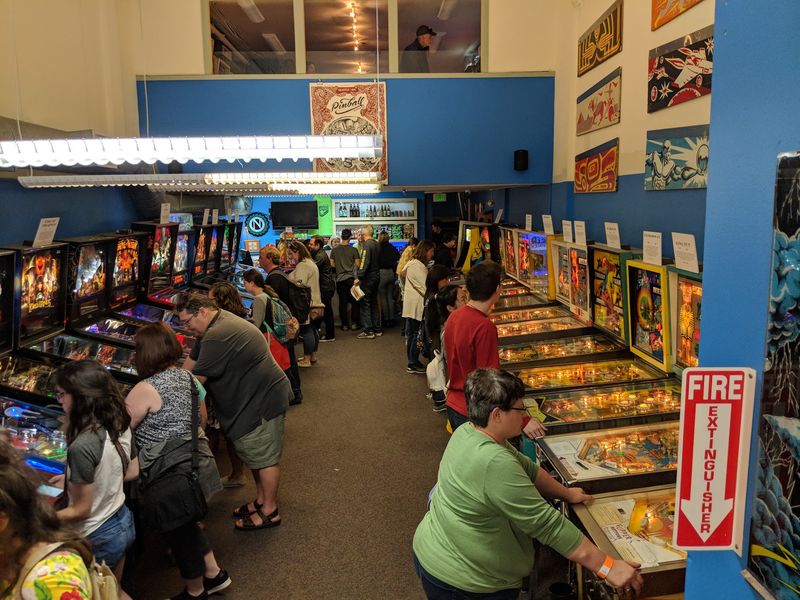
Quarters can stay home. One admission unlocks unlimited free play on every working machine in the building.
Guests at the Seattle Pinball Museum receive a wristband upon paying. That band stays good for the whole day.
Better yet, it allows leaving and coming back later, though busy days may mean a short spot on the waiting list before re-entry.
Unlimited does come with some polite rules. If someone waits for a machine, players should stop after two games and let the next person step up.
The rule keeps things fair and friendly. It also nudges everyone to explore more tables instead of camping on one.
High scores reset daily on many machines. That means any visitor has a real shot at entering initials on the leaderboard.
Stuck balls and glitches happen with vintage equipment. Staff can help, so flag them down rather than shaking a machine too hard.
Pacing matters on a long day. Play every table once, then return to personal favorites for deeper practice.
Serious fans can easily spend several hours here. Casual players often find two or three hours feels just right.
Wristband on, sleeves up, and the whole collection becomes a personal playground in Washington. No coin slot will ever interrupt the fun.
Fun For Kids And Grown-Ups Alike
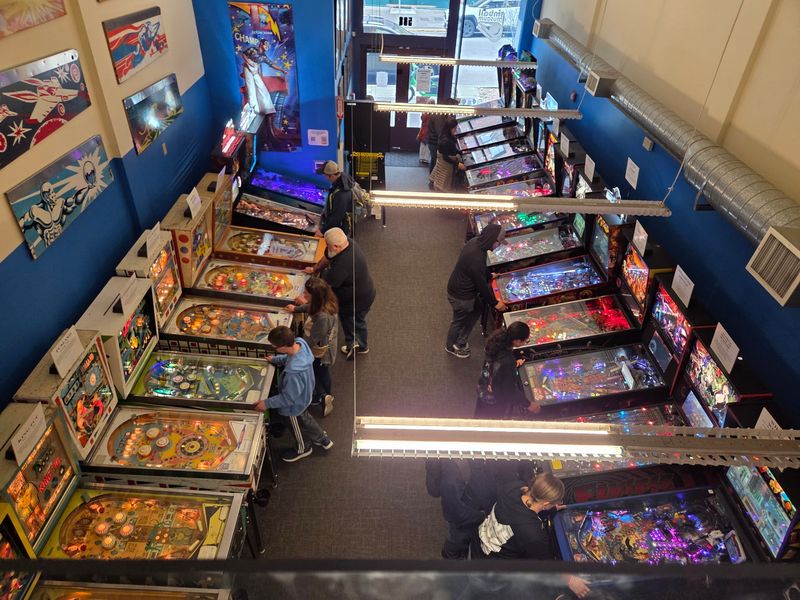
Kids and grown-ups rarely agree on entertainment. Pinball somehow settles that argument in seconds.
The Seattle Pinball Museum welcomes a wide mix of visitors. Families, couples on date night, friend groups, and solo players all fit right in.
Children seven and older can play, and an adult must stay with them for the entire visit. Step stools are available, so shorter players can reach the flippers and see the playfield.
Young gamers often love bright, loud modern tables. Many also get hooked on older machines, where the action is simple and easy to follow.
Groups use the space for birthday parties and team-building outings. The interactive setting breaks the ice faster than any awkward name game.
Friendly competition works well here. Try picking one table and seeing who in the group can claim the top score.
Accessibility gets some attention too. A wheelchair-accessible lift platform in the back helps guests reach the upper level.
Restrooms are available, and visitors describe the space as clean. Still, packing hand sanitizer is a smart move after touching many buttons.
Weekday visits may feel calmer for families with young kids. Weekend afternoons can bring bigger crowds and louder rooms.
Everyone leaves with a story. Sometimes the youngest player walks away as the family pinball champion, and nobody forgets it.
Snacks, Sodas, And Smart Arcade Manners
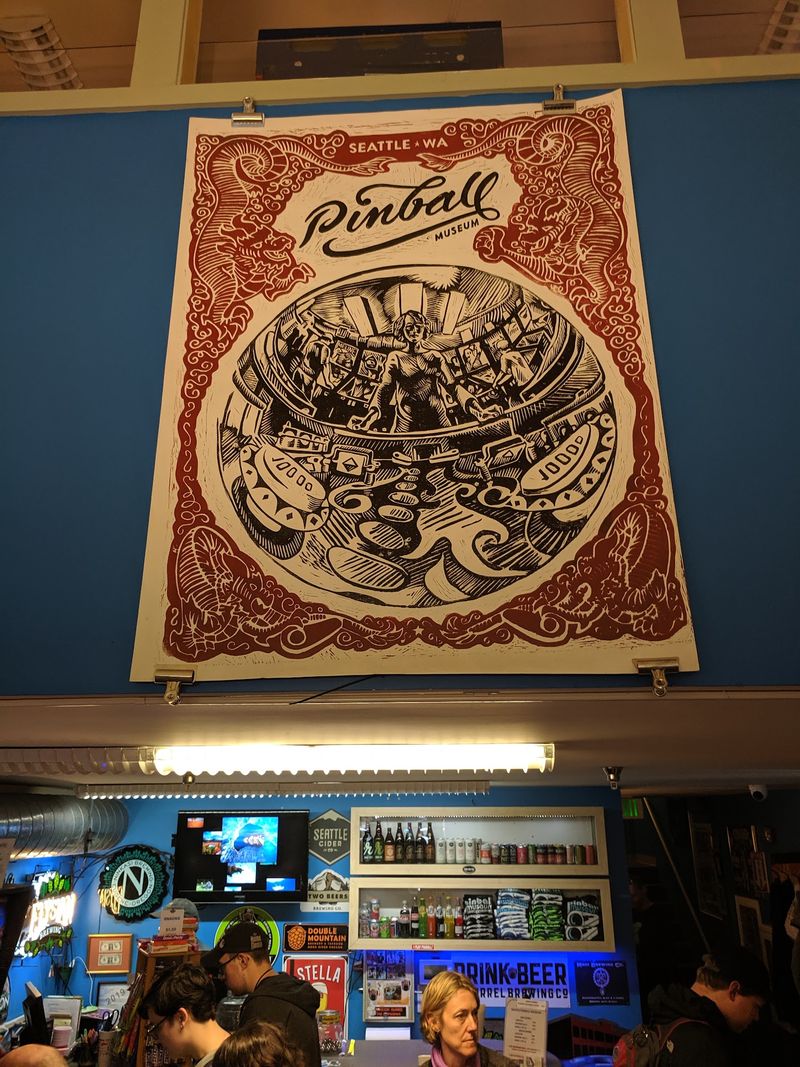
Flipper fingers need fuel. Luckily, a small counter handles that job nicely.
The Seattle Pinball Museum sells vintage-style sodas and simple snacks like chips. Those bottles add a fun retro touch to the whole experience.
Outside food and drinks are not allowed inside. Plan meals before or after playing, or use the wristband to step out and return.
Many machines have built-in cup holders. That clever detail keeps drinks off the glass and away from delicate playfields.
Bringing a water bottle might be tempting, but check the rules at the door first. Staff can explain what is allowed on the day of the visit.
Greasy fingers and flipper buttons make a bad team. Wipe hands after snacking so the next player enjoys a clean machine.
Etiquette goes beyond food. Avoid leaning drinks or bags on the glass, and never slam or lift a machine to save a ball.
Respecting the two-game rule during busy times also keeps the mood pleasant. A quick glance behind before starting a third game works wonders.
These small courtesies protect a collection that needs care. Vintage parts can be hard to find, so gentle play helps the games last.
Sip, snack, and flip with care. The machines will reward good manners with bounce.
Finding The Arcade In The Chinatown-International District
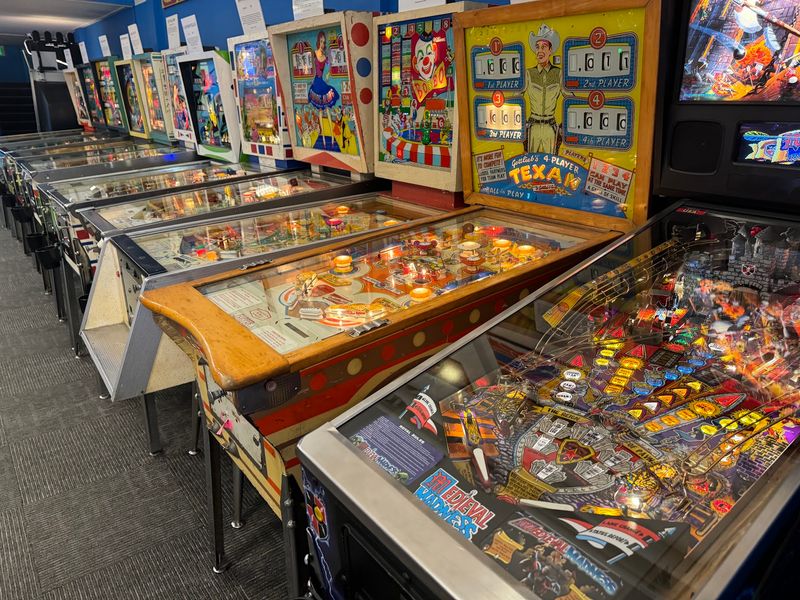
Getting here is half the fun. The trip leads straight into one of Seattle’s most historic neighborhoods.
The Seattle Pinball Museum sits at 508 Maynard Ave S, Seattle, WA 98104. That address places it in the heart of the Chinatown-International District.
The neighborhood buzzes with bakeries, noodle shops, and cultural landmarks. Plan extra time to wander before or after a pinball session.
Public transit makes the trip easy. The International District/Chinatown light rail station sits only a short walk away.
Several Metro bus routes and the First Hill Streetcar also stop nearby. That makes the museum a simple add-on to a day of sightseeing around Washington’s largest city.
Drivers can look for street parking or paid lots in the area. Spots can fill up on busy days, so transit often wins for convenience.
The building itself looks modest from the sidewalk. Keep an eye out for the museum signage, because the entrance is easy to stroll past.
Rainy weather in Seattle actually makes this stop even more appealing. An indoor arcade beats a soggy sidewalk every time.
Pair the visit with a meal in the district for a full afternoon. Food, culture, and flippers make a pretty winning combination in Washington.
Tips For Squeezing Out Every Last Point
Ready for a final ball? A little planning helps squeeze every last point out of a visit.
Arriving early usually means shorter lines and quieter rooms. The Seattle Pinball Museum limits capacity, so peak times may involve a brief wait.
Start with a slow lap around both floors. Spotting favorite themes first prevents that sad moment of finding a great table right before leaving.
Read the small info cards while waiting for a turn. They turn a simple game into a mini history lesson.
Charged headphones and a smartphone help with the QR code audio in the pinball history exhibit. Hand sanitizer and a water plan also make long sessions more comfortable.
Rotate between eras instead of sticking to one style. Jumping between clicky classics and flashy modern tables keeps skills sharp and boredom away.
Friendly staff members often know the stories behind many machines. Asking how a certain table arrived can lead to fascinating tales.
Above all, treat the games gently and share the flippers. The collection survives because players care for it.
This arcade proves that nostalgia can be loud, colorful, and wonderfully hands-on. Few places in Washington let history bounce, buzz, and light up quite like this.
One more game always sounds reasonable. Just try saying no.