
These 6 Mississippi Places Tell The Story Of The Choctaw, Chickasaw, And Natchez Peoples
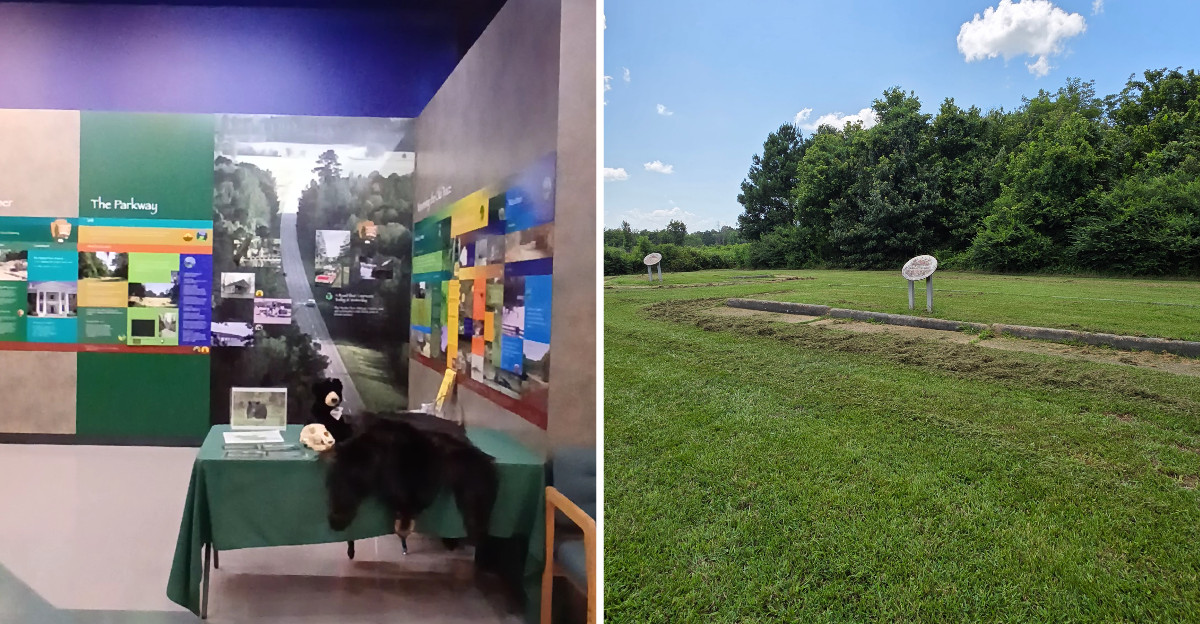
I pulled off a quiet Mississippi road expecting a quick stretch break and found a grassy hill that turned out to be older than most castles in Europe. That moment changed how I see the whole state.
Long before highways and town squares, the Choctaw, Chickasaw, and Natchez peoples built villages, mounds, and trade paths across this land, and their stories are still here if you know where to look. These seven stops make it easy for kids, parents, and grandparents to learn that history together, often for little or no cost.
1. Grand Village Of The Natchez Indians
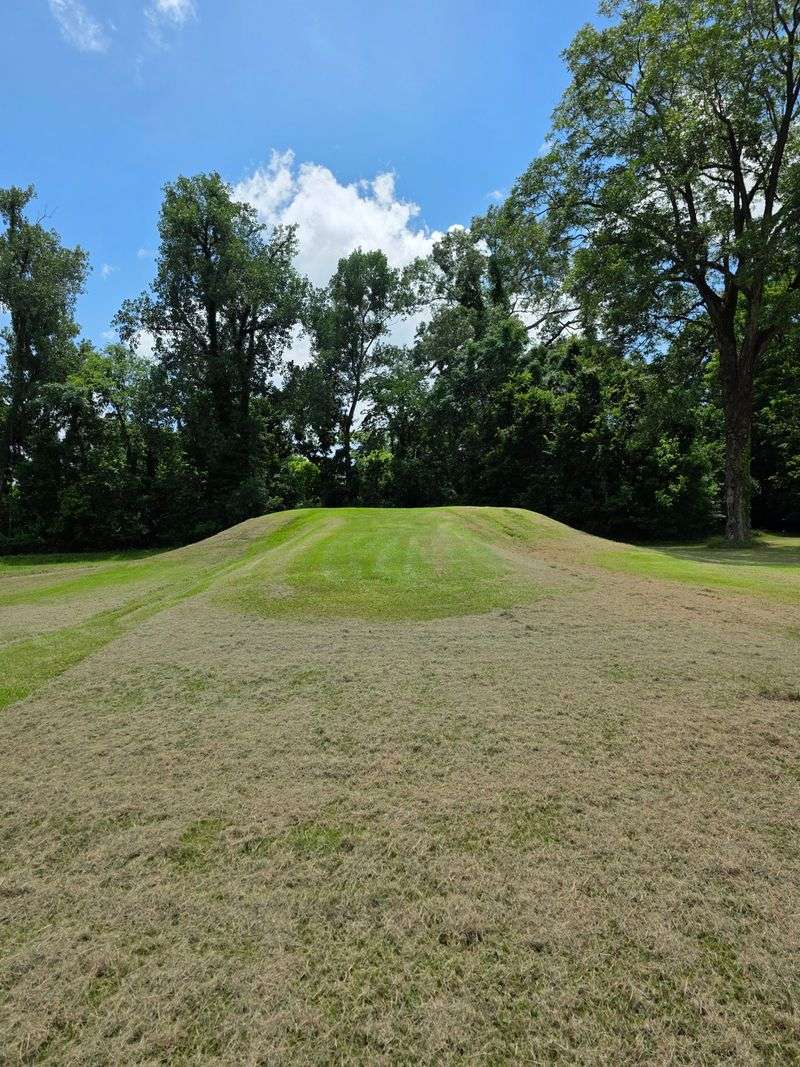
Picture a wide green plaza where drums, feasts, and gatherings once filled the air. From about 1682 to 1730, this spot in southwest Mississippi served as the main ceremonial center of the Natchez people, and the 128-acre grounds still hold their mounds today.
Start inside the museum, where exhibits and a short film explain how the Natchez lived, how their social system worked, and how life shifted once European settlers arrived. Younger kids tend to head straight for the small touch table, which lets little hands handle history instead of just reading about it.
A gift shop sits near the exit if someone wants a souvenir.
Why begin a Natchez trip here? It gives the whole family a clear picture of the area before exploring anything else.
Outside, a reconstructed Natchez house shows what homes may have looked like, and walking trails wind past the mounds themselves.
Hours run Monday through Saturday from 9 AM to 5 PM, with Sunday hours from 1:30 to 5 PM. Sunday afternoons often draw the biggest crowds, while Wednesdays and Friday mornings can feel calmer.
Restrooms and on-site parking are available, and there is no restaurant, so packing snacks for the car is a smart move.
2. Chickasaw Village Site
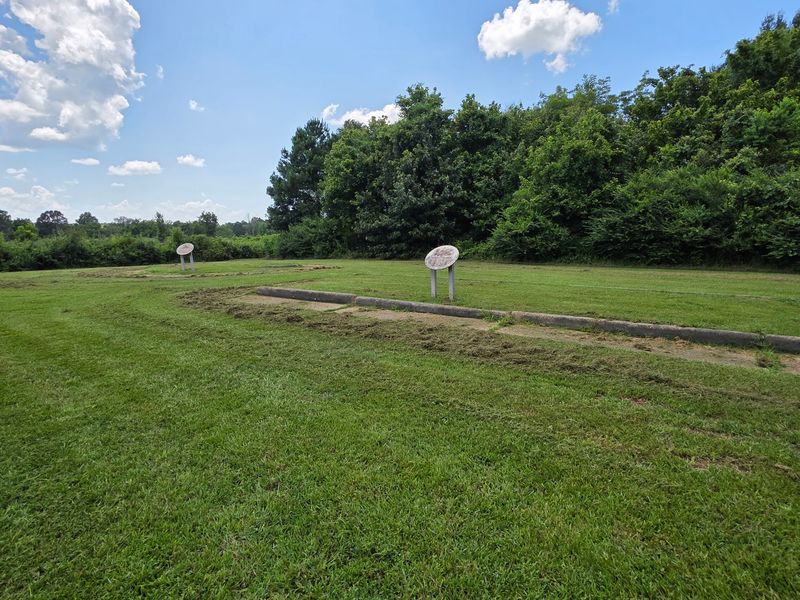
Outlines in the ground tell the story at this quiet stop along the Natchez Trace Parkway near Tupelo. Markings show where the foundations of Chickasaw buildings once stood, so visitors can trace the shape of a real village with their own eyes.
Compared with a busy museum, the pace here feels slow and gentle. A small interpretive exhibit shares facts about Chickasaw life and the many ways these people shaped the land and their families.
Then the trails take over, leading past wildflowers and swampy stretches where the clouds seem to hang low over north Mississippi.
Families with curious kids can turn the walk into a little game. Ask everyone to guess what each marked outline was used for, then check the signs to see who got closest.
Grandparents often enjoy the peaceful setting just as much, since the loop can be taken at any speed.
As a National Park Service site on the Parkway, it is open to the public and free to visit. A clean restroom is on site.
Shade can be limited in summer, so an early morning or evening stop may be the most comfortable choice when Mississippi heat kicks in.
3. Chahta Immi Cultural Center
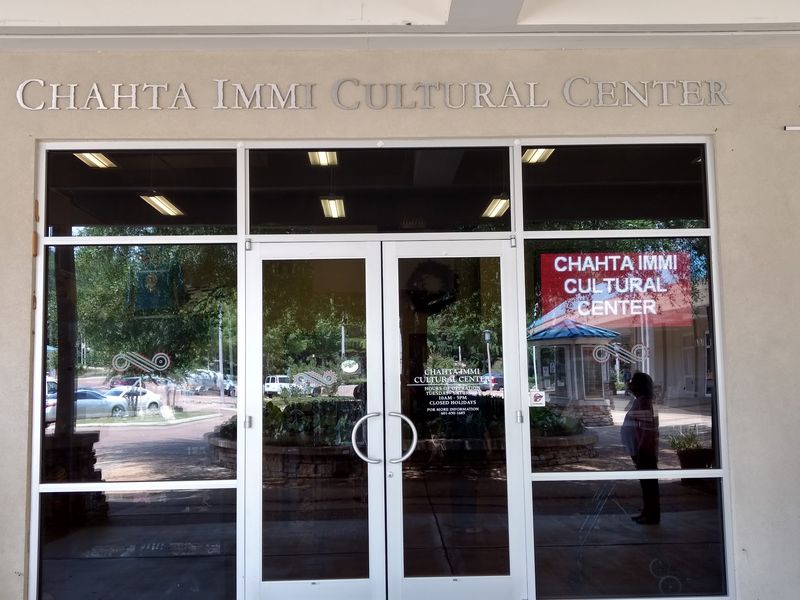
Small can be mighty. Tucked into Choctaw, Mississippi, this compact museum is run by the Mississippi Band of Choctaw Indians, which means the stories come straight from the community that still calls this area home.
Exhibits focus on Choctaw culture and heritage, from traditions passed down through generations to the tribe’s ongoing presence in the state today. Staff members are known for being helpful and happy to answer questions, and tours are offered.
For many visitors, that personal touch makes the visit stand out from bigger, busier museums.
How long does it take? Most families can see the whole building in a short visit, often around ten or fifteen minutes, which makes it an easy stop for kids with short attention spans.
Pair it with lunch or a drive around the area to round out a Saturday, or plan it as a quick weekday stop.
Timing matters, though. The center is open Tuesday through Friday from 10 AM to 5 PM and closed Monday and weekends, so check your calendar first.
A gift shop offers a chance to take home something meaningful, and on-site parking plus restrooms keep things simple.
4. Emerald Mound
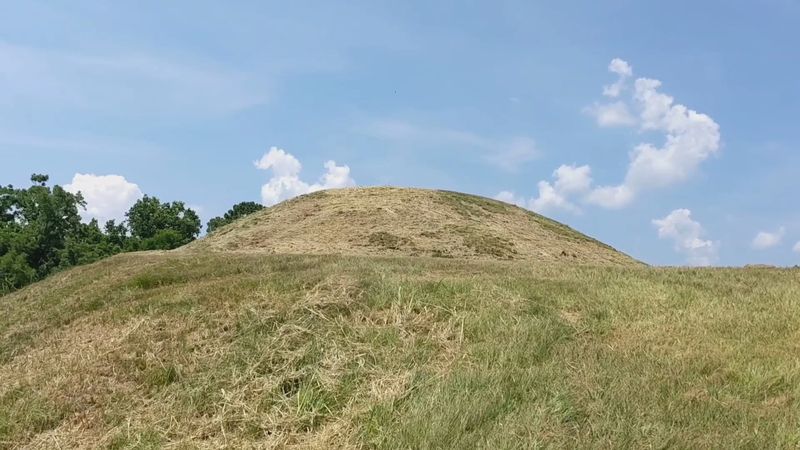
At first glance, it looks like a big grassy hill. Climb to the top, though, and the scale hits you all at once.
Emerald Mound, just off the Natchez Trace Parkway near Natchez, ranks as the second largest ceremonial mound in the United States.
Built by people of the Mississippian culture, the ancestors of the Natchez, it served as a religious and political center roughly between AD 1200 and 1700. History plaques near the parking area explain how it was made and what life may have looked like here.
Reading them first helps kids picture the crowds that once gathered for ceremonies.
Here is the best part for budget-minded families: admission is free. Parking is free too, with clear signs guiding you in from the road.
The walk up is easy and the top offers a safe, open space to stand and look out over the fields.
Gates are open daily from 8 AM to 5 PM. Weekends and Wednesdays can be busier, while Mondays and Fridays are often quieter.
Bring water and hats in summer, since the mound sits in open sun. Pair it with the Grand Village for a full day of Natchez history.
5. Natchez Trace Parkway Visitor Center
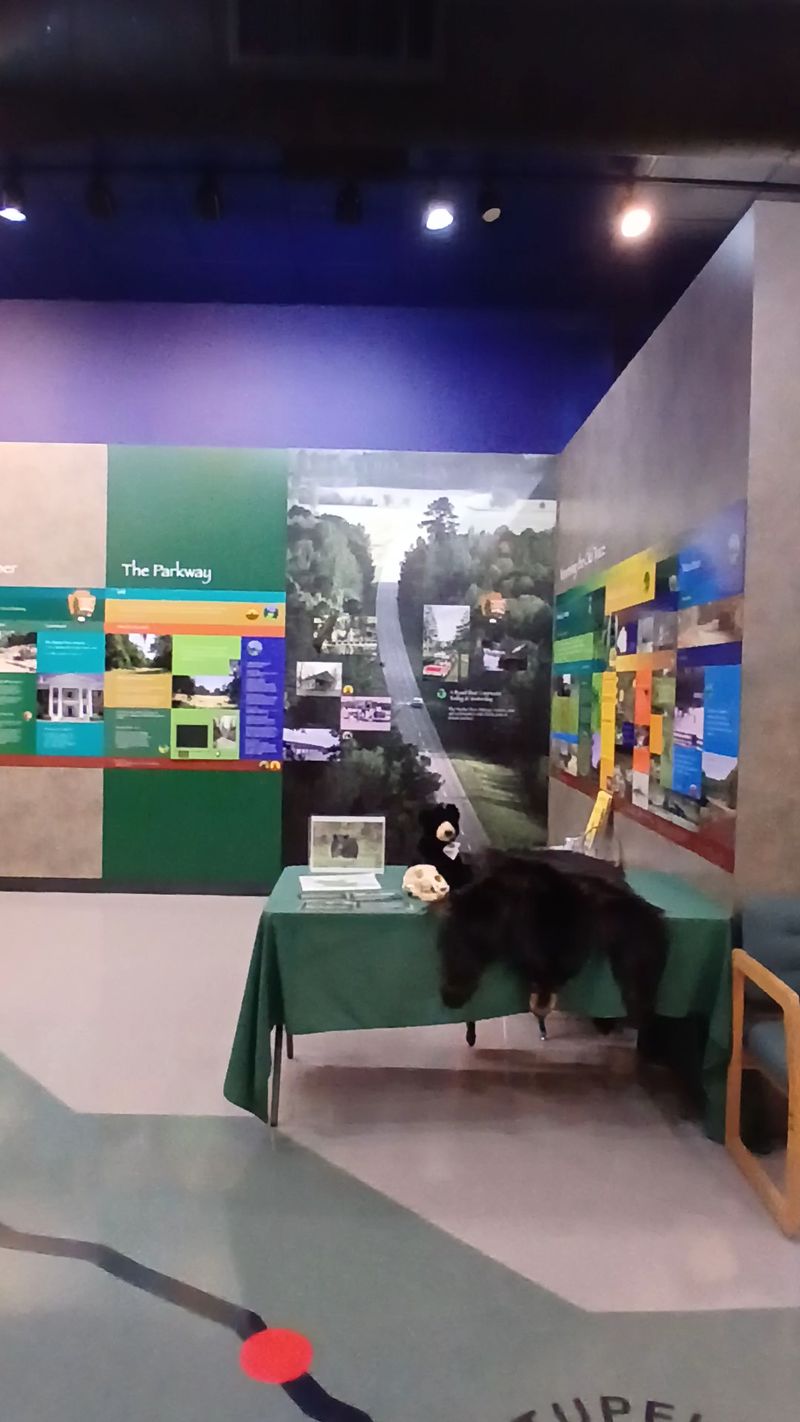
Long before it became a scenic drive, the Natchez Trace was a footpath used by Native nations for trade and travel. The visitor center in Tupelo explains how that old route connected the lands of the Natchez, Chickasaw, and Choctaw peoples.
Do not skip the 15-minute film. It lays out what the Trace actually is and how it changed over time, and it gives everyone a shared starting point before exploring.
Kids tend to follow along easily, and the air-conditioned theater can be a welcome break on a hot Mississippi afternoon.
Displays around the building walk visitors through different periods of history, showing how each group used the Trace in its own way. Maps help families plan stops farther down the Parkway, including the Chickasaw Village Site just a short drive away.
A gift shop offers books and keepsakes for young history fans.
Doors open daily from 9 AM to 4:30 PM, and parking is free. Restrooms are on site, handy before a long drive.
Busy periods often include weekend and some weekday afternoons, so arriving in the morning may mean more room to explore the exhibits at your own pace.
6. Museum Of Mississippi History
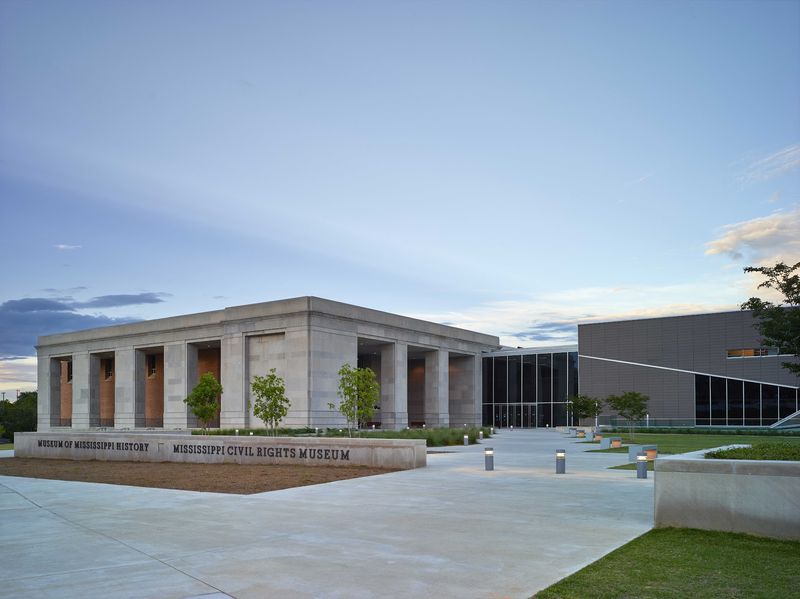
Where does Mississippi’s story start? At this museum in downtown Jackson, it starts with the first Native Americans who lived here, then moves all the way to the present day.
The early galleries make a strong finale for this list. Artifacts, dioramas, and a large canoe help families see how Native peoples fished, traveled, and built communities across the state.
Films and sound effects add life to the exhibits, so even younger kids stay interested as they move from room to room.
Think of it as the place that ties everything together. After visiting mounds and village sites, seeing these objects up close can help kids connect the dots between the land and the people.
Most families can explore the museum in an hour or two, though history lovers may want longer.
Hours run Tuesday through Saturday from 9 AM to 5 PM and Sunday from 11 AM to 5 PM, with Mondays closed. Free parking is available in a garage and lot, which is a nice bonus downtown.
A cafe, gift shop, theater, and restrooms make it comfortable for grandparents and little ones alike, especially when the summer heat is at its strongest.