
This Once Tranquil New Hampshire Lake Town Is Struggling To Balance Tourism And Community Life
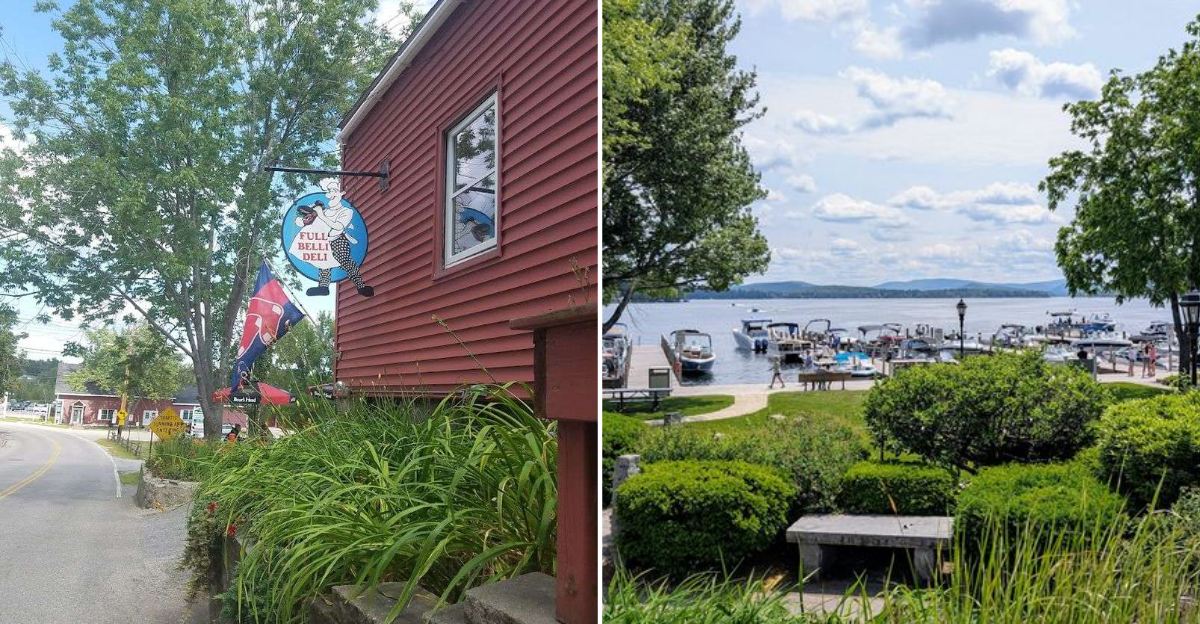
The dock that used to belong to the neighborhood now fills with strangers every weekend. Locals noticed the shift before anyone put numbers to it.
New Hampshire lake towns built their identity around a particular kind of seasonal rhythm, one that the community controlled and tourism fit into rather than the other way around. That arrangement has been under pressure here for several years.
Property values climbed in a direction that pleased sellers and concerned everyone else. The restaurants adapted their menus and their prices to a different customer.
Families who had summered here for generations started doing the math and finding it no longer worked in their favor. The town hasn’t given up on balance.
The conversation about how to find it is just louder and more urgent than anyone expected it to become.
Tourism Growth And Local Economy
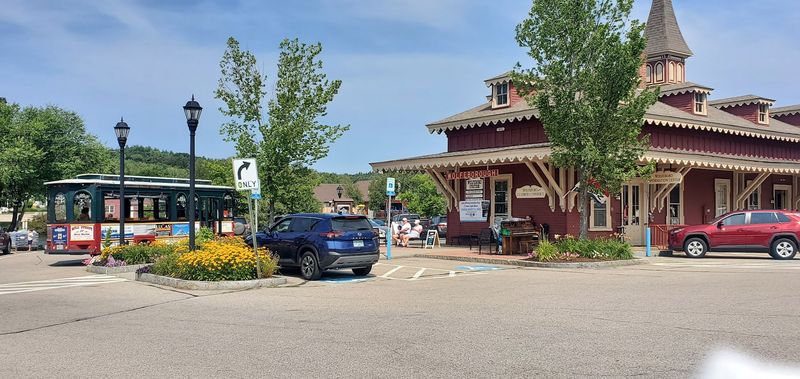
This town in New Hampshire wears a proud badge as America’s oldest summer resort, and that title comes with serious economic weight. Visitors spend money at local shops, restaurants, and marinas every season.
That spending keeps many small businesses alive through the long winter months.
Summer revenue is not just helpful here. It is essential.
Many local businesses earn the bulk of their annual income between June and August. Without tourist dollars, some shops simply would not survive the off-season.
The local economy has grown noticeably around visitor needs. New boutiques, eateries, and rental services have popped up along the waterfront.
Some longtime residents appreciate the activity, while others worry about who the town is really being built for.
Staffing these businesses is becoming a real headache. Workers often cannot afford to live nearby because housing costs have climbed sharply.
So businesses are caught between high demand and low workforce availability.
The Economic Development Committee is pushing hard for a four-season tourism model. Spreading visitors across fall, winter, and spring could reduce the summer crunch significantly.
It would also give local businesses steadier income throughout the year.
Wolfeboro sits on the eastern shore of Lake Winnipesaukee. The town has roughly 6,400 year-round residents.
That number can triple or even quadruple when summer arrives in full force.
Effects Of Seasonal Visitor Influx
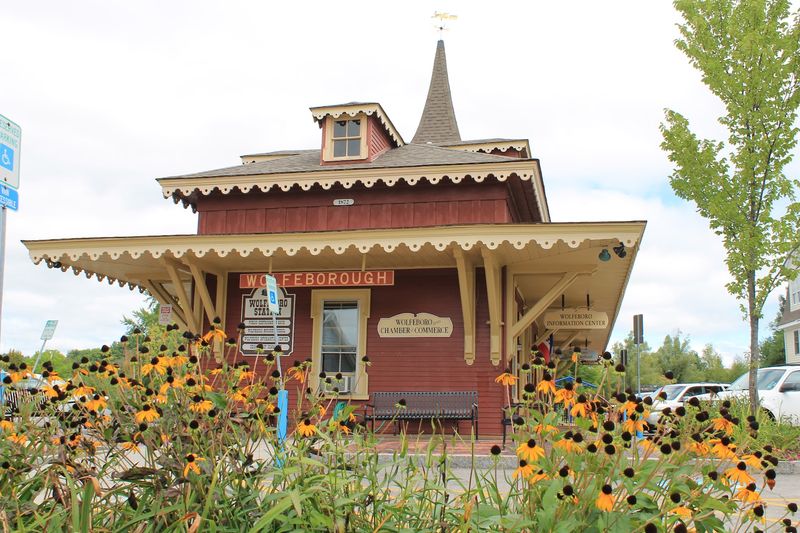
When summer hits Wolfeboro, the population explodes almost overnight. A town of about 6,400 people suddenly hosts tens of thousands of visitors and seasonal residents.
The streets were simply not built for that kind of volume.
Traffic is probably the most visible sign of the strain. A drive that normally takes five minutes can stretch to two hours in July.
Locals have learned to plan errands around tourist hours just to stay sane.
Parking becomes a full-contact sport downtown. Every lot fills up fast, and side streets turn into makeshift overflow zones.
Emergency vehicles have raised serious concerns about getting through congested roads quickly enough.
The noise level also shifts dramatically. Quiet mornings give way to boat engines, crowded sidewalks, and busy docks.
Year-round residents describe the change as going from peaceful to overwhelming in just a few weeks.
Some residents have started avoiding town altogether on summer weekends. They head out early, stock up on supplies, and wait for the crowds to thin by Sunday evening.
It is a small adjustment, but it says a lot about daily life.
Seasonal workers add another layer of complexity. Many are hired specifically for the peak summer months.
But without affordable housing nearby, finding and keeping reliable staff has become one of the biggest challenges local businesses face each year.
Community Events And Resident Engagement
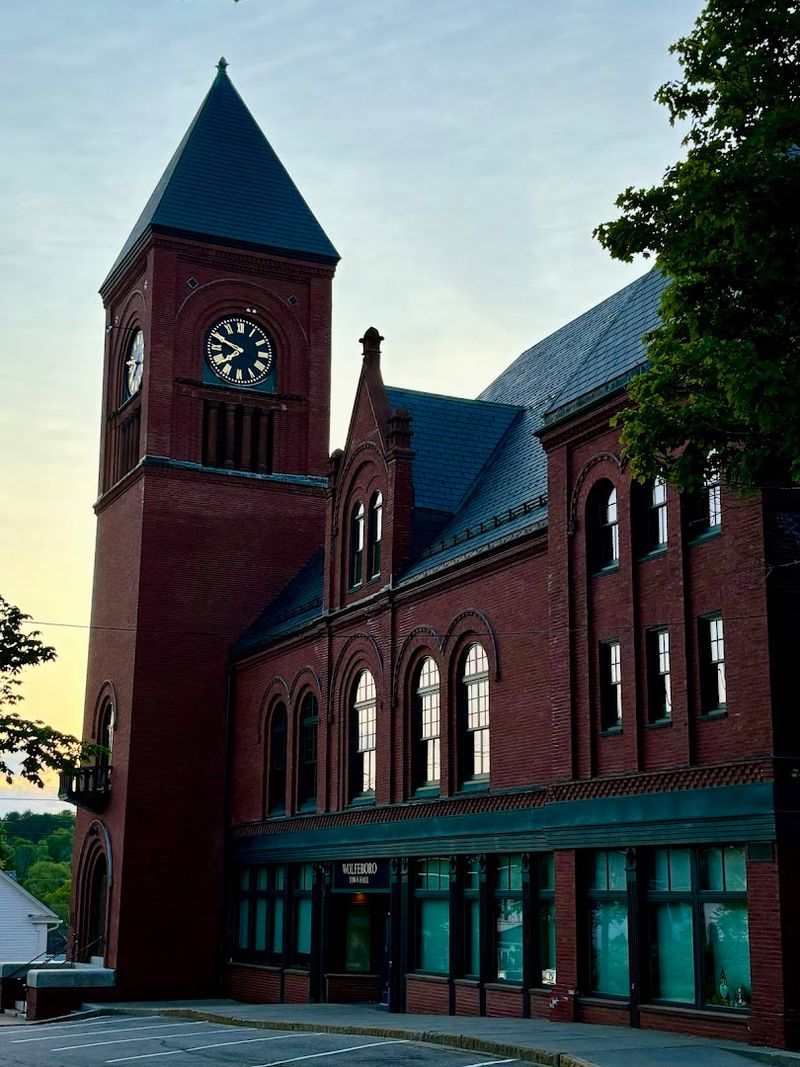
Residents show up for local events, town meetings, and seasonal celebrations with genuine enthusiasm. That civic energy is one of the town’s most underrated qualities.
Annual events like the Wolfeboro Triathlon and the Great Waters Music Festival draw both locals and visitors together. These shared experiences create a sense of connection that goes beyond just shopping or sightseeing.
They remind everyone why the town matters.
Town hall meetings have become increasingly lively in recent years. Housing, zoning, and short-term rentals are hot topics that pack the room.
Residents are not shy about voicing their opinions, which is actually a healthy sign for local democracy.
Some community groups have taken a proactive approach to preserving neighborhood character. They advocate for zoning changes that prioritize long-term residents over vacation rental conversions.
Their voices are getting louder and harder to ignore.
Local schools and community centers continue to serve as anchors for year-round residents. These spaces remind the town that it is more than just a destination.
They represent the everyday life that visitors never fully see.
Keeping residents engaged while managing rapid change is a delicate balance. The town is trying to listen to everyone, from long-timers to newcomers.
Getting that balance right will define what kind of community Wolfeboro becomes in the next decade.
Environmental Impacts On Lake Ecosystem
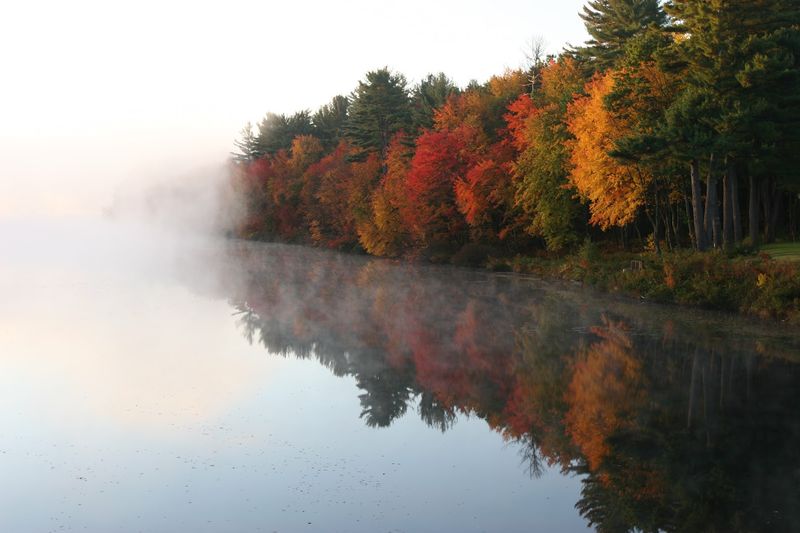
Lake Winnipesaukee is the heart of Wolfeboro. Its clear water and scenic shoreline are the main reasons millions of people want to visit in the first place.
But that popularity is putting the lake under real environmental pressure.
Boat traffic increases significantly every summer. More boats mean more wake erosion along the shoreline.
Repeated wave action from motorized vessels gradually eats away at natural banks and damages aquatic habitats.
Runoff pollution is another growing concern. As more land gets developed around the lake, stormwater carries fertilizers, oils, and debris directly into the water.
The town’s aging stormwater system struggles to keep up with the volume.
Invasive aquatic species are a quiet but serious threat. Boats arriving from other lakes can unknowingly transport plants and organisms.
Once an invasive species takes hold in a lake, removing it is extremely difficult and expensive.
Wolfeboro has responded with boat inspection programs at local access points. Trained volunteers check incoming watercraft for hitchhiking plants and animals.
It is a practical and community-driven solution that has shown real results.
Updated stormwater management regulations are also being introduced. The goal is to reduce the amount of pollution entering the lake from developed areas.
Protecting Lake Winnipesaukee is not just an environmental priority. It is an economic one too, since the lake drives almost everything else in town.
Housing Challenges For Year Round Residents
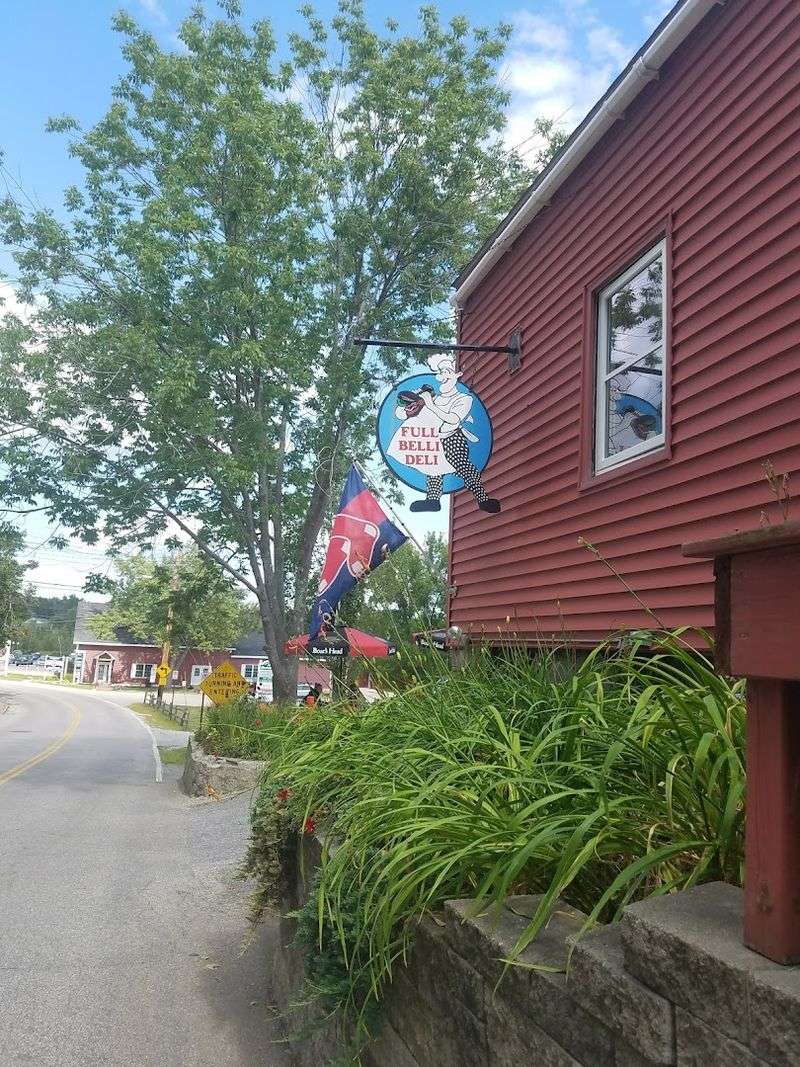
Wolfeboro is in the middle of what locals call a quiet housing crisis. Property values have surged alongside tourism growth.
Long-time residents are being priced out of a town they have called home for decades.
Short-term rental platforms have changed the housing landscape dramatically. Homeowners can earn far more renting to vacationers than to local tenants.
The result is fewer long-term rentals available for year-round residents and workers.
Seasonal hospitality workers are hit especially hard. They need affordable housing close to their jobs.
But with rental prices climbing and inventory shrinking, many end up commuting long distances or leaving the area entirely.
This is not just a personal hardship for individual families. It directly affects local businesses that cannot find or keep staff.
The housing shortage and the staffing shortage are deeply connected problems that feed each other.
Town hall discussions now regularly feature housing as a top agenda item. Advocacy groups are pushing for zoning updates that would limit short-term rental conversions.
The goal is to protect a baseline of housing for people who actually live and work in Wolfeboro.
The town is also collecting data on housing availability and affordability trends. Better information leads to better policy decisions.
Wolfeboro is trying to act before the crisis gets worse, but the window for easy solutions may already be closing fast.
Infrastructure Strain From Tourist Activities
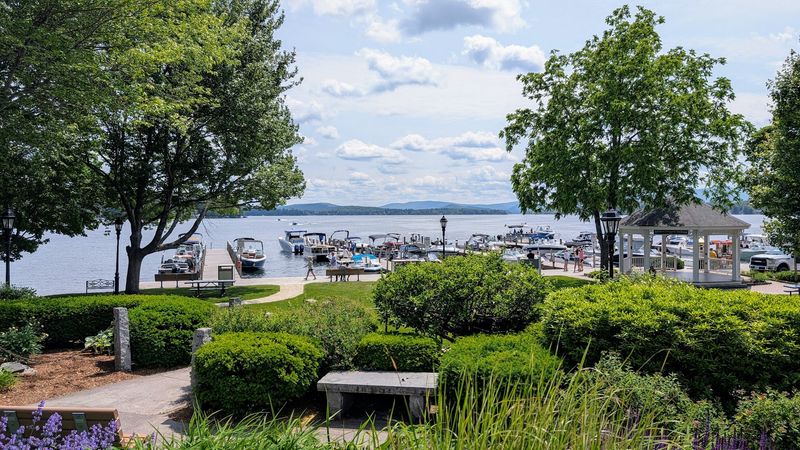
Wolfeboro’s infrastructure was designed for a town of about 6,400 people. It was not designed for a summer population that can swell to three or four times that number.
The gap between capacity and demand shows up in real and frustrating ways.
Roads take a beating every summer. Increased vehicle traffic accelerates wear on pavement and intersections.
Maintenance costs rise faster than the town budget can comfortably absorb.
Water and sewer systems face increased demand during peak months. A system built for a small year-round population suddenly has to serve tens of thousands.
Aging pipes and treatment facilities are not always up to that challenge.
The stormwater system is particularly stressed. More impervious surfaces from new development mean more runoff during rain events.
That excess water has to go somewhere, and it often ends up carrying pollutants toward the lake.
Parking infrastructure is another pressure point. The historic downtown was never designed for modern car volumes.
Overflow parking spills into residential areas, frustrating neighbors who just want to get out of their driveways.
The town is exploring smarter parking management systems and traffic flow improvements. Better signage, dynamic pricing for parking, and designated overflow areas are all being discussed.
These are practical fixes, but they require funding and political will to actually implement. Wolfeboro knows the problem.
Now it needs the resources to solve it properly.
Preservation Of Local Culture And Traditions
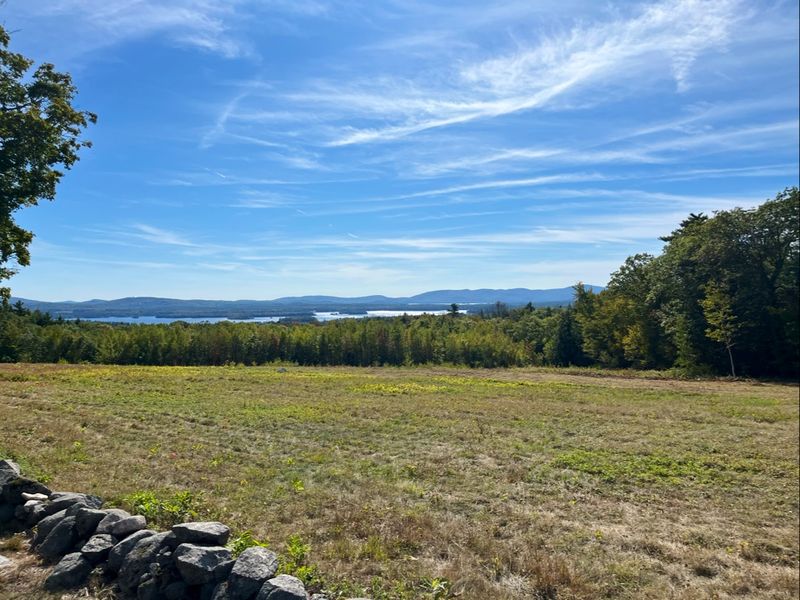
Its historic architecture, local festivals, and tight-knit community character are not accidental. They grew from decades of people choosing to invest in a real place, not just a destination.
Some longtime residents have noticed a slow but steady shift in the downtown atmosphere. Local specialty shops are gradually giving way to souvenir stores and chain-adjacent businesses.
The change is subtle but meaningful to people who remember what it used to look like.
Historic preservation efforts are alive and active in town. Architectural design standards help ensure that new development respects the existing New England village aesthetic.
These guidelines are not just about looks. They protect the visual identity that draws visitors in the first place.
Local traditions like the Wolfeboro Farmers Market and seasonal parades keep community roots visible. These events are not just fun.
They are acts of cultural maintenance that remind residents and visitors alike what the town stands for.
There is also an oral history dimension to preservation. Stories passed down through families carry the texture of what Wolfeboro has always been.
Losing long-term residents means losing those stories too.
Balancing growth with identity is genuinely hard. Wolfeboro is trying to welcome new faces without erasing the old ones.
That is not a problem with a clean solution. But the fact that people are fighting for it shows the community still has real heart.
Strategies For Sustainable Tourism Development
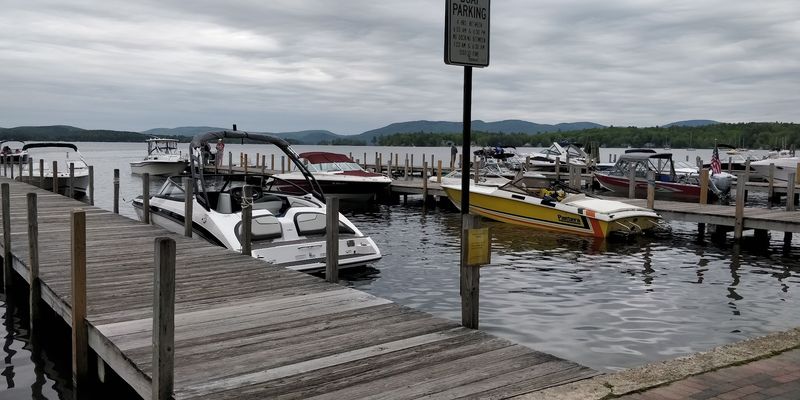
The town is actively developing strategies to make tourism work better for everyone involved. That proactive mindset is honestly one of the most encouraging signs coming out of local government right now.
The push for four-season tourism is a centerpiece of the plan. Fall foliage, winter activities, and spring events can spread visitor traffic more evenly across the year.
That reduces the brutal summer peak while keeping the economy moving year-round.
Zoning reform is another major lever. Updating land use regulations to limit short-term rental conversions directly addresses the housing crunch.
It also signals to long-term residents that the town is on their side.
Improved parking and traffic systems are part of the infrastructure strategy. Smart parking technology and better traffic routing can reduce congestion without requiring massive construction projects.
Small changes in flow management can make a surprisingly big difference.
Environmental protections are being woven into tourism planning as well. Boat inspection programs, invasive species controls, and updated stormwater rules are all part of a broader effort to keep Lake Winnipesaukee healthy.
A healthy lake means a healthy tourism economy in the long term.
Community input is being treated as a genuine resource. Town surveys, public forums, and data collection are shaping real policy decisions.
Wolfeboro is learning that sustainable tourism is not just an environmental concept. It is a community survival strategy worth taking seriously.