
The California Italian Restaurant That Builds Its Menu Around Seasonal Local Farm Produce
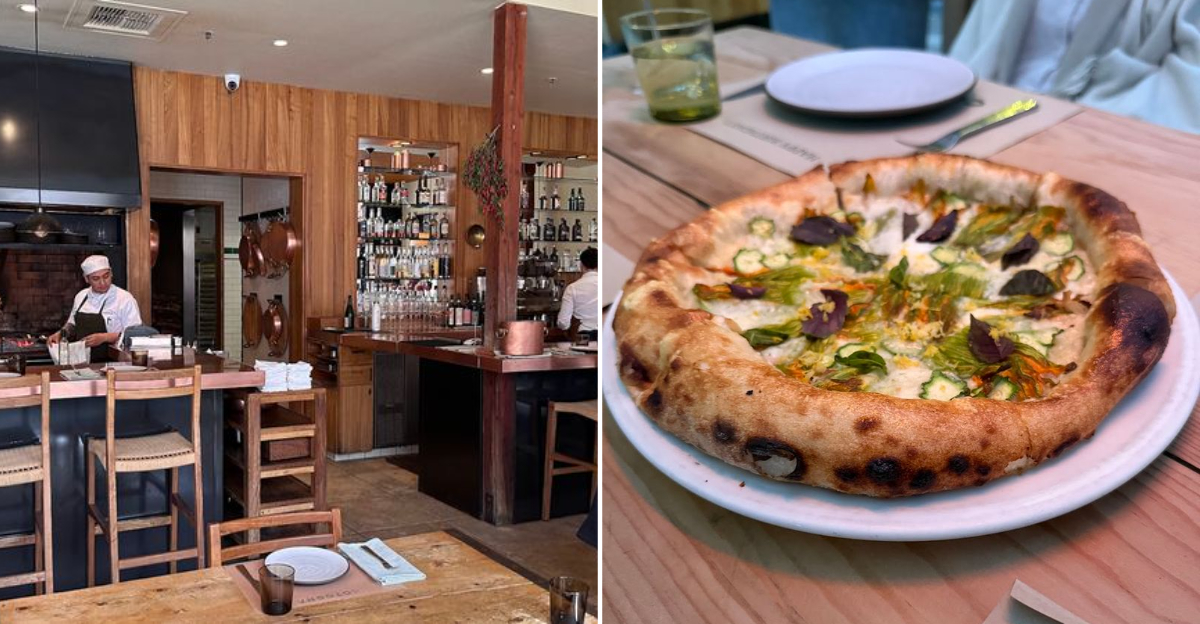
The menu reads differently in October than it does in April. That’s the point, and the regulars have come to expect it.
Seasonal cooking gets claimed by a lot of restaurants and practiced by fewer than the menus suggest. This California kitchen built its entire identity around the farms within driving distance and adjusts every dish accordingly when the harvest changes.
Ingredients arrive with a provenance that the staff can actually describe. The pasta changes when the flour does.
The sauces follow what’s ready rather than what’s convenient. Diners who come back across seasons are essentially eating at a different restaurant each time, one that happens to occupy the same address and maintain the same standard throughout.
Seasonal Produce Selection Techniques
This restaurant does not pick produce from a catalog. The kitchen team checks what’s actually ready to harvest before planning anything.
That daily ritual shapes every single dish on the menu.
Chef Michael Tusk built this system around one simple rule: the produce decides the menu, not the other way around. When a crop peaks in flavor, that’s when it lands on your plate.
When it’s done, it’s gone. No exceptions, no substitutions.
This approach means the menu at Cotogna changes constantly. A dish you loved last Tuesday might not exist this Tuesday.
That’s not a flaw. It’s the whole philosophy working exactly as intended.
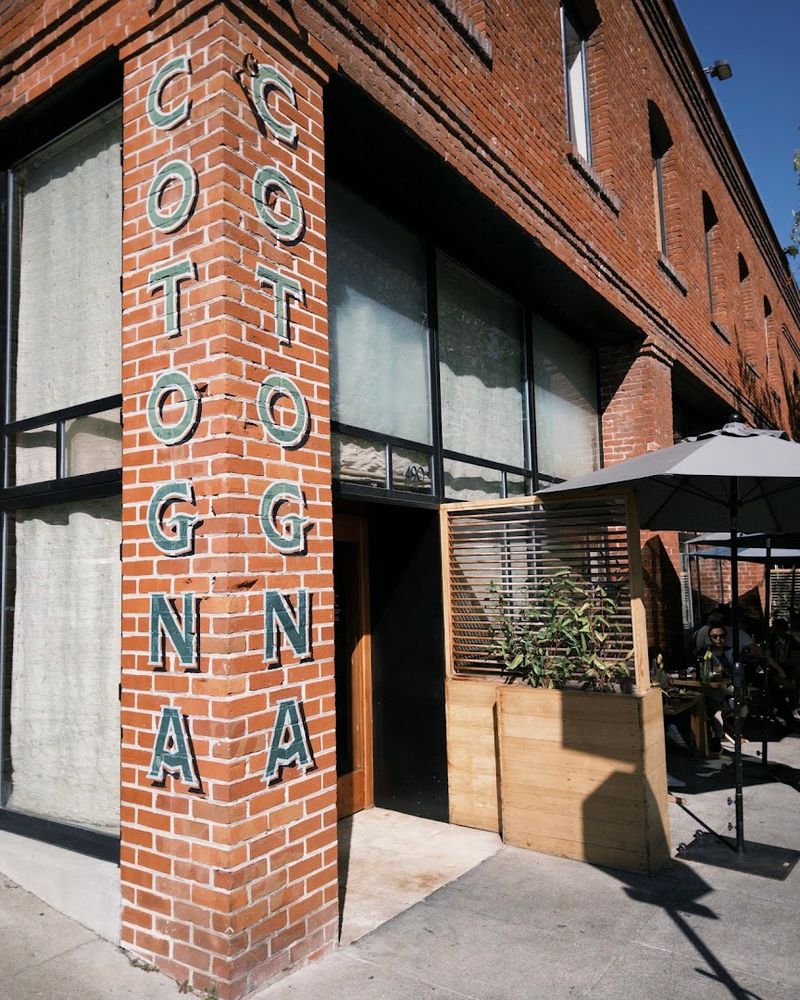
The restaurant sits at 490 Pacific Ave, San Francisco, CA 94133, right in Jackson Square. Walking in, you’ll notice the menu board reflects whatever the morning brought in from the farms.
It keeps things exciting and unpredictable in the best way possible.
Selecting produce this way also demands great skill. The kitchen team needs to know ripeness, flavor profiles, and how each ingredient will behave under heat.
It’s not just shopping. It’s an edible decision-making at a high level, done every single day without a safety net.
Farm Partnerships And Ingredient Sourcing
Cotogna sources ingredients from its own farm in West Marin. That’s not a marketing line.
The restaurant actually operates a farmland to grow specific produce for its kitchen. Not many restaurants in San Francisco can say that.
Fresh Run Farm in Bolinas is another key partner. Bolinas sits on the Northern California coast, where the cool fog and rich soil create produce with serious depth of flavor.
The relationship between Cotogna and these farms is built on trust and consistency.
Chef Tusk has spent years developing these connections with local growers. These aren’t transactional relationships.
They’re more like collaborations, where the kitchen communicates what it needs and the farmers respond with what’s possible each season.
This sourcing model gives the kitchen a major advantage. Ingredients arrive fresher than anything traveling cross-country ever could.
The shorter the distance from soil to plate, the better everything tastes. It’s basic food logic that most restaurants skip for convenience.
Knowing exactly where your food comes from also changes how you cook it. The kitchen at Cotogna respects each ingredient because they understand the work behind it.
That respect shows up in every dish, from the simplest salad to the most complex pasta. Honest sourcing produces honest food.
Menu Crafting Inspired By Local Harvests
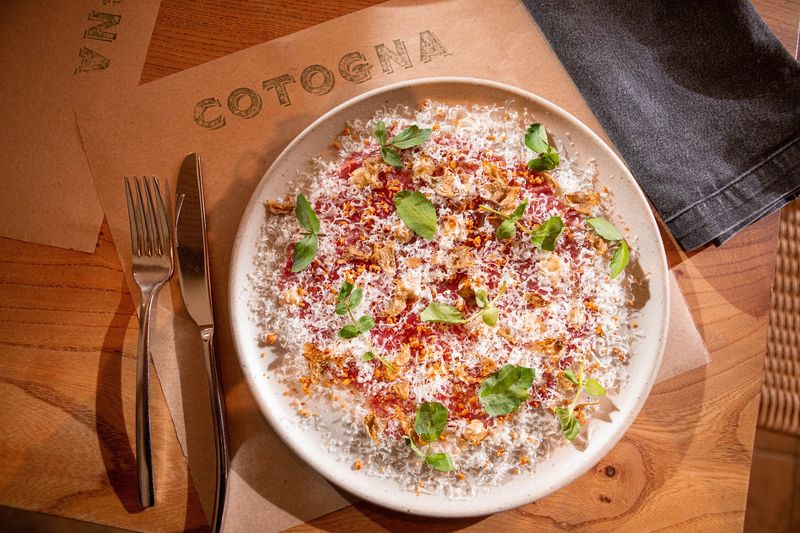
Building a menu around local harvests sounds poetic until you realize how much pressure it creates. The kitchen at Cotogna essentially starts from scratch every day.
What came in this morning becomes tonight’s offerings by afternoon.
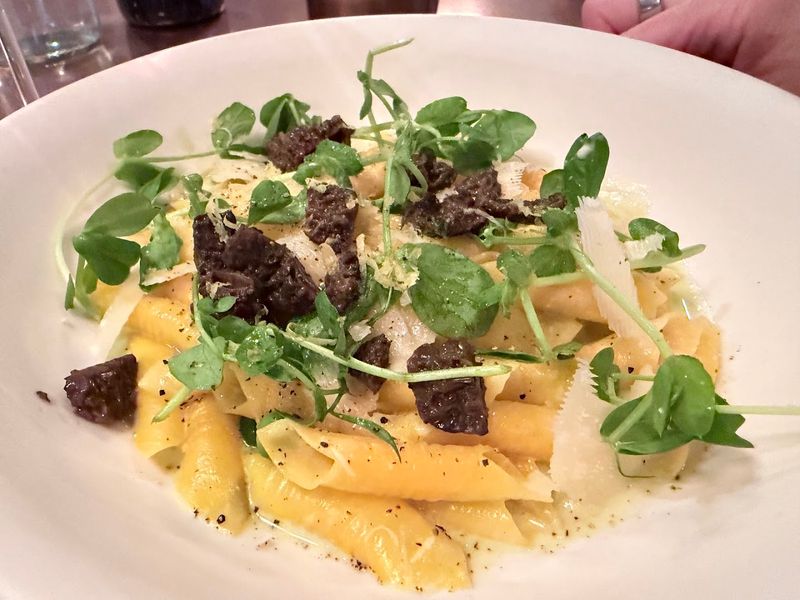
Housemade pastas are a centerpiece of this approach. The pasta dough itself might stay consistent, but the fillings and sauces shift with whatever produce arrives.
Tortelli with sunchoke and rosemary exists because sunchokes were ready. Next week, it might be something completely different.
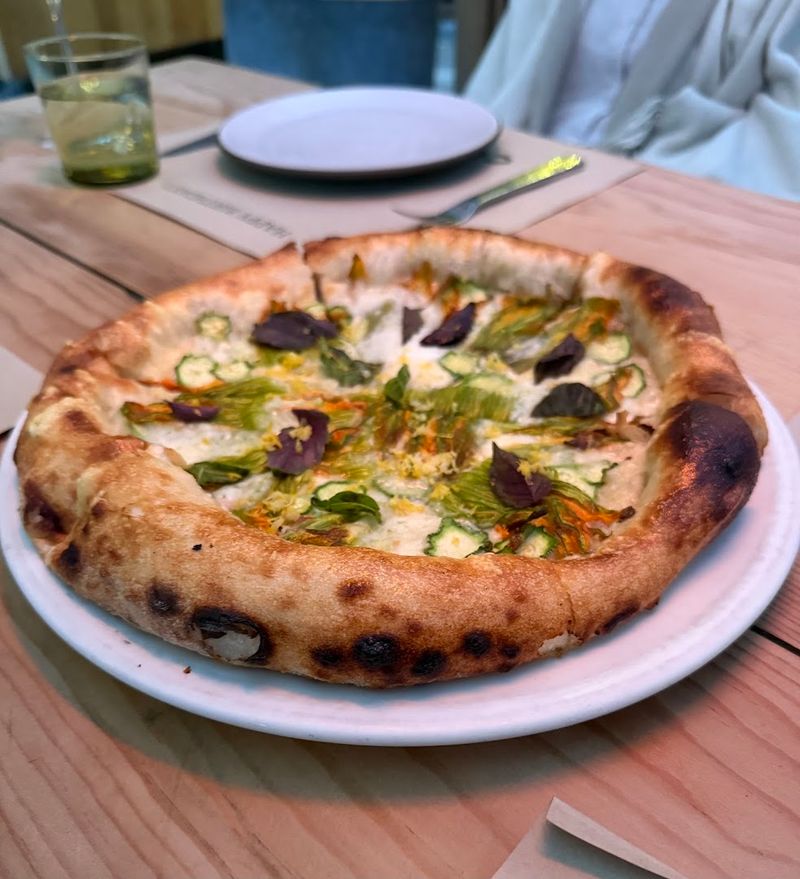
Wood-fired pizzas follow the same logic. The toppings rotate based on what’s seasonal and flavorful right now.
This keeps the menu from getting stale and forces the kitchen to stay creative under real constraints. Constraints, it turns out, produce brilliant cooking.
Spit-roasted and grilled meats also appear regularly, paired with seasonal vegetable sides that change week to week. The protein might anchor the plate, but the produce surrounding it tells the seasonal story.
Every element earns its place.
Crafting menus this way requires confidence. You can’t rely on crowd-pleasing standbys forever.
The team at Cotogna embraces that uncertainty and turns it into a strength. Guests come back repeatedly because they genuinely don’t know what they’ll find, and that mystery keeps the dining experience alive and worth repeating.
Italian Cooking Methods Highlighting Freshness
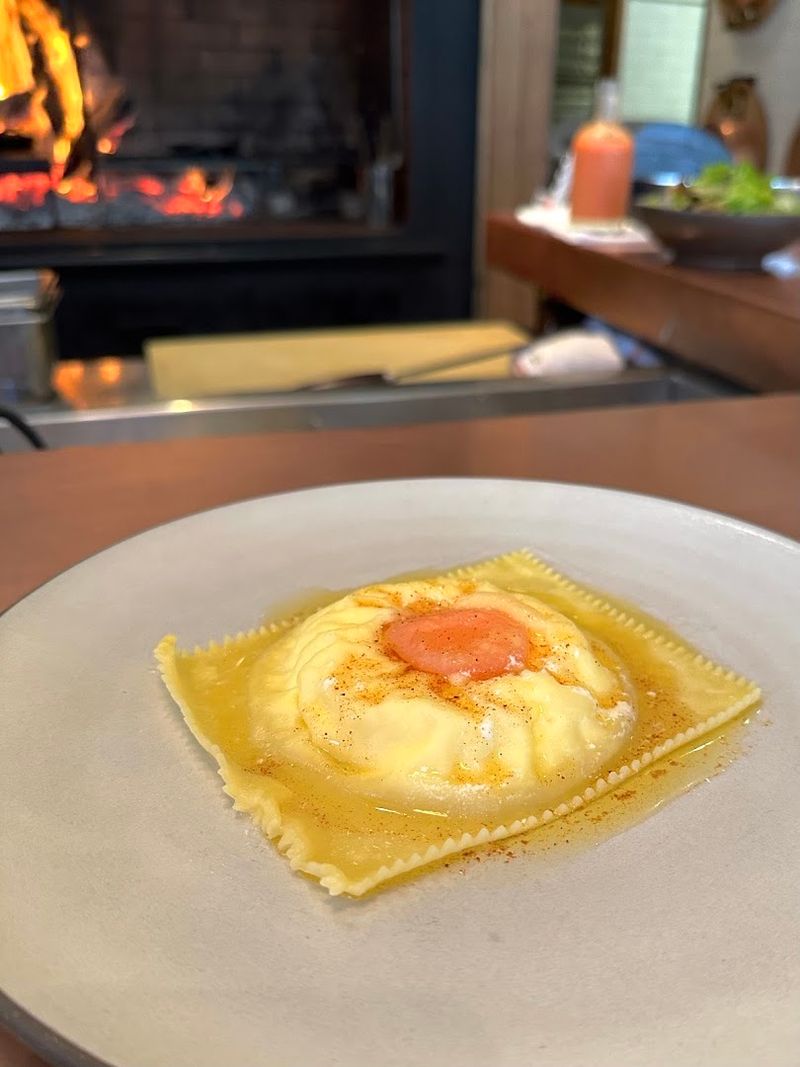
Fire is a big deal at Cotogna. The wood-fired oven and open grill aren’t just equipment.
They’re central to how the kitchen brings out the best in fresh, seasonal ingredients. High heat and live fire do things to produce that no gas burner can replicate.
Wood firing creates caramelization and char that add depth without masking natural flavors. A wood-roasted tomato tastes more like itself, not less.
That sounds counterintuitive until you actually eat one prepared this way. Then it makes complete sense.
Spit-roasting is another technique used regularly at Cotogna. Slow rotation over heat bastes the food in its own juices.
The result is incredibly moist meat with a crisp exterior. It’s an ancient Italian method that works just as brilliantly today as it did centuries ago.
Pasta cooking here also reflects Italian discipline. Proper hydration, correct cooking time, and matching pasta shapes to specific sauces are non-negotiable.
These fundamentals matter more when your ingredients are genuinely fresh, because there’s nowhere to hide mediocre technique.
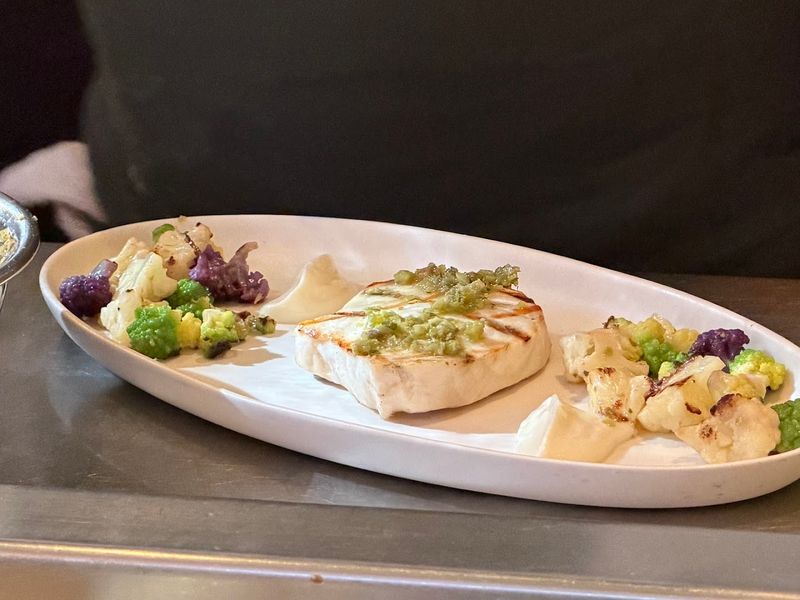
Grilling seafood over live fire is another highlight. Fresh fish responds beautifully to high direct heat when handled correctly.
The kitchen understands timing and temperature with real precision. These methods aren’t flashy for show.
They exist because they produce the most honest, flavorful results from exceptional seasonal ingredients.
Balancing Traditional Recipes With Seasonal Changes
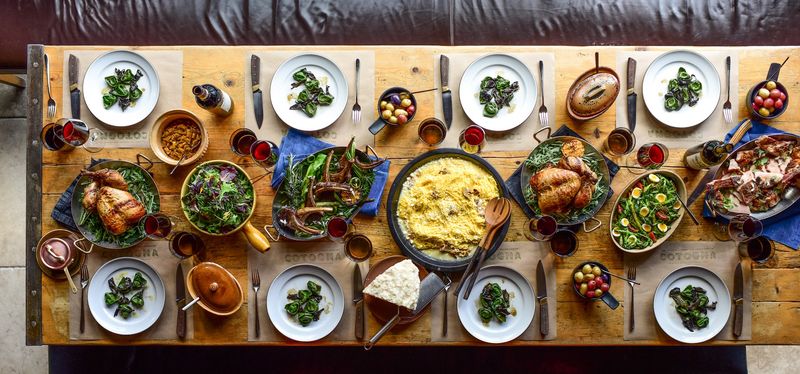
Traditional Italian recipes come with centuries of expectation attached. Change them too much and you lose what made them special.
Change them too little and seasonal ingredients never get to shine. Cotogna walks that line with real skill.
Agnolotti del plin is a Northern Italian classic. The shape and technique stay traditional at Cotogna.
But the filling shifts based on what’s available locally. That’s how you honor a recipe while keeping it alive and relevant to where you actually are.
Pappardelle with lamb ragu follows similar logic. The broad pasta and slow-cooked meat combination is deeply Italian.
The specific herbs and vegetables mixed in reflect California’s seasonal calendar. Both influences coexist without fighting each other for dominance on the plate.
This balance requires the kitchen to understand Italian culinary history deeply. You can’t make smart changes to a tradition you don’t fully understand.
Chef Tusk’s background gives the team the confidence to adapt without accidentally breaking what matters most about each dish.
Seasonal changes also keep longtime regulars engaged. A guest who visits Cotogna monthly will encounter familiar structures with fresh surprises inside them.
That combination of comfort and novelty is genuinely difficult to achieve consistently. The kitchen manages it because the foundation is strong and the seasonal awareness is sharp.
Both elements pull in the same direction.
Vegetable Varieties Featured Each Season
California’s growing seasons are genuinely enviable. The state produces crops year-round in ways that most of the country simply cannot.
Cotogna takes full advantage of this, featuring different vegetable varieties as each season rolls through Northern California.
Sunchokes show up in winter, adding an earthy, nutty quality to pasta fillings. Beets appear in cooler months and make their way into salads with surprising elegance.
Spring brings tender greens and fresh herbs that lighten the menu considerably after winter’s heavier offerings.
Summer at Cotogna means tomatoes, zucchini, and corn in various preparations. These ingredients need minimal intervention when they’re genuinely fresh and locally grown.
The kitchen knows when to let produce speak for itself and when to apply technique to coax out more complexity.
Fall produces squash, mushrooms, and root vegetables that pair naturally with Italian cooking traditions. Hearty ingredients meet hearty techniques during this season.
The menu takes on more depth and warmth as temperatures drop in San Francisco, even if that drop is modest by most standards.
Tracking which vegetables appear at Cotogna across seasons tells you a lot about Northern California’s agricultural calendar. The menu essentially functions as a living document of what the local land produces.
That’s a genuinely cool way to experience a region’s food culture without leaving the city. Every visit becomes a small lesson in California farming.
Chef Creativity With Market Fresh Ingredients
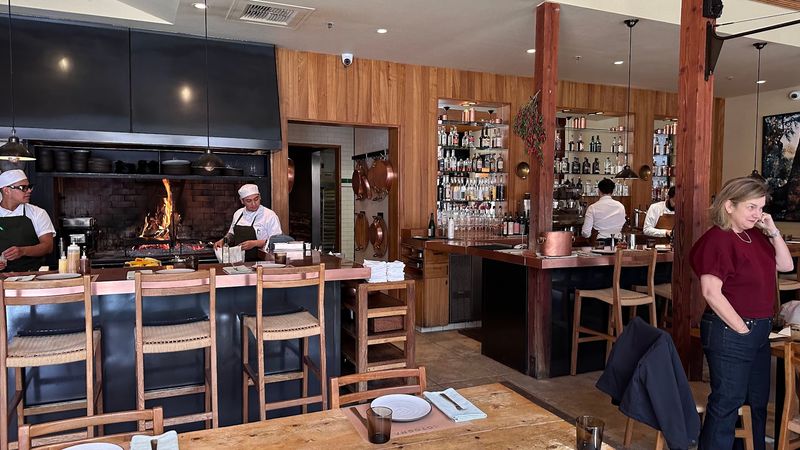
Working with market-fresh ingredients every day forces a level of creativity that set menus simply don’t require. Chef Michael Tusk has built a kitchen culture around this challenge.
The team doesn’t just follow recipes. They problem-solve to produce daily.
When a particular ingredient arrives in exceptional condition, the kitchen finds ways to showcase it prominently. When something comes in at just good quality, it gets used in a supporting role where other flavors can carry more weight.
That kind of ingredient awareness produces smarter cooking.
Cannoli at Cotogna are made to order and don’t appear on the menu every day. That detail tells you everything about the kitchen’s approach.
Nothing is forced onto the menu out of obligation. Things appear when conditions are right and disappear when they’re not.
The bruschetta here reflects this same philosophy. Simple ingredients, handled with precision, can produce something genuinely memorable.
The kitchen doesn’t overcomplicate dishes to seem impressive. Confidence with fresh ingredients means knowing when to stop adding things.
Chef Tusk’s Northern California roots inform this creativity deeply. He grew up understanding what this land produces and how Italian traditions can frame those ingredients beautifully.
The result is cooking that feels both completely Italian and unmistakably Californian at the same time. That dual identity is Cotogna’s most distinctive creative achievement, and it shows up in every dish worth ordering here.
Sustainability Practices In Farm To Table Italian Dining
Operating your own farm as a restaurant is one of the most direct sustainability commitments possible. Cotogna’s West Marin farmland eliminates multiple steps in the supply chain.
Fewer trucks, fewer middlemen, and a much shorter distance from soil to kitchen all add up to a smaller environmental footprint.
Sourcing from Fresh Run Farm in Bolinas reinforces this commitment. Small local farms generally use more sustainable growing practices than large industrial operations.
Supporting them financially keeps those practices viable. It’s a purchasing decision that has real environmental consequences beyond just flavor.
Changing the menu daily based on what’s available also reduces waste significantly. The kitchen buys what it needs for what it’s actually cooking.
There’s no excess inventory of ingredients sitting in storage that might never get used. That discipline keeps food waste low in a meaningful way.
Using the whole vegetable matters too. Trim and scraps that might get discarded elsewhere find their way into stocks and sauces at Cotogna.
Italian cooking has always understood that nothing with good flavor should go to waste. That tradition aligns perfectly with modern sustainability thinking.
Michelin recognition for Cotogna signals that high-quality dining and sustainable sourcing aren’t mutually exclusive goals.
The restaurant proves consistently that respecting the environment and producing exceptional food reinforce each other rather than compete.
That’s an important message for the broader restaurant industry and a model worth paying attention to seriously.