
This Overlooked Nevada Attraction Is One Of The State’s Most Fascinating Secrets
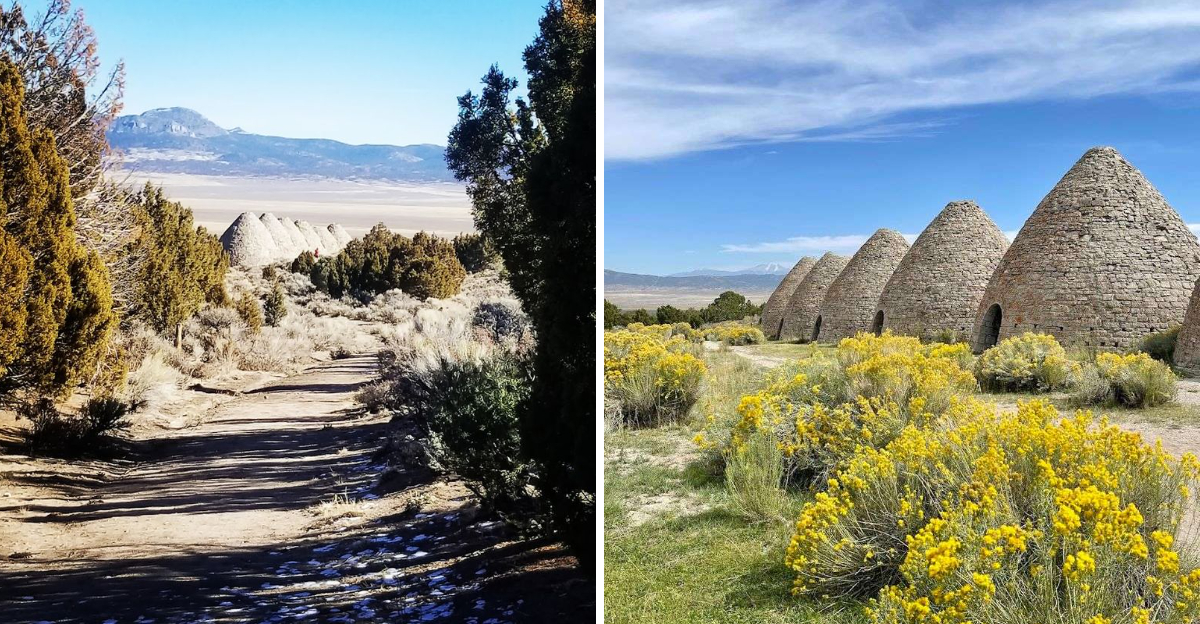
At first glance, they look like something left behind by an ancient civilization rather than a chapter of Nevada history. Rising from a quiet landscape, these towering stone structures have puzzled road trippers and photographers for generations.
Their unusual shape stands out immediately, and the story behind them is even more surprising. Built during Nevada’s silver mining era, they played a key role in an industry that helped shape the state.
Today, they remain among the most unusual historic sights many travelers have never heard of. Standing beside them feels a little surreal, especially when you realize they have been watching over this landscape for nearly 150 years.
If unusual history catches your attention, this is one Nevada stop worth remembering.
Six Beehive-Shaped Ovens Still Stand In The Park
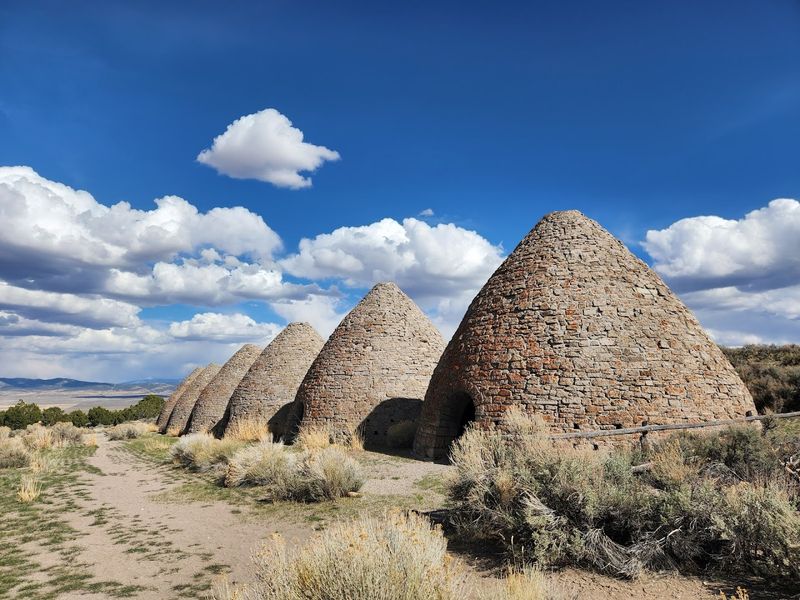
The first glimpse of these structures stops most visitors in their tracks. Each oven rises 30 feet into the air, built from carefully stacked stone in the shape of a perfect beehive.
The six ovens stand in a tidy row against the backdrop of the Egan Range, their rounded forms creating shadows that shift across the desert floor throughout the day.
Walking between them feels like stepping onto the set of a science fiction film, though these structures are decidedly real and rooted in hard industrial history. The precision of their construction becomes clear up close.
Every stone was placed by hand, fitted without mortar in some sections, creating walls thick enough to withstand intense heat and more than a century of weather.
Photographers find endless angles here, particularly in late afternoon when the light turns golden. The ovens measure 27 feet across at the base, tapering upward to small openings at the top.
Their Working Life Lasted Only A Few Years
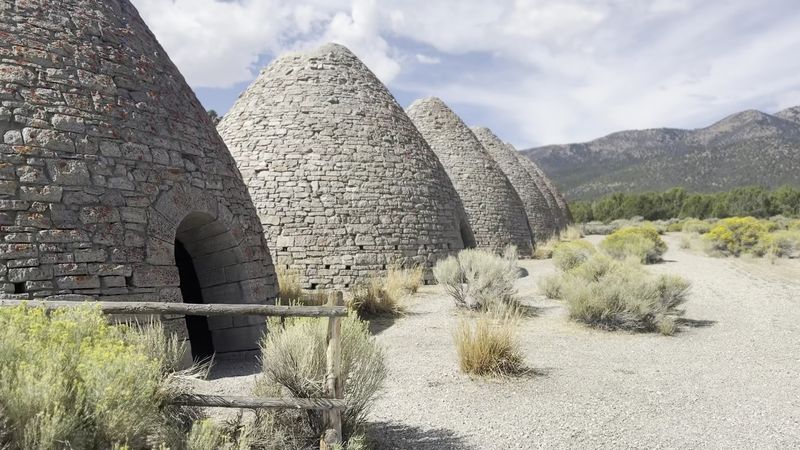
From 1876 to 1879, smoke rose steadily from these ovens. Then, almost as suddenly as it began, production stopped.
The silver deposits around Ward proved less extensive than prospectors hoped, and the mining district collapsed faster than anyone anticipated. Without ore to smelt, the need for charcoal evaporated overnight.
The environmental cost had been staggering. Keeping six ovens running required a fresh load of timber every 12 days or so.
Within three years, loggers had cleared every tree within a 35-mile radius, leaving the surrounding mountains bare. The forest simply could not regenerate fast enough to sustain operations, and hauling wood from greater distances became economically impossible.
The ovens fell silent, their brief industrial life over. The structures remained, too solid to collapse and too remote for anyone to bother dismantling.
The desert reclaimed the area, though the scars from deforestation took decades to heal.
The Ovens Were Built For Nevada’s Silver Boom
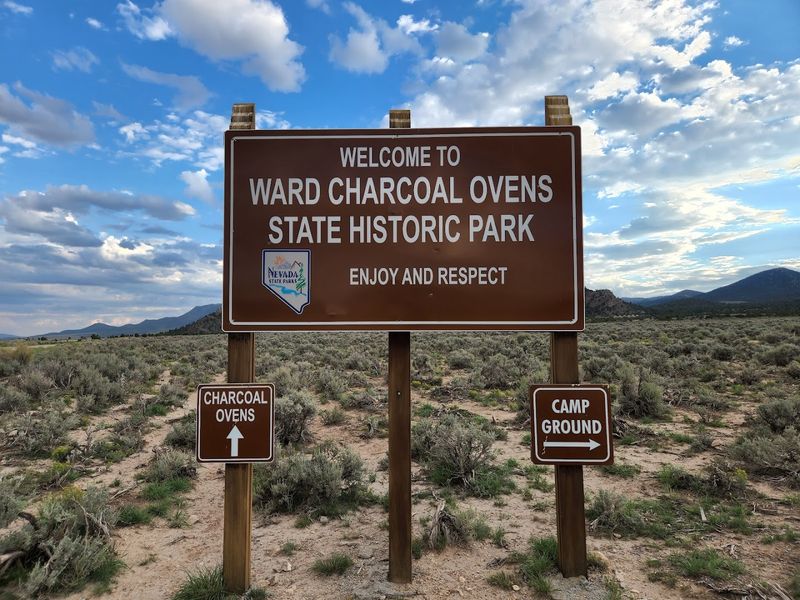
Silver fever gripped Nevada in the 1870s, and the Ward Mining District was no exception. Smelting operations required enormous amounts of fuel, and charcoal proved far more efficient than raw wood for reaching the temperatures needed to extract silver from ore.
The ovens went up in 1876 to meet this demand, built by workers who understood both masonry and the specific requirements of charcoal production.
Each oven could hold the wood from roughly six acres of forest. The process involved stacking wood inside, sealing the opening, and allowing it to smolder for days under controlled conditions.
This slow burn drove off moisture and impurities, leaving behind pure charcoal that burned hotter and cleaner than any alternative fuel available at the time.
The operation fed the silver smelters in Ward, a boomtown that has since vanished. The entire system represented cutting-edge industrial technology for its era.
The Stone Structures Are Remarkably Well Preserved
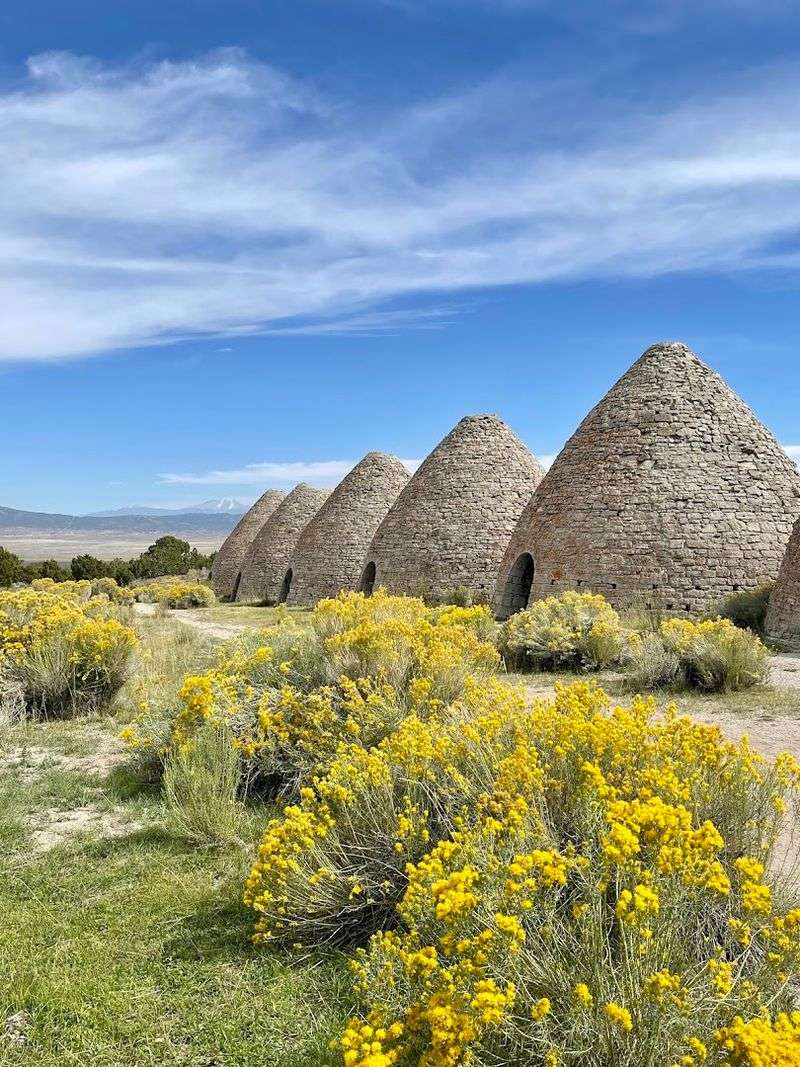
Most industrial relics from the 1870s exist only as foundations or scattered ruins. These ovens stand nearly intact, a testament to the skill of their builders and the durability of their construction.
The thick stone walls have weathered more than 140 winters, enduring temperature extremes that swing from below freezing to over 100 degrees.
Visitors can examine the masonry up close, seeing how the builders tapered each course of stone to create the distinctive beehive shape. The interiors remain remarkably clean, their walls blackened by centuries of charcoal smoke but structurally sound.
Small openings near the base once allowed workers to control airflow during the burning process.
The park service maintains the site with a light touch, preserving rather than restoring. No modern materials compromise the authenticity of the structures.
Standing inside one of these ovens, looking up at the small circle of sky visible through the top opening, provides an immediate connection to the past.
Visitors Can Walk Right Up To The Historic Ovens
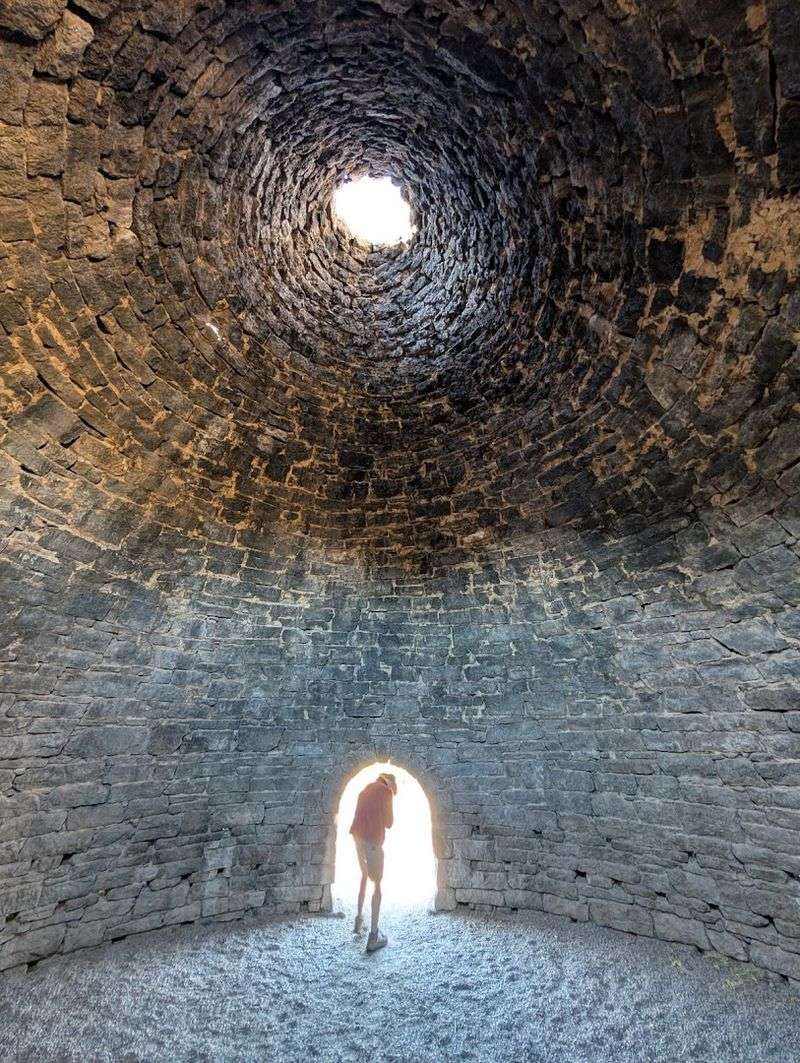
Unlike many historic sites that keep visitors at a distance, Ward Charcoal Ovens State Historic Park encourages close exploration. You can walk right up to the structures, peer inside, and even step into the cool interiors.
The experience of standing inside an oven, surrounded by stone walls that once contained fires hot enough to transform wood into industrial fuel, proves surprisingly moving.
The acoustics inside create an unusual effect. Voices echo in unexpected ways, and some visitors report bringing musical instruments to test the sound.
The thick walls provide relief from the desert sun, making the interiors noticeably cooler even on hot afternoons.
Interpretive signs placed around the site explain the history and function of the ovens without overwhelming the experience. The park operates on an honor system for entrance fees, with Nevada residents paying five dollars and visitors from other states paying ten.
The money helps maintain this remarkable site for future generations.
The Park Sits About 20 Miles South Of Ely
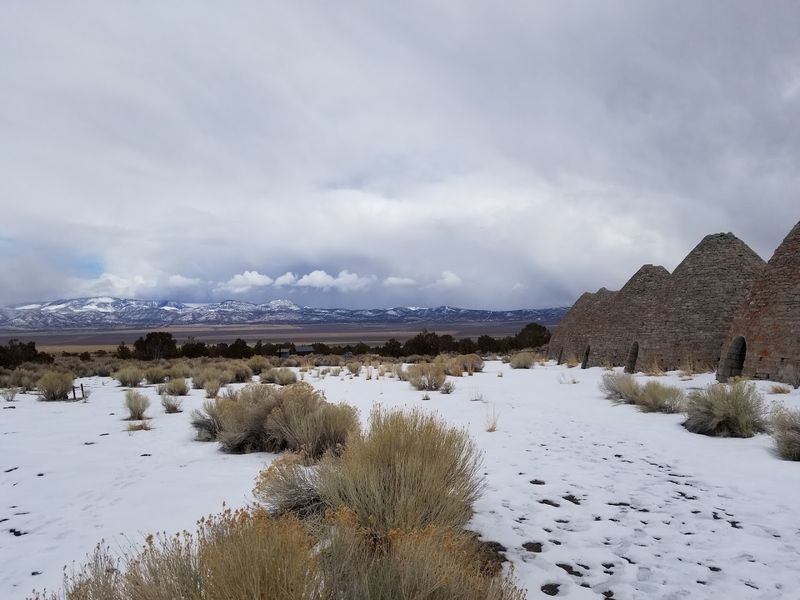
Finding the ovens requires a short detour from Highway 50. The turnoff sits about seven miles south of Ely, leading to a well-maintained dirt road that runs for another six to eight miles depending on which route you take.
The road handles regular passenger cars easily under normal conditions, though high-clearance vehicles provide extra confidence.
Ely itself serves as the logical base for exploring this area. The town offers hotels, restaurants, and other services, plus its own attractions including the Nevada Northern Railway Museum.
The drive from Ely to the ovens takes roughly 30 minutes, passing through classic Great Basin landscape of sagebrush flats and distant mountain ranges.
The official address listed for the park is simply Ely, NV 89315, reflecting the remote nature of the site. Cell phone service becomes spotty once you leave the highway.
Visitors should bring water, snacks, and a full tank of gas.
The Area Was Once Tied To The Ward Mining District
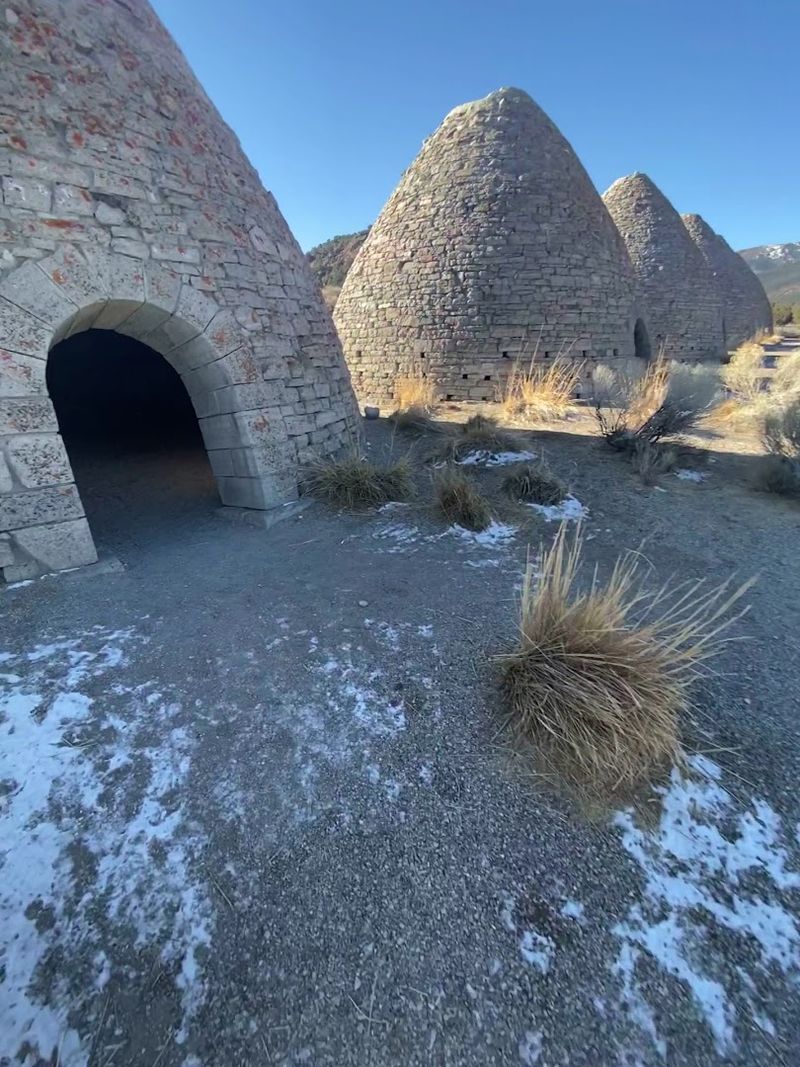
The town of Ward once thrived a few miles from the ovens. At its peak, the settlement supported several hundred residents, multiple saloons, a school, and all the infrastructure required by a working mining community.
Silver ore from the surrounding hills flowed through Ward’s smelters, processed with charcoal from the nearby ovens.
Today, Ward exists only as a ghost town. A few foundations remain visible, along with a surprisingly well-maintained cemetery that draws history enthusiasts.
The cemetery sits along the road to the ovens, marked by a small sign. Weathered headstones tell stories of hard lives ended by mining accidents, disease, and the general harshness of frontier existence.
The connection between the ovens and Ward illustrates the complete ecosystem required by 19th-century mining operations. Every element depended on the others, and when the silver ran out, the entire system collapsed.
The ovens outlasted the town they served by more than a century.
The Ovens Later Sheltered Travellers And Outlaws
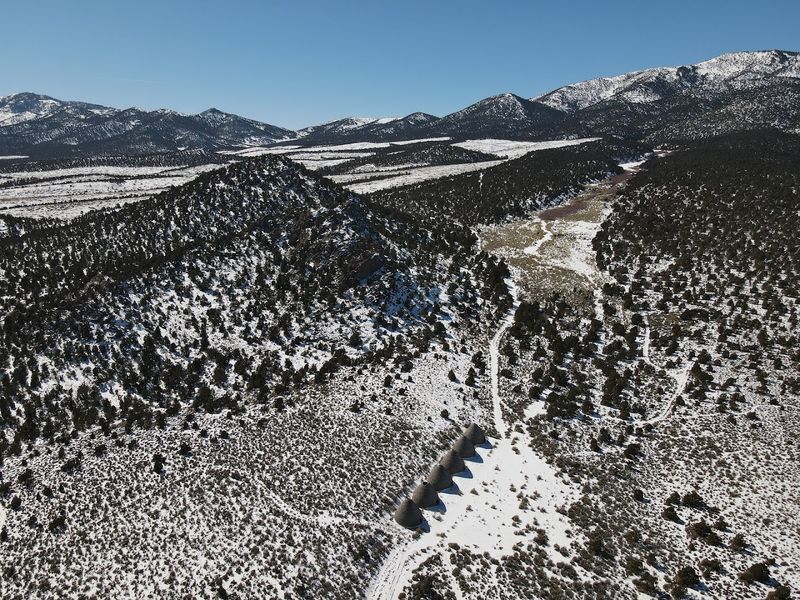
After their industrial life ended, the ovens found new purposes. Prospectors passing through the area discovered that the thick stone walls provided excellent shelter from wind and weather.
Stockmen herding cattle through the region used them as overnight camps. The interiors stayed dry during storms and offered protection from the brutal temperature swings common in the high desert.
Local legend claims that outlaws also appreciated the ovens as hideouts. Stagecoach bandits supposedly used them to lay low after robberies, taking advantage of the remote location and sturdy construction.
No historical records definitively prove these stories, but the ovens certainly would have served the purpose well.
Evidence of these secondary uses appears in the form of old campfire rings and names scratched into the stone, though park regulations now prohibit such modifications. The ovens served the community in their own way long after the silver boom ended, providing shelter to anyone who needed it in this isolated corner of Nevada.
Hiking Trails Add More Than Just History
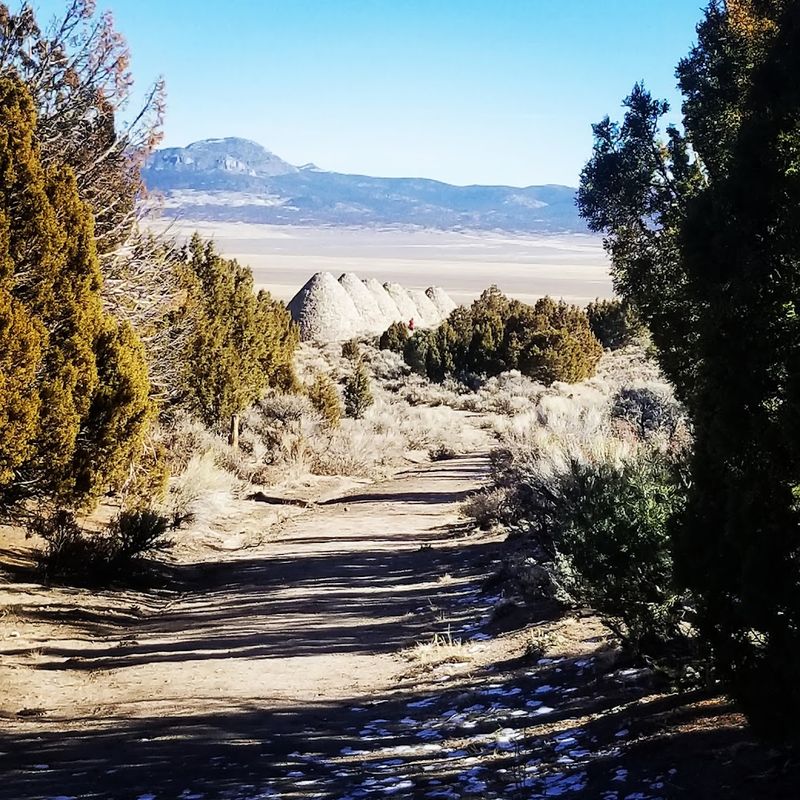
A half-mile loop trail begins near the ovens, winding through pinyon pine and juniper forest that has slowly reclaimed the area. The path climbs gently, offering different perspectives on the ovens and expanding views of the surrounding valleys.
Wildflowers appear in spring, adding unexpected color to the landscape.
The forest itself tells part of the story. These trees represent the recovery from the massive deforestation of the 1870s.
A small creek runs down from the mountains during wet seasons, supporting more vegetation than the surrounding desert. Wildlife including deer, various birds, and occasionally cattle from nearby ranches share the area.
The trail requires minimal effort, making it accessible to most visitors. Some choose to extend their exploration beyond the official path, though park signs remind hikers to watch for wildlife and stay aware of their surroundings.
The combination of historic structures and natural beauty makes this more than just a quick roadside stop.
It Is One Of Nevada’s More Unusual Historic Parks
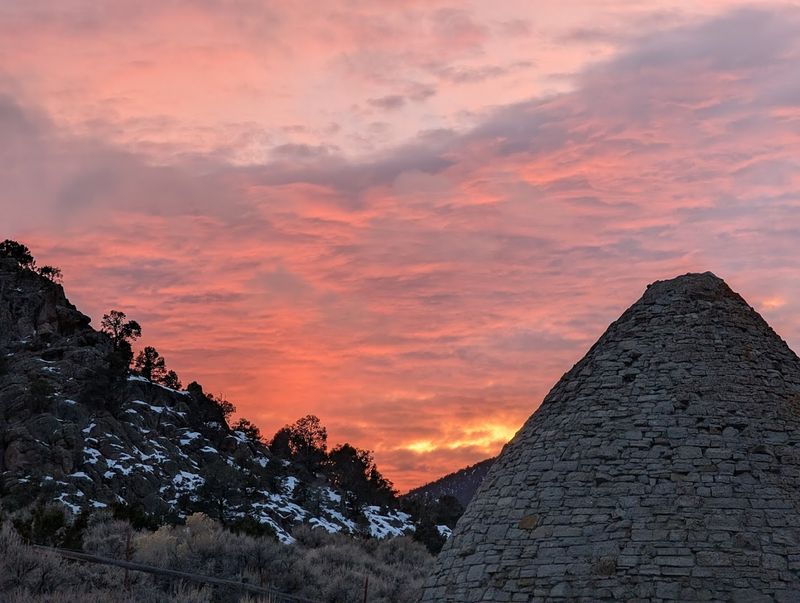
Nevada preserves many historic sites, from mining camps to railroad depots, but few match the visual impact of these ovens. Their unique architecture sets them apart from typical Western ruins.
The beehive form was not common in American industrial construction, making these structures particularly rare survivors of 19th-century technology.
The park receives far fewer visitors than major attractions like Great Basin National Park or Valley of Fire, which works in its favor. You might have the entire site to yourself, especially on weekdays or during shoulder seasons.
This solitude allows for genuine contemplation of the site’s history and significance.
The honor system for entrance fees reflects the remote nature of the park and the trust placed in visitors. Vault toilets and picnic tables provide basic amenities, but this is not a developed destination with gift shops or guided tours.
The experience remains raw and authentic, much like the industrial process the ovens once served.