
This Overlooked Pennsylvania Landmark Comes With An Unexpected Backstory
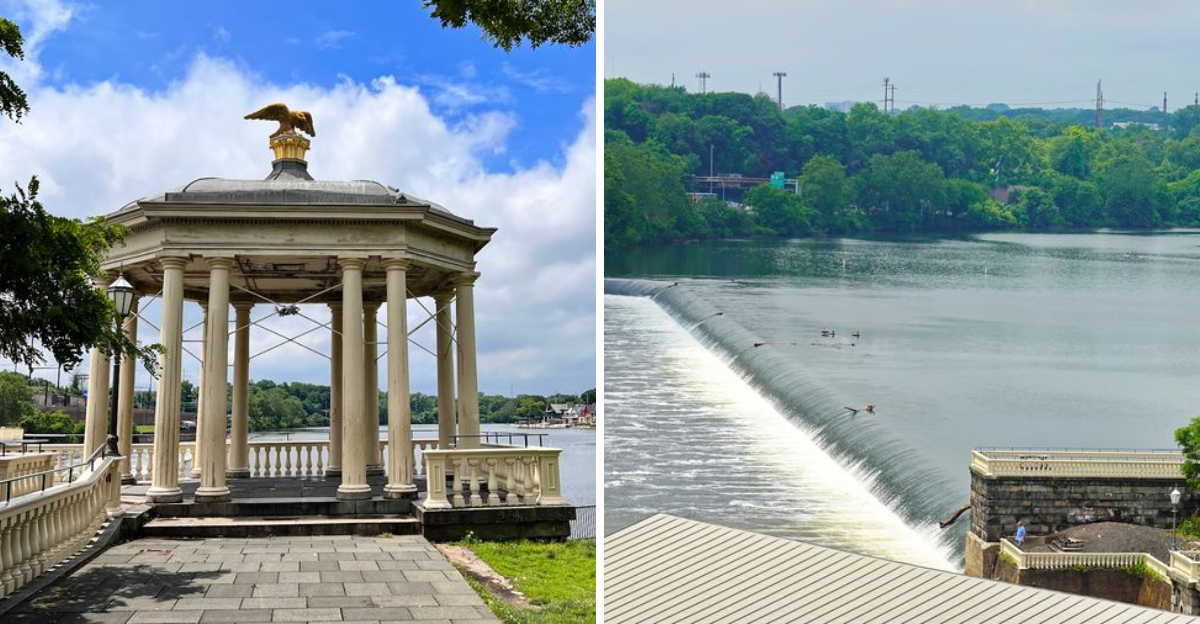
Standing along the eastern bank of the Schuylkill River in Philadelphia, the Fairmount Water Works is one of those places that rewards anyone willing to slow down and pay attention. Built in the early 1800s to solve a genuine public health emergency, this neoclassical complex once supplied clean water to an entire growing city.
Today it functions as a free interpretive center and one of the most visually striking spots in all of Pennsylvania. Most visitors walk right past it on their way to the art museum, and that is precisely what makes discovering it feel like such a worthwhile surprise.
Built To Solve A Public Health Crisis In Early Philadelphia
Philadelphia in the late 1700s was a city in serious trouble. Yellow fever outbreaks were killing residents by the thousands, and the source of contamination was traced directly to the city’s inadequate and polluted water supply.
Something had to be done, and city leaders knew the answer had to be permanent, not temporary.
Construction on the Fairmount Water Works began in 1812, designed by engineer Frederick Graff. The facility used river water from the Schuylkill, filtered and pumped it through a system of reservoirs and mains, and delivered cleaner water to Philadelphia households than most American cities could even dream of at the time.
The project was an act of civic ambition that saved lives on a measurable scale. For a young nation still figuring out how to build functional cities, Philadelphia’s decision to invest in public water infrastructure was a defining moment in urban health policy.
Once One Of The Most Advanced Water Systems In The World
When the Fairmount Water Works reached full operation in the 1820s, engineers and city planners from across Europe and America made the journey to Philadelphia specifically to study it. The system was considered a masterpiece of hydraulic engineering, combining practical function with an elegance that most infrastructure of the era simply lacked.
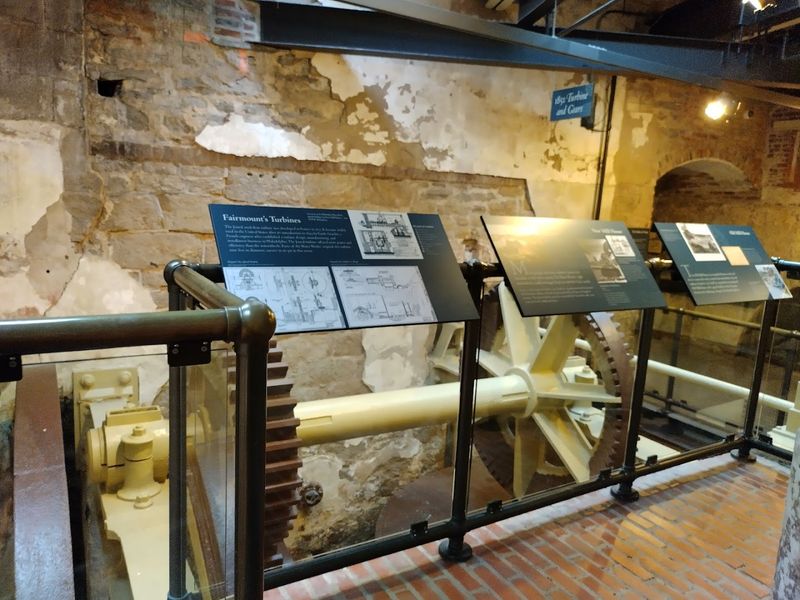
Water was lifted from the Schuylkill River using waterwheel-driven pumps, then stored in a hilltop reservoir before being distributed by gravity throughout the city below. The design eliminated the need for steam engines for much of its early operation, which was both cost-effective and reliable given the technology of the time.
Charles Dickens visited during his 1842 American tour and praised the facility in his travel writing, calling its design pleasant and admirable. That kind of international recognition confirmed what Philadelphia already understood: this was not just a local achievement but a global engineering landmark worthy of serious attention.
Powered By Water Before Electricity Took Over
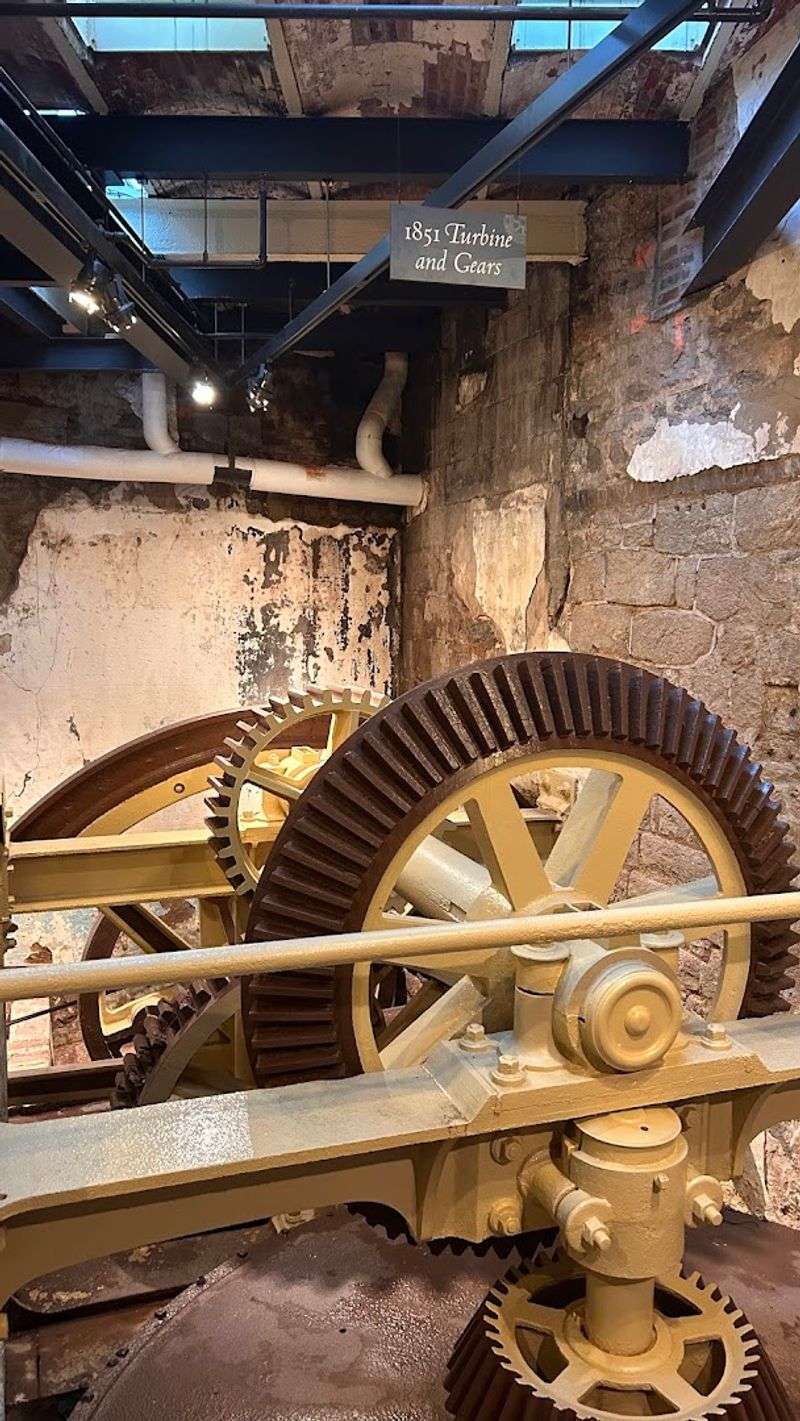
Long before electricity became the default power source for municipal systems, the Fairmount Water Works ran on the force of the Schuylkill River itself. Waterwheels positioned along the river drove the pumping machinery that moved water uphill to the hilltop reservoir, a self-sustaining loop that was elegant in its simplicity.
The mill houses that contained these mechanisms still stand today, and visitors who walk through the interpretive center can see restored examples of the original equipment. There is something quietly impressive about standing next to machinery that once served an entire city using nothing more than the current of a river.
As steam technology advanced through the mid-1800s, the facility transitioned to steam-powered pumps, and eventually the whole system was superseded by more modern infrastructure. But for several decades, this waterwheel-driven operation represented the cutting edge of what American engineering could accomplish without fossil fuels or electrical grids.
A Landmark That Helped Shape Modern Urban Infrastructure
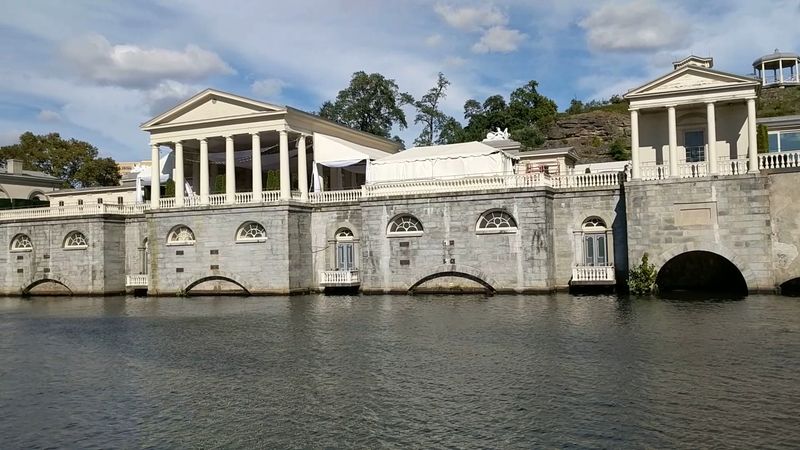
The influence of the Fairmount Water Works stretched far beyond Philadelphia’s city limits. Urban planners and engineers across the United States studied its design and operational model when building their own municipal water systems throughout the nineteenth century.
The facility demonstrated that clean water delivery at city scale was achievable, affordable, and worth the investment.
Before systems like this existed, most American cities relied on private wells, cisterns, and water carriers, all of which were inconsistent and frequently contaminated. Fairmount proved that centralized, publicly managed water infrastructure was not only possible but essential for population growth and public health simultaneously.
The site at 640 Waterworks Drive, Philadelphia, PA 19130, is now a National Historic Landmark, a designation that reflects its contribution not just to Philadelphia’s story but to the broader history of American civil engineering. Few buildings in the country carry that kind of layered significance while remaining so accessible and free to visit.
It Was Once A Popular Social Gathering Spot
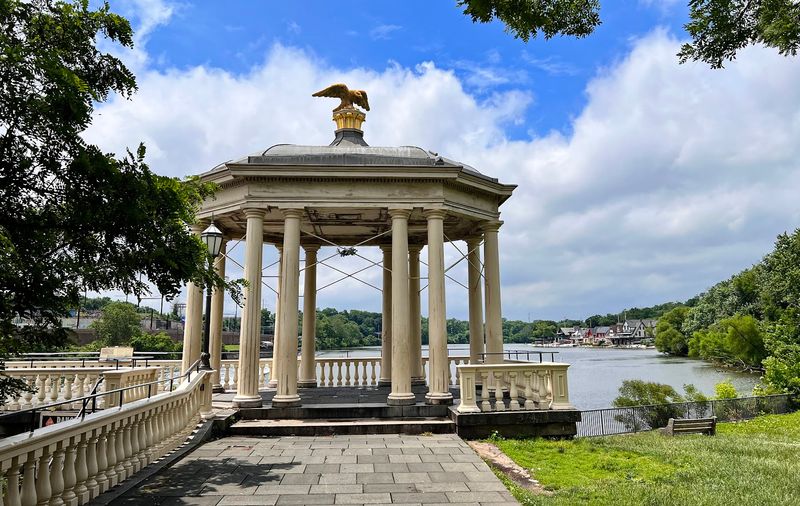
For much of the nineteenth century, the Fairmount Water Works was not just a utility facility but one of Philadelphia’s most fashionable public destinations. City residents arrived by the hundreds on weekends to stroll the manicured grounds, admire the river views, and enjoy what was considered one of the finest outdoor spaces in urban America.
The grounds featured formal gardens, shaded walkways, and a terrace overlooking the Schuylkill River that drew artists, writers, and socialites alike. Paintings from the period depict crowds gathered there on summer afternoons, dressed formally and treating the site with the same regard as a public park or pleasure garden.
That social dimension is easy to overlook when viewing the complex purely as an engineering achievement. The people who built it understood that a public facility needed to be beautiful as well as functional, and the result was a space that Philadelphians genuinely wanted to spend time in rather than simply rely upon.
The Architecture Was Designed To Impress
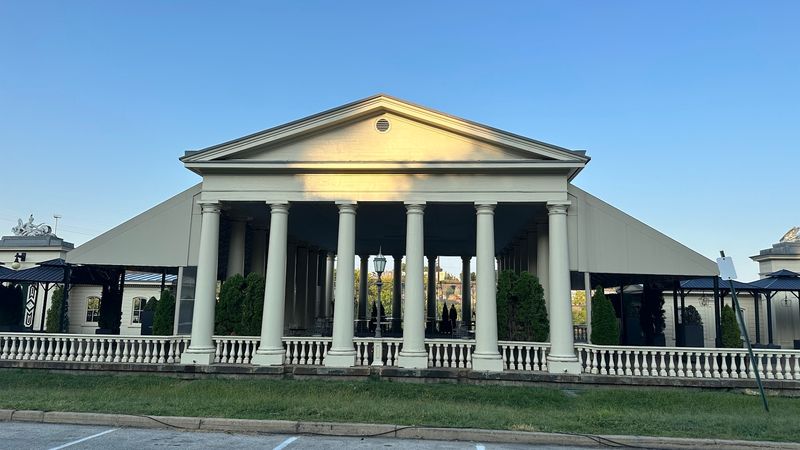
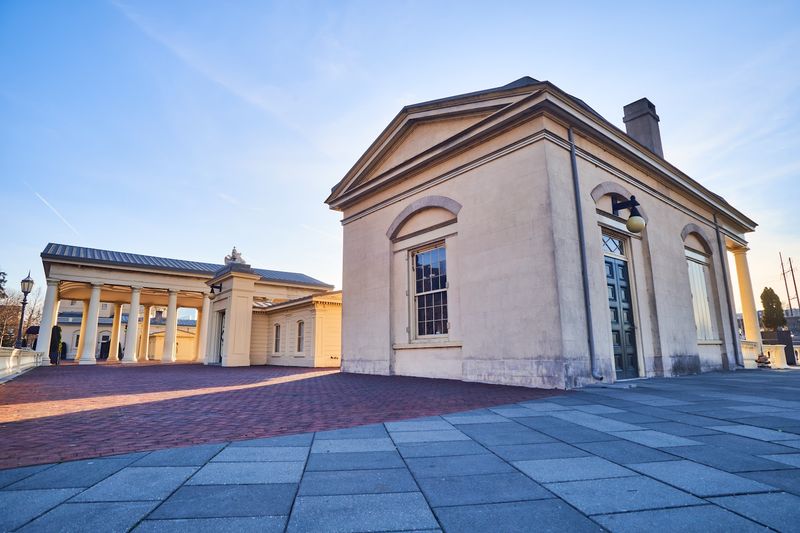
Frederick Graff did not design the Fairmount Water Works to look like a factory. He designed it to look like a monument, and the result is a collection of neoclassical structures that would be at home in Rome or Athens as easily as they are along a Philadelphia riverbank.
Colonnaded facades, arched openings, and symmetrical proportions define every building in the complex.
The choice to invest in architectural beauty for a water pumping station was entirely deliberate. City leaders wanted Philadelphians to feel pride in their public infrastructure, and they understood that appearance communicates value in ways that technical specifications never quite manage on their own.
Visitors today often stop and photograph the buildings simply because they are striking, without initially realizing what the structures were built to do. That reaction is exactly what Graff intended.
The architecture earns attention on its own terms, and then the history underneath it deepens the experience considerably once you step inside.
Saved From Demolition And Given New Purpose
By the late nineteenth century, the Fairmount Water Works had been replaced by more modern filtration facilities, and the old buildings sat largely unused for decades. At various points, the complex housed an aquarium and later a public swimming pool, but neither use fully honored what the site represented historically or architecturally.
Serious deterioration had set in by the mid-twentieth century, and there were genuine proposals to demolish sections of the complex to make way for other development. Preservation advocates pushed back, arguing that what remained was too historically significant and too architecturally rare to lose for the sake of convenience.
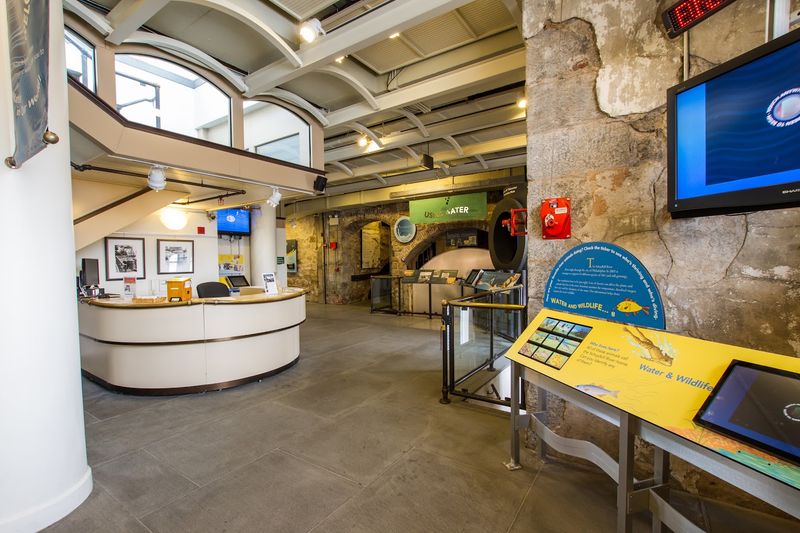
A major restoration effort culminated in the opening of the Fairmount Water Works Interpretive Center in 2003, giving the buildings a purpose that finally matched their stature. The restoration preserved original stonework, machinery, and spatial character while installing modern exhibits that tell the full story of the site’s engineering and cultural legacy in an accessible and engaging format.
Now A Centre For Environmental Education
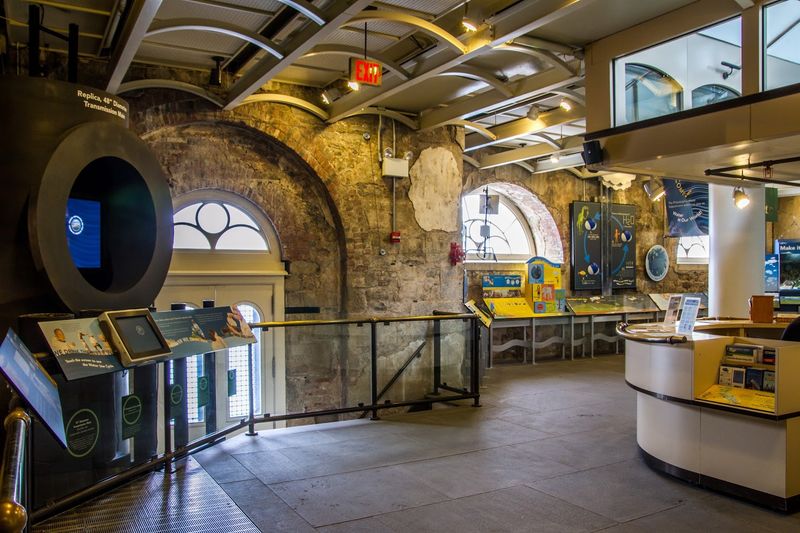
The interpretive center that operates inside the Fairmount Water Works today covers far more than the history of the buildings themselves. Exhibits address the full lifecycle of water in the Philadelphia region, from the Schuylkill River watershed to modern treatment processes, with interactive displays designed to engage visitors of every age and background.
One of the most talked-about features is a surround-sound poetry and video installation that uses the space’s original stone chambers to create an immersive sensory experience. Visitors who encounter it without prior warning often describe being genuinely moved, which is a rare thing to say about a municipal water facility.
The center is open Wednesday through Saturday from 10 AM to 5 PM and admission is free, which removes every possible barrier to visiting. Staff members lead guided tours that bring the engineering and environmental content to life with clarity and enthusiasm, making the experience worthwhile for curious adults and attentive school-age visitors in equal measure.
Located Along One Of Philadelphia’s Most Scenic River Walks
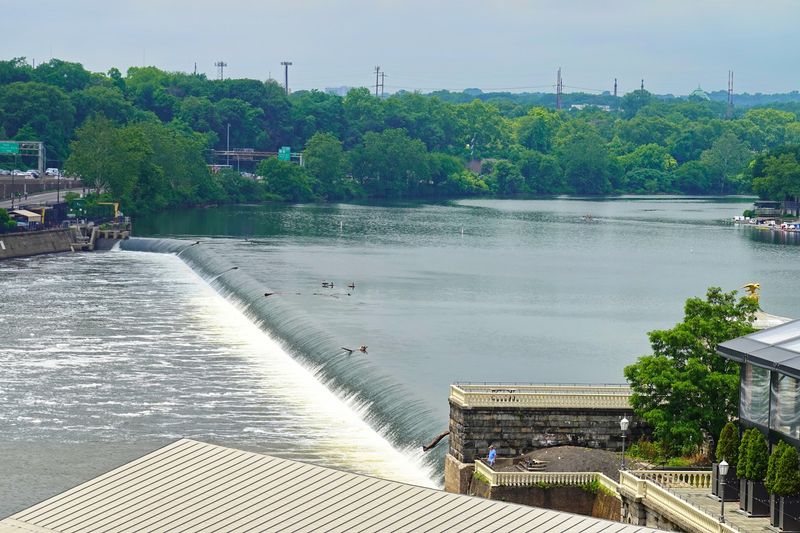
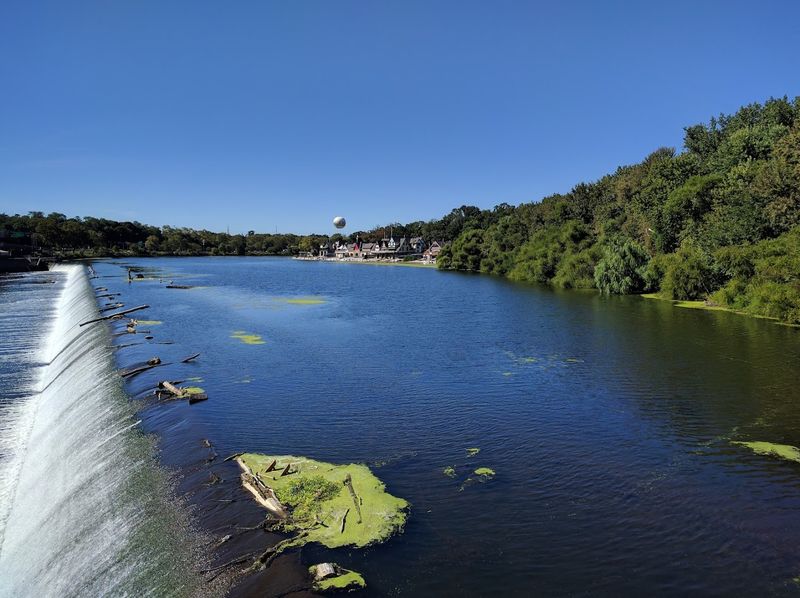
The setting of the Fairmount Water Works along the Schuylkill River is not incidental to its appeal. The buildings sit at the base of Fairmount hill, directly on the riverbank, with the water running visibly alongside the promenade and the tree-lined trail extending in both directions.
On a clear afternoon, the scene is genuinely difficult to walk past without stopping.
The Schuylkill River Trail passes directly through this stretch of the waterfront, connecting the Water Works to Boathouse Row and the broader network of Philadelphia’s riverside recreational paths. Cyclists, joggers, and walkers share the route, and the mix of historic architecture and open water gives the trail a character that purely natural paths cannot replicate.
Visitors who time their arrival for late afternoon get the added benefit of watching the light shift across the river and the stone facades of the buildings. Multiple reviewers have specifically mentioned the sunset view as one of the most beautiful sights available in the city without paying a single admission fee.
Connected To The Famous Rocky Steps
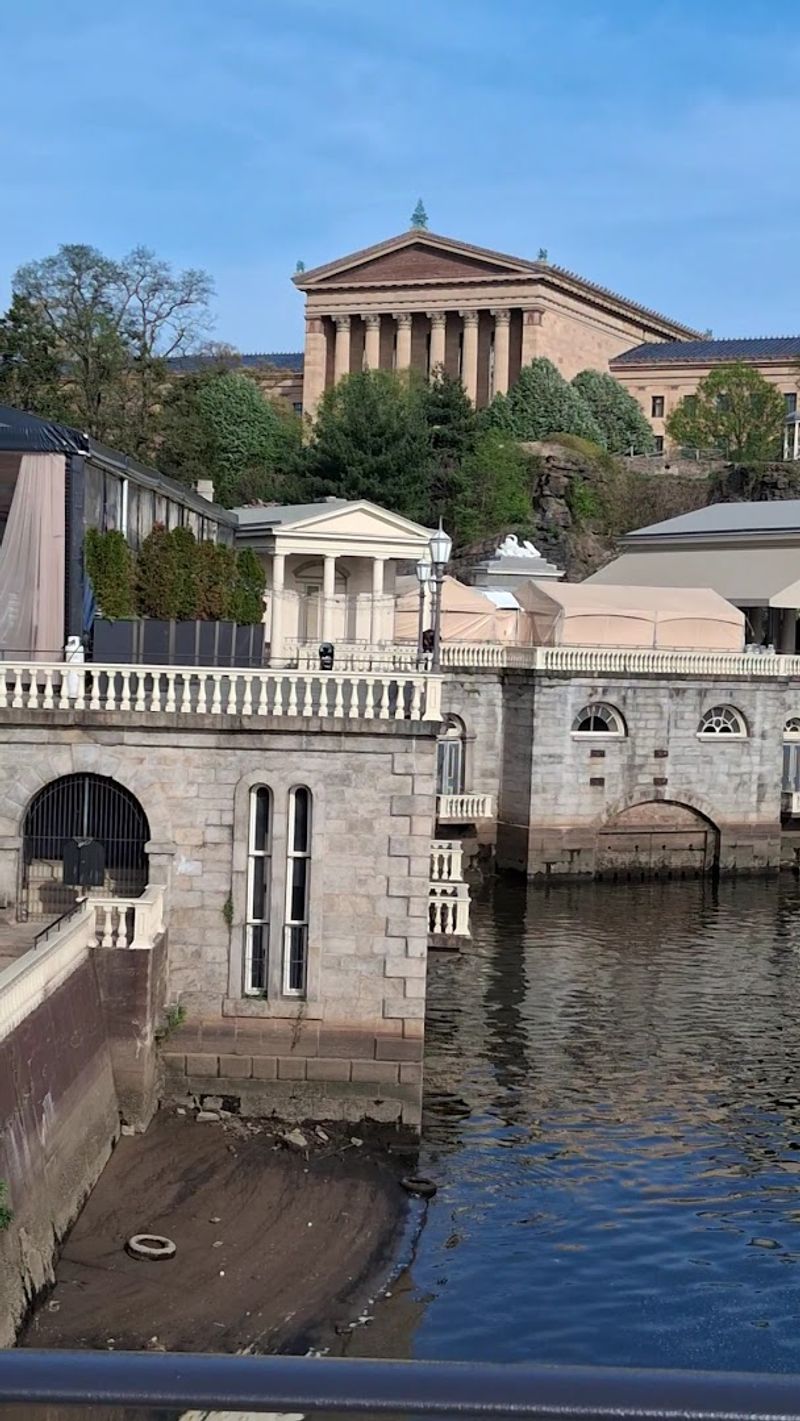
Most people who run up the steps of the Philadelphia Museum of Art and throw their arms in the air are reenacting the training montage from Rocky, and almost none of them realize that one of the city’s most significant engineering landmarks is sitting right below them at the base of the hill. The Water Works and the art museum share the same dramatic escarpment above the Schuylkill River.
A historic trail and walkway connect the museum’s rear entrance directly to the Water Works grounds, making it entirely reasonable to combine both sites in a single visit. The walk down from the museum takes only a few minutes and passes through a shaded stone path that itself carries a sense of history.
That physical proximity is one of the most underused facts about both destinations. Visitors who make the short walk down discover a completely different kind of Philadelphia story, one built around engineering and public health rather than art, but no less worth understanding for the contrast.
A Quiet Landmark Many Visitors Walk Past Without Realising Its Importance
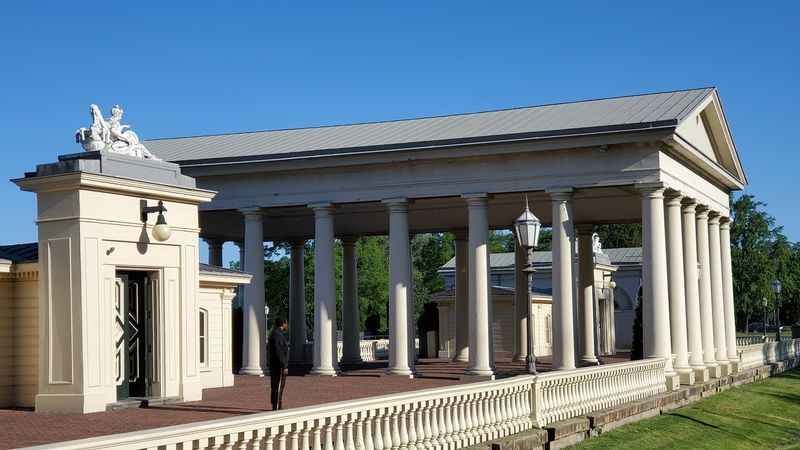
There is a particular kind of landmark that survives not through aggressive promotion but through quiet persistence, and the Fairmount Water Works belongs firmly in that category. Thousands of people pass the site every week while walking the Schuylkill River Trail, and a significant portion of them glance at the stone buildings without registering what they represent.
Part of this is a visibility problem. The interpretive center entrance is understated, and the buildings themselves communicate grandeur more than urgency.
Nothing about the exterior shouts for attention, which paradoxically makes discovering the interior feel more rewarding for those who do choose to enter.
Long-time Philadelphia residents have admitted in reviews that they lived in the city for years before learning the Water Works existed as anything other than a scenic backdrop. That pattern of overlooked significance is precisely what makes the site worth going out of your way to visit.
Some of the best places in any city are the ones that do not try very hard to be found.
A Bridge Between Philadelphia’s Industrial Past And Its Environmental Future
Few historic sites manage to connect two entirely different eras of civic concern as naturally as the Fairmount Water Works does. The original facility was built to solve the industrial-age problem of getting clean water to a fast-growing population.
The interpretive center that occupies the same buildings today addresses the present-day challenge of protecting that water supply from pollution and environmental degradation.
Exhibits inside the center trace the health of the Schuylkill River watershed across two centuries, showing both how far water quality has improved and how much ongoing attention the river still requires. The continuity between past crisis and present responsibility gives the site a relevance that purely nostalgic historical museums rarely achieve.
Leaving the Water Works, most visitors carry something with them beyond photographs and souvenir memories. The experience prompts genuine reflection on infrastructure, environmental stewardship, and the kind of collective problem-solving that built functional cities in the first place.
That quiet, lasting impression is what separates a truly significant landmark from one that is merely old.