
This Peaceful Nevada Small Town Is Perfect For A Stress-Free Escape
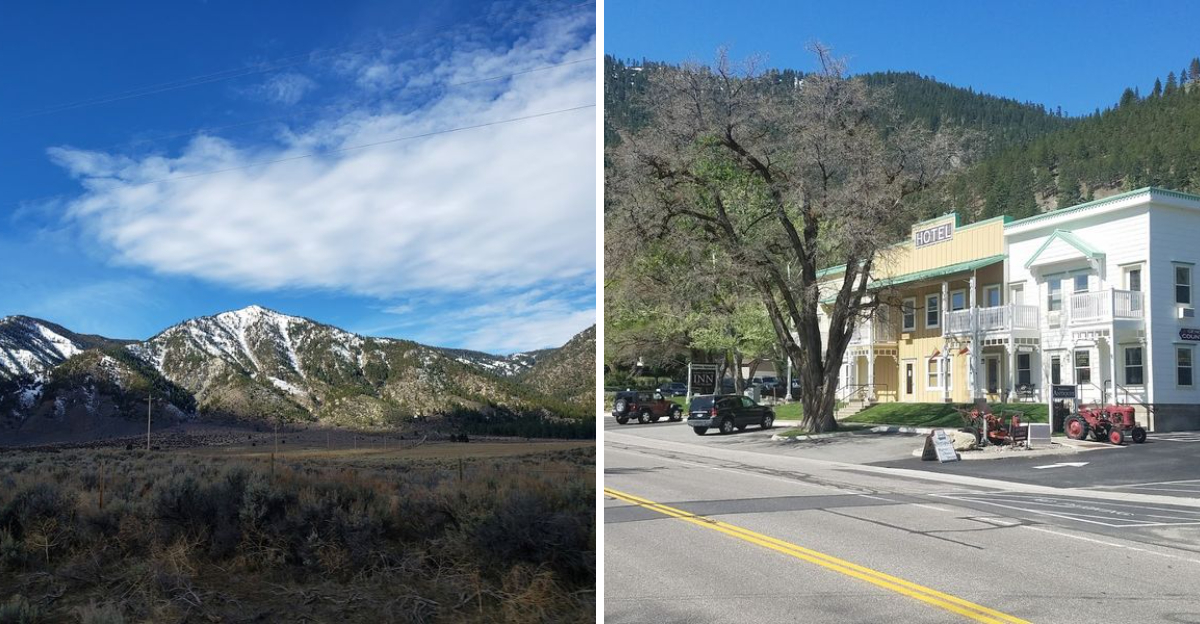
Old buildings, mountain air, and a slower clock can do a lot for a tired brain. Nevada has a small town where the streets feel calm, the views stretch wide, and history sits close enough to notice without turning the visit into homework.
It’s the sort of place where you might plan a quick stroll and end up lingering longer than expected. A walk here comes with pioneer-era details, shady corners, and that rare feeling of not needing to rush anywhere at all.
Trails, preserved landmarks, and valley scenery give visitors plenty to enjoy at their own pace. For anyone craving a low-pressure Nevada escape, this peaceful stop knows exactly how to help you breathe again.
Genoa Is Often Called Nevada’s Oldest Town
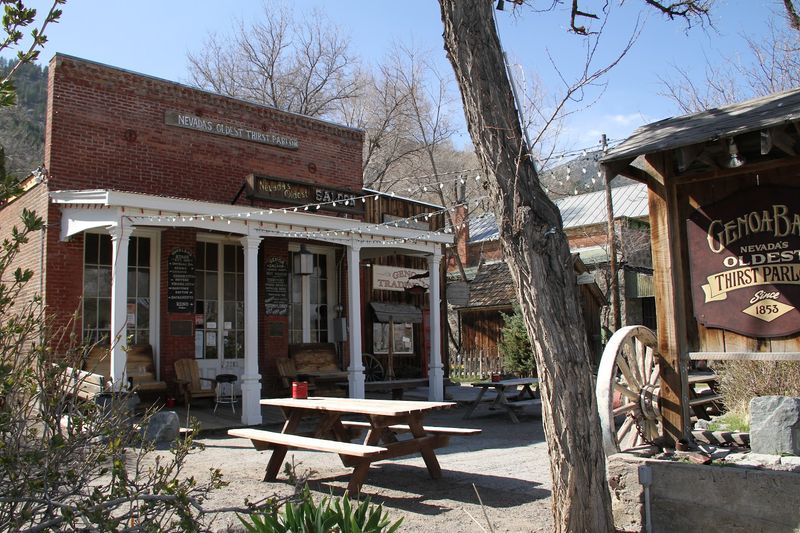
Genoa earned its place in history books when Mormon traders established a station here in 1851, making it the first permanent settlement in what would become Nevada Territory. The town predates statehood by more than a decade and served as a vital stop along emigrant trails heading west.
Walking through today, you can still sense that deep history in the layout of streets and the careful preservation efforts that protect original structures.
The community takes pride in this legacy without turning it into a theme park. Residents maintain historic buildings as functional spaces rather than museum pieces, creating an atmosphere that feels lived-in rather than staged.
You will find interpretive signs throughout town that explain significant events and figures from the pioneer days.
Visiting during any season brings a different perspective on how early settlers experienced this valley. The Sierra Nevada provides the same dramatic backdrop that greeted those first families, though modern comforts now make the stay considerably easier than it was in the 1850s.
Mormon Station Brings Pioneer History Into The Center Of Town
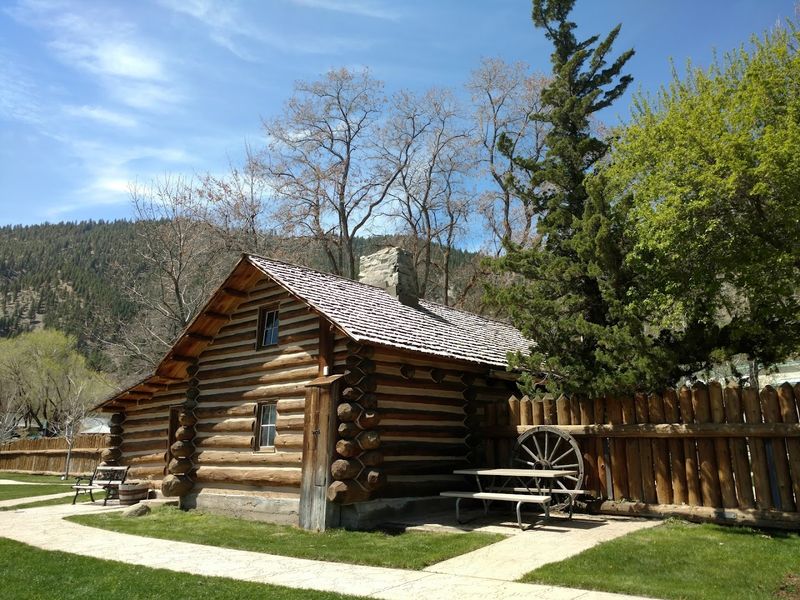
Mormon Station State Historic Park occupies the site where those original 1851 traders built their log stockade and trading post. The reconstructed fort gives visitors a tangible sense of what frontier commerce looked like in Nevada’s earliest days.
Inside the stockade walls, you will find exhibits detailing the challenges faced by emigrants and the goods that passed through this critical supply point.
The park maintains a small museum with artifacts from the period, including tools, clothing, and documents that tell stories of individual families who stopped here. Rangers offer context about the broader westward migration and how this particular station fit into the network of trails crossing the Sierra.
The grounds remain open year-round, though the museum keeps seasonal hours.
Standing inside the fort walls, you can imagine the relief travelers must have felt reaching this outpost after weeks on difficult trails. The location at 2999 Main Street places you right in the heart of town, making it an easy first stop for anyone wanting historical grounding before exploring further.
Historic Buildings Make The Main Street Feel Frozen In Time
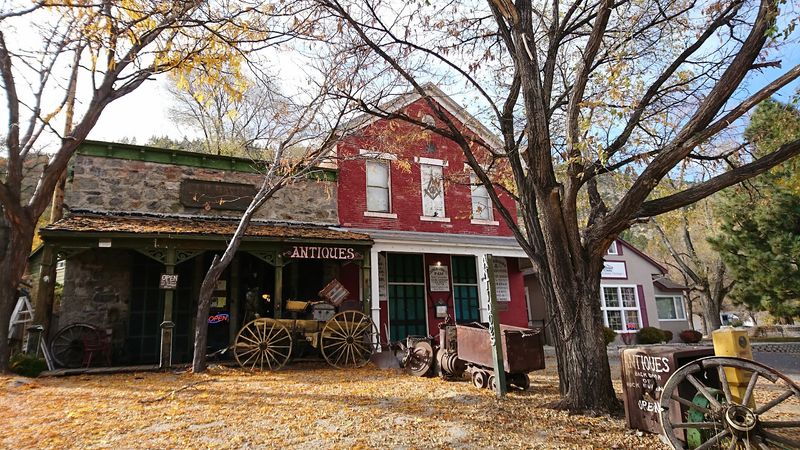
Main Street stretches through Genoa with a collection of structures that date back more than a century, many retaining their original false-front architecture. These buildings house working businesses rather than empty facades, which keeps the street feeling authentic rather than contrived.
You will notice the careful attention to period details in the woodwork, window frames, and signage that business owners maintain.
Several structures on this street appear on the National Register of Historic Places, recognizing their architectural and historical significance. The scale remains human and walkable, with no modern chain stores disrupting the visual continuity.
Brick sidewalks and period-appropriate street fixtures add to the impression that time moves differently here.
Photographers appreciate the way afternoon light hits these weathered buildings, creating shadows that emphasize the textures of aged wood and brick. The street never feels crowded, even during events, allowing you to study architectural details at your own pace.
This preservation happened through community effort rather than government mandate, which explains the genuine care evident in every restored element.
The Genoa Bar Adds Old West Character To The Visit
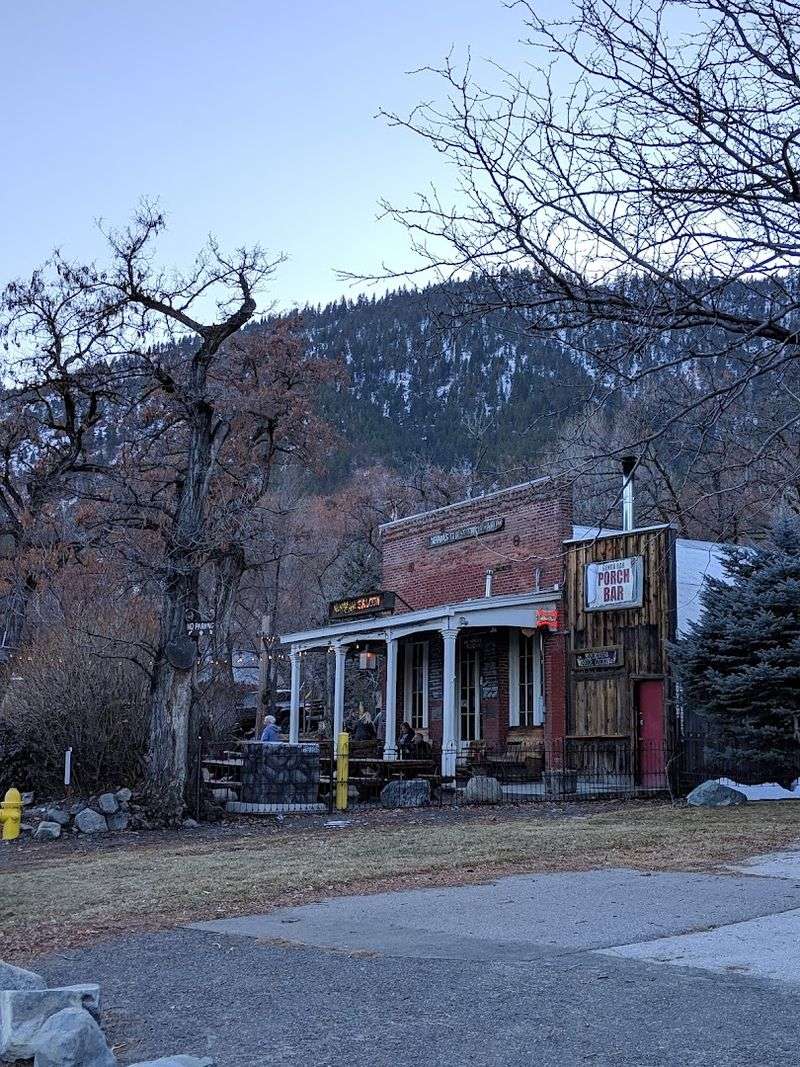
The Genoa Bar claims the title of Nevada’s oldest thirst parlor, having served drinks since 1853 in various incarnations at this location. The current building dates to the early 1900s and maintains much of its original interior, including the long wooden bar, tin ceiling, and walls covered with historical photographs.
Stepping inside feels like entering a set from a Western film, except everything here is genuine.
The bar attracts both locals and visitors who appreciate the lack of modern renovations that might diminish its character. You can order a cold beer and study the collection of artifacts that cover nearly every surface, from old mining equipment to portraits of long-gone patrons.
The bartenders often know stories behind specific items and will share them if asked.
Live music happens on weekends during warmer months, adding to the convivial atmosphere without overwhelming the space. The food menu offers straightforward fare that pairs well with the setting.
Sitting at this bar connects you to generations of travelers who stopped here for the same reason you did.
Sierra Views Give The Town A Calm Mountain Backdrop
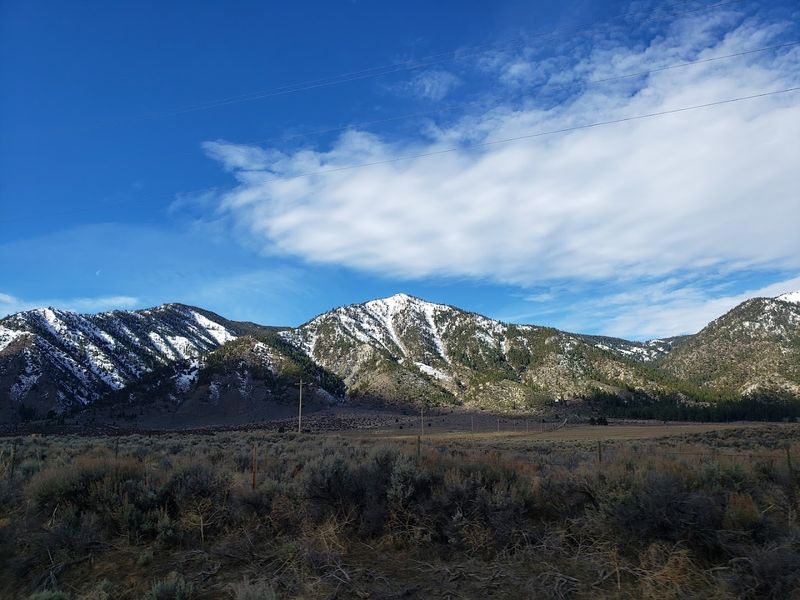
The Sierra Nevada rises dramatically just west of Genoa, creating a natural boundary that shapes both the climate and the character of this valley. These mountains catch your eye from nearly every point in town, their peaks holding snow well into spring and sometimes through summer.
The visual weight of that range provides a constant reminder of the forces that shaped this landscape.
Morning light on these mountains shifts through shades of pink and gold before settling into the clear blues of midday. Afternoon brings different moods as clouds gather around higher elevations, sometimes releasing brief storms that you can watch approach from miles away.
The scale of these peaks puts human concerns into perspective, offering a natural form of stress relief.
Photographers and painters have long been drawn to this particular view of the Sierra, finding endless variations in light and season. You do not need special equipment or skills to appreciate what these mountains add to your visit.
Simply looking up from Main Street or any of the surrounding roads provides a moment of connection with wilderness that remains largely untouched.
Genoa Trail System Adds Fresh Air And Easy Exploring
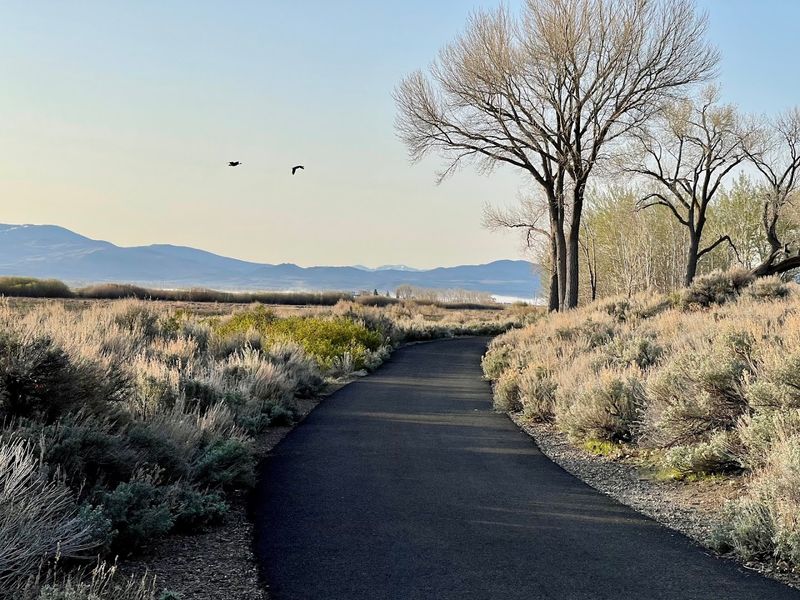
Several trails branch out from Genoa into the surrounding foothills, offering routes that range from easy valley walks to more challenging climbs into the Sierra. The trail system connects with larger networks managed by the Forest Service, but you can enjoy satisfying hikes without committing to all-day expeditions.
Most paths are well-marked and maintained by local volunteers who take pride in keeping them accessible.
Spring brings wildflowers to lower elevations, while summer pushes hikers higher where cooler temperatures and expanded views reward the effort. Fall colors appear in aspen groves scattered through the canyons, creating golden pockets against the evergreen backdrop.
Even winter allows for snowshoe exploration when conditions permit.
You will encounter other hikers, but these trails never feel crowded compared to more famous routes in the region. Birdwatchers appreciate the variety of species that inhabit different elevations, from valley floor to mountain meadow.
Bringing a trail map from the local visitor center helps you choose routes that match your fitness level and time available.
River Fork Ranch Offers A Peaceful Nature Stop Nearby
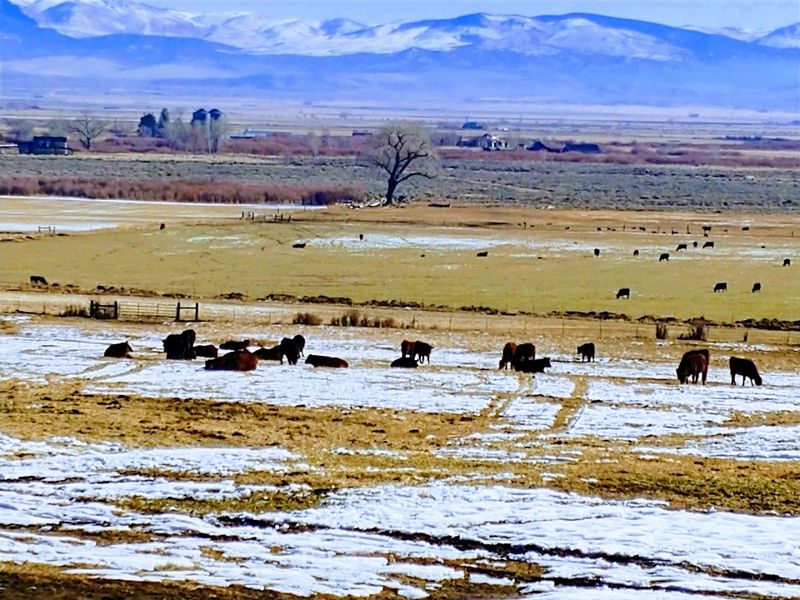
River Fork Ranch sits just outside Genoa proper, offering visitors a chance to experience working ranch land that has been carefully preserved for its natural and agricultural value. The property includes riparian areas along the Carson River where cottonwoods provide shade and habitat for numerous bird species.
Public access to certain sections allows for quiet walks through environments that represent what much of this valley looked like before development.
The ranch maintains trails that wind through meadows and along the river, giving you close contact with the ecosystem that supports this region. You might spot deer, wild turkeys, or various raptors depending on the season and time of day.
The sound of moving water adds a meditative quality to any visit here.
Conservation easements protect this land from future development, ensuring that its character will remain intact for coming generations. The ranch does not offer commercial services or guided tours, which keeps the experience simple and unstructured.
Bringing binoculars and a field guide to local flora enhances your appreciation of what grows and lives in this riparian corridor.
The Pink House Adds A Charming Historic Landmark
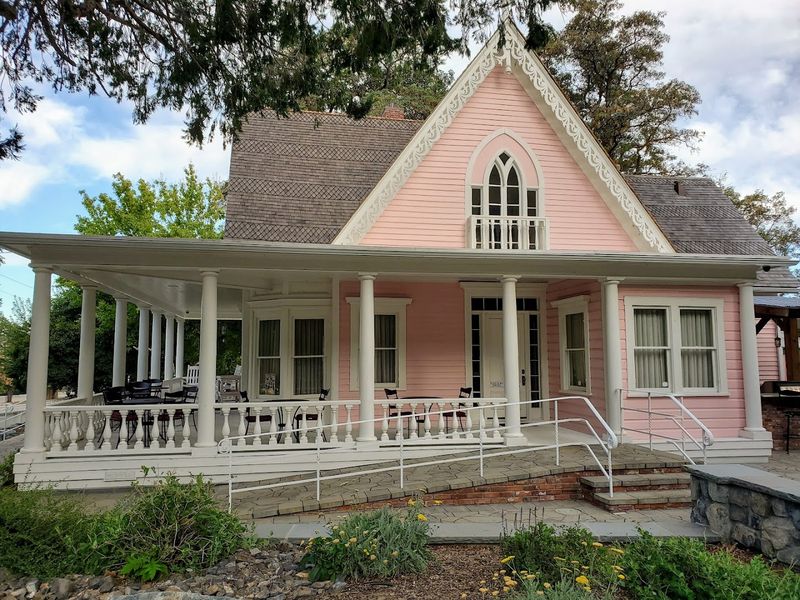
The Pink House stands out along Genoa’s streets both for its color and its history as one of the town’s most photographed residences. Built in the 1850s, this structure served various purposes over the decades, including time as a hotel and private residence.
The distinctive pink paint appeared in later years but has become so associated with the building that few residents can imagine it any other color.
The architecture represents typical Nevada frontier construction adapted for permanence, with thick walls and practical layouts that addressed the climate challenges of this high desert valley. While the building remains privately owned and not open for interior tours, its exterior provides excellent material for photography and historical appreciation.
The surrounding garden and fence maintain period-appropriate plantings and materials.
Local historians have documented the various families who lived here and the role this house played in community events over more than a century. The Pink House appears in countless vintage photographs, allowing you to compare its current state with images from decades past.
Its survival speaks to the community’s commitment to preservation.
The Candy Dance Festival Brings A Sweet Local Tradition
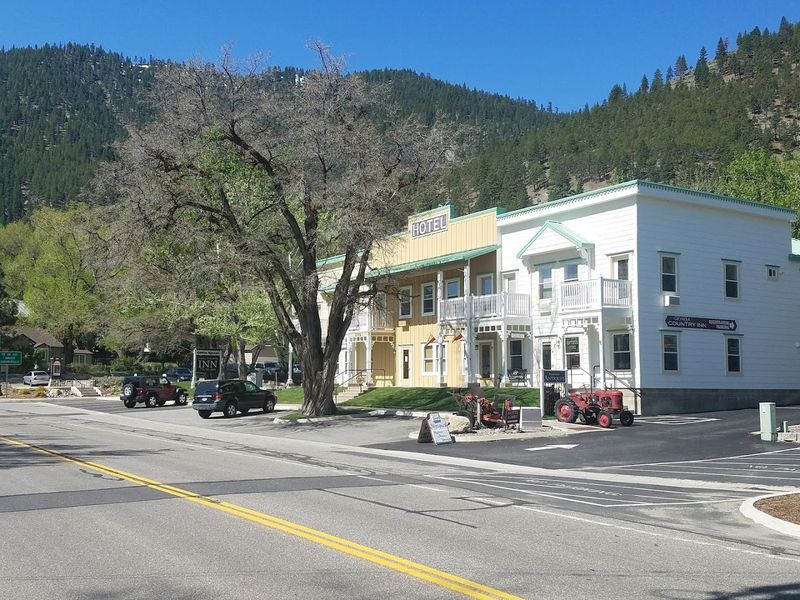
Every September since 1919, Genoa has hosted the Candy Dance, a festival that began as a fundraiser when town women made and sold candy to raise money for streetlights. That practical origin has evolved into a major regional event that draws thousands of visitors for a weekend of craft vendors, homemade candy sales, and community celebration.
The tradition continues with volunteers still making candy by hand using recipes passed down through generations.
More than 300 juried craft vendors line the streets, offering everything from pottery to jewelry to woodwork. The quality standards remain high, making this a legitimate destination for serious craft shoppers rather than a generic fair.
Food vendors provide sustenance, though many visitors bring picnics to enjoy in nearby parks between browsing sessions.
The festival manages to maintain its small-town character despite the crowds, partly because the community approaches it as a true fundraiser rather than a commercial enterprise. Proceeds still support town improvements and services.
Attending gives you a chance to see Genoa at its most animated while supporting the preservation efforts that keep this historic town viable.
Nearby Hot Springs Make The Escape Even More Relaxing
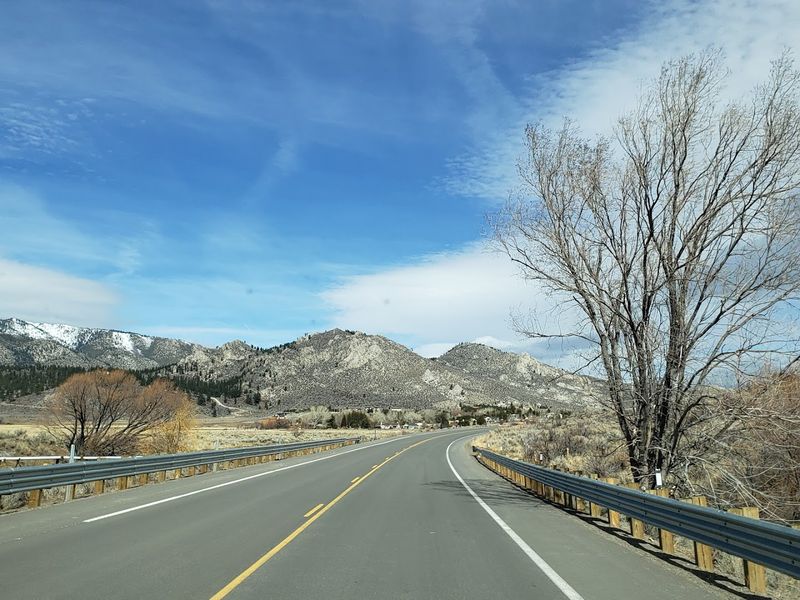
Several natural hot springs lie within a short drive of Genoa, offering the therapeutic benefits of mineral-rich geothermal water in settings that range from developed resorts to primitive soaking spots. These springs have been used for centuries, first by indigenous peoples and later by settlers who recognized their healing properties.
The water emerges from deep underground at temperatures that require cooling or careful timing to enjoy safely.
David Walley’s Hot Springs Resort sits closest to Genoa, providing developed pools and spa services in a more controlled environment. For those seeking wilder experiences, backcountry springs in the surrounding mountains require hiking and offer no facilities beyond the pools themselves.
Each option provides its own form of relaxation, depending on your preferences and comfort level.
Soaking in hot water while looking up at Sierra peaks creates a powerful combination of physical relaxation and mental clarity. The minerals in these waters, particularly sulfur and lithium, are believed to offer various health benefits, though the simple pleasure of warm water in mountain air may be benefit enough.
Visiting during cooler months amplifies the contrast and the pleasure.