
This Pennsylvania Italian Market Feels Like You’ve Stepped Into Europe
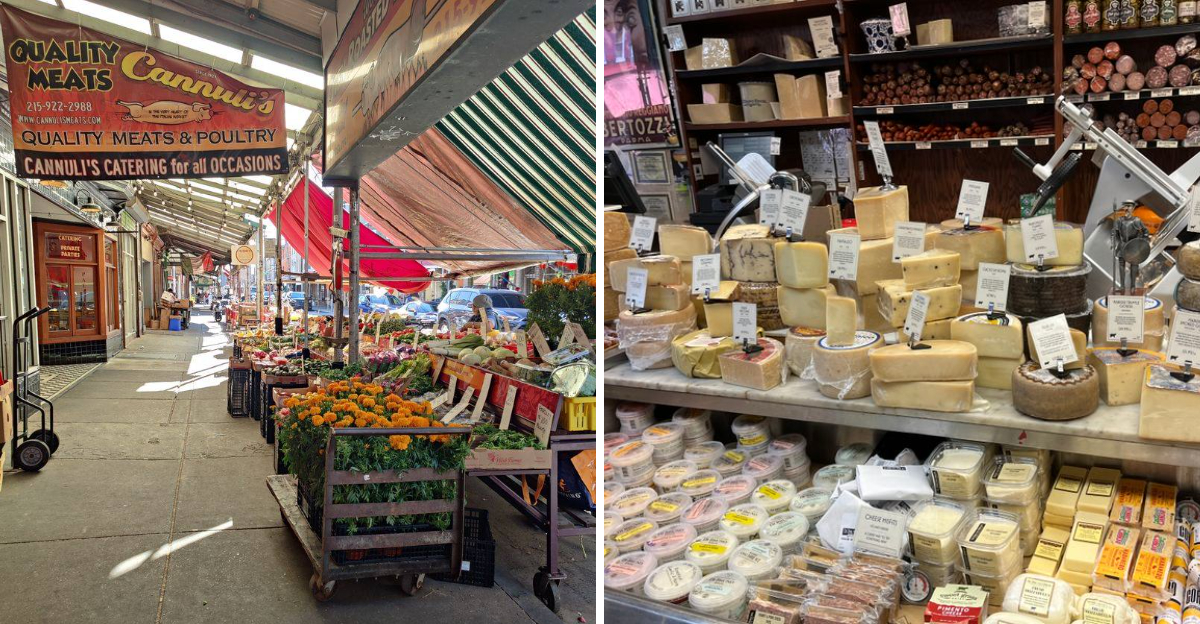
Walking down South 9th Street in Philadelphia feels like stepping through a portal to a bustling piazza somewhere in Naples or Rome. The Italian Market has been serving the city since the 1880s, making it one of the oldest outdoor markets in the entire country.
Vendors shout their daily specials, the scent of fresh bread mingles with espresso, and colorful awnings shade tables piled high with produce, cheese, and cured meats that would make any nonna proud.
One Of The Oldest Outdoor Markets In America
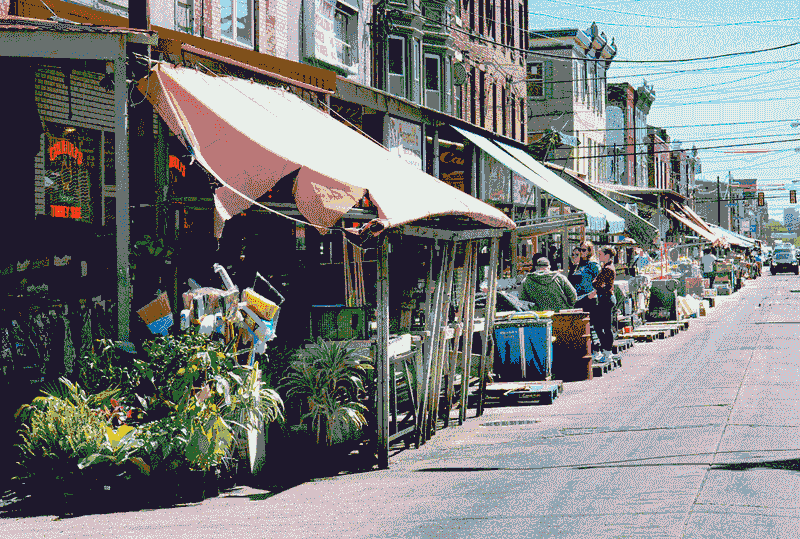
History runs deep along these cobblestone-lined blocks, where immigrants first set up shop in the late 1800s. Italian families arrived with dreams tucked into their suitcases and recipes scrawled on scraps of paper, transforming a modest stretch of South Philadelphia into a vibrant commercial hub.
What started as a handful of pushcarts evolved into a sprawling marketplace that now extends across ten city blocks, each one brimming with character and commerce.
Visitors today still encounter the same energy that defined the market more than a century ago. Vendors arrange their displays before dawn, stacking crates of seasonal produce and hanging salamis from overhead hooks.
The market’s longevity speaks to its ability to adapt while preserving traditions that newer establishments often struggle to replicate.
Located at 919 S 9th St, Philadelphia, PA 19147, this historic district remains a living testament to immigrant perseverance and culinary passion. Generations of families have maintained their storefronts here, ensuring that the market’s soul remains intact even as the city around it continues to evolve and modernize.
A Stretch Of Vendors That Feels Like An Italian Street Market
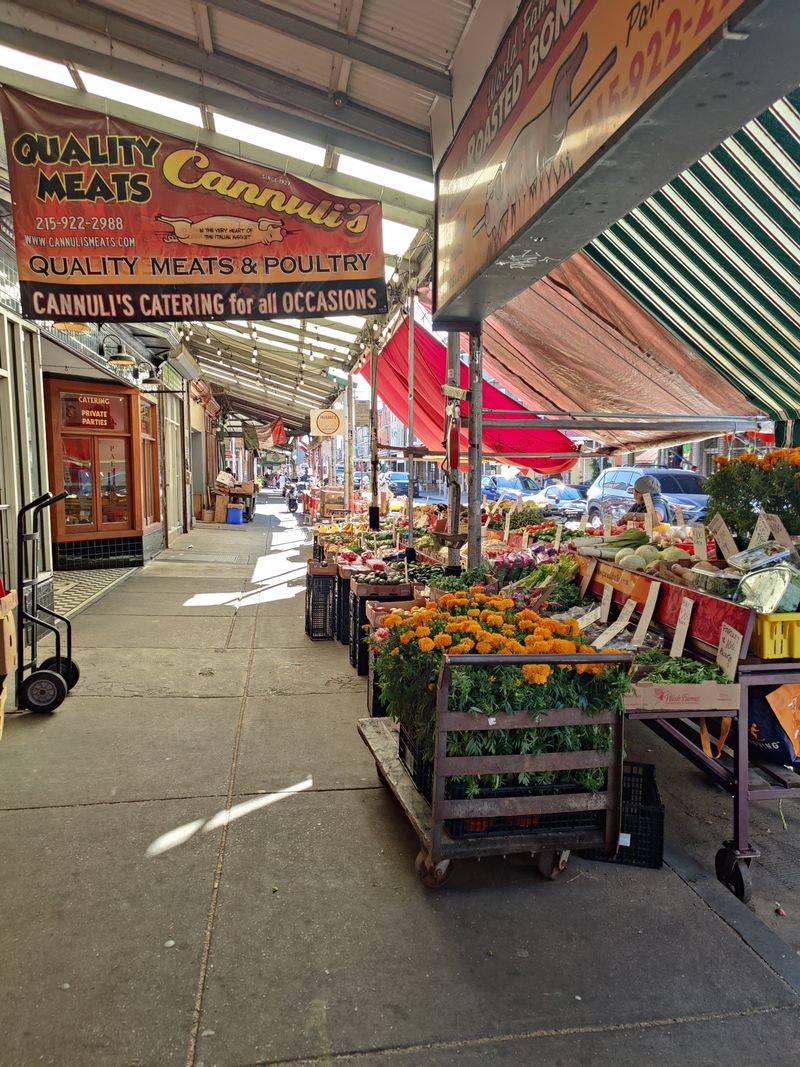
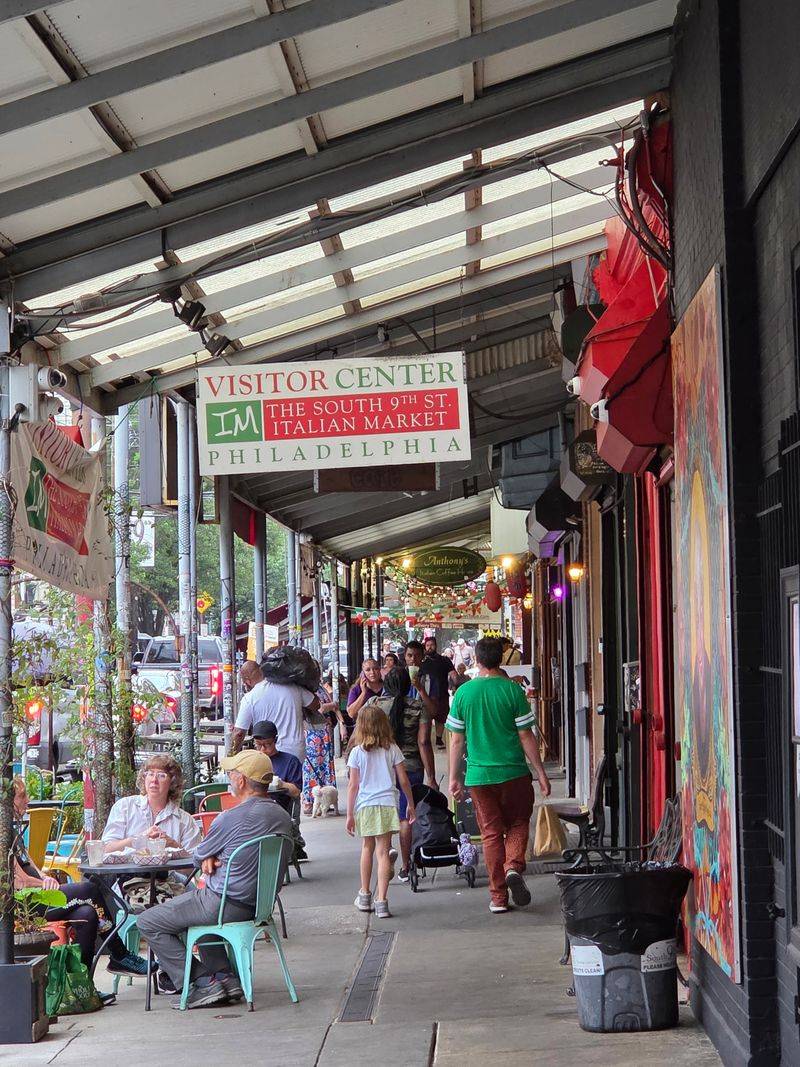
Colorful awnings stretch overhead like striped umbrellas, casting shadows over sidewalks crowded with shoppers clutching canvas bags and reusable totes. Merchants call out their prices in voices that carry half a block, advertising the freshness of their tomatoes or the sweetness of their peaches.
The atmosphere mirrors the mercati you’d find in Florence or Milan, where commerce becomes theater and every transaction feels personal.
Unlike sterile supermarket aisles, the market encourages conversation and negotiation. Vendors remember regular customers by name, offering recipe suggestions or setting aside particularly beautiful cuts of meat.
This interpersonal exchange creates a shopping experience that feels refreshingly human in an increasingly automated retail landscape.
Cherry trees line the street during spring, their blossoms adding splashes of pink against brick facades. The combination of natural beauty and commercial bustle creates an ambiance that photographers and food lovers find irresistible, making every visit feel like a small escape from ordinary American shopping routines.
Centuries-Old Tradition Meets Authentic Italian Flavors
Recipes that originated in Sicilian kitchens and Tuscan farmhouses still guide the hands of bakers and butchers working throughout the market. These culinary blueprints have been passed down through bloodlines, preserved with the same care one might give to family heirlooms.
The result is food that tastes genuinely Italian rather than adapted for American palates, maintaining the bold flavors and simple preparations that define Mediterranean cooking.
Many shop owners can trace their businesses back three or four generations, with grandchildren now learning the trade from elders who learned from their own nonnas. This continuity ensures that techniques remain authentic, whether it’s the way dough gets kneaded for focaccia or how prosciutto gets sliced paper-thin.
Tradition here isn’t performed for tourists; it’s simply how business gets conducted.
The market operates Tuesday through Sunday, with Saturday being particularly lively as locals stock up for weekend meals. Hours vary slightly by day, with Sunday morning from 9 AM to 2 PM offering a particularly charming window for exploration before the afternoon quiet settles over the neighborhood.
Fresh Produce, Cheeses, And Meats Just Like In Europe
Pyramids of eggplant gleam purple under the morning sun, while bundles of leafy greens stand upright in buckets of water to maintain their crispness. The produce here gets selected with a discerning eye, with vendors personally inspecting shipments to ensure quality.
Shoppers often find blueberries and strawberries priced remarkably lower than grocery stores, particularly when fruit reaches peak ripeness and needs to move quickly.
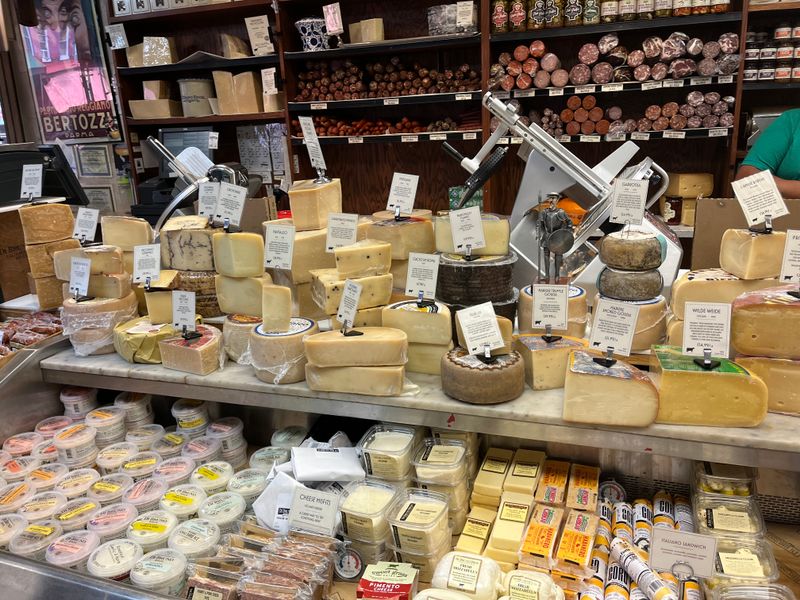
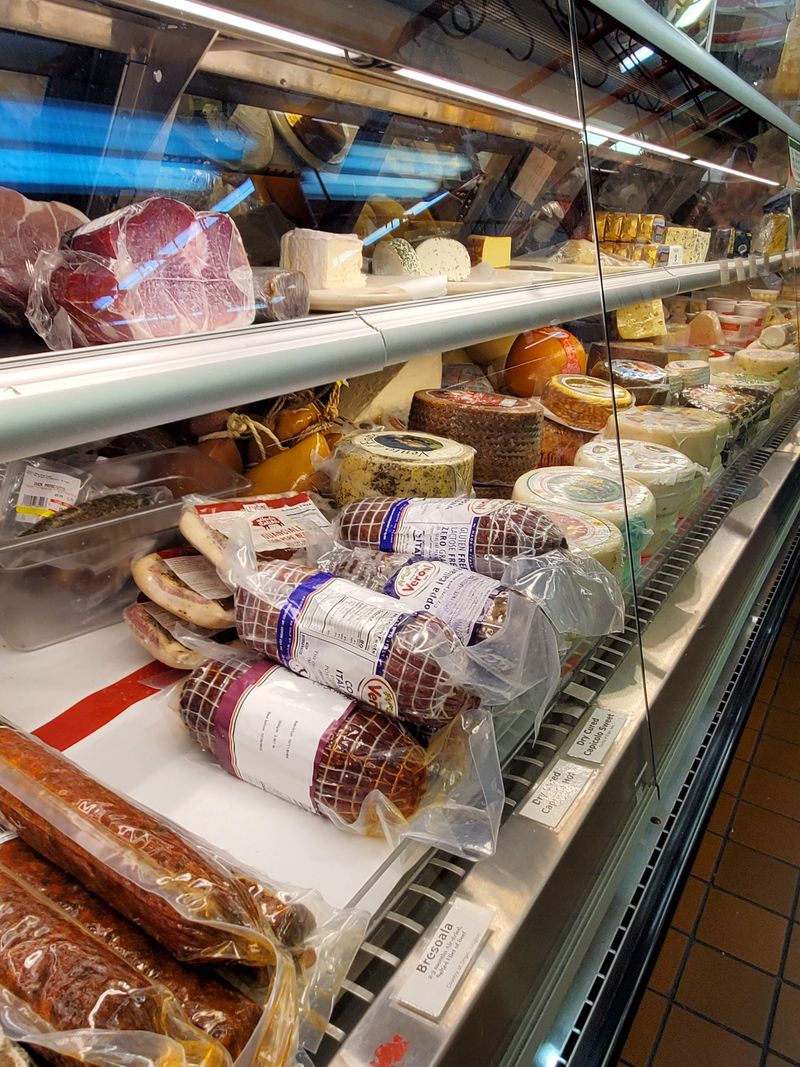
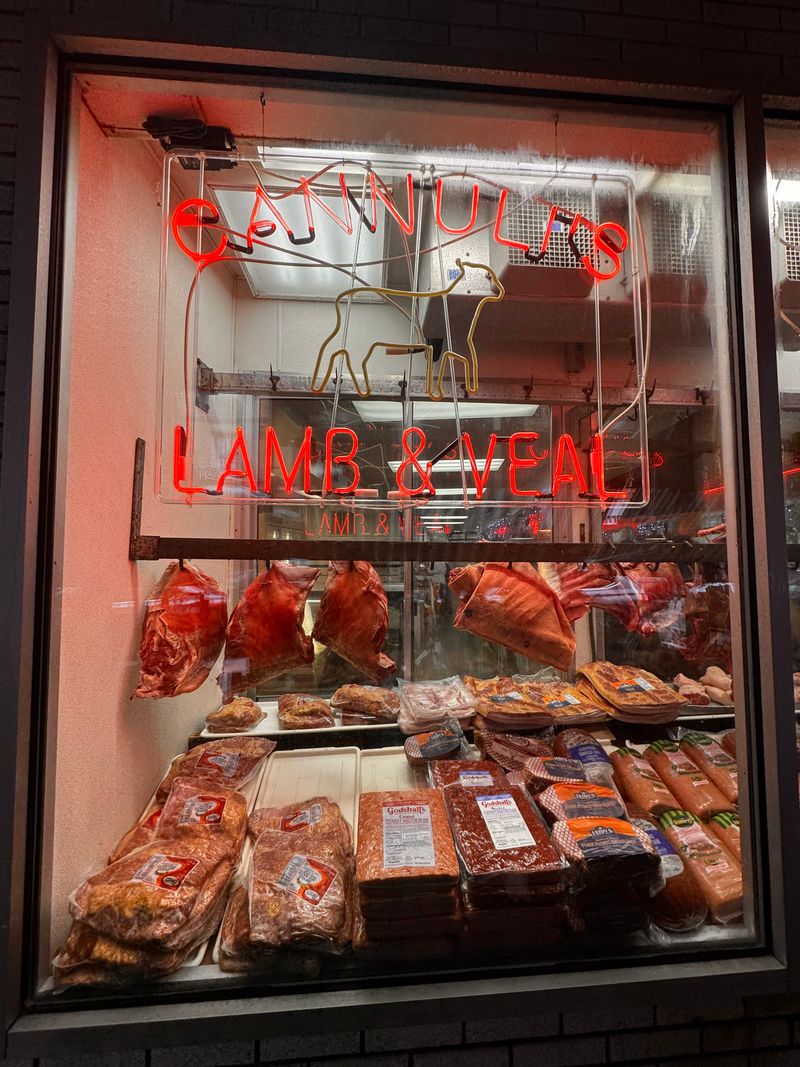
Cheese counters display wheels of Parmigiano-Reggiano aged to nutty perfection alongside creamy burrata that arrives fresh several times weekly. Butchers hang whole chickens and rabbits in their windows, a sight that might startle suburbanites but delights anyone familiar with European meat markets.
The transparency about where food comes from and how it’s prepared builds trust between vendor and customer.
Everything gets sold with an emphasis on seasonality and freshness rather than year-round availability. This approach means menus change with the calendar, encouraging cooks to work with what’s currently thriving rather than what’s been shipped across continents in refrigerated containers.
Imported Italian Goods You Can’t Easily Find Elsewhere
Shelves groan under the weight of imported olive oils from specific Calabrian estates, tinned anchovies from the Amalfi Coast, and pasta brands that never make it to mainstream American grocery chains. These specialty items cater to customers who know the difference between mass-produced balsamic vinegar and the real aceto balsamico tradizionale aged in wooden barrels.
Shoppers willing to explore beyond the familiar will discover ingredients that transform home cooking into something memorable.
Many products come directly from small Italian producers who maintain relationships with market vendors spanning decades. This direct importation means fresher goods and often better prices than gourmet shops charging premium markups.
The selection changes based on what’s currently available in Italy, giving regular customers reasons to return and see what’s newly arrived.
Finding these treasures requires browsing the smaller specialty shops tucked between larger storefronts. Staff members typically possess encyclopedic knowledge about their inventory and can guide shoppers toward the perfect ingredient for specific dishes, whether that’s the right canned tomato for Sunday gravy or the proper flour for making authentic pizza dough at home.
Handmade Pasta And Fresh Baked Bread Everywhere You Turn
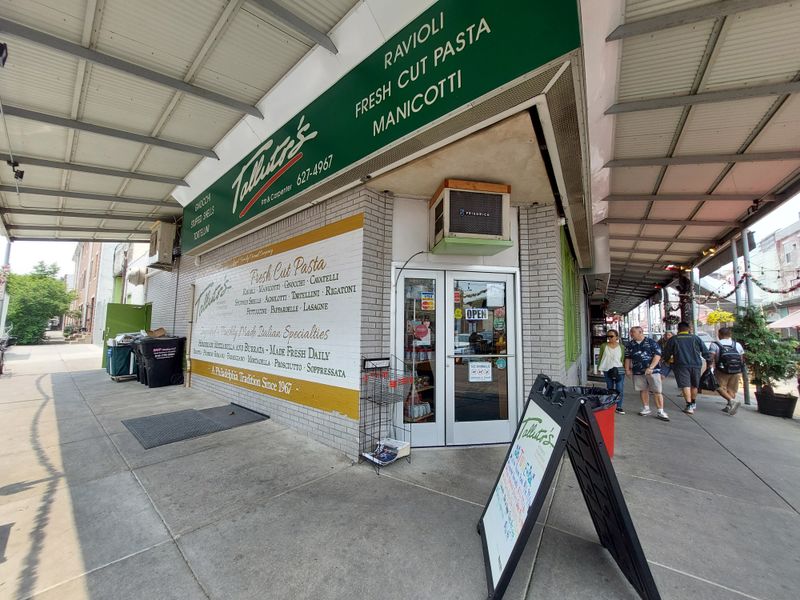
Pasta gets rolled and cut by hand in storefronts where passersby can watch the entire process through large windows. Sheets of dough transform into fettuccine, pappardelle, and ravioli stuffed with ricotta or butternut squash depending on the season.
The texture of handmade pasta differs noticeably from dried varieties, with a tender bite that soaks up sauce more effectively and cooks in minutes rather than the extended times required for boxed alternatives.
Bakeries release waves of yeasty warmth onto the sidewalk throughout the day as fresh loaves emerge from ovens. Crusty Italian bread, soft focaccia dimpled with olive oil and rosemary, and sweet anise-scented biscotti all compete for attention.
Many bakers start their workdays before sunrise to ensure bread is ready when the market opens, maintaining schedules that haven’t changed in generations.
Prepared pasta dishes sit ready in refrigerated cases for customers wanting authentic Italian meals without the labor. Lasagna, stuffed shells, and manicotti await only an oven, offering convenience without sacrificing the quality that comes from traditional preparation methods and premium ingredients.
Classic Italian Sweets And Desserts On Every Block
Cannoli shells wait to be filled with sweet ricotta cream just before serving, ensuring the pastry stays crisp rather than soggy. Sfogliatelle display their characteristic layered shells like edible accordions, filled with semolina and citrus-scented ricotta.
Biscotti in countless variations line bakery shelves, perfect for dunking into espresso or enjoying as an afternoon snack with a glass of wine.
Gelato shops offer flavors that rotate with the seasons, from strawberry made with local berries in summer to rich chocolate and hazelnut combinations during colder months. The texture differs from American ice cream, with less air whipped in and a denser, more intensely flavored result.
Even simple lemon ice becomes transcendent when made properly, offering refreshment that tastes purely of fruit rather than artificial flavoring.
Holiday seasons bring specialty items like struffoli at Christmas, tiny fried dough balls bound together with honey, or zeppole for Saint Joseph’s Day. These traditional sweets connect the market to the Italian calendar of celebrations, giving customers reasons to return throughout the year for treats that mark special occasions with edible tradition.
Family-Run Shops With Recipes Passed Down Generations
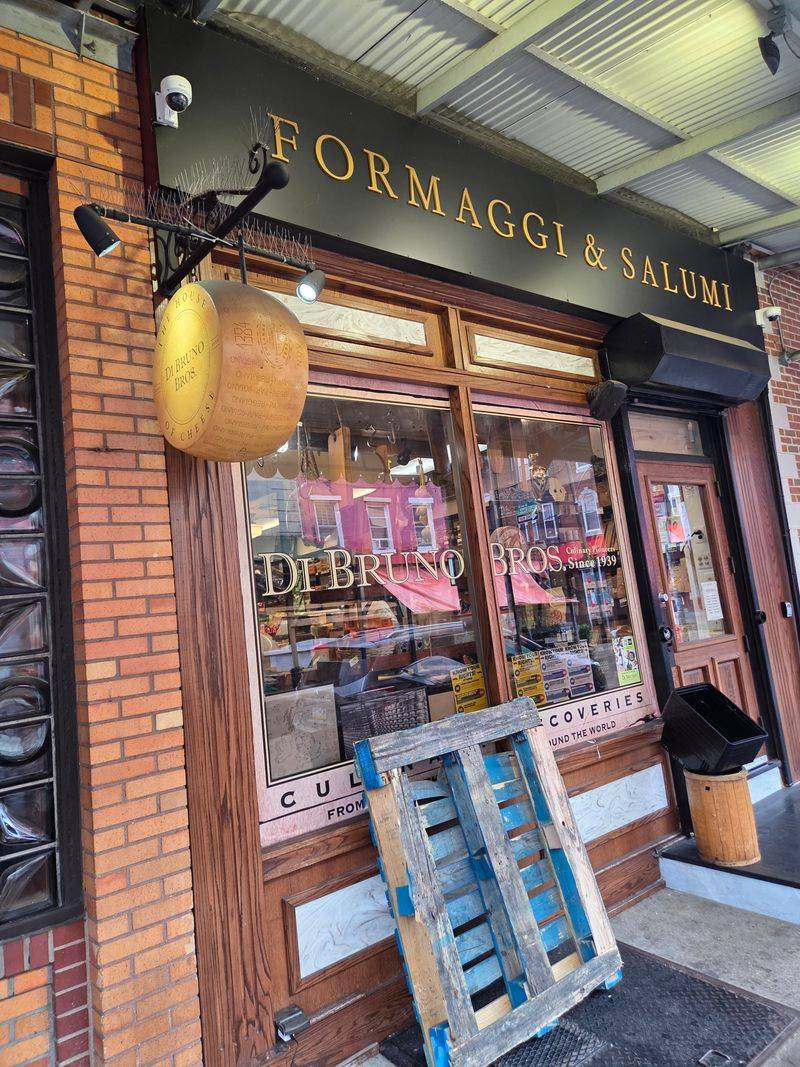
Behind every counter stands someone whose grandmother taught them how to judge the ripeness of a melon by its scent or whose father demonstrated the proper way to tie a roast. These family businesses operate with institutional knowledge that can’t be replicated by corporate training programs.
The continuity creates consistency, with customers returning year after year knowing their favorite items will taste exactly as remembered.
Approximately 200 businesses call the market home, many occupying the same storefronts their founders opened decades ago. Children grow up working alongside parents, learning the business from the ground up before eventually taking over operations themselves.
This succession planning ensures the market’s character persists even as individual proprietors age and retire.
The multi-generational nature of these establishments fosters deep community connections. Vendors remember weddings, baptisms, and graduations of regular customers, creating relationships that transcend simple commerce.
Shopping here becomes a social activity where catching up with familiar faces matters as much as the ingredients being purchased, turning errands into opportunities for human connection in an increasingly isolated modern world.
A Feast For All Your Senses — Smells, Sights, And Flavors
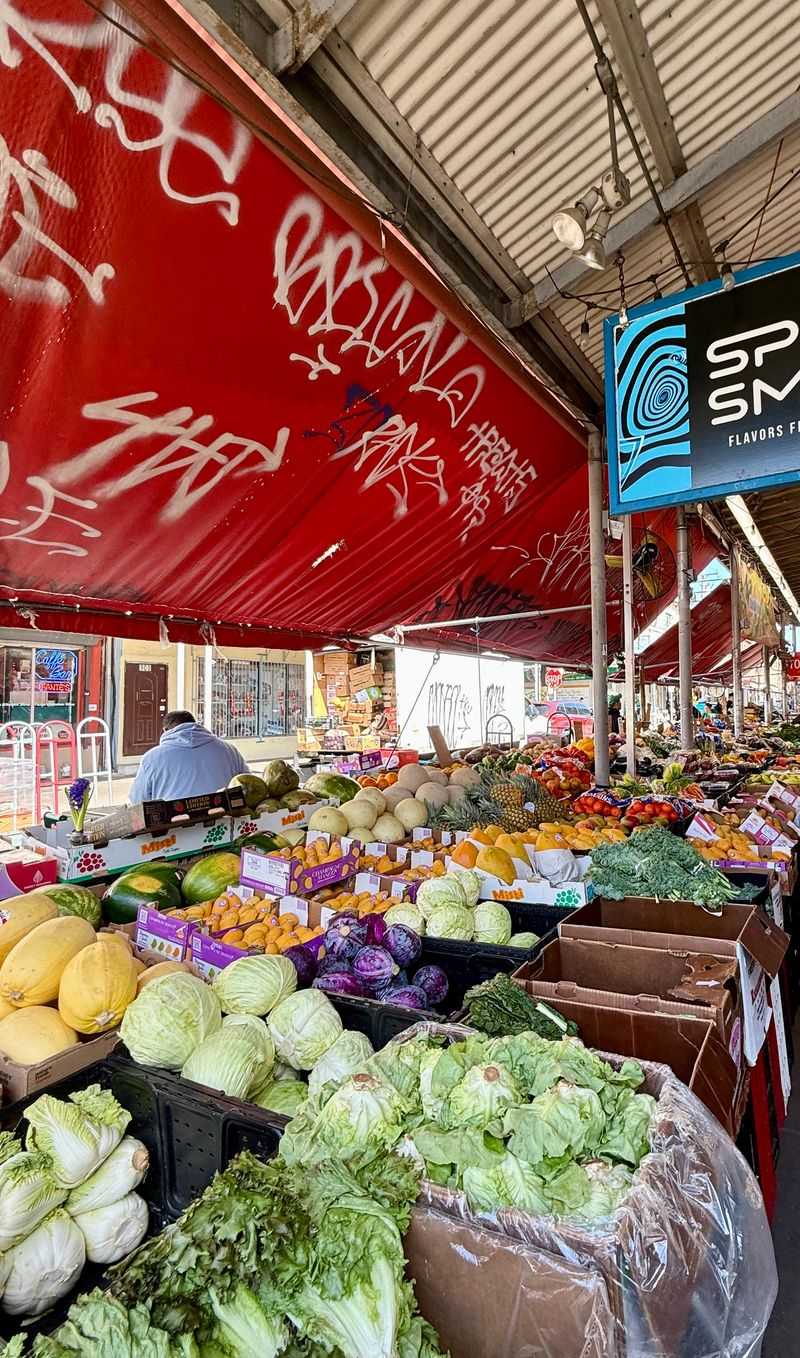
Aromas layer upon each other as you walk the market: espresso from corner cafes, garlic sizzling in restaurant kitchens, fresh bread cooling on racks, and the earthy scent of produce misted with water. These smells trigger memories and appetites in equal measure, making it nearly impossible to visit without leaving considerably hungrier than when you arrived.
The sensory overload feels intentional, designed to seduce shoppers into impulse purchases they’ll never regret.
Visual splendor competes for attention at every turn. Crimson tomatoes contrast with purple eggplants, golden wheels of cheese sit beside pink prosciutto, and green herbs burst from buckets like edible bouquets.
The colors pop more vividly here than in typical grocery stores, partly because of the natural lighting and partly because vendors understand that beautiful displays sell better than haphazard arrangements.
Sampling opportunities abound for those willing to ask or accept offers from generous vendors. A slice of aged provolone here, a taste of olive tapenade there, perhaps a fragment of biscotti to judge its almond content—these small bites accumulate into an impromptu tasting menu that guides purchasing decisions.
Locals And Tourists Alike Call It A Philadelphia Must-Visit
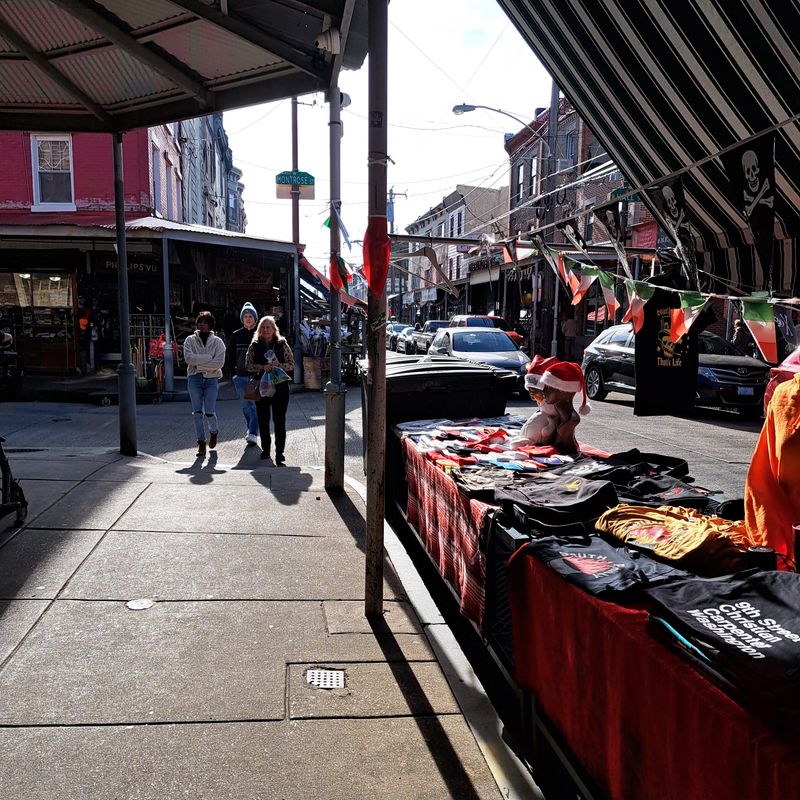
Rocky Balboa made the market famous by running past its stalls in the iconic training montage, but the neighborhood earned its reputation long before Hollywood arrived. Tour groups now include the market in their Philadelphia itineraries alongside Independence Hall and the Liberty Bell, recognizing it as essential to understanding the city’s cultural fabric.
With a 4.6-star rating from over 1,600 reviews, visitor satisfaction remains consistently high across both casual tourists and serious food enthusiasts.
Local residents shop here weekly, treating the market as their primary source for ingredients rather than a novelty destination. This mix of tourists snapping photos and neighbors filling their shopping bags creates a dynamic atmosphere where authenticity coexists with curiosity.
The market benefits from both groups: tourists provide economic support while locals ensure vendors maintain quality standards.
Parking presents challenges, particularly on weekends when crowds peak, so arriving early or using public transportation makes visits smoother. The market’s location at 919 S 9th St puts it within walking distance of other South Philadelphia attractions, allowing visitors to combine multiple experiences into a single neighborhood exploration that reveals layers of the city’s immigrant heritage.
How The Market Preserves Old-World Culture In Modern Times
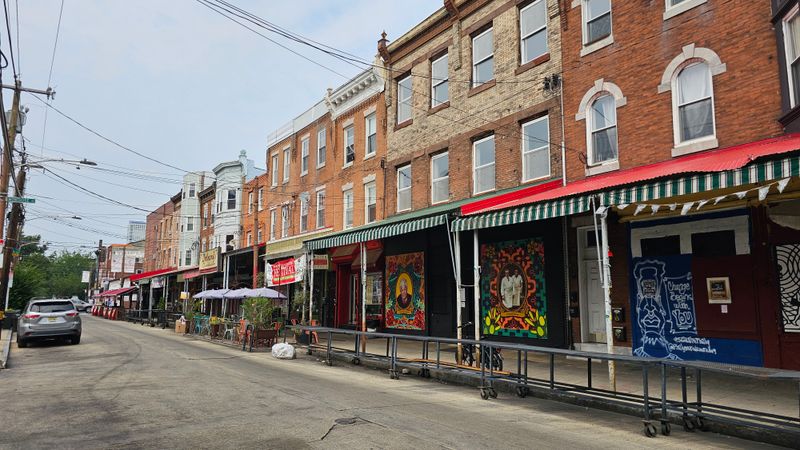
Embracing diversity while maintaining Italian roots has become the market’s unexpected strength. Turkish, Persian, Greek, and Mexican vendors now operate alongside traditional Italian establishments, creating a cosmopolitan food district that reflects Philadelphia’s evolving demographics.
This inclusivity prevents the market from becoming a static museum piece, instead allowing it to grow organically while respecting its historical foundation. The Italian identity remains central, but the willingness to welcome other cultures ensures continued relevance.
Mural Arts Philadelphia has enhanced the neighborhood with vibrant artwork celebrating the market’s heritage and multicultural present. Vegetable-themed murals and light box installations add visual interest while honoring the vendors who make the district thrive.
These artistic additions demonstrate how tradition and contemporary expression can coexist productively.
The visitor center provides resources for newcomers wanting to navigate the market intelligently, offering maps and vendor information. Guided tours led by knowledgeable locals like Jenn from Tours by Foot reveal hidden gems and historical context that independent exploration might miss, deepening appreciation for this remarkable neighborhood that continues adapting without losing its soul.