
This Quirky Mississippi Town Offers Giant Antiques, Historic Saloons, And Small-Town Charm Nonstop
A giant antique shop can ruin your schedule in the best possible way. One minute you are browsing old signs and odd furniture, and the next you are wondering how an hour vanished.
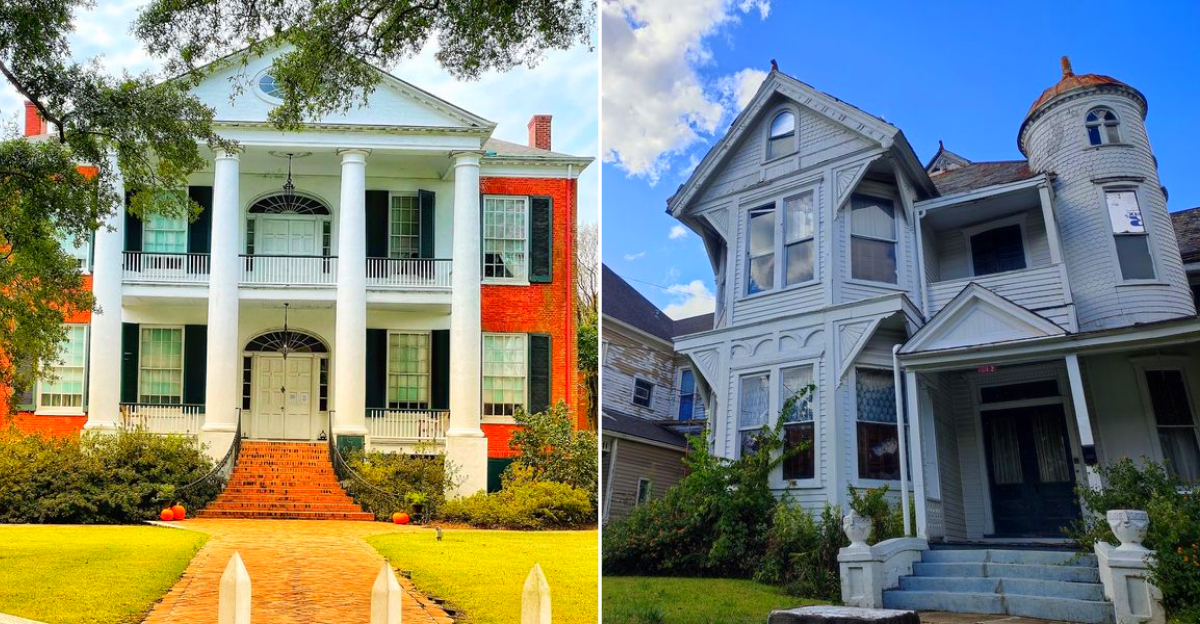
Nearby streets add even more reasons to linger, with grand old homes and storefronts that still carry plenty of character.
Mississippi knows how to make a slow afternoon feel busy. Best of all, the downtown is easy to roam without turning the day into a workout.
Then there is that river bluff, which has a sneaky habit of stealing attention near sunset. You may come for antiques, but the old buildings and quiet streets can pull you off course fast.
Historic saloons add another curious piece to the town’s story, and friendly waves still seem perfectly normal here.
Plans tend to stretch once you start poking around. Staying an extra hour feels less like a choice and more like what happens.
A Bluff Town Where The Past Still Clocks In
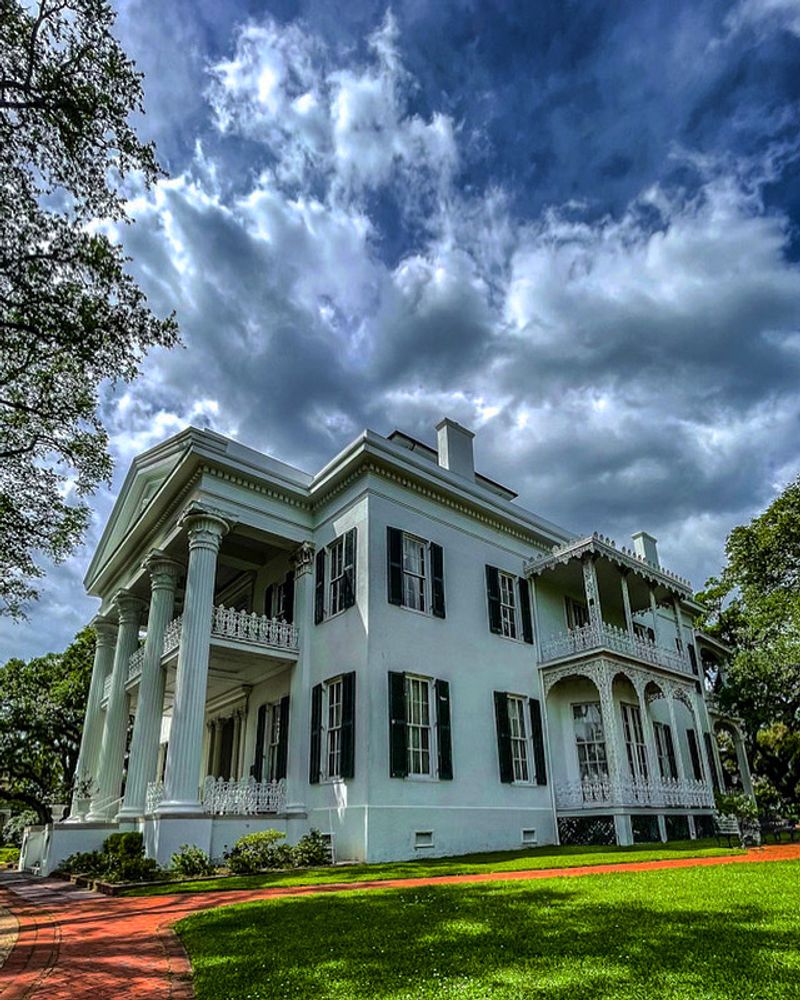
Few places in the American South hold onto their stories the way this river city does. Grand houses line quiet streets, and many of them have stood for well over 170 years. The whole place feels like a museum you can actually live in for a weekend.
What sets it apart is the mix. You get columns and porches on one block, then a shop stacked with curiosities on the next. Nothing feels staged, because people genuinely live and work here.
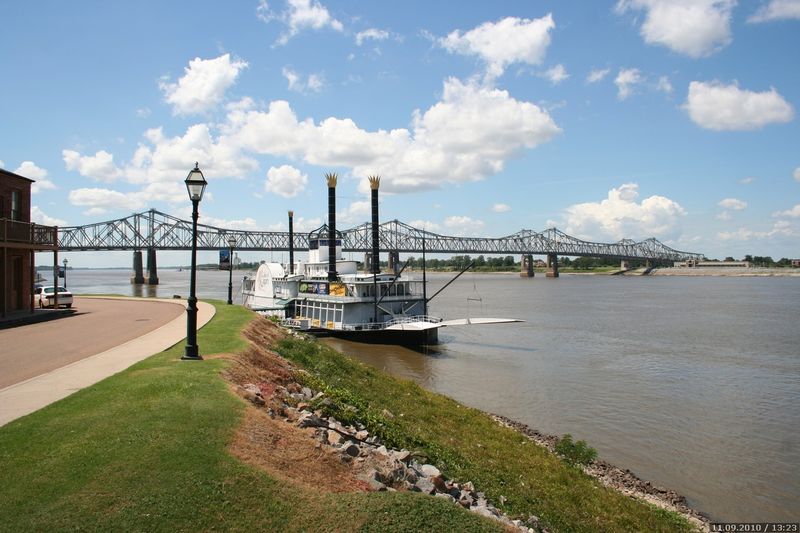
The bluff is the other secret. High ground above the water gives you long views that stretch across the state line, and sunsets here have a slow, generous quality. Benches sit right where you want them.
The breeze off the water helps on warm afternoons.
Visitors often arrive expecting one afternoon and end up staying three days.
There are more preserved antebellum mansions here than anywhere else in the South, which means your walking route changes every hour. Mississippi hides a few gems like this one, and locals seem happy to keep the secret loosely guarded.
Come with comfortable shoes and a loose plan. The town rewards wandering more than scheduling.
Meet The City On The Bluff
Southwest Mississippi holds this city, roughly two hours from Jackson and about three from New Orleans. Natchez sits high on a bluff above the river, and the city was founded in 1716, which makes it older than New Orleans by two years.
Downtown runs on a tidy grid, so getting lost takes real effort. Start your day around 712 Franklin Street and you land in the middle of the shopping and history district. Most attractions sit within a few blocks of that corner.
Parking downtown is free in most spots, a small mercy that visitors notice fast. Sidewalks are wide and shaded in places. The whole district works well on foot, and the bluff sits close enough for a mid afternoon break.
The population hovers near 14,000, which keeps things calm. Shop owners remember faces. Servers hand out directions before you ask.
Names matter here too. The city takes its name from the Natchez people, who lived on this land long before European settlers arrived. That history stays visible in local museums and preserved sites.
Plan a weekend at minimum. One day gets you the highlights and leaves you a little grumpy about everything you missed.
Lower Lodge Antiques Thinks Big
Nine thousand square feet of retail space sounds like a warehouse, and in a way it is.
Lower Lodge Antiques fills every inch of it with early European porcelains, fine furniture, and art objects that most shops would put behind glass. You could spend two hours here and still miss a room.
Browsing feels less like shopping and more like touring a private collection. Pieces are grouped by mood and era, so one corner leans formal while another feels warm and lived in. Price tags cover a wide range, which means casual buyers are not shut out.
Staff know their inventory cold. Ask about a chair and you get the wood, the region, and the rough decade. Ask about a porcelain pattern and you might get a short lesson you did not expect.
The shop also handles conservation and restoration work. A cracked frame or a tired finish can be brought back rather than replaced, which is rare service in a small city.
Bring measurements if you are serious. Large furniture moves fast here, and shipping questions are easier to answer when you already know your doorway. Photos of the room at home help too.
Nobody minds a shopper who plans.
Old Meets New At Natchez Mercantile
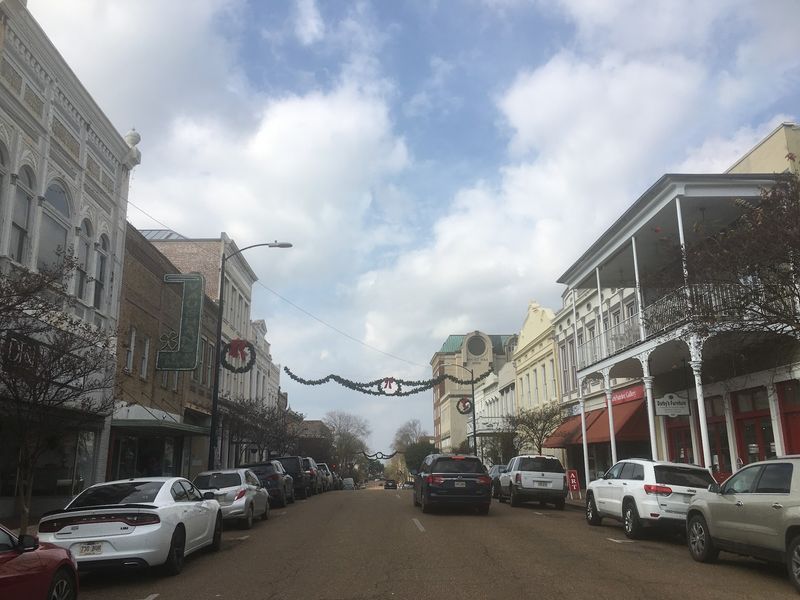
Mixing eras is a risky game, and the crew behind Natchez Mercantile at Consign and Design plays it well.
Antique furniture shares floor space with fresh home accessories, and the displays change often enough to keep regulars curious. Paintings and prints hang above dressers that have already seen a century of use.
Consignment is the engine here. Local families bring in pieces, which means the stock reflects real households rather than a buyer’s catalog. Inventory turns over quickly, so two visits in one weekend can produce different results.
Prices land in friendly territory. You can walk out with a small print or a mirror without a long internal debate. Larger items still cost what quality costs, but the range feels fair.
Downtown placement helps. The shop sits an easy stroll from other stores, so you can compare before you commit.
Shoppers hunting for a souvenir with actual weight should start here. A vintage serving dish beats a keychain every single time.
Wander slowly and check the back corners. Smaller treasures hide behind bigger ones, and the staff will happily pull something down for a closer look. Ask about the story behind a piece and you often get one.
Franklin Street Relics Keeps It Curated
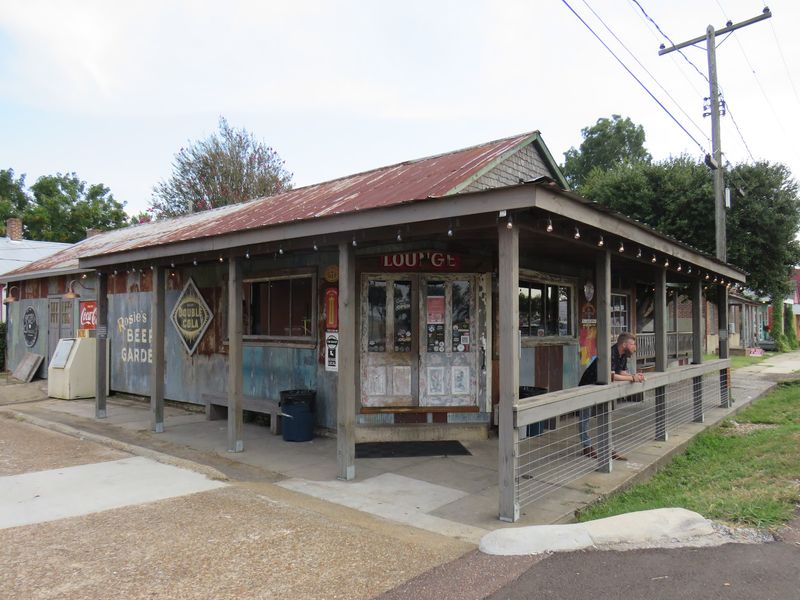
Estate jewelry has a way of stopping people mid conversation. Franklin Street Relics leans into that, pairing vintage rings and brooches with furniture and decorative pieces chosen with a careful eye. Nothing here feels random. The name fits.
The shop sits in the historic downtown, which suits its personality. Windows catch the afternoon light and the interior stays quiet enough for real browsing. You can hear yourself think, which matters when you are weighing a purchase.
Selection leans toward decorative objects with character. Lamps, mirrors, small tables, and odd little items you did not know you wanted. Each shelf reads like a small exhibit.
Hunting through it all is half the fun, and the layout encourages a second lap.
Jewelry cases deserve extra time. Older settings show craftsmanship that mass production skips, and the staff can explain what you are looking at without pressure.
Serious collectors and casual visitors both leave happy. One group finds a rare mark, the other finds a keepsake under fifty dollars. Both count as a win.
Photograph what you like before deciding. Inventory shifts, and a piece you loved on Saturday may find a new home by Sunday afternoon. Regret travels poorly.
Longwood, The Octagon That Never Finished
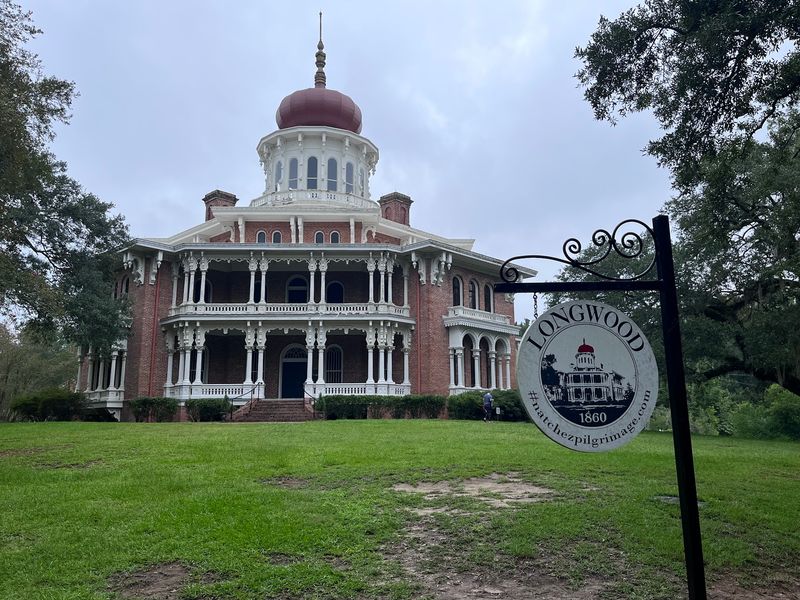
Six stories tall, eight sides wide, and forever incomplete. Longwood stands as the largest octagonal house in the United States, and only the basement level was ever finished.
Construction halted in 1861 when the Civil War began, and the upper floors still show bare brick, scaffolding, and tools left where workers set them down.
Touring it feels different from any other mansion visit. Downstairs you see finished rooms with period furniture. Upstairs you see an unfinished shell frozen at the moment work stopped.
The design came from architect Samuel Sloan of Philadelphia, and the plan called for a Byzantine style dome on top. That dome exists. The rooms beneath it never did.
Guides handle the history with care and detail. Questions get honest answers, and the tour covers both the ambition of the project and the people whose labor built it.
Photographers love the light up top. Sun comes through the unfinished windows and hits raw brick in a way that no restoration could match. Bring a camera.
Allow an hour. Longwood sits on a wooded property just east of downtown, and the drive in sets the mood before you park.
Stanton Hall Owns The Whole Block
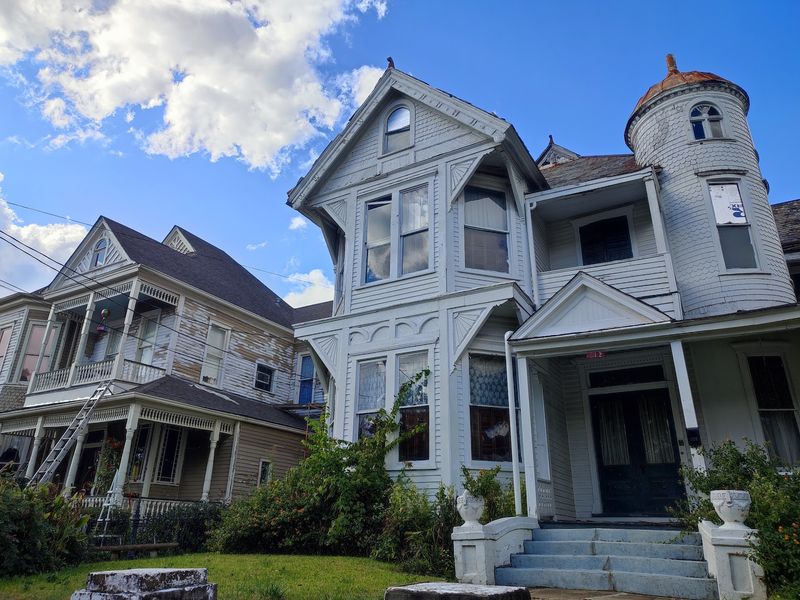
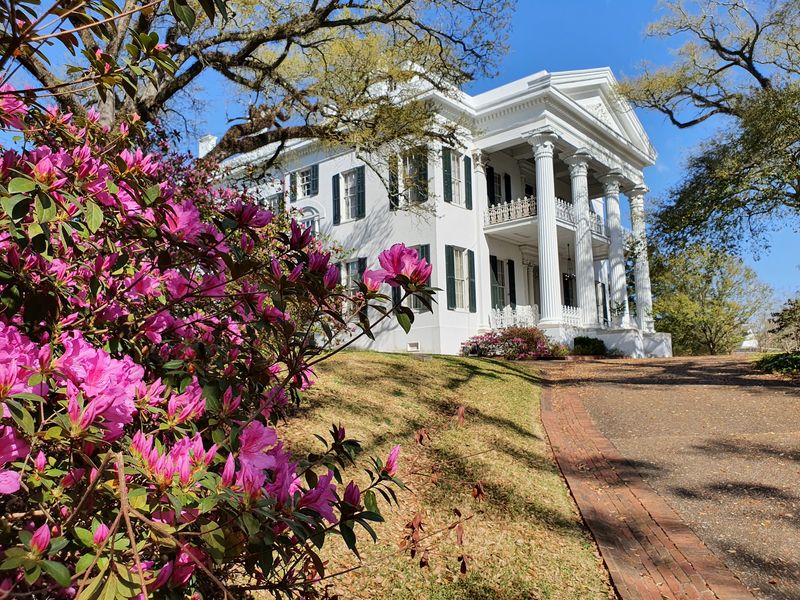
Built in 1857 for merchant Frederick Stanton, this Greek Revival giant takes up an entire city block downtown.
Columns stretch across the front, the ceilings soar, and the interior holds original furnishings alongside period pieces. It is a National Historic Landmark, and it earns the title.
Guided tours run daily and last about half an hour. Guides point out details most visitors would miss, including the imported marble mantels and the enormous mirrors ordered specifically for the rooms they still occupy.
The Pilgrimage Garden Club owns and operates the property. Proceeds support preservation, so your ticket does actual work.
Grounds are shaded by old trees and open for a stroll. Benches invite a rest, and the block feels quiet even when downtown is busy.
Carriage House Restaurant operates on the property and serves classic Southern plates. Fried chicken and tiny biscuits have been the signature for decades.
Photography rules vary by room, so ask first. Guides are used to the question and will tell you where to point the lens.
Pair the visit with a nearby mansion tour. Two in one morning is a comfortable pace. Your camera roll will fill faster than expected.
Rosalie Mansion Watches The River
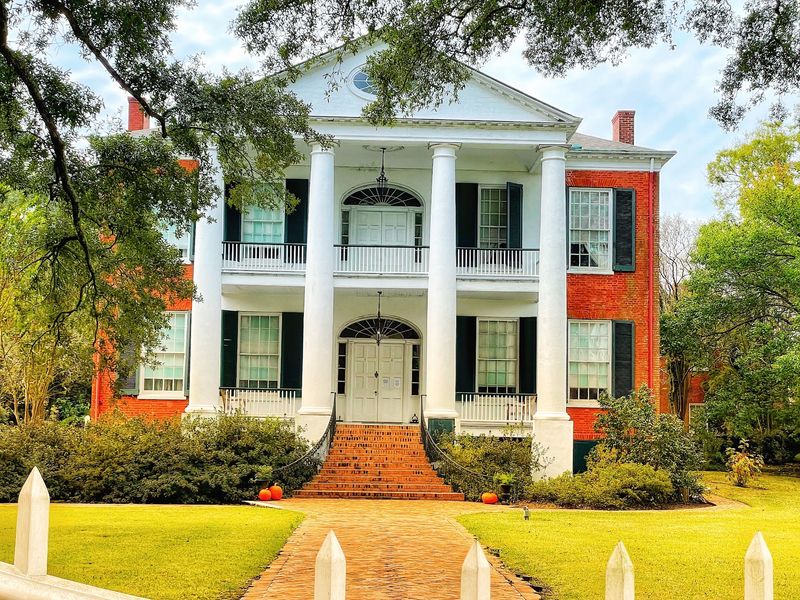
Red brick, white columns, and a front lawn that ends at the bluff. Rosalie Mansion was completed in 1823 and sits on the site of old Fort Rosalie, overlooking the Mississippi River. Union forces used the house as headquarters during the Civil War, which helped it survive intact.
Inside, the collection is remarkable. Much of the original 1858 furniture ordered from a New Orleans dealer remains in place, including matching parlor sets and mirrors. Few houses of this age keep so much of their first belongings.
The Mississippi State Society Daughters of the American Revolution has owned the property since 1938. Preservation work here has been steady and careful.
Guides move at a thoughtful pace and cover the full story of the household, including the enslaved people who lived and worked on the grounds. Straight talk makes the visit stronger.
Gardens roll toward the bluff edge, and the view from the back lawn ranks among the best in town. Benches near the edge make a fine spot to watch barges push upriver. Bring a hat in summer.
Tours run most days, though hours shift seasonally. A quick call keeps your afternoon on track.
Grand Village Honors The First Residents
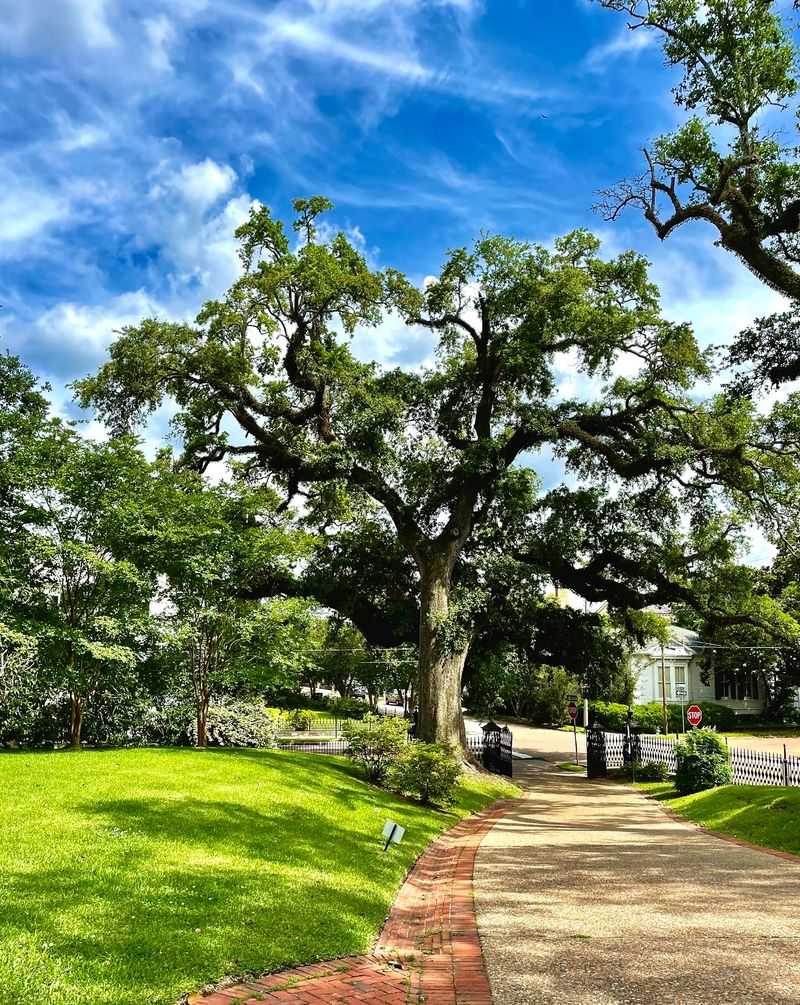
Long before mansions and merchants, the Natchez people built their ceremonial center along St. Catherine Creek.
The Grand Village of the Natchez Indians preserves that site, with three reconstructed mounds, a museum, and a rebuilt Natchez house on 128 acres just south of downtown.
Admission is free, which makes the stop easy to add to any itinerary. The museum holds artifacts recovered from the site along with exhibits explaining daily life, farming, and ceremony. Staff at the front desk share good context if you ask, and the short film sets up the visit well.
Walking trails loop through the grounds and along the creek. Interpretive signs keep the history clear without turning the visit into homework.
The site served as the main village and ceremonial hub during the early 1700s, when French colonists arrived nearby. Conflict followed, and the Natchez people were eventually forced from the region.
Visiting here changes how the rest of town reads. The antebellum houses feel like a recent chapter once you have stood on ground used for centuries before them.
Set aside about an hour. Mornings are quiet, shaded, and pleasant, and the picnic area works well for a break.