
This Quirky Wisconsin Museum Celebrates Accordions In The Most Surprising Way
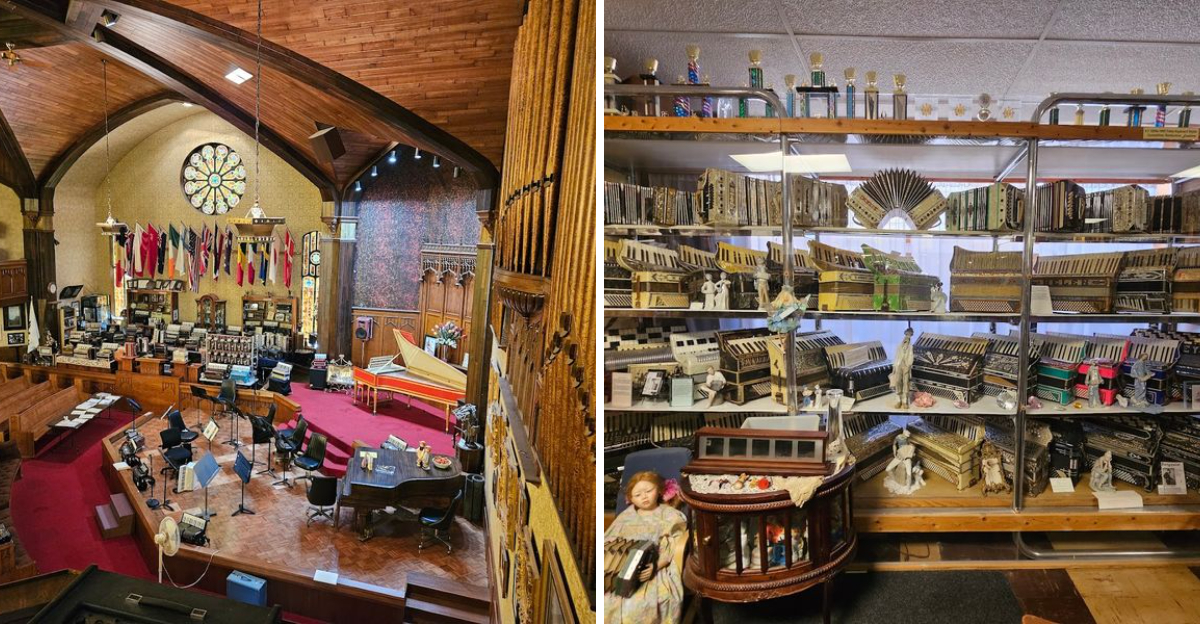
Superior, Wisconsin holds an unexpected cultural gem that most travelers never anticipate discovering. This museum houses one of the most comprehensive collections of squeeze boxes and related artifacts anywhere on the planet.
Located inside a beautifully repurposed church building, this institution preserves the history and artistry of an instrument often overlooked in modern musical conversations. What makes this destination truly remarkable is not just the sheer volume of instruments on display, but the passion and expertise of those who maintain this living archive of musical heritage.
Museum Dedicated Entirely To The Accordion
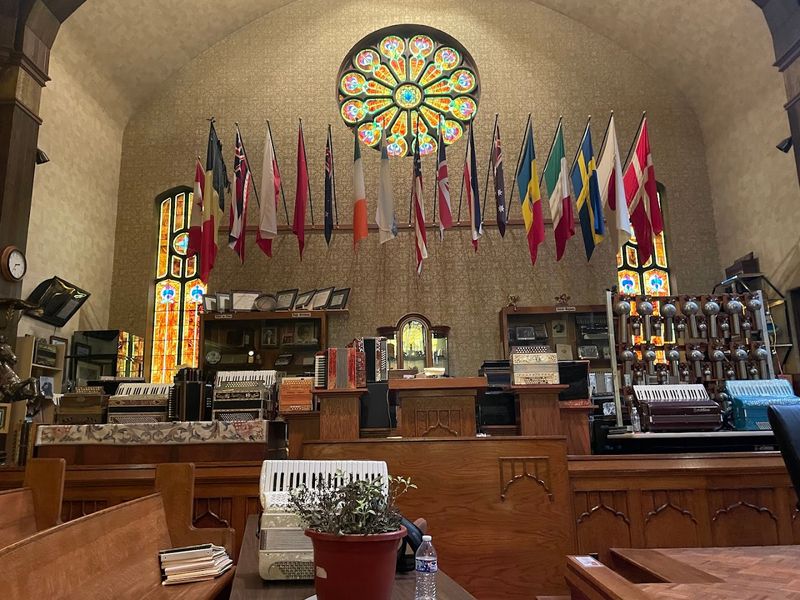
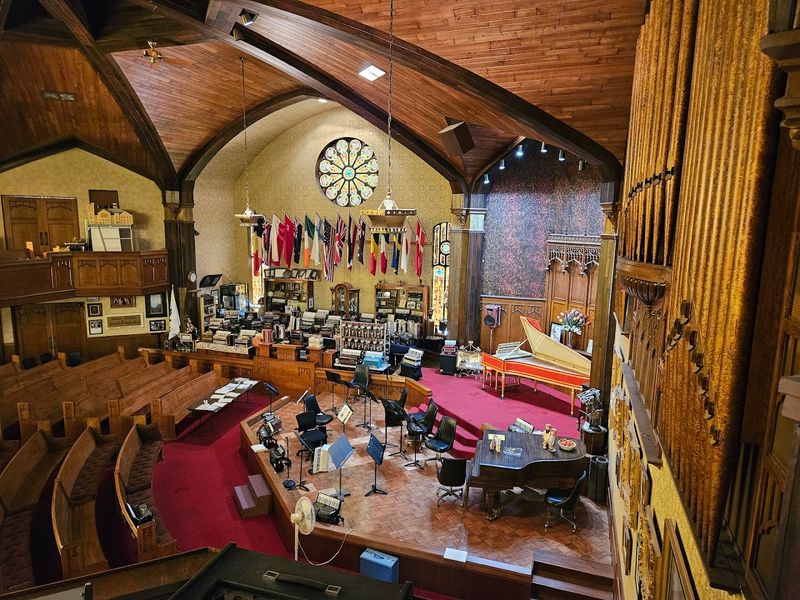
Walking into a former Presbyterian church that now serves as a shrine to the accordion creates an immediate sense of curiosity. The World of Accordions Museum at 1401 Belknap Street operates with limited hours but offers an experience that justifies planning your visit around their Saturday, Sunday, and Monday schedule.
The building itself adds character to the collection, with high ceilings and architectural details that provide an unexpectedly elegant backdrop for thousands of instruments. This is not a sterile display space with roped-off exhibits and impersonal placards.
Instead, the atmosphere feels more like stepping into someone’s carefully organized passion project. The museum functions as both a preservation effort and an educational resource, attracting musicians, historians, and curious travelers who stumble upon this unusual attraction while exploring the Lake Superior region.
Admission costs around twenty dollars, a reasonable price considering the depth of what awaits inside.
Collection Featuring Thousands Of Accordions And Related Items
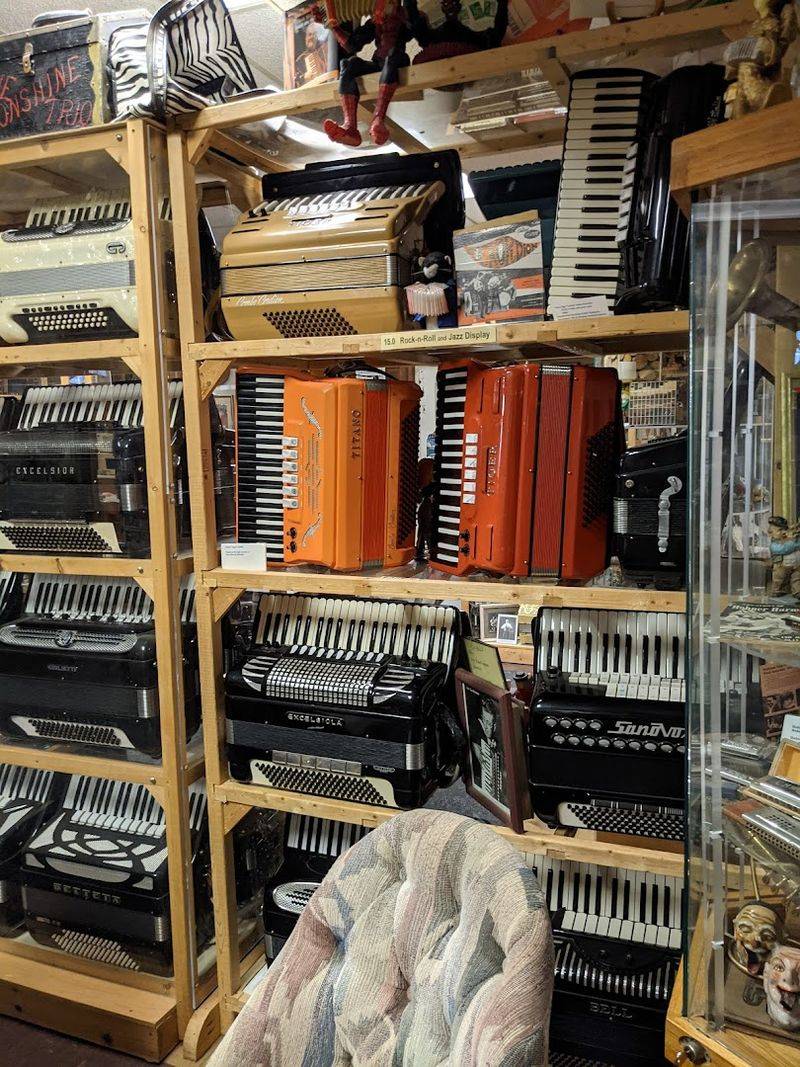
The scale of this collection becomes apparent only after you begin exploring the space. More than 2,500 accordions fill the lower level alone, with approximately 4,000 instruments throughout the entire facility.
These numbers represent decades of acquisition, including estate collections from notable accordionists such as Charles Magnante, Hugo Herrmann, Frank Gaviani, Elsie Bennett, and Willard Palmer. Each addition brings its own history and significance to the overall archive.
Beyond accordions, the museum houses precursor instruments like concertinas and other squeeze box variations that help tell the complete story of this musical family. The sheer density of the collection means that even multiple visits would not exhaust everything worth examining.
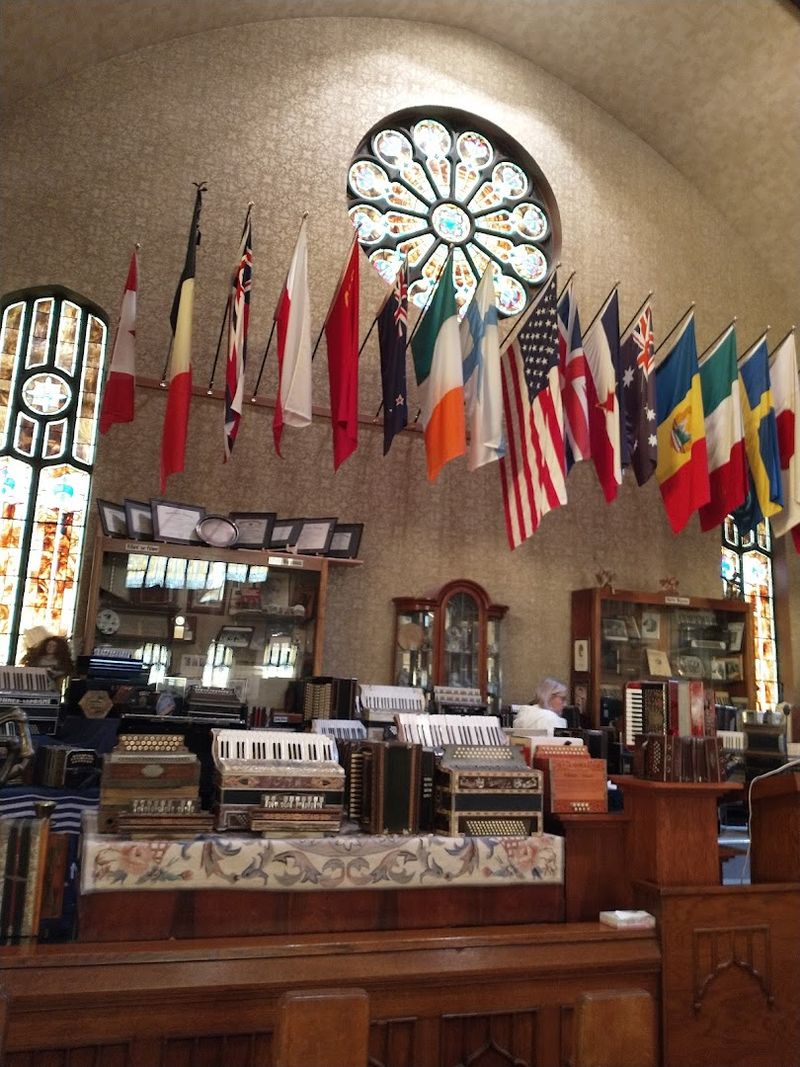
Glass cases, wall mounts, and custom shelving systems organize the instruments in ways that allow visitors to compare construction methods, decorative styles, and mechanical innovations across different manufacturers and time periods.
Instruments Spanning Different Eras And Countries
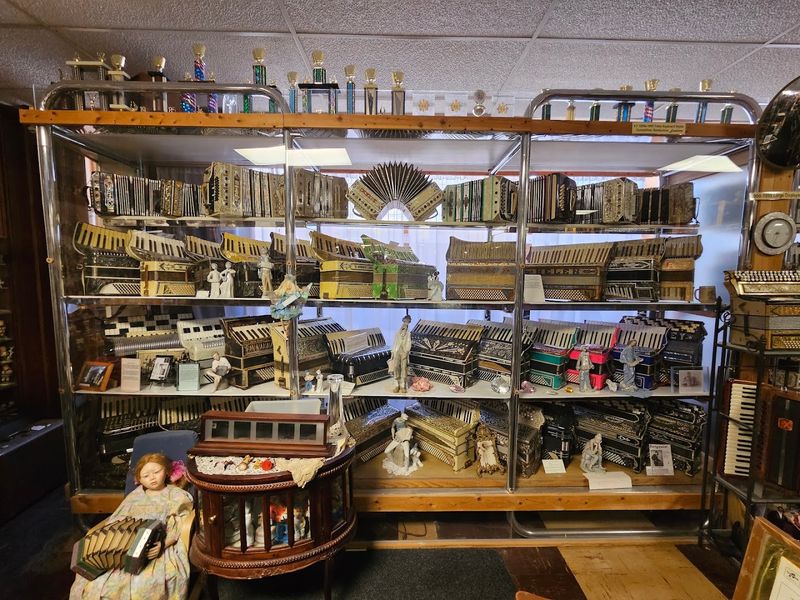
Geography and chronology intersect throughout the museum in fascinating ways. Accordions from Germany sit near Italian models, while American-made instruments represent domestic manufacturing traditions that flourished during the mid-twentieth century.
Each country developed distinct approaches to accordion construction, with variations in button layouts, reed configurations, and decorative aesthetics that reflect broader cultural preferences. German manufacturers like Hohner became internationally dominant, but regional makers from across Europe and North America contributed important innovations.
The timeline represented in the collection stretches from early prototypes through contemporary digital hybrids. Visitors can trace the evolution of bellows construction, keyboard mechanisms, and tonal capabilities across generations of refinement.
This comparative approach helps demystify an instrument that many people recognize but few truly understand. The international scope of the collection also highlights how the accordion traveled across borders, adapting to different musical traditions from polka to conjunto to cajun styles.
Rare And Antique Pieces That Showcase Craftsmanship
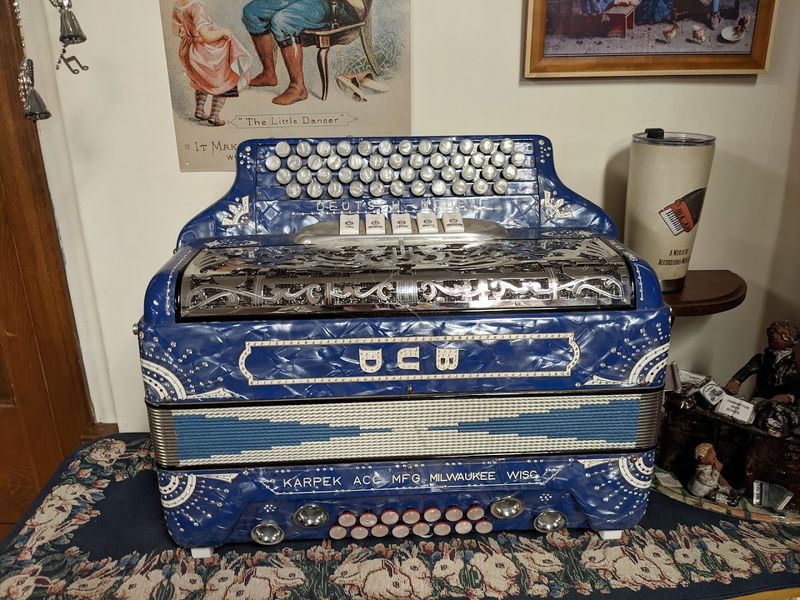
Certain instruments in the collection stand out for their exceptional artistry and historical significance. Antique accordions often featured elaborate decoration, with mother-of-pearl inlays, hand-carved wood details, and bellows adorned with intricate patterns.
These embellishments were not merely cosmetic but served as markers of quality and prestige. Master craftsmen signed their work, and certain models became highly sought after by professional performers.
The museum preserves examples that might otherwise have been lost to time, neglect, or the simple reality that musical instruments are functional objects that wear out with use. Some pieces represent extinct manufacturing techniques or designs that fell out of favor as musical tastes shifted.
Looking closely at these rare instruments reveals the level of skill required to create a properly functioning accordion. The precision needed to align reeds, construct airtight bellows, and mount responsive keys demonstrates why quality instruments commanded substantial prices during their era and remain valuable to collectors today.
Exhibits That Explore The Accordion’s Role In Music History
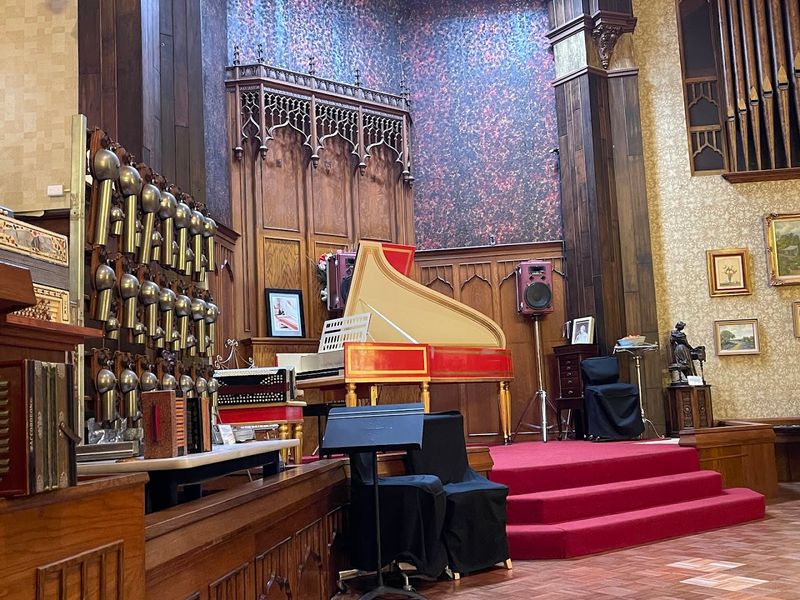
The museum goes beyond simply displaying instruments by contextualizing their place in broader musical movements. Exhibits document how the accordion became central to polka bands, folk ensembles, and popular entertainment during the early and mid-twentieth century.
Photographs of performers, vintage sheet music, promotional posters, and other ephemera help visitors understand how this instrument shaped American musical culture. The accordion appeared in vaudeville acts, radio programs, and eventually television variety shows.
European immigrants brought accordion traditions with them, and these musical practices evolved in new directions as communities adapted to American life. The instrument also found acceptance in jazz, blues, and other genres where its portability and volume made it practical for street performances and small venues.
Understanding this historical context transforms the collection from a curiosity into a meaningful cultural archive. The museum staff, particularly founder and curator Dr. Helmi Strahl Harrington, possess deep knowledge about these connections and can explain how specific instruments relate to larger musical trends.
Library And Archive Dedicated To Accordion Research
Serious students of the accordion will appreciate the research materials housed within the museum. The library contains thousands of pieces of sheet music, instruction manuals, repair guides, and historical documents related to accordion manufacturing and performance.
This archive represents an invaluable resource for musicians seeking out-of-print arrangements or researchers investigating the instrument’s cultural impact. Estate collections often included personal papers, correspondence, and unpublished compositions that provide insight into the professional lives of accomplished accordionists.
The museum functions as a preservation society, ensuring that this material remains accessible rather than scattered among private collectors or lost entirely. Academic researchers have utilized the archive for dissertations and scholarly articles.
Dr. Harrington, who holds a doctorate in music from the University of Texas, brings academic rigor to the collection’s organization and interpretation. Her expertise ensures that the library serves not just nostalgia but genuine scholarly inquiry into an instrument that deserves more serious musicological attention than it typically receives in contemporary academic circles.
Live Demonstrations And Performances During Special Events
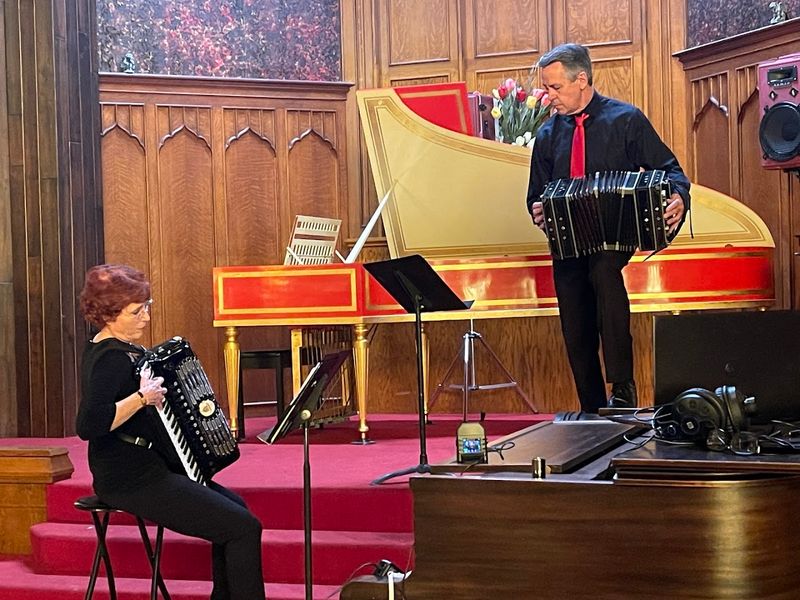
The museum regularly hosts live performances that bring the instruments to life in ways that static displays cannot achieve. The building’s former sanctuary provides excellent acoustics for concerts featuring accordion soloists and ensembles.
These events attract both dedicated accordion enthusiasts and curious locals who want to hear what thousands of years of instrument evolution actually sound like. Staff members, many of whom are accomplished players themselves, sometimes offer impromptu demonstrations during regular visiting hours.
Hearing the tonal differences between various accordion types helps visitors appreciate the technical distinctions that might otherwise seem abstract. A German piano accordion sounds markedly different from an Italian button box, and both differ from a Russian bayan or an American Cajun model.
Special event schedules appear on the museum’s website, and planning a visit around one of these performances enhances the overall experience considerably. The combination of visual display and live music creates a multisensory education in an instrument that many people have only heard in passing.
Layout That Feels More Like A Treasure Trove Than A Traditional Museum
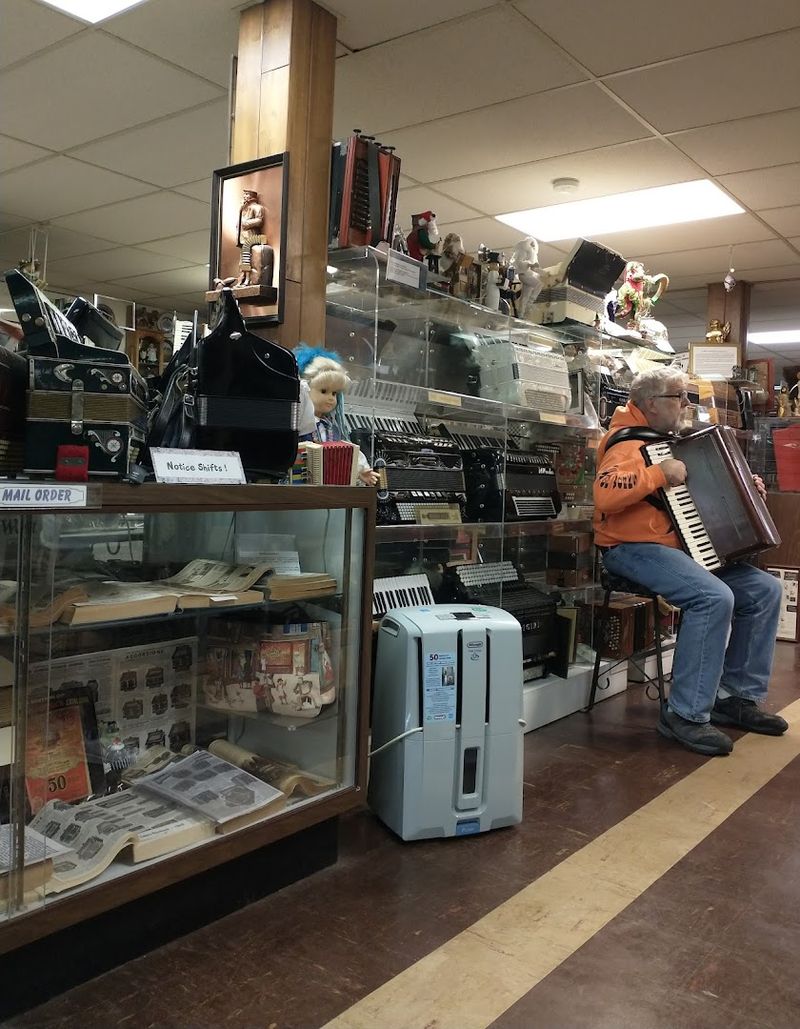
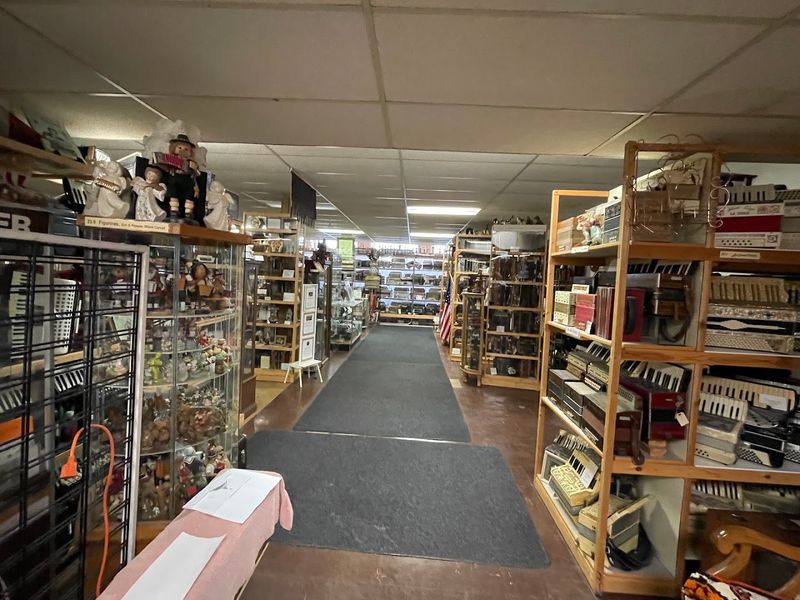
Forget minimalist gallery spaces with carefully curated focal points and plenty of breathing room. The World of Accordions Museum embraces maximalist display principles, packing instruments into every available surface in ways that create a sense of overwhelming abundance.
The basement level, where the bulk of the collection resides, feels like exploring an attic full of musical treasures. This density actually serves the educational mission well, allowing for direct comparisons between similar instruments and highlighting subtle variations that would be less apparent in a more spacious arrangement.
Some visitors initially find the layout chaotic, but spending time in the space reveals an underlying organizational logic. Instruments are grouped by type, manufacturer, or historical period in ways that make sense once you begin to understand the taxonomy of accordion varieties.
The unconventional presentation distinguishes this museum from more traditional institutions and contributes to its quirky charm. This is not a place designed by professional exhibit designers following contemporary museum theory, and that authenticity is part of what makes the experience memorable.
Destination That Appeals To Musicians And Curious Visitors Alike
You do not need to play the accordion or even particularly enjoy accordion music to find this museum engaging. The collection appeals to anyone interested in musical history, craftsmanship, immigrant culture, or simply unusual roadside attractions.
Musicians often visit to examine construction details, compare different mechanical systems, or research specific models they have encountered elsewhere. The staff can discuss technical specifications, repair techniques, and tonal characteristics with knowledgeable players.
Casual visitors, meanwhile, discover unexpected connections to their own family histories or regional musical traditions. Many people have memories of relatives who played accordion at family gatherings, and seeing instruments similar to those remembered from childhood creates powerful nostalgic responses.
The museum also attracts collectors seeking to identify or evaluate instruments they own. The expertise available here is difficult to find elsewhere, particularly as accordion specialists become increasingly rare.
Travelers passing through Superior on their way to other Lake Superior destinations often stop out of curiosity and leave genuinely impressed by what they have encountered.
One Of A Kind Wisconsin Attraction That’s Worth The Detour
Superior sits across the bay from Duluth, Minnesota, in a region known more for shipping history and natural scenery than quirky cultural institutions. The World of Accordions Museum provides a compelling reason to explore this often-overlooked city beyond the waterfront.
Finding specialized museums of this caliber in smaller communities is increasingly rare as cultural institutions consolidate in major metropolitan areas. The fact that this collection exists in Superior rather than New York or Los Angeles makes it more remarkable, not less.
Limited operating hours require advance planning, but the website provides current schedules and contact information for arranging visits outside regular times for serious researchers or groups. Calling ahead can also confirm that the museum will be open, as occasional closures do occur.
The drive to Superior becomes worthwhile when combined with other regional attractions, but the accordion museum alone justifies the trip for anyone with even passing interest in musical history or unusual collections. This is genuine roadside Americana, preserved and presented by people who care deeply about their subject.