
This Quirky Wisconsin Museum Is Home To Some Of The Most Unusual Cars In America
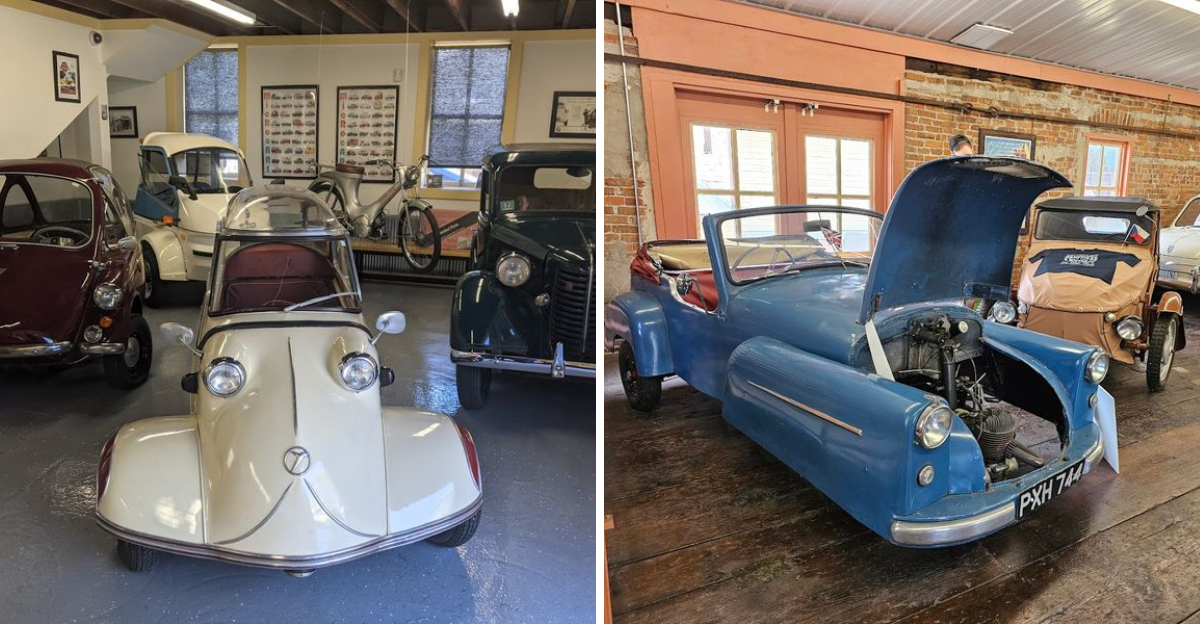
At first glance, the tiny vehicles look almost like toys. Round bubble windshields, impossibly small wheels, and doors that open in unusual ways give them a cartoonish charm that instantly grabs your attention.
These miniature machines once served a serious purpose, offering affordable transportation across Europe during the years after the war. Founded by the Krause family in 2015, this former blacksmith shop now houses dozens of rare microcars that most people have never seen outside of history books.
Walking through the display feels like stepping into a forgotten world of creativity, ingenuity, and delightfully odd design. From three-wheeled bubble cars to motorcycles that fold into suitcases, every corner of this museum tells the story of a fascinating chapter in automotive innovation.
A Museum Devoted To The World’s Tiniest Cars
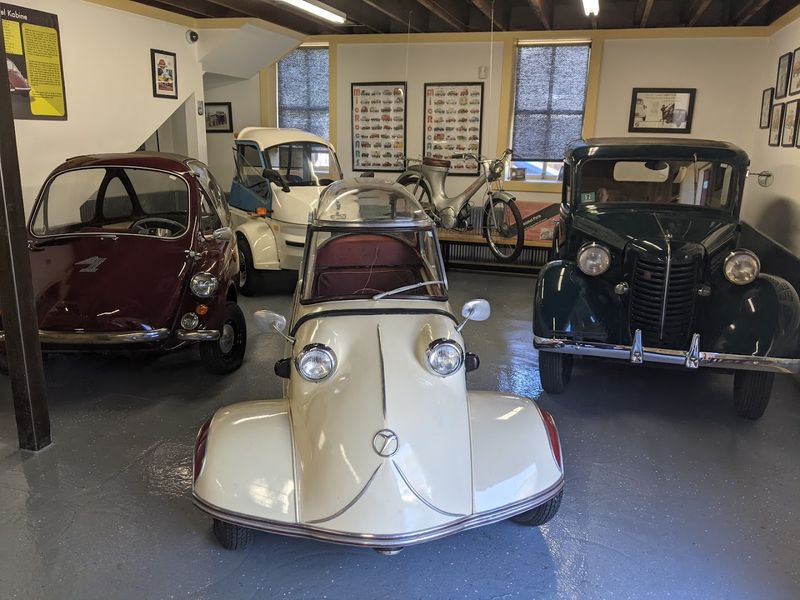
The Krause family transformed a century-old blacksmith shop at 103 Crescent Street into something completely unexpected. Ingrid Krause and her late husband Carlos began collecting these diminutive vehicles decades ago, driven by fascination with postwar European design.
Their son Sven now helps maintain the collection, which spans two full floors of carefully preserved automotive oddities. The building itself adds character to the experience, with original architectural details framing vehicles that measure barely larger than modern motorcycles.
Free admission makes this museum accessible to anyone curious about transportation history. Donations help keep the doors open on select weekends throughout the year.
The limited hours add to the charm, creating an almost secret quality that rewards those who plan ahead and check the museum’s Facebook page for opening announcements.
Dozens Of Rare Microcars Packed Into One Surprising Place
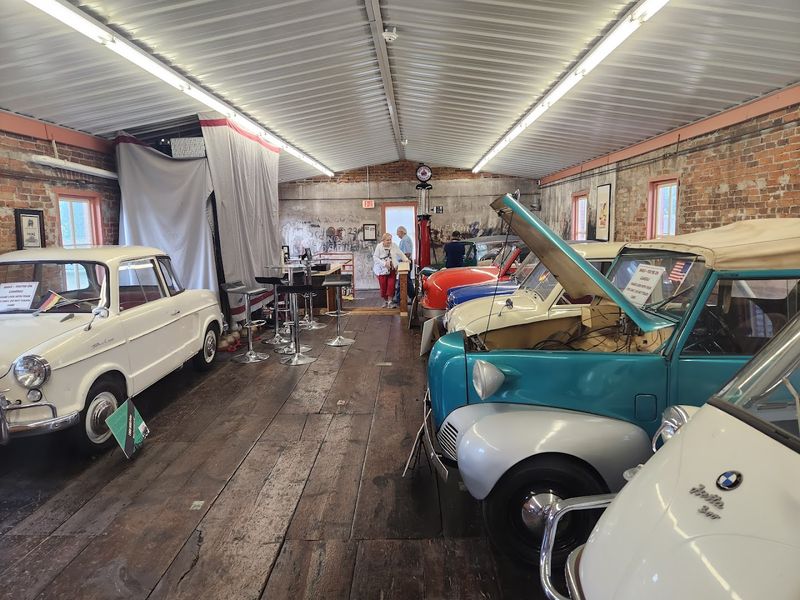
Walking into the museum feels like stepping into a time capsule filled with automotive experiments. Vehicles crowd every available space, creating a maze of chrome, steel, and imagination that stretches across two buildings.
Many of these microcars were manufactured in extremely limited numbers, making them nearly impossible to find anywhere else in America. The Krause family spent years tracking down examples from private collectors, European auctions, and forgotten garages across multiple continents.
Each vehicle represents a different approach to solving the same problem: how to build affordable personal transportation in economies devastated by war. Some manufacturers focused on fuel efficiency, while others prioritized compact size for crowded city streets.
The variety on display demonstrates just how creative engineers became when traditional resources were scarce and innovation became necessity rather than luxury.
Some Of The Smallest Cars Ever Built
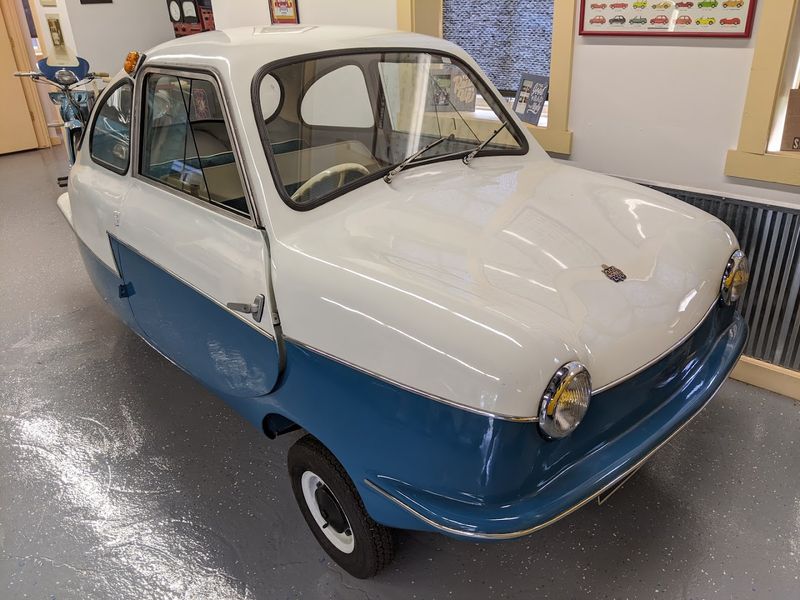
Certain vehicles in the collection challenge your understanding of what qualifies as a car. Models like the Peel P50, measuring just over four feet long, could theoretically fit inside a modern SUV with room to spare.
These microscopic machines were designed for single occupants navigating narrow European lanes and tight parking situations. Engineers stripped away everything deemed unnecessary, creating vehicles that weighed less than some motorcycles yet provided weather protection and a semblance of automotive comfort.
Standing next to these cars provides perspective on how much automobiles have grown over the decades. What once seemed practical now appears almost toy-like, yet these vehicles transported real people to real jobs during challenging economic times.
The engineering required to make such small packages functional and safe demonstrates remarkable ingenuity that deserves recognition and preservation.
Bubble Cars That Look Straight Out Of A Cartoon
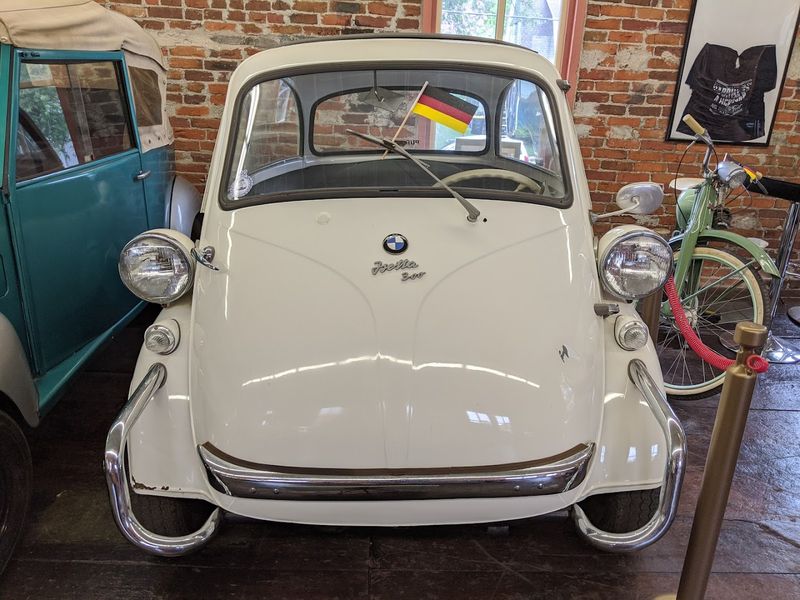
Several vehicles in the collection feature transparent canopies that earned them the nickname “bubble cars.” The Messerschmitt KR200 and BMW Isetta represent the most famous examples, with aircraft-inspired designs that prioritized aerodynamics and visibility.
These cars opened from the front rather than the side, with the entire nose section swinging forward to allow entry. Passengers sat in tandem formation like fighter pilots, reinforcing the aviation connection that influenced so many postwar designers who transitioned from building planes to building cars.
The rounded shapes and bright colors give these vehicles an almost whimsical appearance that belies their serious purpose. During the 1950s and 1960s, bubble cars provided essential mobility for families who could not afford conventional automobiles.
Their playful aesthetics have helped them endure as beloved examples of optimistic design during difficult times.
Tiny Cars Born In Postwar Europe
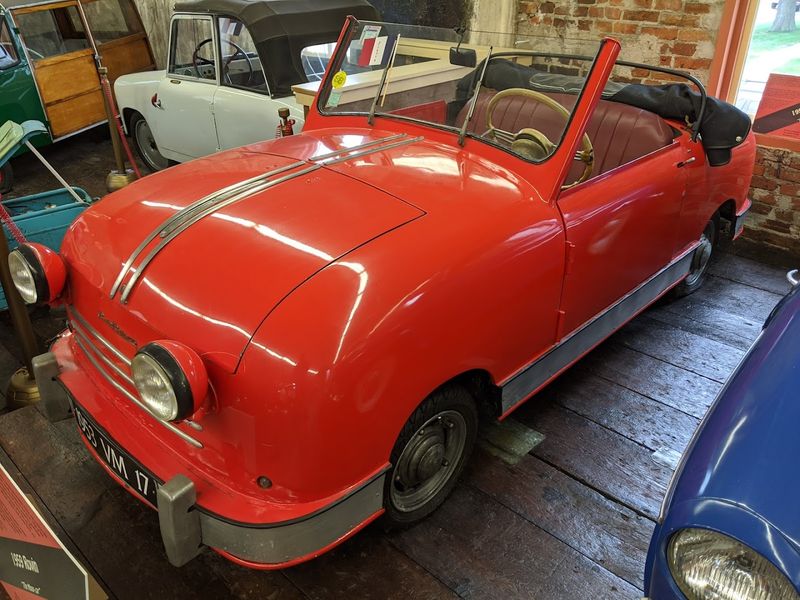
The museum’s collection tells the story of European recovery after World War II. With fuel rationed, materials scarce, and economies struggling, manufacturers across the continent developed creative solutions to keep people mobile.
Germany, Italy, France, and Britain each produced distinctive microcar designs reflecting national engineering philosophies and available resources. Some companies repurposed aircraft factories and expertise, while others emerged from motorcycle manufacturers expanding their product lines to meet demand for enclosed vehicles.
Tax incentives in many European countries encouraged microcar production by classifying these vehicles as motorcycles rather than automobiles. This regulatory quirk allowed drivers to operate them with motorcycle licenses and pay lower registration fees.
The Krause collection preserves examples from nearly every major manufacturer, creating a comprehensive survey of this unique historical period when necessity drove innovation across an entire industry.
Strange Little Vehicles With Big Personality
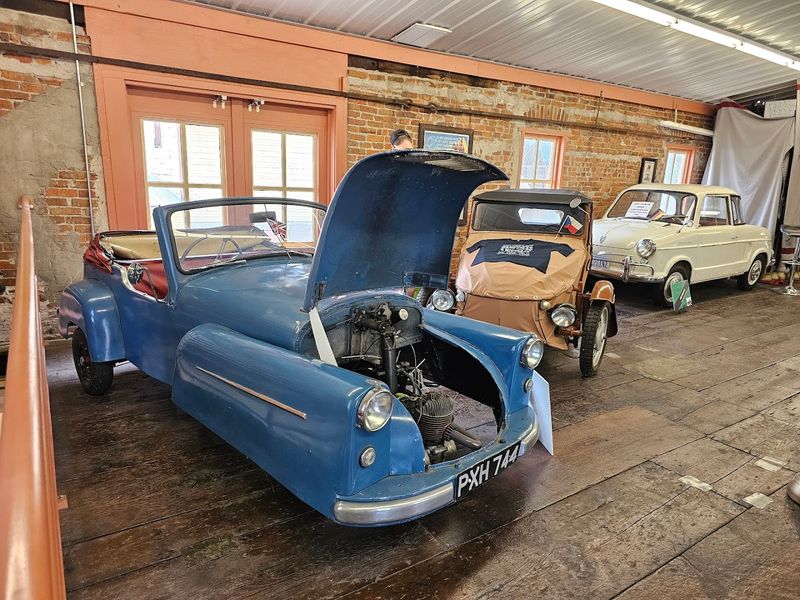
Beyond their small size, many vehicles in the collection feature bizarre design choices that reflect experimental thinking. One car from Czechoslovakia used cloth for body panels, creating a vehicle that weighed almost nothing but required careful handling in rain.
Other examples sport asymmetrical designs, with engines mounted in unexpected locations and wheels positioned in unconventional configurations. Some manufacturers placed single wheels at the front, while others reversed the arrangement, creating handling characteristics that required adjustment from traditional driving techniques.
The variety demonstrates how the microcar era encouraged risk-taking and innovation that would be impossible in today’s heavily regulated automotive market. Each strange detail serves a purpose, whether reducing weight, simplifying manufacturing, or solving specific engineering challenges.
The museum preserves these oddities as evidence of a time when automotive design embraced experimentation over standardization.
Beautifully Preserved Microcars From Another Era
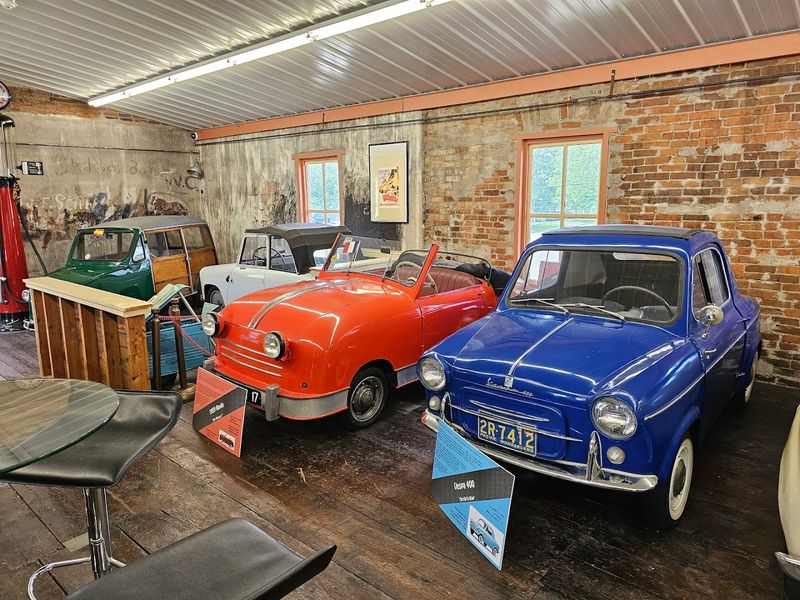
The condition of vehicles throughout the museum reflects years of careful restoration work. Many microcars arrived damaged or incomplete, requiring extensive research to identify correct parts and proper specifications.
The Krause family’s dedication became especially evident after flooding damaged the collection several years ago. Rather than abandon the project, they undertook the painstaking work of restoring affected vehicles to their former glory, demonstrating commitment that goes far beyond casual collecting.
Original paint colors, authentic upholstery, and period-correct details make each vehicle a faithful representation of how it appeared when new. Chrome gleams, engines shine, and interiors look ready for their original owners to return.
This attention to authenticity transforms the museum from simple storage into genuine preservation, ensuring future generations can experience these vehicles as their creators intended rather than as deteriorated relics.
A Fascinating Chapter Of Automotive History
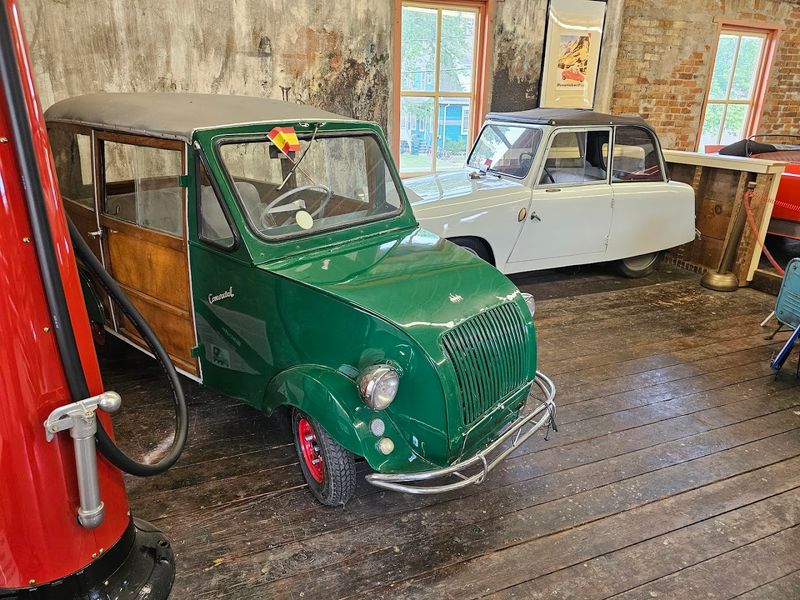
The museum serves as an educational resource documenting a largely forgotten period in transportation development. Microcars represent a road not taken, showing what might have happened if the automotive industry had prioritized efficiency and minimalism over size and power.
Understanding this history provides context for modern discussions about sustainable transportation and urban mobility. The same challenges that inspired microcar development—limited resources, urban congestion, environmental concerns—remain relevant today, making these vintage vehicles surprisingly contemporary in their core philosophy.
Visitors leave with new appreciation for how economic and social conditions shape technological development. The microcar era demonstrates that innovation often emerges from constraint rather than abundance.
The museum preserves this lesson in tangible form, offering perspectives that books and photographs cannot fully convey about a time when small thinking produced remarkable results.
Three-Wheeled Cars With Wild Designs
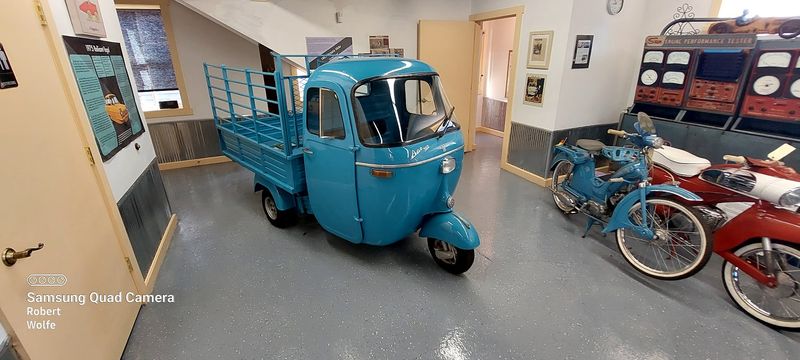
Three-wheeled vehicles occupy a special place in the collection, representing the most extreme minimalism in microcar design. Removing one wheel reduced manufacturing costs, lowered vehicle weight, and simplified mechanical systems while creating distinctive handling characteristics.
Some manufacturers positioned the single wheel at the front, creating a tadpole configuration that offered better stability during cornering. Others placed two wheels forward and one at the rear, producing a teardrop shape that improved aerodynamics but required careful driving technique to avoid tipping during sharp turns.
These unconventional layouts attracted attention wherever they appeared, making their drivers instant conversation starters. The museum’s three-wheeled examples show remarkable variety in how different engineers approached the same basic concept.
From sleek sports car interpretations to practical utility vehicles, the collection demonstrates that three wheels could support almost any automotive vision during an era when conventional wisdom held less power over design decisions.
Collectors Travel Miles To See These Microcars
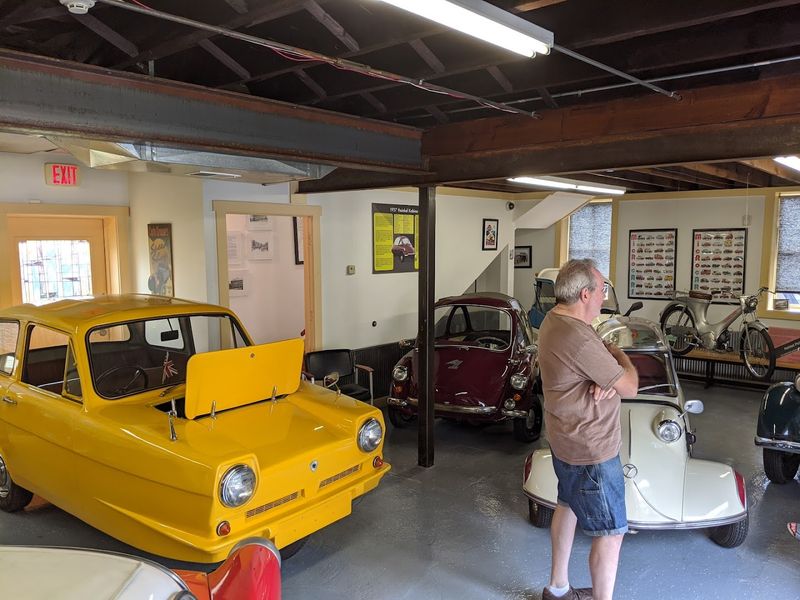
Enthusiasts journey from across North America and beyond to experience the collection firsthand. Many visitors have studied microcars for years but never encountered actual examples, making the museum a pilgrimage destination for serious automotive historians.
The Krause family welcomes guests with extensive knowledge about each vehicle’s history, manufacturing details, and unique characteristics. Their willingness to share stories and answer questions transforms a simple viewing into an educational experience that deepens appreciation for these unusual machines.
Limited opening hours create a sense of occasion that encourages advance planning and intentional visits rather than casual stops. Checking the museum’s Facebook page for scheduled open days has become part of the ritual for dedicated fans who coordinate trips around these rare opportunities.
The museum also houses a vintage motorcycle collection in a separate building, offering additional rewards for those who make the journey to Mazomanie.