
This Rare Wisconsin Beach Has Smooth Limestone Pebbles And Caribbean-Blue Water
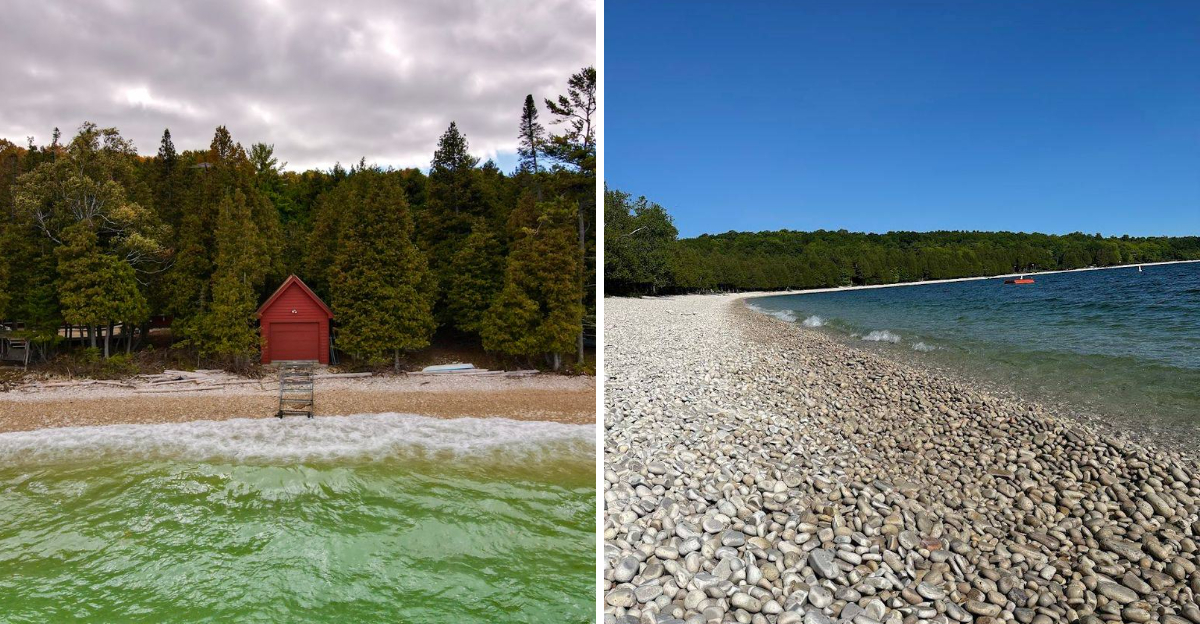
A beach made of smooth stones instead of sand? That already sounds like a trick, but this Wisconsin shoreline is very real.
Reached by ferry in the northern part of Lake Michigan, it trades typical beach scenes for white limestone pebbles polished by generations of waves. The water looks bright and clear, shifting between blue and turquoise as it rolls against the shore.
It feels surprisingly far away from the usual Midwest beach day, almost like a little slice of somewhere coastal and dramatic. The journey adds to the fun, too, because getting there feels like part of the adventure.
For a Wisconsin escape with a seriously unusual shoreline, this place stands out.
The Water Has A Clear Caribbean-Blue Look
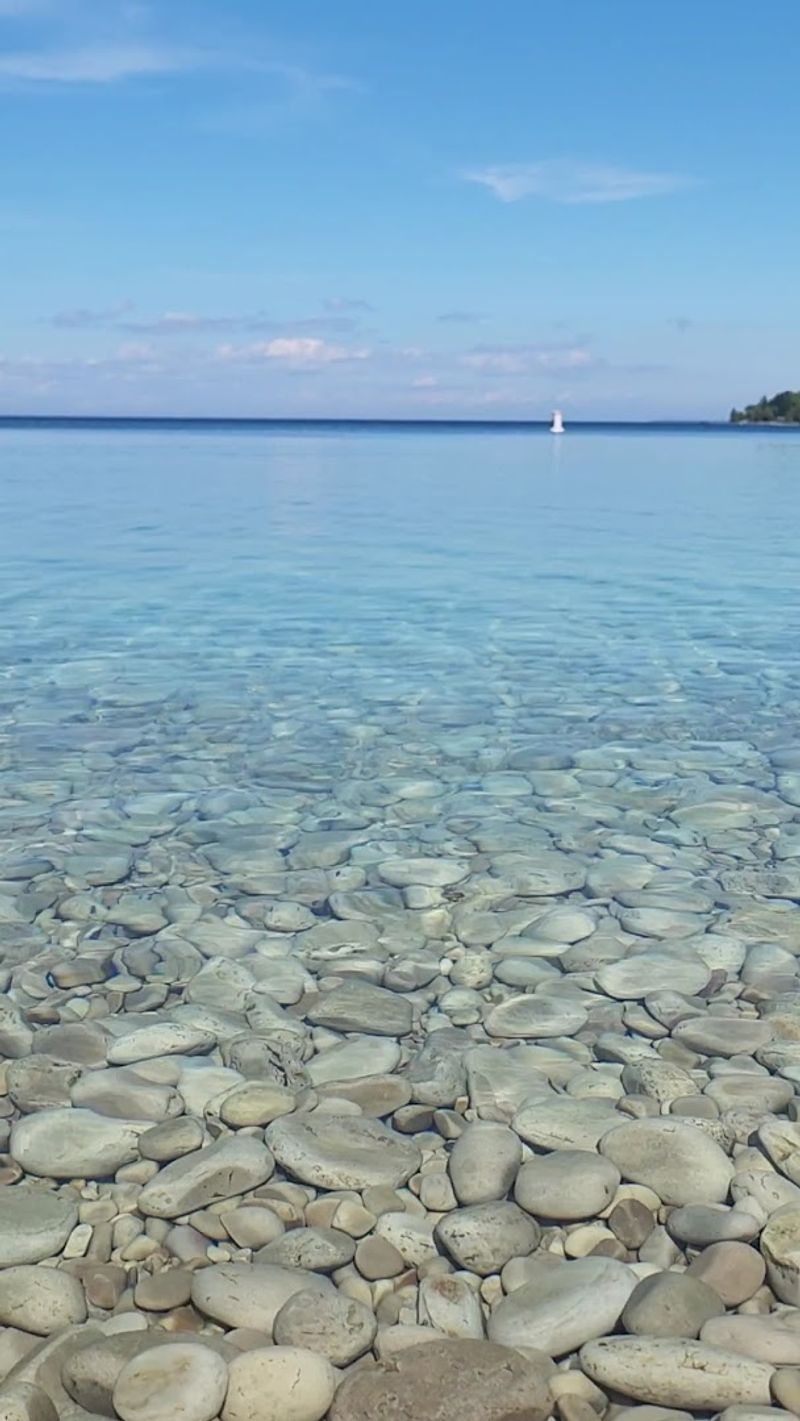
Lake Michigan reveals an unexpected personality at Schoolhouse Beach. The water glows with a turquoise clarity more commonly associated with tropical destinations than northern lakes.
Visibility extends several feet down, allowing swimmers to watch minnows dart between submerged stones and observe the pebbled bottom even in chest-deep water.
The protected harbor location contributes to this remarkable clarity. Calm conditions prevent sediment from clouding the water, while the limestone composition of the surrounding area adds to the brilliant color.
Sunlight penetrates the surface and reflects off the pale stones below, creating that signature blue-green glow.
First-time visitors often pause at the water’s edge, surprised by what they see. The color photographs accurately, requiring no filters or enhancement to capture the vivid hues.
On bright summer days, the contrast between white stones and blue water creates a scene that challenges every expectation about Midwestern beaches.
The Beach Is Covered In Smooth Limestone Pebbles
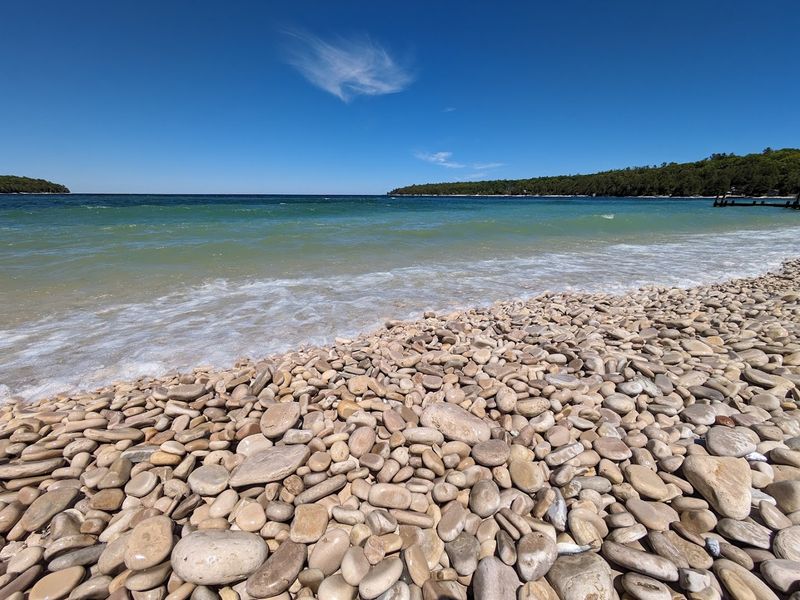
Walking onto Schoolhouse Beach means stepping onto a surface that took thousands of years to create. Every inch of the shoreline consists of limestone pebbles worn smooth by constant wave action, ranging from marble-sized stones to pieces as large as your fist.
The rocks feel warm underfoot on sunny days, though most visitors quickly learn that water shoes make the experience more comfortable.
The pebbles create a distinctive sound when waves roll in, a gentle clacking that becomes the beach’s signature music. Families spread blankets over the stones or bring low chairs to settle in for the afternoon.
Children delight in sorting through the rocks, finding favorites to admire before leaving them behind as the signs request.
The limestone composition gives the beach its brilliant white appearance, especially striking when dry stones contrast with the turquoise water. This geological feature makes Schoolhouse Beach instantly recognizable in photographs and unforgettable in person.
It’s One Of The Rarest Beaches In The World
Schoolhouse Beach belongs to an exclusive club. Geologists recognize only five limestone pebble beaches in the entire world, making this Washington Island destination exceptionally rare.
The specific conditions required to create such a shoreline occur infrequently, demanding the right rock composition, wave action, and time measured in millennia.
The beach’s rarity stems from the unique combination of factors at work here. Limestone from the Niagara Escarpment provided the raw material, while Lake Michigan’s waves spent centuries tumbling and polishing each stone.
The protected harbor prevented the pebbles from washing away while allowing enough wave action to continue the smoothing process.
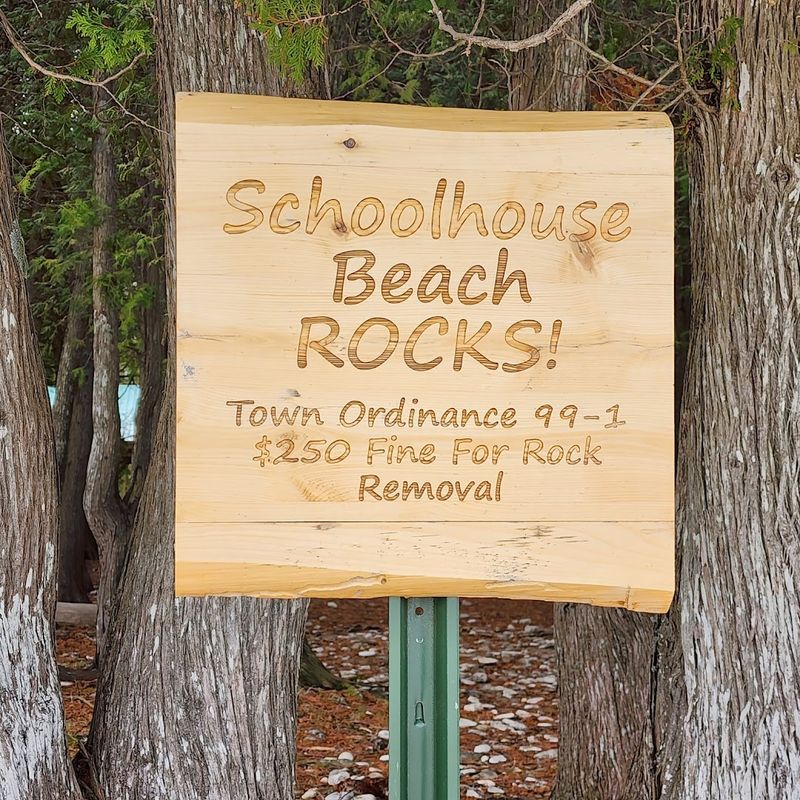
This geological scarcity adds weight to the preservation efforts. Signs throughout the area remind visitors that removing even a single stone contributes to the beach’s gradual disappearance.
The rarity makes Schoolhouse Beach worth protecting and worth traveling considerable distance to experience firsthand.
The Shoreline Is Part Of The Niagara Escarpment
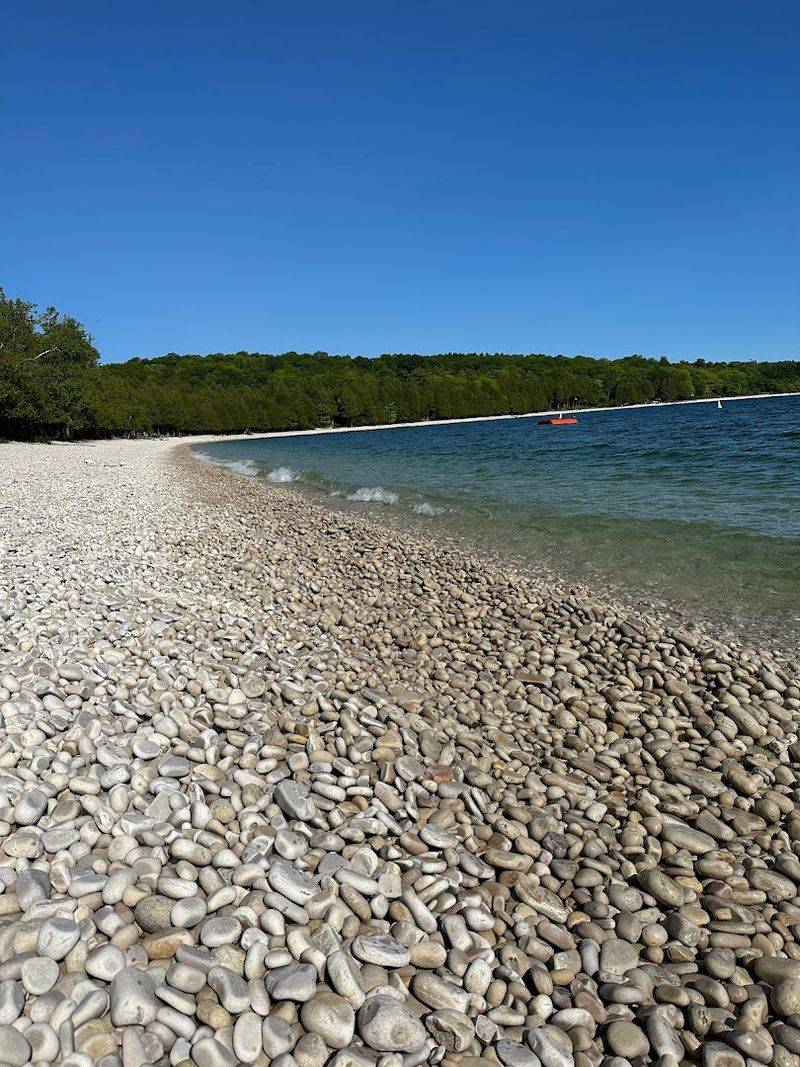
The same geological formation that creates Niagara Falls extends northward through Wisconsin and surfaces dramatically at Schoolhouse Beach. The Niagara Escarpment, a massive ridge of dolomite and limestone, runs from New York through Ontario, Wisconsin, and Michigan.
Washington Island sits directly atop this ancient formation, which dates back roughly 400 million years to the Silurian period.
Erosion exposed the escarpment’s limestone layers along this particular stretch of shoreline. Wave action then went to work on the exposed rock, breaking it into smaller pieces and gradually rounding each fragment.
The process continues today, though at a pace imperceptible to human observation.
Understanding this geological context adds depth to a beach visit. The smooth pebbles represent fragments of an ancient seabed, compressed and uplifted over millions of years, then released back to the water’s edge.
The escarpment’s presence shapes Washington Island’s character in numerous ways beyond this single beach.
The Pebbles Are For Looking, Not Taking
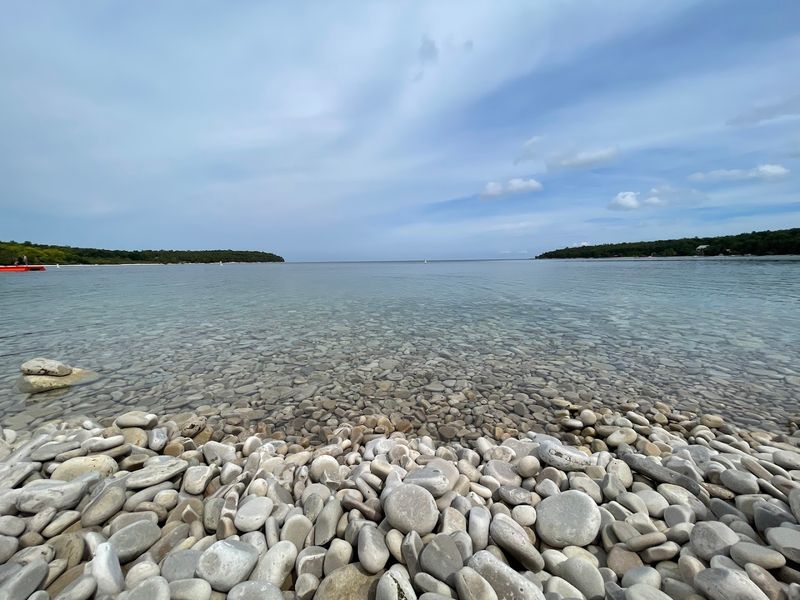
Multiple signs around Schoolhouse Beach deliver a clear message about taking stones home. Removing pebbles carries a fine, but the signs appeal to something beyond legal consequences.
The beach survives only because enough people respect its fragility and leave the stones where they belong.
Past generations took pebbles freely, and the beach once extended much farther into what is now forested area. Thousands of stones departed in pockets and bags over the decades, gradually diminishing this rare resource.
Current preservation efforts aim to halt that decline and protect what remains for future visitors.
The temptation is real and understandable. The stones feel pleasant in hand, smooth and cool, each one unique.
Children naturally want to collect them. Adults imagine a single pebble displayed at home as a memento.
The signs acknowledge this desire while explaining why resisting it matters.
Visitors can photograph the stones, stack them temporarily, admire them endlessly, then leave them behind as their contribution to conservation.
A Marked Swimming Area Makes Summer Visits Easier
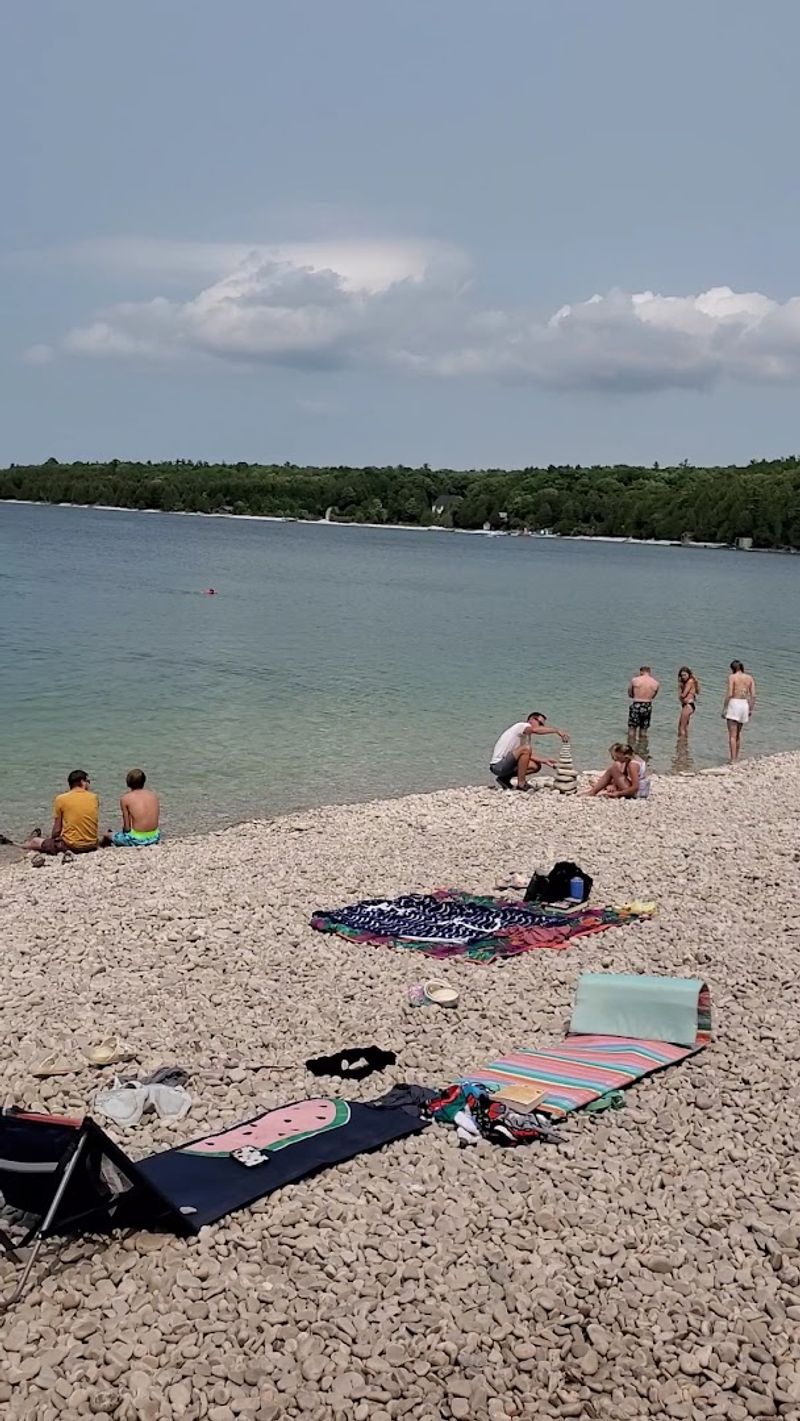
Schoolhouse Beach maintains a clearly defined swimming area during the summer season. Markers indicate where swimmers should stay, creating a designated zone that gives families confidence about safe recreation.
The boundaries help organize activity on a beach that can fill with visitors during peak summer weekends.
Water depth increases relatively quickly as you move away from shore, which makes the marked area particularly useful for families with young children. Parents can gauge appropriate swimming spots while knowing the designated zone has been selected with safety in mind.
The limestone bottom remains visible even in deeper sections of the swimming area, allowing constant awareness of depth.
Summer water temperatures in this protected harbor reach tolerable levels, especially during July and August. The swimming area faces north, sheltered from prevailing winds, which keeps the water calmer than exposed Lake Michigan beaches.
Sunny days warm both the water and the stones along the shore, creating comfortable conditions for extended swimming sessions.
The Diving Raft Adds An Old-School Beach Feel
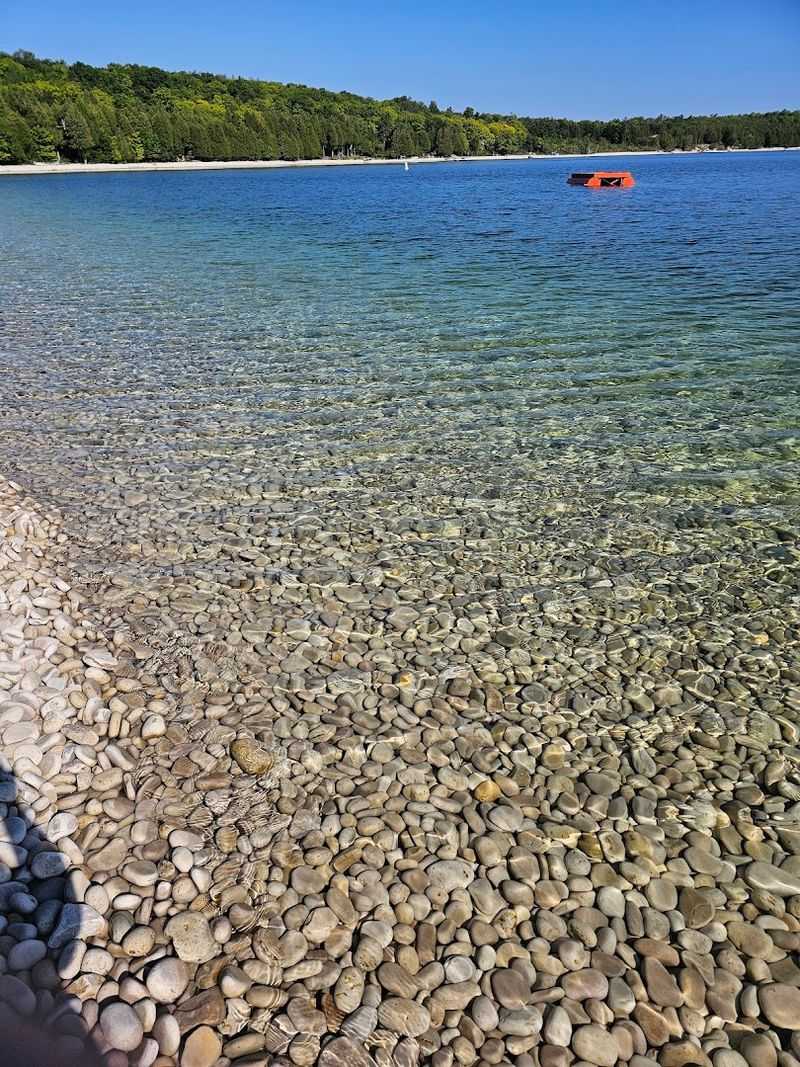
A diving raft floats in deeper water beyond the swimming area, anchored in place throughout the summer season. The simple wooden platform recalls an earlier era of beach recreation, the kind of amenity common at mid-century swimming holes but increasingly rare at modern beaches.
Swimmers make the short journey out to the raft, then use it as a resting spot or launching point for dives into the clear water.
The raft serves practical purposes beyond nostalgia. It provides a destination for stronger swimmers and gives teenagers a gathering spot separate from shore activities.
The platform offers a different perspective on the beach, allowing views back toward the pebbled shoreline and surrounding forest.
Climbing onto the sun-warmed boards after swimming in cool lake water captures something essential about summer at northern beaches. The raft adds an element of adventure to a beach visit while maintaining the unpretentious character that defines Schoolhouse Beach’s appeal.
The Protected Harbour Gives The Water A Calm Look
Schoolhouse Beach sits at the southern end of a natural harbor that opens northward, a geographic arrangement that creates unusually calm conditions. The harbor configuration shelters the beach from waves generated by south and west winds, which are the most common weather patterns.
Only when wind blows directly from the north does the water develop significant wave action.
This protection explains much about the beach’s character. Calm water allows the remarkable clarity to persist, since waves would stir up sediment and cloud the view.
The stillness creates ideal conditions for swimming, especially for families with young children who appreciate the gentle entry and predictable conditions.
The protected setting also contributed to the beach’s historical use as a shipping port. Boats could anchor safely in the harbor, loading and unloading cargo without battling constant waves.
That same shelter now serves recreational purposes, making Schoolhouse Beach one of the most swimmer-friendly locations on Washington Island.
Picnic Tables And Grills Make It Easy To Stay Awhile
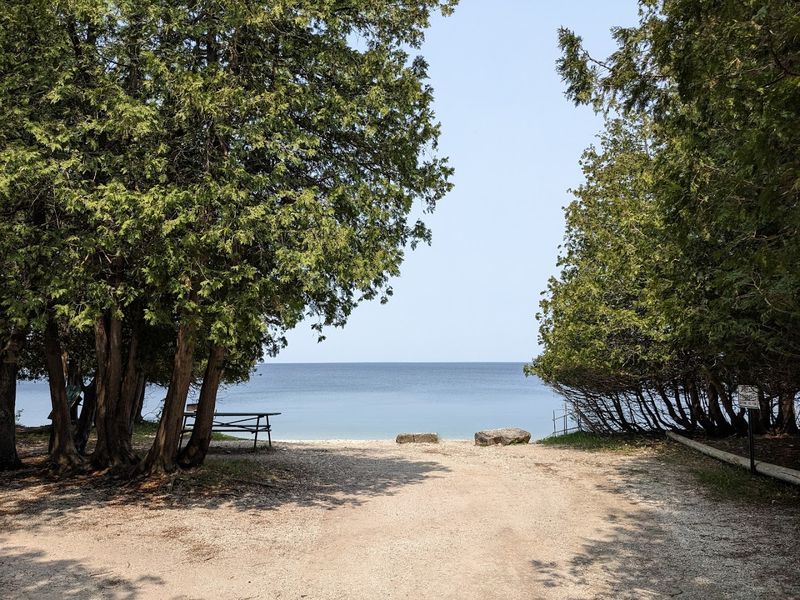
The beach park includes several picnic tables positioned under trees that surround the parking area. These facilities transform Schoolhouse Beach from a quick stop into a destination where families can spend entire afternoons.
Charcoal grills accompany the tables, allowing visitors to prepare meals while maintaining views of the water and keeping track of swimmers.
The shaded picnic area offers welcome relief on hot summer days when the open beach reflects intense sunlight off white stones. Tables fill quickly during peak season, particularly on weekends, but the park accommodates groups of various sizes.
Some visitors bring portable chairs and blankets to claim spots on the beach itself, creating their own temporary picnic setups.
Basic facilities including restrooms serve the picnic area, addressing practical needs for extended visits. The combination of swimming, picnicking, and relaxing by remarkable water makes the beach suitable for multi-hour stays.
Many visitors plan their Washington Island day around a long stretch at Schoolhouse Beach rather than rushing through multiple stops.
The Beach Was Once An Island Shipping Port
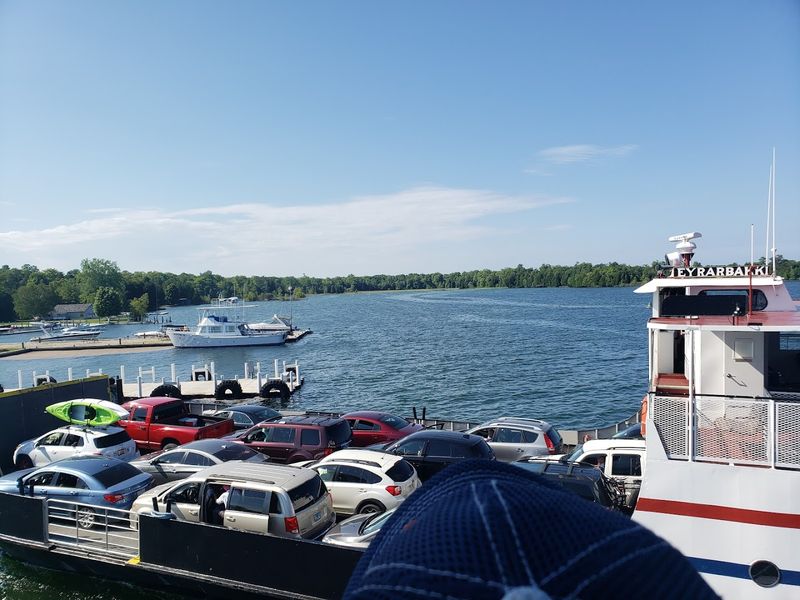
Before tourists discovered its beauty, Schoolhouse Beach served commercial purposes. The protected harbor made it an ideal location for ships to load and unload cargo bound for Washington Island.
During the late 19th and early 20th centuries, the beach bustled with maritime activity as boats delivered supplies and equipment to the growing island community.
The same qualities that make the beach attractive for recreation made it valuable for shipping. Calm water allowed boats to anchor safely, while the gradual depth provided access for vessels of various sizes.
The limestone pebbles created a stable shoreline that resisted erosion from repeated boat traffic and cargo handling.
Few visible traces of this commercial history remain today, though the harbor’s configuration still reflects its practical origins. The transition from working waterfront to recreational beach mirrors changes throughout the Great Lakes region as tourism gradually replaced shipping and fishing as primary economic activities.
Understanding this history adds another layer to appreciating what Schoolhouse Beach represents.
Its Name Comes From An Early Island Schoolhouse
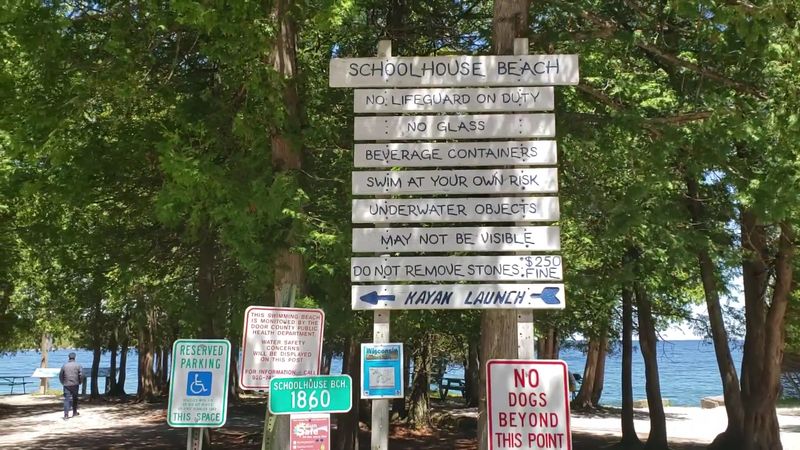
The beach takes its name from a schoolhouse that once stood near the shoreline. Early Washington Island settlers established the school to educate children in this remote island community, and the building became a local landmark.
The schoolhouse served the area’s families during the late 1800s and early 1900s, providing education in the one-room format common to rural areas of that era.
The school’s location at 1860 School House Beach Road reflects the close relationship between the educational facility and the beach itself. Children attending the school would have been familiar with the limestone pebbles and clear water, though swimming likely took second place to studies during school hours.
The original schoolhouse building no longer stands at the site, but the name preserves the connection to Washington Island’s educational history. This naming convention appears frequently throughout Door County and the surrounding islands, where geographic features and roads often carry names tied to early community institutions and the families who settled the region.