
This Remarkable Pennsylvania Forest Lets You Stand Beneath 400-Year-Old Living Giants
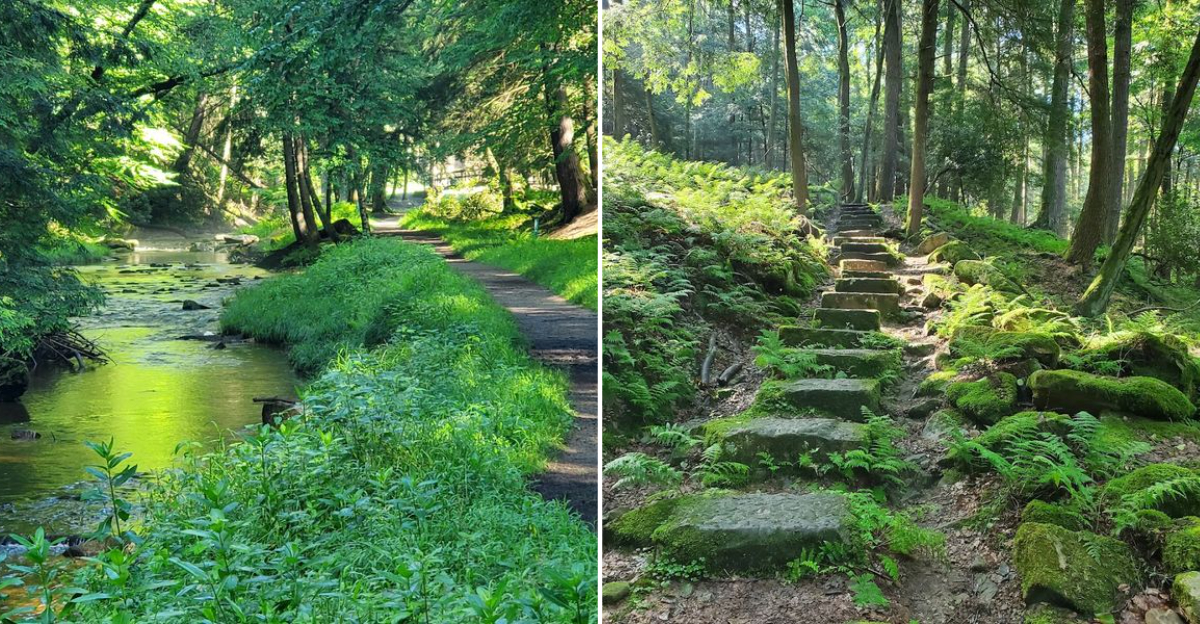
When work gets under your skin, or the routine of daily life starts to wear you thin, nature has a way of putting things back in order. There is an old saying that goes something like this.
Take care of nature, and nature will take care of you. This place in Pennsylvania is not your average walk in the woods.
It offers something far greater than that. Some of the oldest and tallest trees in the entire northeastern United States grow here, standing like they have been holding their ground for centuries.
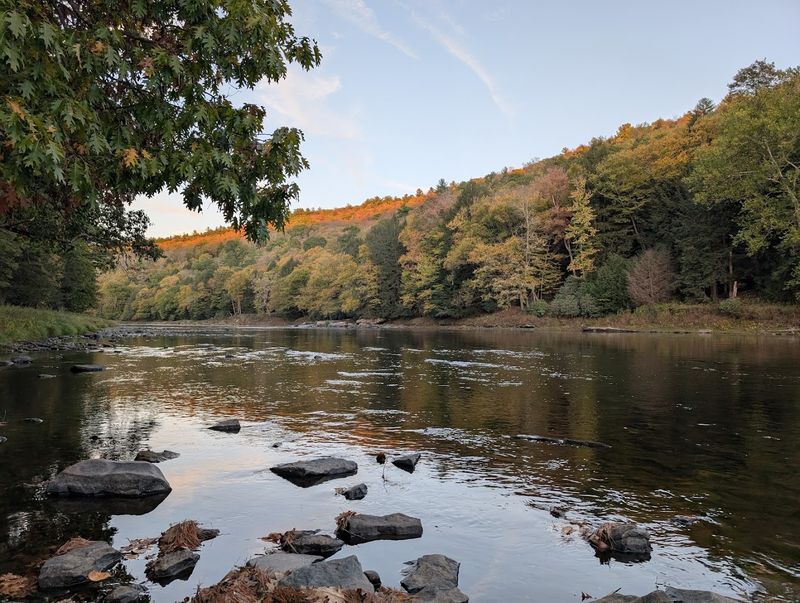
Running alongside the forest is the Clarion River. It cuts right through the landscape and happens to be a great spot for anyone who enjoys canoeing.
The kind of place that reminds you the world is still worth slowing down for.
History Of Ancient Tree Growth
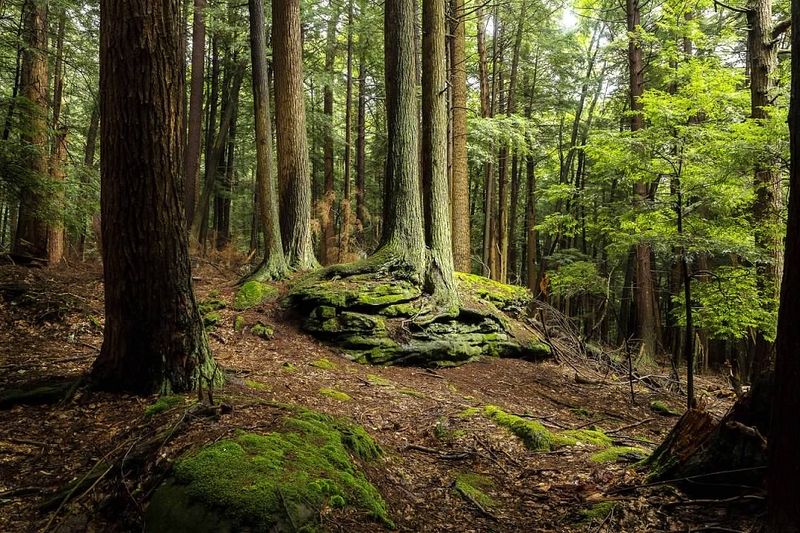
Some of these trees were already centuries old when the Pilgrims landed in America. Cook Forest State Park holds a significant stretch of old-growth forest across multiple cataloged areas.
This makes it one of the most remarkable forest preserves in the entire northeastern United States.
The oldest known trees here have been standing for well over 400 years.
Researchers believe some survived a massive forest fire in the seventeenth century, meaning they were already mature before that fire ever sparked. That kind of continuity is rare anywhere on the continent.
The park was officially established in 1928, a decision that saved what could have been logged into oblivion.
The Longfellow Pine, an Eastern White Pine, is among the tallest trees in the northeastern United States and one of the most visited landmarks in the park.
You can find Cook Forest State Park at Leeper, PA 16233, and visiting feels less like a hike and more like a history lesson you actually want to attend.
Biodiversity Within Old-Growth Ecosystems
Old-growth forests are not just collections of big trees. They are entire worlds stacked on top of each other, layer by layer, from the forest floor all the way up to the canopy.
Cook Forest is a masterclass in what happens when nature gets left alone long enough to figure things out.
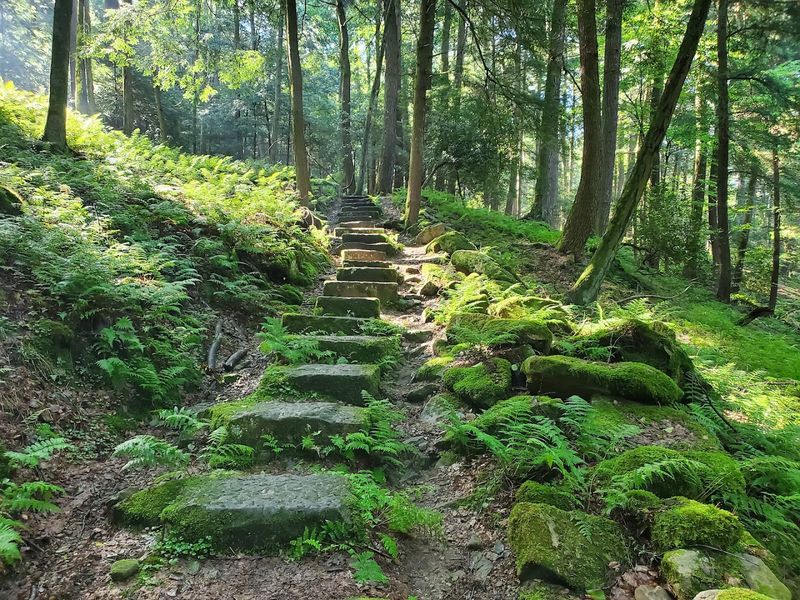
The forest floor is carpeted with mosses, ferns, and wildflowers that thrive in the deep shade created by centuries-old hemlocks and white pines. Mushrooms pop up in dozens of varieties, clinging to fallen logs and decaying stumps.
Those decomposing trees are not waste. They are hotels for insects, salamanders, and small mammals.
The layered canopy structure supports birds that need tall trees for nesting, including species rarely spotted in younger forests. Warblers, owls, and woodpeckers all show up here with regularity.
The Clarion River running alongside the park adds aquatic biodiversity into the mix, supporting fish populations and amphibians that depend on clean, cold water filtered through ancient root systems.
Every square foot of this forest is doing something important, whether you notice it or not.
Conservation Efforts For Giants
Saving a 400-year-old tree is not a passive activity. Cook Forest faces a serious threat from the hemlock woolly adelgid.
This invasive insect attacks Eastern hemlocks by feeding on their needles, gradually weakening the trees and leading to their decline over time. Left unchecked, it can wipe out entire hemlock stands within a few years.
Park staff and conservation teams have been actively treating individual trees with insecticides to protect the most significant specimens. It is slow, expensive, and labor-intensive work.
But when the tree you are trying to save is the Seneca Hemlock, the tallest Eastern hemlock in the Northeast at 148.1 feet, the effort is absolutely worth it.
The Forest Cathedral was designated a National Natural Landmark, which adds a layer of federal recognition to the conservation mission.
The Susquehannock Hemlock holds the title of largest Eastern hemlock by volume in the Northeast, and it lives right here. The Davies Black Cherry, the tallest black cherry in the Northeast at 143.1 feet, also calls this park home.
Protecting these record-holders is not just about trees. It is about preserving living history that cannot be replanted or replaced on any human timeline.
Unique Flora Surrounding Centuries-Old Trees
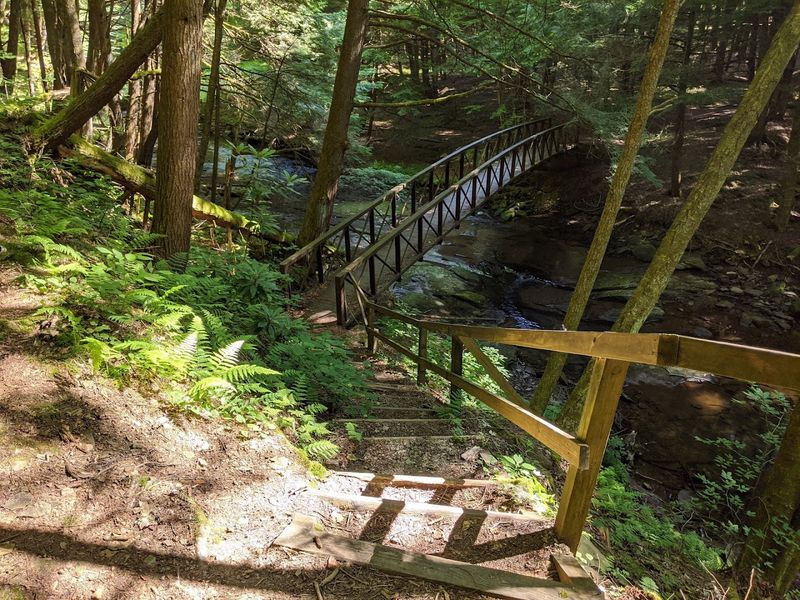
Mountain laurel is the first thing many visitors mention after the giant trees themselves. It blooms in late spring and early summer, filling the understory with clusters of pink and white flowers that look almost too perfect to be real.
Walking through it feels like the forest decided to throw a party.
Beyond mountain laurel, the park hosts a remarkable variety of understory plants that have co-evolved with the old-growth canopy. Trillium, wild ginger, and various native ferns fill the gaps between the massive root systems.
These plants depend on the specific light conditions created by centuries-old trees, which means they disappear when forests are logged and do not easily come back.
Mosses deserve their own appreciation here. They coat rocks, logs, and the bases of ancient trunks in thick green mats, retaining moisture and providing habitat for tiny invertebrates.
Lichens creep up the bark of hemlocks in patterns that take decades to form. The plant diversity at Cook Forest is not just scenic.
It is a biological archive of what Eastern American forests looked like before widespread land clearing. Every plant species present tells part of that story.
Seasonal Changes Impacting Landscapes
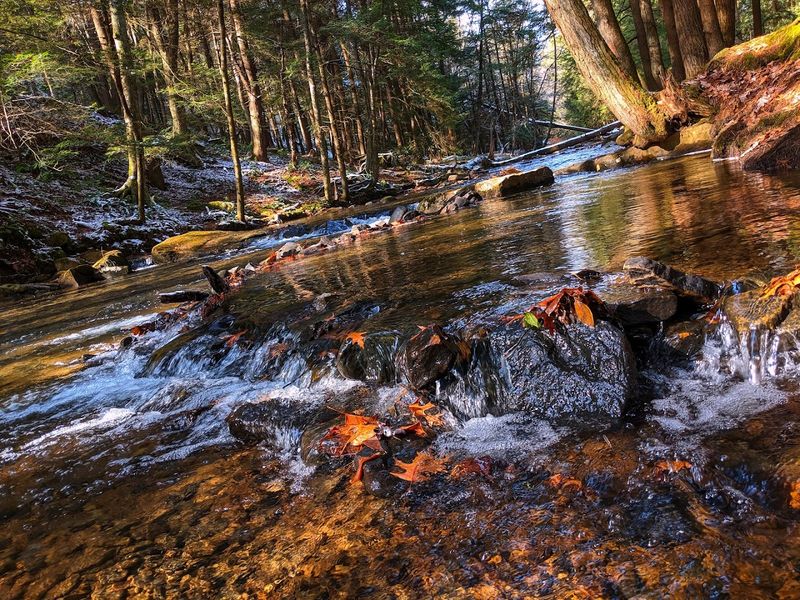
Winter at Cook Forest is genuinely underrated. The hemlocks and white pines stay green year-round, so even in January, the forest looks alive while everything else in Pennsylvania has gone gray and dormant.
Snow sitting on hemlock boughs against a pale winter sky is the kind of scene that makes people stop walking just to stare.
Spring brings an explosion of wildflowers across the forest floor before the canopy fully leafs out. That brief window of extra light reaching the ground triggers trillium, wild violets, and hepatica to bloom fast and bright.
Hikers who time their visit right get the rare combo of ancient trees plus a wildflower carpet underfoot.
Summer is peak season, and the forest earns every visitor it gets. The dense canopy keeps temperatures noticeably cooler than surrounding areas, making it a natural escape from summer heat.
Fall color here is a bit different than typical Pennsylvania foliage drives because the evergreen hemlocks and pines anchor the landscape while hardwoods turn gold and red around them. That contrast is visually striking and photographs beautifully.
Planning around the seasons genuinely changes what Cook Forest feels like each time you visit.
Guided Nature Walks And Educational Programs
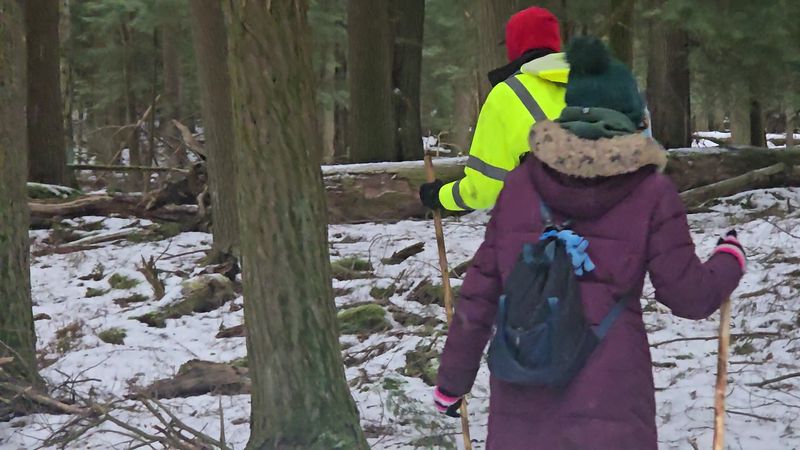
The Longfellow Trail is the go-to route for experiencing the Forest Cathedral, and it earns its reputation every single time.
The trail winds directly through the tallest trees in the park, and standing at the base of the Longfellow Pine while a guide explains its history makes the whole experience click in a way that solo hiking sometimes misses.
Cook Forest State Park offers educational programs through the park office and organized nature walks that cover everything from tree identification to forest ecology.
These programs are especially valuable for kids who might otherwise walk past a 400-year-old tree without registering how extraordinary that actually is. Rangers have a way of making ancient dendrology sound genuinely exciting.
The park office staff are consistently praised for being helpful and knowledgeable. Stopping in before hitting the trails gives you trail maps, current conditions, and insider tips on where the best sightlines are.
The park also features the first ADA-accessible hiking trail in Pennsylvania, making the old-growth experience available to visitors who might otherwise miss it.
That kind of inclusive design reflects the park’s broader commitment to sharing these ancient giants with as many people as possible.
Wildlife Habitats Supported By Old-Growth Areas
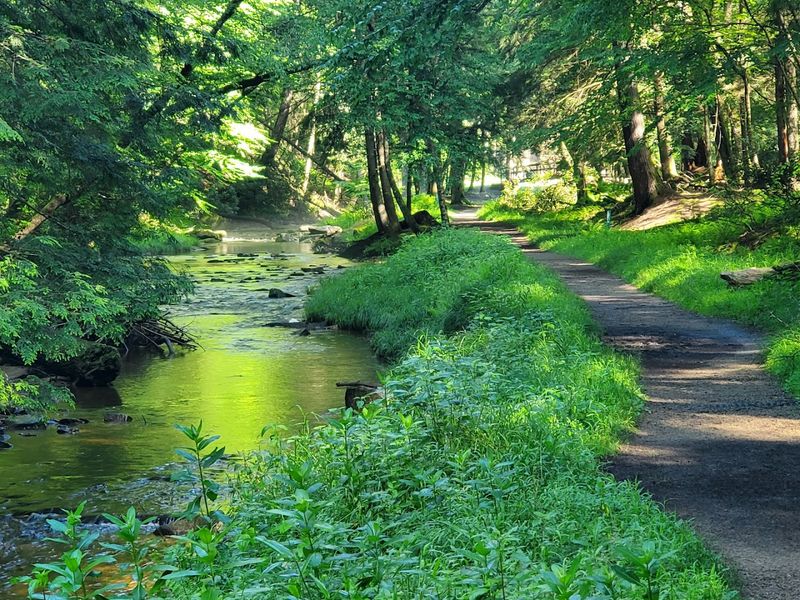
Cook Forest State Park is considered safe to visit for all experience levels, with well-marked trails and regular ranger presence. Standard precautions like staying on marked trails, carrying water, and practicing bear awareness apply.
Old-growth forest is wildlife real estate at its most premium. The structural complexity of Cook Forest, with its massive trunks, deep canopy, fallen logs, and layered understory, creates habitats that simply do not exist in younger forests.
Animals that need cavities in large old trees for nesting have nowhere else to go when old growth disappears.
Deer are practically a given here. Visitors regularly spot them grazing near trails, completely unbothered by human presence.
Snakes, lizards, and salamanders use the rocky outcroppings and moist forest floor for shelter and hunting. Black bears are present in the park, and while sightings are not guaranteed, bear awareness is always worth practicing.
Bird life is exceptional. The tall canopy attracts species like the barred owl, pileated woodpecker, and various migratory warblers that use the forest as a critical stopover during spring and fall migrations.
The Clarion River adds another habitat layer, supporting great blue herons, kingfishers, and osprey. Insects are everywhere in the best possible way, providing the food base that keeps the entire animal community running.
Cook Forest is not just a place to see big trees. It is a functioning, breathing ecosystem that rewards patient observation.
Photography Tips For Capturing Tall Trees
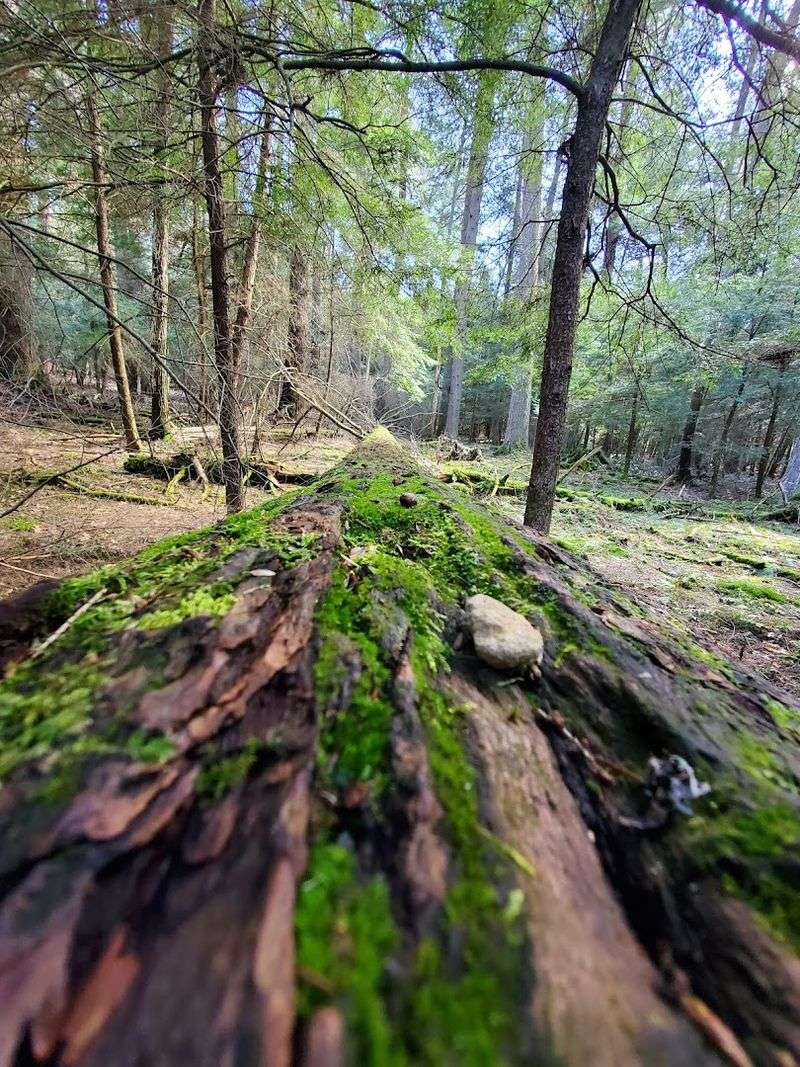
Photographing trees that are 180 feet tall requires a completely different mindset than regular landscape photography. The first instinct is to back up and try to fit the whole tree in the frame.
That rarely works. Instead, get low and shoot straight up.
A wide-angle lens aimed at the canopy from the base of a giant pine creates a dramatic, almost dizzying perspective that actually communicates the scale.
Morning light is the move at Cook Forest. The sun filters through the canopy in defined rays during the first two hours after sunrise, especially in the Forest Cathedral section.
That golden light bouncing off pale pine bark and green hemlock needles is the shot that makes people stop scrolling. Foggy mornings add an entirely different atmosphere, turning the ancient trees into something out of a fantasy novel.
Mushrooms are a surprisingly rewarding close-up subject throughout the forest. Macro photography on the forest floor reveals textures and colors that most hikers walk right past.
The swinging bridge over Tom’s Run offers a unique mid-level perspective of the surrounding forest. Cell service is nearly nonexistent in most trail areas, so download offline maps before you arrive and keep your camera battery charged from the start.