
This Remote Mississippi Lake Has Crystal-Blue Water And Quiet Beaches Hidden Among The Pines
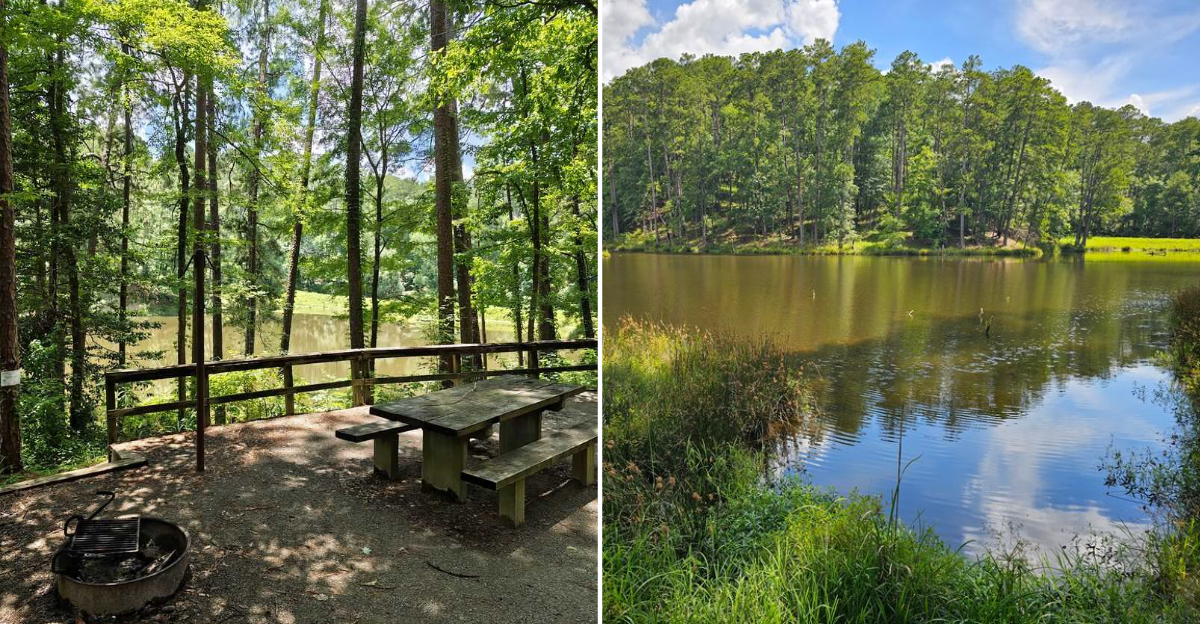
Picture crickets chirping in the background, a quiet bench, and a remote Mississippi lake that has been sitting here for centuries in complete silence. It’s hard to imagine a better start to a relaxing weekend.
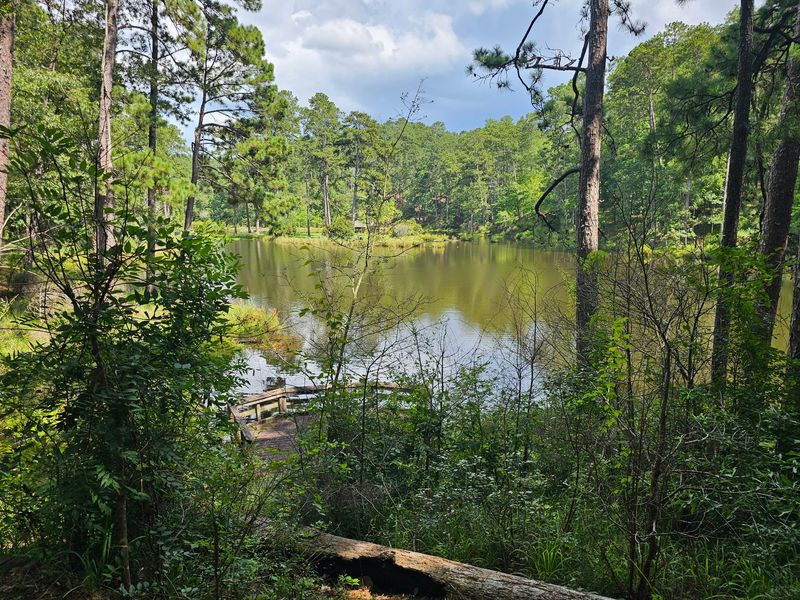
The water stays crystal-blue year round, clear enough to see straight down to the rocks below in certain spots. Beaches along the shoreline stay hidden among the pines, easy to miss unless you already know where to look.
Crowds rarely gather here, even during peak summer months when other lakes fill up fast. Locals treat the place almost like a well-kept secret passed down through friends and family.
Visitors who do find it usually can’t understand why it isn’t more popular already. This lake proved that some of the best views require a little effort to actually reach.
Unique Features Of Crystal Blue Water In Mississippi
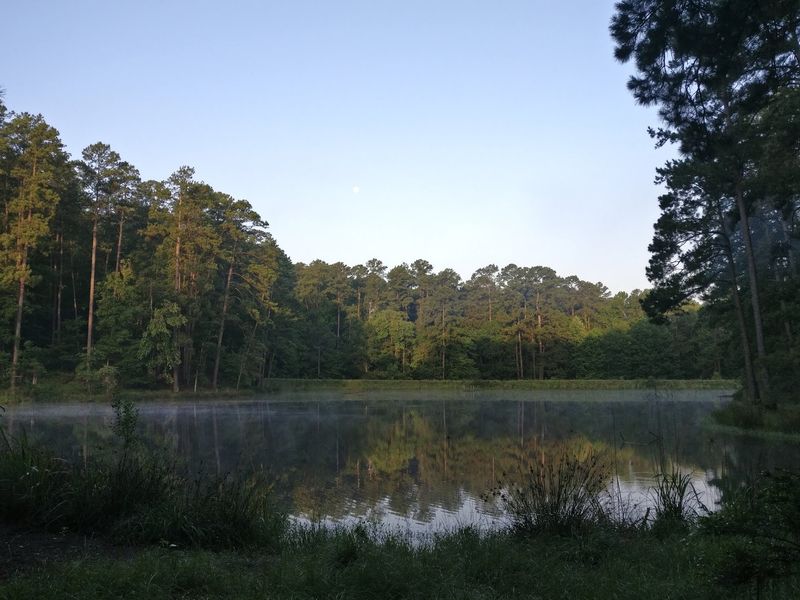
This lake is a 12-acre, spring-fed lake, and the water here looks almost unreal. It has a striking blue clarity that you rarely see in Mississippi lakes.
The color comes from water molecules absorbing red wavelengths of sunlight and reflecting shorter blue ones to your eyes.
Spring-fed systems stay naturally cool and clear throughout the year. Unlike many lakes clouded by algae or runoff, this one benefits from fast-draining soils that filter the water before it ever reaches the surface.
Low algae levels keep the visibility sharp and the water looking almost tropical.
What makes this especially rare is how consistent the clarity stays across seasons. Many Mississippi lakes turn murky after heavy rain.
Clear Springs holds its character, staying refreshingly cool even during the hottest summer months.
The lake sits quietly within the Homochitto National Forest, surrounded by rolling pine-covered hills. Healthy watershed management by the U.S.
Forest Service plays a big role in keeping the water quality high. Come see for yourself why this water looks nothing like what most people picture when they think of a Mississippi lake.
Tranquil Beach Spots Away From Crowds
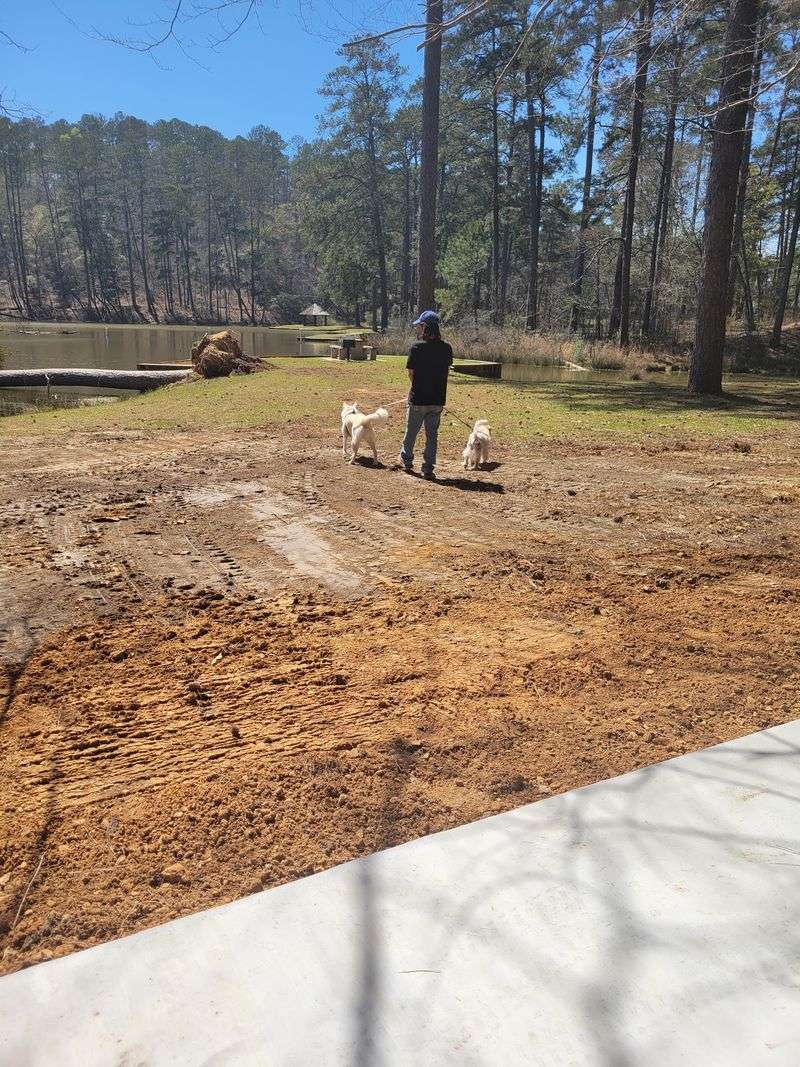
Not every beach needs an ocean. Clear Springs Lake proves that with a designated swim area that feels calm, quiet, and completely removed from the outside world.
The surrounding Homochitto National Forest acts as a natural buffer, keeping noise and traffic far away from the shoreline.
The recreation area inside the forest is considered one of the more secluded natural retreats in southern Mississippi. Cement paths connect the parking area and restrooms for easier access.
The beach itself sits close enough to enjoy without a long hike from your car.
Even on warmer weekends, this spot does not attract the overwhelming crowds that popular state parks often see. Fewer people means more space on the sand, more quiet on the water, and more chances to actually hear the wind moving through the pines above you.
Families and solo visitors alike appreciate how relaxed the atmosphere stays here. There is no loud music, no chaotic beach scene, and no vendors trying to sell you something every five minutes.
Just pine shade, clear water, and a sandy stretch that invites you to sit down and stay a while. If your idea of a perfect beach day involves peace more than parties, Clear Springs Lake delivers exactly that without any fuss.
The Role Of Pine Forests In Lakeside Ecology
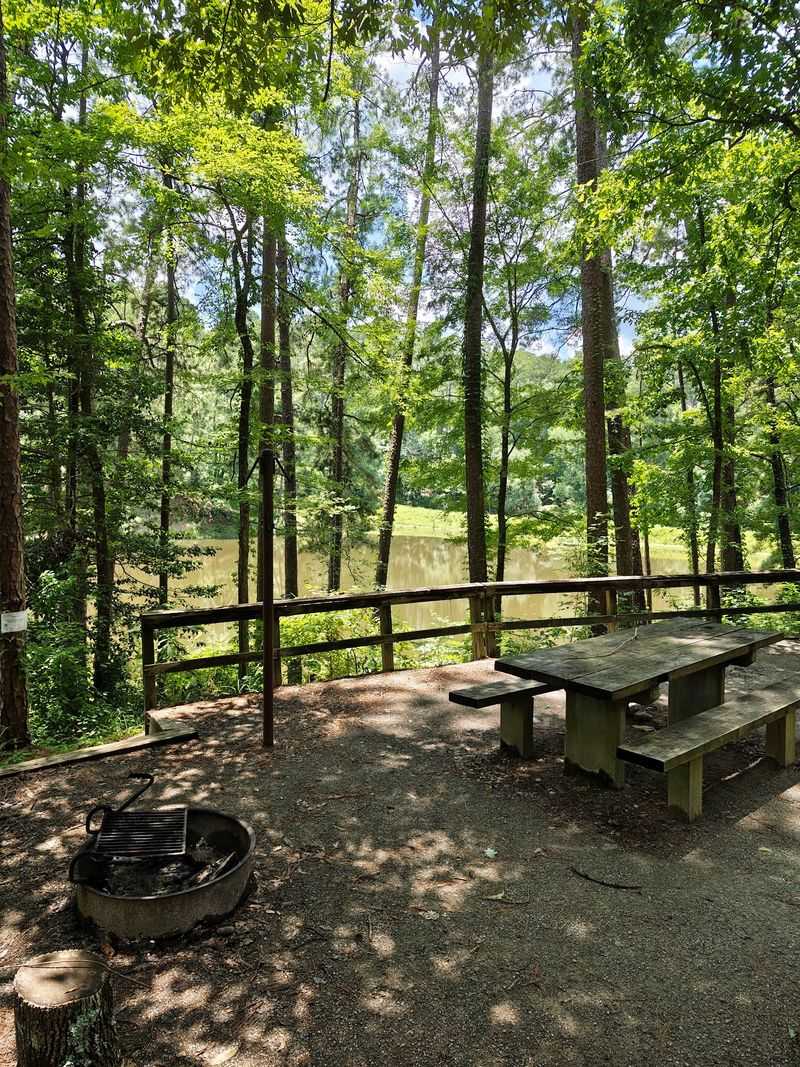
Pine forests do a lot more than just look pretty around a lake. At Clear Springs Lake, the surrounding stands of pine and mixed hardwood trees inside the Homochitto National Forest are actively working to keep the ecosystem healthy.
These trees hold soil in place, preventing erosion that would otherwise cloud the water.
The roots of pine trees act like a natural sponge. They absorb rainfall slowly, filtering it through the ground before it reaches the lake.
This process directly supports the water clarity that makes Clear Springs so visually impressive. Without the forest, the lake would look completely different.
The Homochitto National Forest has an interesting backstory. Much of it was replanted starting in the 1930s on land that was once cotton fields.
Decades of forest restoration turned worn-out farmland into a thriving ecosystem that now supports the lake, the wildlife, and the recreation area visitors enjoy today.
Pine forests also regulate temperature around the lake. The shade they provide keeps water cooler in summer, which benefits fish and aquatic life.
The leaf litter and organic material they drop into the water adds nutrients that support the food chain from the bottom up. Every tall pine standing near the shore is doing quiet, essential work that most visitors never think about while they are busy enjoying the view.
Recreational Options For Visitors To Remote Lakes
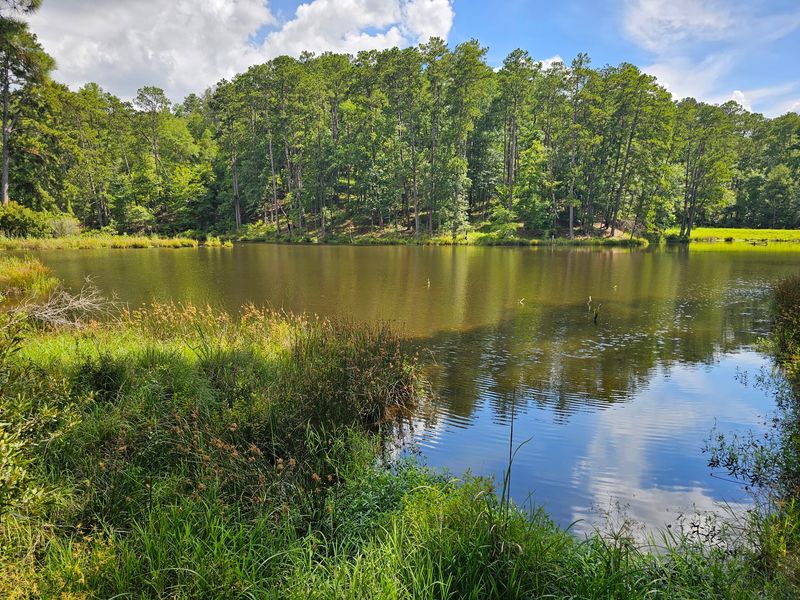
Clear Springs Lake packs a surprising amount of activity into a small, remote package. Camping, swimming, fishing, and picnicking are all available here.
Four mountain bike and hiking trails wind through the surrounding forest, giving visitors plenty of ways to explore beyond the lake itself.
One of the most popular options is the one-mile interpretive trail that loops directly around the lake. It is an easy walk with scenic views at nearly every turn.
Informational stops along the trail make it a great option for families with kids who want to learn while they explore.
Fishing here is genuinely rewarding. The lake is stocked with largemouth bass, perch, and channel catfish.
Natural flathead catfish also live in the water. Boat trailers are not allowed, which keeps things calm on the surface and makes kayaking or canoeing the ideal way to get out on the water.
The campground at Clear Springs has received solid marks for cleanliness, with hot showers and well-maintained restrooms available on site. Picnic areas offer shaded spots to eat and relax without needing to set up a full camp.
Whether you plan to spend one afternoon or a full weekend, the recreation area gives you enough variety to stay busy without ever feeling rushed or overwhelmed by the schedule.
Common Wildlife Species Found Near Mississippi Waters
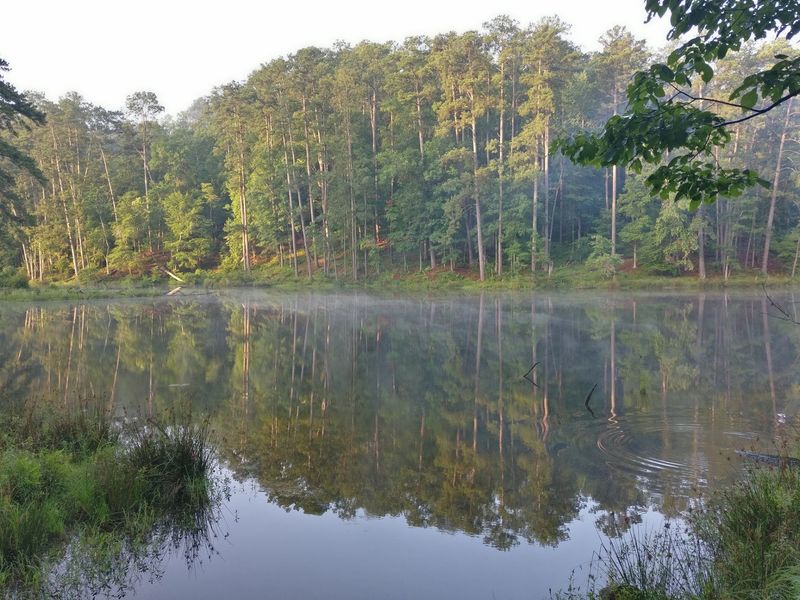
Clear Springs Lake is not just a pretty lake. It is a functioning wildlife habitat with a solid variety of animals living in and around its waters.
Deer, rabbits, squirrels, foxes, raccoons, opossums, armadillos, and chipmunks all call the surrounding forest home. Spotting one on a morning hike is a real possibility.
The birdlife here is equally active. Wild turkeys, cardinals, goldfinches, and tufted titmice have all been observed in the area.
The dense pine canopy creates ideal nesting and foraging conditions for many bird species. Bringing a pair of binoculars is a genuinely good idea if you visit.
On the water and along the shoreline, painted turtles are a common sight. They love to sun themselves on logs near the water’s edge.
While alligators are present in Mississippi waters broadly, visitors to Clear Springs Lake have noted turtles rather than gators during their time here.
The fish population is another highlight. Largemouth bass, perch, channel catfish, and natural flathead catfish all live in the lake.
Anglers report good fishing conditions throughout the warmer months. The combination of stocked and native fish species keeps the ecosystem balanced and the fishing interesting.
Wildlife here is not a bonus feature. It is a core part of what visits Clear Springs Lake feel like a genuine outdoor experience.
Photographing Natural Landscapes At Lakes
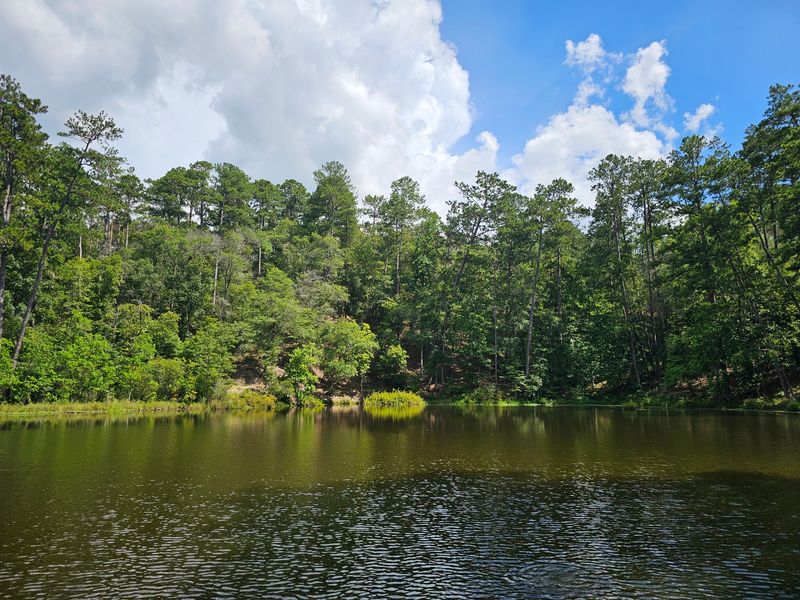
This lake is a photographer’s quiet reward. The 10 to 12 acre lake acts as a natural mirror, reflecting the surrounding pine trees and sky with impressive clarity.
Early morning light hits the water at a low angle, creating reflections that look almost too clean to be real.
The one-mile trail looping around the lake gives photographers multiple vantage points without requiring any serious gear or athletic ability. Bridges along the trail add interesting foreground elements for compositions.
The mix of open water views and shaded forest paths means your shot options stay varied throughout the entire loop.
Wildlife adds unexpected life to landscape shots here. A painted turtle on a log, a cardinal on a pine branch, or a deer near the water’s edge can turn a simple nature photo into something genuinely memorable.
Patience is your best lens at this lake.
Autumn is a particularly rewarding season for photography at Clear Springs. The surrounding hardwood trees shift into warm fall colors while the water stays clear beneath them.
The contrast between the color above and the stillness below creates images that feel almost painted. Summer mornings bring mist over the water before the heat sets in.
Every season offers a different visual story. You do not need expensive equipment to leave Clear Springs with photos worth keeping.
The place does most of the work for you.
How Seasonal Shifts Affect Water And Surroundings
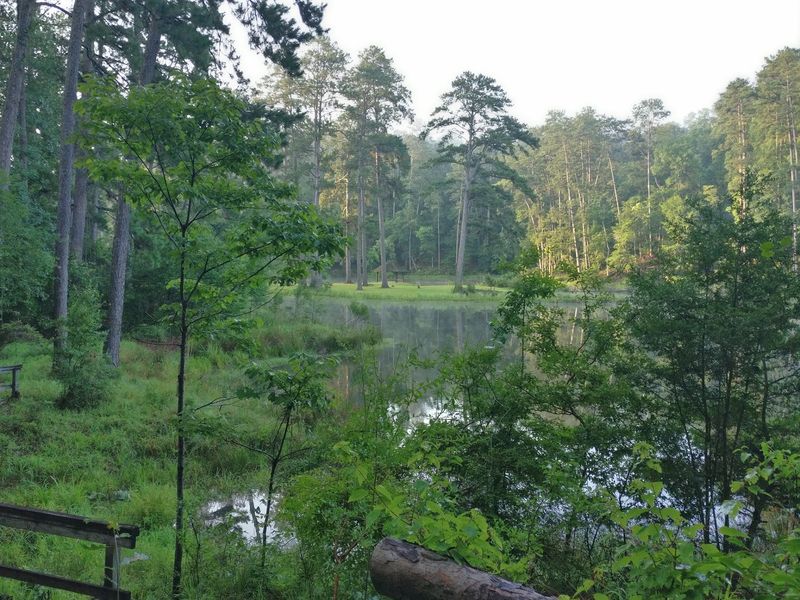
Clear Springs Lake does not look the same in January as it does in July, and that is actually one of its most appealing qualities. Each season brings a distinct mood to the water, the forest, and the wildlife around it.
Spring and summer warm the water and push the surrounding forest into full, lush green coverage.
Warmer water temperatures in summer activate fish behavior and draw more visitors to the swim area. The lake feels alive with sound and activity.
Birds are nesting, fish are feeding near the surface, and the trails stay busy with hikers and bikers moving through the shade.
Autumn brings a quieter, more dramatic version of Clear Springs. The hardwood trees mixed among the pines shift into red, orange, and gold.
The cooler air and changing colors make the lake look like a painting. Fewer visitors come during fall, which means more of the place belongs to you.
Winter is the most underrated season here. Visitor numbers drop significantly, and the forest takes on a stripped-down, honest kind of beauty.
Birdwatching improves because bare branches make spotting easier. Water levels, clarity, and temperature all respond to rainfall and weather patterns throughout the year.
These changes affect fish behavior, oxygen levels in the water, and aquatic plant growth. Visiting across multiple seasons gives you a completely different experience each time without ever leaving the same spot.
Conservation Efforts To Preserve Remote Lake Areas
Clear Springs Lake exists in its current form because of deliberate, long-term conservation work. The lake sits inside the Homochitto National Forest, which is actively managed by the U.S.
Forest Service. Their work focuses on protecting watersheds, preventing erosion, maintaining wildlife habitat, and supporting responsible recreation all at the same time.
The Homochitto National Forest has an origin story worth knowing. Much of the land was replanted with trees in the 1930s after decades of cotton farming had stripped the soil.
That replanting effort decades ago is directly responsible for the healthy forest that now surrounds and protects Clear Springs Lake today.
Water quality management is a central part of what the Forest Service does here. Keeping the watershed healthy means the spring-fed system that feeds the lake stays clean and consistent.
Without active management of the surrounding land, the clarity and quality of the water would decline over time.
Visitors play a role in conservation too, even if they do not think of it that way. Staying on designated trails, packing out trash, and following posted rules all contribute to keeping the area intact for future visitors.
The recreation area is designed to allow people to enjoy nature without degrading it. Clear Springs Lake is proof that conservation and recreation can coexist productively.
The forest and the lake are healthier today than they were a century ago, and that trajectory continues through consistent, science-based management efforts.