
This Scenic Wisconsin Lake Is Shockingly Empty Even During Peak Season
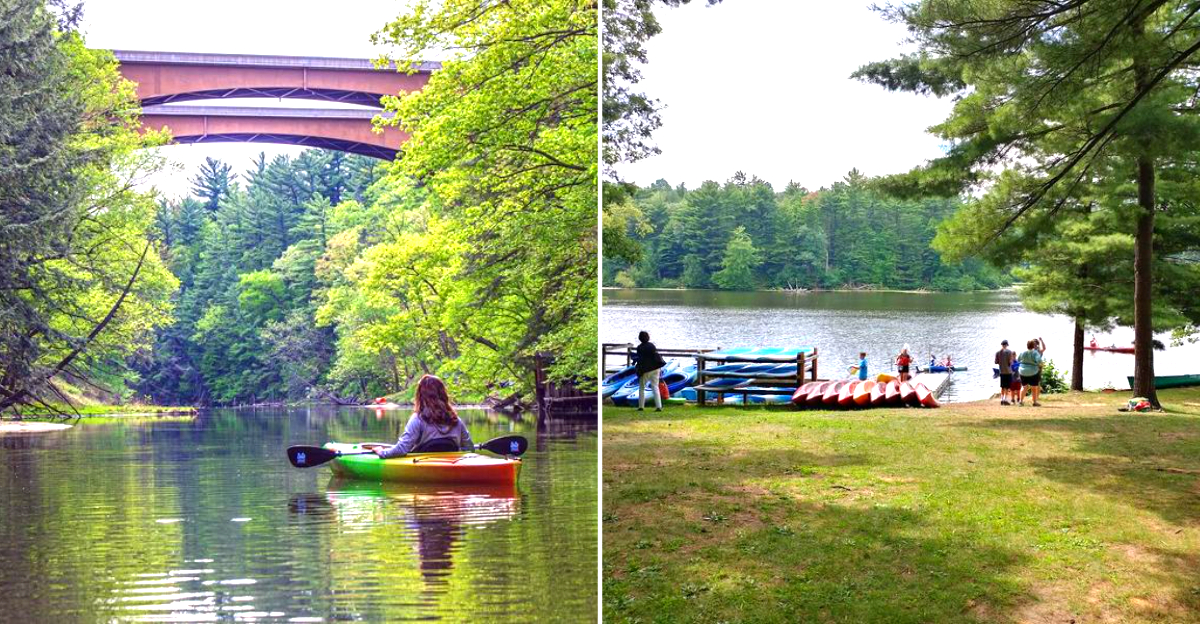
Peak season in Wisconsin means packed shorelines and zero parking. Except at this one lake, where you can still have an entire beach to yourself.
It should not be possible. Not in July.
Not in a state where lakefront real estate sells before it even hits the market. Not when every other body of water within two hours is wall to wall with pontoon boats and screaming kids.
But here it is. A lake so clean you can see the bottom from fifteen feet out.
Shoreline that stretches far enough to make you feel genuinely alone. Water so still on a calm morning that the treeline reflects back like a mirror.
Wisconsin has been keeping this one close to its chest for a long time. The campgrounds nearby fill up fast enough.
The boat launch sees its regulars. But the chaos that defines every other peak season destination simply never arrived here.
Nobody knows exactly why. At this point, nobody is complaining either.
Understanding Seasonal Variations In Lake Water Levels
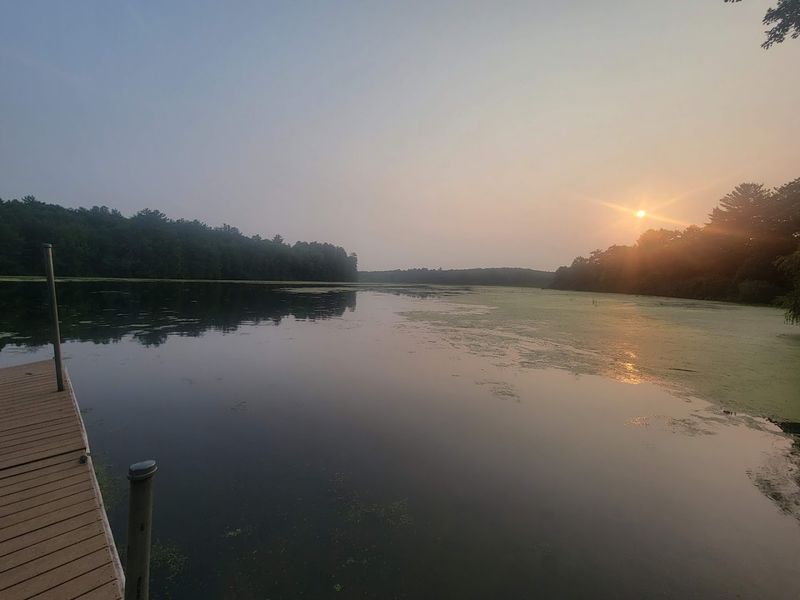
Water levels at Mirror Lake shift throughout the year, and it is fascinating to watch. Snowmelt in spring pushes levels higher, while dry summer stretches can pull them back down.
As of spring 2026, about 2% of Wisconsin is experiencing abnormally dry conditions. That is relatively mild compared to past drought years, but it still affects how the lake looks and feels.
Mirror Lake is a 137 to 139-acre reservoir, so it responds to rainfall and groundwater changes more noticeably than larger lakes. Lower water levels can expose more of the sandy shoreline, which actually looks pretty cool in photos.
Sediment and nutrient inflow have caused water quality issues in the past. Dredging projects have been running into 2026 to help fix that, and some trails near the water remain closed because of this ongoing work.
Seasonal changes also affect what wildlife you spot along the edges. Shallower water in late summer draws wading birds and turtles out into the open more frequently.
Understanding these patterns helps you plan a smarter visit. Checking current conditions before heading out saves you from surprise closures or murky water days.
Mirror Lake State Park is located in Wisconsin, USA, near the Wisconsin Dells area.
Impact Of The Surrounding Environment On Lake Activity
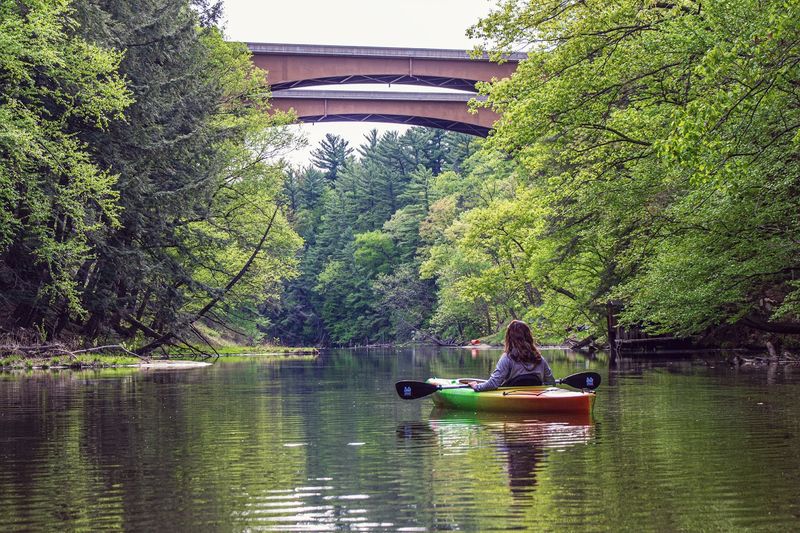
The environment around Mirror Lake directly controls how busy and how peaceful the lake feels on any given day. Thick forests and tall sandstone bluffs create a natural barrier that keeps the atmosphere quiet and contained.
Because Mirror Lake is a no-wake zone, motorized boats must crawl along at minimal speeds. That rule alone changes the entire energy of the water.
No roaring engines, no giant waves, just calm paddling and birdsong.
The surrounding woodland acts like a sound buffer, too. Noise from nearby roads and the Wisconsin Dells tourist corridor barely reaches the lake surface.
You genuinely feel removed from the chaos just minutes away.
Construction activity in 2026 has temporarily altered the park environment in noticeable ways. Road work near the two largest campgrounds has reduced foot traffic significantly through the summer months.
That construction, while inconvenient for some, has accidentally made the lake even quieter than usual. Fewer visitors means more open space on the water and along the trails that remain accessible.
The Ishnala Trail offers an alternative hiking route while the Echo Rock Trailhead stays closed. Getting out on the water early in the morning gives you the most undisturbed experience the environment has to offer.
Wildlife Habitats Supported By Scenic Wisconsin Lakes
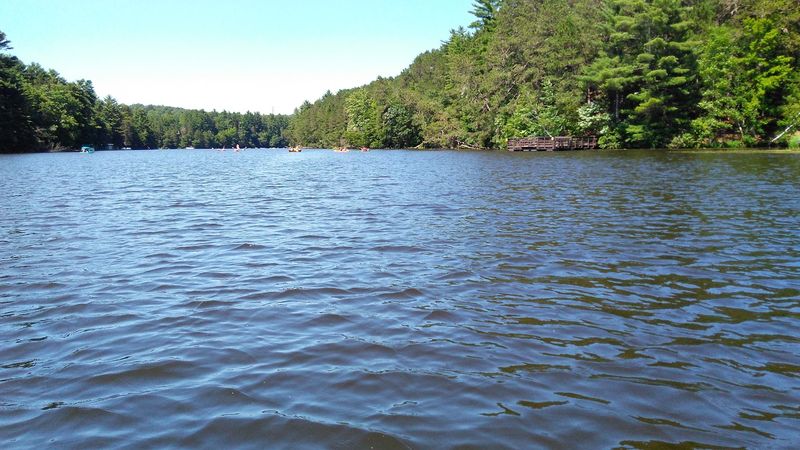
Mirror Lake punches way above its weight when it comes to wildlife diversity. For a 137-acre reservoir, the variety of species calling it home is genuinely impressive.
The shoreline vegetation provides nesting cover for wood ducks and great blue herons. Both species are regulars here, and spotting a heron standing completely still in shallow water is one of those quiet thrills that never gets old.
Largemouth bass and panfish thrive in the lake, making it a solid fishing destination. The slow-no-wake rule helps fish populations recover and grow because boat traffic stays minimal and low-impact.
Turtles love the sandy, sun-warmed banks along the lake edges. Painted turtles and snapping turtles both appear throughout the warmer months, often basking on logs near the water.
White-tailed deer frequently move through the wooded areas surrounding the park, especially during early morning hours. The dense forest provides excellent cover and a connected corridor for larger mammals moving through the region.
Amphibians also benefit from the lake’s calmer conditions. Spring peepers and American toads fill the air with sound during breeding season, turning a quiet evening at the lake into something surprisingly loud and alive.
The biodiversity here rewards patient and observant visitors every single time.
Recreational Opportunities Without The Crowds
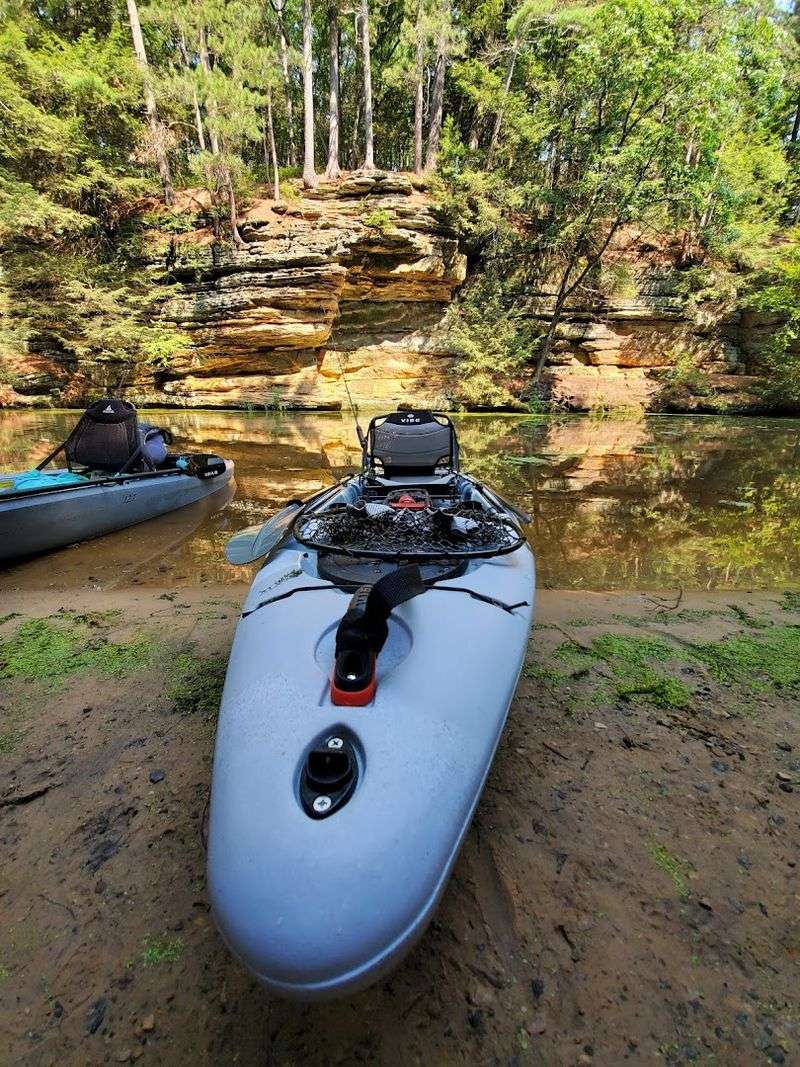
Honestly, the crowd situation at Mirror Lake is one of its biggest selling points. Even during peak summer weekends, it never reaches the shoulder-to-shoulder chaos of bigger Wisconsin Dells attractions nearby.
Kayaking and canoeing are the go-to activities here. The no-wake rule makes paddling genuinely enjoyable because the water stays smooth and predictable the whole time you are out there.
Rental options are available through the park, so you do not need to haul your own gear. That makes a spontaneous day trip completely doable without much planning or equipment investment.
Fishing is another popular draw, particularly for bass anglers. The lake holds a solid population of largemouth bass, and the calm conditions make casting from a kayak or the shore a relaxing experience.
Hiking trails wind through the park and offer views of the sandstone bluffs from above and below. The Ishnala Trail is currently the best option while other trailheads remain closed due to 2026 construction work.
Swimming is permitted in designated areas during the summer season, giving families another reason to visit. The real magic, though, is how much open space you have to yourself compared to any other lake destination in the Wisconsin Dells region.
Go early, and you may have the water entirely to yourself.
Conservation Efforts Maintaining Lake Serenity
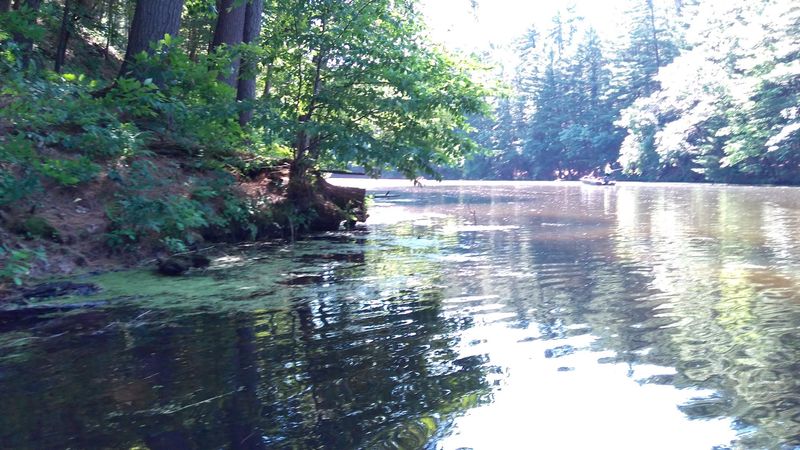
Mirror Lake has not always looked as pristine as it does today. Sediment and nutrient buildup caused water quality to decline over the years, prompting serious rehabilitation work.
Dredging projects have been a major part of the conservation strategy for this lake. Work has continued into 2026, with the Wild Rice Trail closed to protect the restoration zone from foot traffic disturbance.
The no-wake policy is itself a conservation tool, not just a safety rule. Slow boat speeds reduce shoreline erosion, limit sediment disturbance on the lake floor, and protect aquatic plant beds that fish and wildlife depend on.
Wisconsin State Park management actively monitors water quality and adjusts access as needed.
The temporary closures of campgrounds and boat landings in 2026 are partly connected to improving infrastructure that supports long-term environmental health.
Invasive species management is another ongoing priority at the park. Staff and volunteers work to prevent aquatic invasives from entering the lake through inspections at the boat launch area.
These combined efforts are why Mirror Lake still feels so clean and calm compared to heavily visited lakes nearby. Conservation here is not just a background policy.
It is the reason the lake remains worth visiting year after year without losing its natural character and appeal.
Historical Significance Of Lakes In Wisconsin
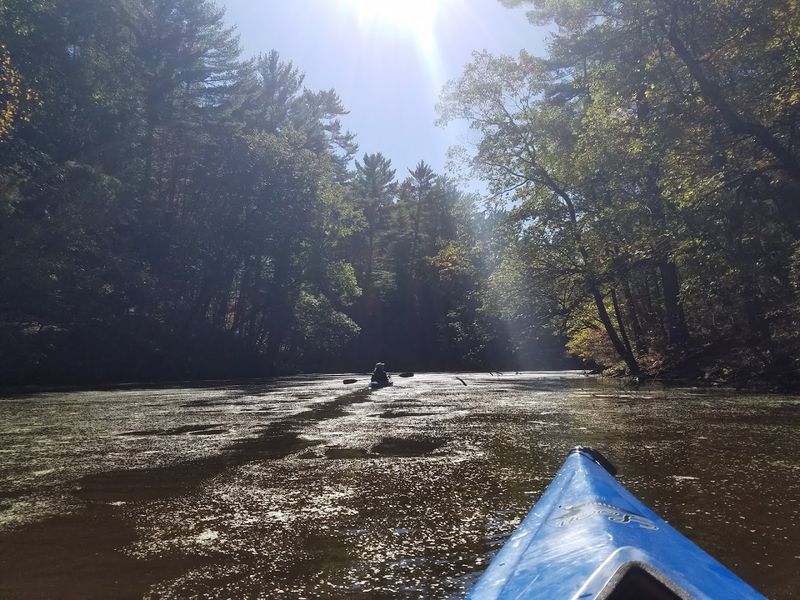
Wisconsin lakes have shaped the state’s identity for thousands of years. Long before state parks and kayak rentals existed, Indigenous communities relied on these waters for food, travel, and ceremony.
The name Mirror Lake itself reflects how Indigenous and early settler cultures observed and named the natural world.
A lake this calm and reflective would have been a significant landmark and navigation point for people moving through the region.
Wisconsin Dells, just a short distance from Mirror Lake, became famous in the 19th century partly because of its dramatic water-carved sandstone formations. The same geological forces that shaped the Dells also carved the bluffs surrounding Mirror Lake.
The state park system in Wisconsin dates back to the early 20th century, when conservationists pushed to protect scenic landscapes from logging and development.
Mirror Lake State Park was established as part of that broader effort to preserve natural Wisconsin for future generations.
Dredging and rehabilitation efforts in recent decades represent a newer chapter in the lake’s history. Human activity had degraded water quality, and active restoration became necessary to return the lake to something close to its natural condition.
That history of use, decline, and recovery makes Mirror Lake more than just a pretty spot. It is a living example of how landscapes change when humans both harm and then work to heal them.
Photography Tips For Capturing Quiet Lake Scenes
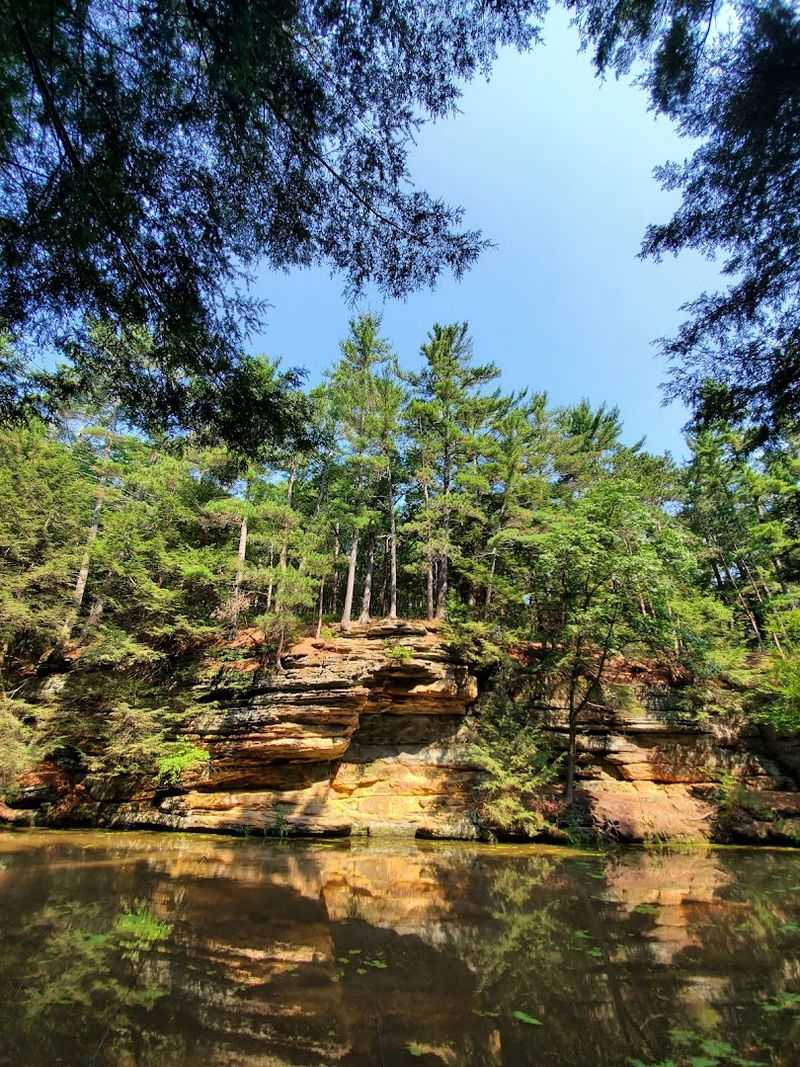
Mirror Lake is one of those places where your phone camera will genuinely surprise you. The reflective surface acts like a natural mirror, doubling every tree, cliff, and cloud in the frame.
Golden hour here is no joke. Arriving at sunrise gives you soft pink and orange light bouncing off the sandstone bluffs while the water sits perfectly still.
That combination is hard to beat anywhere in Wisconsin.
Shoot from a low angle near the waterline to maximize the reflection effect. Even a slight elevation change completely transforms how much sky and landscape appear in the water below your subject.
Overcast days are underrated for lake photography. Diffused light eliminates harsh shadows on the bluffs and creates even, rich colors across the entire scene without blown-out highlights.
Bring a polarizing filter if you shoot with a dedicated camera. It cuts the surface glare and lets you see into the water, revealing sandy bottom details and submerged logs that add depth to your composition.
Fall is an exceptional season for photography at Mirror Lake. The autumn foliage against the sandstone and the still water create layered color combinations that feel almost unreal.
Visit on a weekday in October, and you will likely have the best photo spots entirely to yourself without anyone wandering into your frame.
Best Times For Peaceful Lake Visits In Wisconsin
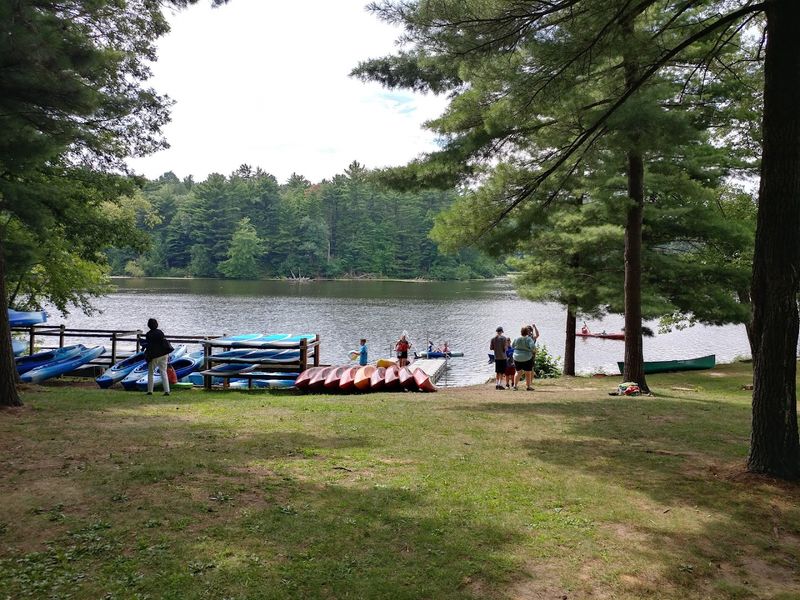
Timing a visit to Mirror Lake correctly makes a huge difference in what you experience. Summer is technically peak season, but the 2026 construction closures have thinned the crowds considerably this year.
Early mornings are the golden window regardless of the season. Before 9 a.m., the water is calm, wildlife is active, and you are unlikely to share the lake with more than a handful of other people.
Fall is genuinely the best all-around season for visiting. Cooler temperatures, brilliant foliage, and reduced visitor numbers combine to create an atmosphere that summer simply cannot match at this lake.
Weekdays beat weekends by a significant margin here. Even without construction disruptions, weekday visits to Mirror Lake tend to be dramatically quieter than Saturday or Sunday afternoon arrivals.
Late May and early June can be a sweet spot in normal years. The weather is pleasant, school is still in session in many states, and the summer crowds have not fully arrived yet at Wisconsin state parks.
Winter visits are possible for those who enjoy snowshoeing or cross-country skiing on park trails. The lake takes on a completely different but equally beautiful character when covered in snow and surrounded by bare trees.
Check the Wisconsin DNR website before visiting in 2026 to confirm which facilities and trails are currently open, given ongoing construction.