
This Secret Wisconsin Thrift Store Is Packed With Designer Finds Under $5 This Spring
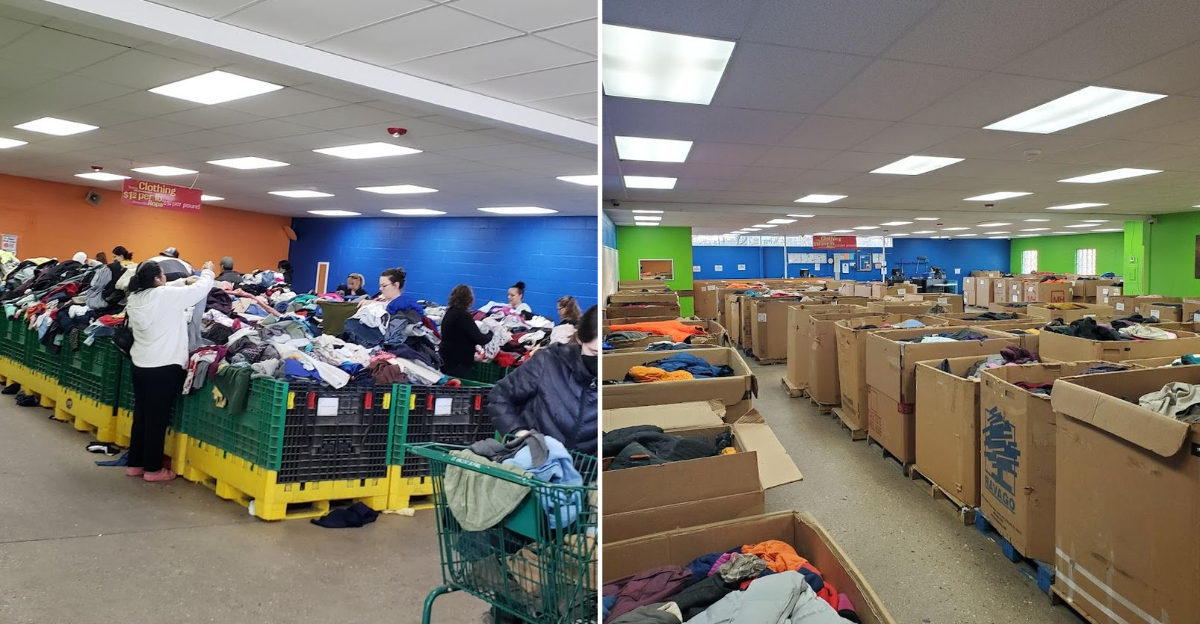
Most thrift stores have one good rack and forty feet of someone else’s regrets. This one in Wisconsin is different.
The kind of difference that makes you cancel your afternoon plans and start filling a cart. Experienced thrifters know the feeling.
You walk in without expectations, and something shifts within the first five minutes. The racks are dense but organized.
The labels start appearing. Not one or two.
Enough that you slow down and start looking at everything twice. This state is not the first place most people think of when they think of designer finds.
That is exactly why this store has stayed under the radar long enough to accumulate what it has. No viral moment, no long lines out the door.
Just a steady stream of people who found out the quiet way and kept coming back every season. Spring is when the inventory turns over fastest here.
Donations pile up, prices stay low, and the right piece is usually still on the rack if you arrive before the weekend crowd does. Under five dollars.
Real labels. Right now.
Go before someone writes about it on the internet.
Understanding The Value Of Vintage Designer Items
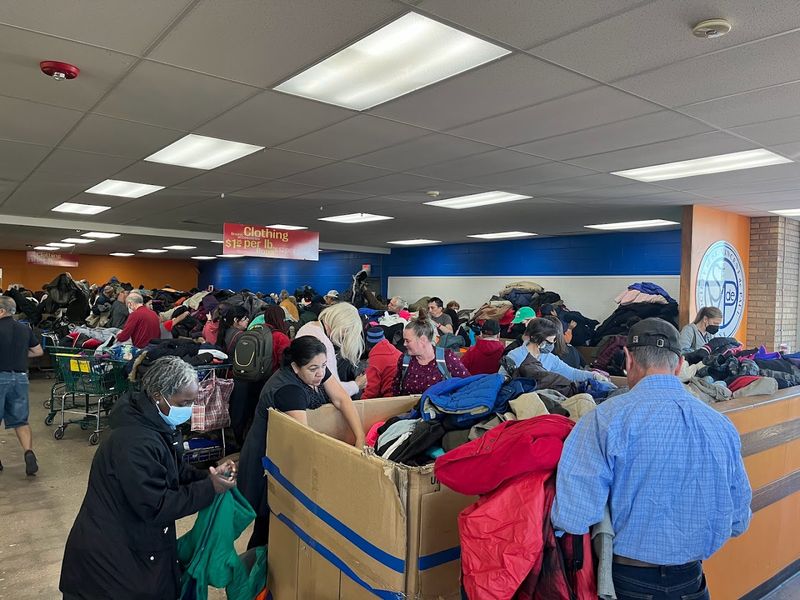
Vintage designer pieces hold real value, and most people walk right past them. A blazer from a quality brand, even with minor wear, can cost hundreds at retail.
At St. Vincent de Paul Dig & Save Outlet, that same blazer might weigh half a pound and cost you next to nothing.
That pricing model is what makes designer hunting here so exciting. You are not paying for the label.
You are paying for the weight.
Vintage designer items age well when made from quality materials. Wool coats, leather accessories, and structured blazers from older decades often outlast modern fast fashion by years.
Finding those pieces here is a real win.
Spring is a great time to search because winter donations flood in after the cold season ends. People clear out their closets and drop off coats, blazers, and layering pieces.
Those donations cycle through the bins fast.
Knowing a brand name is helpful, but knowing construction quality matters more. Look at stitching, lining, and fabric weight.
Those details tell you whether something is worth grabbing before someone else does.
The store sits at 1900 S Park St, Madison, WI 53713.
Tips For Identifying Authentic Designer Goods
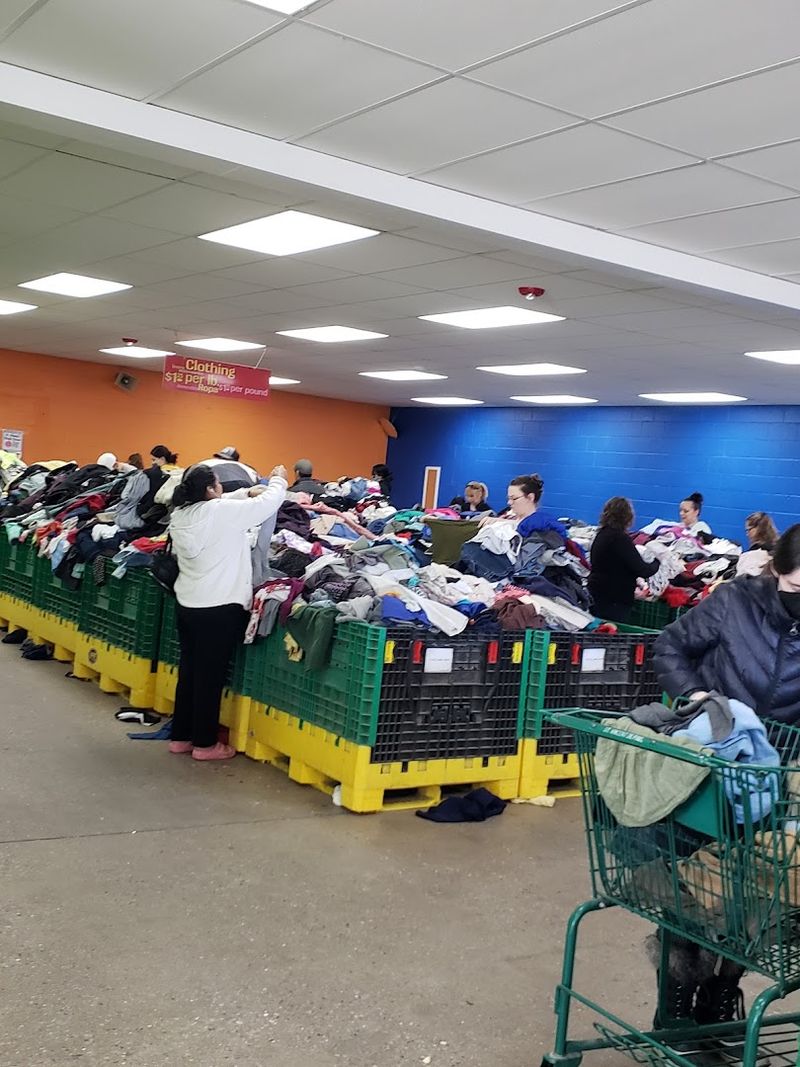
Spotting a real designer piece in a bin full of donations takes a trained eye. The good news is that a few quick checks can save you from missing something valuable.
Start with the label. Authentic designer labels are usually stitched cleanly with even spacing and no fraying edges.
Check the hardware next. Zippers, buttons, and clasps on genuine designer items tend to feel heavier and move more smoothly than those on budget pieces.
Cheap hardware is a fast giveaway that something is a knockoff or a low-quality imitation.
Stitching is another major tell. Real designer garments use tight, even stitches with no loose threads at the seams.
If a seam looks rushed or uneven, that piece probably was not made with care or quality materials.
Lining matters too. Many authentic designer coats and blazers are fully lined with silky or structured fabric on the inside.
A rough or thin interior lining often signals a lower-tier product regardless of the outside label.
At St. Vincent de Paul Dig & Save Outlet, items move fast. If you spot something that passes these checks, grab it immediately.
Other shoppers are doing the same mental math at the same time. Being decisive is part of the skill set here, and it pays off more often than you would expect.
Seasonal Trends Influencing Affordable Fashion Choices
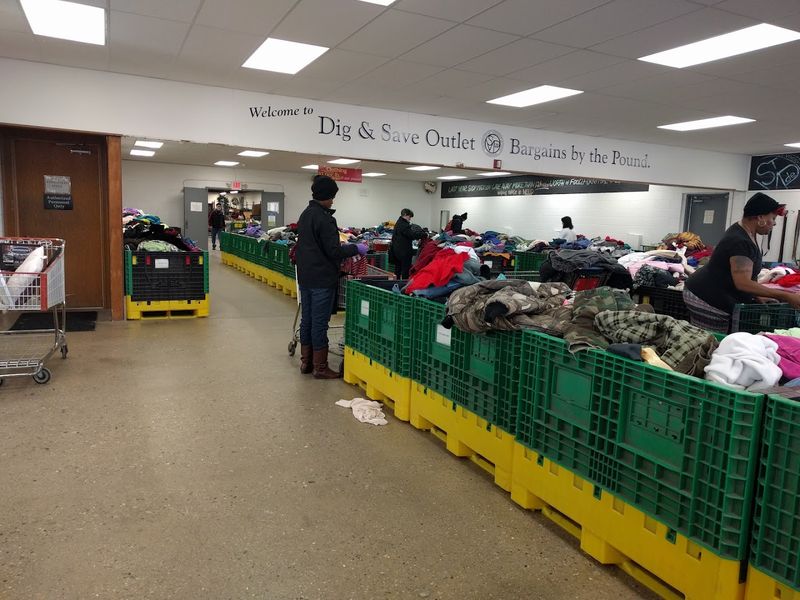
Spring fashion trends shift every year, but the basics stay pretty consistent. Light layers, earthy tones, floral patterns, and structured blazers tend to dominate spring wardrobes.
The cool part is that thrift stores like St. Vincent de Paul Dig & Save Outlet get flooded with exactly these pieces as people rotate their closets.
When winter ends, people donate heavily. Coats, sweaters, and heavier pieces get dropped off in bulk.
But mixed in with those donations are spring and transitional items that people no longer want. That creates a seasonal wave of affordable options hitting the bins right when you need them.
Fast fashion moves in cycles, but vintage and secondhand pieces often reflect trends that have come back around. A linen blazer from fifteen years ago fits perfectly into today’s spring aesthetic.
Shopping by trend awareness at a per-pound store means you can build a seasonal wardrobe for almost nothing.
Spring also brings lighter fabrics into the donation cycle. Linen, cotton blends, and lightweight wool show up more frequently in March through May.
Those fabrics are exactly what you want for transitional weather in Wisconsin.
Keeping a loose mental list of what you need for the season before you visit helps you shop smarter. You dig with purpose instead of just grabbing everything that looks interesting, which saves time and keeps your haul focused.
How To Spot Quality Materials In Thrifted Clothing
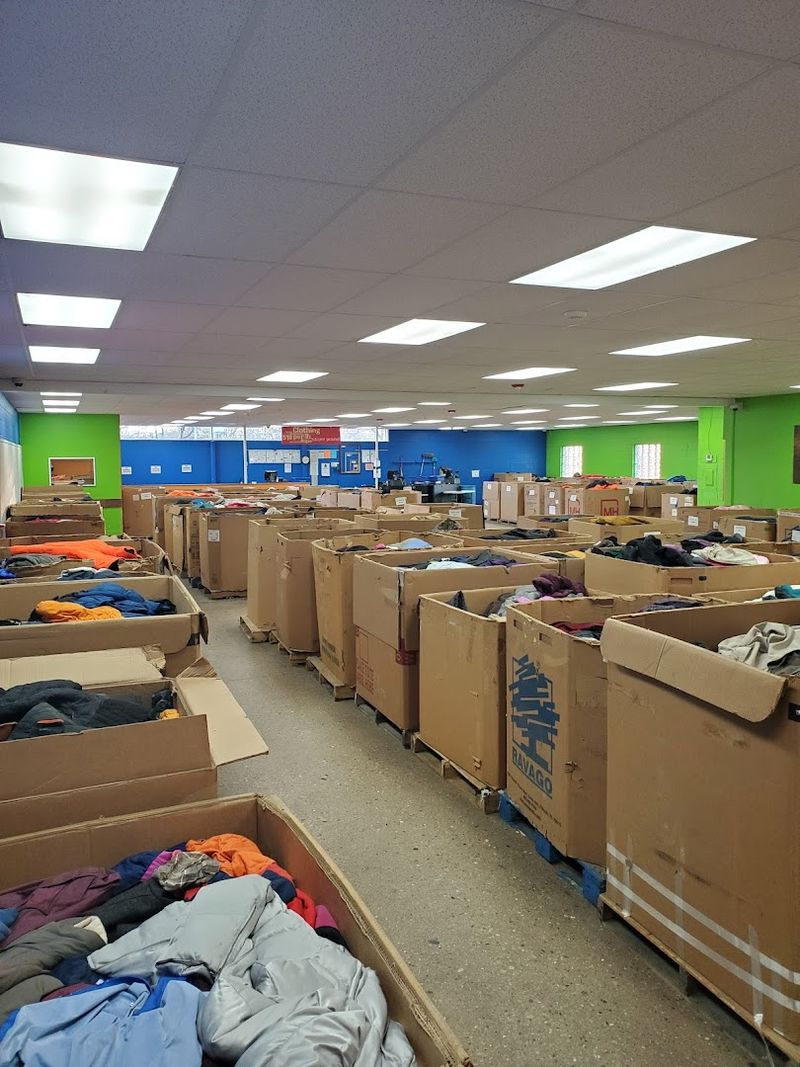
Quality fabric has a feel that is hard to fake. When you pull a piece from the bin, give it a quick stretch.
Natural fibers like wool, cotton, and linen have a certain weight and recovery that synthetic blends simply do not match. That tactile test takes about three seconds and tells you a lot.
Wool is one of the best materials to hunt for at St. Vincent de Paul Dig & Save Outlet. A wool coat or blazer that weighs two pounds will still cost you just a few dollars at their per-pound pricing.
That is an incredible deal for a material that retails for well over a hundred dollars in most stores.
Look at how the fabric drapes. Quality materials hang with a natural flow and hold their shape.
Cheap fabrics either cling awkwardly or sag in ways that no amount of washing will fix. Drape is an easy and fast indicator of overall construction quality.
Check for pilling on the surface. Light pilling can be removed with a fabric shaver and does not mean the garment is ruined.
Heavy pilling across the entire surface usually means the fabric has already degraded significantly and will continue breaking down.
Thread count in woven fabrics and knit density in sweaters also matter. Hold the piece up to the light.
A tight, dense weave signals durability. A loose or uneven weave means the item will wear out faster with regular use.
Organizing A Budget-Friendly Designer Shopping Trip
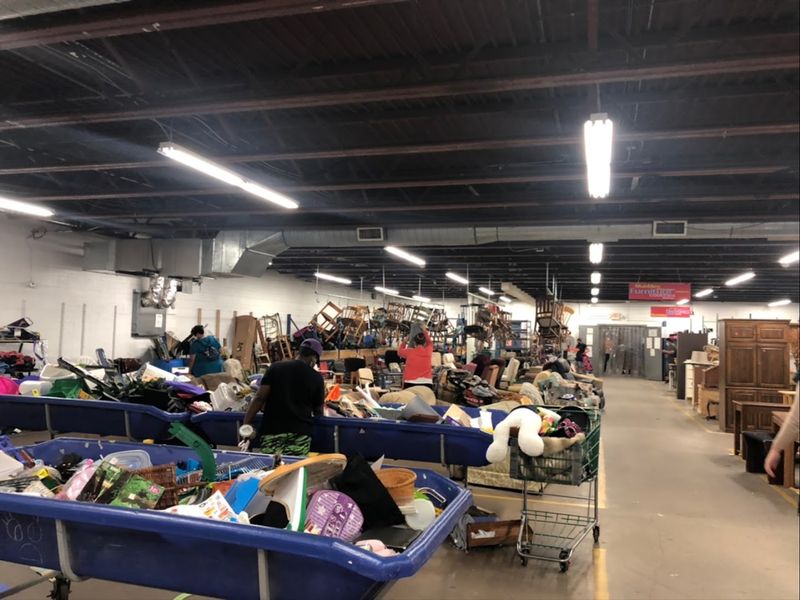
Planning before you walk in makes a huge difference at a bin-style store. St. Vincent de Paul Dig & Save Outlet is open Monday through Sunday from 10 AM to 5 PM.
Getting there right when the doors open gives you first access to freshly rotated bins, which is when the best finds are most likely to surface.
Bring reusable bags or a large tote. The store can run short on shopping carts depending on the day and crowd size.
Having your own bag means you can keep moving through bins without stopping to hunt for a cart. Work gloves are also a smart addition, especially in the back room, where household items and broken glass can show up unexpectedly.
Set a loose budget before entering. The per-pound pricing makes it easy to overfill a bag without realizing how much you have accumulated.
Clothing and linens are priced by the pound, so even a generous haul stays very reasonable. That is a full wardrobe refresh for very little money.
Focus on one section at a time. The front area holds clothing and linens.
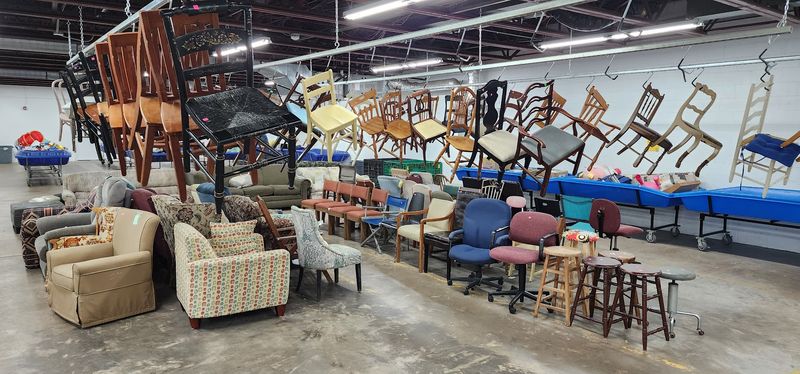
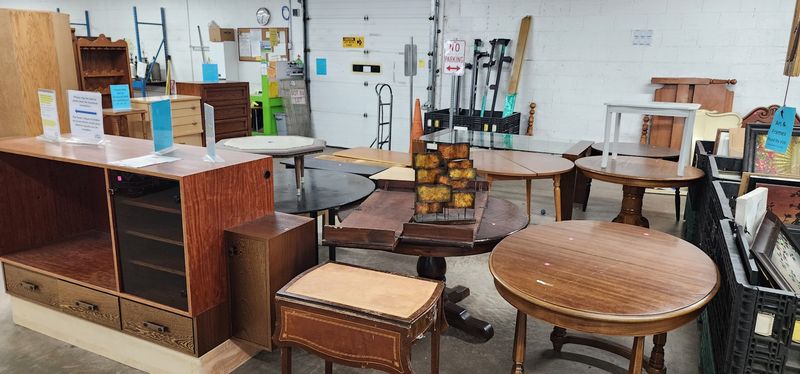
The back room has household goods, electronics, and furniture. Trying to cover both sections at once leads to rushed decisions and missed finds.
Go with a friend if you can. Two sets of eyes cover more ground, and you can split up to tackle different bins at the same time.
Care And Preservation Of Preowned Designer Apparel
Buying a designer piece for next to nothing is a win, but keeping it in great shape is the real long game. Preowned clothing often needs a refresh before it enters regular rotation.
A cold water wash with a gentle detergent handles most fabric types without causing shrinkage or color loss.
Wool and cashmere pieces should never go in a regular wash cycle. Hand washing in cool water with a wool-safe detergent is the safest route.
Lay them flat to dry on a clean towel rather than hanging, which can stretch the shoulders and distort the shape over time.
Structured blazers and coats benefit from a trip to the dry cleaner after purchase. That first professional clean removes any lingering odors and restores the shape of the lining and shoulders.
It costs very little but extends the life of the garment significantly.
Store designer pieces properly once they are clean. Use padded hangers for blazers and coats to maintain shoulder structure.
Fold knitwear instead of hanging it to prevent stretching. Cedar blocks in your closet help repel moths, which are a real threat to natural fiber garments.
Spot treating stains early prevents them from setting permanently. A small stain on a thrifted blazer does not mean the piece is ruined.
Most stains respond well to targeted treatment when addressed quickly rather than left through multiple washes.
Styling Affordable Designer Pieces For Everyday Wear
A designer blazer from a bin does not need a formal occasion to justify wearing it. Throwing a structured blazer over a plain white tee and jeans is one of the easiest ways to look put-together without spending much.
That combination works for errands, coffee runs, and casual work settings equally well.
Mixing thrifted designer pieces with basics is the smartest approach to building a wardrobe on a budget. One quality blazer, a good coat, or a well-cut pair of trousers can anchor multiple outfits.
You do not need a closet full of designer items to look like you do.
Spring is actually the perfect season for experimenting with layering. A lightweight designer cardigan over a simple dress, or a vintage linen blazer over a solid shirt, creates dimension without effort.
Those layered looks photograph well and feel current without chasing trends aggressively.
Accessories make a big impact at a low cost. A leather belt, a structured bag, or a silk scarf found at St. Vincent de Paul Dig & Save Outlet can elevate a basic outfit instantly.
The per-pound pricing means accessories are remarkably affordable, making them easy to experiment with.
Fit matters more than brand. A well-fitting thrifted piece always looks better than an ill-fitting designer item.
Basic tailoring adjustments like taking in a waist or hemming a sleeve are inexpensive and dramatically improve how any garment wears on your body.
Maximizing Savings Through Smart Thrift Store Shopping
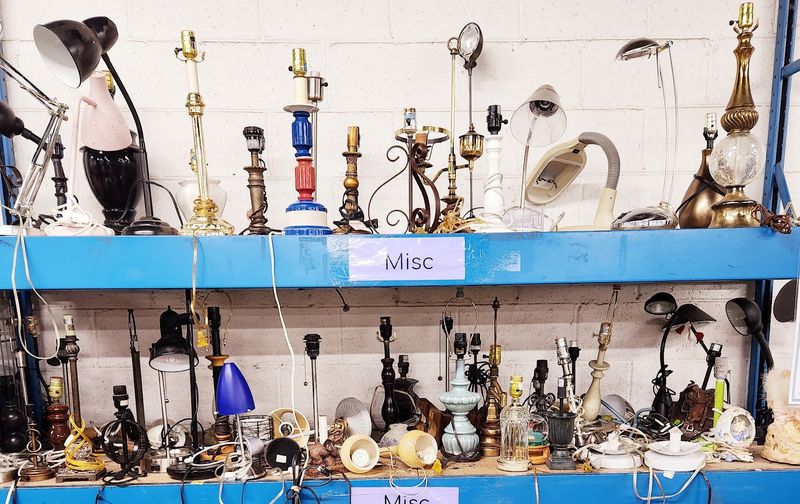
The per-pound pricing at St. Vincent de Paul Dig & Save Outlet is genuinely one of the most shopper-friendly systems in thrift retail. Clothing and linens are priced by the pound; small miscellaneous items are even less so.
That means a full outfit can come in at just a few dollars if you pick lightweight pieces.
Stock rotates daily, so visiting more than once a week is not too much. Regular shoppers know that showing up on different days exposes them to completely different inventory.
The store receives items that did not sell at other St. Vincent de Paul locations, which means the variety is constantly shifting.
Bring your own bags and a pair of work gloves. Gloves are especially useful in the back room, where household items, glassware, and miscellaneous goods are stored in large bins.
Shopping comfortably means you stay longer and find more.
Keep your cart close and do not leave it unattended for long stretches. Other shoppers move quickly, and items can disappear from carts when attention drifts.
If you spot something you want, pick it up immediately rather than planning to come back for it.
The store is open seven days a week from 10 AM to 5 PM, giving you plenty of windows to visit throughout the week. Early arrivals catch freshly rotated bins.
Mid-week visits tend to be less crowded, which makes digging through bins more comfortable and productive.