
This Short California Hike Is So Beautiful, It’ll Live Rent-Free In Your Head
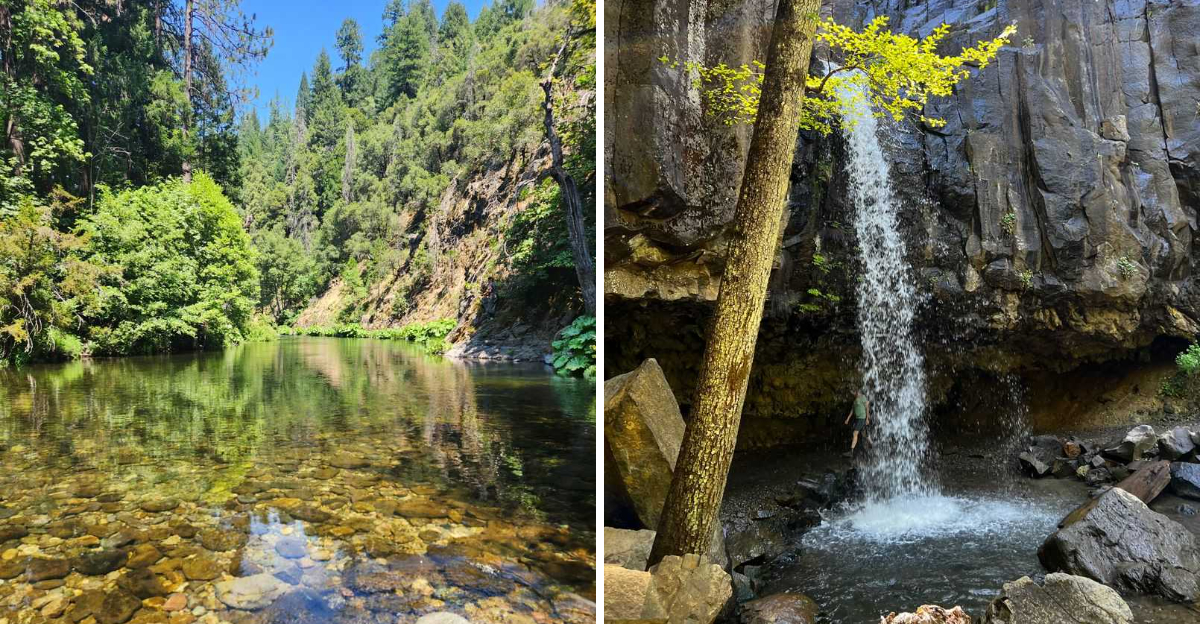
Sometimes the best adventures are the ones that don’t ask much of you. Hedge Creek Falls in Dunsmuir, California, is one of those rare places where minimal effort yields maximum wonder, a quick walk through shaded forest leading to a waterfall you can actually step behind.
It’s the kind of hike that feels like a secret, tucked away just off Interstate 5, waiting to surprise travelers who take a chance on the exit. Once you’ve stood beneath that cool cascade and felt the mist on your face, the memory tends to stick around longer than you’d expect.
One Of California’s Shortest Hikes With The Biggest Payoff
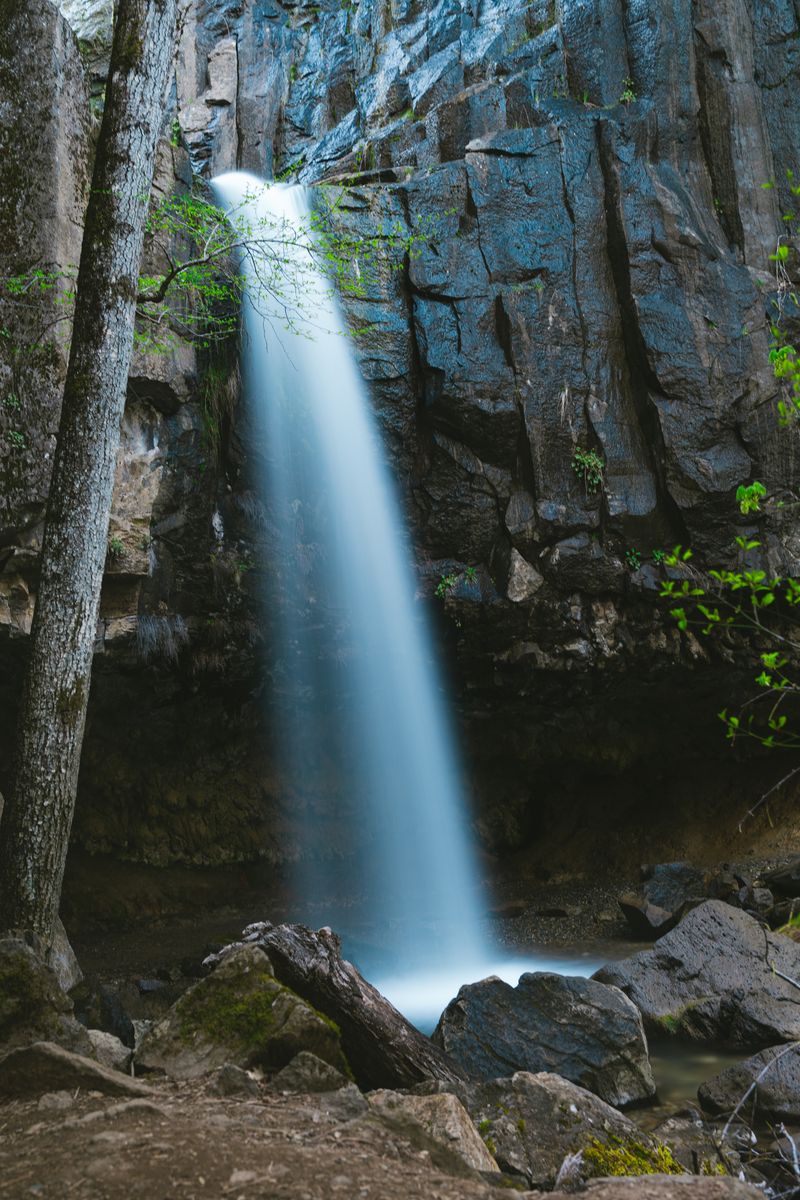
Hedge Creek Falls proves that distance and difficulty have little to do with impact. The entire trail measures less than a quarter mile, yet it delivers an experience that lingers far beyond its modest length.
Most visitors reach the waterfall within minutes, but the impression it leaves can last for years.
What makes this hike remarkable is its efficiency of wonder. You don’t need to pack provisions or plan for altitude—just park, walk, and arrive at something genuinely stunning.
The trail wastes no time on switchbacks or gradual reveals, instead guiding you directly into a cool, forested canyon where water tumbles over mossy rock.
For those who measure hikes by the ratio of effort to reward, this one skews heavily in your favor. You’ll expend minimal energy yet walk away with photographs, memories, and a quiet sense of discovery.
It’s a reminder that some of the most memorable places don’t require you to earn them through exhaustion, just the willingness to stop and look.
The Trail Is Just Minutes From Downtown Dunsmuir
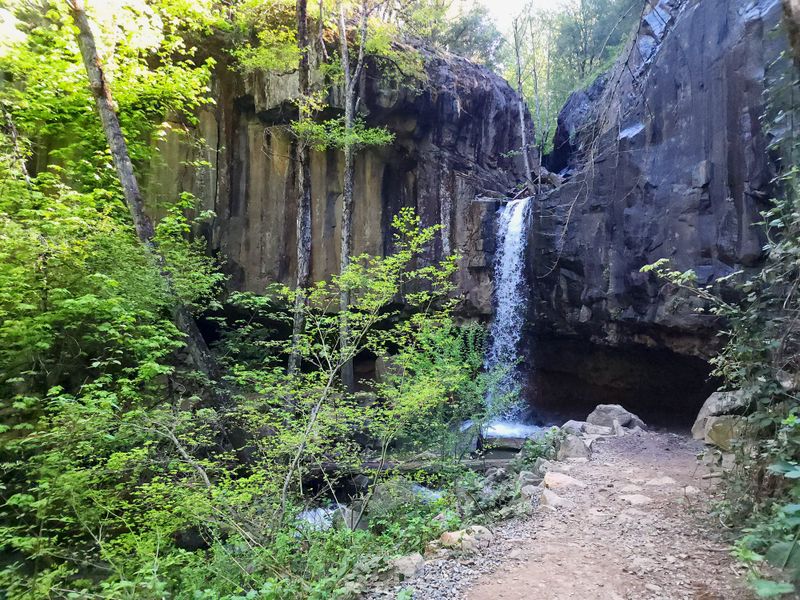
Convenience rarely pairs this well with natural beauty. Hedge Creek Falls sits at 4131 Dunsmuir Avenue, a location so accessible you could grab coffee in town and be standing at the trailhead before your cup cools.
The proximity makes it easy to fold into almost any itinerary without adding significant detours or planning.
Dunsmuir itself is a small railroad town with a quiet charm, nestled in the shadow of Mount Shasta. The falls serve as a natural extension of the town’s appeal, offering visitors a quick taste of the surrounding wilderness without venturing far from civilization.
You’ll find the trailhead clearly marked and easy to locate, even for first-time visitors.
This accessibility transforms the hike into something more spontaneous than most outdoor adventures. There’s no need to pack a day’s worth of supplies or commit hours to the journey.
Instead, you can decide on a whim to visit, park across from the trailhead, and be back in town before anyone misses you.
You Can Reach The Waterfall In Under Five Minutes
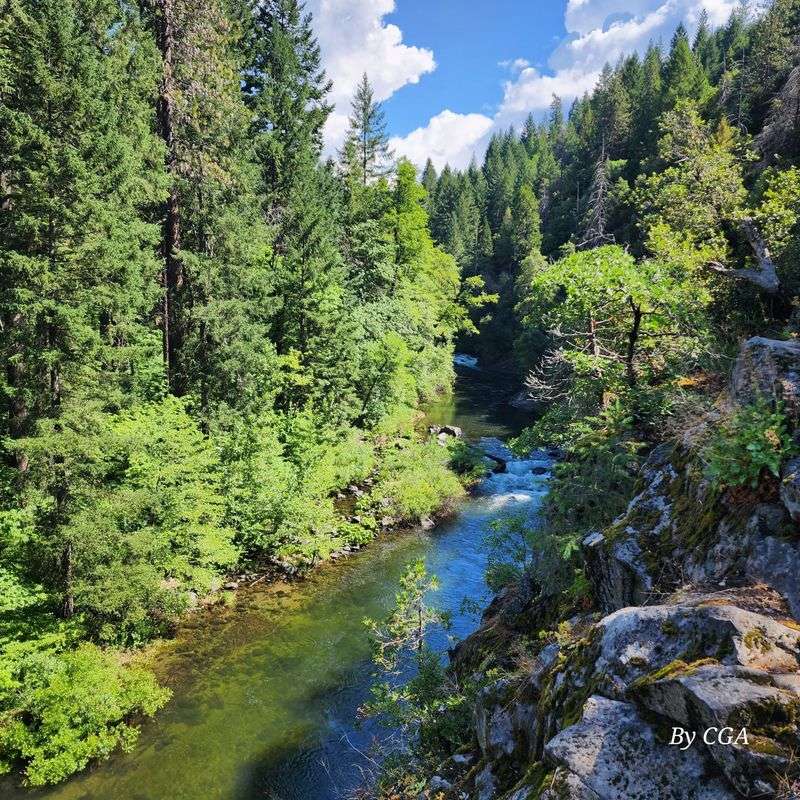
Speed is not typically a virtue in hiking, but here it becomes part of the appeal. From the moment you leave the parking area, the waterfall is less than five minutes away on foot.
The path descends gently through a canopy of trees, winding just enough to build anticipation without testing patience.
This rapid access makes the falls particularly appealing for travelers with limited time or mobility. Families with young children find the short distance manageable, and road-trippers appreciate the ability to stretch their legs without losing hours to a detour.
Even those who don’t consider themselves hikers can reach the destination comfortably.
The brevity also means you can visit multiple times in different conditions—morning light, afternoon shade, after a rainstorm—without feeling like you’re repeating a lengthy commitment. Each visit offers a slightly different perspective, yet none demands more than a few minutes of walking.
It’s a rare case where quick and worthwhile aren’t contradictory terms.
The Unique Path Lets You Walk Behind The Waterfall
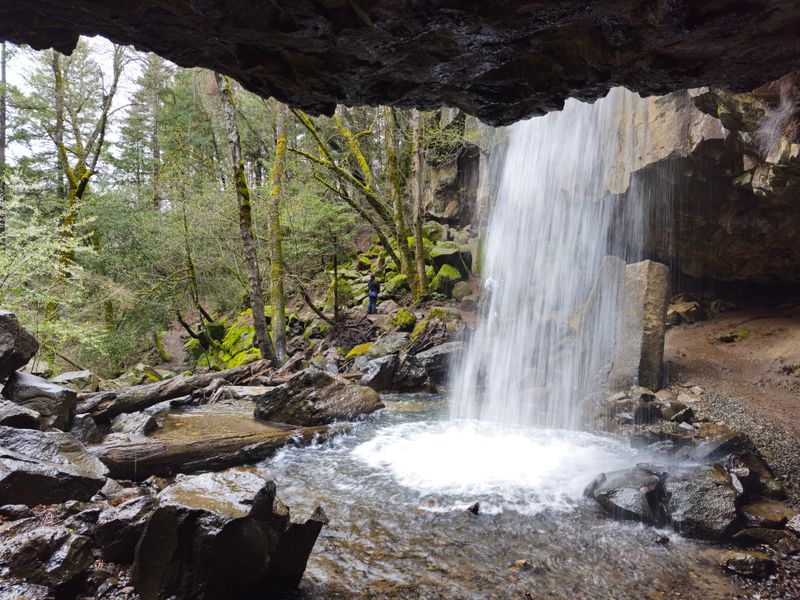
Few waterfalls invite you to step behind their curtain, but Hedge Creek Falls is built for exactly that. A carved pathway leads directly behind the cascade, allowing you to stand in a natural grotto while water tumbles just inches from your face.
The experience is both intimate and exhilarating, offering a perspective most people only see in photographs.
The grotto itself feels like a hidden room carved by centuries of water and erosion. Moss clings to the rock walls, and the sound of falling water echoes off the stone, creating an atmosphere that’s equal parts peaceful and powerful.
You’ll feel the mist on your skin and hear nothing but the rush of the creek.
This behind-the-falls feature transforms a simple hike into something more interactive. You’re not just observing nature from a distance—you’re stepping inside it, becoming part of the scene rather than a spectator.
It’s the kind of moment that feels slightly magical, even for those who don’t typically use that word.
Mount Shasta Views Make The Setting Even More Memorable
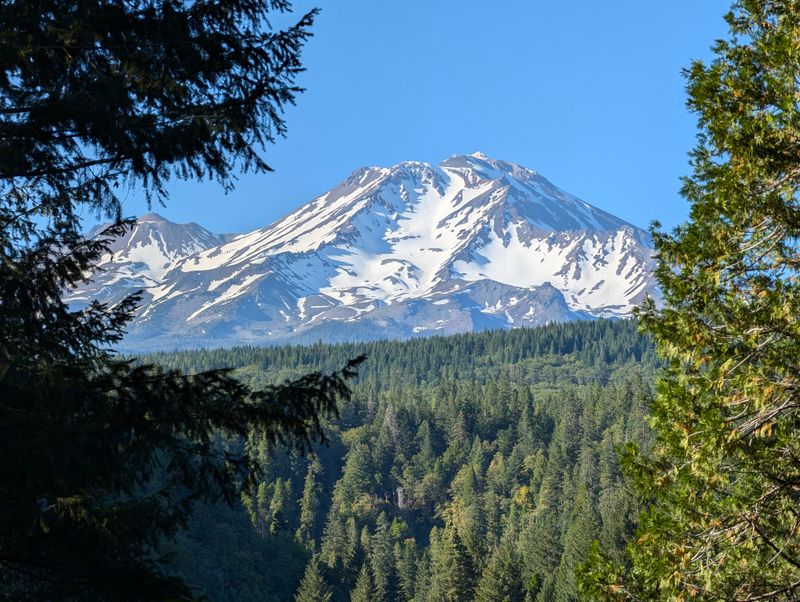
The waterfall alone would justify the visit, but Mount Shasta adds an unexpected layer of grandeur. From the trailhead, the mountain rises in the distance, its snow-capped peak visible on clear days.
The contrast between the intimate scale of the falls and the massive presence of Shasta creates a visual dynamic that’s hard to forget.
Mount Shasta is one of California’s most iconic peaks, a dormant volcano that dominates the landscape for miles in every direction. Having it as a backdrop to your hike elevates the entire experience, providing context and scale that make the setting feel larger than its short trail might suggest.
Photographers particularly appreciate this combination—foreground interest at the falls paired with a dramatic mountain backdrop. Even if you’re not wielding a camera, the view serves as a reminder of where you are, geographically and aesthetically.
It’s northern California at its most striking, compressed into a single, accessible location that doesn’t require summit ambitions to appreciate.
The Hike Is Easy Enough For Almost Anyone
Accessibility is one of this trail’s greatest strengths. The path is well-maintained, the grade is gentle, and the distance is short enough that fitness level becomes almost irrelevant.
Young children manage it without complaint, and older visitors appreciate the lack of strenuous climbs or technical terrain.
The trail does descend on the way in, which means you’ll face a slight uphill return to the parking area. However, even that climb is modest—more of a gradual incline than a lung-burning ascent.
Most people complete the round trip without breaking a sweat or needing more than a bottle of water.
This ease of access opens the experience to a broader audience than most waterfall hikes. You don’t need specialized gear, advanced planning, or peak physical condition.
Just comfortable shoes and a willingness to walk a few minutes through the forest. It’s the kind of hike that proves nature doesn’t always require suffering to be appreciated, just a little curiosity and forward motion.
Lush Greenery Makes It Feel Like A Hidden Forest Escape
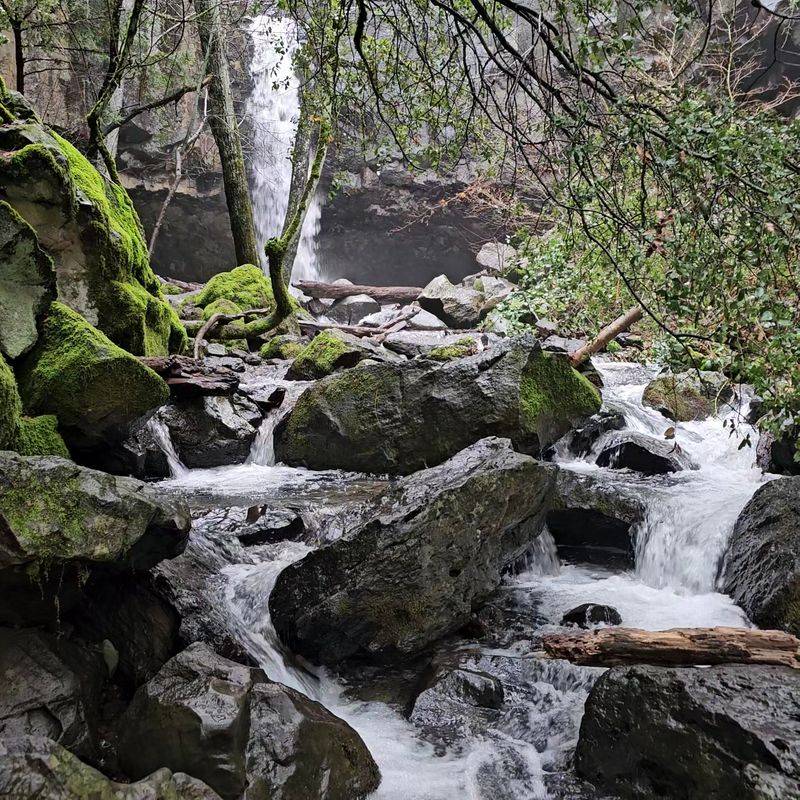
The moment you step onto the trail, the world narrows into a corridor of green. Trees form a canopy overhead, filtering sunlight into soft, dappled patterns on the path.
Ferns and moss carpet the forest floor, and the air carries the cool, earthy scent of shade and moisture.
This sense of enclosure creates an atmosphere of escape, even though you’re just minutes from the highway. The forest feels protective rather than oppressive, wrapping you in a quiet that’s broken only by birdsong and the distant sound of falling water.
It’s the kind of environment that slows your breathing and lowers your shoulders without conscious effort.
The greenery remains vibrant throughout much of the year, though it peaks in spring when rainfall keeps everything saturated and thriving. Even in drier months, the canyon retains enough moisture to support lush growth.
Walking through it feels like stepping into a pocket of wilderness that’s been waiting for you, undisturbed and patient, just off the roadside.
It’s Stunning Year-Round, From Spring Runoff To Fall Color
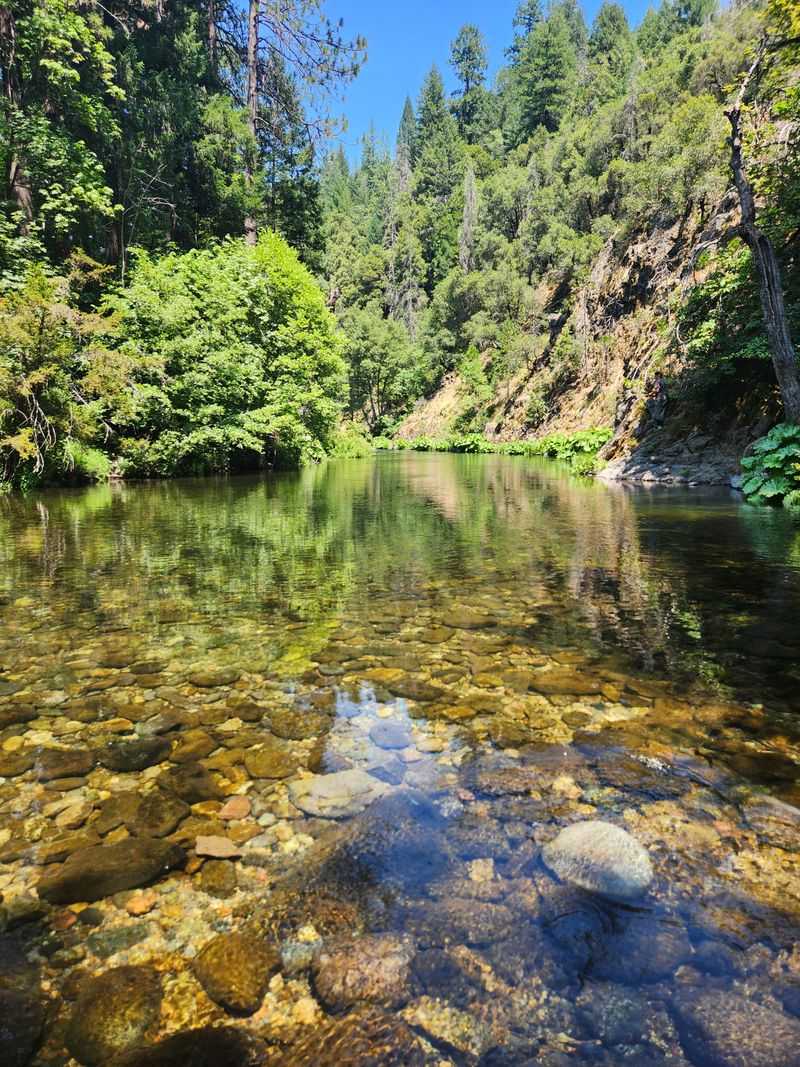
Seasonal variation adds different dimensions to the same short walk. Spring brings the highest water flow as snowmelt from the surrounding mountains swells the creek, turning the falls into a powerful cascade.
The force of the water creates more mist, more sound, and a more dramatic presence behind the falls.
Summer offers gentler flows but warmer weather, making the cool spray from the waterfall particularly refreshing. The forest is fully leafed out, providing maximum shade and that deep, saturated green that defines northern California’s mountain woodlands.
Fall introduces changing foliage—golds and reds mixing with the evergreens, creating visual interest even as water levels drop.
Winter can bring ice and snow, transforming the falls into a frozen sculpture and the trail into a more careful undertaking. Each season presents its own version of beauty, which means there’s no wrong time to visit.
The trail remains open year-round, accessible whenever you happen to pass through Dunsmuir and feel the pull of a quick detour into the woods.
The Trail Is Perfect For Quick Stops And Road Trips
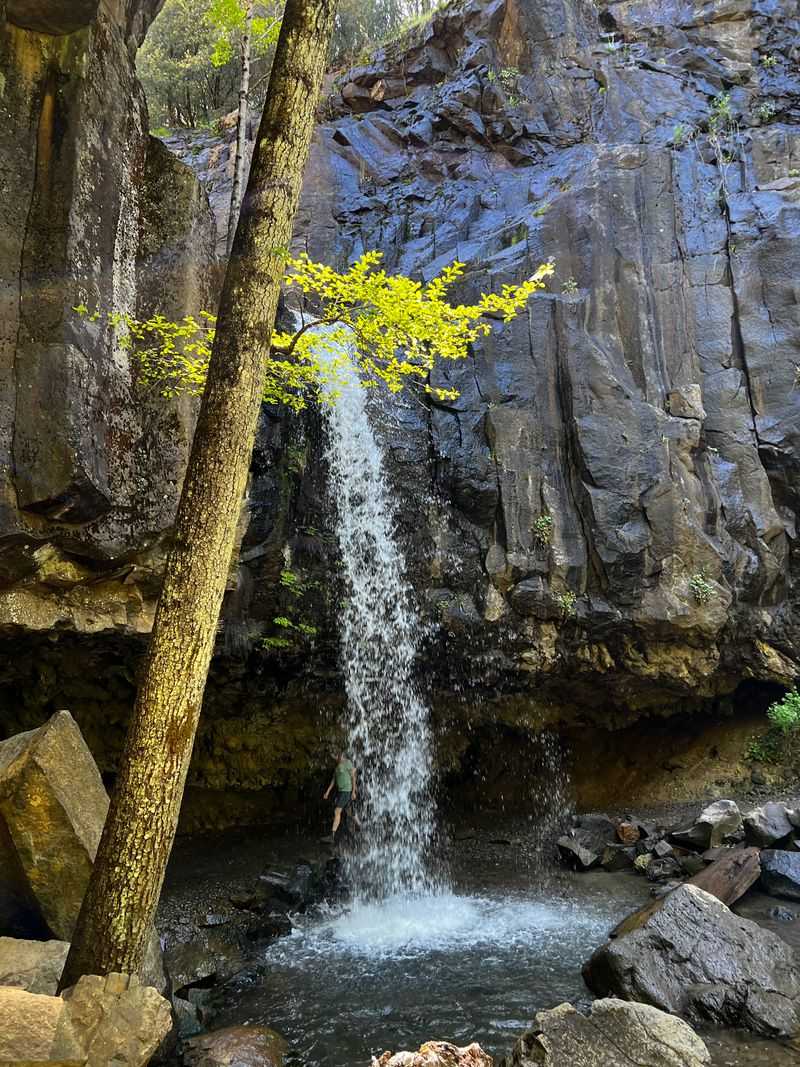
Interstate 5 stretches long and monotonous through much of northern California, making Hedge Creek Falls a welcome interruption. The trailhead sits close enough to the highway that you can exit, visit, and return to your journey in less than thirty minutes.
For anyone driving between Oregon and the Bay Area, it’s an ideal leg-stretcher.
Road trips often suffer from a sameness—hours of pavement broken only by gas stations and fast food. This trail offers something different: a genuine experience that doesn’t demand a significant time investment.
You can let the dog out for a proper walk, breathe air that doesn’t smell like upholstery, and return to the car feeling like you’ve actually done something.
The limited parking can fill up during peak travel times, but turnover is quick since most visitors don’t linger more than twenty or thirty minutes. Early morning or late afternoon typically offer easier access.
Either way, the convenience factor is hard to overstate—this is nature made accessible to people in motion, proof that memorable stops don’t require elaborate planning.
Photographers Love The Natural Framing Of The Falls
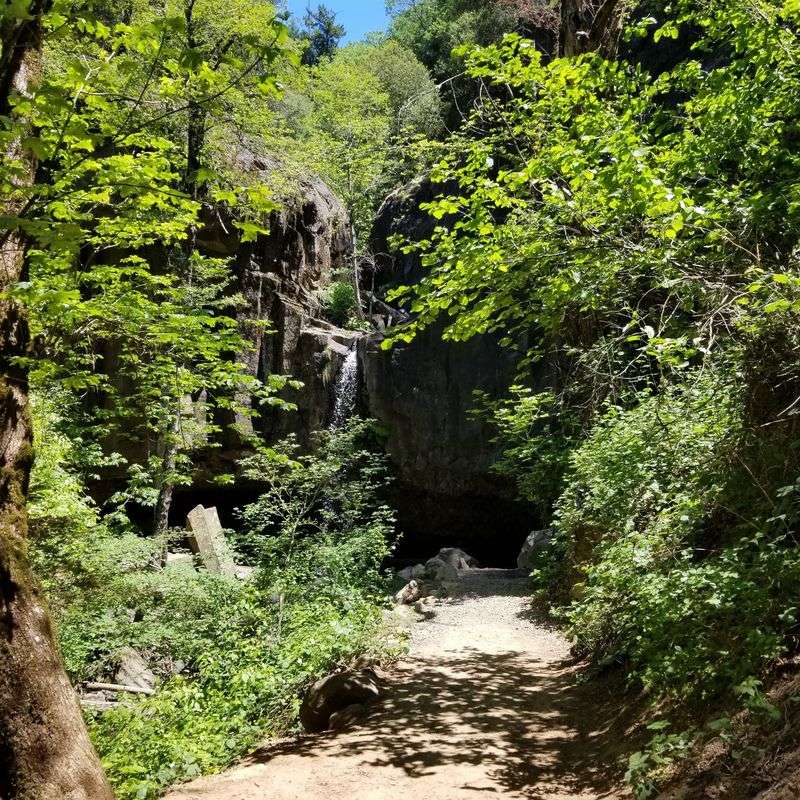
Camera enthusiasts find endless compositional possibilities in the narrow canyon and the waterfall’s unique accessibility. The grotto behind the falls offers a rare perspective—shooting outward through the curtain of water toward the forest beyond.
The framing is natural and dramatic, requiring little manipulation to create striking images.
Light plays differently here depending on time of day. Morning sun filters through the canopy at angles that illuminate the mist, while afternoon shade creates softer, more even lighting across the rock face.
The moss and ferns add texture and color, while the water itself provides movement and energy to otherwise static compositions.
Even smartphone photographers walk away with compelling shots, which speaks to the inherent visual appeal of the location. You don’t need professional equipment or advanced technique to capture something worth sharing.
The falls do most of the work for you, presenting themselves in ways that feel both accessible and artful, much like the trail itself.
It’s The Kind Of Place You’ll Think About Long After You Leave
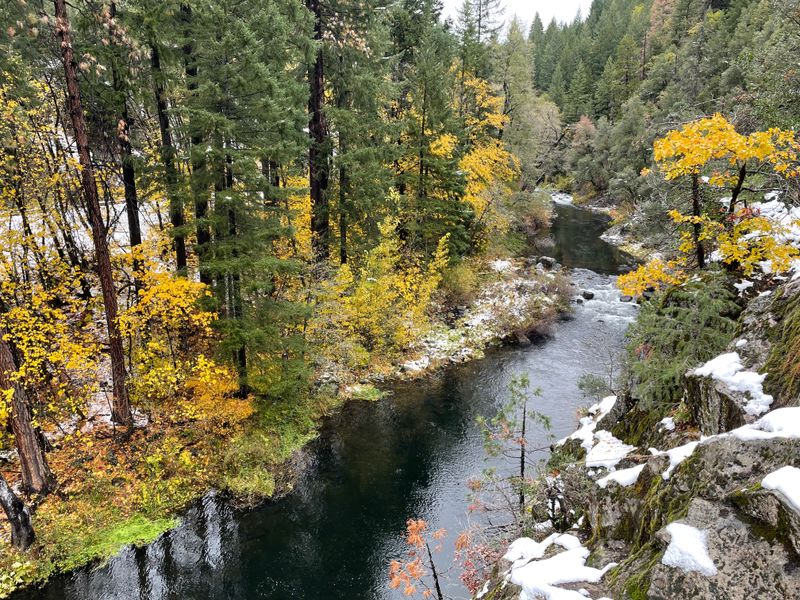
Memory works in mysterious ways, but certain places seem designed to stick. Hedge Creek Falls is one of them—a brief encounter that somehow outlasts longer, more demanding adventures.
Perhaps it’s the intimacy of standing behind the water, or the surprise of finding something so beautiful so close to the highway. Whatever the mechanism, the place tends to resurface in your thoughts at unexpected moments.
Visitors often report thinking about the falls months or years later, remembering the cool mist and the sound of water echoing off stone. The experience is compact enough to recall in full detail, yet distinctive enough to stand apart from other hikes and waterfalls.
It occupies a specific mental space, easily retrieved and oddly comforting.
This lasting impression is the real payoff, more valuable than the photographs or the brief exercise. You’ll carry it with you long after you’ve returned to daily routines and forgotten what you had for lunch last Tuesday.
Some places just do that—they find a way in and decide to stay.