
This Short Lakeside Trail In Wisconsin Packs More Beauty Into Every Step Than You’d Expect
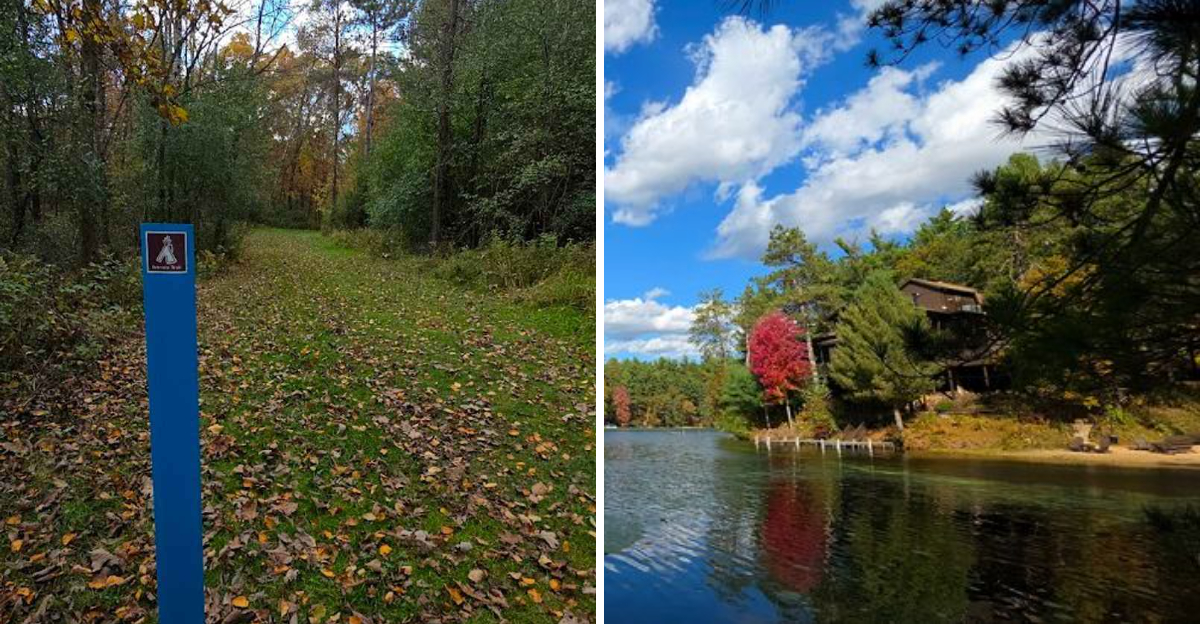
Mirror Lake State Park holds a trail system that delivers far more scenic variety than its modest length suggests. The Lakeview, Echo Rock and Ishnala Trail Loop near Reedsburg offers hikers sandstone formations, forested pathways, and waterfront vistas all within a compact route.
Families, casual walkers, and photography enthusiasts find this trail especially rewarding because it concentrates multiple landscape features into one accessible experience. What makes this loop memorable is how quickly the scenery shifts from dense woodland to dramatic overlooks above glassy water.
A Short Loop Trail That Packs Multiple Scenic Highlights Into One Walk
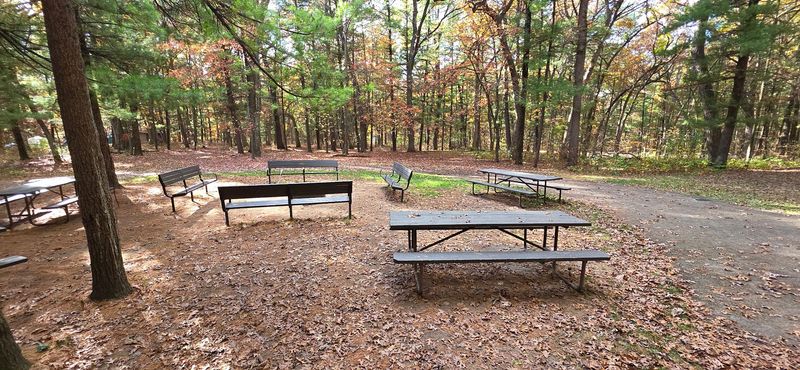
Most trails ask you to choose between forest shade or water views. This loop refuses that compromise entirely.
Hikers moving through the Lakeview, Echo Rock and Ishnala Trail Loop encounter sandstone outcrops, quiet lakeside stretches, and wooded sections all within the same walk.
The route connects three distinct trail segments into one continuous experience. Lakeview hugs the shoreline, Echo Rock climbs toward elevated viewpoints, and Ishnala winds back through forest cover.
Each segment contributes different visual elements without requiring extra mileage or backtracking.
Families appreciate how much ground the trail covers in relatively little time. Children stay engaged because the scenery changes every few minutes.
Photographers find multiple subjects without needing to commit to a full day hike. The compact design makes it possible to experience several park highlights before lunch.
Sandstone Cliffs That Rise Above Calm Reflective Water
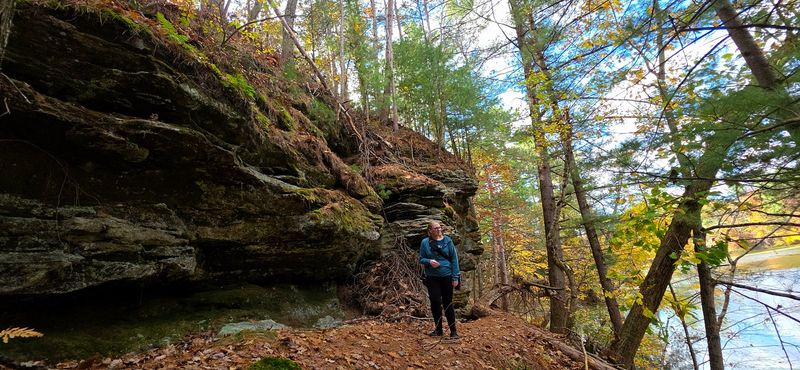
Geology takes center stage where ancient sandstone meets the lake surface. Vertical rock faces tower above Mirror Lake, their layered surfaces showing centuries of erosion and weathering.
The stone appears in warm tones ranging from cream to rusty orange, depending on moisture and light angle.
These formations create dramatic contrasts against the water below. On calm days, the cliffs produce mirror images in the lake, doubling their visual impact.
The rock surfaces also host small pockets of vegetation where soil has accumulated in crevices.
Trail sections near the cliffs offer close examination of the stone texture. You can spot cross bedding patterns and differential weathering that reveal how these rocks formed.
The proximity allows for detailed observation without requiring climbing skills. Benches positioned near key viewpoints let visitors study the formations at leisure.
Echo Rock Offers One Of The Best Overlooks In The Park
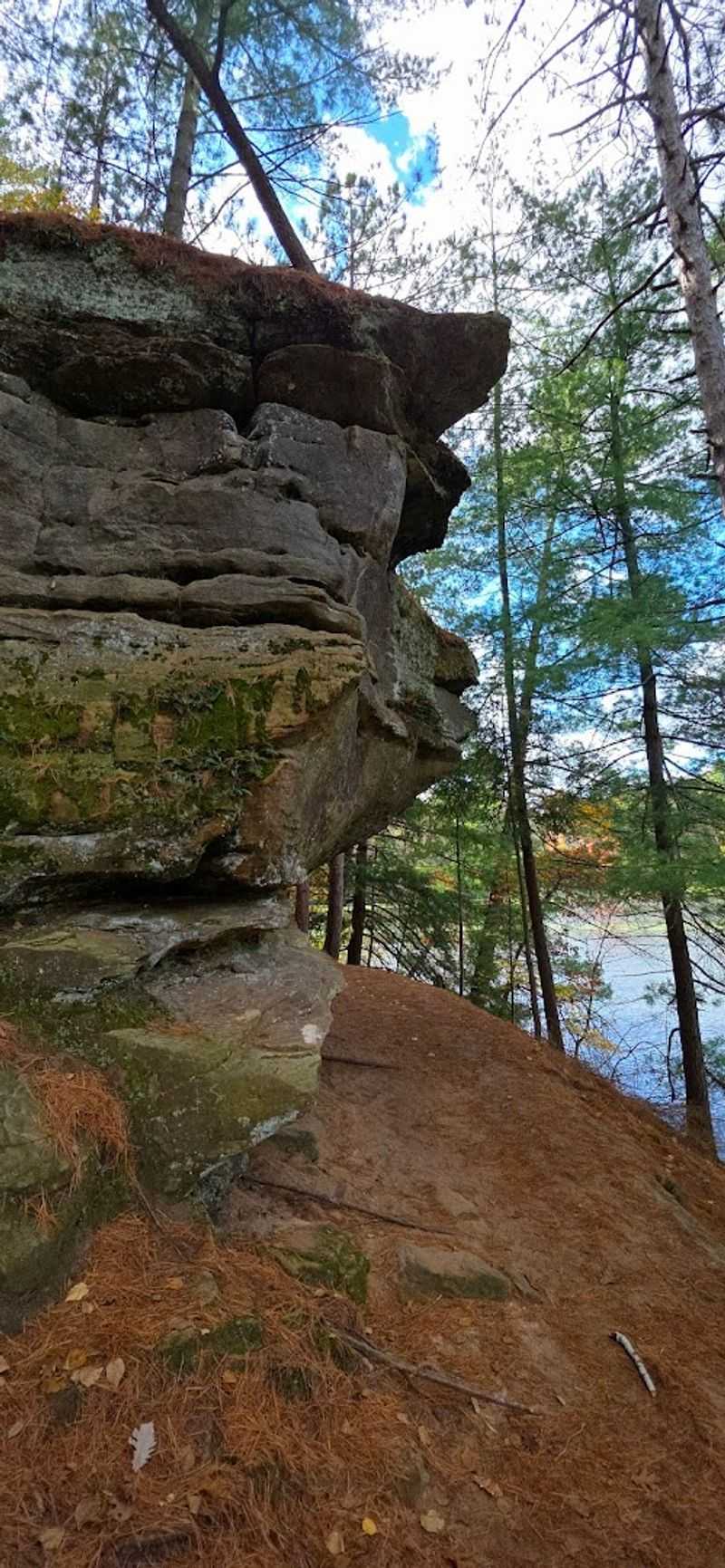
Reaching Echo Rock feels like discovering the park’s secret vantage point. The overlook sits at the terminus of a partly accessible trail section, making it achievable for many visitors.
From this elevated platform, Mirror Lake spreads out below in full view, framed by forested shorelines.
The rock formation itself provides a stable viewing area. Natural stone creates a broad platform where multiple people can gather without crowding.
The location faces west, making afternoon visits particularly photogenic when sunlight illuminates the water surface.
What distinguishes this overlook from others is the unobstructed sightline. Trees have been cleared just enough to frame the view without dominating it.
You can see across the entire lake to the opposite shore. The perspective reveals how the water body fits within the surrounding landscape rather than showing just a small section.
A Lakeside Path That Feels Peaceful And Uncrowded
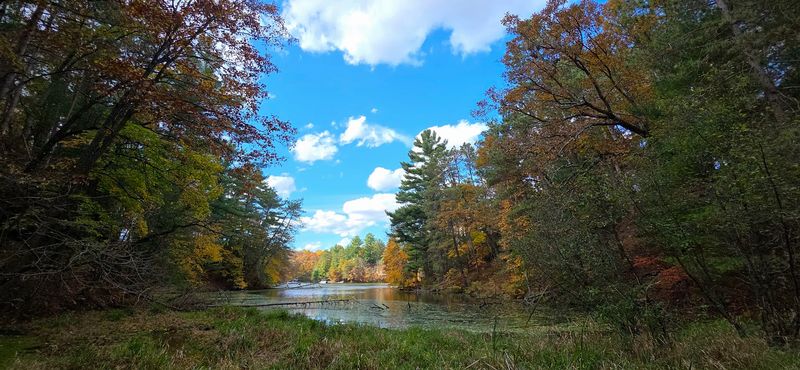
Solitude becomes surprisingly easy to find along the Lakeview section. Even during peak visitation periods, the trail maintains a calm atmosphere.
The path width accommodates single file hiking, which naturally spaces groups apart and reduces the feeling of congestion.
Trees provide shade along much of the lakeside route. This canopy creates a buffer between the trail and the water, offering glimpses rather than constant exposure.
The design feels intentional, as if the landscape wants to reveal the lake gradually rather than all at once.
Benches appear at intervals, positioned where views open up. These stopping points encourage slower pacing and observation.
Bird activity increases near the water, and patient observers often spot waterfowl or wading birds. The quiet atmosphere makes it easy to hear natural sounds rather than conversation from other hikers.
A Trail That Combines Forest Paths With Open Water Views
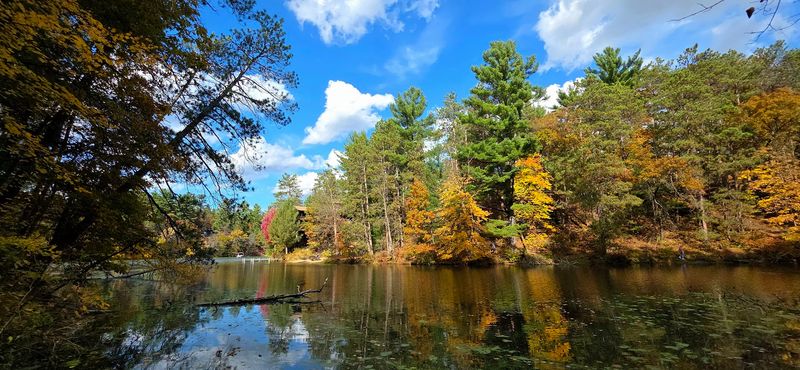
Variety defines the walking experience here more than any single landscape feature. Hikers move between enclosed forest corridors and exposed lakefront sections multiple times during the loop.
This alternation prevents monotony and keeps attention focused on the changing surroundings.
Forest segments feature mature hardwoods and understory plants. The canopy filters sunlight into shifting patterns on the trail surface.
These shaded stretches provide temperature relief during warm weather and shelter during light rain.
Open sections along the water contrast sharply with the wooded areas. Sunlight becomes direct, views expand, and breezes move freely across the lake surface.
The transitions happen naturally, guided by topography rather than artificial clearing. Each environment type occupies enough distance to feel substantial without becoming repetitive.
The balance keeps the walk engaging from start to finish.
Relatively Short Distance Makes It Accessible For Most Visitors
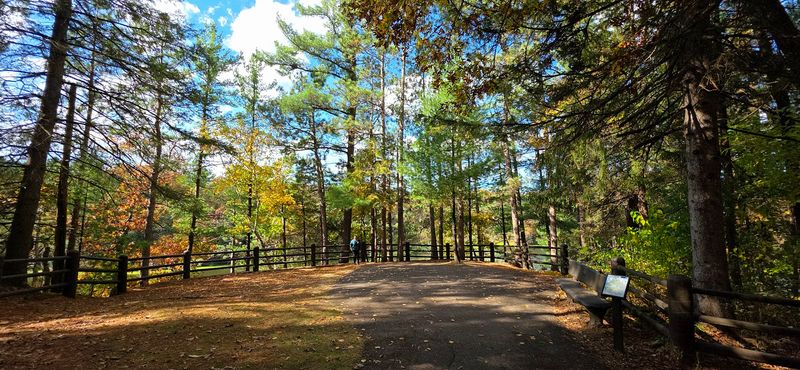
Distance anxiety disappears when you realize the entire loop measures under three miles. This length puts it within reach for casual walkers, young children, and anyone building hiking stamina.
The route never demands extreme effort or advanced fitness.
Elevation changes remain gradual throughout most sections. The climb to Echo Rock represents the steepest portion, yet it rises gently enough that most people handle it comfortably.
Switchbacks and careful grading prevent the need for scrambling or steep sustained climbs.
Time commitment stays manageable as well. Most hikers complete the loop in ninety minutes to two hours, including stops for photos and rest.
This timeframe fits easily into a morning or afternoon, leaving room for other park activities. The accessible nature makes it an ideal introduction to Wisconsin trail hiking.
Mirror Lake’s Still Water Creates Picture Perfect Reflections
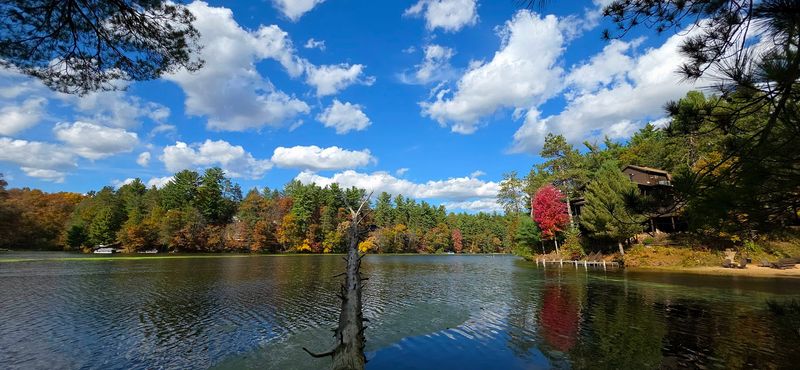
Calm conditions transform the lake surface into a flawless reflecting pool. Early morning hours produce the most reliable stillness, before wind ripples disturb the water.
During these periods, shoreline trees, clouds, and rock formations appear with doubled clarity.
The lake’s relatively protected position contributes to these conditions. Surrounding hills block prevailing winds, allowing the water to settle into glassy smoothness.
The shallow areas near shore calm first, creating reflection zones even when the main lake shows movement.
Photographers time visits specifically for reflection opportunities. The mirrored images add depth and symmetry to compositions.
Even casual phone snapshots capture the effect impressively. The phenomenon occurs frequently enough that patient visitors usually encounter it during multi day stays.
Clouds enhance rather than diminish the reflections by adding texture to the doubled sky.
Spring And Early Summer Bring Lush Greenery Along The Trail
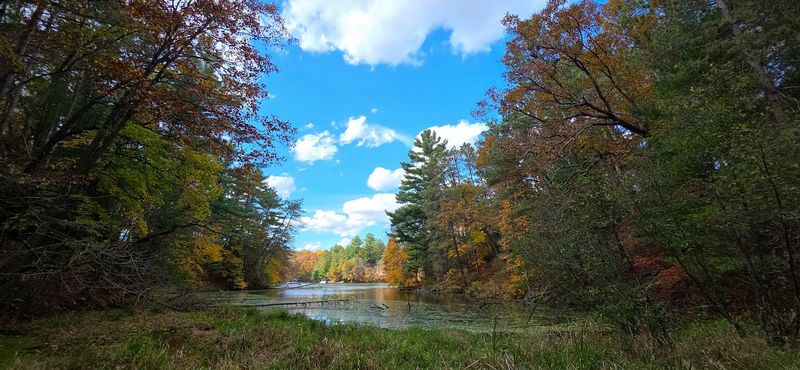
Seasonal timing dramatically affects the visual character of this walk. Spring arrival triggers rapid greening across all vegetation zones.
Trees leaf out in waves, starting with understory species and progressing to canopy layers. The transformation happens quickly, usually completing within a three week window.
Wildflowers emerge along trail edges during this period. Species adapted to forest floors bloom before full canopy closure blocks sunlight.
Trilliums, spring beauties, and wild geraniums appear in scattered clusters. Ferns unfurl new fronds, adding texture to the ground layer.
Early summer maintains the lush appearance while adding fuller development. Leaves reach mature size, creating dense shade.
Humidity often increases, giving the forest a verdant, saturated quality. The greenery peaks before mid summer heat and drought stress begin affecting plant appearance.
Visitors during May and June encounter the trail at its most visually abundant.
Well Maintained Trails Make Navigation Simple And Stress Free

Getting lost becomes nearly impossible thanks to consistent trail maintenance and clear marking. The paths show regular attention, with erosion control measures and surface improvements evident throughout.
Roots and rocks that might cause tripping receive management, though the trail retains natural character.
Signage appears at every junction with clear directional information. Trail names and distances help hikers track progress and plan their route.
The signs use standardized park formatting, making them easy to read and understand quickly.
Surface conditions remain predictable across seasons. Drainage features prevent muddy sections from becoming impassable after rain.
Bridges and boardwalks span wet areas, keeping feet dry. The consistent maintenance means hikers can focus on surroundings rather than route finding or footing.
This reliability particularly benefits families with children and anyone unfamiliar with backcountry navigation.
Close Proximity To The Lake Means Views Appear Frequently
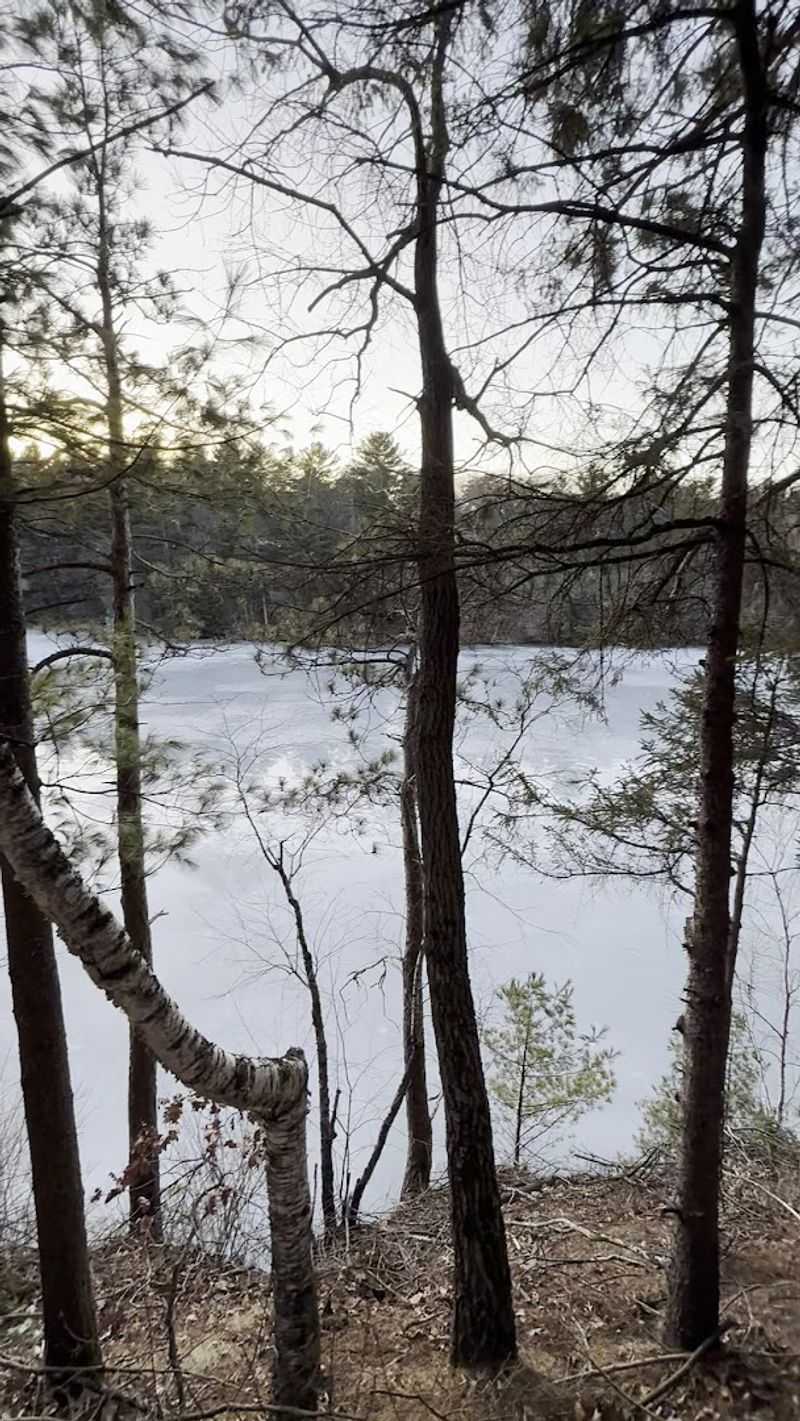
Water remains a constant companion rather than a distant feature. The trail routing keeps hikers within sight or sound of Mirror Lake throughout most of the loop.
Even during forested sections, glimpses of blue water appear between tree trunks.
This proximity creates an intimate relationship with the lake. You notice subtle changes in water color as depth varies.
Wind patterns become visible as they move across the surface. Wildlife activity near shore stays observable, from swimming turtles to feeding ducks.
The frequent views prevent the common hiking experience of working hard to reach a single viewpoint. Instead, the lake reveals itself repeatedly from different angles and elevations.
Each perspective adds new information about the water body’s shape and character. The cumulative effect builds a comprehensive sense of place that single overlook trails cannot match.
Part Of Mirror Lake State Park’s Broader Network Of Trails
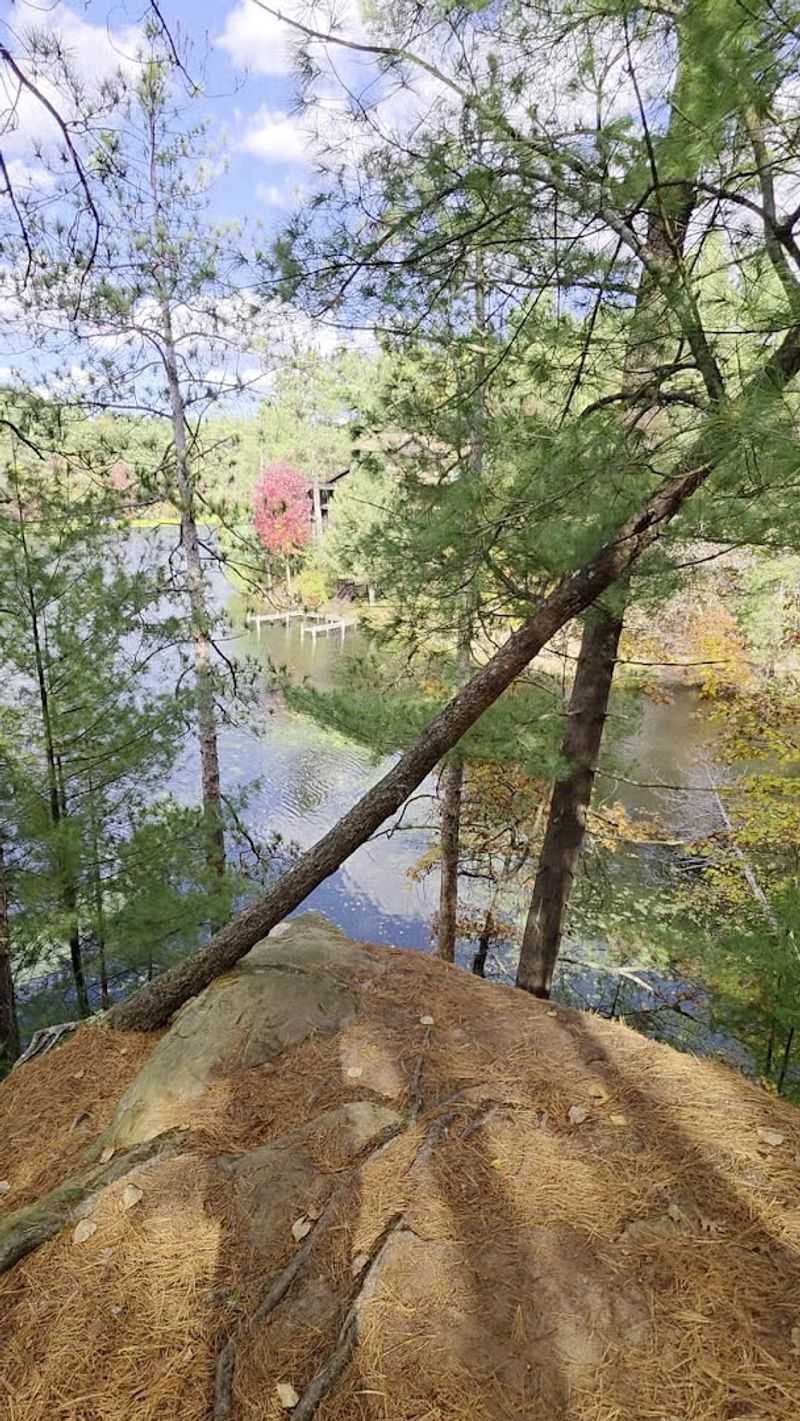
This loop functions as both standalone experience and gateway to expanded exploration. Mirror Lake State Park maintains over twenty miles of trails total, creating options for extended hiking.
The Lakeview, Echo Rock and Ishnala loop connects to several other routes at multiple junction points.
Hikers can extend their walk by branching onto connecting trails. Fern Dell Gorge lies within easy reach, offering different geological features.
Trails across the park road provide additional mileage for those seeking longer outings. The network design allows custom route creation based on time and energy.
Trail maps available at the park entrance show all connections clearly. Rangers can suggest combinations suited to different fitness levels and interests.
The system accommodates everyone from casual walkers covering two miles to serious hikers pursuing ten mile days. This flexibility makes return visits worthwhile as you explore different segments.