
This Small Wisconsin City Has Rent Under $900 And Locals Say Life Here Is Pretty Great
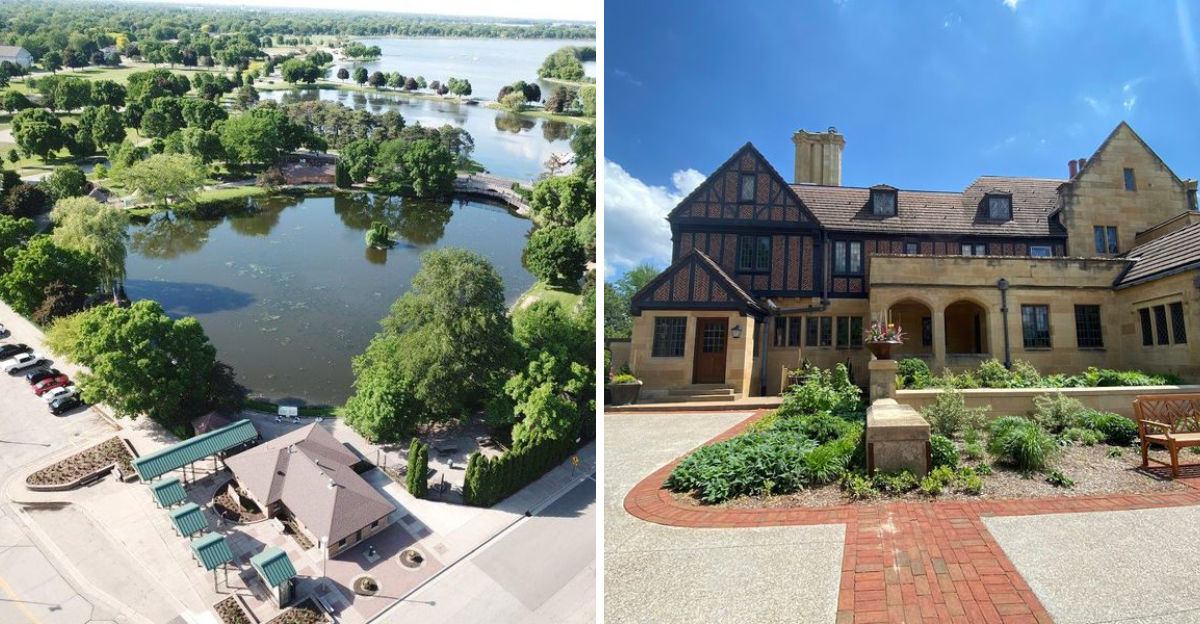
A place where the shoreline meets everyday life, this small Wisconsin city proves that affordable living hasn’t disappeared everywhere. With a population of around 67,000, it sits along the western edge of a vast lake, where breezes off the water and wide-open views shape the rhythm of the day.
What really catches people’s attention, though, is the cost of living. Rent here can still land under $900 a month, a number that feels almost unreal compared with many American cities.
Pair that with lakefront parks, friendly neighbourhoods, and a community that genuinely enjoys living here, and it’s easy to see why locals speak about it with such enthusiasm.
A Small Wisconsin City Where Rent Can Still Stay Under $900
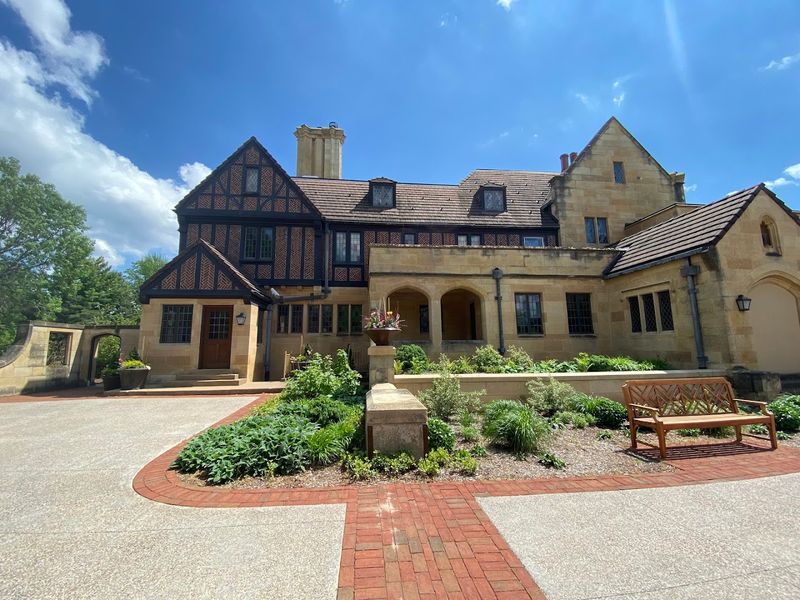
Oshkosh has managed something increasingly rare in the United States. Housing costs here remain within reach for working families, students, and young professionals who find themselves priced out of larger metropolitan areas.
A one-bedroom apartment in Oshkosh typically rents for between $700 and $850, while two-bedroom units hover around the same affordable range.
The city sits in Winnebago County at 44.0247062, -88.5426136, positioned along Lake Winnebago with a housing market that has resisted the dramatic inflation seen in coastal cities and even many Midwestern neighbors. Property values have stayed stable rather than skyrocketing, which keeps rental prices reasonable.
Landlords here compete for tenants without the desperation pricing found in markets where demand far outstrips supply.
This affordability extends beyond rent to utilities, groceries, and general cost of living. Residents report being able to save money, invest in hobbies, or simply breathe easier without constant financial pressure.
The economic accessibility makes Oshkosh particularly appealing to those starting careers or families without inherited wealth or dual six-figure incomes.
The University Of Wisconsin–Oshkosh Brings Energy To The City
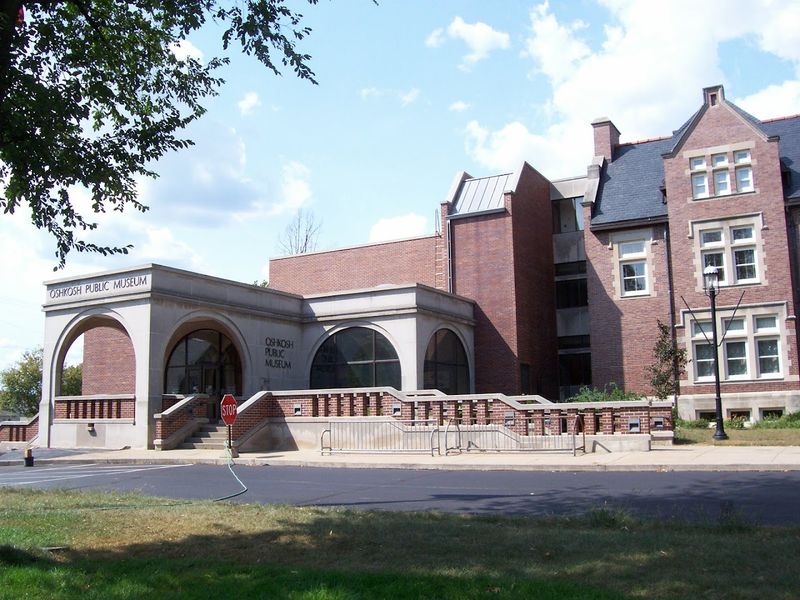
The university anchors the city with over 10,000 students who bring intellectual vitality and youthful energy to what might otherwise be a sleepy lakeside town. UW-Oshkosh offers respected programs in education, business, and nursing, drawing students from across Wisconsin and beyond.
Campus buildings spread across the northern part of the city, integrated into the community rather than isolated behind gates.
Students fill downtown coffee shops, volunteer at local organizations, and participate in city events, creating a cross-generational mix that benefits everyone. The university hosts public lectures, art exhibitions, and athletic events that residents attend alongside students.
This academic presence prevents the cultural stagnation that can plague smaller cities without similar institutions.
Faculty members contribute expertise to local government, schools, and nonprofit organizations, strengthening civic infrastructure. The constant influx of young people keeps restaurants, bars, and entertainment venues viable.
Without the university, Oshkosh would lose much of its vibrancy and progressive momentum, making it a crucial element of what makes life here appealing.
Lake Winnebago Gives Residents Easy Access To The Water
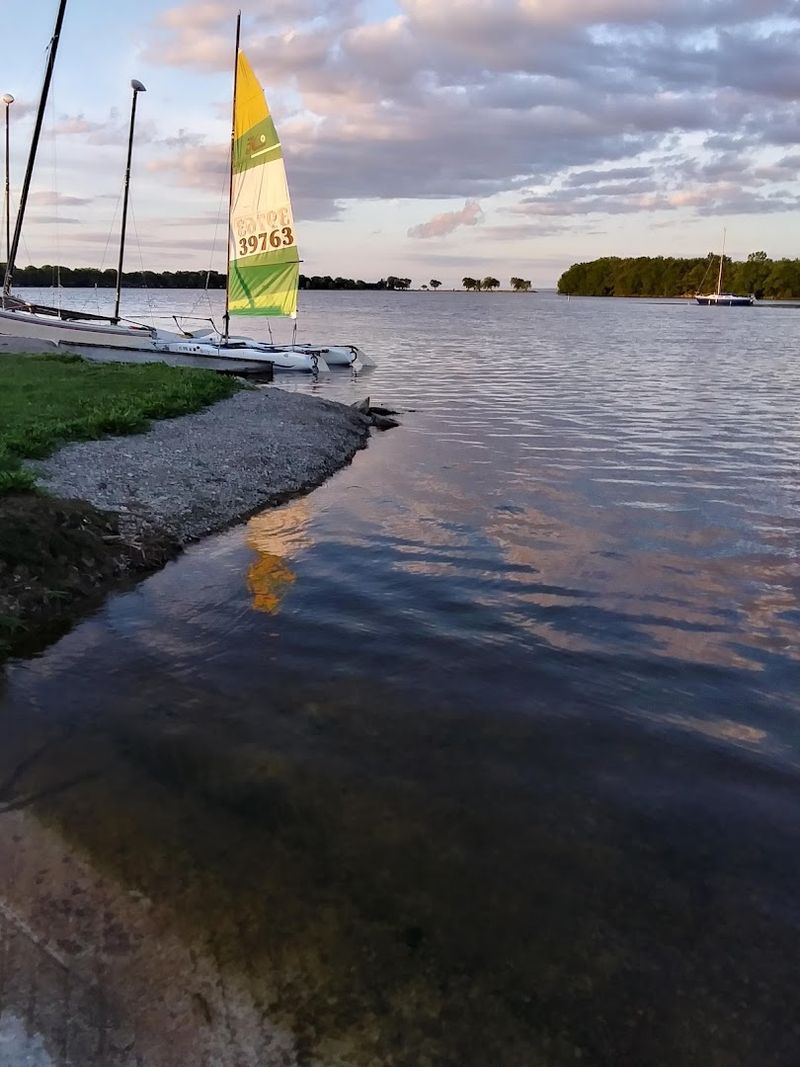
Lake Winnebago stretches out as the largest freshwater lake entirely within Wisconsin, covering over 130,000 acres with Oshkosh positioned along its western edge. This massive body of water shapes daily life in ways both practical and recreational.
Residents boat, fish, and swim during warmer months, then ice fish and snowmobile when winter freezes the surface solid.
The lake supports a thriving fishery with walleye, perch, and sturgeon drawing anglers from across the region. Public boat launches and marinas make water access democratic rather than reserved for wealthy property owners.
Sunset views across the water provide natural beauty that would cost a fortune to access in coastal markets.
Winter transforms the lake into what locals claim becomes the largest ice fishing destination in the world, with thousands of shanties dotting the frozen surface. This year-round recreation opportunity gives Oshkosh residents a lifestyle amenity comparable to much more expensive lakefront communities.
The water becomes part of the rhythm of life here, not just scenery but an active participant in how people spend their time.
EAA AirVenture Turns Oshkosh Into An Aviation Capital Every Summer
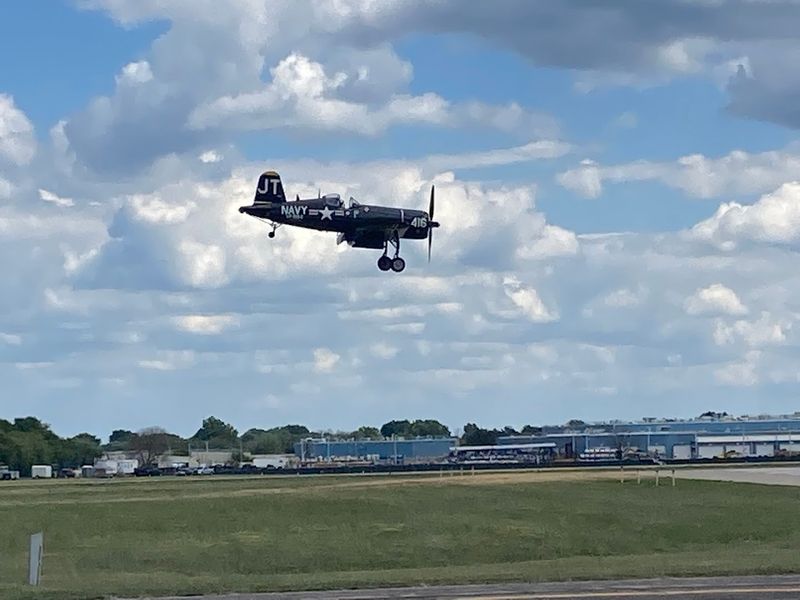
Every July, Oshkosh transforms into the center of the aviation world when the Experimental Aircraft Association hosts AirVenture, the largest aviation gathering on the planet. Over half a million people descend on this city of 67,000, filling hotels for a hundred miles in every direction and turning the local airport into the busiest in the world for one remarkable week.
Thousands of aircraft fly in, from vintage biplanes to cutting-edge experimental designs, creating a spectacle that aviation enthusiasts plan their entire year around. The event generates substantial economic impact, but more importantly, it gives Oshkosh a distinct identity and international recognition.
Residents take pride in hosting this gathering, volunteering and opening their homes to visitors.
The EAA museum operates year-round, maintaining the aviation connection beyond the summer event. This specialized cultural asset distinguishes Oshkosh from other cities its size.
The week itself creates stories that locals tell for months afterward, about the noise, the crowds, the incredible machines overhead, and the brief moment when their small city becomes genuinely famous.
Downtown Oshkosh Has A Surprisingly Lively Local Scene
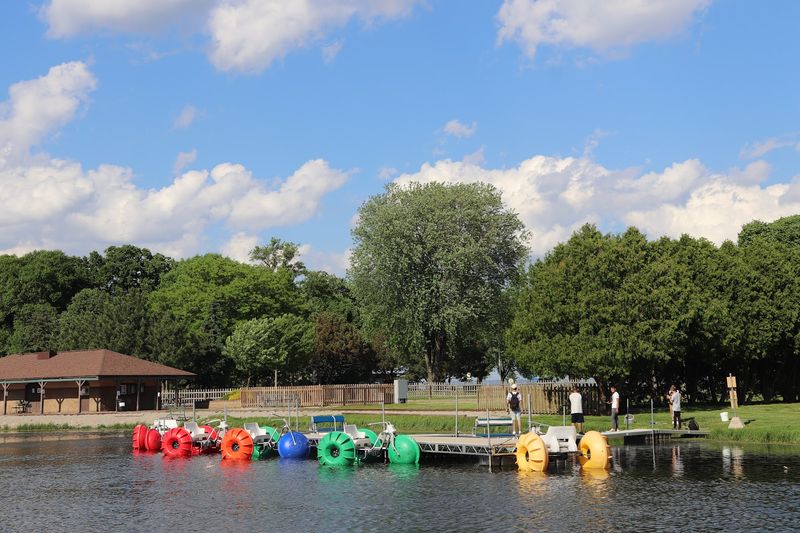
Main Street and the surrounding blocks contain the kind of locally owned businesses that have vanished from many American downtowns. Coffee roasters, bookstores, breweries, and restaurants operate in historic buildings that have been renovated rather than demolished.
The Opera House still hosts performances, while galleries showcase work by regional artists.
This downtown vitality stems partly from the university population but also from deliberate community investment in preserving and activating the urban core. Farmers markets draw crowds during growing season, and regular events like art walks keep foot traffic consistent.
The scale remains human, walkable in an hour, without the overwhelming sprawl that makes larger cities exhausting.
Restaurants range from Mexican taquerias to farm-to-table establishments, with quality that surprises first-time visitors expecting only chain options. Local breweries have multiplied in recent years, part of the craft beer movement but rooted in Wisconsin brewing traditions.
The downtown feels alive rather than nostalgic, a working commercial district rather than a museum of former prosperity, which residents cite as evidence the city remains healthy and forward-looking.
The Fox Riverwalk Is A Favourite Spot For Relaxing Walks
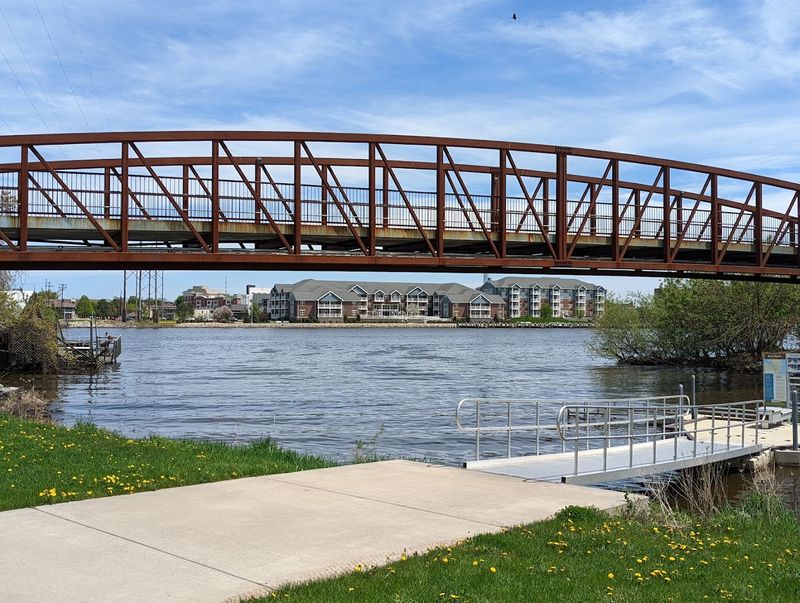
The Fox River flows through Oshkosh before emptying into Lake Winnebago, and the city has developed the riverbanks into an accessible trail system that residents use daily. The Riverwalk extends for miles, paved and maintained, suitable for walking, running, or cycling regardless of fitness level.
Benches positioned at intervals invite pausing to watch the water or simply rest.
This pathway connects parks, neighborhoods, and downtown, functioning as both recreation and transportation infrastructure. Morning joggers share the space with lunch-break walkers and evening strollers, creating a steady human presence that makes the trail feel safe and social.
The river itself attracts ducks, herons, and other wildlife that provide interest beyond the exercise.
Seasonal changes transform the experience, from spring flooding to autumn colors to winter snow. The Riverwalk represents the kind of quality-of-life amenity that makes daily life pleasant rather than merely functional.
Residents mention it frequently when explaining what they value about living here, this simple ability to walk beside moving water without getting in a car or paying admission.
Menominee Park Offers Green Space Right On The Lake
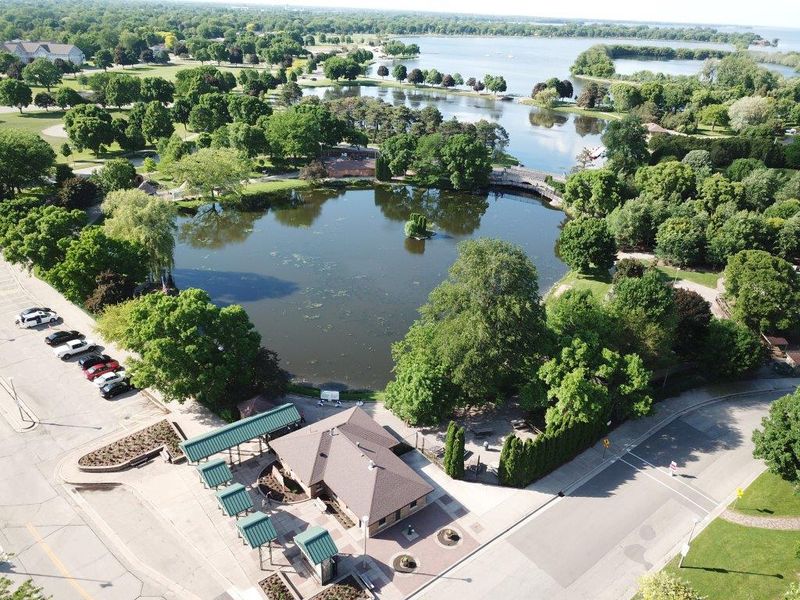
Menominee Park spreads across acres of lakefront property on the north side of Oshkosh, providing public access to Lake Winnebago shoreline that might elsewhere be privatized behind expensive homes. The park includes playgrounds, picnic shelters, a small zoo, and a beach where families gather during summer months.
This democratization of waterfront access reflects values that residents appreciate.
The zoo, though modest compared to major city facilities, houses native Wisconsin animals and exotic species, offering free or very low-cost entertainment for families with children. A historic lighthouse stands at the water’s edge, a reminder of the lake’s importance to regional commerce and navigation.
Walking paths wind through wooded areas and open lawns.
During winter, the park remains active with cross-country skiing and sledding hills that children claim as soon as snow accumulates. The year-round utility of this space makes it central to community life.
Families celebrate birthdays here, couples walk at sunset, and individuals come alone to read or think beside the water, all without membership fees or exclusive access requirements.
The City Has A Strong Sense Of Community
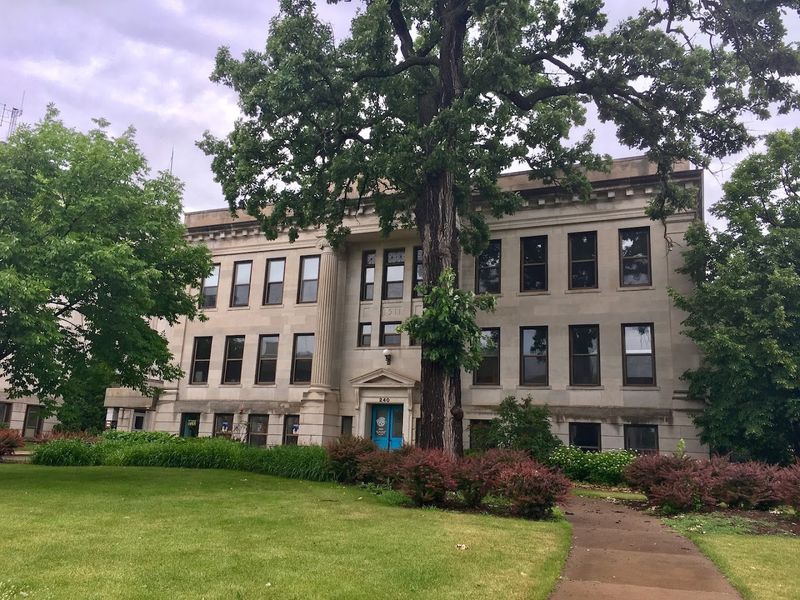
Oshkosh operates at a scale where community remains possible rather than theoretical. Residents encounter familiar faces at grocery stores, recognize neighbors at city council meetings, and participate in organizations where individual contributions actually matter.
This social fabric, often romanticized but rarely achieved, functions here because the population size allows it.
Volunteer rates run high, with fire departments, food pantries, and youth programs staffed substantially by unpaid community members who invest time because they feel connected to outcomes. When problems arise, whether potholes or school funding, citizens can actually reach decision-makers and see results from their engagement.
This responsiveness builds trust that sustains civic participation.
Newcomers report being welcomed rather than viewed with suspicion, integrated into social networks through work, university, or shared interests. The community includes enough diversity to avoid insularity while maintaining enough stability for relationships to deepen over time.
Residents describe feeling known and valued, able to contribute meaningfully to something larger than themselves, which provides psychological benefits that outweigh higher salaries available elsewhere.
The Cost Of Living Remains Lower Than In Many Midwestern Cities
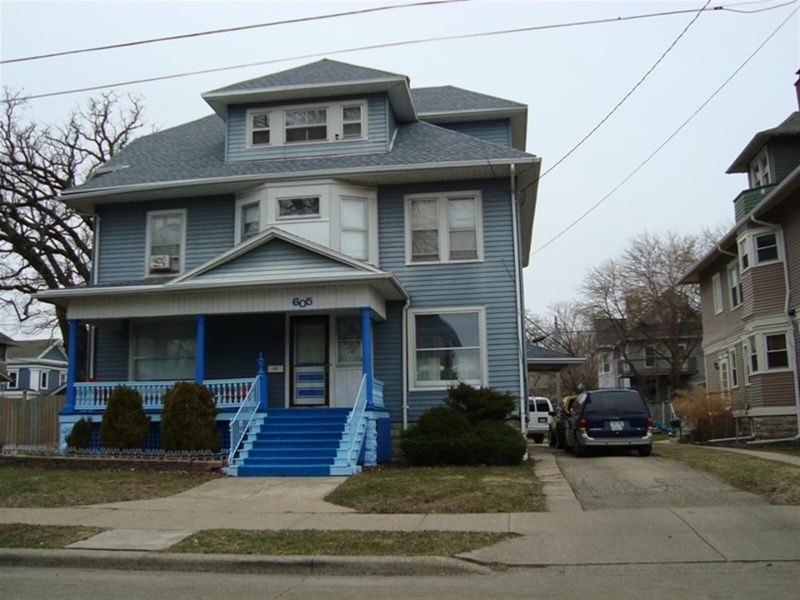
Beyond affordable rent, Oshkosh offers lower overall living costs than Milwaukee, Madison, or Minneapolis. Groceries cost less, restaurant meals remain reasonably priced, and services from haircuts to car repairs run cheaper than in larger markets.
Property taxes, while not negligible, stay manageable compared to suburban Chicago or Twin Cities rates.
This economic advantage allows residents to maintain comfortable lifestyles on moderate incomes. Teachers, nurses, and tradespeople can afford homes, save for retirement, and occasionally splurge without constant budgetary anxiety.
The psychological relief of financial breathing room improves quality of life in ways that spreadsheets struggle to capture.
Utilities benefit from municipal services and regional competition that keeps rates reasonable. Healthcare costs remain lower than national averages, with several hospital systems serving the area.
The absence of expensive parking, tolls, or congestion fees further reduces daily expenses. Residents calculate that they would need to earn substantially more in larger cities to maintain equivalent living standards, making Oshkosh economically rational even for those with career ambitions typically associated with urban centers.
Its Location Makes It Easy To Reach Bigger Cities
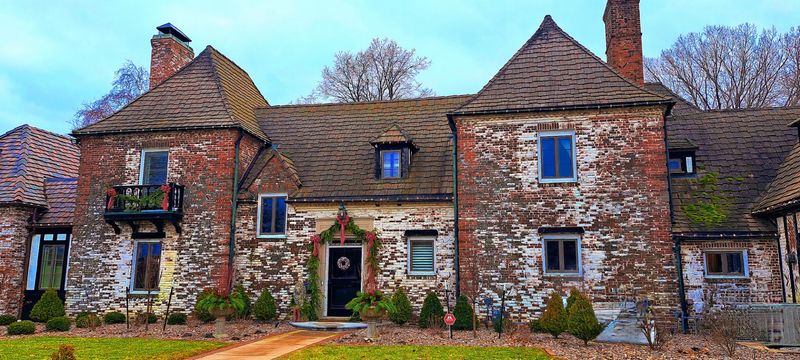
Oshkosh sits roughly 90 miles north of Milwaukee, 80 miles south of Green Bay, and 85 miles northeast of Madison, positioning it within easy reach of three significant urban centers. Highway 41 runs through the city, providing direct routes north and south.
This geographic positioning allows residents to access big-city amenities when desired while avoiding daily big-city hassles.
Professionals can attend meetings, concerts, or sporting events in Milwaukee or Green Bay without relocating their entire lives. Families visit museums, zoos, and specialty medical facilities available only in larger markets.
The accessibility works both directions, with Oshkosh drawing visitors from surrounding areas for EAA events, university functions, and lakefront recreation.
This location represents a strategic compromise, offering small-city affordability and quality of life while maintaining connection to broader economic and cultural opportunities. Young people particularly appreciate the option to build careers in larger cities while maintaining affordable home bases.
The positioning feels deliberate rather than isolated, connected to regional networks while retaining distinct local character and the reasonable housing costs that make everything else possible.