
This South Carolina Restaurant Serves Fried Chicken That Keeps Sunday Dinner Crowds Coming Back
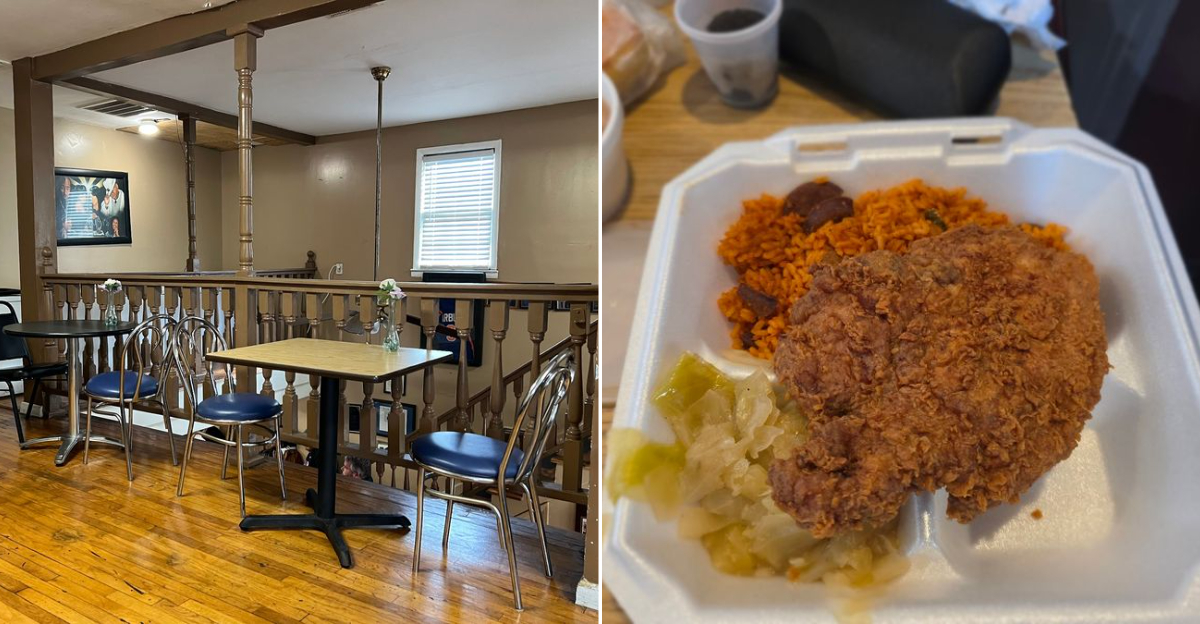
Sunday lunch has long been a sacred tradition in Southern culture, and this South Carolina restaurant keeps that exact tradition alive. Fried chicken here gets prepared the traditional way, crispy outside and tender inside, without any shortcuts.
Regulars plan their entire week around this one meal, treating it as a genuine tradition rather than routine dining. Nothing about the food feels rushed or simplified to speed up the Sunday rush.
Portions stay generous, matching the comfort food reputation this restaurant built over the years. Every dish gets prepared with the same care regardless of how busy brunch hours get.
Word about the chicken spread the old fashioned way, through actual conversation rather than any advertising push. This restaurant proved that sometimes the best comfort food comes from the simplest kitchens.
History Of Fried Chicken In The Region
Fried chicken did not appear in South Carolina by accident. Scottish immigrants brought deep-frying methods to America in the 18th century, and those techniques collided with the seasoning knowledge and cooking skill of West Africans.
The result became one of the most recognized dishes in American food. Popularity exploded across the South after the Civil War, and the reason is more practical than most people realize.
Following emancipation, chickens were among the few animals many Black families could actually own and raise. Birds meant food on the table and money in the pocket, which mattered enormously.
Black women sold fried chicken at churches, train stations, and roadside stands, turning a skillet into a path toward financial independence. Those cooks fed their families and their communities at the same time.
Charleston sits right in the middle of Gullah-Geechee country, where African cooking traditions merged with rice, okra, and whatever the Lowcountry soil and water offered. The chicken served in North Charleston carries that lineage in every bite.
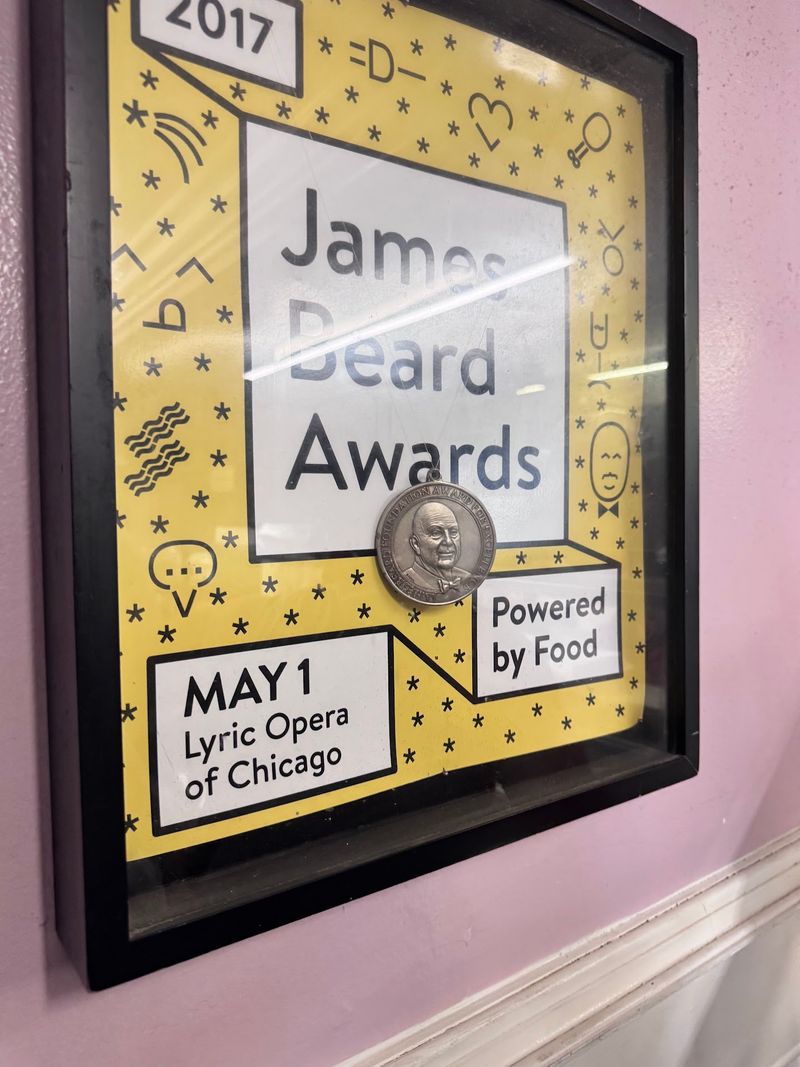
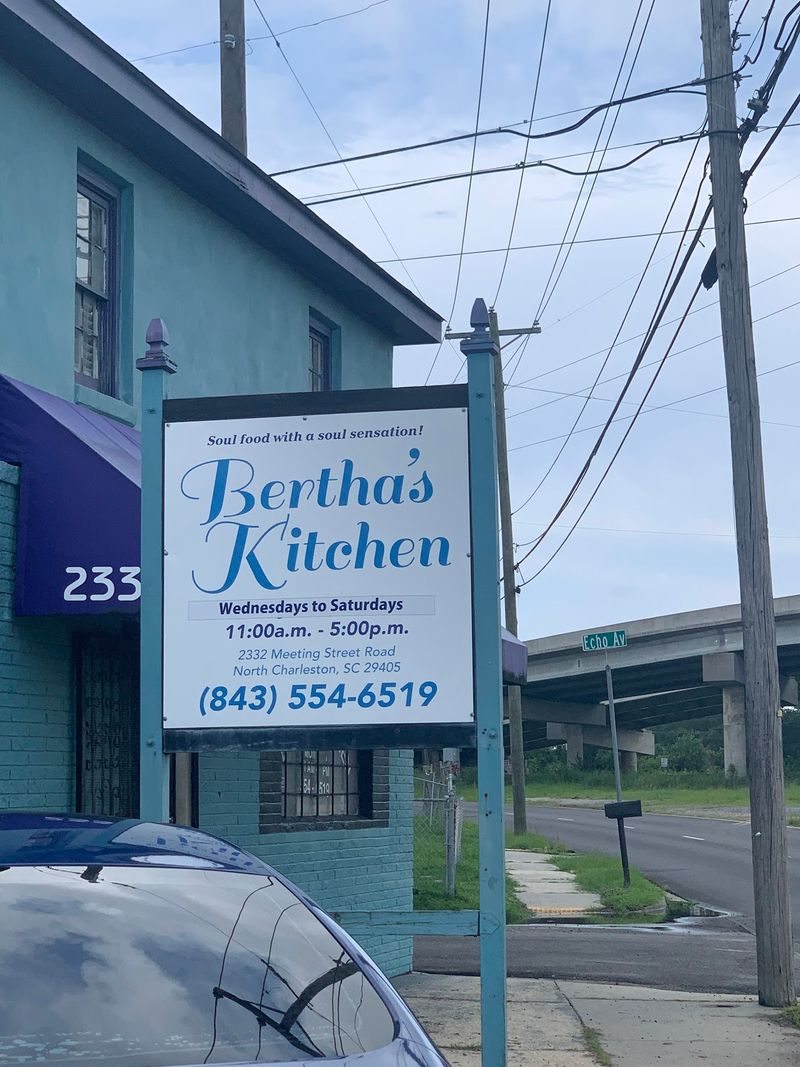
Albertha Grant opened her restaurant around 1979, and her daughters Julia Grant, Linda Pinckney, and Sharon Grant Coakley keep it running today. Three generations of technique live in that fryer.
You can taste history without a textbook here. Find it at 2332 Meeting Street Rd, North Charleston, SC 29405.
Unique Seasoning Blends For Crispy Texture
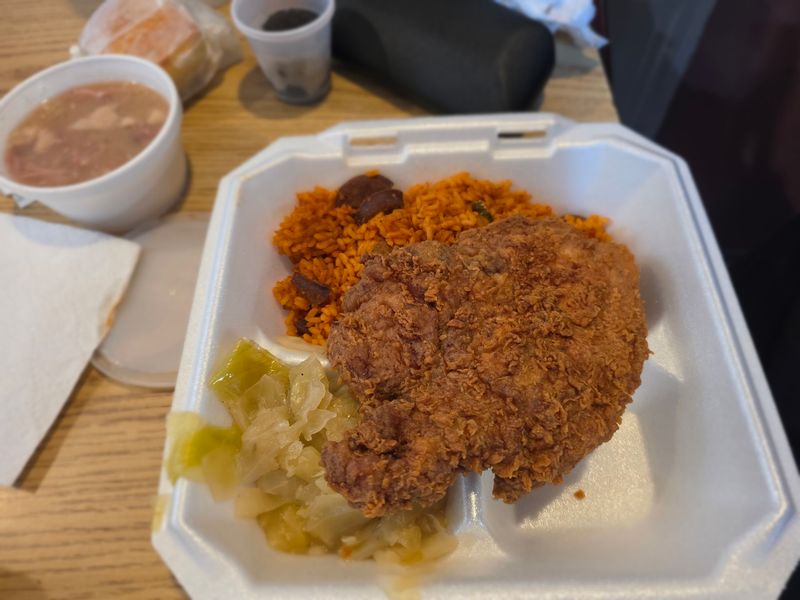
Crunch is not luck. A well-built flour mixture does most of the heavy lifting, and the classic Southern blend usually leans on salt, black pepper, white pepper, paprika, garlic powder, onion powder, thyme, oregano, and cayenne.
Each one has a job. White pepper brings warmth without visible specks, while cayenne adds a slow heat that shows up after the second bite.
Cornstarch or a spoonful of baking powder stirred into the flour changes everything. The coating puffs slightly and shatters instead of bending, which is the difference between good chicken and chicken people talk about later.
Some cooks brush the raw chicken with mustard before dredging. Sounds strange.
It works, adding a tangy backbone and giving the flour something to grab onto so more of it sticks.
Buttermilk brining pulls seasoning deeper into the meat rather than leaving all the flavor stranded on the outside. Skipping that step is how bland chicken happens.
One trick that costs nothing is patience. Letting the floured pieces rest for about ten minutes lets the coating dry out and tighten up, so it crisps harder in the oil.
The kitchen on Meeting Street Road has been running this playbook since the Carter administration. Seventy-six separate mentions of fried chicken in customer conversations suggest the seasoning is doing its job.
Cooking Techniques That Enhance Moisture
Dry-fried chicken is a crime, and thankfully it is avoidable. Buttermilk marinade is the most common defense, since the lactic acid tenderizes the meat and helps it hold onto moisture through the fry.
A wet brine of salt, sugar, and water works too. Salt dissolves certain muscle proteins so the bird keeps its juices instead of leaking them into the oil.
Oil temperature decides the whole outcome. Somewhere between 350 and 375 degrees is the sweet spot, because hotter oil scorches the crust while cooler oil turns the coating into a soggy sponge.
Crowding the pan is a rookie mistake. Every piece added drops the temperature, so frying in batches keeps things steady and keeps the chicken from tasting greasy.
Pieces of similar size cook at similar speeds, which sounds obvious until a giant breast sits next to a tiny wing and one of them loses. A thermometer reading of 165 degrees inside settles any argument.
Letting refrigerated chicken warm up slightly before it hits the oil helps the inside catch up with the outside. Cold meat straight from the fridge fights you.
The result at this North Charleston counter is chicken that comes out hot, with meat that stays juicy under a crust that actually crackles.
Best Side Dishes To Complement Fried Chicken
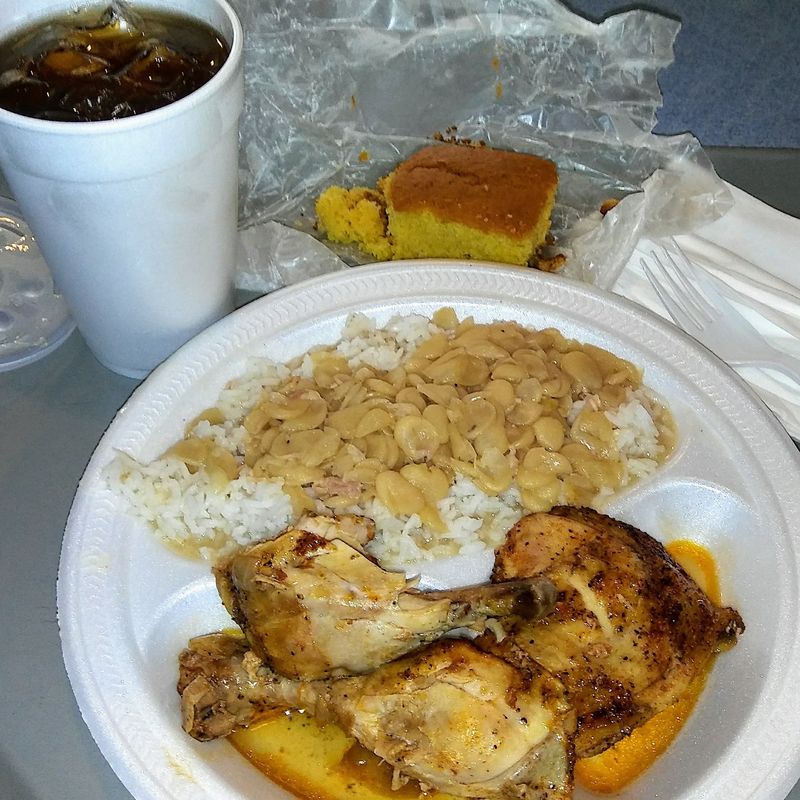
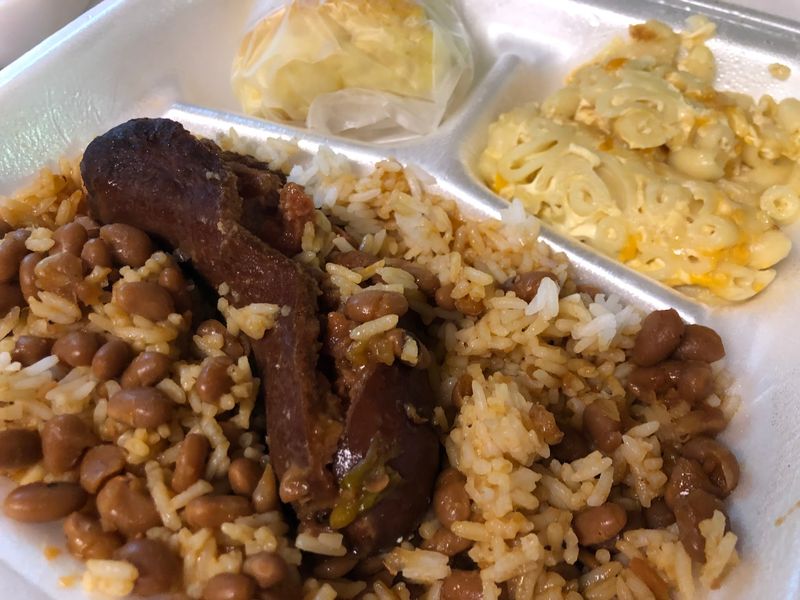
Lima beans get mentioned more than almost anything else on this menu, and that is not a small thing when fried chicken is in the building. Cooked down with smoked turkey necks or pig tails, they turn silky and smoky.
Spoon them over rice, and the plate transforms. Simple food, done with time.
Red rice shows up constantly too, sometimes with sausage folded in, carrying that tomato-tinged Lowcountry character that Charleston built its reputation on. Macaroni and cheese arrives baked, not stirred.
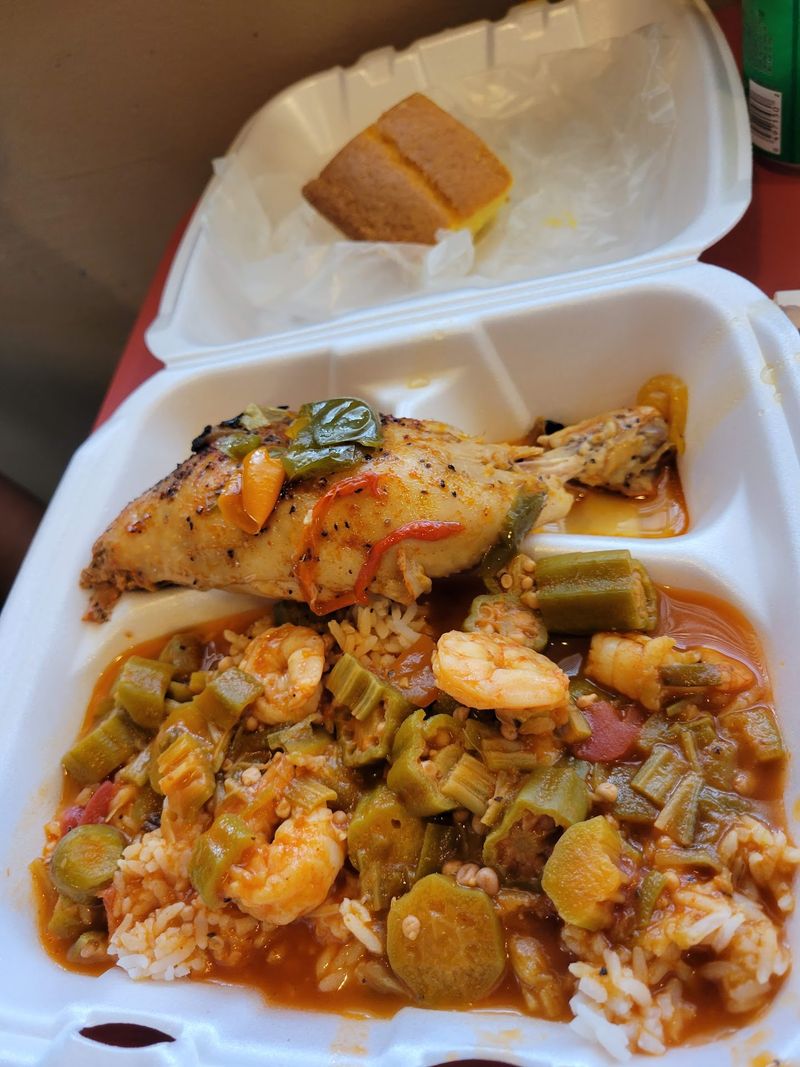
Okra soup is the sleeper pick. A signature Gullah dish, it works as a full meal with a square of cornbread on the side, though nobody will judge anyone for ordering it alongside chicken.
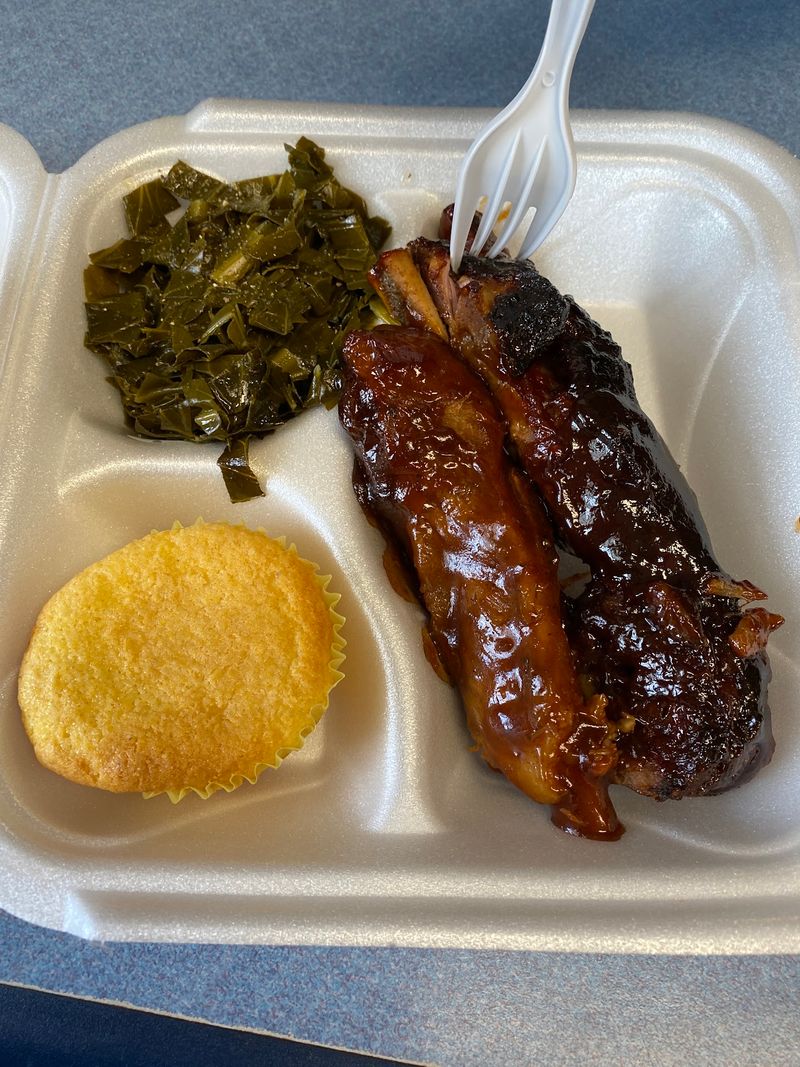
Collard greens, candied yams, green beans, and field peas with hocks round out the steam table. The yams lean sweet enough to double as dessert.
Cornbread deserves its own paragraph because it soaks up gravy, bean liquid, and okra soup with equal enthusiasm. Ordering it is not optional in most people’s minds.
Everything arrives in Styrofoam clamshells whether the meal is eaten at a table or carried out to the car. Fancy packaging was never the point, and the food never needed it anyway.
Ingredient Selection For Optimal Flavor
Great fried chicken starts long before the oil heats up. Freshly ground black pepper and sea salt bring sharper flavor and a slight crunch that pre-ground pepper simply cannot match. Small upgrade and big payoff.
Acid matters just as much. Buttermilk, lemon juice, or hot sauce in the marinade softens the meat and pushes flavor past the surface, which is where most bland chicken goes wrong.
Oil choice is not glamorous, but it decides a lot. Neutral options with high smoke points, like canola or peanut oil, fry clean without adding off flavors, and a few pats of butter in the pot deepen the taste.
The dredge usually pairs all-purpose flour with cornstarch or baking powder. That combination is what creates the light, brittle shell people chase.
Bone-in, skin-on pieces beat boneless every time for flavor. Dark meat especially, thighs and drumsticks, stays juicier because the fat and bone protect it during frying.
Smaller pieces cook more evenly, which explains why drumettes and wings often come out of a busy kitchen tasting perfect. There is less distance for heat to travel.
Sourcing this way costs more attention than money, and the difference lands on the fork. That commitment is exactly why a family kitchen on Meeting Street Road still draws lines forty years in.
Impact Of Food Presentation On Appetite
People eat with their eyes first, which is a cliché because it happens to be true. A plate that looks good creates a positive impression before anybody picks up a fork, and that impression makes the food taste better.
Color does the heavy lifting. Green collards, orange yams, golden chicken, and deep red rice sitting side by side grab attention instantly.
Contrast in texture matters too. Crisp crust against soft beans against grainy cornbread keeps every bite interesting instead of repetitive.
Neat arrangement helps even in a takeout container. Food that is organized rather than piled reads as more appealing, which is why a clamshell with each item in its own spot works better than a heap.
Warmth signals freshness. A dish that looks hot, with steam rising, triggers hunger in a way lukewarm food never will.
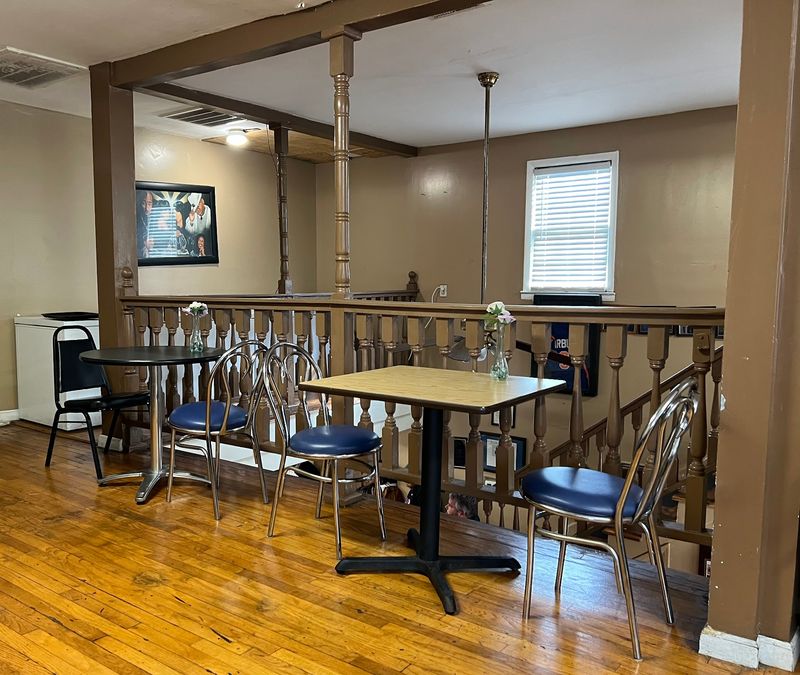
The room itself plays a role. Family portraits on the walls, the noise of a busy counter, and the smell rolling out the door all shift how food is perceived before the first taste.
Nothing here is styled for a magazine shoot, and honestly, that helps. The setup looks like a family kitchen on a holiday afternoon, which is exactly the visual cue that makes people hungry.
Tips For Achieving Perfect Golden Brown Color
That deep golden color is not decoration. It signals a crust that has cooked evenly, and getting there depends on holding the oil between 350 and 375 degrees from start to finish.
Drop the temperature and the color goes pale. Push it too high, and the outside darkens before the inside is safe to eat.
Batch frying protects that balance. Loading too many pieces at once tanks the heat and produces limp, greasy chicken instead of the crackling kind.
Patting the chicken dry before dredging removes surface water that would otherwise steam the coating. A thin mustard layer before the flour also encourages richer browning while adding tang.
Cooking runs roughly twelve to fifteen minutes per side, with the finish line being an internal temperature of 165 degrees and a crust that has gone properly bronze. Rushing it never ends well.
Flour blended with cornstarch browns more attractively and crisps harder than flour alone. A couple of pats of butter added to the oil push the color even further.
The last step gets skipped most often. Resting fried chicken on a wire rack instead of paper towels lets air circulate underneath, so trapped steam does not turn a beautiful crust soft within minutes.
Cultural Significance Of Sunday Dinners
Sunday dinner in the South is not just a meal on a calendar. It carries family, love, community, and heritage on the same table, and it has done so for generations.
The roots run deep and painful. During slavery, Sunday was often the only day enslaved people could gather, socialize, and cook together, which turned the meal into something sacred.
After emancipation, that pattern held. For many Black families, Sunday was the single day free from work, making it the natural moment for a bigger meal and real conversation.
In the South, Sunday dinner usually means the midday meal, and it is typically the largest of the week. Church lets out, cars fill up, and the table gets set.
Recipes travel at that table. Grandmothers pass down techniques nobody wrote down, and children learn how much seasoning is enough by watching hands, not measuring cups.
Neighbors and friends wander in constantly, which turns a family dinner into a small community event. Nobody counts heads too carefully.
A restaurant that opens at noon on Sunday and closes at 5 PM fits that rhythm exactly. The crowds who show up after service are not just buying lunch; they are continuing something older than the building itself.