
This Pennsylvania Factory Tour Is Hidden Underground, So Most Visitors Miss It
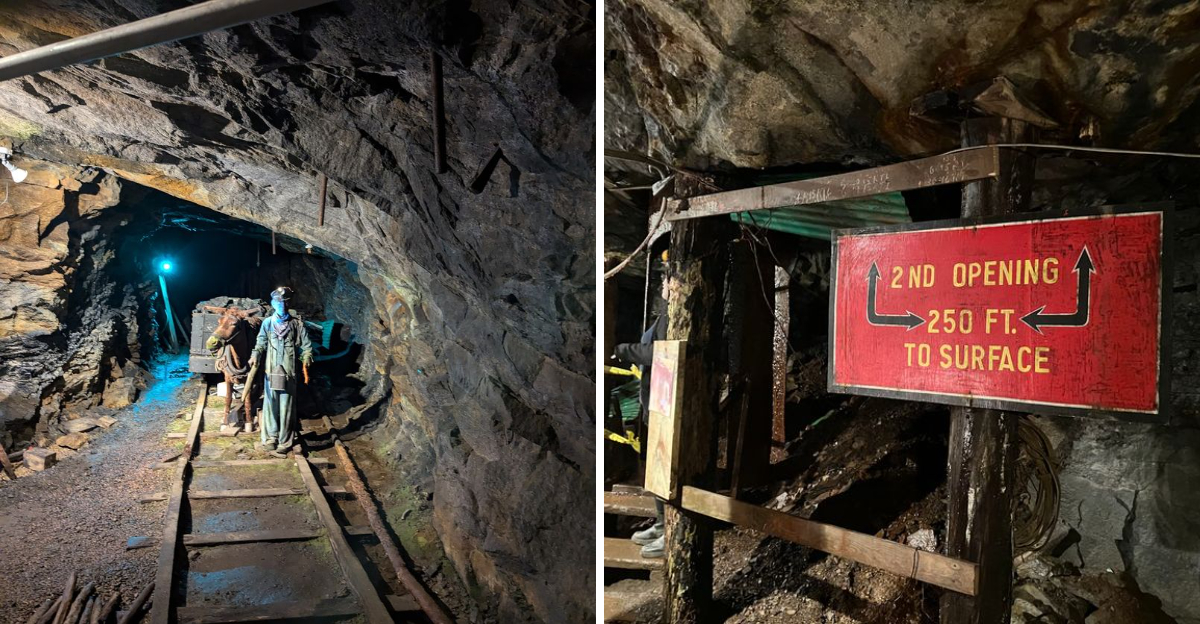
A bright yellow car carries you three hundred feet straight into total darkness. That descent kicks off one of Pennsylvania’s strangest factory tours.
Cool air rushes past as daylight shrinks to a tiny square above your head. Guides whose families once worked underground walk you through tunnels carved by hand generations ago.
A simulated blast echoes off the rock walls loud enough to make kids jump and adults grin right back. Stories about mule boys, nippers, and coal veins with odd names fill every stop along the way.
Pennsylvania holds onto this kind of history better than almost anywhere else. Pack a jacket, because the tunnels stay chilly no matter the season outside.
Curious how deep this rabbit hole goes? Start planning a trip worth remembering.
The Yellow Mine Car Ride That Starts It All
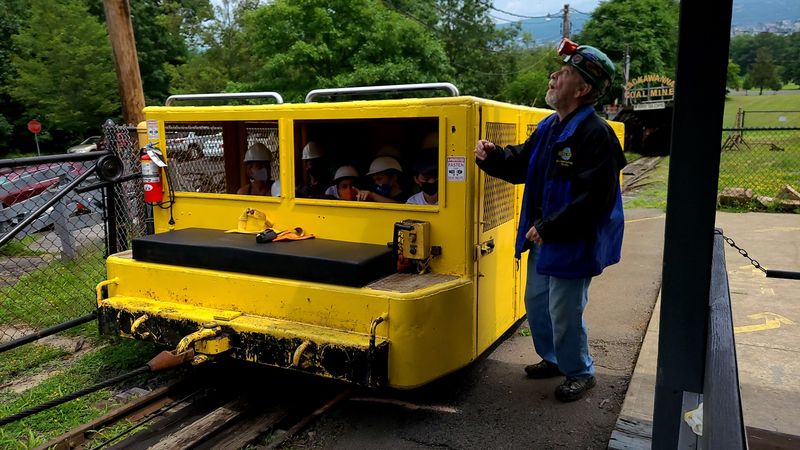
The adventure begins with a seat, not a step. Visitors climb into a bright yellow mine car and hold on as it creeps downward.
That car rolls along Slope #190, the original entry shaft used by working miners. The trip takes only three or four minutes.
Daylight shrinks behind the car until it becomes a small pale square. Cool air rushes past well before the bottom arrives.
By the end of the ride, the Lackawanna Coal Mine Tour has carried its guests roughly 300 feet under McDade Park at 1 Bald Mountain Road in Scranton, Pennsylvania.
The car stops inside the Clark Vein, a seam of hard anthracite coal. Guides help everyone out onto uneven, damp ground.
Hard hats get handed out before boarding, and they are not just for show. Ceilings dip low in several spots along the route.
Kids tend to love this part most. Adults usually go quiet once the rails start clanking.
Nothing about the descent feels rushed, which gives the mind time to register how far down the tunnel really goes.
Half A Mile Of Tunnels On Foot
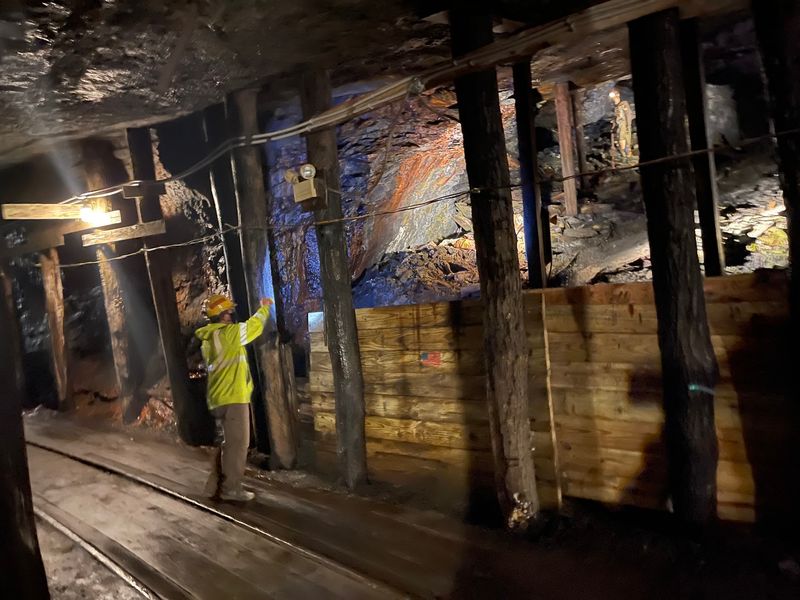
Boots hit rock the moment the car empties. The underground portion of the Lackawanna Coal Mine Tour is a walking route, roughly half a mile long.
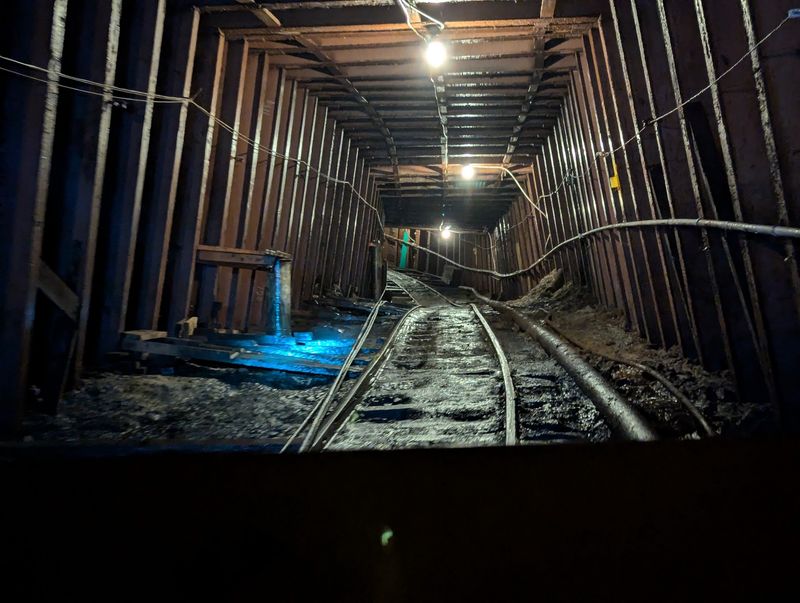
Guides lead groups through gangways and rock tunnels that miners once used every shift. Timber props brace the ceiling overhead.
The floor stays wet in places, and puddles are common. Closed-toe shoes with grip make the walk far easier.
Lighting is dim but steady, enough to see the coal glinting in the walls. Shadows stretch long between fixtures.
Groups stop several times along the way. Each pause covers a different feature, tool, or story tied to that exact spot.
Ceiling height changes without warning. Taller visitors learn quickly to watch their heads, and the hard hat earns its keep.
Most people finish the walk in about an hour, though some tours run longer depending on questions and group size.
The pace stays comfortable. Nobody is expected to scramble or climb, just walk carefully on ground that has never been smoothed.
Coming back up feels strangely bright afterward.
Guides Who Grew Up Around Coal
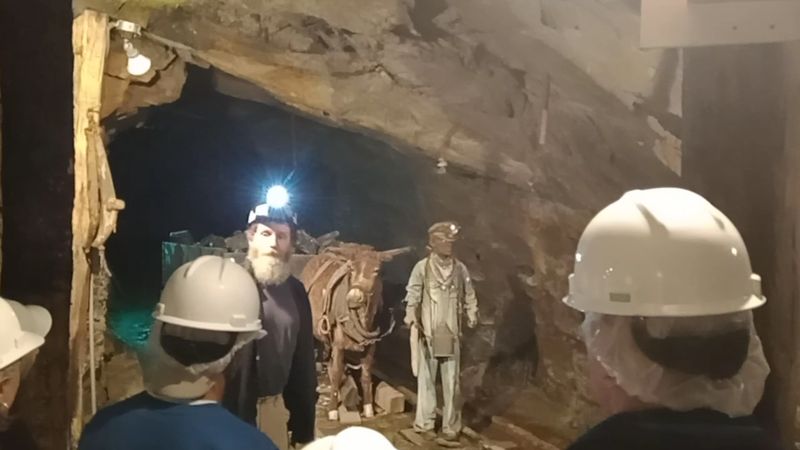
Ask a question, get a story. Guides at the Lackawanna Coal Mine Tour often have relatives who worked in the anthracite industry, and it shows in how they talk.
They explain tools, techniques, and daily routines without reading from a script. Humor slips in between the serious parts.
Visitors regularly mention how funny and knowledgeable the guides are. That balance keeps kids listening and adults asking follow-ups.
Explanations cover more than machinery. Guides describe wages, working hours, and the conditions families faced before unions gained ground in the region.
They also demonstrate how miners cut, loaded, and hauled coal by hand. Watching the motions makes the labor feel real.
Questions are welcome throughout the walk, and guides rarely rush anyone along. Kids who ask a dozen things tend to get a dozen answers.
Different guides emphasize different details, so two visits can feel surprisingly distinct.
The storytelling is what most people remember after they surface, more than the tunnels themselves. It turns a rock passage into a record of working lives.
Anthracite, The Coal That Built A City
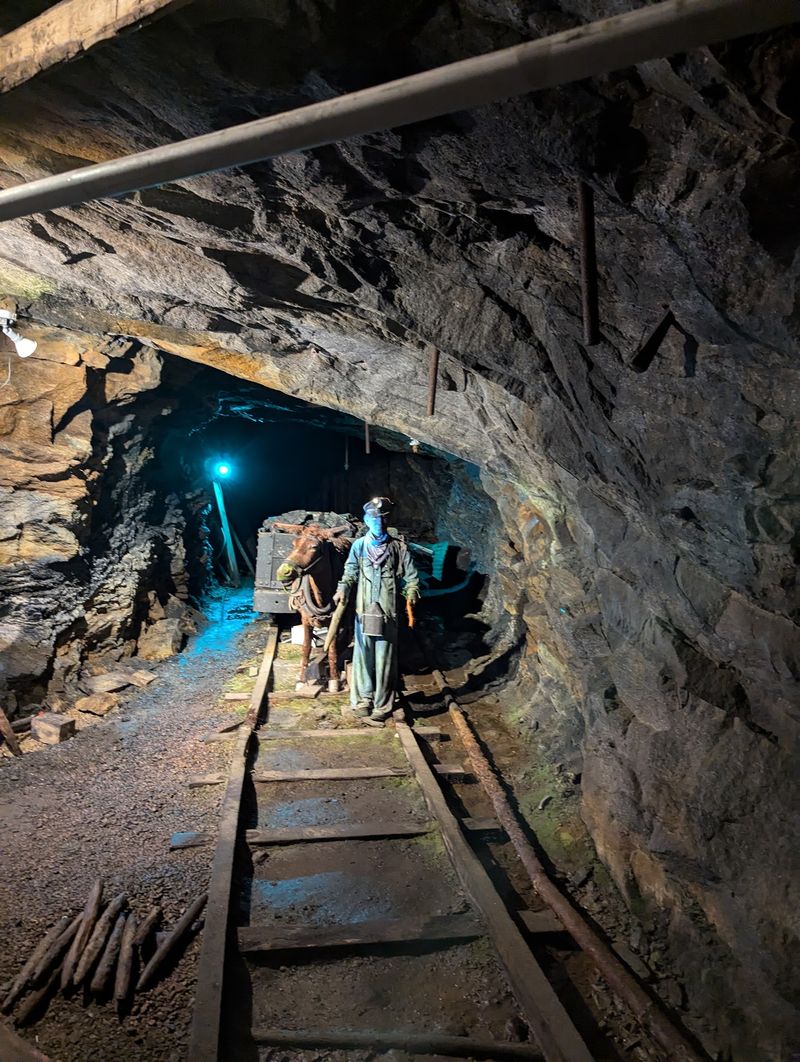
Not all coal is created equal. Anthracite, the type found here, burns hot and clean compared with softer varieties, which made it wildly valuable.
Northeastern Pennsylvania sat on enormous deposits of it. Scranton earned the nickname Anthracite Capital of the World in the late 1800s.
Inside the Lackawanna Coal Mine Tour, guides point out different veins layered through the rock. The Clark Vein is where the mine car stops.
Visitors see the coal up close, black and glossy under the lights. Touching the wall is part of the experience.
The mine itself opened around 1860 under the Continental Coal Company. Operations continued for more than a century before shutting down in 1966.
Restoration work started in 1978, and the site reopened to the public as a museum mine in 1985.
Understanding the coal helps explain the city above it. Rail lines, factories, and whole neighborhoods grew because of what came out of these seams.
By the end, the geology and the local history feel like one connected story rather than two separate lessons.
Mule Boys, Nippers, And Other Underground Jobs
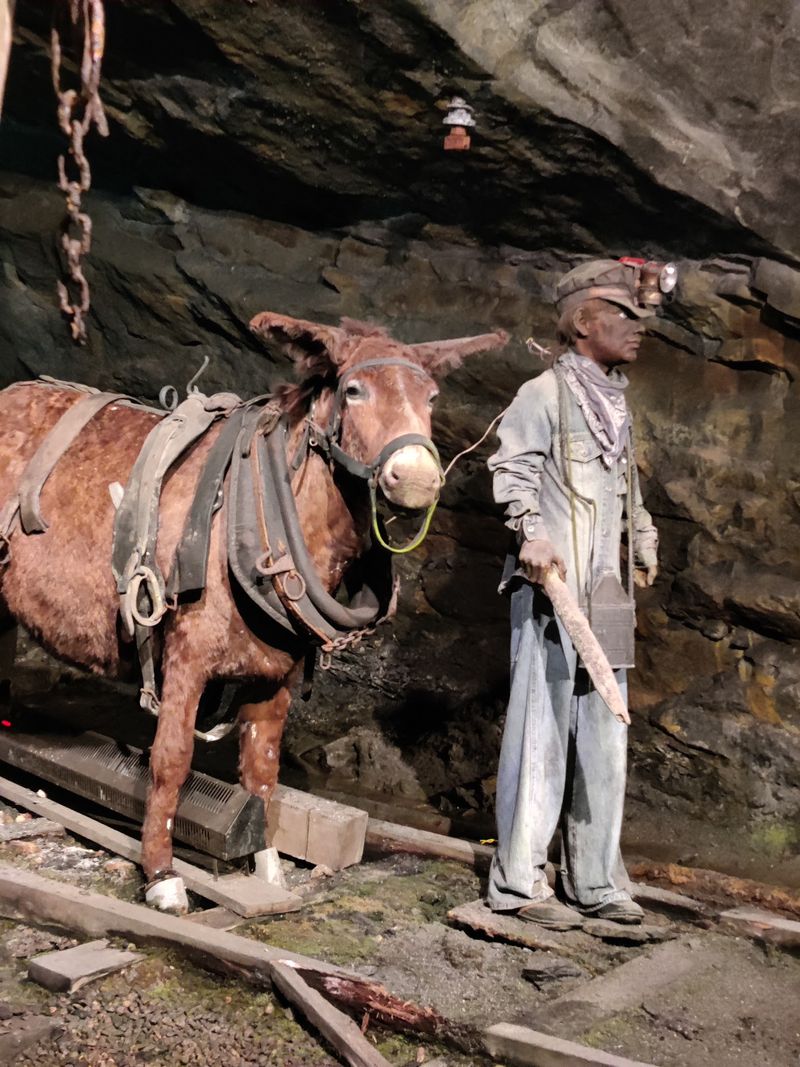
Children once worked down here. Guides on the Lackawanna Coal Mine Tour stop at spots tied to the youngest workers, and the stories land hard.
The Nipper sat by a wooden door in the dark, opening and closing it for passing coal cars. Long shifts, almost no light.
Mule Boys handled the animals that pulled loaded cars through the gangways. Mules lived underground for long stretches at a time.
Other stops highlight the Monkey Vein and the Dead Chute, both odd names with practical mining meanings behind them.
Hearing the job titles beside the actual locations makes the history stick. The tunnel stops being scenery and becomes a workplace.
Guides explain how families depended on every paycheck, including the small ones earned by boys barely into their teens.
Many workers came from immigrant families across Eastern and Southern Europe. Their labor shaped the towns still standing above.
These sections of the walk tend to be the quietest. Visitors listen, look at the low ceilings, and do the math themselves.
Hand Tools Versus Machines Below Ground
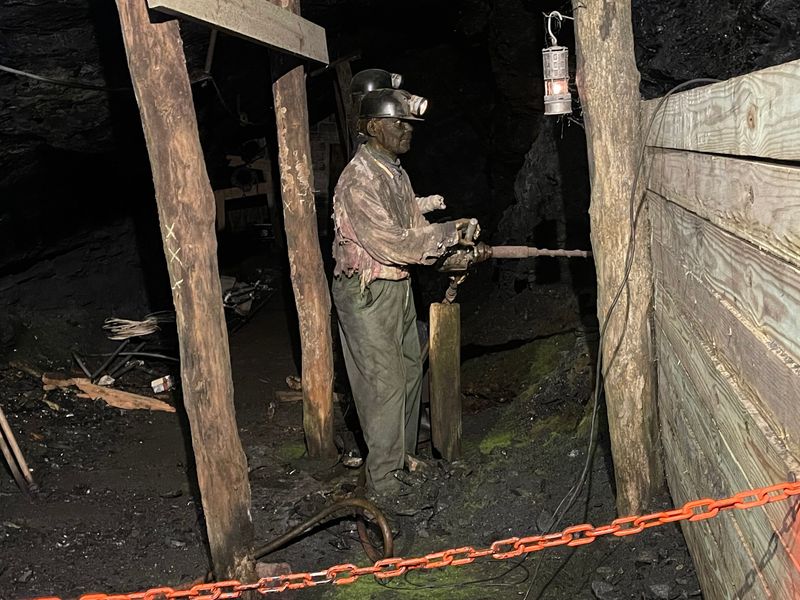
Two eras sit side by side in the tunnels. One section shows picks, shovels, and hand drills, the gear miners used for decades.
Another shows the mechanized equipment that arrived later, bulky and loud by comparison. The contrast is impossible to miss.
Guides on the Lackawanna Coal Mine Tour explain what changed with each new machine. Some tools saved backs, others cost jobs.
Visitors get a clear sense of how slow hand mining actually was. Cutting coal by muscle took hours for a single load.
Machines sped things up dramatically. They also introduced new hazards and more dust into already tight spaces.
Seeing both setups in the same tunnel makes the timeline easy to follow, even for younger visitors who lose track of dates.
Guides often invite people to lift or handle certain items. Weight tells its own story.
The equipment display outdoors adds more context after the tour, though some signage there has faded over the years.
Technology moved fast underground, and the tunnels still hold the evidence.
That Simulated Blast Everyone Talks About
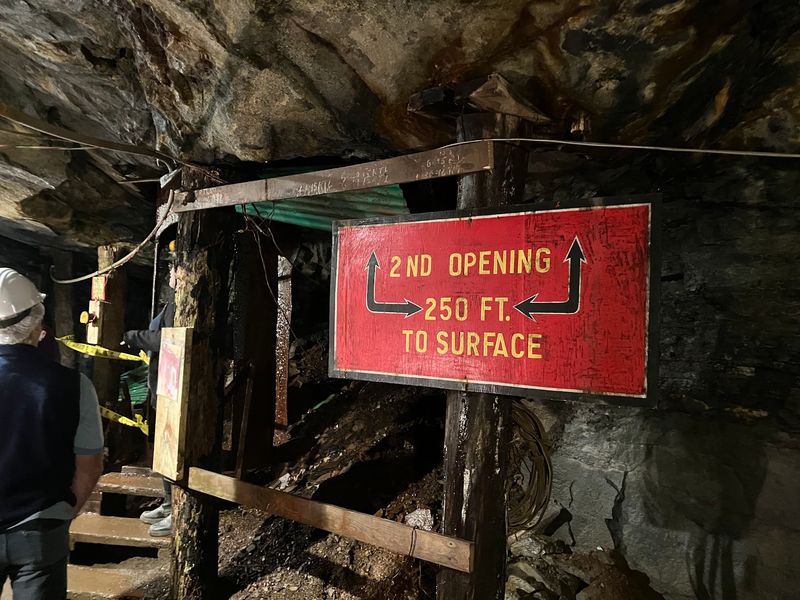
Brace for a bang. Partway through the route, guides run a simulated blasting demonstration that echoes through the rock.
The sound is startling on purpose. It shows how miners loosened coal from solid seams before hauling it out.
Nobody is in danger during the demonstration. The Lackawanna Coal Mine Tour recreates the moment without any real explosives going off.
Guides walk through the process first, explaining how holes were drilled and charges placed. Timing mattered enormously.
A mistake underground could collapse a section or trap a crew. The demonstration drives that risk home in seconds.
Younger kids sometimes jump. Most laugh right afterward, then start asking rapid-fire questions about how often blasting happened.
The echo in a narrow tunnel is what surprises people. Sound behaves differently 300 feet down, bouncing off wet rock walls.
Guides use the moment to talk about safety rules, or the lack of them, in earlier decades.
It is one of the few times the tour trades storytelling for pure sensation, and it works.
Dress For Fifty Degrees And Wet Floors
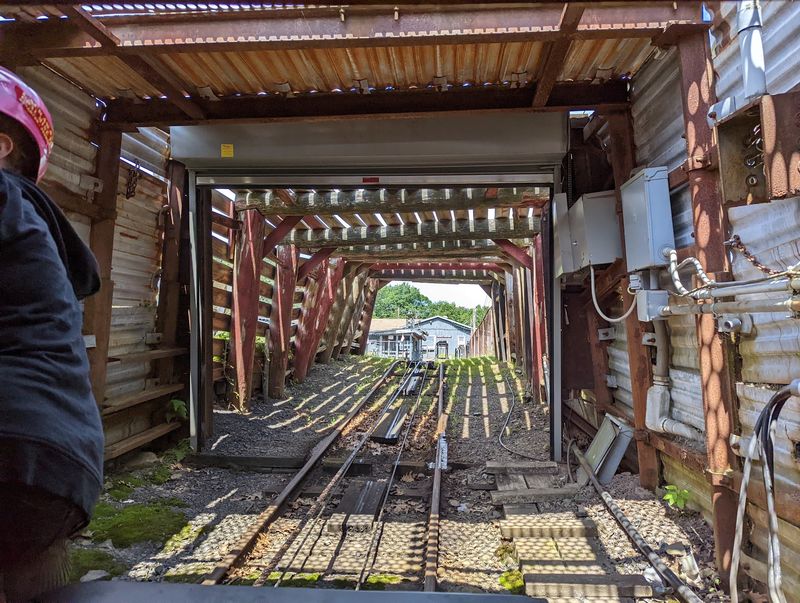
Summer clothes betray people here. The mine holds a steady temperature near 50 to 55 degrees Fahrenheit all year long.
Air moves through the tunnels too, which makes it feel colder than the thermometer suggests. Wind plus damp equals chilly feet.
A sweatshirt or light jacket handles it. Long pants beat shorts by a wide margin at the Lackawanna Coal Mine Tour.
Footwear matters just as much. The ground is uneven, rocky, and wet in stretches, so sneakers with decent tread work best.
Sandals and smooth-soled shoes are a poor choice down there. Puddles show up without warning.
Hard hats are provided at the start, so no need to bring headgear. Just wear something you do not mind getting slightly dusty.
Visitors who plan ahead stay comfortable and actually listen to the guide instead of shivering through the stops.
Those who forget usually survive, but they mention the cold for the rest of the day.
Packing one extra layer in the car costs nothing and saves the whole hour.
The Interpretive Center And Gift Shop Above
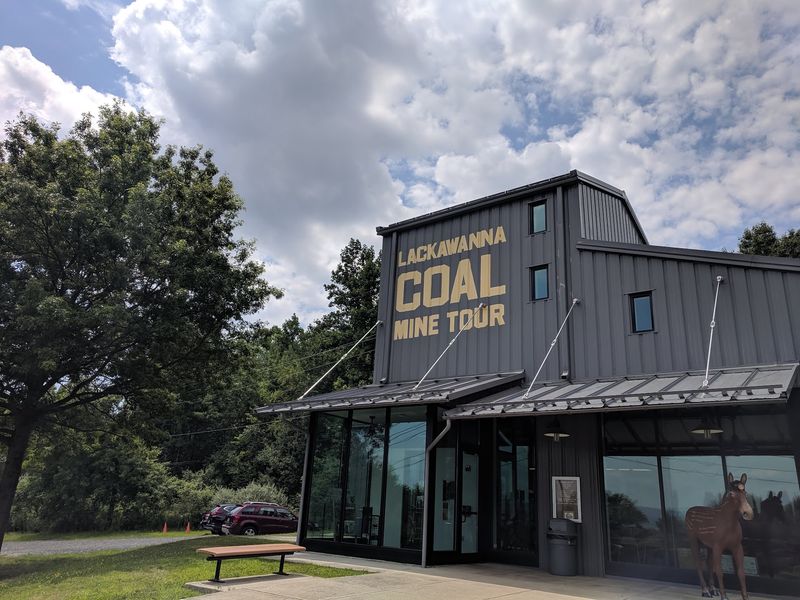
Surface time is worth budgeting for. Tickets are sold inside the interpretive center, which doubles as a small exhibit space.
An introductory video about mining plays there, giving useful background before the descent. Watching it first makes the tunnel stops clearer.
The gift shop stocks anthracite coal souvenirs, including coal jewelry and polished keepsakes. Fossils and mining history books share the shelves.
Miner-themed apparel and collectibles round out the selection. Plenty of visitors leave with a chunk of coal in a bag.
A small cafe area serves drinks and refreshments, handy if a wait stretches out before the next tour slot.
Tours at the Lackawanna Coal Mine Tour can fill up during busy weekends and holidays. Arriving early improves the odds of a convenient time.
The waiting area has views and displays, so downtime is not wasted. Kids can wander between exhibits.
Parking on site is free, which removes one common travel headache.
Treat the center as part of the visit rather than a lobby, and the whole trip feels fuller.
McDade Park And The Museum Next Door
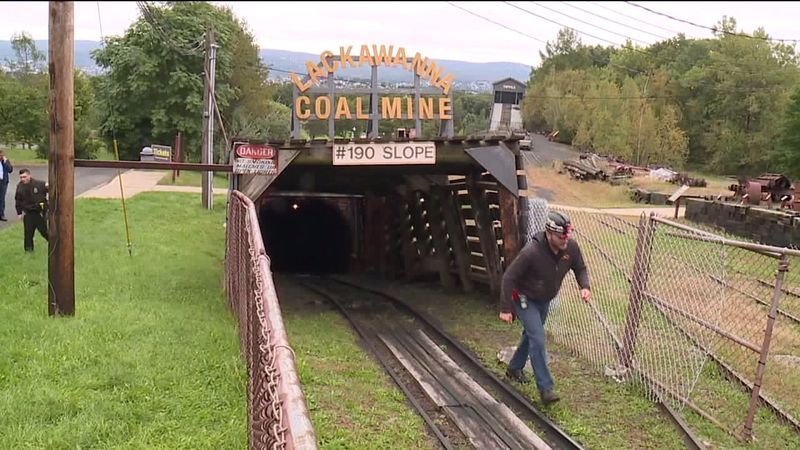
Green grass sits directly over black coal. McDade Park surrounds the mine entrance, offering open space, picnic areas, and walking paths.
Families often turn the visit into a half day. The park makes an easy spot to eat before or after going underground.
The Pennsylvania Anthracite Heritage Museum stands nearby, within the same park grounds. Its exhibits expand on what the tunnels only hint at.
Displays there cover immigrant communities, household life, textile work, and the industries that grew alongside coal in the region.
Pairing the museum with the Lackawanna Coal Mine Tour gives a fuller picture. One shows the workplace, the other shows the neighborhood.
Outdoor equipment displays sit near the mine entrance too, with large machinery parked in the open air.
Some interpretive signs outside have faded with weather and time, so the guided commentary remains the stronger source.
The setting itself is pleasant, with rolling northeastern Pennsylvania hills visible past the treeline.
Few places let visitors picnic on a lawn and then ride beneath it.
Seasonal Openings And Accessibility Notes
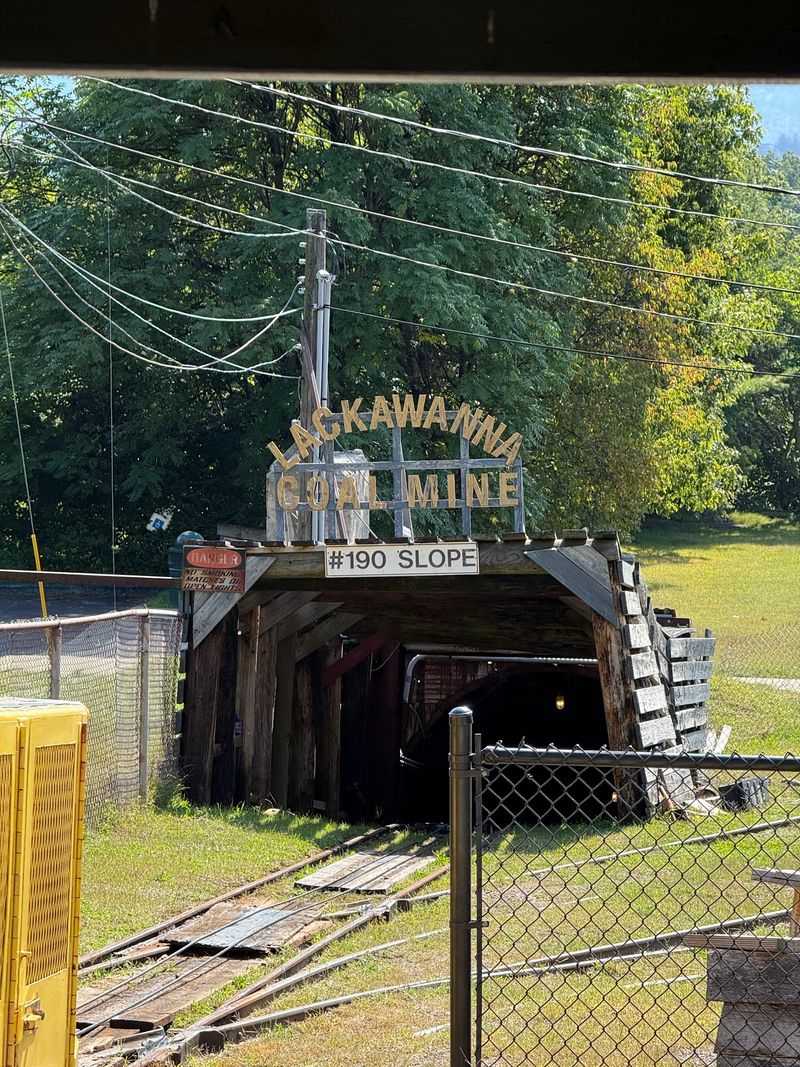
Timing decides everything. The mine operates seasonally, generally running from spring through late autumn rather than year round.
Winter visitors will find the gates closed, so checking ahead before driving out saves disappointment.
Weekends and school vacation periods draw the biggest crowds. Weekday mornings tend to move faster through the ticket line.
Accessibility at the Lackawanna Coal Mine Tour comes with conditions. Guests using wheelchairs must be able to transfer into the mine car.
Assistance is also needed to navigate the uneven underground floor. Staff can explain the specifics before tickets are purchased.
Anyone with mobility concerns should ask questions up front rather than at the platform. The team handles these conversations regularly.
The walking route has no stairs to climb, but the terrain is rough and damp throughout.
Strollers are not practical below ground. Small children usually manage the walk fine with a hand to hold.
Free on-site parking sits close to the entrance, which shortens the trip from car to ticket counter considerably.
A little planning turns a maybe into a smooth morning.
Why A Sitcom Made This Mine Famous
Television gave it a nudge. Fans of NBC’s The Office recognize the mine from a passing mention tied to Scranton.
That shout-out sends a steady trickle of curious travelers toward McDade Park each season.
Recognition goes further than pop culture, though. The Lackawanna Coal Mine Tour has been named among USA Today’s best underground attractions.
Awards aside, the appeal is simple. Very few places let ordinary visitors ride into a real mine and walk its tunnels.
The site keeps a strong reputation with families, history buffs, and school groups alike. Ratings stay consistently high.
Ticket prices remain modest compared with most attractions of this scale, which visitors mention often.
The combination of low cost and rare experience explains the repeat visits, including people returning decades after a childhood trip.
Fame from a sitcom may open the door, but the tunnels themselves keep people talking afterward.
Riding back toward daylight, most visitors leave with a sharper respect for the workers who spent whole careers where the tour spends one hour.